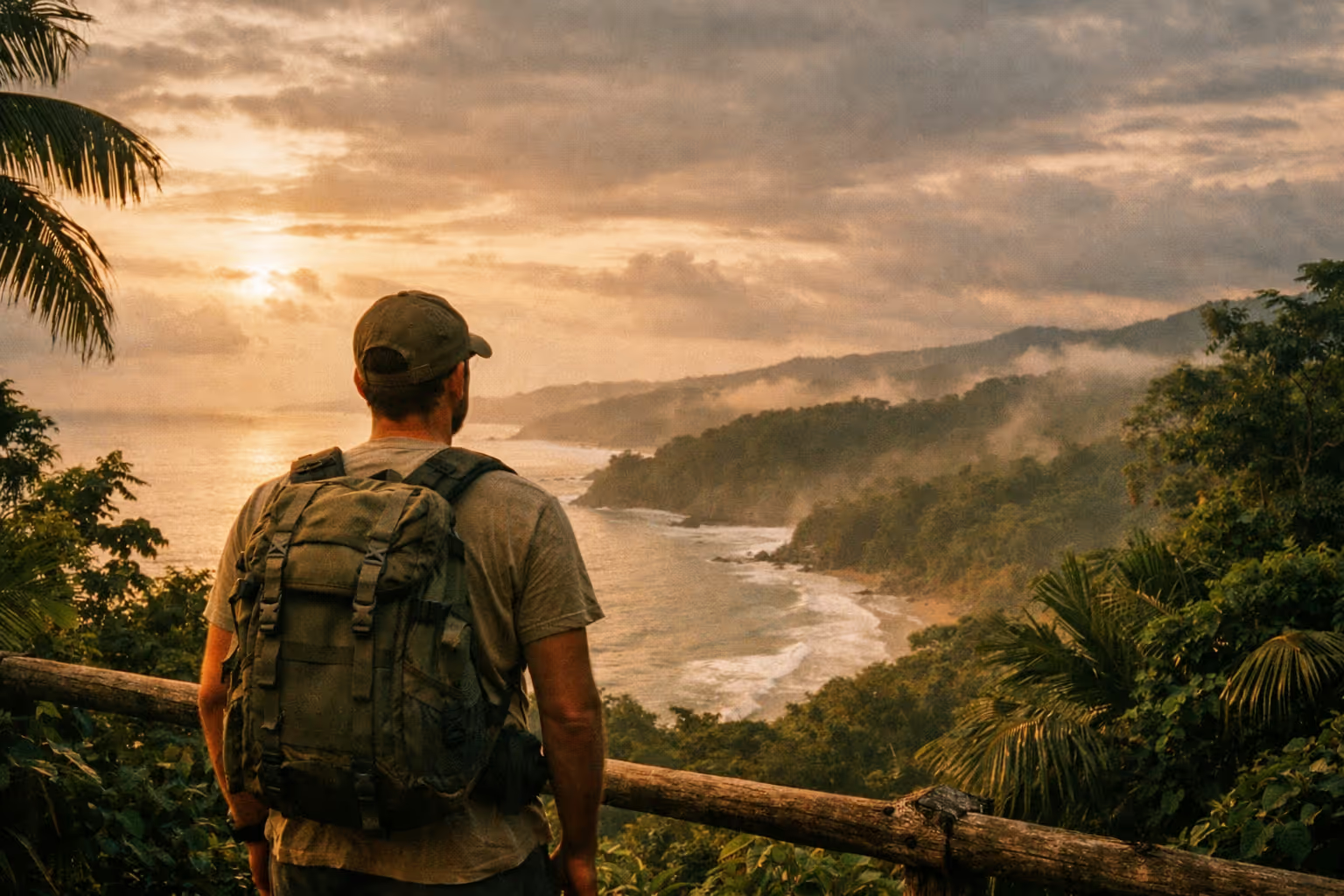
Is Costa Rica safe? Broadly yes; it sits at State Department Level 2, like France, and rates the safest in Central America. But the real risk is not violent crime, it is your rental car: break-ins at trailheads and beaches are the common incident, so empty the cabin at every stop. In San Jose after dark, skip the center and the Coca-Cola terminal, stay in Escazu or Escalante, and Uber for a few dollars. Tap water is fine in the Central Valley; go bottled on the Caribbean coast.
Is Costa Rica Safe for Tourists in 2026?
If you’re wondering, “Is Costa Rica safe for tourists in 2026?” the answer is generally yes, with some precautions. Costa Rica sits at Level 2 “Exercise Increased Caution” on the U.S. State Department advisory - the same level as France or Italy. Australia’s Smartraveller and Canada’s Travel.gc.ca echo this: exercise a high degree of caution, watch for petty crime, but no broad “do not travel” zones (6, 8). Berkshire Hathaway Travel Protection ranks Costa Rica 33rd of 42 countries in its 2026 Safest Places Ratings and the safest in Central America (2). On the Global Peace Index, it ranks 54th of 163 countries, placing it among the most peaceful nations in Latin America (2).
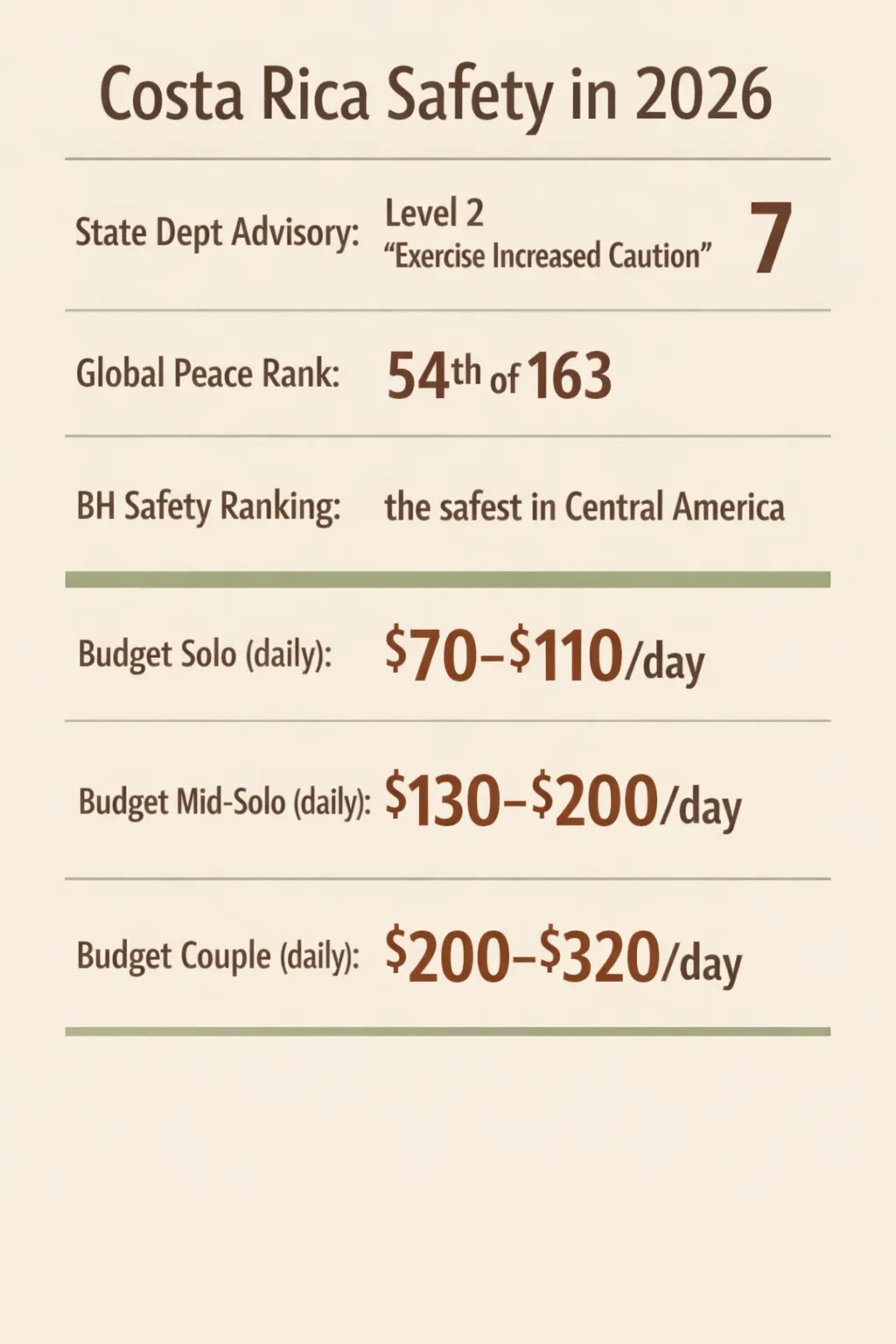 In 2026, Costa Rica holds Level 2 advisory, ranks 54th of 163 on the Global Peace Index, and remains the safest in Central America; solo budget starts at $70-$110/day.
What’s actually happening on the ground:
- Petty theft is the dominant tourist crime. Pickpocketing, bag snatching at beaches and bus terminals, and rental-car break-ins account for the overwhelming majority of incidents reported by visitors (1, 2, 4, 8).
- Homicides have risen post-pandemic, but the violence is concentrated in drug-trafficking disputes between Costa Ricans, not aimed at tourists (1, 3).
- Risk spikes in party towns - Jacó, Tamarindo, Puerto Viejo - late at night when alcohol, drugs, and isolated streets converge (4).
- Non-crime risks kill more tourists than crime does. Rip currents on Pacific beaches, single-vehicle road accidents at night, and dengue from mosquito bites are the actual statistical threats (2, 5).
The practical takeaway: treat Costa Rica with the same vigilance you’d apply to a mid-sized U.S. city you don’t know well. Not paranoia, not naivety.
What most guides get wrong
They tell you violent crime is “rare” and stop there - which leaves you completely unprepared for the boring threat that actually ruins trips: someone smashes a rental car window at a trailhead and takes your passport, laptop, and the cash you stashed under the seat. That happens constantly. Rip currents and a wet descent on a mountain road at night are the other two things glossy safety guides consistently underreport.
✓ Pros
- One of the safest countries in Central America for tourists
- No broad do-not-travel zones
- Violent crime mostly unrelated to tourists
- Strong public safety in popular tourist areas
✗ Cons
- Petty theft, especially rental car break-ins, is common
- Party towns have elevated risks late at night
- Night driving on rural roads is hazardous
- Some guides understate non-crime risks like rip currents
Is San Jose Costa Rica Safe?
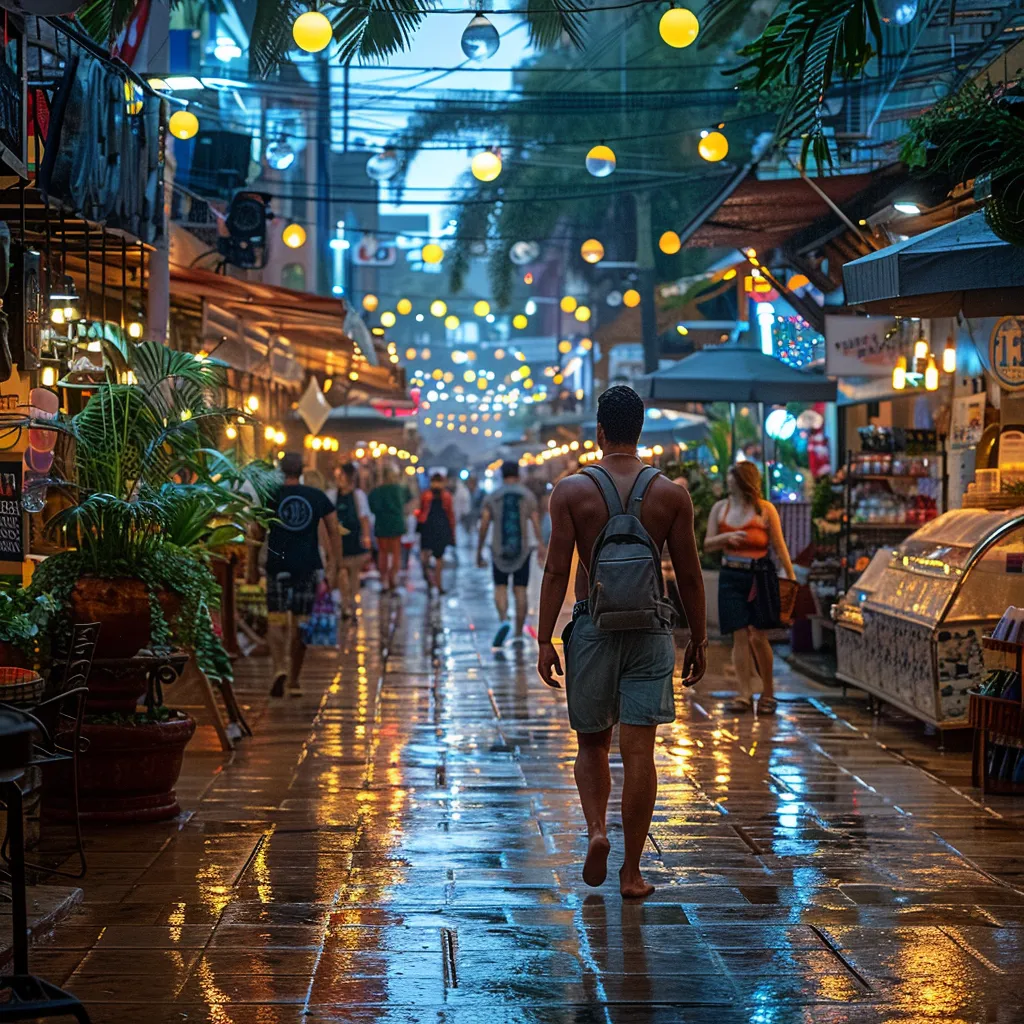
Most tourists pass through San José for one night on either end of a trip, and that’s the right amount of time. The question of whether San José is safe has a daytime answer and a nighttime answer, and they’re different enough to treat separately.
Daytime, central San José is fine with normal city precautions. The National Museum, the Jade Museum, Central Market, Barrio Escalante for food - all walkable in daylight with your phone in your pocket and your bag across your body. The historic core sees enough foot traffic and police presence that the main issue is pickpocketing, not assault.
At night, the picture changes. The State Department specifically flags central San José neighborhoods for armed robbery and assault after dark. Avoid:
- The Coca-Cola bus terminal area and the blocks immediately around it, day or night
- Barrio Cuba, León XIII, Pavas (outer zones)
- Walking between Avenida 2 and the Mercado Central after sundown
- Empty streets in any direction once shops close
What to do instead: stay in Escalante, Los Yoses, or the western suburbs of Santa Ana and Escazú, where most embassies and business hotels are located. Use Uber, which works reliably across the metro area and costs $3-$8 for most cross-town rides. Don’t walk back from a bar after midnight - Uber it, even four blocks.
San José is worth one day, maybe two if you’re into the museum scene. Then move on. Most of what makes Costa Rica worth the airfare is outside the central valley.
Is It Safe to Drive in Costa Rica?
Yes, with caveats the rental brochure won’t mention. The honest answer to is it safe to drive in Costa Rica depends more on weather, road condition, and time of day than on crime.
The actual risks, ranked:
- Night driving on rural roads. No shoulder, no lighting, livestock on the asphalt, motorcycles without rear lights, and potholes that will destroy a sedan’s suspension. Insurers consistently recommend against driving after dark outside the main highways. I tested the Santa Teresa-to-Montezuma road in August 2024 - passable in daylight in a 4x4, genuinely dangerous after sunset.
- Rental car break-ins. Leaving anything visible in a parked car at a trailhead, beach, or restaurant invites a smashed window. Not a phone charger, not a folded jacket, not a tote bag with “nothing valuable” inside. Empty the cabin every time (4).
- Aggressive driving and passing on blind curves. Locals know the roads and pass with confidence you shouldn’t try to match.
- Weather. Rainy season (May-November) can wash out unpaved roads in a single afternoon. Check road status with your lodge before committing to a route into Osa, Monteverde, or the Caribbean lowlands.
Practical driving rules:
- Rent a 4x4 ($55-$90/day plus mandatory insurance) if you’re going anywhere beyond the Liberia-San José-Arenal corridor. The cheap sedan is a false economy.
- Mandatory third-party liability insurance is required by Costa Rican law and is NOT covered by your U.S. credit card. Expect $15-$30/day on top of the rental rate, plus collision coverage on top of that.
- Bring an International Driving Permit to pair with your home license.
- Park in guarded lots ($2-$5) whenever available. Many trailheads have informal attendants - tip them $2-$3 when you return.
- Download offline Google Maps and Waze before leaving wifi. Cell coverage drops fast in the mountains.
- Police checkpoints (called tránsito) are routine and legitimate. Have your passport, license, IDP, and rental contract ready. Tickets get paid at a bank, not roadside.
When to skip self-driving entirely: if your itinerary is two beach towns plus Arenal, private shuttles (about $55-$70 per person per leg) and in-town taxis often cost less than a week of car rental once you factor in insurance, parking, and fuel. Self-driving only wins for itineraries with more than three stops or remote destinations like the Osa Peninsula.
Is the Caribbean Side of Costa Rica Safe?
Worth the detour, with adjusted expectations. The Caribbean coast - Puerto Viejo, Cahuita, Manzanillo, Tortuguero - runs on a slower, less polished rhythm than the Pacific. It’s where you go for Afro-Caribbean food, sloths in the wild at Cahuita National Park, and surf at Salsa Brava.
The reputation for being less safe is partially deserved. Is the Caribbean side of Costa Rica safe in daylight on the main strips? Yes. Walking to dinner in central Puerto Viejo at 8 p.m.? Generally yes. Walking back to your jungle cabina alone at 1 a.m. on an unlit road? That’s where incidents happen.
What to know:
- Petty theft on beaches is the most common issue. Don’t leave bags unattended on Playa Cocles or Playa Negra while you swim - rotate watch shifts with travel partners.
- Drug solicitation is open and constant in Puerto Viejo. Say no, repeat it once if needed, and keep walking. Engaging creates the violent-crime exposure you’re trying to avoid (4).
- Rental car break-ins at Cahuita National Park trailheads are reported regularly. Park inside the guarded lot at the main entrance, not on the road shoulder.
- Stay at properties with on-site owners or staff. Isolated Airbnbs deep in the jungle look appealing on the listing and feel different at 2 a.m. when something rattles the door (3).
- Skip the road between Limón and Puerto Viejo after dark.
The Caribbean is worth 3-4 days if your trip is two weeks. If you only have a week, the logistics chew up too much travel time - skip it and come back when you can do it properly.
Is Costa Rica Safe for Women Traveling Solo?
The question of whether Costa Rica is safe for women comes up constantly, and the answer is broadly encouraging. Solo women visit safely every day. The precautions are the same as in any tourist-heavy country, plus a few specific to Costa Rica.
What works:
- Stay in family-run hostels, B&Bs, or eco-lodges where owners live on the property (3). They function as informal security and local-knowledge sources.
- Use vetted shuttles (Interbus, Caribe Shuttle, your hotel’s recommended driver) rather than the cheapest public bus for long legs. Pickpocketing and occasional groping happen on crowded buses (8).
- Catcalling is common in San José and on Pacific beach strips. Ignore it and keep walking; it almost always stops there.
- Don’t post real-time location tags on social media, especially the name of your hotel (4).
- Don’t leave a drink unattended at a bar, and don’t accept opened drinks from strangers. Universal advice, applies here too.
Where solo women report the most issues: party-zone late nights in Tamarindo, Jacó, and Puerto Viejo, almost always when alcohol is involved. The pattern is consistent enough that it’s worth structuring your evenings around it - early dinners, sunset surf, and being back at your lodging by 11 p.m. in those towns.
The Pura Vida culture is real. Most interactions with locals - restaurant staff, guides, drivers - are warm and uncomplicated. Trust your instincts when something feels off, and treat the warm welcome as the default rather than the exception.
Is Tap Water in Costa Rica Safe to Drink?
Mostly yes, with regional exceptions. The question is tap water in Costa Rica safe to drink breaks down by where you are.
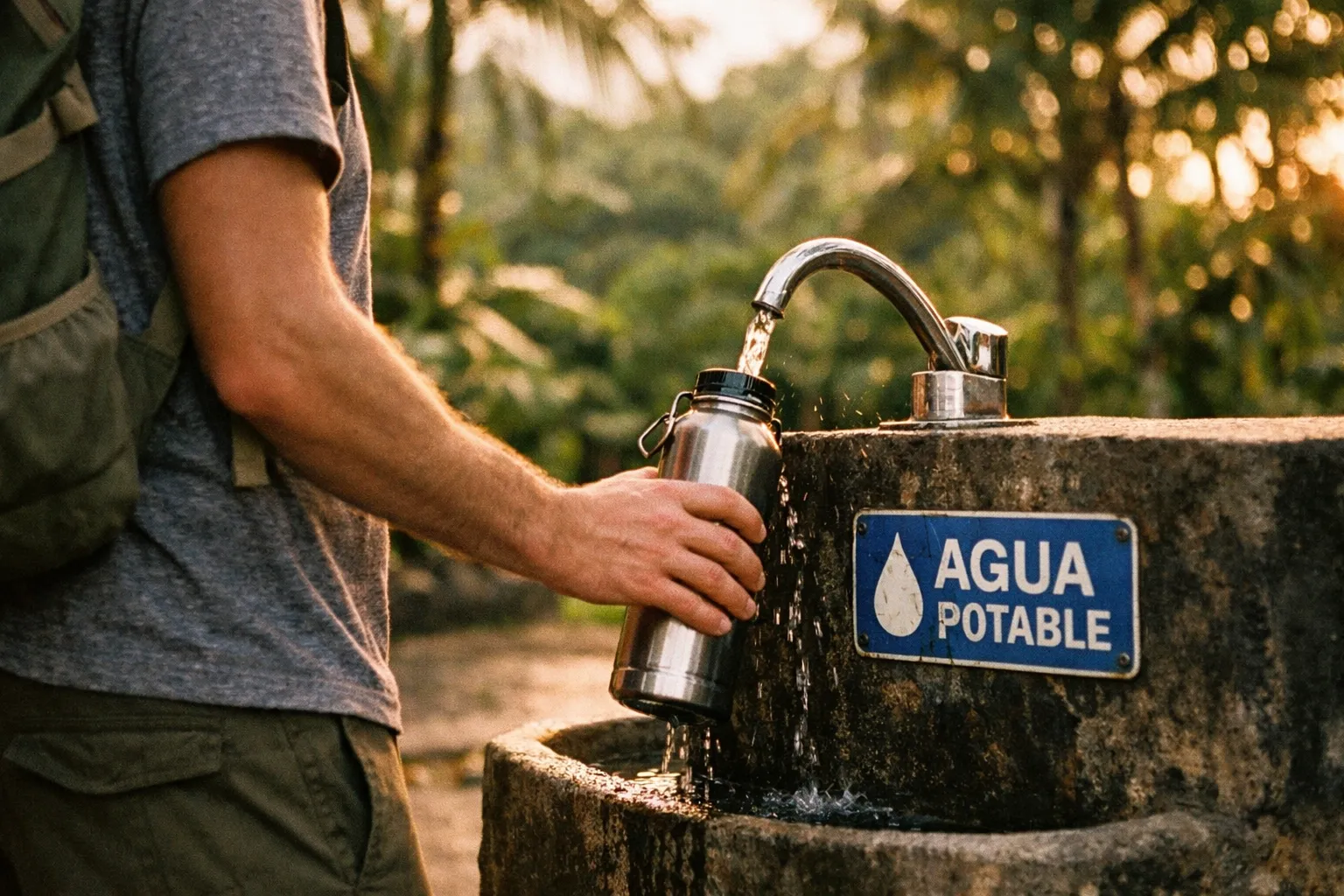
- Central Valley (San José, Alajuela, Heredia, Cartago): tap water is potable and meets municipal standards. Drink it.
- Major tourist hubs (Manuel Antonio, La Fortuna, Monteverde, Tamarindo, Liberia): tap water is generally safe; most hotels confirm this and many provide filtered water stations anyway.
- Caribbean coast and remote beach towns: quality varies. Puerto Viejo has had supply issues; many lodges use rainwater catchment or filtration. Ask your accommodation directly.
- Rural and remote lodges (Osa Peninsula, deep Nicoya, indigenous territories): assume bottled or filtered unless told otherwise.
The Costa Rica Tourism Board’s general guidance is that water is potable in most urban and established tourist areas, with bottled or filtered water available everywhere as a backup (5). A 1.5-liter bottle runs about $1-$2 at supermarkets; a refillable bottle paired with hotel filtration stations cuts the plastic waste.
If your stomach is sensitive, a Steripen or LifeStraw bottle is cheap insurance and weighs nothing. Skip the ice from unknown sources at roadside sodas if you’re already uncertain about the water.
Is It Safe for USA Tourists?
Yes, with no special restrictions targeting American citizens specifically. Berkshire Hathaway Travel Protection explicitly calls Costa Rica “one of the safest and most beautiful destinations in the Western Hemisphere for American tourists” (2). The U.S. State Department’s Level 2 advisory applies equally to U.S., Canadian, and European visitors - and it sits well below the Level 3 or Level 4 ratings that several Mexican states carry.
Practical points specific to Americans:
- U.S. passports get 90 days visa-free on entry. Your passport must be valid at least one day past your planned departure (the old six-month rule was relaxed, but many travelers still aim for six months of validity to be safe).
- The U.S. Embassy in San José is at Calle 120, Avenida 0, Pavas. Main line: +506 2519-2000. Email: acssanjose@state.gov. Enroll in STEP (Smart Traveler Enrollment Program) before you fly - it takes five minutes and lets the embassy reach you if something happens.
- Most U.S. health insurance does not cover you abroad. Buy travel insurance with at least $50,000 in medical and $500,000 in evacuation coverage. A medevac flight from a remote Costa Rican lodge to a U.S. hospital can run six figures.
- ATMs at major banks (BAC, Scotiabank, Banco Nacional) accept U.S. cards and dispense colones. Notify your bank before travel to avoid card freezes.
Is Costa Rica or Mexico Safer?
For a typical beach-vacation traveler, Costa Rica is safer than most of Mexico. The advisory-level comparison tells the story clearly:
Costa Rica vs Mexico Safety Comparison
| Safer Choice Costa Rica | Mexico | |
|---|---|---|
| U.S. State Dept Advisory | Level 2 (Exercise Increased Caution) (7) | Level 2 nationally; Level 3 and 4 in multiple states |
| Global Peace Index Rank | 54 of 163 (2) | Significantly lower |
| Standing Army | None since 1949 (2) | Active military involved in cartel operations |
| Main Tourist Risk | Petty theft, road accidents | Petty theft, cartel-adjacent violence in specific zones |
| Top Regional Safety Ranking | Safest in Central America (2) | Varies dramatically by state |
Choose Costa Rica if you want nature-focused tourism - national parks, cloud forest, wildlife - smaller cities, and lower exposure to organized-crime hotspots. The whole country operates at one advisory level, so you don’t need state-by-state research.
Choose Mexico if you want big-city culture, larger archaeological sites, or lower costs - but accept that some states carry Level 3 or 4 ratings and require specific neighborhood and route research. A trip to Mexico City, the Riviera Maya, or Oaxaca with appropriate precautions is comparably safe to Costa Rica; a road trip through Sinaloa, Michoacán, or Tamaulipas is not.
For first-time international travelers, families with young kids, or solo women on a first solo trip, Costa Rica is the lower-friction choice.
Is $1000 Enough for a Week in Costa Rica?
Yes for a solo budget traveler. Tight for a couple. Not enough for a family of four if you want any guided activities.
Costa Rica is the most expensive country in Central America, priced more like the Caribbean than its neighbors. Realistic daily ranges in 2026:
- Budget solo (hostels, sodas, public buses, one or two free hikes): $70-$110/day → $490-$770/week
- Mid-range solo (mid-tier hotels, one tour every other day, shuttles): $130-$200/day → $910-$1,400/week
- Mid-range couple (split lodging, two tours, shuttles): $200-$320/day → $1,400-$2,240/week
- Family of four with tours and rental car: $400-$600/day → $2,800-$4,200/week
$1,000 for one person, one week works if you:
- Stay in hostel dorms ($18-$30/night) or budget cabinas ($35-$55/night)
- Eat at sodas (local lunch counters, $8-$13 per casado meal)
- Use public buses between towns ($3-$12 per leg)
- Pick one paid activity - a guided national park tour or a zipline - and fill the rest with free beaches and self-guided hikes
- Skip San José beyond one airport-area night
Where the budget breaks: rental cars (after insurance, $400+/week), guided tours ($60-$120 per person), and resort-style lodging. A week with a rental car and three tours pushes a solo traveler past $1,500 fast.
How Much Can $100 Get You in Costa Rica?
Roughly:
- 2 nights in a budget hostel dorm ($20-$30/night) or 1-2 nights in a basic cabina
- 5-7 meals at local sodas ($8-$15 each, including a beer)
- 3-4 meals at tourist-strip restaurants ($18-$28 each)
- 1 guided activity - a half-day catamaran tour, a zipline canopy, a national park guide ($60-$100)
- 2-3 shuttle legs between towns on shared services ($35-$55 each)
- Roughly a full tank of gas in a small SUV (about $4.50/gallon in 2026)
- 5-10 Uber rides in the San José metro
The currency is the colón; the rate hovers around 510-525 colones per USD. Most established tourist businesses accept USD and credit cards, but small sodas, buses, and rural shops are cash-and-colones only. ATMs dispense colones; some dispense USD as well.
Health, Vaccines, and Emergency Numbers
Costa Rica’s healthcare system is one of the strongest in Latin America. Private hospitals in San José - Clínica Bíblica, CIMA Hospital, Hospital Metropolitano - match U.S. standards and treat international patients routinely. Public hospitals work but have long waits; pay private for anything urgent and submit the receipts to your travel insurer.
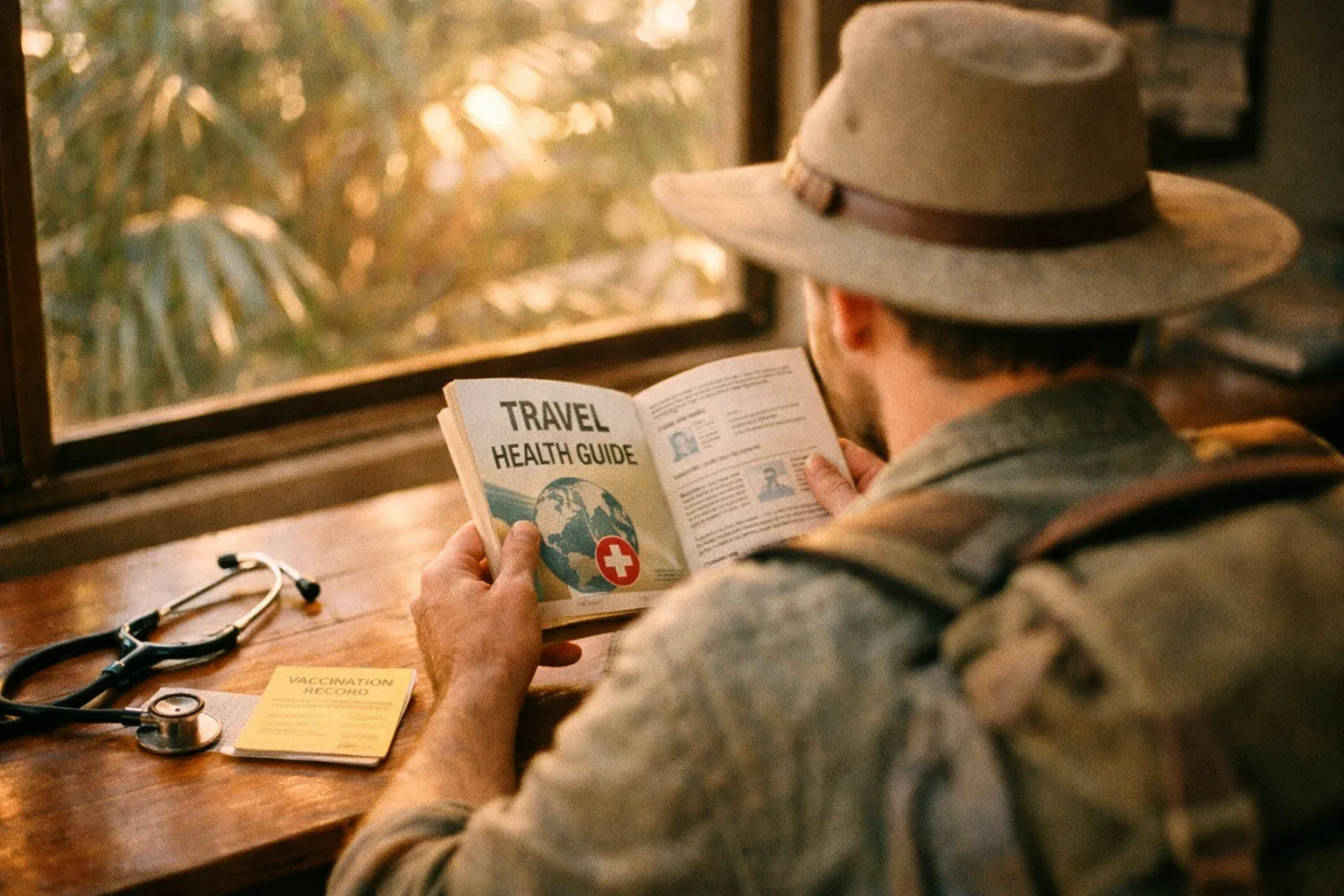
Recommended vaccinations before travel (per the Costa Rica Tourism Board and CDC):
- Hepatitis A and B
- Tetanus (current within 10 years)
- Typhoid for travel away from the main tourist circuit
- Rabies if you’re doing extended remote work or wildlife volunteer trips (5)
- Yellow fever certificate only required if arriving from a yellow fever country
Mosquito-borne diseases: dengue is the main concern, with periodic Zika and chikungunya cases. Bring repellent with 20-30% DEET or picaridin and apply it at dawn and dusk, especially in lowland Pacific and Caribbean zones.
Emergency numbers - all 24/7:
| Service | Number |
|---|---|
| All emergencies (unified) | 911 |
| Fire and rescue (direct) | 118 |
| Medical emergency (direct) | 128 |
| Red Cross ambulance | 128 |
| U.S. Embassy San José | +506 2519-2000 |
| Tourist Police | 2222-1365 |
Calling 911 connects to all three services and has English-speaking operators in major tourist regions (6).
Regional Safety: Where to Go and Where to Be Sharper
Not all of Costa Rica carries the same risk profile. A quick worth-the-detour ranking from a safety-and-payoff standpoint:
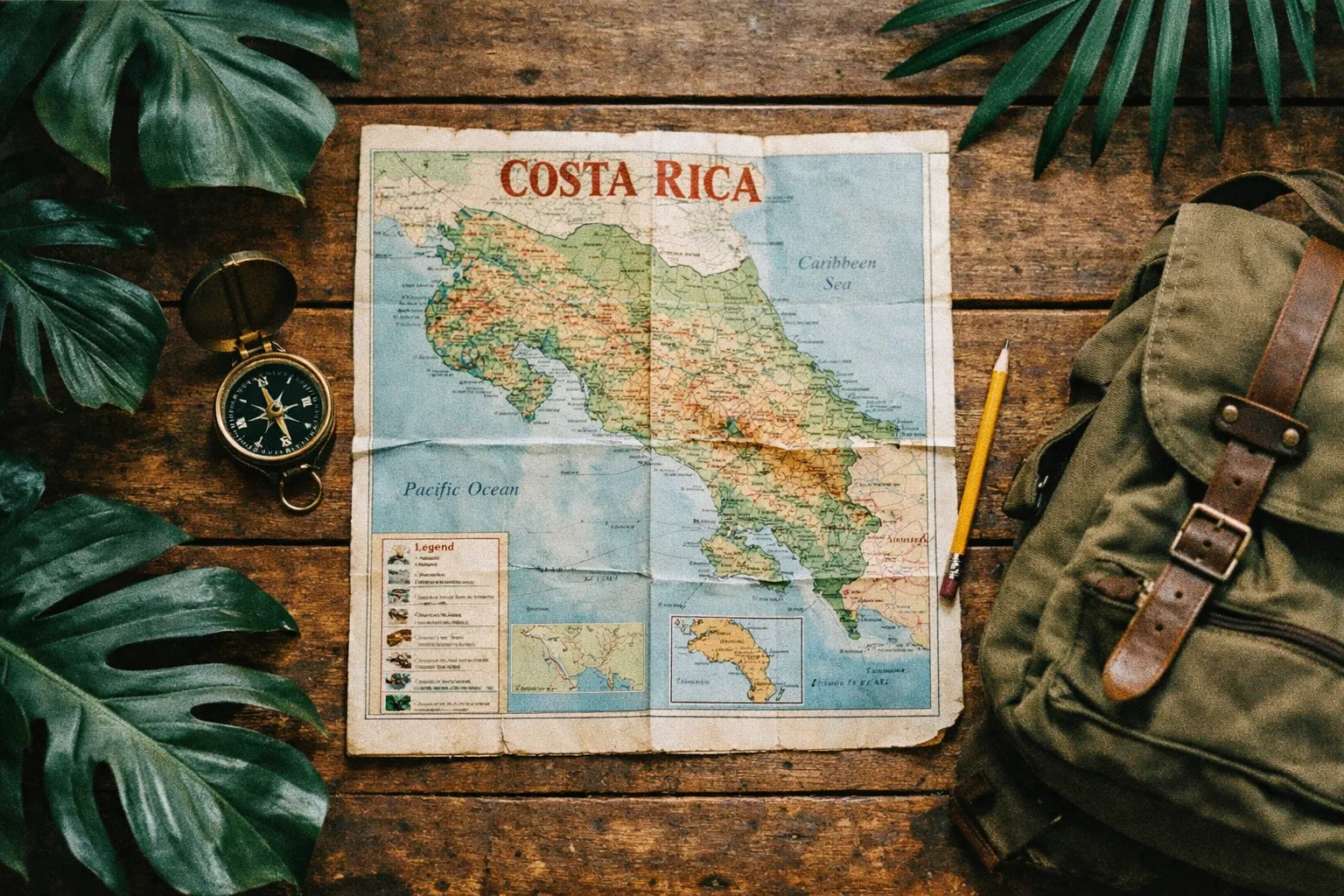
Worth the detour, low-friction safety:
- Arenal/La Fortuna - well-policed tourist town, easy walking, family-friendly. Tap water safe.
- Monteverde/Santa Elena - small, walkable, low crime. The drive in is the hardest part.
- Manuel Antonio - the main strip is heavily touristed and safe in daylight. Watch your belongings at the beach.
- Nicoya Peninsula (Sámara, Nosara, Santa Teresa) - low crime relative to the bigger party towns. Rip currents are the real danger here.
Worth the detour, requires extra awareness:
- Tamarindo, Jacó - fine by day, party towns by night. Drug solicitation is open. Stick to crowded areas after dark.
- Puerto Viejo (Caribbean) - main strip is safe in daylight, dicier on isolated roads at night.
- Tortuguero - boat-access-only, very safe within the village, mosquito-heavy.
Skip or limit if short on time:
- Central San José after dark - outside the western suburbs, there’s no reason to be walking around.
- Limón city - port town, high local crime, no real tourist draw.
- Remote Caribbean back roads at night - a combination of poor road condition and isolation you don’t need.
What Experienced Travelers Actually Do
The habits that separate trips with no incidents from trips with smashed windows:
- Carry one credit card and ~$40 in cash daily. Leave the rest in the hotel safe.
- Use a cross-body bag with a zipper. Backpacks on chair-backs at restaurants get cleaned out.
- Empty the rental car at every single stop. Not “hidden under a jacket” - out of the car entirely.
- Take a photo of your passport and store it in your email. Keep the physical passport in the room safe; carry a paper copy when you’re out (5).
- Book tours through operators with a verifiable presence - Google reviews, a real website, a physical office. The hawkers near bus terminals and the airport are mixed quality at best (4).
- Default to Uber in San José; default to vetted shuttles (Interbus, Caribe Shuttle, your hotel’s contracted driver) between towns.
- Don’t swim where there’s no one else swimming. Rip currents on Pacific beaches like Playa Hermosa de Jacó kill multiple tourists every year.
- Use lifejackets on river tours and helmets on ATV and canyoning trips. The tourism board explicitly recommends both (5).
When to Go for the Best Safety Conditions
Weather drives the risk profile more than crime does.
- Dry season (mid-December to April): best roads, calmest seas, fewest washouts. Highest prices and most crowds. The trade-off is worth it for first-timers and families.
- Green season (May-November): afternoon storms, occasional road closures, lower prices, fewer tourists. Mornings are usually clear; plan activities accordingly.
- September-October: wettest on the Pacific, paradoxically the driest on the Caribbean. Drive only in daylight; check road status daily.
The safest single window for first-time visitors is late January through March: dry roads, calmer surf, full tourism infrastructure operating, and shoulder-season pricing kicking in by mid-March.
Frequently Asked Questions
- Is Costa Rica safe to visit right now?
- Yes, with the standard Level 2 caution the U.S. State Department applies (7). Petty theft is the main concern; violent crime against tourists is uncommon and concentrated in late-night party-town situations. Berkshire Hathaway Travel Protection still ranks it the safest country in Central America (2).
- Is Costa Rica safe for solo female travelers?
- Yes - it's one of the most popular solo female destinations in Latin America. Stick to family-run lodgings, vetted shuttles instead of overnight buses, and avoid party-zone late nights with heavy drinking (3, 4).
- Can I drink the tap water in Costa Rica?
- In San José, the Central Valley, and most major tourist hubs, yes. On the Caribbean coast and in remote rural areas, default to bottled or filtered until you've confirmed with your accommodation (5).
- Is San José safe at night?
- The western suburbs (Escazú, Santa Ana) and the Escalante/Los Yoses neighborhoods are safe with normal urban precautions. Central San José after dark - especially around the Coca-Cola bus terminal - is where the State Department flags armed robbery risk. Use Uber instead of walking.
- Is the Caribbean side safe?
- Yes in daylight, with extra caution at night. Puerto Viejo and Cahuita work fine for most travelers; the issues are isolated roads after dark and beach-bag theft when belongings are left unattended.
- Is it safe to drive in Costa Rica?
- In daylight on main highways, yes. At night on rural roads, no - poor lighting, livestock, and washouts cause more tourist injuries than crime does. Always empty your rental car at every stop; break-ins are the most common theft incident.
- Is Costa Rica safer than Mexico?
- Generally yes, especially compared to Mexican states with Level 3 or 4 advisories. Costa Rica's single Level 2 nationwide rating and its position as the safest country in Central America make it the lower-friction choice (2, 7).
- Is $1,000 enough for a week?
- For a solo budget traveler using hostels, sodas, and public buses - yes, with room for one or two paid activities. For a couple or anyone wanting a rental car and multiple tours, plan on $1,500-$2,500 per person.
- Do I need travel insurance for Costa Rica?
- Strongly recommended. Aim for at least $50,000 in medical and $500,000 in evacuation coverage. A medevac from a remote lodge runs into six figures, and U.S. health insurance generally doesn't cover you abroad.
- What's the emergency number?
- 911 for all services. It connects to police, fire (118), and medical (128) (6).
The Bottom Line
Costa Rica earns its reputation as the easiest, lowest-friction introduction to Latin America for most travelers. The risks are real but boring - a smashed rental car window, a stolen beach bag, a missed turn on a wet mountain road at 9 p.m. None of those ruin a trip if you’ve planned around them.

Empty the car. Use Uber after dark in San José. Don’t swim alone. Buy real travel insurance. Book your shuttles through operators with online reviews. Move on from San José fast.
Do those six things and the country delivers what the brochures promise - volcanoes, cloud forest, two oceans, and wildlife you won’t see anywhere else within a four-hour flight of the U.S. The Pura Vida part takes care of itself.