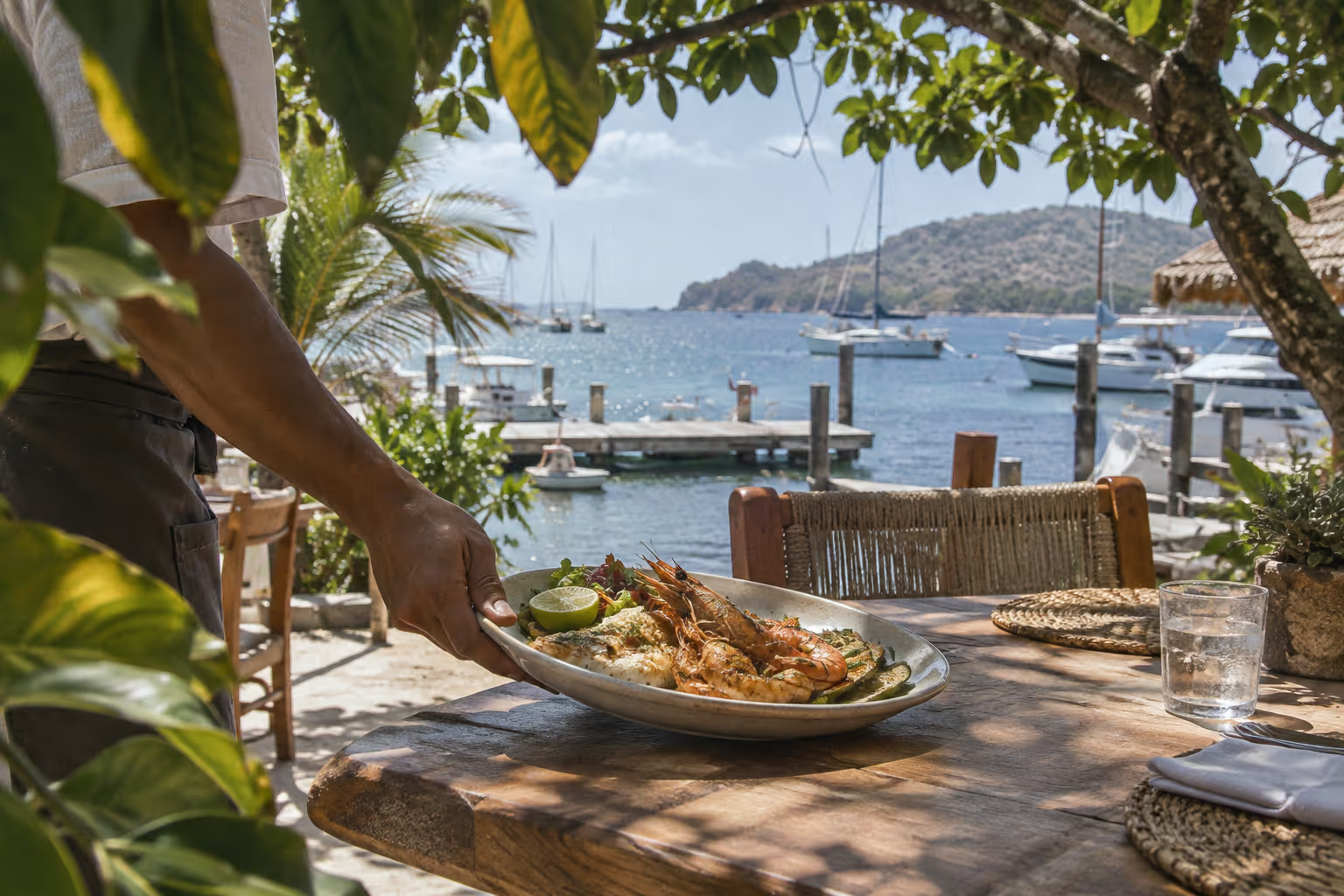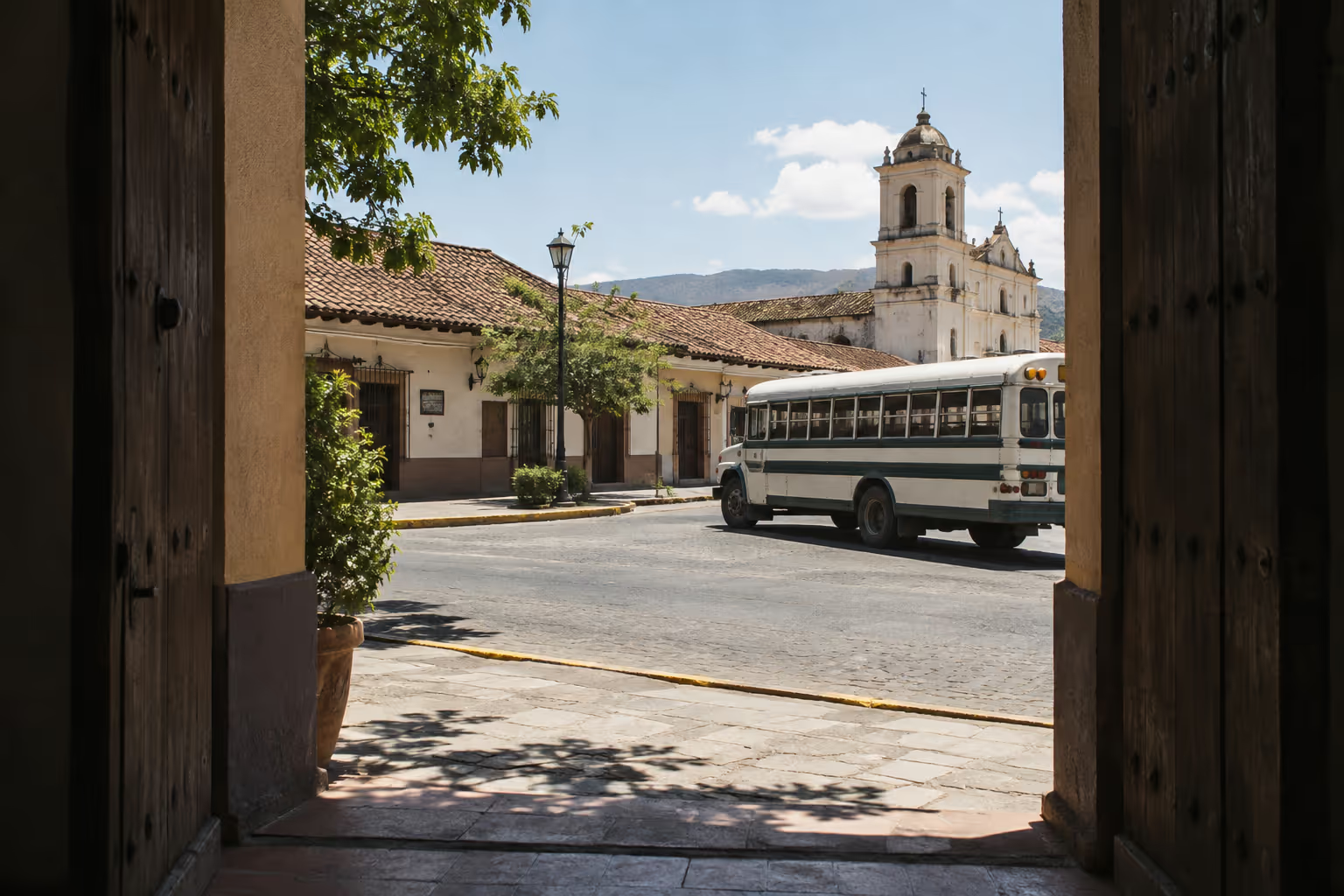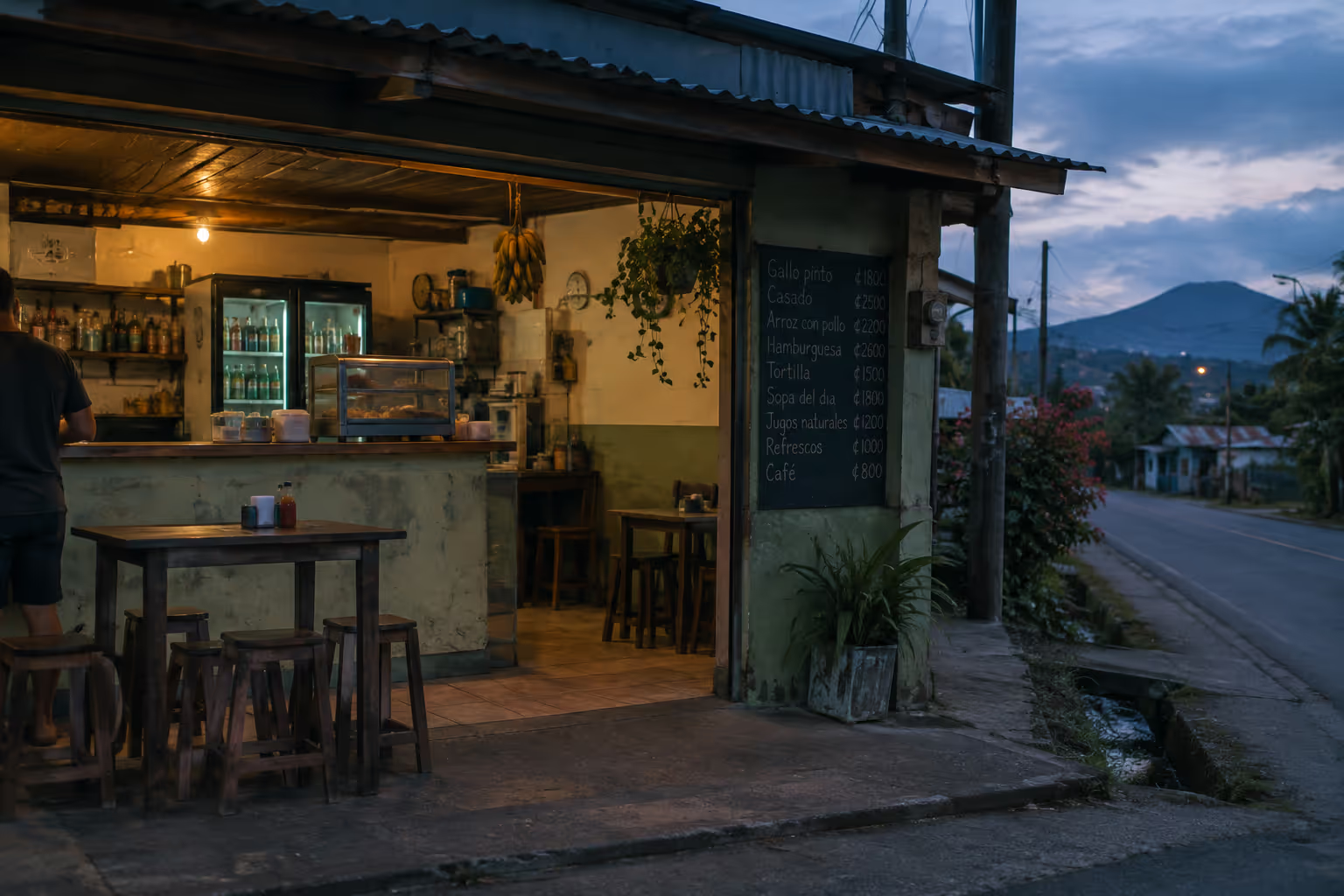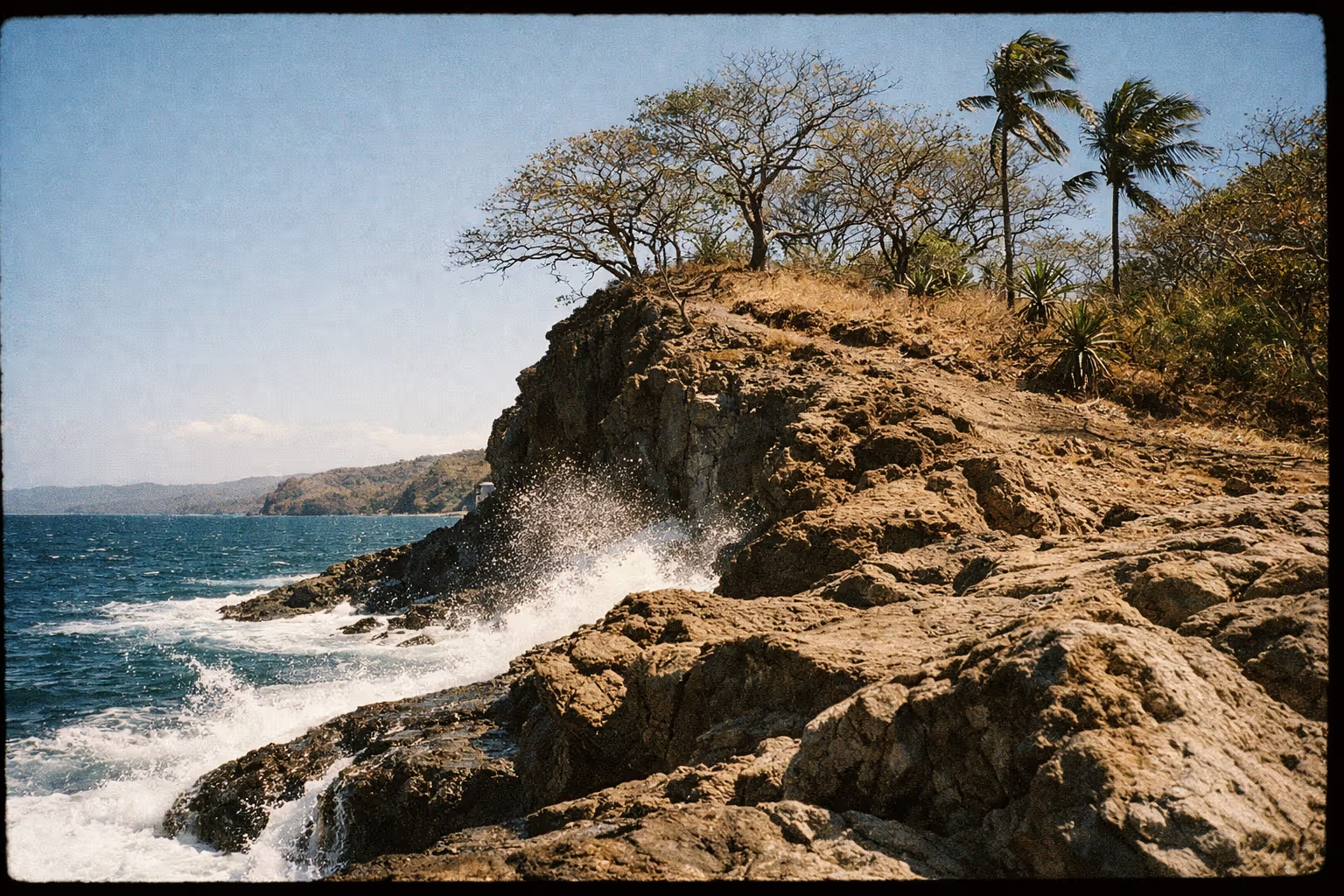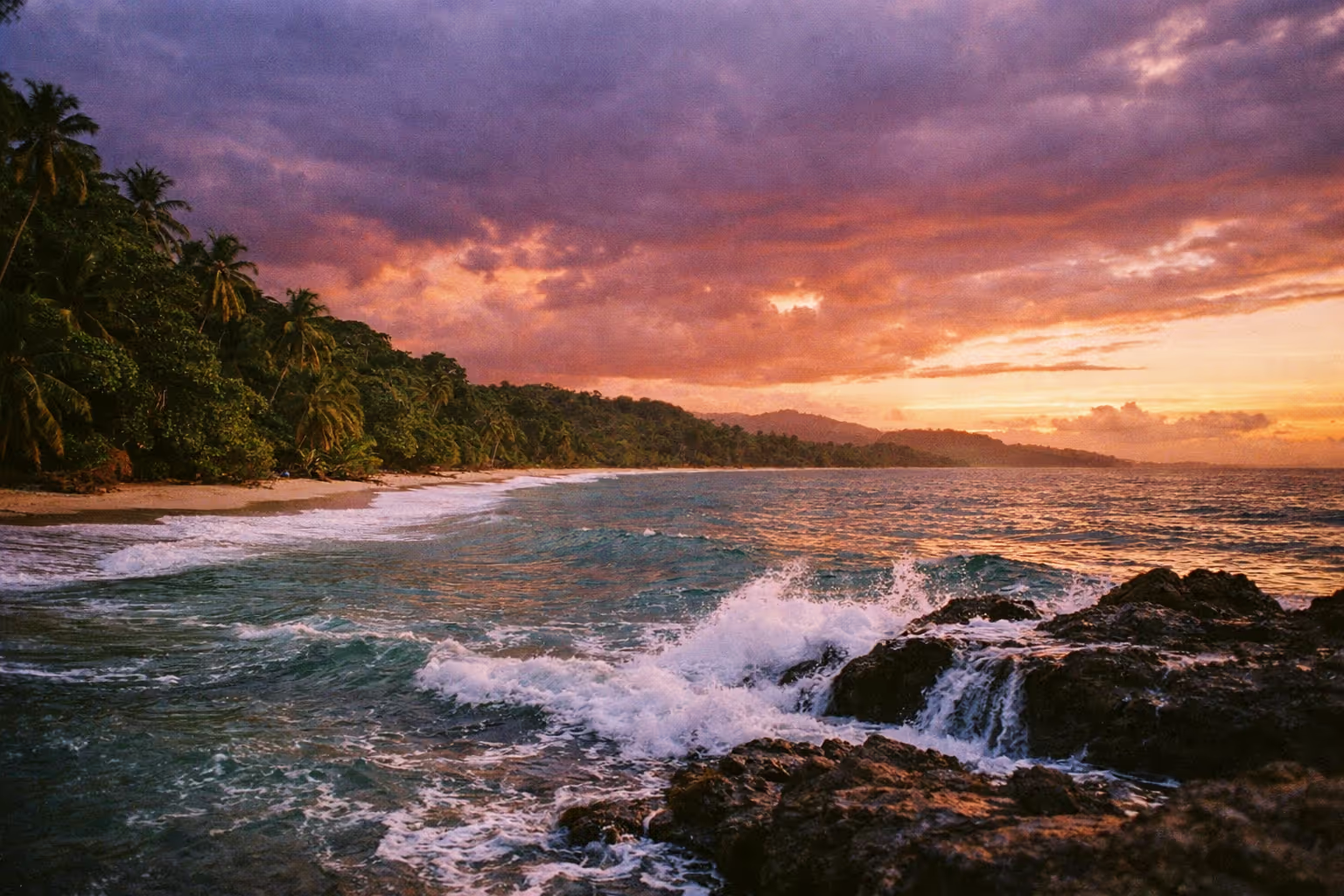
Things to do in Puerto Viejo Costa Rica pack five distinct beaches into 12 kilometers, each with its own character, from black sand to reef-calm cove. This is a town of bikes, sodas, and reggae, not infinity pools, and that is the appeal. Beyond the beaches, the Bribri cacao tours are among the country’s most meaningful cultural stops, the Jaguar Rescue Center is worth the $24, and the food runs Afro-Caribbean, not generic-tropical. Give it four or five nights, and time it for February or the sunny September stretch.
Things to Do in Puerto Viejo, Costa Rica: Is It Worth Visiting?
Short answer: yes, if you want beaches plus jungle plus Afro-Caribbean culture and you’re curious about the best things to do in Puerto Viejo Costa Rica. The town runs on bikes, sodas, and reggae rather than infinity pools. Skip it if you need all-inclusive resorts, polished nightlife, or a hotel scene comparable to Tamarindo or Manuel Antonio.
What makes the trip worth the detour from San José:
- Five distinct beaches within a 12 km stretch, each with a different personality - black sand, surf break, calm cove, snorkel-friendly, jungle-edge
- Cahuita and Gandoca-Manzanillo national parks bookending the town, with sloths, howler monkeys, and reef snorkeling
- Bribri cacao tours that are among the most meaningful cultural experiences in Costa Rica - and the chocolate is genuinely excellent
- A food scene that’s Afro-Caribbean, not generic-tropical: rondón, jerk chicken, coconut rice and beans, patí pastries
- Lower prices than Manuel Antonio or Tamarindo for comparable beach access
What most guides get wrong: they sell Puerto Viejo as a “hidden” Caribbean alternative. It’s not hidden. In high season (February-March), Jaguar Rescue Center tours sell out two days ahead and Punta Uva can get crowded by 11 a.m. It’s still smaller and slower than the Pacific resorts, but plan ahead.
✓ Pros
- Diverse beaches and rich Afro-Caribbean culture
- Meaningful Bribri cacao tours and authentic food scene
- Lower prices compared to Pacific coast resorts
✗ Cons
- Not suitable for travelers seeking luxury resorts or nightlife
- High season crowds require advance booking
- Long transfer time from San José
Puerto Viejo Costa Rica Weather and the Best Time to Visit
The Caribbean coast runs on a different climate than the rest of Costa Rica, and this is the single biggest planning mistake travelers make. The Pacific side has a clean dry season (December-April) and rainy season (May-November). The Caribbean side does not. It rains a little every month, and the driest windows are split across the calendar (3).
Year-round daytime temperatures: 28-30°C (82-86°F) (2). Humidity is high. Nights drop to about 22-24°C.
Best windows to visit:
- February to mid-March: the most reliable dry stretch, clearest snorkeling at Cahuita, best surf at Playa Cocles. Also the most crowded and expensive. Book hotels and tours at least two weeks ahead.
- September and October: the Caribbean’s sneaky-good window. While the Pacific side is in its wettest months, Puerto Viejo often has its sunniest weeks of the year. Smaller crowds, lower rates, calmer seas. If I had to pick one month, this is it.
- Late April to early June: shoulder season with decent weather and 15-25% lower hotel rates than peak. Some afternoon rain.
Worth avoiding if you can:
- November and most of December: historically the wettest stretch. Road washouts on Route 32 from San José are not unusual.
- Mid-July to mid-August: a secondary rainy bump, though less severe than November.
Surf season: January through April delivers the strongest Caribbean swells, with Salsa Brava firing on north swells (6). Beginners taking lessons at Playa Cocles will find workable conditions year-round.
One thing the weather forecasts won’t tell you: rain in Puerto Viejo usually comes in 20-60 minute bursts, not all-day soaks. Plan outdoor activities for mornings, keep afternoons flexible for a cafe, a cooking class, or a spa.
San José to Puerto Viejo Costa Rica: How to Get There
The town sits roughly 220-230 km southeast of San José, and the trip takes 4.5 to 6 hours depending on traffic, weather, and whether Route 32 has had any recent landslide closures (6). You have four realistic options.
How to Get from San José to Puerto Viejo
4.5 to 6 hoursFour main transport options with cost and duration details.
- 1
Public Bus (MEPE)
Cheapest option at about $11 USD one-way. Departs from Terminal Atlántico Norte every 1-2 hours between 6 a.m. and 4 p.m. No onboard toilet, one rest stop, A/C usually works. Buy tickets at the counter the morning of or one day ahead in high season.
- 2
Shared Shuttle Van
Door-to-door pickup from San José hotels or SJO airport. Costs $50-65 per person and takes about 4.5-5 hours. Operators like Caribe Shuttle, Interbus, and Gray Line bookable online. Good for travelers with heavy gear or kids.
- 3
Private Transfer
Costs $180-280 per vehicle (1-4 passengers). Duration 4-5 hours with flexibility for stops at viewpoints or wildlife sanctuaries. Best for groups of three or four when splitting cost.
- 4
Rafting Transfer Combo
Book a Río Pacuare day rafting tour that picks you up in San José, runs the river, and drops you in Puerto Viejo by evening. Costs $100-140 per person and replaces a boring bus day with Class III-IV rapids adventure.
Driving Yourself
Doable but not recommended unless you’re continuing south to Panama or doing a wider road trip. Route 32 over Braulio Carrillo is foggy and truck-heavy; Route 36 along the coast is fine. Allow 5 hours. Rental cars run $45-80/day plus mandatory insurance.
Cacao Tours with the Bribri Community
The cacao heritage here was the first thing that genuinely surprised me about Puerto Viejo - it’s a deep-rooted tradition that opens a real door into the town’s culture, not a staged attraction. Cacao predates the Spanish; it was a Bribri sacred crop centuries before it became chocolate.
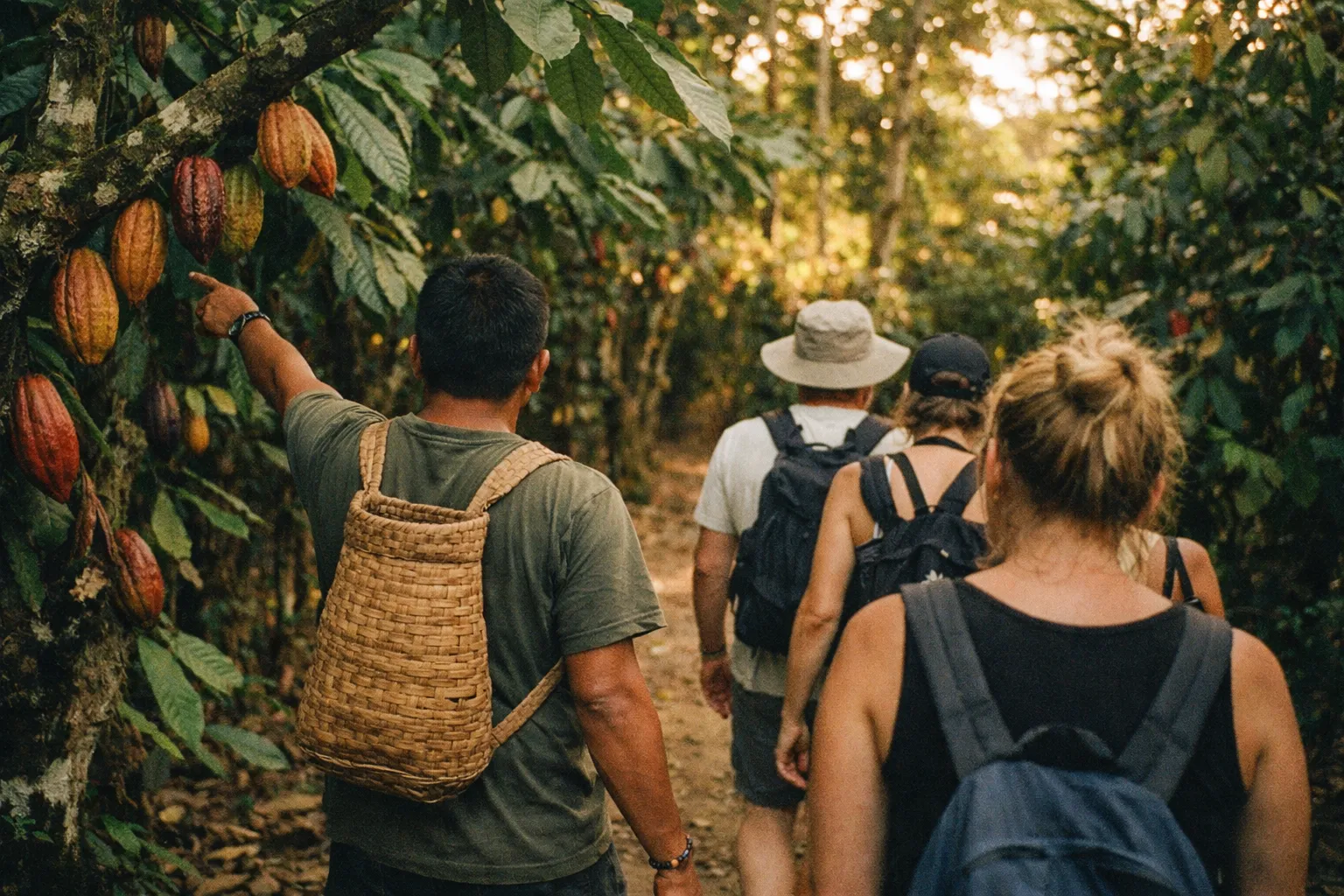
Chocolate tours here aren’t just tastings. They’re a working introduction to the Indigenous Bribri community’s traditions, sustainable farming practices, and the artisanal process that turns a pod into a bar.
What to expect on a typical tour:
- 2-3 hours on a working farm, usually in the hills above Bribri or in the Talamanca foothills
- Walking the cacao trees, opening a fresh pod, tasting the white pulp (it’s sweet - nothing like chocolate)
- Roasting, peeling, and grinding the beans on a metate stone
- A tasting flight at the end: pure paste with cinnamon, chili, vanilla, and finished bars
Operators worth knowing:
- Caribeans Coffee & Chocolate - runs a 2-hour farm tour at $32/person, walking distance from town
- Tirimbina Reserve chocolate tour - $36/person, more focused on the science and history
- Bribri community tours via ATEC or local guides - typically $60-90/person for a full day combining cacao with a Bribri family visit, often including lunch and sometimes a waterfall hike
Book at least 24-48 hours ahead in high season. The small-group tours fill fast.
Wildlife at the Jaguar Rescue Center
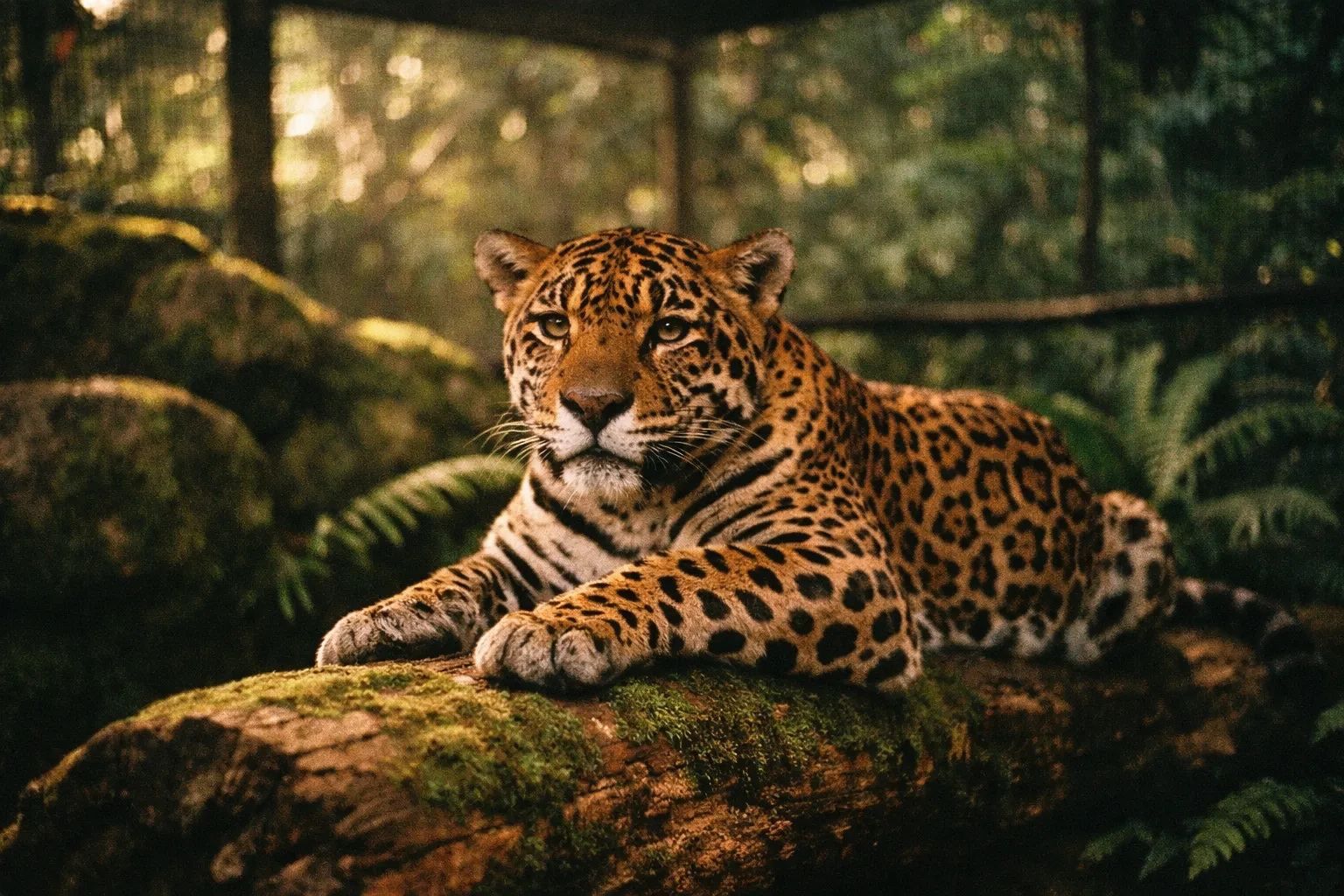
The Jaguar Rescue Center is the most popular wildlife stop in Puerto Viejo, and despite the name, it’s not really about jaguars (they’ve had a few, but that’s not the focus). It’s a rehabilitation center for sloths, monkeys, raptors, snakes, anteaters, and the occasional big cat - animals that arrive injured, orphaned, or confiscated, with the goal of releasing them back to the wild.
Practical details:
- Location: Playa Chiquita, about 4 km south of Puerto Viejo town
- Tours: 90 minutes, guided only - you can’t wander on your own
- Times: 9:30 a.m. and 11:30 a.m., Monday through Saturday
- Cost: $24/person, kids under 10 free (7)
- Booking: reserve online for high season; group sizes are capped
You’ll see two- and three-toed sloths up close, capuchin and howler monkeys in the rehabilitation enclosures, and depending on the day, ocelots, kinkajous, or a recovering bird of prey. Guides explain each animal’s story - why they’re here, what the release plan is, what success rates look like. It’s the rare wildlife attraction where the entry fee genuinely funds the conservation work.
If you want more wildlife and have a half-day to spare:
- Ara Manzanillo Macaw Project - a release program for great green macaws near Manzanillo. Sunset tours around $30/person.
- Sloth Sanctuary of Costa Rica - a different organization, north of Puerto Viejo near Cahuita, $30/person for the basic tour.
Puerto Viejo Costa Rica Surf: Breaks, Seasons, Schools
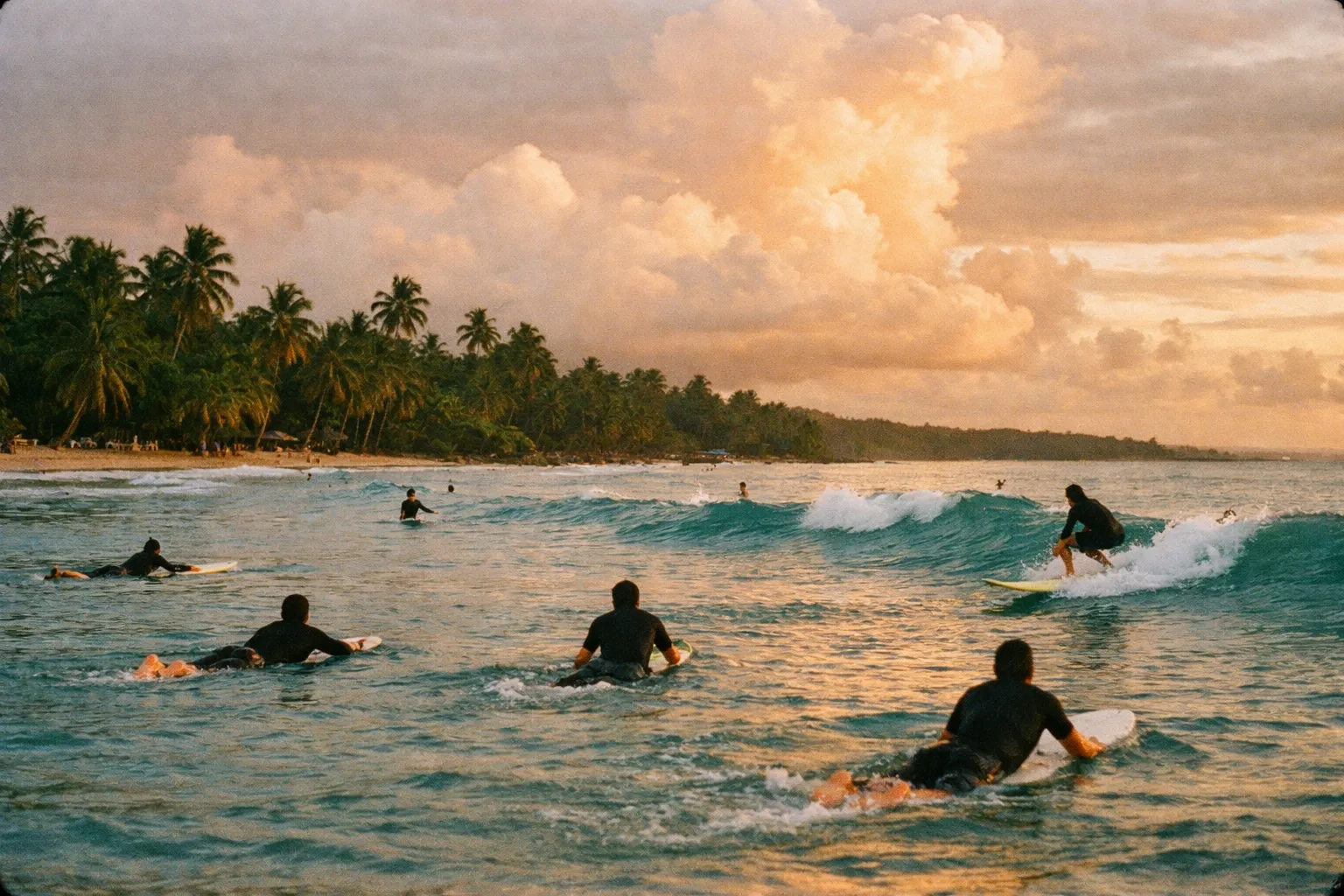
Puerto Viejo Costa Rica surf has two reputations: gentle, friendly beach breaks for beginners at Playa Cocles, and one of Central America’s heaviest reef waves at Salsa Brava. Both are accurate.
Salsa Brava
The big one. A shallow, fast right-hand reef break directly in front of town. Locals call it “the cheese grater” for a reason - it breaks over live coral in about four feet of water at low tide.
- Season: December through March, with the biggest swells in January-February
- Skill level: advanced to expert only. This is not a wave to “give a try”
- Conditions: north swell, light offshore wind, mid-to-high tide is safer
If you’re not surfing it, watch from the seawall in town with a cold Imperial. On a head-high day it’s better than most paid entertainment.
Playa Cocles
Two km south of town, this is where 90% of visitors actually surf. Beach break, sand bottom, multiple peaks along a kilometer of beach.
- Skill level: beginner to intermediate, with bigger days suitable for advanced
- Season: workable year-round, best December-April
- Watch out for: rip currents, especially on bigger days. Lifeguards are sometimes on duty in high season but don’t count on it.
Other Breaks
- Playa Negra (north of town): mellow lefts, good for longboarders
- Punta Uva: occasional small waves, mostly a swim and snorkel beach
- Manzanillo: small surf, mostly a snorkel and hike spot
Surf Schools and Rentals
A handful of schools operate along the road between town and Cocles:
- Caribbean Surf School & Shop - $50-60 for a 2-hour group lesson, $65-75 for private
- One Love Surf School - similar pricing, Cocles-based
- Board rentals: $15-20/day for a soft top, $20-25/day for a hard board
If it’s your first time, book a lesson rather than just renting. The rips at Cocles can push you toward the rocks at the south end of the beach, and an instructor will pick the right peak for the conditions.
The Beaches South of Town: Which Ones to Prioritize
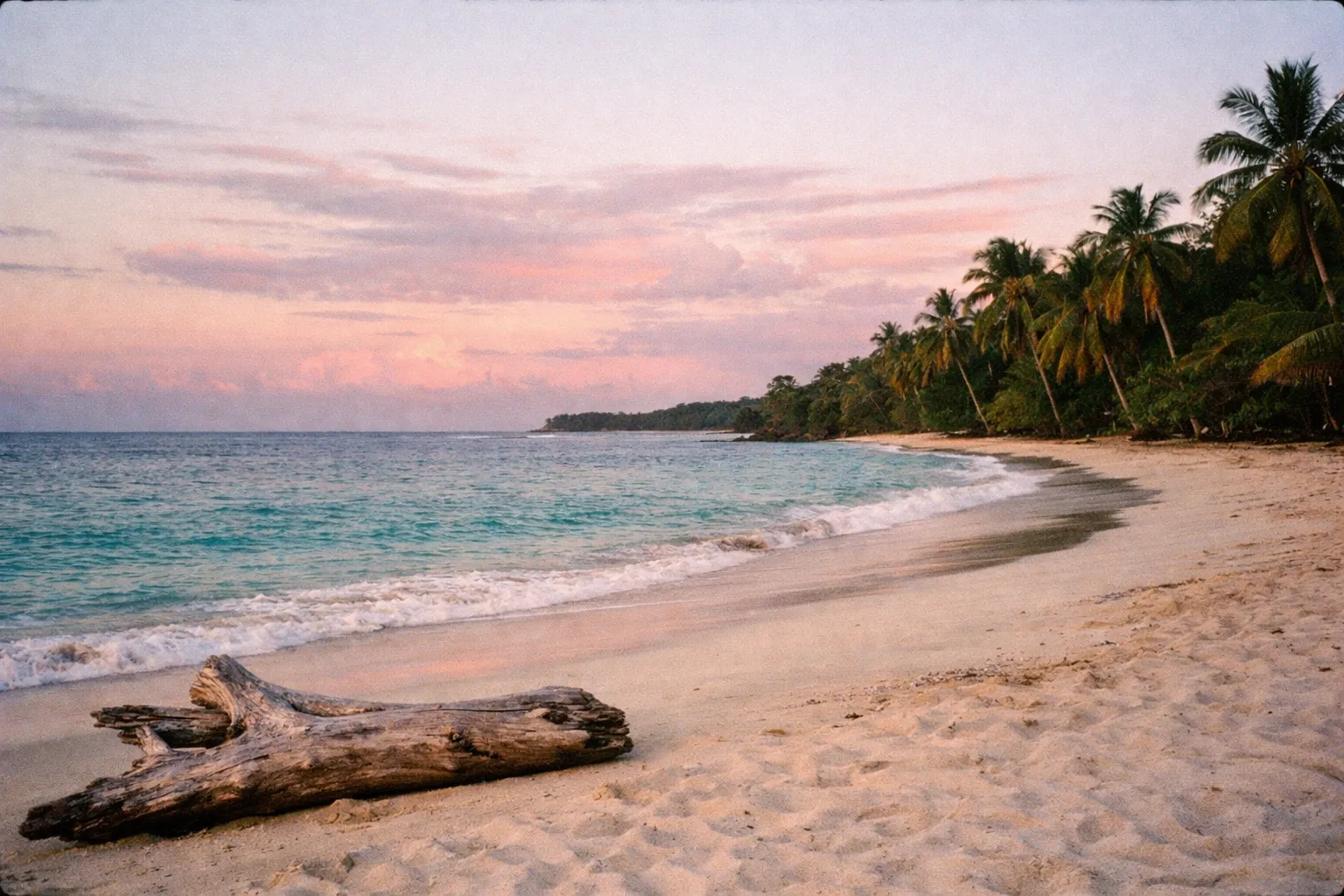
The beaches stretch roughly 12 km south of Puerto Viejo, each one different. You can bike the whole coast in a day on the paved path that parallels the road. Here’s how I’d rank them.
Worth the Detour (Don’t Miss)
Punta Uva - 8 km south of town. Two coves separated by a forested point, with palm shade, calm turquoise water on most days, and the best snorkeling on the coast outside of Cahuita. Howler monkeys in the trees above you. Showers and a few simple restaurants nearby. If you only see one beach, see this one.
Playa Cocles - 2 km south. The main surf beach and the most social. Sand bottom, beach bars, surf schools, occasional lifeguards. The coast curves enough here to give you a genuine horizon at sunset.
Manzanillo - 12 km south, end of the road. Inside Gandoca-Manzanillo Wildlife Refuge. Wilder, less developed, more wildlife along the beach trail - you’ll often see sloths and white-faced capuchins. Maxi’s restaurant for lunch is worth the ride alone.
Worth a Visit (If You Have the Time)
Playa Chiquita - 5 km south. A series of small coves separated by rock outcrops. Quieter than Cocles, good for families. The water can be murky after rain.
Playa Negra - 1 km north of town. Volcanic black sand, less crowded, mellow waves. Striking to look at, but the sand gets brutally hot midday.
Skip If Short on Time
The town beach itself (in front of Puerto Viejo center) - small, often murky, more useful as a sunset spot than a swim spot.
Bike logistics: rentals are $10/day or $45/week (3), and the paved path runs all the way to Manzanillo. Bring water, sunscreen, and a small lock.
Cahuita National Park and Gandoca-Manzanillo Refuge
Two protected areas bookend Puerto Viejo and both deserve a half day each.
Cahuita National Park
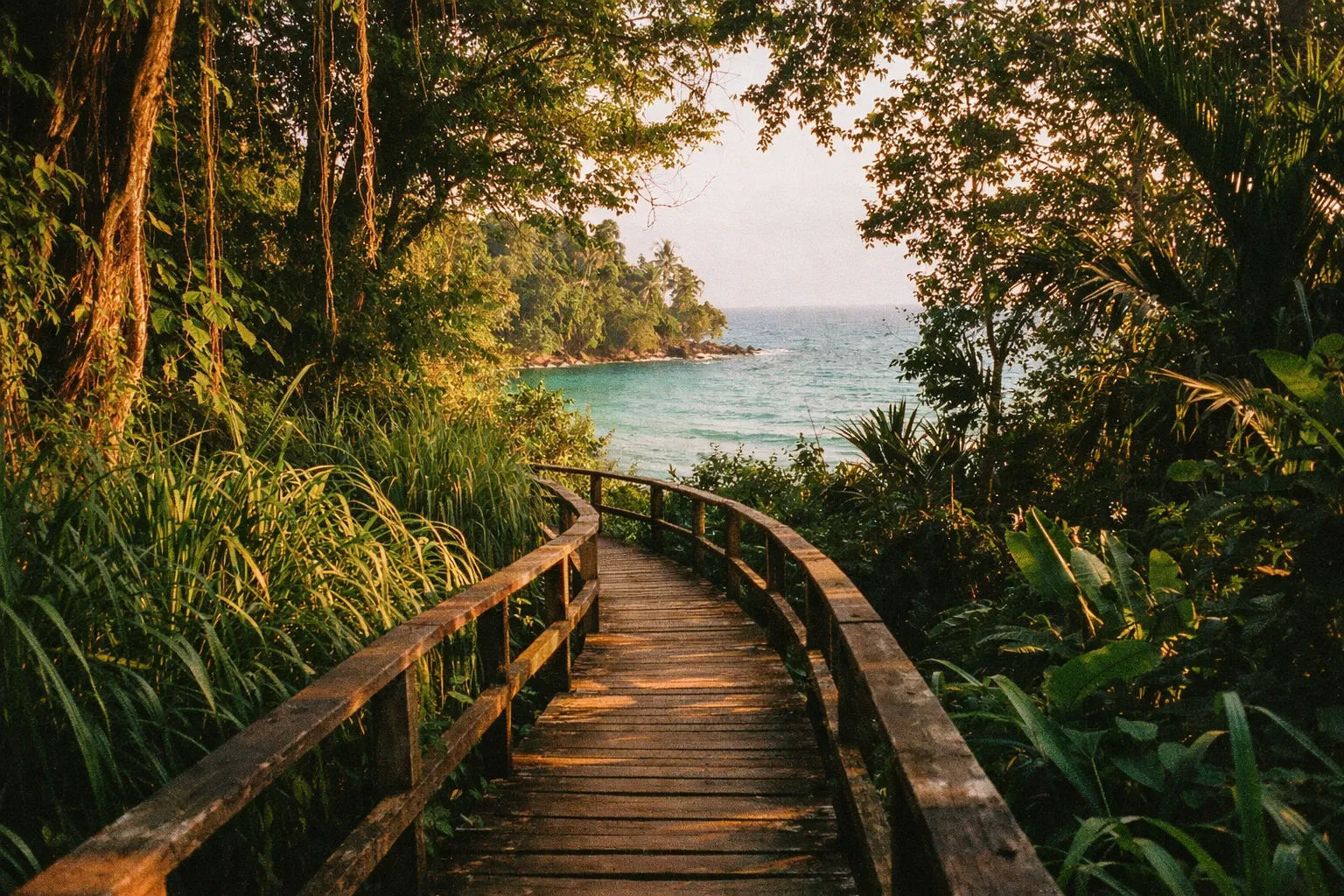
About 20 minutes north of Puerto Viejo by bus or car (7). The flat coastal trail runs 8 km from the Kelly Creek entrance (in Cahuita town) to the Puerto Vargas ranger station. Sloths, howler monkeys, white-faced capuchins, raccoons, and dozens of bird species along the way. The trail ends at a beach that’s safer for swimming than most of the coast - calmer water, reef offshore.
- Entry: donation-based at the Kelly Creek entrance, suggested contribution about $5/person. The Puerto Vargas entrance charges a flat fee of around $5.
- Hours: 8 a.m. - 4 p.m.
- Hire a guide? Worth it at $25-30/person - they spot wildlife you’d walk straight past, especially eyelash vipers and sleeping sloths.
The offshore reef can be snorkeled by boat tour ($50-70/person, half day). Visibility is best February-March and September-October.
Gandoca-Manzanillo Wildlife Refuge
Starts where the road ends in Manzanillo. The main trail runs along the coast to Punta Mona - about 5 km one way, with viewpoints over secluded coves you can only reach by boat or on foot.
- Entry: free
- Best done with a guide ($30-50/person) for wildlife spotting and to avoid getting turned around on the side trails
- Look for: red poison-dart frogs, eyelash vipers, sloths, manatees offshore in season
Hotels in Puerto Viejo Costa Rica: Where to Stay by Neighborhood
The hotels in Puerto Viejo Costa Rica spread along the 12 km coast from town to Manzanillo. Where you stay matters more than what you stay in, because the vibe changes sharply from one zone to the next.
Hotels in Puerto Viejo by Neighborhood
| Nightlife Hub Puerto Viejo Town | Playa Cocles | Playa Chiquita & Punta Uva | Manzanillo | |
|---|---|---|---|---|
| Price Range (USD) | $20-250 | $22-160 | $110-450 | $50-450 |
| Best For | Nightlife, no-car travelers | Surfers, beach-first travelers | Couples, families, jungle quiet | Nature-first travelers, disconnect |
| Beach Access | Town beach (small) | Main surf beach | Calm coves, snorkeling | Wild refuge beaches |
Puerto Viejo Town
- Pagalù Hostel - clean, design-forward hostel, dorms around $20, privates $50-70
- Hotel Pura Vida - simple guesthouse, doubles $50-75
- Hotel Banana Azul (Playa Negra side, walking distance) - adults-only beachfront, doubles $180-250
Drawback: bar noise until midnight on weekends, especially around Stanford’s and Lazy Mon.
Playa Cocles (2-3 km south)
- Tasty Days Hostel - surfer-oriented, dorms $22, privates $55
- Selina Puerto Viejo - coworking plus accommodation, dorms $25, privates $90-140
- Azania Bungalows - thatched cabins in jungle gardens, $120-160
Playa Chiquita and Punta Uva (5-8 km south)
- Hotel Aguas Claras - colorful boutique cottages on the beach, $250-400
- Le Caméléon Boutique Hotel - adults-only design hotel, $280-450
- Tree House Lodge - actual treehouse cabins near Punta Uva, $250-350
- Korrigan Lodge - mid-range bungalows, $110-150
Manzanillo (12 km south)
- Almonds & Corals Lodge - luxury jungle tented camp, $300-450
- Cabinas Manzanillo - basic, family-run, $50-80
Booking Tips
High season (mid-December to mid-April) and the September-October window: book 4-8 weeks ahead for boutique properties, 2 weeks for hostels. Low season walk-up rates often beat online by 10-20% at smaller properties. Most hotels south of town don’t take walk-ins at night because reception closes by 8 p.m.
The Food Scene: Afro-Caribbean, Not Generic-Tropical
The food in Puerto Viejo is Afro-Caribbean first, Costa Rican second. The Caribbean coast was settled by Jamaican workers brought in for the railroad and banana plantations in the late 1800s, and that lineage runs straight through the menus.
Dishes to try:
- Rondón - coconut milk seafood stew with cassava, plantain, and whatever fish came in that morning. The signature dish. Order it a day ahead at most sodas because it takes time.
- Rice and beans (note: different from the standard Costa Rican gallo pinto) - coconut-cooked, served with stewed chicken, fish, or jerk pork
- Patí - Jamaican-style hand pie filled with spiced beef. $1.50 from street vendors, perfect bike fuel.
- Pan bon - sweet, dense Caribbean bread, often with cheese baked in
Where to eat:
- Soda Lidia’s Place - classic rice and beans, $7-10
- Como en mi Casa - vegetarian-leaning Caribbean café, $8-12
- Stashu’s Con Fusion - fusion menu, the splurge ($20-30 per main)
- Bread & Chocolate - best breakfast in town, $8-12
- Maxi’s (Manzanillo) - beachfront seafood, lobster in season, $15-25
A cooking class is worth half a day if you want to take the food home with you. Caribbean Cooking Class with Lidia runs about $65/person and includes a market visit, hands-on prep of three dishes, and lunch.
Other Activities Worth Your Time
White-Water Rafting on the Río Pacuare
Class III-IV rapids on a river that regularly makes the world’s top 10 lists. Day trips from Puerto Viejo include a pickup at 6 a.m., a 90-minute drive inland, 18 miles (29 km) of rafting through canyons and waterfalls, and a drop-off back in town by 6 p.m. (6)(7).
- Cost: $100-140/person
- Operators: Exploradores Outdoors, Ríos Tropicales
- Best months: May through December for higher water
Bri Bri Waterfall
A 30-meter waterfall in the Talamanca foothills, often combined with a cacao or indigenous community tour. Half-day tours $50-70/person.
Kayaking at Punta Uva
Mangrove and river kayak tours from Punta Uva are about $40-55/person for 2-3 hours, often combined with a snorkel stop.
Horseback Riding on the Beach
Multiple stables offer 2-3 hour rides combining beach and jungle. $65-90/person (3).
Nightlife
Stanford’s, Lazy Mon, and Salsa Brava (the bar, not the wave) are the main spots, with live music most nights in high season and a reggae lean. Things wind down by 1 a.m. most nights.
Cafe Culture
A small but real cafe scene has emerged, partly driven by digital nomads. Bread & Chocolate, Caribeans, and Café Rico do solid espresso and have decent WiFi.
How Many Days Do You Need in Puerto Viejo?
The honest answer depends on what you’re after.
- 2 days: rushed. You’ll get town plus one beach plus one activity. Skip Cahuita and the Bribri side trips.
- 3 days (minimum I’d recommend): Cahuita or Gandoca-Manzanillo, one cacao tour or wildlife stop, two beaches, decent eating.
- 4-5 days: the sweet spot. Add Jaguar Rescue Center, a cooking class or food tour, surf lessons, and unhurried beach time at Punta Uva.
- 6-7 days: add a rafting day, a Bribri community visit with waterfall hike, and a second visit to your favorite beach. This is the slow travel pace and probably the most rewarding (7).
- 10+ days: digital nomad territory. Selina, Pagalù, and several guesthouses do weekly and monthly rates that drop the daily cost by 20-30%.
If you’re doing a wider Costa Rica trip with both coasts, allocate 3-4 nights to Puerto Viejo. If Puerto Viejo is your single base for the trip, 5-7 nights is the right call.
Is $1000 Enough for a Week in Puerto Viejo?
For Puerto Viejo specifically, yes - comfortably, if you travel like a budget-conscious backpacker, and tightly if you want any mid-range comforts. Here’s the math.
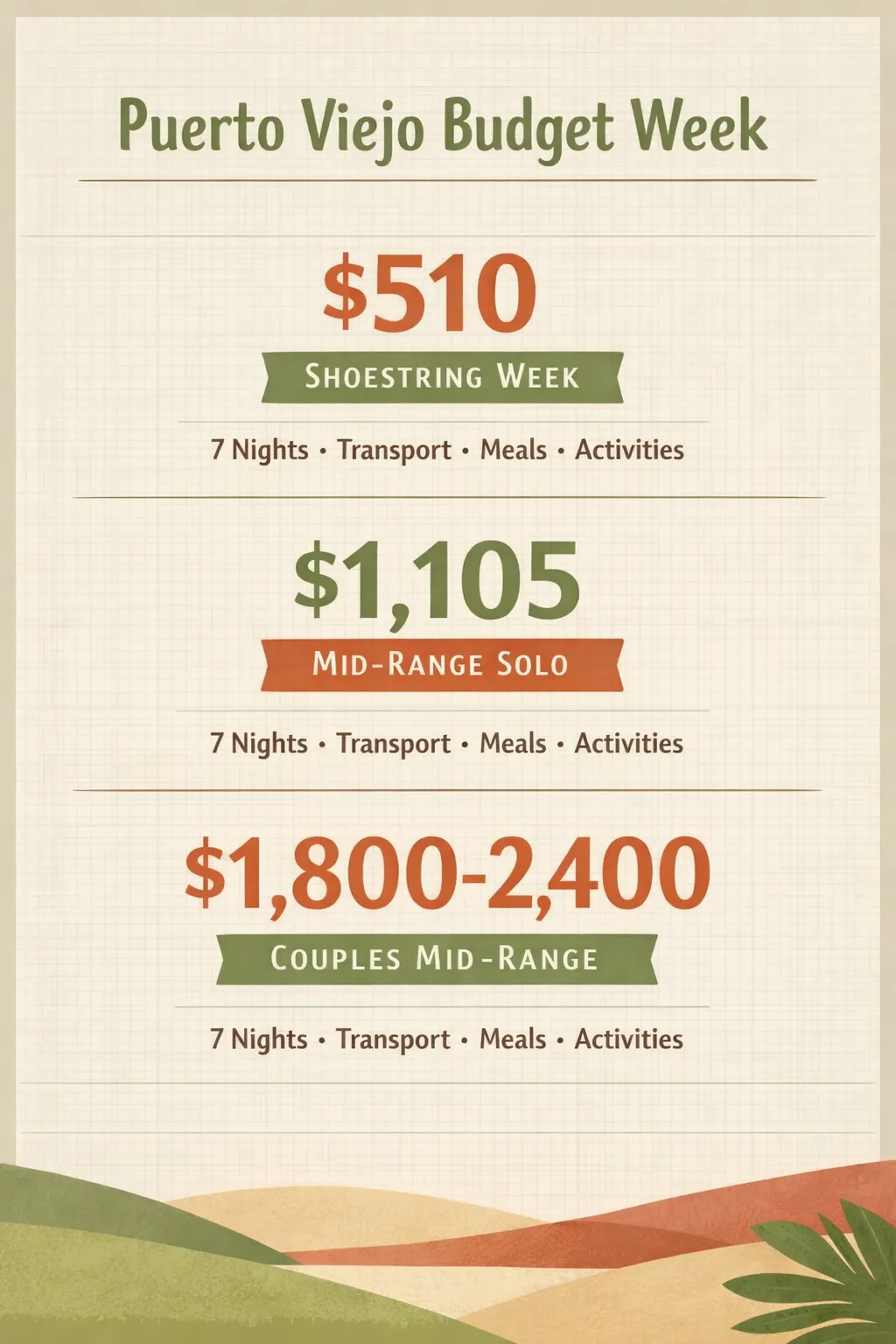 Three budget tiers for a Puerto Viejo week: shoestring around $510, mid-range about $1,105, and couples mid-range $1,800–$2,400.
Shoestring Week (around $500-650)
- 7 nights hostel dorm: $20 x 7 = $140
- MEPE bus round trip from San José: $22
- Bike rental for the week: $45
- Meals at sodas: $20/day x 7 = $140
- 3 paid activities (Jaguar Rescue, cacao tour, surf lesson): ~$110
- Beer, snacks, misc: $50
- Total: ~$510
That leaves $400+ for buffer or one upgrade - a private room two nights, or a rafting day.
Mid-Range Solo Week (around $900-1,100)
- 7 nights private guesthouse room: $65 x 7 = $455
- Shuttle round trip from San José: $100
- Bike rental: $45
- Meals (mix of sodas and mid-range): $35/day x 7 = $245
- 4 activities (Jaguar Rescue, cacao tour, snorkel boat, cooking class): $180
- Drinks and misc: $80
- Total: ~$1,105
Right at the edge of $1,000. Cut one activity or one shuttle leg and you’re under.
Couples Mid-Range Week (around $1,800-2,400 for two)
A couple sharing a $90-120/night room and splitting transport will spend $1,000 each comfortably.
What blows budgets in Puerto Viejo: private transfers ($250+ each way vs. $11 on the bus), boutique hotels in Punta Uva ($300+/night), and rafting day trips. None of those are necessary to have a great week.
What’s not included above: flights to Costa Rica, travel insurance ($3-7/day), tips for guides (10% standard).
How to Avoid Getting Sick in Costa Rica
Most travelers who get sick in Costa Rica get hit by traveler’s diarrhea (food/water), sunburn, or a mosquito-borne illness. All three are largely preventable.
Water
Tap water is potable in most of Costa Rica including parts of Puerto Viejo, but quality varies by neighborhood and rain conditions. If your stomach is sensitive:
- Stick to bottled water ($1-2/liter at supermarkets, often cheaper at sodas)
- Bring a filter bottle (Grayl or LifeStraw, $40-100) - pays for itself after a week
- Avoid ice at small vendors; established restaurants are fine
Food
The “busy soda” rule applies here: a packed local restaurant turns over its food fast and is usually safer than a deserted tourist spot.
- Choose grilled and stewed dishes over buffets sitting in heat
- Seafood at established beachfront restaurants is fine; be more cautious at random street stalls
- Fresh fruit you peel yourself (mango, pineapple, banana) is low-risk
Sun
The UV index hits 11+ most days. You’ll burn through a cloudy sky.
- Reef-safe sunscreen, SPF 30+, applied 20 minutes before going out
- Reapply after every swim, every 2 hours otherwise
- Hat and rashguard for snorkeling - the back of your legs and neck are where the worst burns happen
Mosquitoes
Dengue is present on the Caribbean coast year-round and spikes in rainy months. There’s no preventive medication; avoidance is the only strategy.
- Repellent with 20-30% DEET ($8-15 a bottle, $4-6 cheaper than back home if bought locally)
- Long sleeves and long pants at dusk
- A room with screens, A/C, or a fan pointed at the bed (mosquitoes don’t fly well in moving air)
Small Medical Kit to Bring
- Oral rehydration salts (4-6 packets)
- Loperamide (Imodium)
- Antibiotic ointment
- A few adhesive bandages
- A probiotic if your gut is sensitive
Total cost: under $20. A pharmacy in Puerto Viejo (Farmacia La Bomba) can fill most of these locally if needed.
Travel Insurance
Worth it for the rafting, surfing, and the 5-hour ambulance ride to San José if something serious happens. World Nomads, SafetyWing, and IMG run $3-7/day for adventure-inclusive coverage.
Getting Around Puerto Viejo
The town and its southern beach strip are made for bicycles. The paved bike path runs from Playa Negra (north of town) all the way to Manzanillo (12 km south), parallel to the road, mostly flat, shaded in stretches.
- Bike rental: $10/day, $45/week (3). Rentals on the main strip; ask for a lock and check the brakes before you leave.
- Taxi: unmetered, agree on the fare before getting in. Town to Punta Uva is about $10, town to Manzanillo $15.
- MEPE local bus: runs every 1-2 hours between Puerto Viejo and Manzanillo, $1-2 per leg. Useful if it rains.
- Rideshare: Uber and similar services don’t reliably operate in Puerto Viejo. Don’t count on them.
- Walking: fine within town, but the heat and humidity make the beach commute miserable without wheels.
Practical Things to Know
- Cash: ATMs in town (BAC and Banco Nacional) but they go down. Carry $100-200 USD in small bills and colones as backup. Smaller sodas and bike rentals prefer cash.
- Language: Spanish is the working language, plus Mekatelyu (a local English-based creole). Most tour operators and hotel staff speak English. Bus drivers and small sodas, less so.
- Phone signal: Kölbi and Claro both work. Buy a SIM at SJO airport on arrival, around $10 for 5 GB.
- Power: 120V, US-style two-prong plugs. No adapter needed for North American devices.
- Visa: Most Western nationalities get 90 days visa-free with proof of onward travel.
- Safety: Puerto Viejo is generally safe but not crime-free. Petty theft from beaches is common - never leave gear unattended on the sand. Walking the unlit road between Cocles and town at night isn’t recommended; take a taxi.
Frequently Asked Questions
- Can I visit Puerto Viejo as a day trip from San José?
- No. The one-way drive takes 4.5-6 hours, leaving very little time on the ground. A minimum 2-night stay is recommended, ideally 3 or more.
- What should I know about the difference between Puerto Viejo de Talamanca and Puerto Viejo de Sarapiquí?
- Puerto Viejo de Talamanca is the Caribbean surf town covered here. Puerto Viejo de Sarapiquí is an inland river town known for rainforest lodges and river tours. Make sure your itinerary matches the destination.
- Are there reliable rideshare options in Puerto Viejo?
- Uber and similar services don't reliably operate here. Plan on bikes, taxis, or local buses for getting around.
- How far in advance should I book tours and hotels during high season?
- For boutique hotels and popular tours like Jaguar Rescue Center and cacao tours, book 4-8 weeks ahead. Hostels can be booked 2 weeks in advance.
- Is it safe to drink tap water in Puerto Viejo?
- Tap water quality varies by neighborhood and weather. If you have a sensitive stomach, stick to bottled or filtered water and avoid ice from small vendors.
- What is the best way to experience the Bribri culture?
- Book a cacao tour combined with a Bribri family visit. These tours offer authentic cultural insight and often include lunch and a waterfall hike.
- Can I surf year-round in Puerto Viejo?
- Yes, beginners can surf Playa Cocles year-round, but the best surf season with bigger swells is January through April.
Final Thoughts
Puerto Viejo rewards travelers who treat it as a 4-7 night base rather than a checkbox stop. The town runs on bicycles and breakfast cafes, the beaches change personality every two kilometers, and the cultural layer - Afro-Caribbean food, Bribri cacao, reggae nights - is what separates this coast from anywhere else in Costa Rica.
Book the bus from San José, rent a bike for the week, pick your neighborhood (town for nightlife, Cocles for surf, Punta Uva for quiet), and don’t over-schedule. The best days here are the ones where you ride to a beach in the morning, eat rondón at a soda for lunch, and end up watching Salsa Brava break from the seawall with a cold Imperial. That’s the trip.