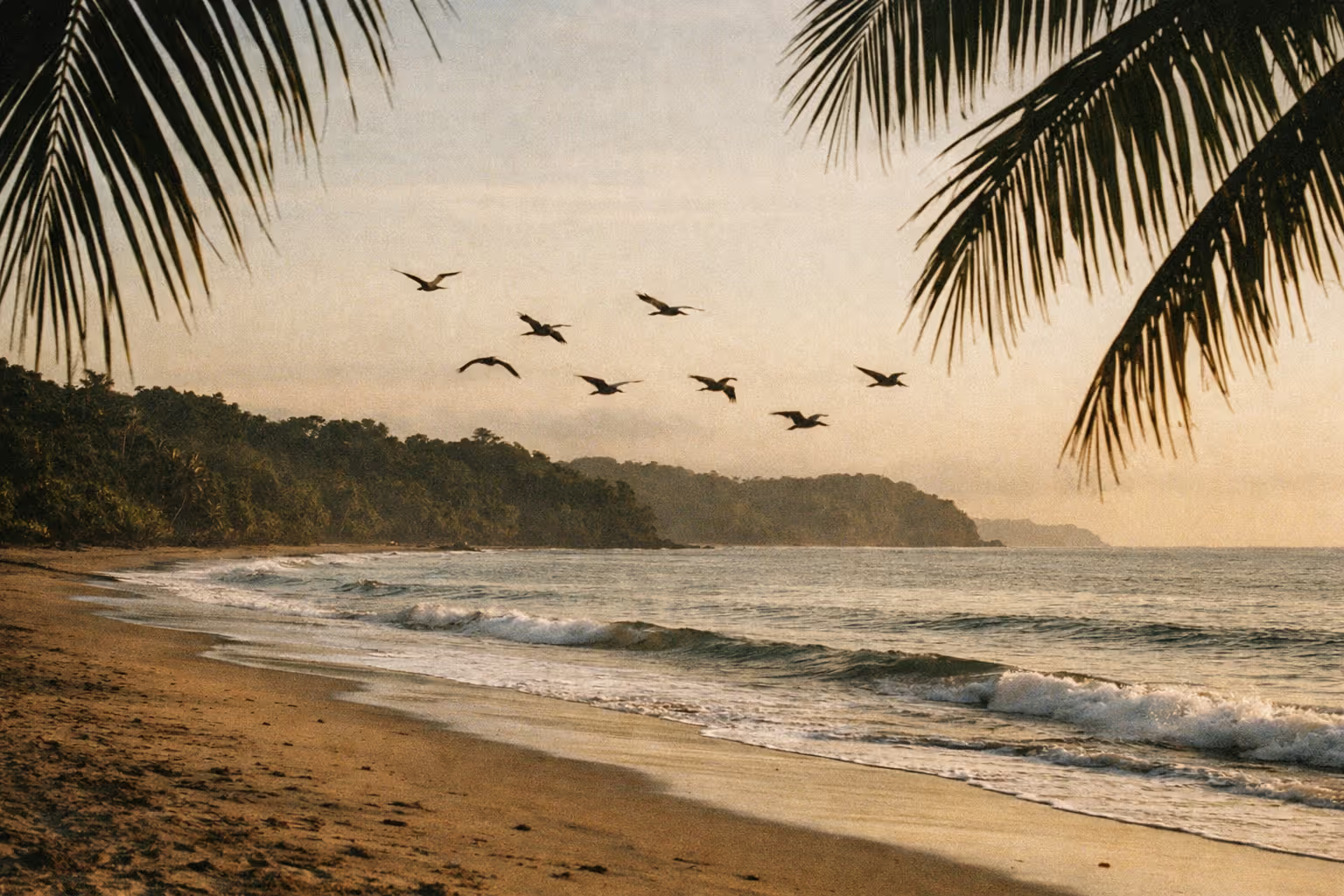
The best beaches in Costa Rica for wildlife are worth ranking by one cold metric: your actual odds of a sighting. Manuel Antonio all but guarantees sloths and monkeys for an 18 dollar entry, Ostional delivers thousands of nesting olive ridleys on the right August night, and the Osa Peninsula packs a stunning share of the planet’s biodiversity into one roadless corner. Just know the ceiling: even in Corcovado, jaguar odds stay under five percent, and any operator promising one is lying to you.
What part of Costa Rica has the best beaches in Costa Rica for wildlife?
If you only have time for one region to explore the best beaches in Costa Rica for wildlife, the Osa Peninsula is the answer. National Geographic has called it “the most biologically intense place on Earth,” and Corcovado National Park alone holds an estimated 2.5% of the planet’s biodiversity. You’ll see scarlet macaws on the beach, four monkey species, tapirs if you’re lucky, and the highest realistic odds in the country for big cats.
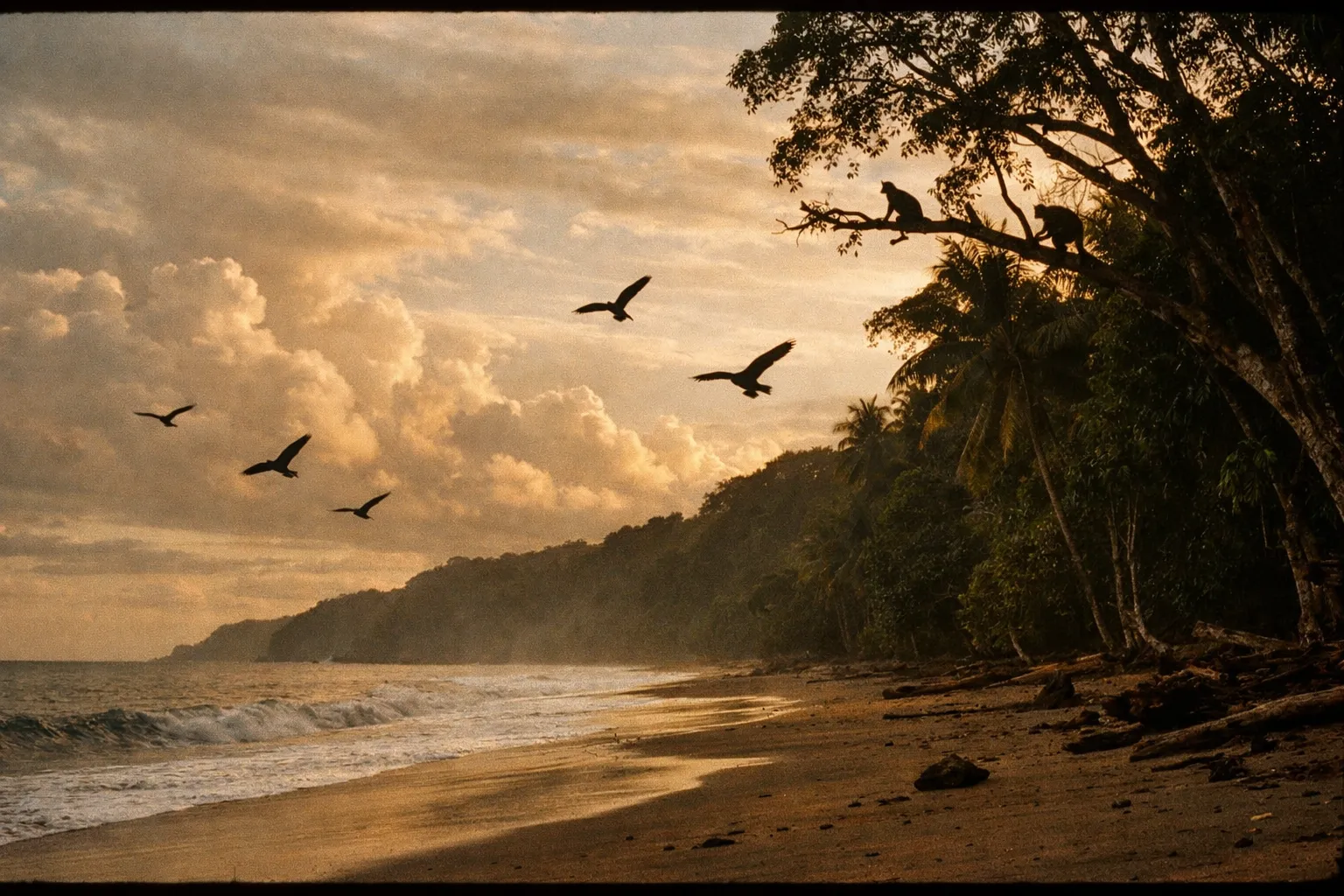
The runners-up depend on what you’re chasing:
- Tortuguero (Caribbean north) - best for green sea turtles, river wildlife, and boat-based monkey and bird spotting. No roads in; you arrive by boat or small plane (1).
- Central Pacific (Manuel Antonio + Carara) - the easiest wildlife access in the country. Sloths, capuchins, macaws, all within a 30-minute walk of a paved road(3).
- Nicoya Peninsula - turtle nesting beaches plus drier forest wildlife. Best paired with a beach stay.
- Monteverde - cloud forest, not a beach, but worth detouring for if you want quetzals and the highest bird diversity.
- Guanacaste (northwest) - drier, more secluded coast, less dense wildlife than the south but better beach swimming and easier logistics.
Worth the detour: Osa and Tortuguero. Skip if short on time: Monteverde, unless birds are the entire point of the trip.
Nancite Beach sea turtles: the conservation beach inside Santa Rosa
Nancite Beach sea turtles are the reason this stretch of sand appears on most wildlife maps. Sitting inside the Santa Rosa National Park beaches, Nancite is one of only a handful of places on Earth where olive ridleys arrive in arribadas - synchronized mass nesting events involving tens of thousands of females over a few nights.
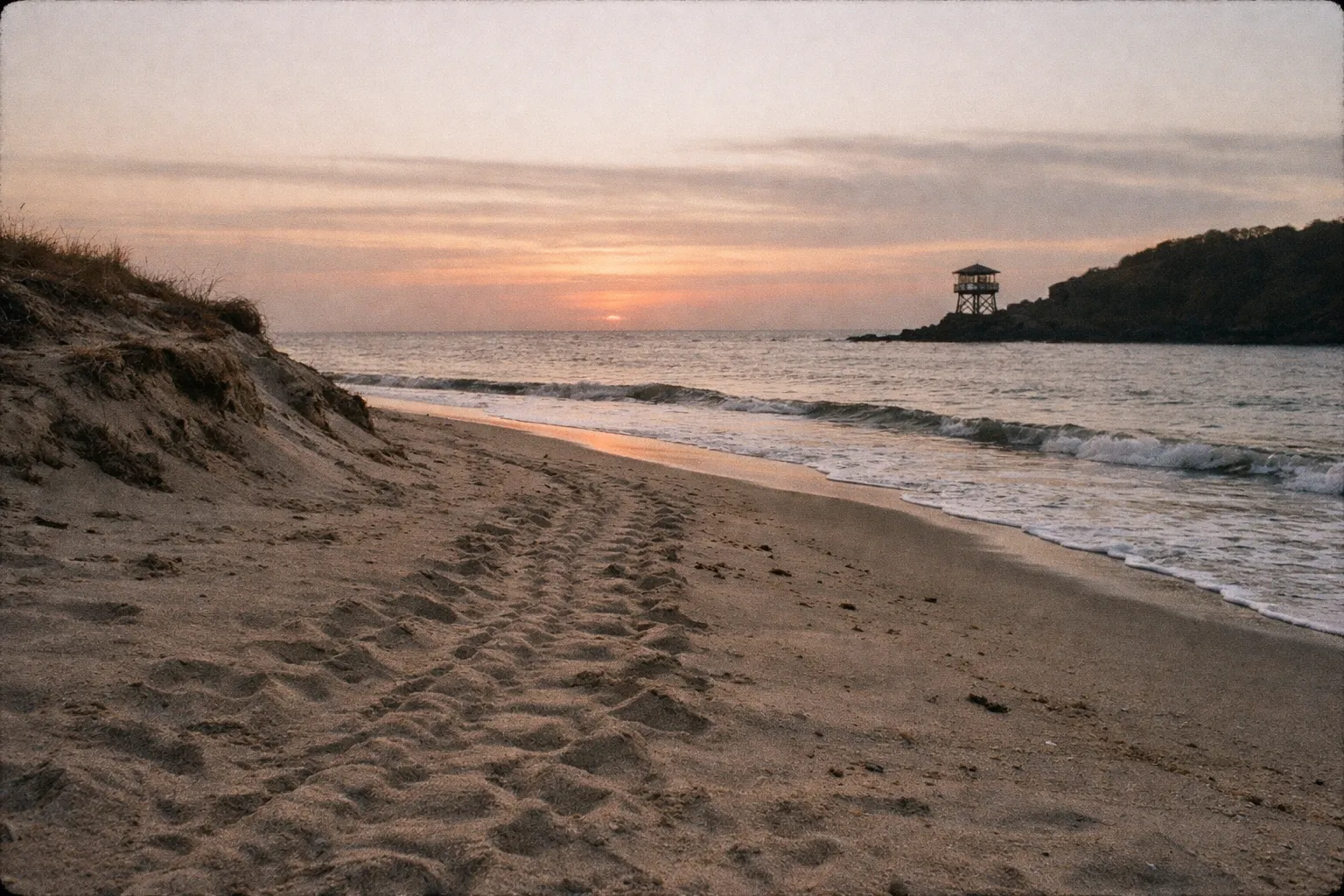
The numbers are real. Nancite sees three to four arribadas per season, roughly 70,000 nests, and an estimated three million hatchlings per year. The Billion Baby Turtles initiative funnels conservation funding here, and access is intentionally restricted. You cannot just drive up and walk onto the sand.
Logistics:
- Access: Permit required from Santa Rosa National Park headquarters. You hike in roughly 12-13 km on rough trail from the park entrance, or arrange a 4x4 transfer that drops you within a manageable distance. In the wet season - peak nesting - the access road turns into a mud trough. A stock SUV won’t make it.
- Park entry: Santa Rosa charges around $15 USD per person for foreigners; verify at the gate before driving in.
- Best month: September and October for the densest arribadas, though nesting runs roughly July through December.
- Lodging: Camping is the realistic option inside the park; bring everything in. Most travelers base in Liberia or La Cruz and day-trip with permission.
- What most guides get wrong: They list Nancite as if it’s a normal beach to visit. It isn’t. It’s a research and conservation site with restricted access, and showing up without a permit gets you turned away. If you want easier turtle access with the same species, go to Ostional.
Olive ridley arribadas: Ostional vs Nancite
Olive ridley turtle nesting in Costa Rica has two famous addresses: Nancite (restricted, scientific) and Ostional (accessible, community-managed). Both sit on the Pacific coast of Guanacaste and Nicoya. Ostional is the one you’ll actually visit.
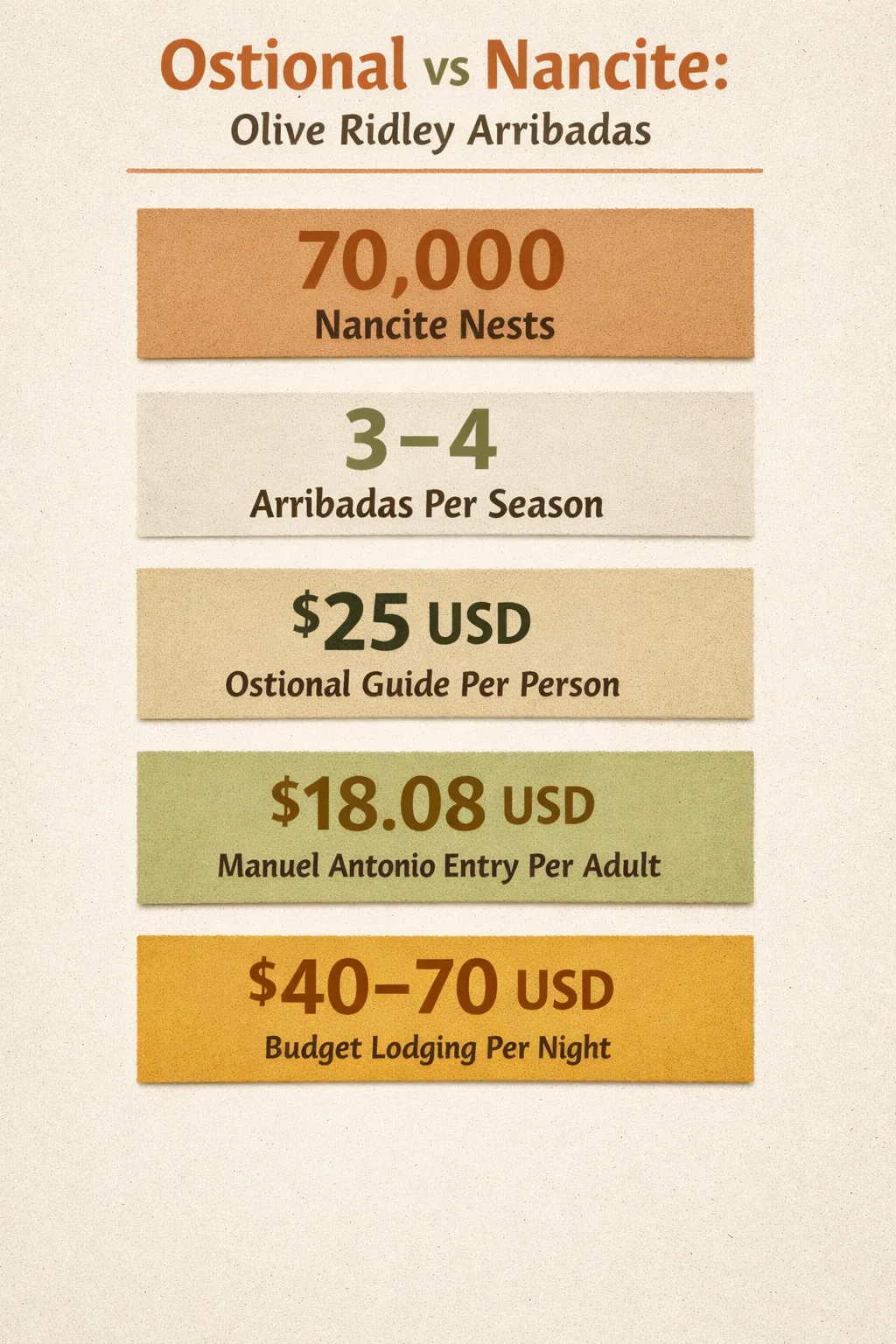 Key wildlife-beach stats for Costa Rica: Nancite nests ~70,000; 3–4 arribadas per season; Ostional guides ~$25; Manuel Antonio entry ~$18.08; budget lodging ~$40–$70 per night.
Ostional Wildlife Refuge:
- Season: August to November is the strongest window, with arribadas typically clustering around the last quarter moon (5).
- Access: Drive from Nosara (about 30 minutes north on a rough road) or Sámara. The Nosara river crossing can be impassable in heavy rain - check locally before you commit.
- Guides: Mandatory for nesting tours. ASVO and the local guide association run night and dawn walks; expect to pay around $25 USD per person plus a small refuge entry.
- What you’ll see: During a strong arribada, the beach is wall-to-wall turtles for three to five nights. Even between arribadas, individual nesters come ashore most nights in season.
- Rules: No flash photography, no white lights (red-filter headlamps only), stay behind the guide, no touching turtles or eggs.
Nancite vs Ostional, in one line: Nancite is the protected scientific site; Ostional is where you’ll realistically witness the arribada.
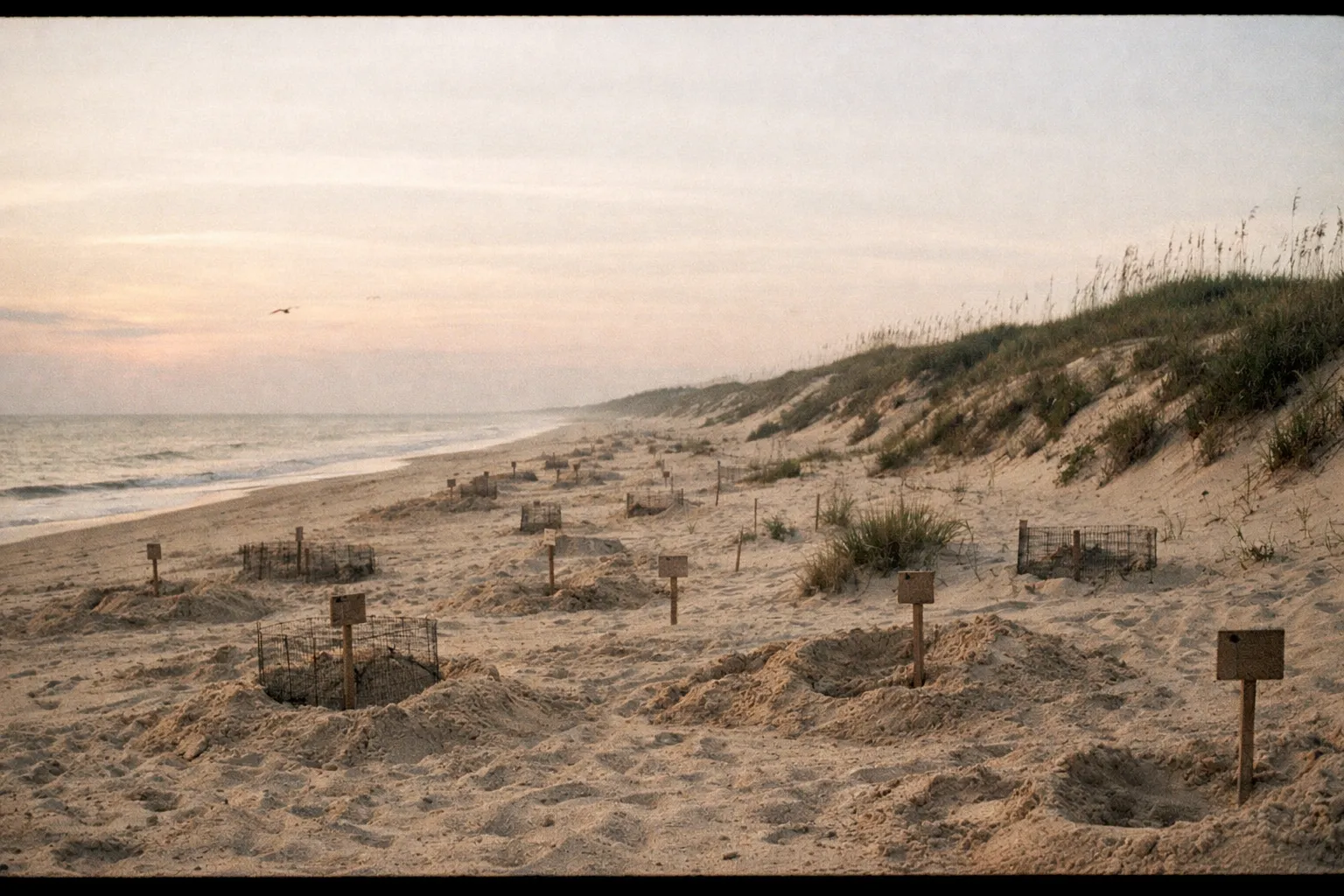
El Jobo: the secluded northern Guanacaste base
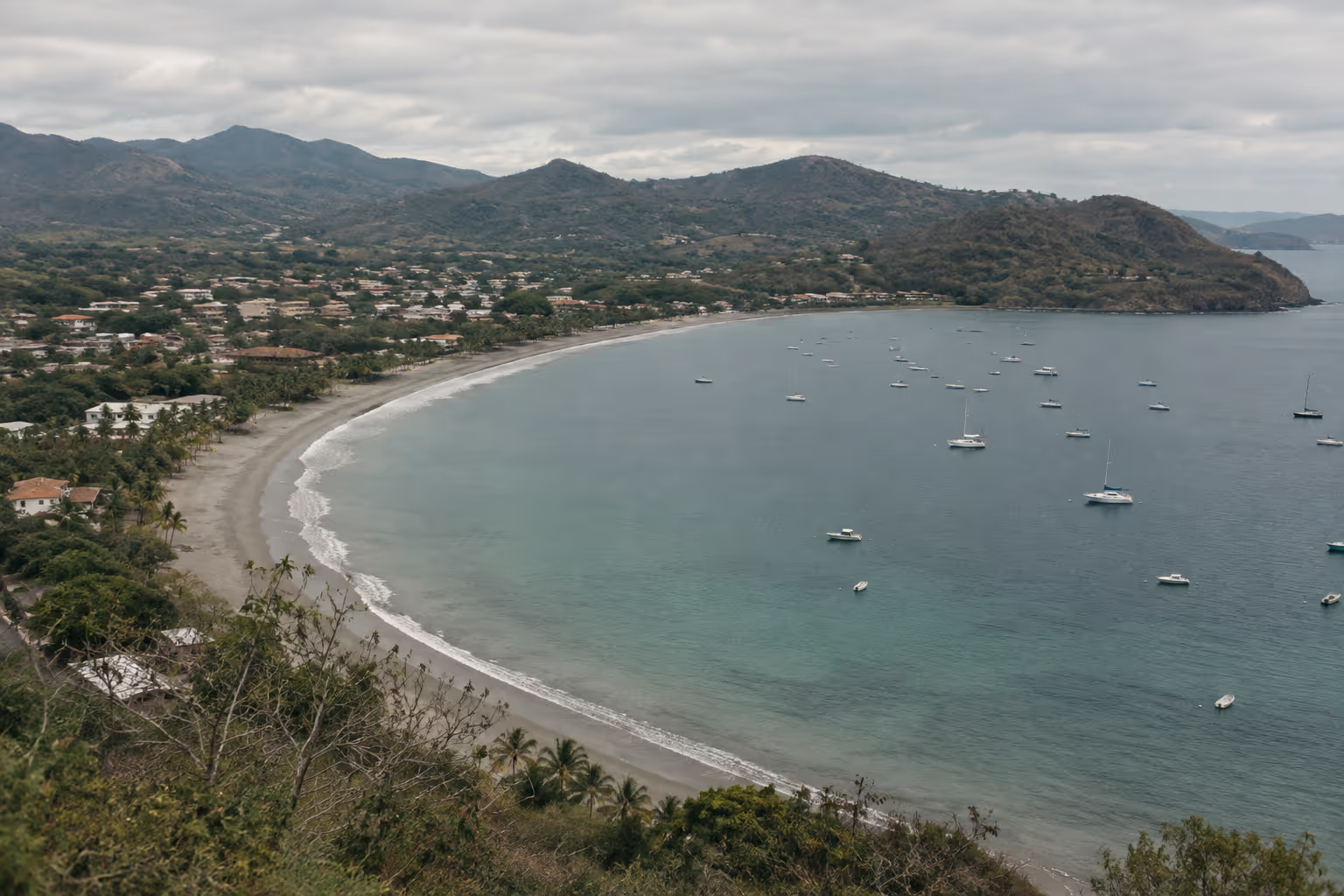
El Jobo in Costa Rica sits in the far north of Guanacaste, about 25 km north of the Liberia-Nicaragua border corridor, and it’s the answer for travelers who want Guanacaste secluded beaches without the crowds of Tamarindo or Conchal. The bay is sheltered, the water reads turquoise on calm days, and the surrounding dry forest still holds howler monkeys, white-faced capuchins, coatis, iguanas, and decent birdlife.
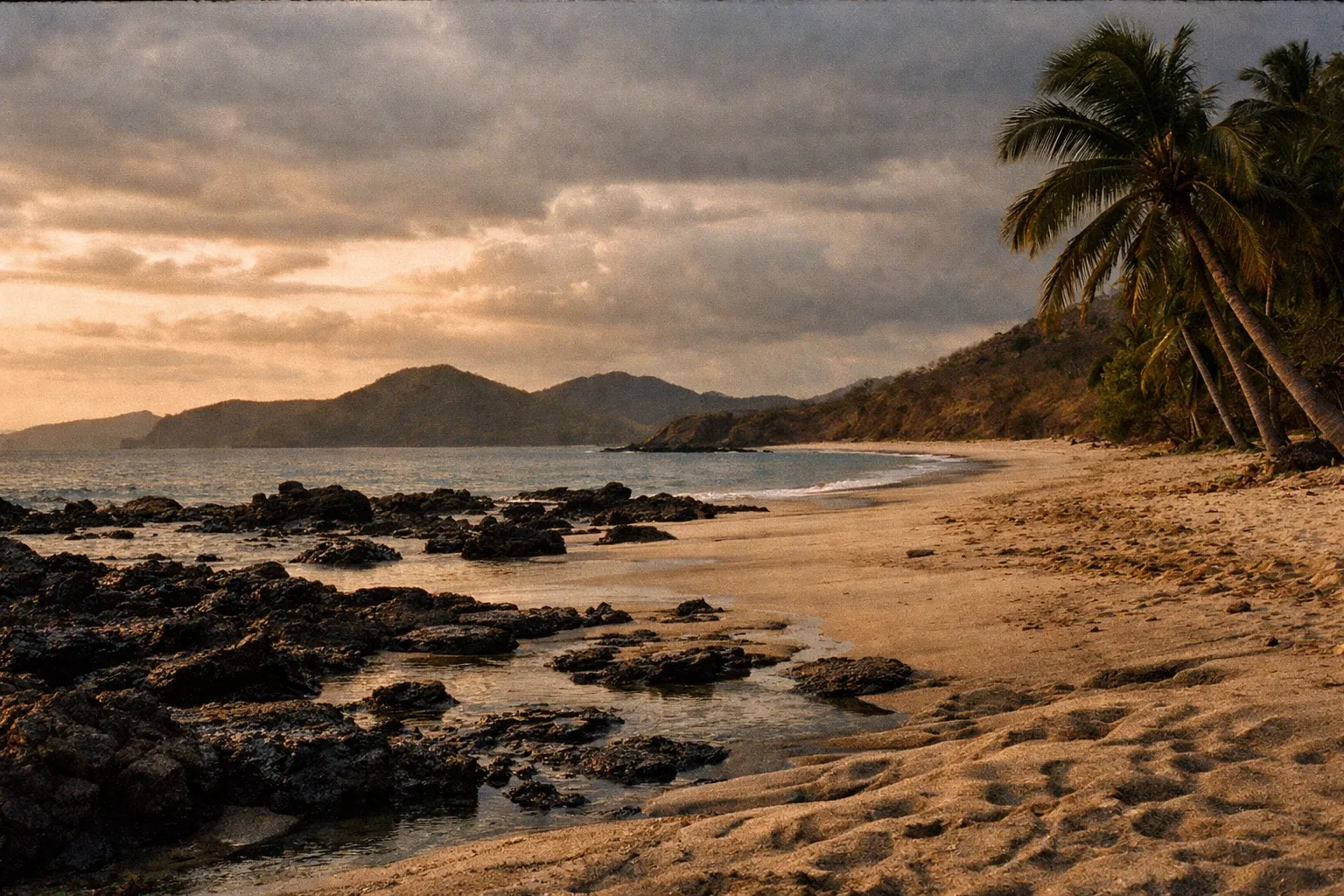
I drove out here on a February afternoon and had the beach almost entirely to myself by 4pm. That said, “secluded” shouldn’t be confused with “undeveloped” - there’s a working village, a few sodas, and more construction than the photos suggest.
Logistics:
- Getting there: About 1 hour 15 minutes by car from Liberia International Airport (LIR). The last few kilometers are dirt but passable in a regular car in the dry season.
- Cost range: Budget guesthouses run $40-70 USD per night; mid-range bungalows $90-150; the higher-end Dreams Las Mareas resort sits in the same bay if you want all-inclusive ($350+).
- Best month: February through April - dry, brown landscapes but reliable sun and calm water. May greens everything up but brings afternoon rain.
- What’s nearby: Day trips to Bahía Salinas (kite surfing), Isla Bolaños bird refuge, and Santa Rosa National Park (about 45 minutes south).
- What most guides get wrong: El Jobo gets sold as a secluded beach retreat. It’s quiet, not pristine wilderness. The wildlife is real but on the edge of the forest, not on the sand itself.
If your priority is swimming and snorkeling with monkeys in the trees behind you, El Jobo works. If you want serious wildlife immersion, use El Jobo as a base and drive into Santa Rosa.
Santa Rosa National Park beaches: history, habitat, and surf
Santa Rosa National Park beaches are part of the larger Área de Conservación Guanacaste, a UNESCO World Heritage site protecting one of the last large tracts of tropical dry forest in Central America. The park’s coast includes Playa Naranjo, Playa Nancite, and Playa Blanca - none of them resort beaches, all of them wildlife-relevant.
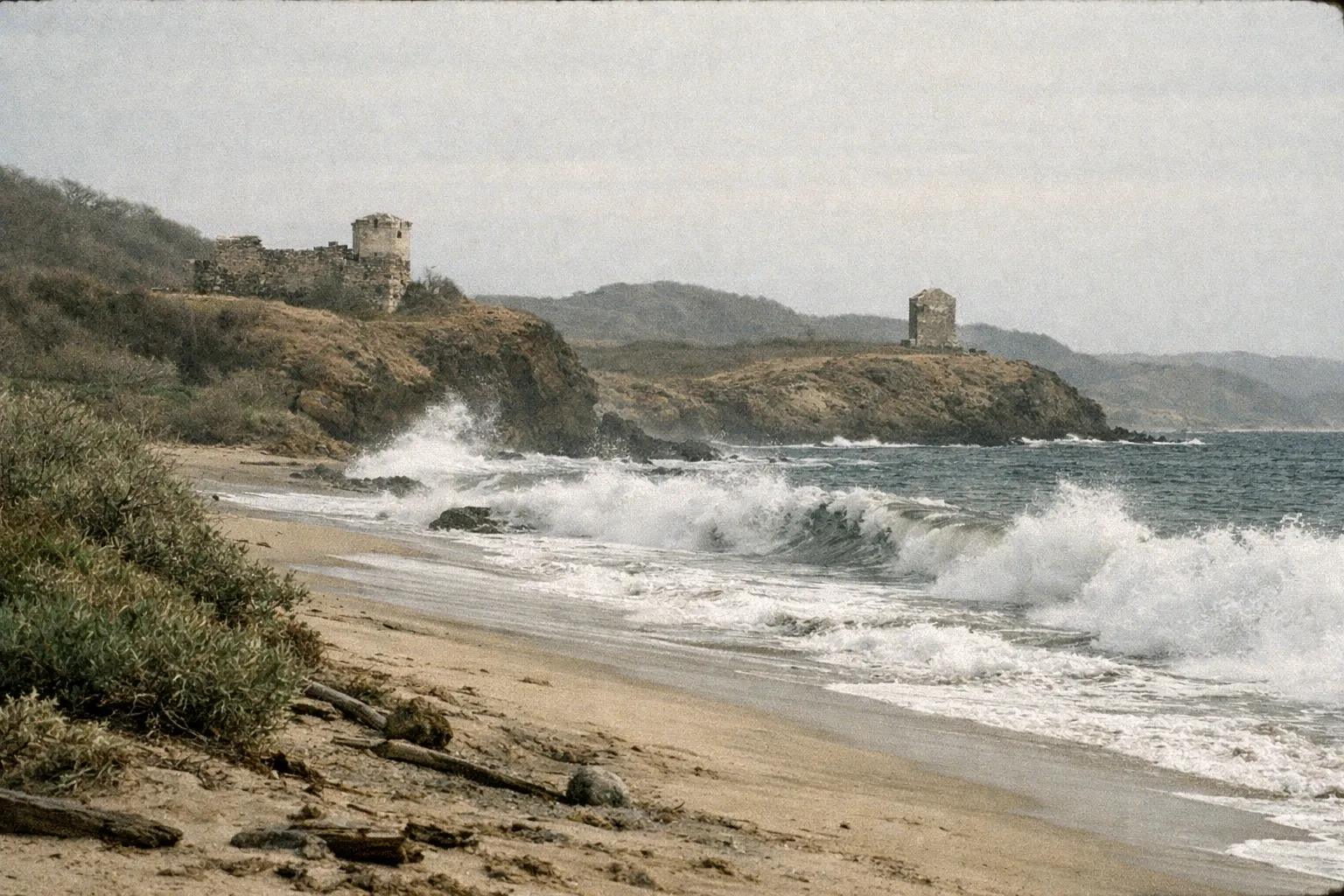
Playa Naranjo is the famous one for a different reason: it’s home to Witch’s Rock (Roca Bruja), one of the most photographed surf breaks in the country. Access is via a brutal 13 km 4x4 track from the park headquarters (dry season only - usually December through April) or by boat from Playas del Coco or Tamarindo. Boat charters run $80-150 USD per person depending on group size.
What you’ll actually see in the park:
- White-faced capuchins and howler monkeys throughout the forest
- White-tailed deer, coatis, and agoutis on the trails
- Crocodiles in the estuaries behind Naranjo and Nancite
- Resident and migratory shorebirds
- Occasionally peccaries and tapirs (rare)
Logistics:
- Park entry: $15 USD foreigners, $5 USD children
- Headquarters: Just off the Pan-American Highway, 35 km north of Liberia
- Camping: Permitted at the Naranjo sector; reserve through SINAC
- Best month: January through March - dry, accessible roads, animals concentrated around remaining water sources
- Booking mechanics: Nancite access requires a written research/visit permit through the Área de Conservación Guanacaste office. Apply at least two weeks ahead. Naranjo camping fills fast on dry-season weekends.
This is not a beach for sunset cocktails. It’s a beach for travelers who want to see what Guanacaste looked like before resort development.
Manuel Antonio: the easiest wildlife beach in the country
If you want a beach where you can read a book and watch a sloth move three inches in an hour, Manuel Antonio is the answer. The national park’s beaches - Playa Manuel Antonio and Playa Espadilla Sur - sit inside a protected area with squirrel monkeys, capuchins, two-toed and three-toed sloths, agoutis, and around 350 bird species.
I’ve visited Manuel Antonio twice, once in January and once in late September. January is busier and hotter; September is quieter, greener, and you’ll share the trail with a fraction of the crowd. Both times, a guide found sloths I would have walked directly under without noticing.
Logistics:
- Park entry: $18.08 USD per adult, reservations required online through SINAC. The park caps daily visitors; weekend slots in dry season disappear weeks in advance.
- Closed: Tuesdays, year-round
- Getting there: 3 hours from San José by car, or a 25-minute flight to Quepos (XQP)
- Best month: December through April for dry weather; September-October for fewer crowds and greener forest (with daily rain)
- What most guides get wrong: They tell you to skip the park guide. Don’t. A licensed naturalist guide ($25-40 USD per person for a 2-3 hour walk) with a spotting scope will show you ten times more wildlife than you’ll find on your own. Sloths are nearly invisible without trained eyes.
Worth the detour for: families, first-time Costa Rica visitors, anyone with limited time.
Pumas and jaguars: realistic odds and where to look
Set expectations first. Jaguar sightings in Costa Rica are rare - even researchers using camera traps go weeks without an image. Casual visitors won’t see a jaguar on a beach. What you can realistically do is visit habitats where they exist and where tracks, scat, and very occasionally sightings happen.
Best areas for big cats:
- Corcovado National Park (Osa Peninsula) - the strongest jaguar and puma habitat in the country. Multi-day guided treks from Sirena Ranger Station give you the best odds, though “best odds” still means under 5% for jaguars. Pumas are seen slightly more often.
- Santa Rosa National Park - confirmed jaguar presence, including documented predation on nesting turtles at Nancite. Sightings remain rare.
- La Amistad International Park - vast, remote, and largely off-limits to casual tourism. Healthy big cat populations but you’d need a serious expedition.
- Tortuguero National Park - jaguars have been documented hunting green turtles on the beach at night. Specialized guided night patrols during peak turtle season (July-October) occasionally produce sightings.
Honest advice: book Corcovado for two to three nights with a licensed guide, treat any cat sighting as a bonus, and focus on the tapirs, monkeys, peccaries, and macaws that you will see. Operators charging extra to “guarantee” a jaguar are lying.
Where in Costa Rica has the most animals?
By raw species count, Corcovado National Park wins - over 500 bird species, 140 mammal species, 116 reptile and amphibian species in a single park. By accessibility-weighted wildlife viewing, Tortuguero and Manuel Antonio deliver the most animals per hour of effort for the average traveler.
If you’re planning around volume of wildlife, here’s the practical ranking:
- Corcovado / Osa Peninsula - highest biodiversity, hardest access (1)
- Tortuguero National Park - boat-based, dense wildlife, only reachable by boat or plane (1)(2)
- Manuel Antonio National Park - easiest access, reliable sightings (3)
- Carara National Park - scarlet macaws guaranteed at sunset, easy day trip from Jacó (1)
- Monteverde Cloud Forest - birds and amphibians, no beach
- Caño Negro Wildlife Refuge - boat tours, caimans and waterbirds
Skip if short on time: Caño Negro and Monteverde are worthwhile but pull you away from the coast. If wildlife-plus-beach is the goal, stack Osa or Tortuguero with one Pacific beach base.
The Caribbean coast: Cahuita and Punta Uva
The southern Caribbean delivers a different kind of wildlife beach experience - less dramatic landscapes than Guanacaste, denser jungle pushing right up to the sand, more sloths, and water that’s actually warm enough for casual swimming.
Cahuita National Park has the country’s only easily accessible coral reef plus a coastal trail where sloths, howler monkeys, capuchins, and snakes are routine sightings. Entry runs on a donation basis at the Kelly Creek entrance in Cahuita town - pay what you think is fair, $5-10 USD is reasonable. The trail from Kelly Creek to Puerto Vargas is about 7 km one way.
Punta Uva and Playa Cocles sit between Puerto Viejo de Talamanca and Manzanillo. The forest behind the beach holds sloths and toucans; the reef offshore is decent for snorkeling on calm days; sea turtle nesting (leatherbacks and hawksbills) happens March through July.
Logistics:
- Getting there: 4.5 hours from San José by car; shuttle vans $50-60 USD per person
- Best month: September and October are the driest on the Caribbean - the opposite of the Pacific - making this a smart shoulder-season pick when the rest of the country is wet
- Cost range: Budget cabinas $30-50 USD per night; mid-range $80-150
- What most guides get wrong: They lump the Caribbean coast with Tortuguero. They’re different worlds. Tortuguero is canal-based and remote; the southern Caribbean is road-accessible, has a strong Afro-Caribbean food scene, and works as a beach holiday base.
What’s the prettiest beach in Costa Rica?
The honest answer: it depends on what “pretty” means to you. Here’s the short list that consistently shows up in beach roundups(4)(6):
- Playa Conchal (Guanacaste) - crushed-shell beach, turquoise water, easiest swimming. Resort-adjacent.
- Manuel Antonio Beach (Central Pacific) - postcard cove inside the national park, monkeys in the trees, white sand.
- Punta Uva (Caribbean South) - palm-fringed, jungle-backed, warm water. The Caribbean’s prettiest beach by most votes.
- Playa Hermosa (Guanacaste) - calm gray-sand bay, good for families, less scenic than Conchal but more livable.
- Playa Sámara (Nicoya) - wide horseshoe bay, reef-protected, mellow.
For wildlife-plus-pretty, Manuel Antonio and Punta Uva are the strongest combined picks. Pure scenic value goes to Playa Conchal, but you’ll see less wildlife there than at any other beach on this list.
Building a wildlife beach itinerary: 10 days, ~$2,000-3,500 USD per person
A realistic 10-day wildlife-plus-beach trip lands in the $2,000-3,500 USD per person range (mid-range hotels, rental car, park fees, two guided tours), not including international flights. The route below is the one that actually works without burning two days in transit:
- Days 1-2: Arrive San José, drive or shuttle to La Fortuna/Arenal (3 hours). Wildlife: hanging bridges, frog night walk.
- Days 3-5: Drive to Manuel Antonio (4 hours). Beach plus national park wildlife. One guided park walk, two beach days.
- Days 6-8: Fly or drive to Drake Bay (Osa Peninsula). Two days of Corcovado day tours from Sirena. This is the wildlife core.
- Days 9-10: Fly back to San José, transfer to Liberia, finish at El Jobo Costa Rica or Playa Hermosa for two recovery days on the beach.
If turtles are the priority, swap Days 9-10 for Ostional between August and November and base in Nosara.
10-Day Wildlife and Beach Itinerary in Costa Rica
10 daysA practical day-by-day plan balancing wildlife viewing and beach time with cost estimates.
- 1
Days 1-2: La Fortuna/Arenal
Arrive in San José, then drive or shuttle 3 hours to La Fortuna. Explore hanging bridges and join a frog night walk.
- 2
Days 3-5: Manuel Antonio
Drive 4 hours to Manuel Antonio. Spend one day on a guided national park walk and two days on the beach.
- 3
Days 6-8: Drake Bay (Osa Peninsula)
Fly or drive to Drake Bay. Take two days of Corcovado day tours from Sirena Ranger Station.
- 4
Days 9-10: El Jobo or Playa Hermosa
Fly back to San José, transfer to Liberia, then relax for two days on the beach at El Jobo or Playa Hermosa.
Booking mechanics that matter:
- Manuel Antonio park entry: reserve online through SINAC at least one week ahead; weekends in dry season sell out
- Corcovado: Sirena Station requires advance reservation and a certified guide - book two to three months ahead for peak season (December-April)
- Ostional arribada timing: track local guide associations on social media in the week before your trip; arribadas are predicted, not scheduled
- Domestic flights (Sansa, Aerobell): book direct, not through aggregators; small planes, small fare differences
Frequently asked questions about wildlife beaches in Costa Rica
Frequently Asked Questions
- Can I visit Nancite Beach without a permit?
- No. Nancite is a restricted conservation site with access only by permit. Unauthorized visits are not allowed.
- Are there guided tours for turtle nesting at Ostional?
- Yes. Local guide associations run mandatory night and dawn tours during nesting season, typically costing around $25 USD per person.
- Is it safe to travel solo to remote beaches like El Jobo?
- Solo travel to El Jobo, Manuel Antonio, and the southern Caribbean is routine. Exercise standard precautions, especially regarding car security.
- How reliable are jaguar sightings in Costa Rica?
- Jaguar sightings are very rare, even for researchers. Plan to visit their habitats for the experience, but sightings are a bonus, not a guarantee.
- What is the best way to book domestic flights within Costa Rica?
- Book directly with airlines like Sansa or Aerobell rather than through aggregators to get the best fares and avoid complications.
- Can I swim at turtle nesting beaches like Nancite?
- Swimming is not recommended at Nancite due to strong currents and conservation restrictions. Nearby beaches like El Jobo or Playa Hermosa are better for swimming.
- Do I need a guide to see wildlife at Costa Rica's beaches?
- For parks like Manuel Antonio, Corcovado, and turtle nesting sites, a guide significantly improves wildlife sightings. For casual beach walks at places like El Jobo or Punta Uva, a guide is not necessary.
Final practical notes
Pick your beach based on what wildlife you actually want to see, not on which beach photographs best. The country’s most photogenic beaches - Conchal, Flamingo, Tamarindo - have less wildlife than the country’s working conservation beaches. The trade-off is real and unavoidable. Turtle beaches don’t have beach clubs, and beach clubs don’t have turtles.
If I had to pick a single beach base for a first wildlife-focused trip, it would be Manuel Antonio in dry season - easiest logistics, highest wildlife density per dollar, prettiest park-adjacent beach. If I had two trips, I’d add Drake Bay on the Osa Peninsula for Corcovado. If turtles are the goal, build the trip around Ostional in October and use Nosara as the base. Everything else is optional.
Book park entries - Manuel Antonio, Corcovado-Sirena - before you book your flight. Those are the bottlenecks. The flights and hotels always have availability; the parks don’t.