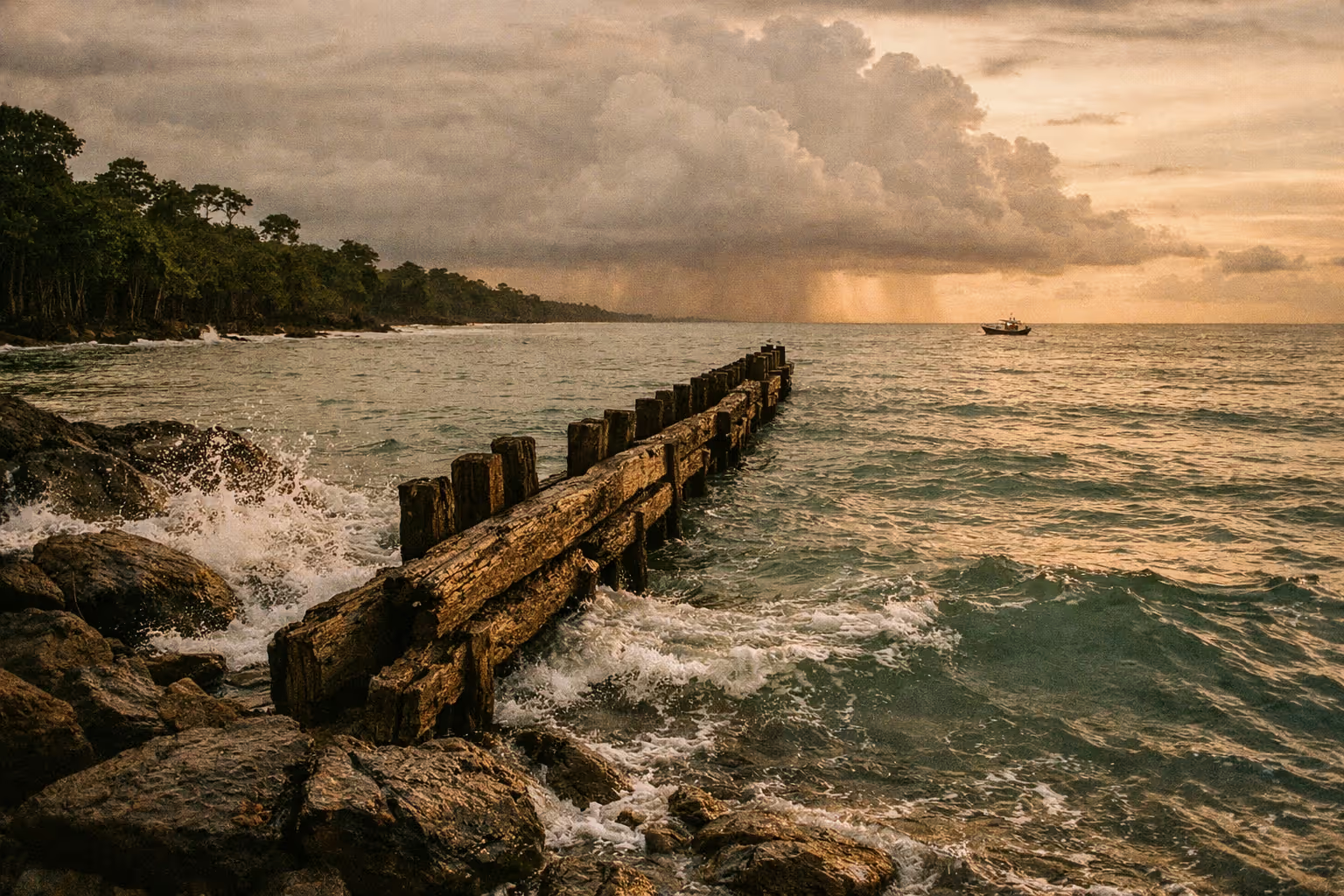
Limon Costa Rica rewards travelers who come for wildlife and Afro-Caribbean culture, not the resort beaches of the Pacific. Puerto Limon itself is a working cruise port; the good sand and reef sit 45 minutes south at Cahuita, Cocles, and Punta Uva. Expect sloths at the Penshurst sanctuary (no holding them anymore), turtles at Tortuguero, and hostel beds from $12 a night in Puerto Viejo. Getting here means 3.5 to 4.5 hours from San Jose, so give the coast more than a day.
Is Limon Costa Rica Worth Visiting?
Short answer: yes, if you want wildlife and culture more than infinity pools. Limon Costa Rica offers a unique Caribbean experience distinct from the Pacific surf towns or resort beaches, so skip it if you came specifically for those.
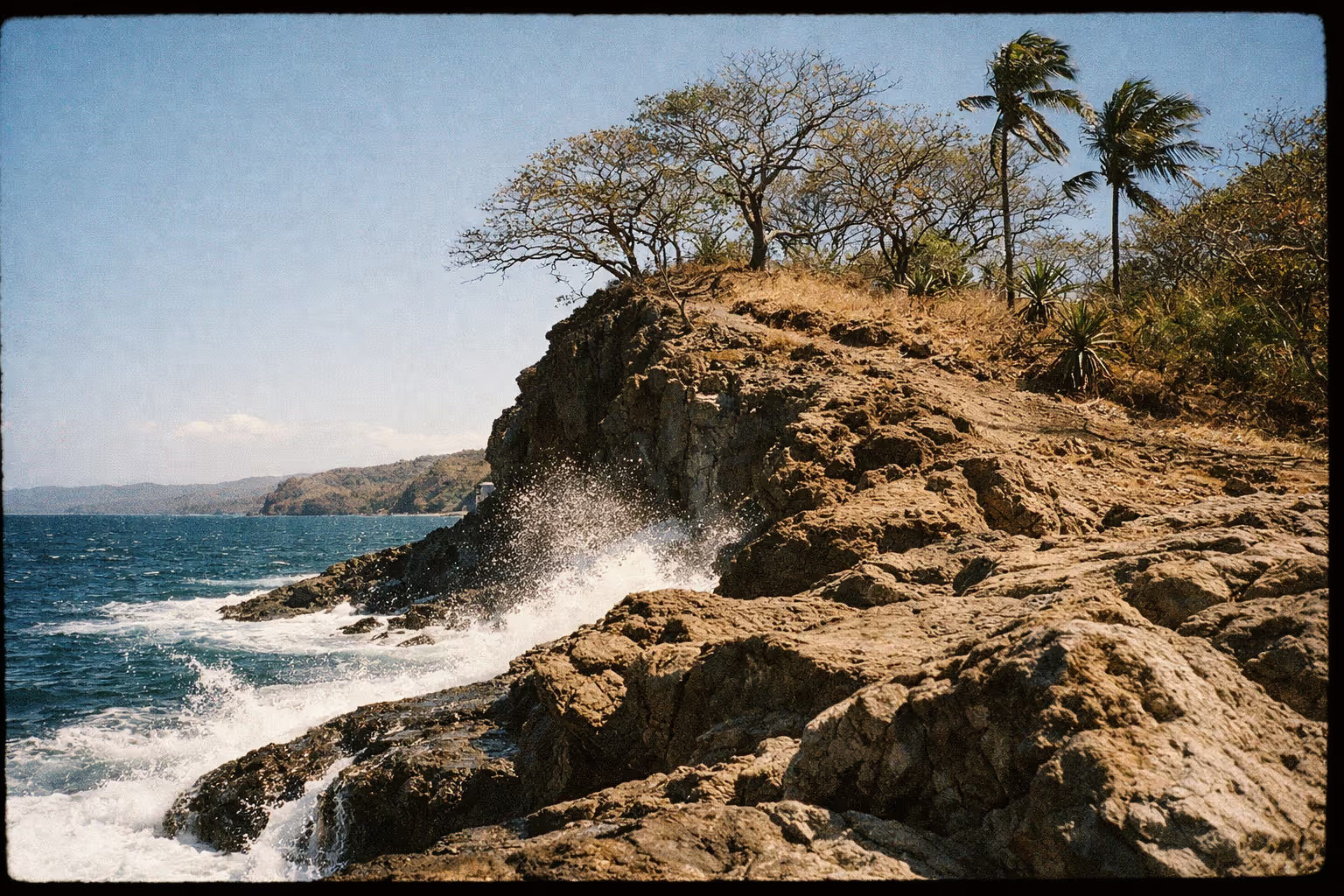
The Caribbean coast holds Cahuita National Park’s reef-and-rainforest combo, the Tortuguero canal system (often called Costa Rica’s Amazon), the Sloth Sanctuary near Penshurst, and the surf-and-swim beaches south of Puerto Viejo (5). It’s also notably cheaper than Manuel Antonio or Tamarindo - where comparable tours run US$120-180 - with full-day small-group tours starting around US$78 on platforms like Project Expedition.
Who should come:
- Wildlife travelers (sloths, turtles, monkeys, poison dart frogs, sea birds)
- Travelers who want Afro-Caribbean food and music instead of generic resort fare
- Budget-conscious travelers - hostel beds run US$12-25/night in Puerto Viejo
- Cruise passengers with 6-8 hours in port
Who shouldn’t bother:
- Travelers expecting a polished beach-resort city in Puerto Limon itself
- People with only 3 days in Costa Rica (the drive eats too much of your time)
- Anyone who needs guaranteed sunshine - the Caribbean side has two short drier windows (February-March and September-October), but rain is possible year-round
Worth the detour: Cahuita National Park, Tortuguero canals, Cocles/Punta Uva beaches. Skip if short on time: Puerto Limon’s in-town beaches - Playa Bonita is fine but not worth a special trip if you’re heading to Cahuita anyway.
✓ Pros
- Rich Afro-Caribbean culture and authentic local cuisine
- Diverse wildlife including sloths, turtles, and monkeys
- Lower cost than Pacific resort areas
- Unique destinations like Cahuita reef and Tortuguero canals
✗ Cons
- No polished resort infrastructure in Puerto Limon city
- Caribbean coast has two short drier windows (Feb-Mar and Sep-Oct) but rain is possible year-round
- Long drive from San José with occasional road closures
- Medical facilities are limited compared to Central Valley
How to Get to Limon
The province is accessible by road, boat, and small plane.
How to Get to Limon, Costa Rica
3.5-4.5 hours by carStep-by-step options for reaching Limon from San José and nearby points.
- 1
By car from San José
Drive Highway 32 through Braulio Carrillo National Park and over the Zurquí mountain pass. Plan 3.5-4.5 hours to Puerto Limon, longer in heavy rain due to landslides and fog. Avoid night driving.
- 2
By shared shuttle
Daily shuttles run by Caribe Shuttle and Interbus cost US$35-55 per person, serving Puerto Viejo, Cahuita, and Limon.
- 3
By private transfer
Private transfers cost US$140-200 one-way, cost-effective if splitting among four travelers.
- 4
By public bus
MEPE buses from San José's Terminal Atlántico Norte to Limon and beyond cost US$10-15, taking 4-5 hours.
- 5
By air
Sansa Airlines flies San José to Limon (LIO) in about 40 minutes, mainly useful for connecting to Tortuguero.
- 6
By boat to Tortuguero
From La Pavona or Moin, boats run the canals to Tortuguero village. Most lodges include this transfer.
Puerto Limon Costa Rica: the Cruise Port
Puerto Limon is one of the Caribbean’s regular cruise stops. Royal Caribbean, Princess Cruises, Carnival, and Norwegian all dock here during the October-April season (4). Ships pull into the cruise terminal in the city center, and you can walk straight out to taxis, tour operators, and a small market.
Do cruise ships stop in Limon? Yes - frequently enough that the entire shore excursion industry here is built around 6-8 hour windows. Princess Cruises lists Limon excursions on their official port page (4), and Royal Caribbean publishes a dedicated guide to what the port is known for (3).
Typical shore excursions:
- Veragua Rainforest aerial tram + Tortuguero canals + lunch: roughly 6-7 hours, US$130-150
- Canopy zip line + canal combo: roughly 6 hours, US$95-130 (6)(7)
- Cahuita National Park + snorkeling: roughly 6 hours, US$90-120
- Sloth Sanctuary + Tortuguero canals: roughly 7 hours, US$110-140
Booking mechanics matter here. Ship-organized excursions cost roughly 30-50% more than independent operators, but the ship guarantees the boat won’t leave without you. If you book independently through Project Expedition, Venture Ashore, or Shore Excursions Group (7)(6)(1), pick operators that explicitly advertise a “back to ship” guarantee - and build a 90-minute buffer before all-aboard. At the Veragua aerial tram, cruise tour groups get priority on the gondolas, so independent walk-ups sometimes wait (5).
Cahuita in Limon, Costa Rica: the Reef-and-Rainforest Park
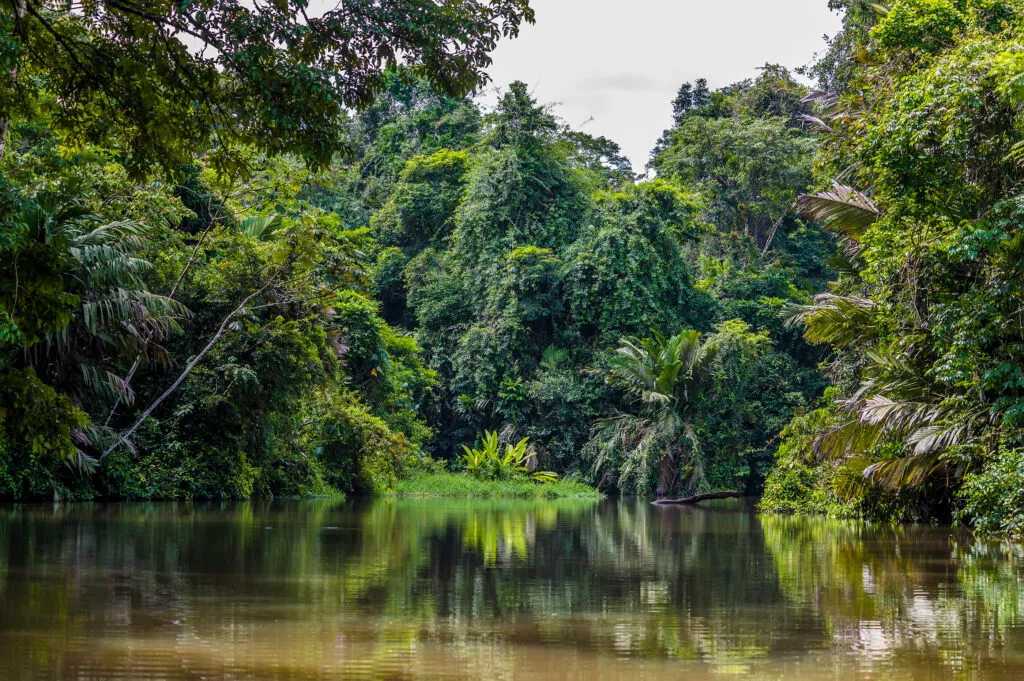
Cahuita Limon Costa Rica is the small village 45 km south of Puerto Limon that sits at the edge of Cahuita National Park. The park is the single best argument for the Caribbean coast - it combines a flat coastal hiking trail with the only significant living coral reef in Costa Rica (5).
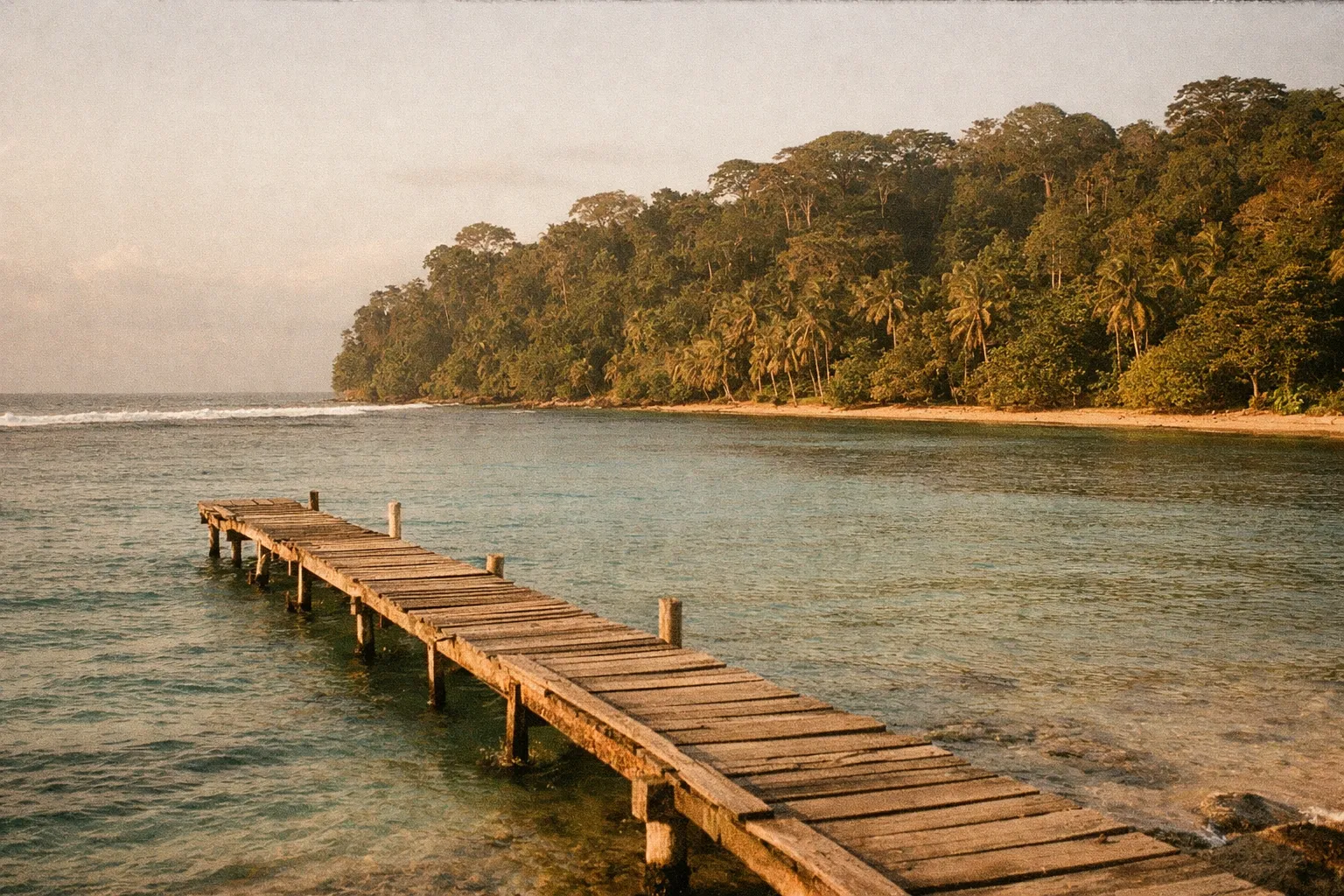
Practical details:
- Park entry: Voluntary donation at the Kelly Creek (Cahuita village) entrance, US$5.65 including VAT at the Puerto Vargas entrance (as of October 2026). The village-side entrance on the donation system is the better deal.
- Hours: 6 a.m.-5 p.m.
- Trail: About 8 km flat coastal trail from Kelly Creek to Puerto Vargas. Allow 3-4 hours one-way with wildlife stops.
- Reef snorkeling: Only with a licensed guide departing from Cahuita village or Puerto Vargas. Tours run US$45-70 per person.
What you’ll likely see: white-faced capuchins, howler monkeys, two- and three-toed sloths, agoutis, basilisk lizards, and a steady parade of pelicans and frigatebirds. Go early - by 10 a.m. the monkeys move higher into the canopy and the heat becomes the dominant feature of the trail.
Cahuita village itself is small, walkable, and noticeably more low-key than Puerto Viejo. Reggae bars, two ATMs, a handful of restaurants serving Caribbean rice and beans in coconut milk. Cabinas and small guesthouses run US$40-90/night.
The Sloth Sanctuary Near Penshurst
The Sloth Sanctuary Limon Costa Rica sits along Route 36 near Penshurst, between Puerto Limon and Cahuita - about 30 minutes south of the cruise port. It’s a rescue and rehabilitation operation, not a petting zoo.
What you actually get on the standard tour (roughly 2 hours, around US$30 adult):
- Guided walk through the rehabilitation facility
- A canoe ride on the Estrella River for wildlife spotting from the water
- Education on sloth biology and the rescue program
What you don’t get: holding a sloth. The sanctuary stopped offering hold-the-sloth photo ops years ago, which is the right call from a welfare standpoint. If a tour operator promises sloth-holding, they’re not selling you the actual sanctuary tour.
Pair it with Cahuita for a half-day, or with a Tortuguero canal trip if you’re on a cruise excursion. Worth the detour for wildlife travelers; skip if you’ve already done a guided walk in Cahuita and seen sloths in the wild.
Tortuguero National Park and the Canals
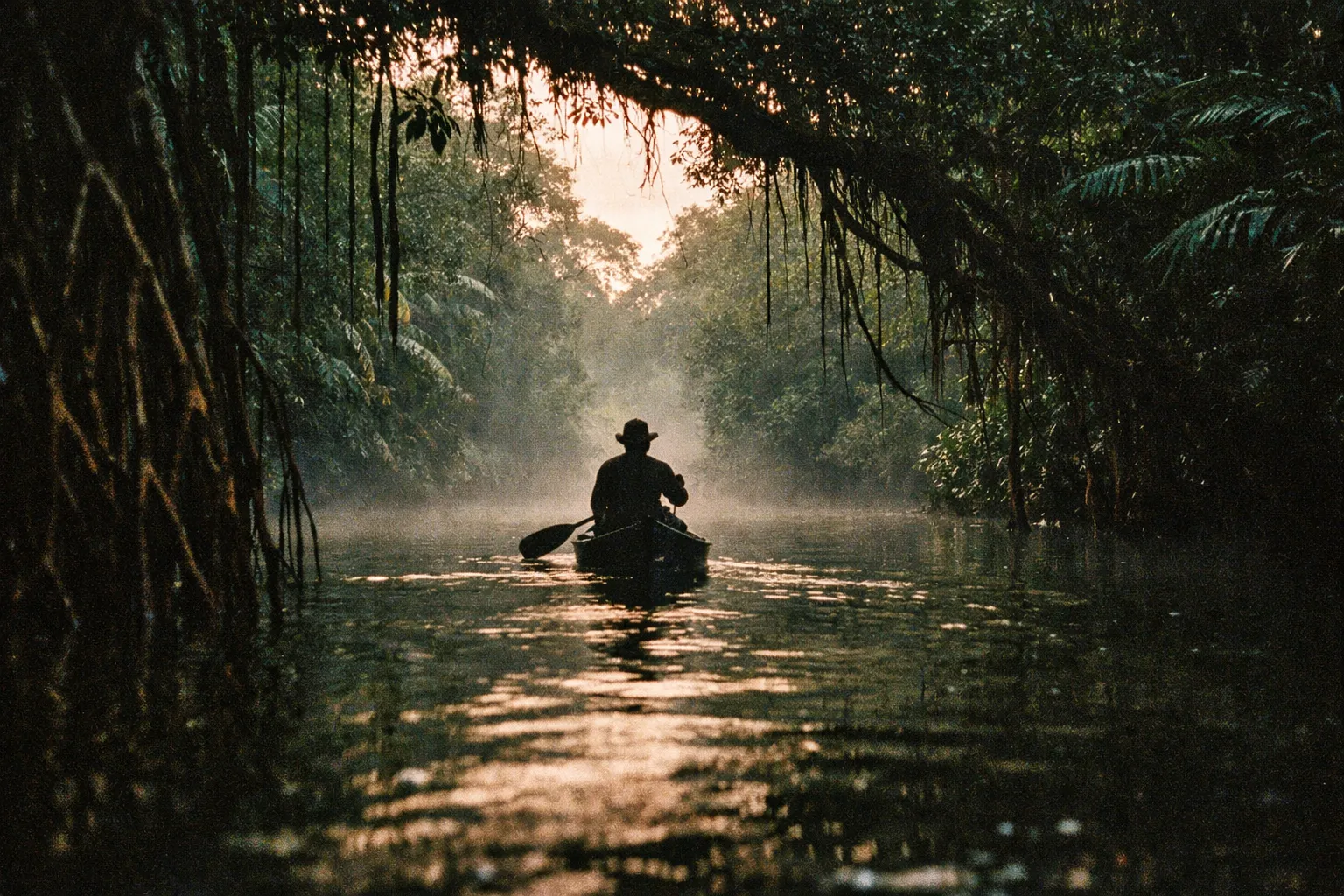
Accessible only by boat or small plane, Tortuguero is the standout multi-day destination in Limon province. The canal system runs roughly 100 km parallel to the coast, and the village of Tortuguero is a sand-street strip between the canal and the Caribbean Sea.
When to visit:
- July-October: Green sea turtle nesting season - the marquee experience. Guided night tours only, US$25-35 per person.
- February-April: Leatherback nesting (smaller numbers).
- Year-round: Canal boat tours for caiman, monkeys, sloths, river otters, and 300+ bird species.
Getting there: Most travelers book a 2-night package through a lodge - Pachira, Mawamba, Laguna Lodge, and Evergreen are the main options. Packages from San José run US$280-450 per person and include transport, all meals, and guided tours. The DIY route means driving or busing to La Pavona, taking the public boat to Tortuguero village (roughly US$5), then booking tours locally. Cuts the cost roughly in half but takes more time to assemble.
Important booking note: Turtle nesting tours are tightly regulated. Lodges book guide slots months in advance during peak season (August-September). If you want to see nesting turtles, lock in your dates by May.
Cocles and the South Caribbean Beaches
Cocles Limon Costa Rica is a 2 km surf beach about 4 km southeast of Puerto Viejo de Talamanca, and it’s the closest thing the Caribbean coast has to a beach-town hub. The wave breaks consistently year-round but pumps biggest December-March. Lifeguards patrol the main section - the only patrolled beach on this stretch (8).
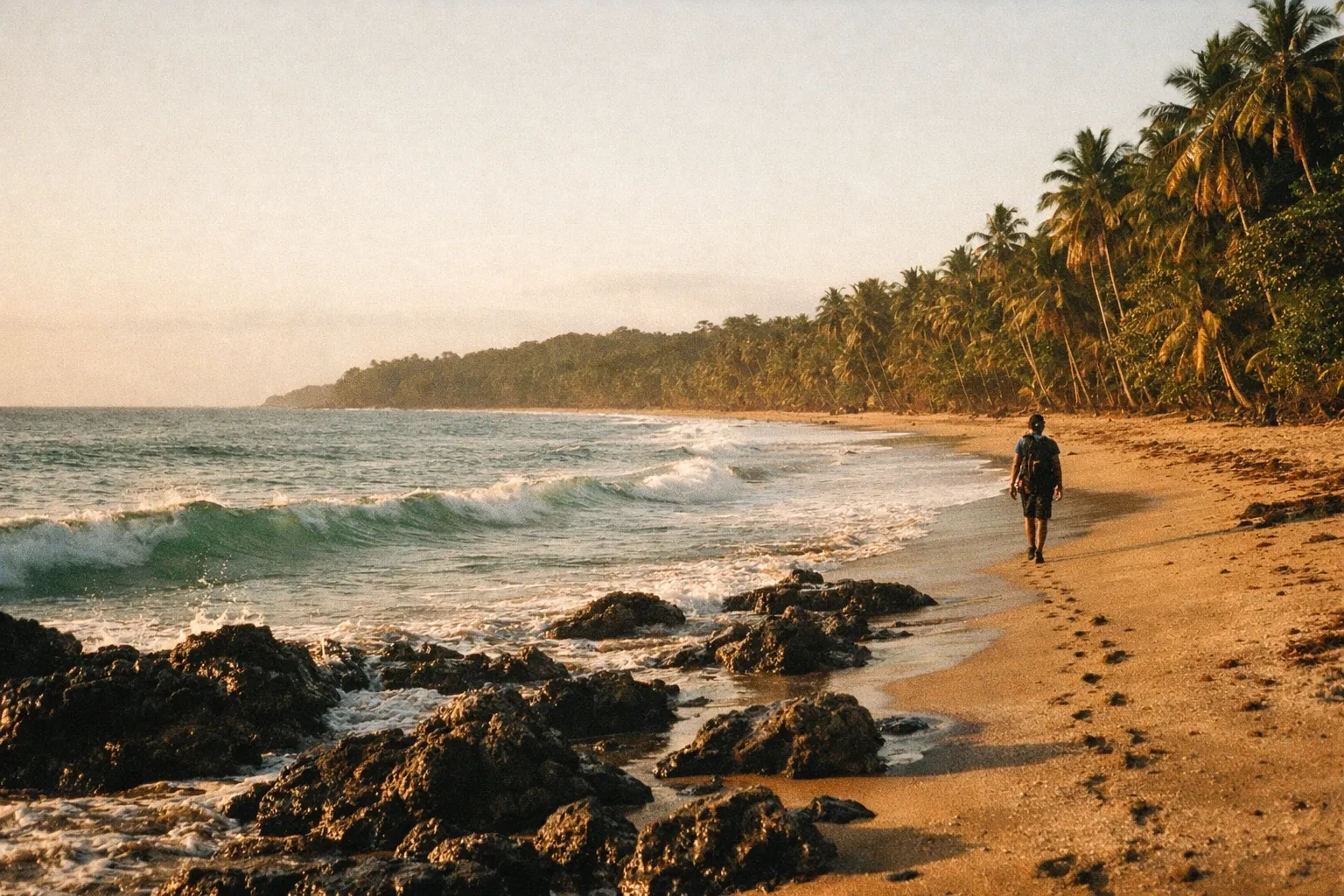
Beaches worth your time, ranked:
- Punta Uva - calm, swimmable, palm-shaded, the most photogenic stretch on the coast. Worth the detour even if you don’t surf.
- Manzanillo - at the end of the road, inside the Gandoca-Manzanillo Wildlife Refuge. Snorkeling on calm days, restaurant beach bars.
- Cocles - surf, sand, and a steady stream of beach hostels behind the dunes.
- Playa Negra (Puerto Viejo) - black volcanic sand, less crowded, closer to town.
- Playa Chiquita - small coves between Cocles and Punta Uva, lightly developed.
Puerto Viejo town sits between Cahuita and Cocles. It’s the main backpacker hub on the Caribbean side - reggae bars, bicycle rentals, an above-average restaurant scene, and the Jaguar Rescue Center just outside town (which, despite the name, mostly rehabilitates sloths, monkeys, and birds - well-run, US$22 for the guided tour).
Beaches Near the Cruise Port
If you’re working with a tight cruise-day window and want sand, your Limon Costa Rica beaches options near Puerto Limon are limited but functional:
- Playa Bonita: About 4 km northwest of the cruise port. The closest decent beach to town, palm-lined, with a few sodas serving fried fish and rice. Strong currents - not great for swimmers, fine for a walk.
- Playa Portete: Small cove next to Playa Bonita, calmer water, good for a quick swim.
- Moin Beach: Further north, near the Moin canal terminal. Long, wild, and largely empty - but logistically awkward without a car.
For actual beach quality, you need to drive 45+ minutes south to Cahuita’s Playa Negra or further to Cocles and Punta Uva. If your cruise stop is under 7 hours, accept that Puerto Limon’s in-town beaches are a quick dip, not a destination.
The Bribri Community and Indigenous Limon
One of the more worthwhile experiences I’ve had on the Caribbean coast was a visit to the Bribri Indigenous community in the foothills of the Talamanca Mountains. The community’s daily life is intricately tied to the rainforest, and a guided visit functions as a working introduction to plants, cacao, and traditional medicine that has no real parallel elsewhere in the country.

The Bribri are guardians of traditions that date back to pre-Columbian times, and their relationship with cacao is what most visits center on. A bean-to-bar chocolate-making session isn’t a kitchen demo - it’s an explanation of why cacao matters spiritually, walked through from harvest to grinding stone to the final product.
Beyond cacao, visits cover medicinal plants, craftsmanship with tree fibers, and a shared meal that usually includes heart of palm and root vegetables. Most tours run US$60-90 per person from Puerto Viejo and include the river crossing, the cacao ceremony, and a guided forest walk. The Yorkín community offers overnight stays for travelers who want a deeper experience.
What Is the Ethnicity of Limon?
Limon has Costa Rica’s largest Afro-Caribbean population, predominantly descended from Jamaican workers who arrived in the late 19th century to build the railroad and work the banana plantations (6)(5). Alongside the Afro-Caribbean majority, the province includes:
- Indigenous Bribri and Cabécar communities in the Talamanca highlands
- Chinese-Costa Rican families with roots in the same late-1800s migration wave
- Mestizo Costa Ricans, more concentrated in Puerto Limon city
- A growing European and North American expat community in Puerto Viejo and Cocles
The cultural impact is immediately audible: Spanish is the official language, but you’ll hear English-based Mekatelyu (Limonese Creole) in markets and on the street. The food shifts from gallo pinto to rice and beans cooked in coconut milk, ackee on some menus, and Caribbean patties sold from bakery cases. Calypso and reggae replace ranchera and marimba on the radio.
Limón Carnival and the October Window
Limón Carnival runs in mid-October around Día de las Culturas (October 12), with parades, calypso bands, food stalls, and street parties centered on Puerto Limon’s malecón. It’s the single best week to see Afro-Caribbean Costa Rican culture concentrated in one place.
Two warnings:
- Book accommodation 3-4 months ahead. Puerto Limon has limited hotel inventory, and Carnival fills it.
- Prices spike. Expect 30-60% higher rates during Carnival week.
September and October together form the driest stretch on the Caribbean coast, so even if you skip Carnival itself, mid-October sits inside the window with the best odds of consistent sun (2).
How Much Does It Cost to Live in Limon?
There’s no official expat-cost index for Limon specifically, but based on regional data and current rental listings (ICT regional reports and local property listings as of 2024), a single expat living modestly in Puerto Limon or a south Caribbean town can expect roughly:
| Category | Monthly cost (USD) |
|---|---|
| Rent (1-bed apartment, local neighborhood) | $350-650 |
| Rent (1-bed near Puerto Viejo/Cocles) | $500-900 |
| Groceries | $250-400 |
| Utilities (electric, water, internet) | $90-150 |
| Local transport (bus, occasional taxi) | $50-100 |
| Eating out (2-3x/week at sodas) | $100-200 |
| Health insurance (CAJA or private) | $80-200 |
| Total | $1,200-1,800 |
That’s notably cheaper than the Central Valley around San José and dramatically cheaper than Pacific resort towns like Tamarindo or Nosara, where US$2,500-3,500/month is more realistic.
Trade-offs worth factoring in: medical infrastructure is thinner on the Caribbean coast (Hospital Tony Facio in Puerto Limon is the main facility - serious care still means a trip to San José). Internet is decent in Puerto Viejo and Cahuita but spotty in rural Talamanca. Humidity and salt air are hard on electronics and anything metal.
Practical Budget for a Typical Trip
Per person, per day - before flights:
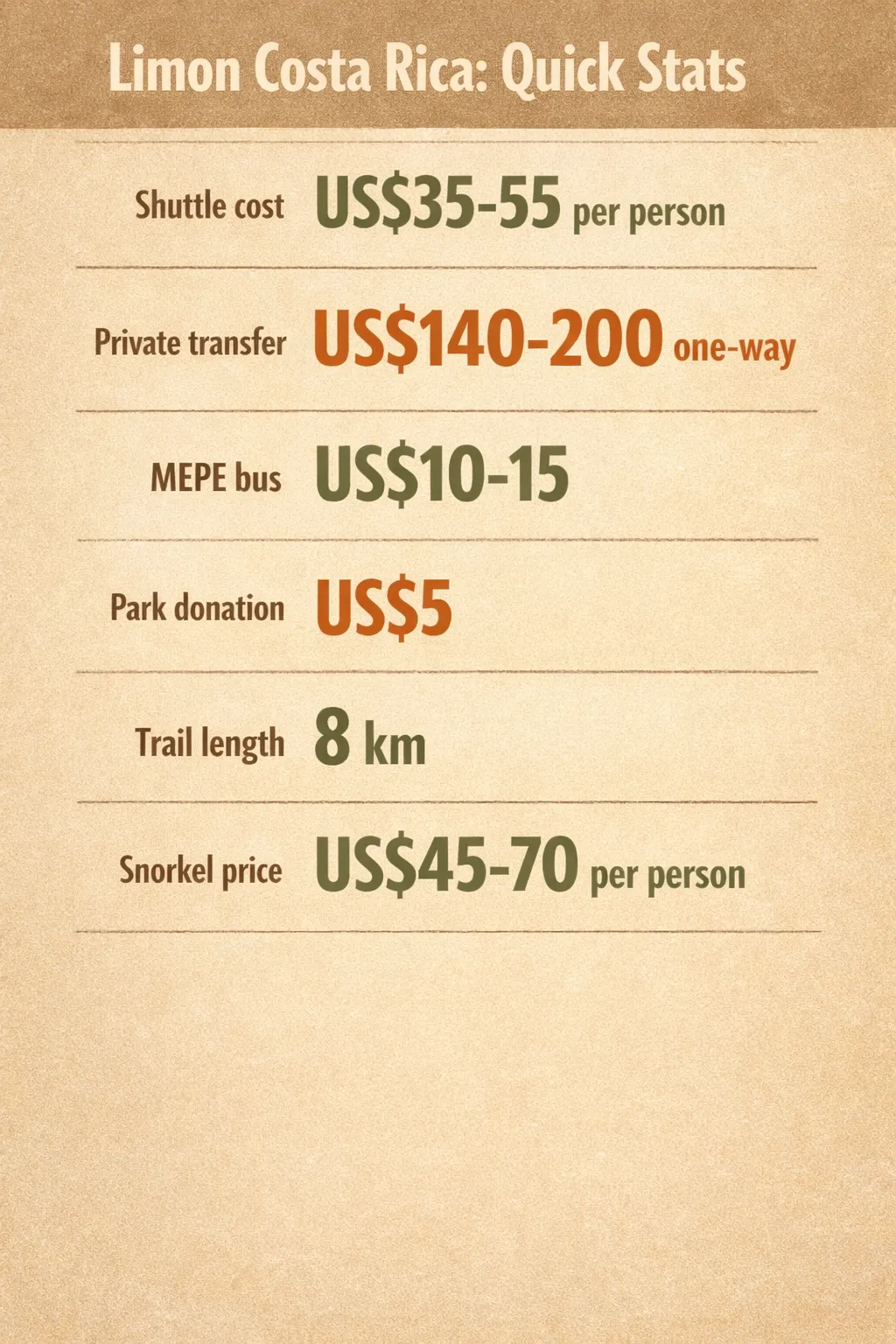 Infographic summarizes key costs and travel times in Limon: shared shuttles US$35-55, private transfers US$140-200, MEPE buses US$10-15, park donation US$5, 8 km Cahuita trail, snorkeling US$45-70 per person.
Budget backpacker (Puerto Viejo/Cocles):
- Hostel bed: $12-25
- Soda meals: $6-10 per meal
- Bicycle rental: $7-10/day
- Beach day, occasional tour: $20-50
- Daily total: $50-90
Mid-range traveler:
- Guesthouse or small hotel: $60-130
- Restaurant meals: $12-25 per meal
- Rental car: $40-60/day
- One guided tour: $75-125
- Daily total: $150-280
Cruise excursion passenger:
- Combo tour 6-7 hours: $90-150
- Independent taxi + lunch + small tour: $60-100
- Daily total: $60-150 (single port day)
Sample 5-Day Itinerary
Trip duration: 5 days, 4 nights. Estimated total cost: US$700-1,400 per person, excluding international flights - includes domestic transport, mid-range lodging, two guided tours, and meals.
Sample 5-Day Itinerary for Limon, Costa Rica
5 daysA practical day-by-day plan covering key highlights and logistics.
- 1
Day 1: San José to Cahuita
Take a shared shuttle (US$45), arrive early afternoon. Explore Cahuita village and have dinner with Caribbean rice and beans. Overnight in Cahuita.
- 2
Day 2: Cahuita National Park
Start early at Kelly Creek entrance. Hike to Puerto Vargas, snorkel the reef with a guide, then relax at Playa Negra. Overnight in Cahuita.
- 3
Day 3: Cahuita to Puerto Viejo
Travel 20 minutes by taxi or bus. Rent a bike to visit Cocles, Punta Uva, and Manzanillo beaches. Overnight in Puerto Viejo or Cocles.
- 4
Day 4: Bribri Community or Wildlife Centers
Choose between a half-day Bribri Indigenous community visit or Jaguar Rescue Center plus Sloth Sanctuary tours. Overnight in Puerto Viejo.
- 5
Day 5: Return to San José or Extend
Take bus or shuttle back to San José (5 hours), or add a 2-night Tortuguero lodge package with boat transfer.
What Most Guides Get Wrong
A few things that show up repeatedly in older travel content and don’t match the reality on the ground:
- “Puerto Limon has great beaches.” It has functional beaches. The good Caribbean beaches are 45+ minutes south.
- “You can day-trip Tortuguero from San José.” Technically yes, in 14+ hours. You’ll see canals from a boat for 90 minutes. Stay at least one night or don’t bother.
- “Wildlife is guaranteed.” Cahuita and the aerial trams are not zoos - sightings depend on time of day, weather, and luck. Go early (5).
- “It’s dangerous.” Puerto Limon city has a working-port reputation, and standard urban precautions apply, but Cahuita, Puerto Viejo, and Cocles are no riskier than any backpacker town. The bigger threat is rip currents on unpatrolled beaches.
- “Skip it for the Pacific side.” If you’ve been to Manuel Antonio twice already, the Caribbean side is a more interesting use of your week.
Packing Notes Specific to the Caribbean Coast
- Light rain jacket - non-negotiable, even in October
- Reef-safe sunscreen (mineral-based; Cahuita’s reef is fragile)
- Strong insect repellent with DEET or picaridin
- Quick-dry clothing - cotton stays wet for hours
- Waterproof dry bag for boat tours
- Cash in small bills - many sodas and beach vendors don’t take cards
- Closed shoes for hiking - Cahuita’s trail has muddy stretches even in dry months
Skip: heavy hiking boots (overkill), formal clothing (no occasion), travel hairdryer (humidity wins).
Final Planning Notes
Limon rewards travelers who arrive without resort expectations. The Caribbean coast is wetter, slower, and more culturally distinct than the rest of Costa Rica, and the infrastructure is correspondingly less polished. That’s the trade - you get reefs, sloths, calypso music, and rice and beans cooked in coconut milk, at prices that are half what you’d pay in Tamarindo.
If you have one week in Costa Rica and you’ve already done the Pacific or the Arenal-Monteverde circuit, this is where to go next. If it’s your first trip and you need to optimize for guaranteed sunshine and beach time, save Limon for the second visit.
And if you’re stepping off a cruise ship with seven hours to work with, book a canal-plus-aerial-tram combo and accept that you’re sampling, not seeing. Limon is a region that deserves nights, not afternoons.
Frequently Asked Questions
- Can I visit Tortuguero as a day trip from San José?
- While technically possible, a day trip involves over 14 hours of travel and only about 90 minutes on the canals. For a meaningful experience, plan to stay at least one night.
- Are there guaranteed wildlife sightings in Cahuita National Park?
- No. Wildlife sightings depend on time of day, weather, and luck. Early morning visits improve your chances.
- Is it safe to visit Puerto Limon city?
- Puerto Limon has a working port reputation, so standard urban safety precautions apply. Nearby towns like Cahuita and Puerto Viejo are generally safe for backpackers.
- What should I know about booking tours during Limón Carnival?
- Accommodation fills quickly 3-4 months in advance and prices spike 30-60%. Plan and book early if you want to attend.
- Can I hold sloths at the Sloth Sanctuary?
- No. The sanctuary no longer offers sloth-holding photo ops to protect animal welfare. Tours focus on education and rehabilitation.
- How reliable is internet in Limon province?
- Internet is decent in Puerto Viejo and Cahuita but can be spotty in rural areas like Talamanca.
- What is the best time to visit Limon for dry weather?
- September and October are the driest months on the Caribbean coast, coinciding with Limón Carnival.