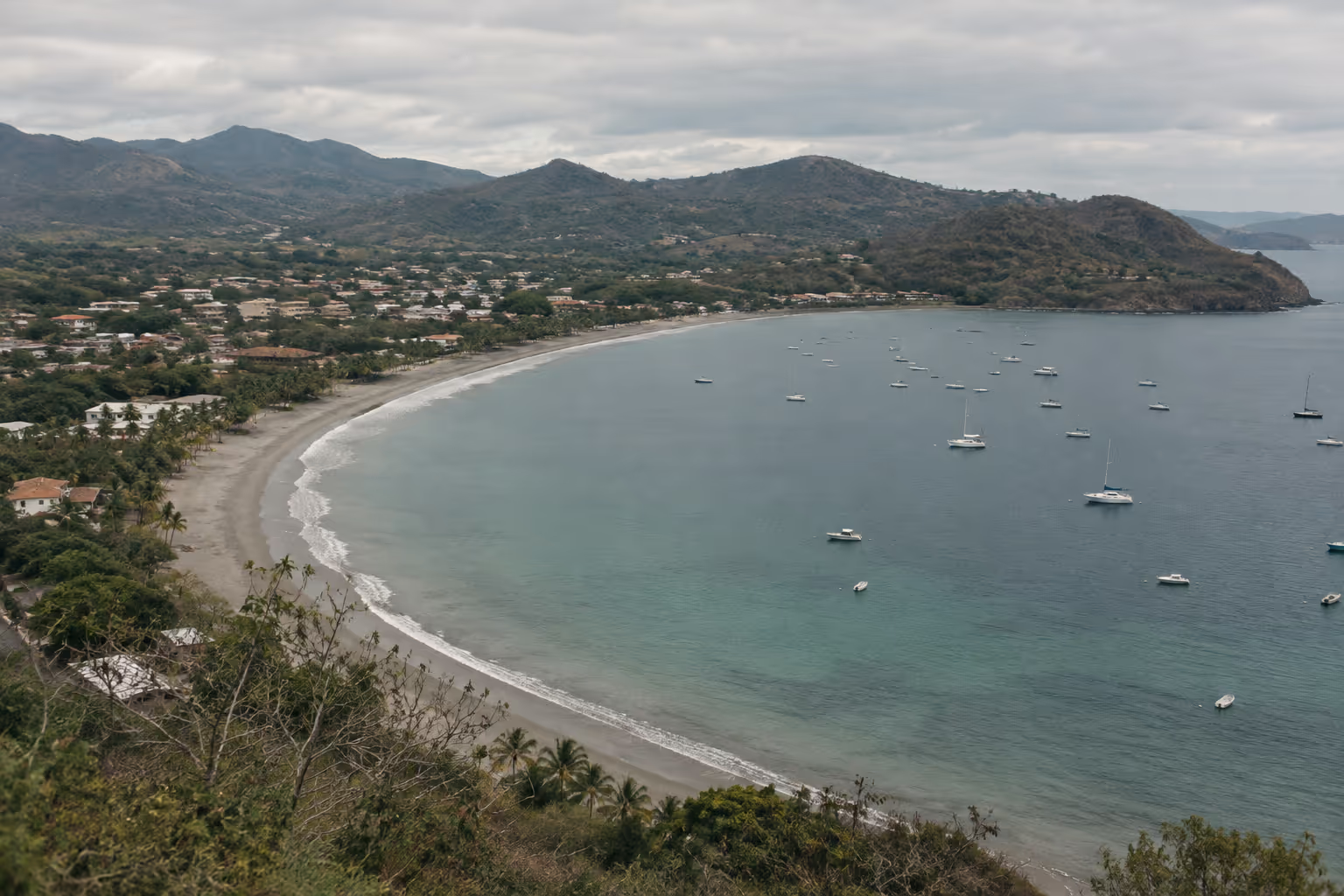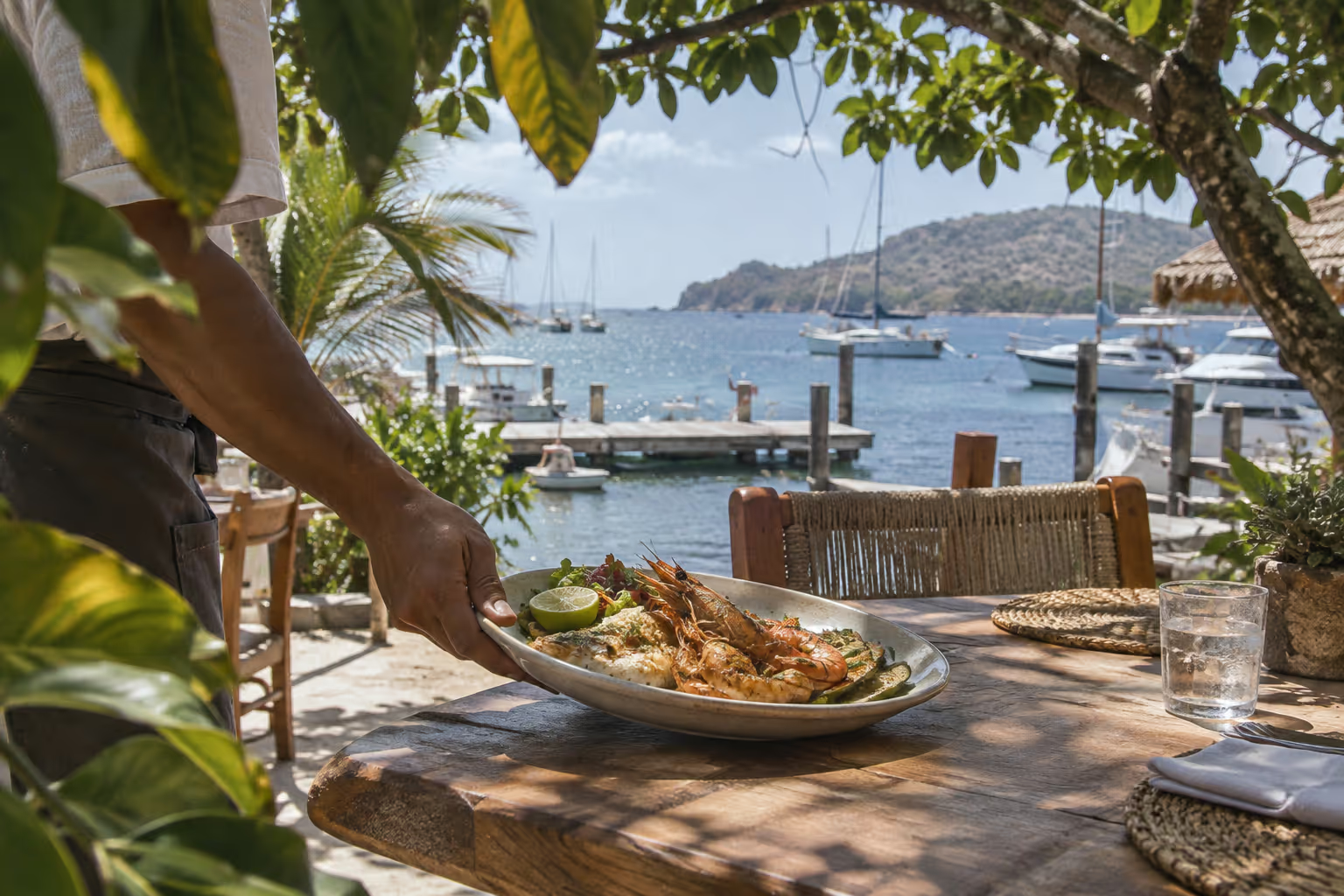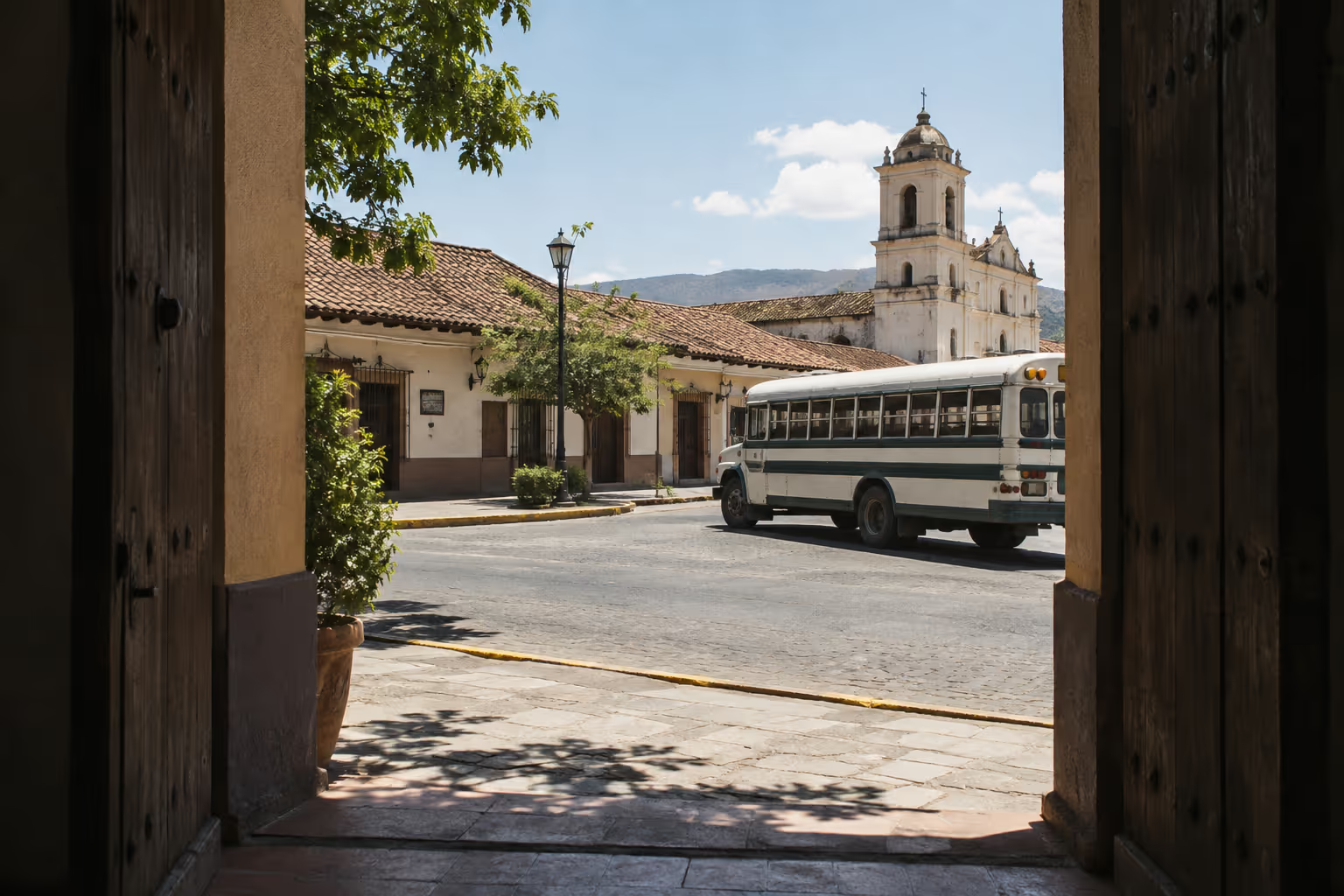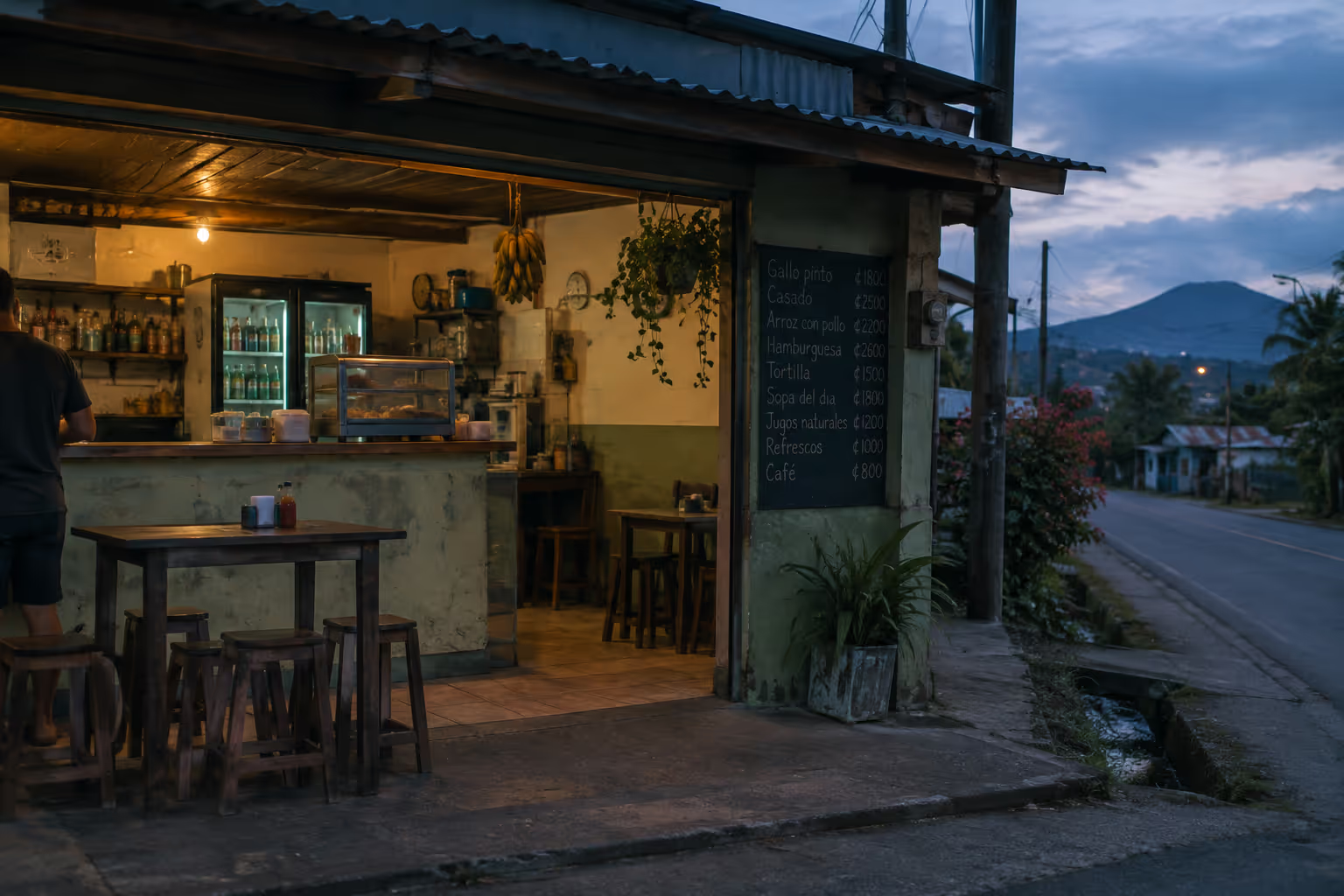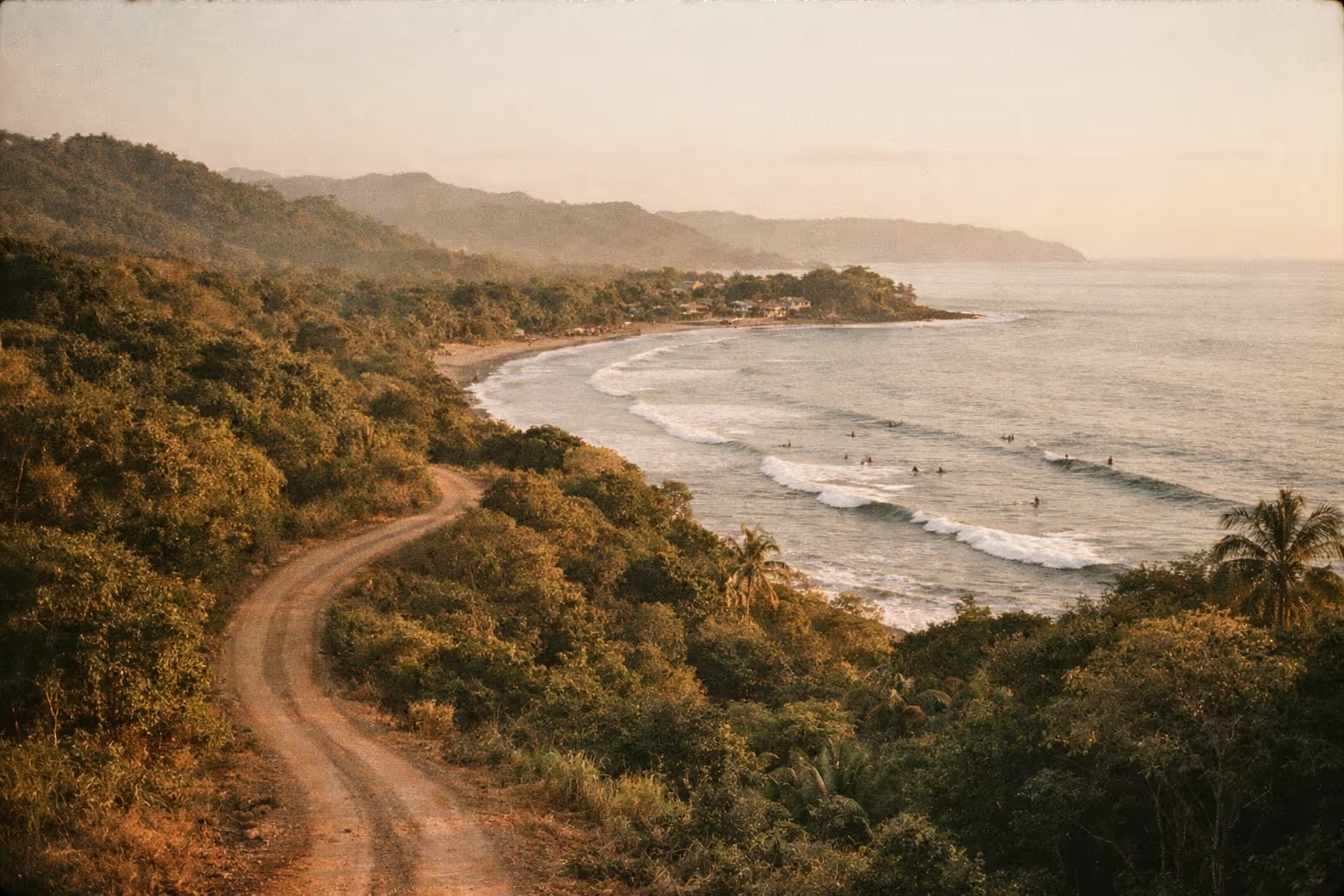
The best things to do in Costa Rica come down to picking your hubs, because it crams two coasts, six volcanoes, and cloud forests into the space of West Virginia. La Fortuna around Arenal is the easiest three-day base; Corcovado is the biggest wildlife payoff but needs a guide booked one to two months ahead. Get around on shared shuttles for $45 to $65, or fly domestic to save a day to Osa. Budget $1,800 to $2,500 a couple for a mid-range week, and watch parked cars for petty theft.
Costa Rica packs a lot into a small country
Costa Rica packs an absurd amount into a country the size of West Virginia: two coastlines, six active volcanoes, cloud forests, and roughly 6% of the planet’s biodiversity inside borders you can drive across in a day (7). If you’re researching things to do in Costa Rica for a first trip - or a return trip that finally hits the spots you skipped - this guide focuses on what’s worth your time, what costs what in 2025, and how to actually get between everything without burning two days in a rental car. Locals call it Pura Vida. You’ll call it well-spent PTO.
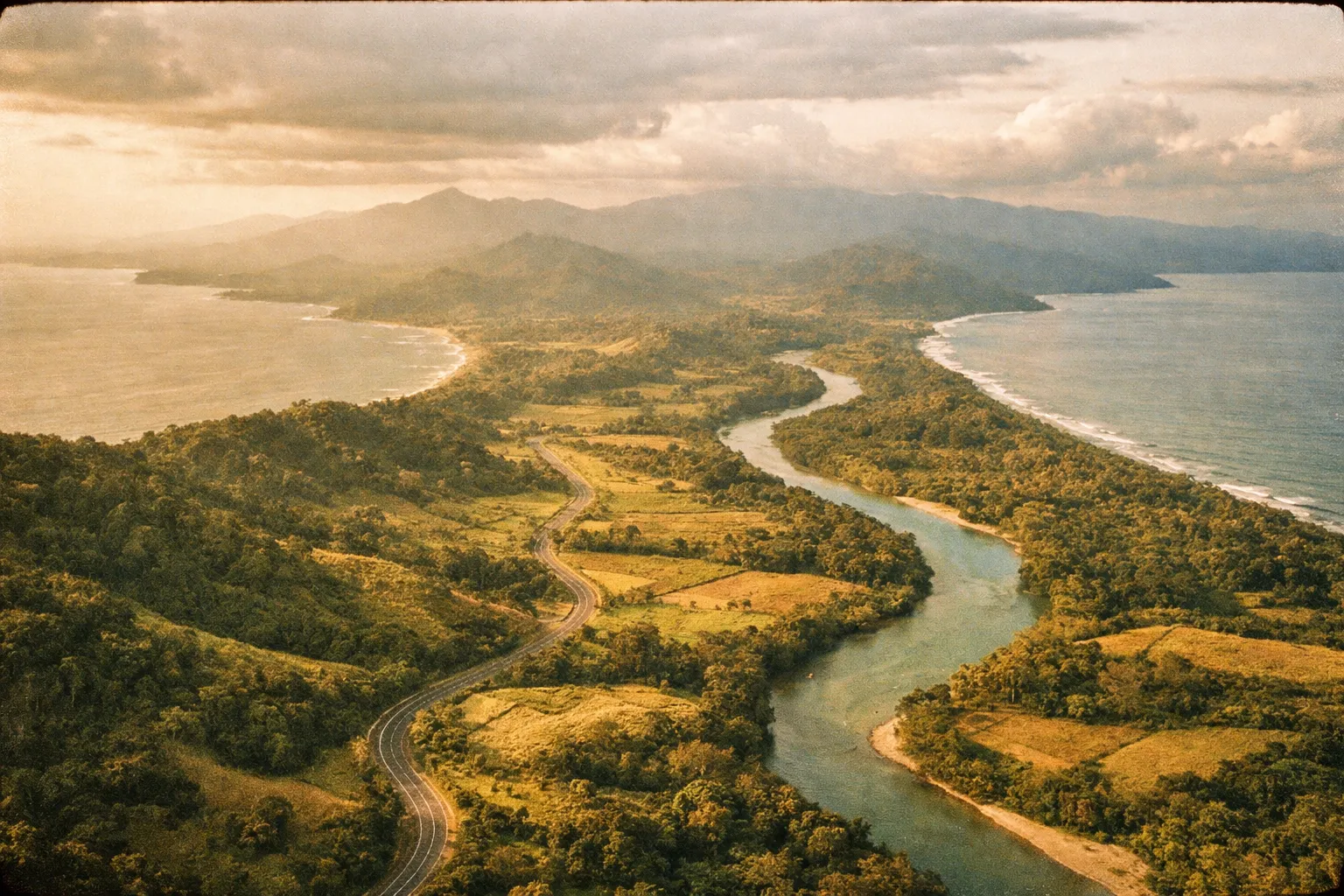
I’ve routed this trip three times since 2022, most recently in October 2024, when the Arenal-Monteverde jeep-boat-jeep was running on schedule and Manuel Antonio’s online reservation system had tightened again. Prices and logistics below reflect that.
✓ Pros
- Compact country with diverse ecosystems accessible within a short drive
- Wide range of activities from wildlife viewing to adventure sports
- Established shared shuttle network simplifies inter-hub travel
- Strong tourism infrastructure with online reservation systems for popular parks
✗ Cons
- Some key destinations require advance booking and strict access controls
- Road distances are deceptively long; driving times are often underestimated
- Petty theft is common; requires vigilance with belongings
- Wet season can close roads and cancel boats, especially in Osa and Caribbean regions
What it actually costs: $100 USD, $1,000 weeks, and real budgets
Before the itinerary stuff, the money questions everyone searches.
How much is $100 USD in Costa Rica? In 2025 the colón trades around ₡520-₡550 per US dollar, so $100 USD gets you roughly ₡52,000-₡55,000. That’s enough for a decent midrange dinner for two with drinks, or three nights in a basic hostel, or a single zipline tour with shuttle included. USD is accepted at most hotels and tour operators, but pay in colones at supermarkets and sodas (small local restaurants) - the USD conversion they apply is rarely in your favor.
Is $1,000 enough for a week in Costa Rica? Depends entirely on who’s traveling.
- Solo budget traveler, hostels and buses: Yes. $60-$80/day covers dorm beds, casado lunches, public buses, and 2-3 paid activities across the week. You’ll come in under $1,000.
- Solo midrange: Tight. Midrange runs $100-$180/day with a private room, shared shuttles, and one tour every other day. $1,000 = about 6 days.
- Two people, midrange: No. Plan on $1,800-$2,500 for a week if you want hotels, a couple of named tours (zipline + rafting, say), and shuttle transport. Trying to stretch $1,000 across two people for seven days means cutting activities mid-trip, which is the most common budget mistake I see.
- Two people, comfort/resort: $3,500+ once you add hot-spring resorts, private transfers, and Corcovado day tours.
Use $130/person/day as a planning anchor for midrange and you won’t be surprised.
The most-visited attraction in Costa Rica (and why ranking them misses the point)
If you forced a single answer, Arenal Volcano and La Fortuna is the most-visited and most-recommended destination - it combines an active volcano, hot springs, hanging bridges, waterfalls, and rafting inside a 20-minute radius (3, 6). It’s the easiest place in the country to fill three days without driving more than 30 minutes.
But “number one” depends on what you came for:
- Wildlife and biodiversity: Corcovado National Park on the Osa Peninsula, which National Geographic famously called “the most biologically intense place on Earth” (7).
- Easy wildlife + beach combo: Manuel Antonio National Park - sloths, monkeys, and a swimmable Pacific beach in one half-day (3, 6).
- Cloud forest and canopy: Monteverde, for ziplining Monteverde Cloud Forest lines that stretch over a kilometer (1, 5).
- Surf: Tamarindo, Nosara, Santa Teresa, or Pavones depending on your level.
Skip the “best of” debate and pick by interest. The country’s too varied for a single winner.
Costa Rica biodiversity tours: where to actually see the wildlife
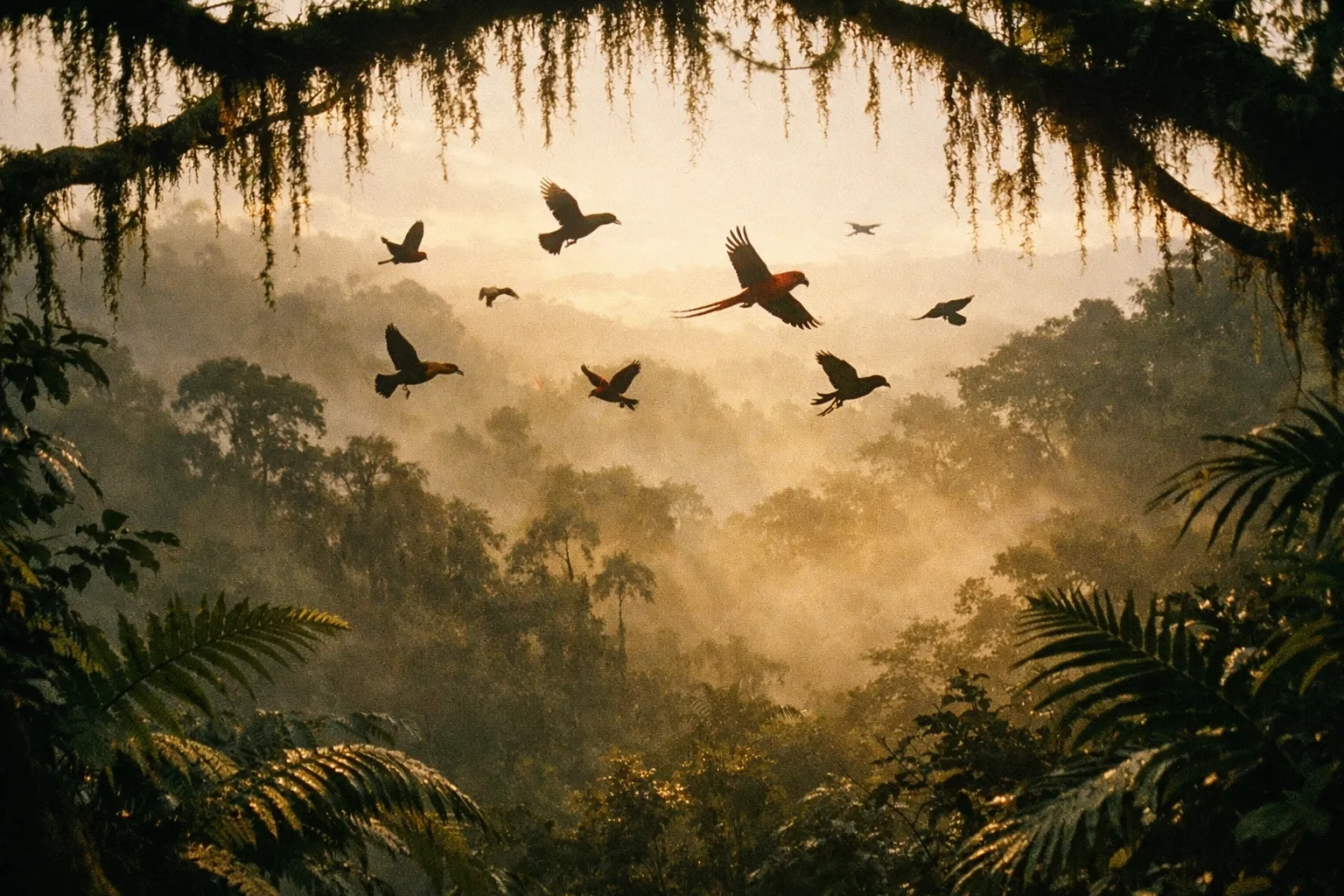
The brochure stat - over 500,000 species, roughly 6% of global biodiversity inside 0.03% of Earth’s land surface - is real, and over 25% of the country sits inside protected areas (7). But you won’t see much sitting on a beach in Tamarindo. Costa Rica biodiversity tours are concentrated in a handful of parks, and the gap between a guided tour and going alone is enormous. A guide with a spotting scope will show you a sleeping sloth, a viper coiled on a branch, and a resplendent quetzal you’d have walked past ten times.
Worth the detour:
- Corcovado National Park (Osa Peninsula) - Day tours from Drake Bay run $110-$150 including boat, certified guide, lunch, and entry. Drake Bay access is shorter and cheaper than Puerto Jiménez. Guided-only access has been enforced more strictly in the last two years (3, 7), so DIY entry is largely off the table. Book 1-2 months ahead in high season.
- Manuel Antonio National Park - Entry $18-$20 for foreigners, guided walk $30-$60 extra (3, 6). Reserve online in advance - the park caps daily visitors and turns away walk-ups in peak season. Get there for the 7 AM opening; by 10 AM the wildlife retreats and the trails fill up.
- Tortuguero National Park - Boat-access only on the Caribbean side. Sea turtle nesting runs July-October (green turtles peak August-September). Combine with a canal kayak.
- Monteverde Cloud Forest Reserve - Quetzals, hummingbirds, and the cloud forest ecosystem proper. Best with a 6 AM birding guide.
Skip if short on time: Poás Volcano if Arenal is on your itinerary - you’ve already done a volcano, and Poás now requires advance reservations with time slots.
Most guides get one thing wrong about Costa Rican wildlife: they oversell what you’ll see in a single day. Wildlife viewing is patience plus a guide who knows where the troop slept last night. Build in two biodiversity days, not one.
Ziplining Monteverde Cloud Forest: what the canopy tour actually looks like
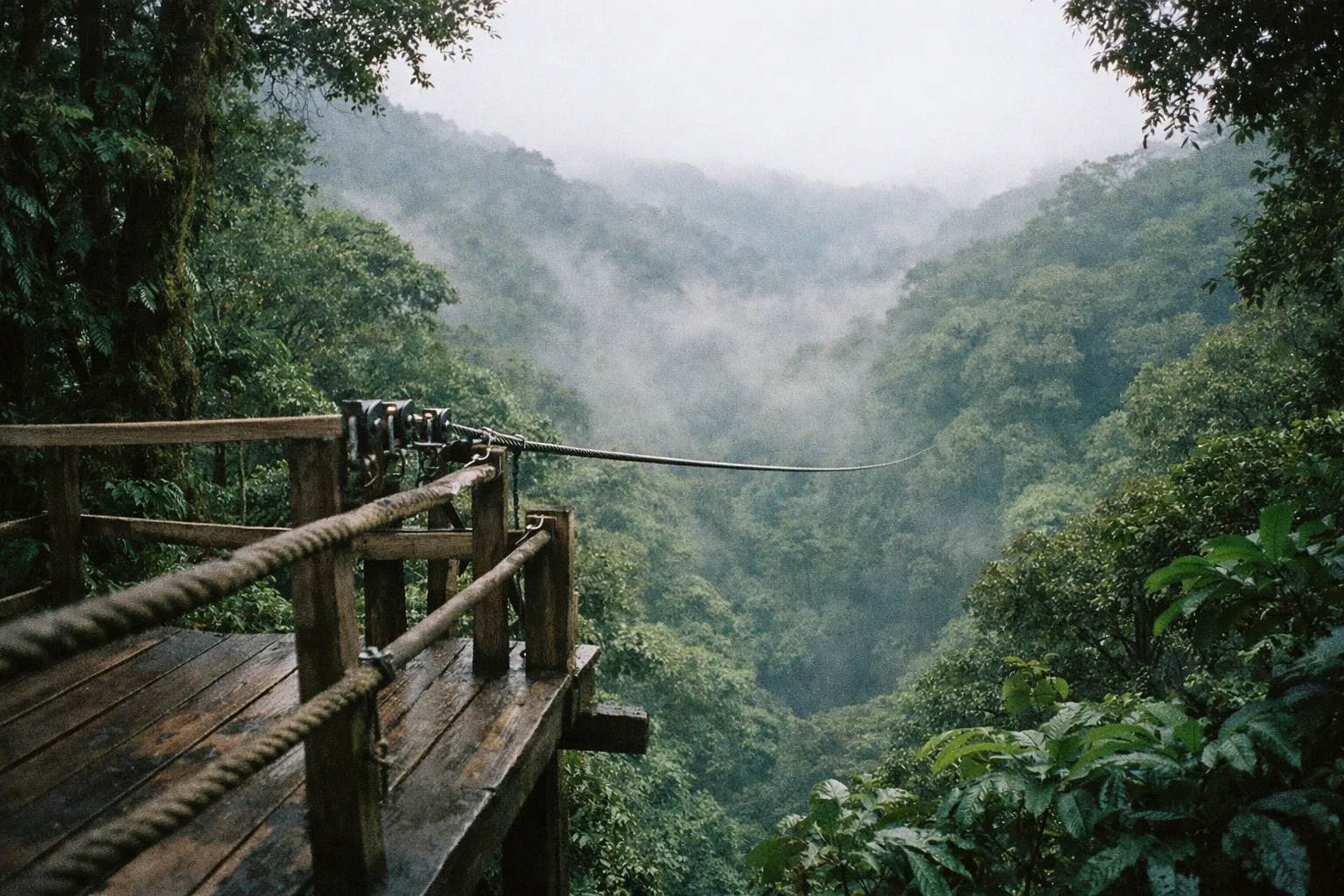
Ziplining Monteverde Cloud Forest is the adventure activity that mostly lives up to its reputation. The cloud forest setting - actual mist drifting between the cables - is what separates it from the La Fortuna ziplines, which are good but feel like jungle gym infrastructure by comparison.
The two main operators:
- Selvatura Park - 13 cables, hanging bridges and a hummingbird garden on-site. Combo tickets around $90-$110.
- 100% Aventura - Home to the longest zipline in Latin America (around 1.59 km) and a Tarzan swing that I will not be doing again. $55-$75 standalone (1, 5).
Cables run up to 1 km long and over 100 meters above the canopy on the longer runs (1, 5). Tours take 2.5-3 hours. Wear closed shoes, bring a layer (cloud forest is genuinely cold - high 50s/low 60s F), and check that your operator carries current ICT certification before booking.
The La Fortuna ziplines (Sky Adventures, Ecoglide) are easier to access if you’re not making the Monteverde trip - same activity, lower elevation, no mist.
Corcovado National Park: the trip that justifies the extra logistics
Corcovado National Park is the hardest place to reach on this list and the most rewarding. The Osa Peninsula sticks out into the Pacific from the country’s southwest, and getting there means either a domestic flight to Drake Bay or Puerto Jiménez ($80-$200 one-way) or a long drive plus a boat transfer.
The day tour from Drake Bay to San Pedrillo station is the standard play: 6 AM boat departure, 4-5 hours hiking with a guide, lunch on the beach, back by mid-afternoon. Cost runs $110-$150 all-in. You’ll likely see scarlet macaws, spider and capuchin monkeys, coatis, and - if you’re lucky - a tapir. Bait-and-switch on guides is rare here because the park requires certified ones, but read recent reviews before booking.
Overnight Sirena station treks ($300-$500 for 2-day packages) put you deeper in the park and dramatically increase your chance of seeing tapirs, peccaries, and possibly a puma track. Book through Osa Wild or Surcos Tours; both have been running Corcovado treks for years.
Best month to visit: December through April (dry season). The trails turn to mud after May. I attempted the Sirena route in late October 2023 and lost half a day to a river crossing that wasn’t passable on foot.
Costa Rica surfing spots: where to paddle out by skill level
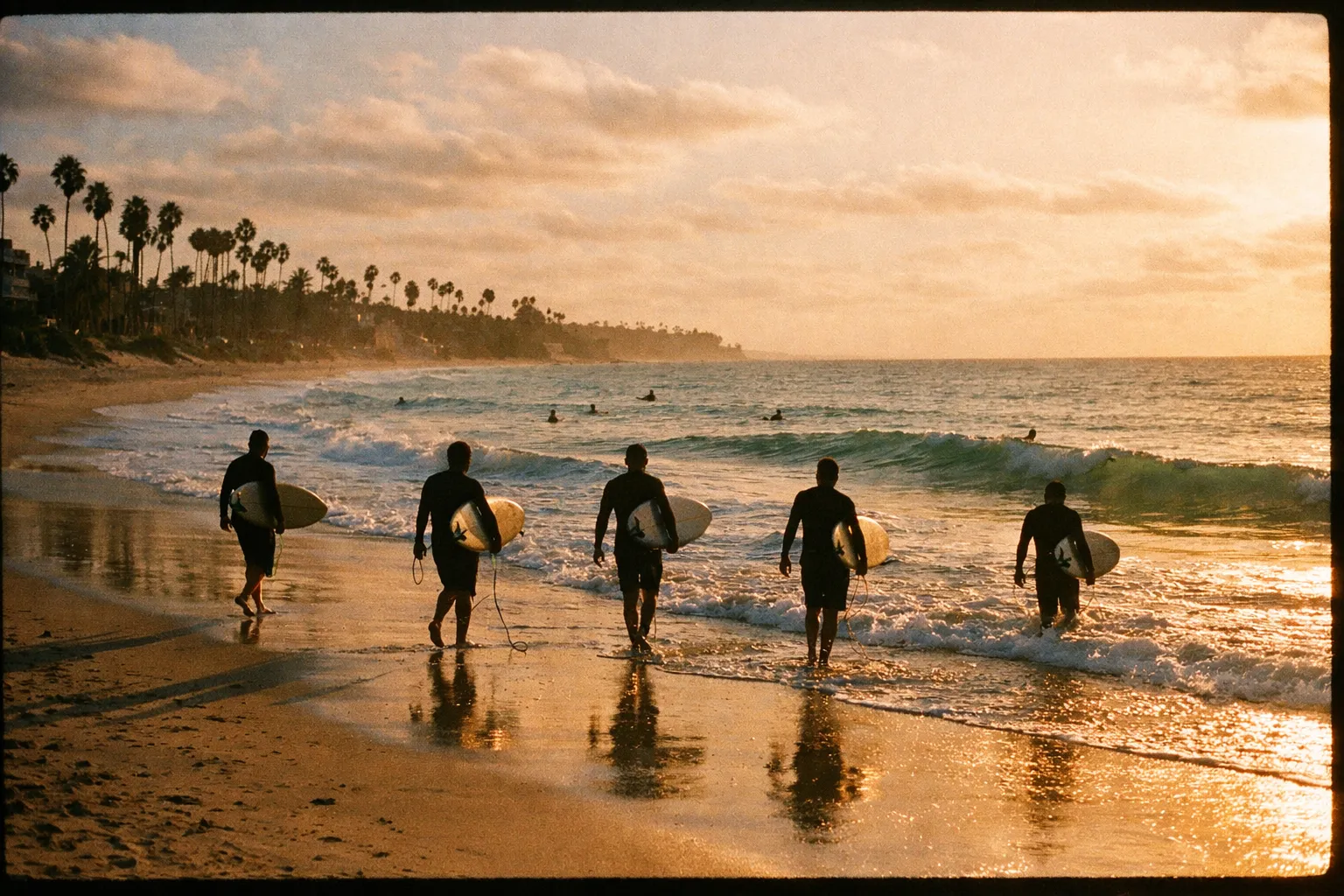
Two coasts, year-round surf, water temps that don’t require a wetsuit. Costa Rica surfing spots divide cleanly by skill:
Beginner - Pacific side:
- Tamarindo - Easy beach break, dozens of surf schools, mellow whitewash. Lessons $40-$70 for a 2-hour group session, board rental $10-$20/day. Crowded but functional.
- Playa Guiones (Nosara) - Consistent, forgiving, and the town is a yoga/surf hybrid that draws long-stay visitors.
- Jaco/Playa Hermosa - Closest surf town to San José (about 90 minutes). Hermosa has a heavier break for when you’re ready to step up.
Intermediate:
- Santa Teresa - Punchier than Tamarindo, more isolated. The drive in is rough; a 4x4 is genuinely useful.
- Dominical - Powerful beach break, less polished town, smaller crowds.
Advanced:
- Pavones - One of the longest left-hand point breaks in the world. Worth the trip to the far southern Pacific only if you can actually ride a long left.
- Witch’s Rock and Ollie’s Point (Santa Rosa NP) - Boat access only from Tamarindo, $400+/day charters.
Caribbean side (Puerto Viejo, Salsa Brava) has heavier reef breaks and fewer schools. Skip it for a first surf trip.
Pacific swell season runs May-November for bigger waves; December-April is calmer and better for lessons.
The five things to do in Costa Rica I’d recommend above all
If you have one week and want a no-regrets list of things to do in Costa Rica, these are the five I’d rank above the rest. They aren’t equal-weight - they’re ranked by worth-the-detour.
1. Hanging Bridges in La Fortuna (Mistico)
Six hanging bridges, a 3.2 km loop through primary rainforest, 2-3 hours. Entry around $26 self-guided, $40-$60 with a naturalist guide (3, 4). Take the guide. Mine spotted three sloths, an eyelash viper, and two toucan species I would have walked under without noticing. Worth the detour even if you’re tight on time - it’s the highest-return wildlife experience for the cost.
2. Rappelling down waterfalls (La Fortuna)
The Pure Trek canyoning tour involves 4-5 rappels including a first drop around 165-200 feet, plus rope swings and short scrambles, $100-$120 including transport and lunch (1, 4). Wetsuits and helmets provided. You don’t need climbing experience - guides handle the rope work, you just walk down a waterfall. Half-day, high adrenaline-to-effort ratio.
3. Manuel Antonio National Park
Sloths, white-faced capuchins, and a swimmable beach inside the park boundary. Entry $18-$20, advance reservation required online (3, 6). Hire a guide at the entrance ($25-$30/person in a small group) - they bring scopes and know which trees the regular sloths use. Allocate a full morning, then spend the afternoon at Playa Espadilla outside the park.
4. White water rafting through the jungle (Rio Pacuare)
Class III-IV rapids on the Pacuare run $100-$130 for a full day including transport from San José or Turrialba (3, 4). Three to four hours on the water through a rainforest canyon with toucans overhead. No prior rafting experience needed for the standard day trip. Easier alternative: Rio Balsa, class II-III, half-day from La Fortuna, $60-$80.
5. Ziplining in Monteverde Cloud Forest
Already covered above. Worth the detour even if you skip the rest of Monteverde - the cloud forest setting doesn’t exist anywhere else on the standard route.
More activities worth your time in Costa Rica
If you’ve covered the top five and have days to fill:
- Bajos del Toro waterfall - A single 300-foot drop in Alajuela province, accessed via a steep stairway descent into a canyon. Entry $15, plus parking. Allow 3-4 hours including the hike back up (which is the actual workout) (4). Less-visited than La Fortuna’s La Catarata and more dramatic.
- Rio Celeste (Tenorio NP) - The turquoise river caused by a mineral reaction at the confluence of two streams. 6 km round-trip hike. Best in dry season; rain muddies the color.
- Hot springs in La Fortuna - Tabacón ($90+ day pass), Ecotermales ($44, smaller and quieter), or the free Rio Chollin by the bridge if you bring your own beer.
- Nocturnal wildlife night walk - Monteverde and La Fortuna both run guided night walks ($25-$40) where you’ll see frogs, sleeping birds, kinkajous, and tarantulas. Add this to either base.
- Tortuga Island day cruise from Puntarenas - Snorkeling and beach day, $80-$120.
- Coffee or cacao tour - Don Juan in La Fortuna or any of the Central Valley plantations. $30-$50, half-day, easy.
- Sloth sanctuary or guided sloth walk - Several near La Fortuna and on the Caribbean coast. Worth doing if you haven’t spotted one in the wild by the end of the trip.
Getting around Costa Rica: buses, shuttles, cars, and flights
Getting around Costa Rica transport is the planning piece most travelers underestimate. Distances look short on the map. They aren’t. San José to La Fortuna is 130 km and takes 3.5 hours. La Fortuna to Monteverde looks adjacent on a map; it’s 4-5 hours by road or 3 hours via the jeep-boat-jeep across Lake Arenal.
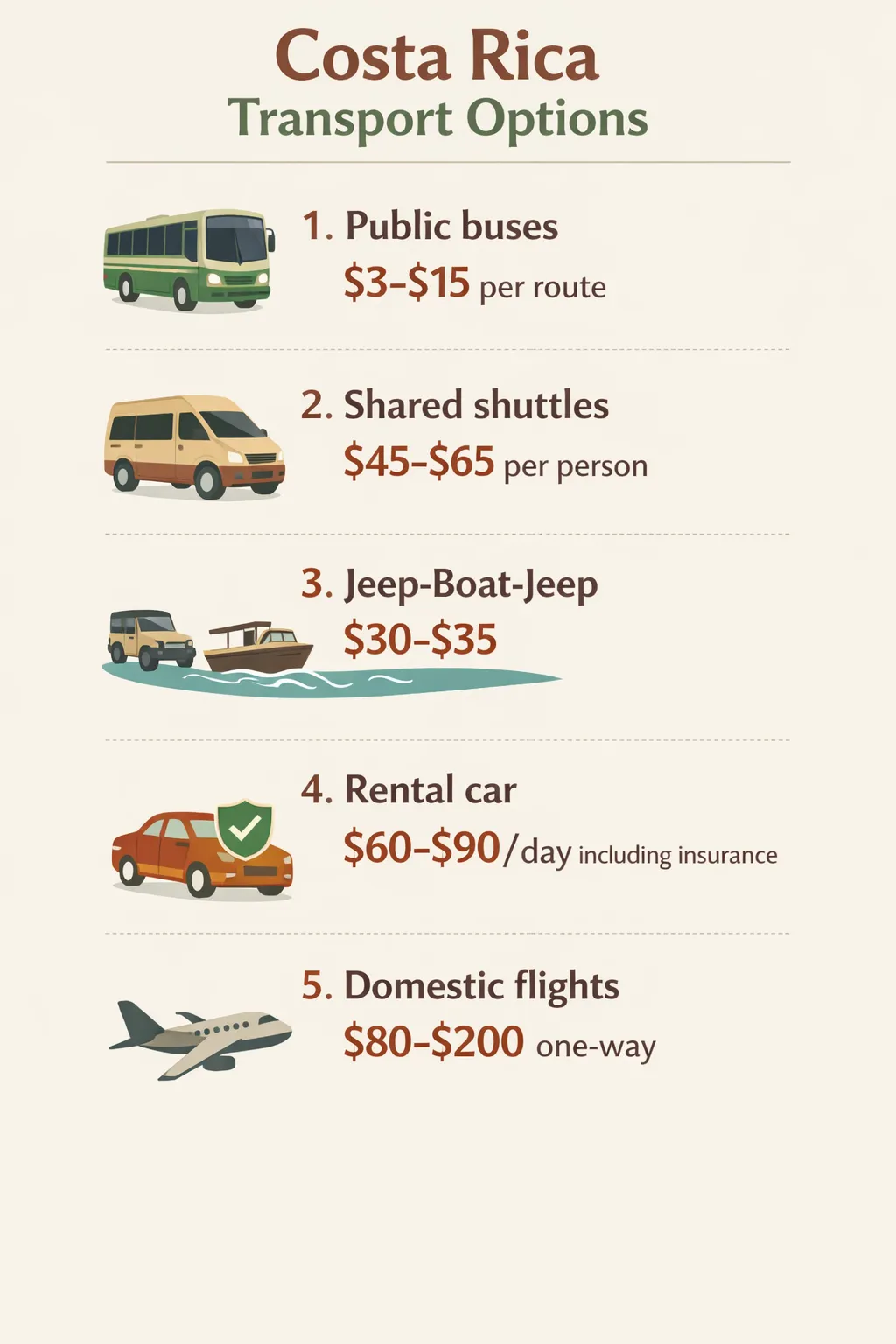 Costa Rica transport options with price ranges for five modes: public buses, shared shuttles, jeep-boat-jeep, rental car, and domestic flights.
Here’s how the options compare:
Public buses - $3-$15 per route. Slow, frequent, and the cheapest way to move. San José-La Fortuna runs about 4.5 hours and costs around $6. Buses go almost everywhere but require San José as a hub for many routes. Good for budget travelers with time.
Shared shuttles - $45-$65 per person per route. Door-to-door from your hotel, English-speaking drivers, fixed daily schedules on tourist corridors (San José-La Fortuna, La Fortuna-Monteverde, Monteverde-Manuel Antonio). Interbus and Caribe Shuttle are the established operators. This is what I recommend for most first-time visitors - best balance of cost, comfort, and time.
Jeep-boat-jeep (La Fortuna to Monteverde) - $30-$35, 3-3.5 hours total, includes a boat ride across Lake Arenal with volcano views. Faster and more scenic than the road. Book a day ahead at any hotel.
Rental car - Advertised rates of $30-$50/day rarely reflect actual cost. Mandatory insurance (SLI) brings totals to $60-$90/day for a compact, more for a 4x4. A 4x4 is genuinely needed for Nicoya, Santa Teresa, and parts of Osa. Don’t drive at night - the roads are unlit, the curves are sharp, and wildlife crosses unpredictably. Adobe and Vamos consistently get better reviews than the international chains.
Domestic flights - Sansa runs short hops from San José to Drake Bay, Tamarindo, Quepos, Puerto Jiménez, and Tortuguero. $80-$200 one-way, 25 lb baggage limit, small aircraft. Saves a full day each way to Osa. Worth it on a short trip.
Best combination for most trips: Shared shuttles between major hubs, plus one domestic flight if you’re heading to Osa or Tortuguero on a sub-10-day itinerary.
Costa Rica Transport Options
| Public Buses | Recommended Shared Shuttles | Jeep-Boat-Jeep | Rental Car | Domestic Flights | |
|---|---|---|---|---|---|
| Price Range (USD) | $3-$15 per route | $45-$65 per person | $30-$35 | $60-$90/day including insurance | $80-$200 one-way |
| Typical Duration | Slow, e.g. 4.5h San José-La Fortuna | Faster, fixed schedules | 3-3.5 hours | Flexible but slow on some roads | Short hops |
| Comfort Level | Basic | High | Moderate | Variable | High |
| Notes | Cheapest, requires San José hub, good for budget travelers | Door-to-door, English-speaking drivers, best for first-timers | Scenic Lake Arenal crossing, book day ahead | 4x4 needed for some regions, avoid night driving | 25 lb baggage limit, saves a day to Osa |
Where to stay in Costa Rica
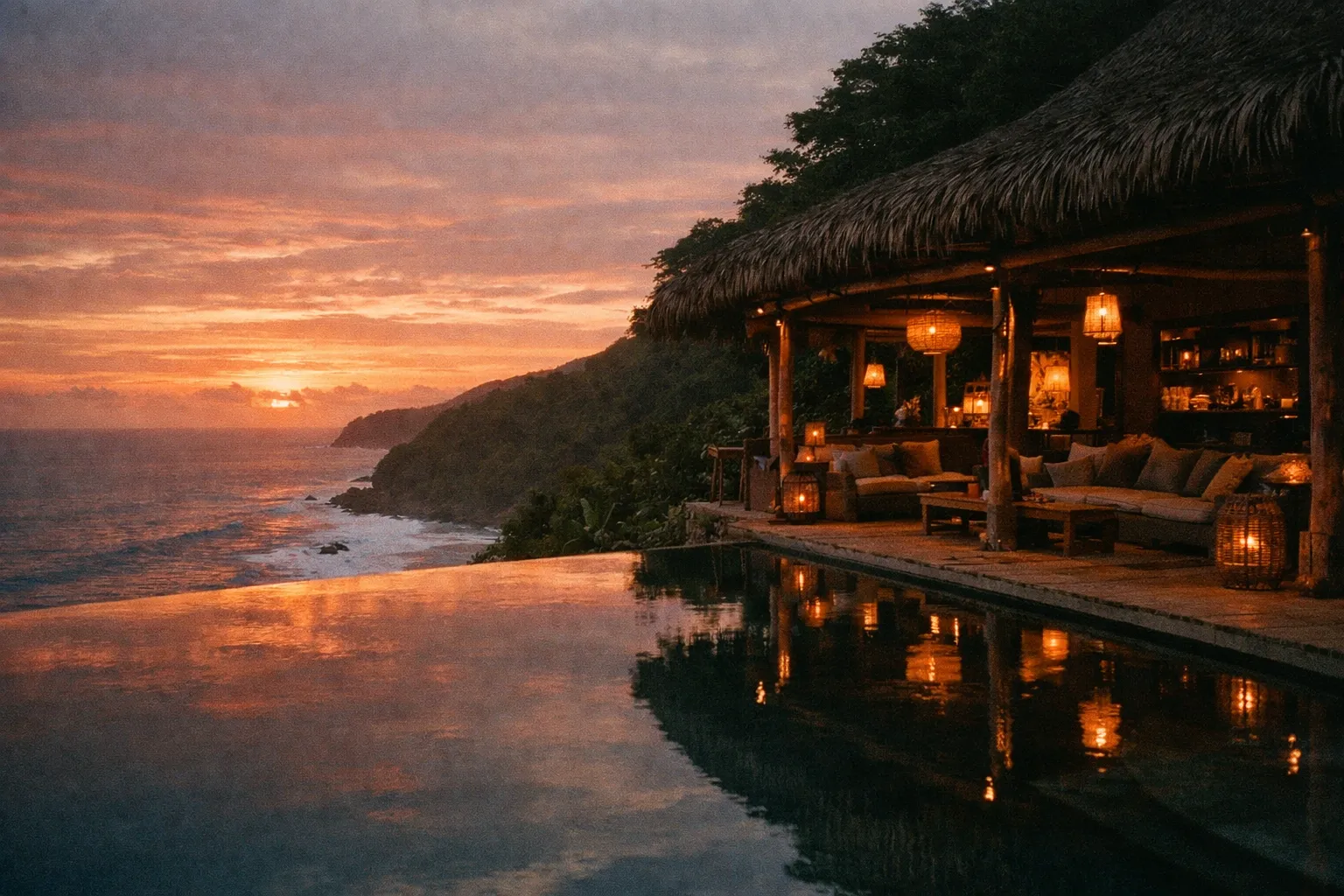
Pick bases, not single hotels. Most trips work best with 2-4 nights in each of 2-3 hubs.
San José / Alajuela - Use for arrival and departure nights only. The city itself isn’t a draw. Stay near the airport (Alajuela) if you have an early flight; stay in Escazú or Barrio Escalante for one good dinner before moving on. Midrange $60-$120/night.
La Fortuna / Arenal - The adventure hub. Allocate 3-4 nights. Hostels from $15-$25, midrange hotels $70-$130, hot-spring resorts like Tabacón and Nayara $250+ (2, 3). Stay in town if you don’t have a car; stay on the road to the volcano if you do.
Monteverde / Santa Elena - 2 nights is enough for ziplining, a hanging bridges walk, and one cloud forest morning. Lodges $40-$150 (1, 2). Cabinas in Santa Elena are walking distance to tour pickups.
Manuel Antonio / Quepos - 2-3 nights. Beach plus park. Hotels $60-$200+, with boutique eco-lodges on the road between Quepos and the park (3).
Osa Peninsula (Drake Bay or Puerto Jiménez) - 2-3 nights if you’re committing to Corcovado. Lodges $80-$300+, often including meals. Drake Bay is more atmospheric; Puerto Jiménez has more services.
Surf hubs - Tamarindo, Nosara, Santa Teresa, Dominical. Hostels $15-$30, midrange $70-$150. Stay longer than you think; surf trips reward slow travel.
A clean 10-day route: San José (1) → La Fortuna (3) → Monteverde (2) → Manuel Antonio or a surf town (3) → San José (1).
Costa Rica travel safety tips
Costa Rica is among the safest countries in Latin America for tourists, and the U.S. State Department currently rates it Level 2 - exercise normal precautions. That said, complacency is the actual risk. The Costa Rica travel safety tips that matter:
- Petty theft is the #1 issue. Never leave anything visible in a rental car, even for five minutes at a trailhead. Beach theft is common - bring a dry bag and rotate who swims. Don’t carry your passport day-to-day; lock it in your hotel safe and carry a copy.
- Don’t drive at night. Unlit roads, no shoulders, livestock, motorcycles without lights. If a shuttle or bus gets in late, take a taxi from the station - don’t walk unfamiliar streets after dark.
- Vet adventure operators. After a few incidents in recent years, the better operators publicly list their ICT tourism board certification, equipment inspection dates, and insurance. Ask. If the answer is vague, book someone else.
- Riptides kill swimmers every year. Especially on the Pacific. If you get caught, swim parallel to the beach until you’re out of the current, then in. Don’t fight straight against it.
- Use ATMs inside banks or hotels, not standalone street ATMs. Skim devices show up periodically.
- Buy travel insurance that covers medical evacuation. Costa Rica’s private hospitals are excellent but cash up-front; rural areas can require helicopter evac.
- Emergency number is 911 and operators speak English.
- Tap water is safe in most of the country, including San José, La Fortuna, and Monteverde. Stick to bottled in rural Caribbean and remote Osa.
Solo female travelers consistently rate Costa Rica as comfortable - catcalling exists, serious incidents are rare. Standard precautions apply.
When to go
December through April is the dry season and the most popular time to visit. Trails are passable, roads are easier, and you’ll see the most wildlife on the Pacific side. Prices run 30-50% higher than shoulder season, and the last two weeks of December are the most expensive of the year.
May through early November is the green season - daily afternoon rain, lush forests, fewer crowds, and lower prices. September and October are the wettest months and the only time I’d actively avoid for Osa and Caribbean travel; roads close, boats cancel.
Shoulder windows (mid-May to early June, and late October to mid-November) are the planning sweet spot: lower prices, manageable rain, active wildlife.
For surfers: Pacific swell peaks May-November, beginner-friendly conditions run December-April.
Frequently Asked Questions
- What should I not miss in Costa Rica?
- Prioritize Arenal/La Fortuna for volcano and adventure, Manuel Antonio for accessible wildlife, and either Monteverde ziplining or Rio Pacuare rafting for activities. Add Corcovado if you have 10+ days.
- Is $1,000 enough for a week in Costa Rica?
- For a solo budget traveler using hostels and buses, yes. For midrange solo travelers, it's tight and covers about 6 days. For two people, budget at least $1,800-$2,500 for a comfortable week.
- Do I need a 4×4 in Costa Rica?
- Only if your itinerary includes Nicoya Peninsula (Santa Teresa, Mal País), Osa Peninsula, or rural mountain roads. Otherwise, a compact car suffices for the main tourist loop.
- Is Costa Rica safe for solo travelers?
- Yes, with normal precautions. Petty theft is the main concern. Use shared shuttles, avoid walking alone after dark, and choose certified adventure operators.
- How many days do I need in Costa Rica?
- Minimum 7 days for a one-region trip, 10-12 days for the classic multi-hub loop, and 2 weeks to include Corcovado or Tortuguero without rushing.
- What is the number one attraction in Costa Rica?
- By visitor numbers, Arenal Volcano and La Fortuna top the list. For wildlife, Corcovado National Park is unmatched. Manuel Antonio offers an easy wildlife and beach combo.
- How much is $100 US in Costa Rica?
- About ₡52,000-₡55,000 in 2025 exchange rates. Enough for a midrange dinner for two, three hostel nights, or a zipline tour. Pay in colones at local eateries for better rates.
Final thoughts
The trip works if you keep the route tight, book Corcovado and Manuel Antonio ahead, and stop trying to see all four corners of the country in seven days. La Fortuna and Monteverde answer 70% of what people want from Costa Rica - volcano, cloud forest, ziplines, hanging bridges, hot springs. Add a coast for beach time and a national park day for wildlife and you’ve built the trip. Use shared shuttles between hubs, fly to Osa if you’re committing to Corcovado, and don’t drive at night. Pura Vida is a real local greeting, not a marketing slogan - and the more efficiently you handle the logistics, the more time you have to actually live it.