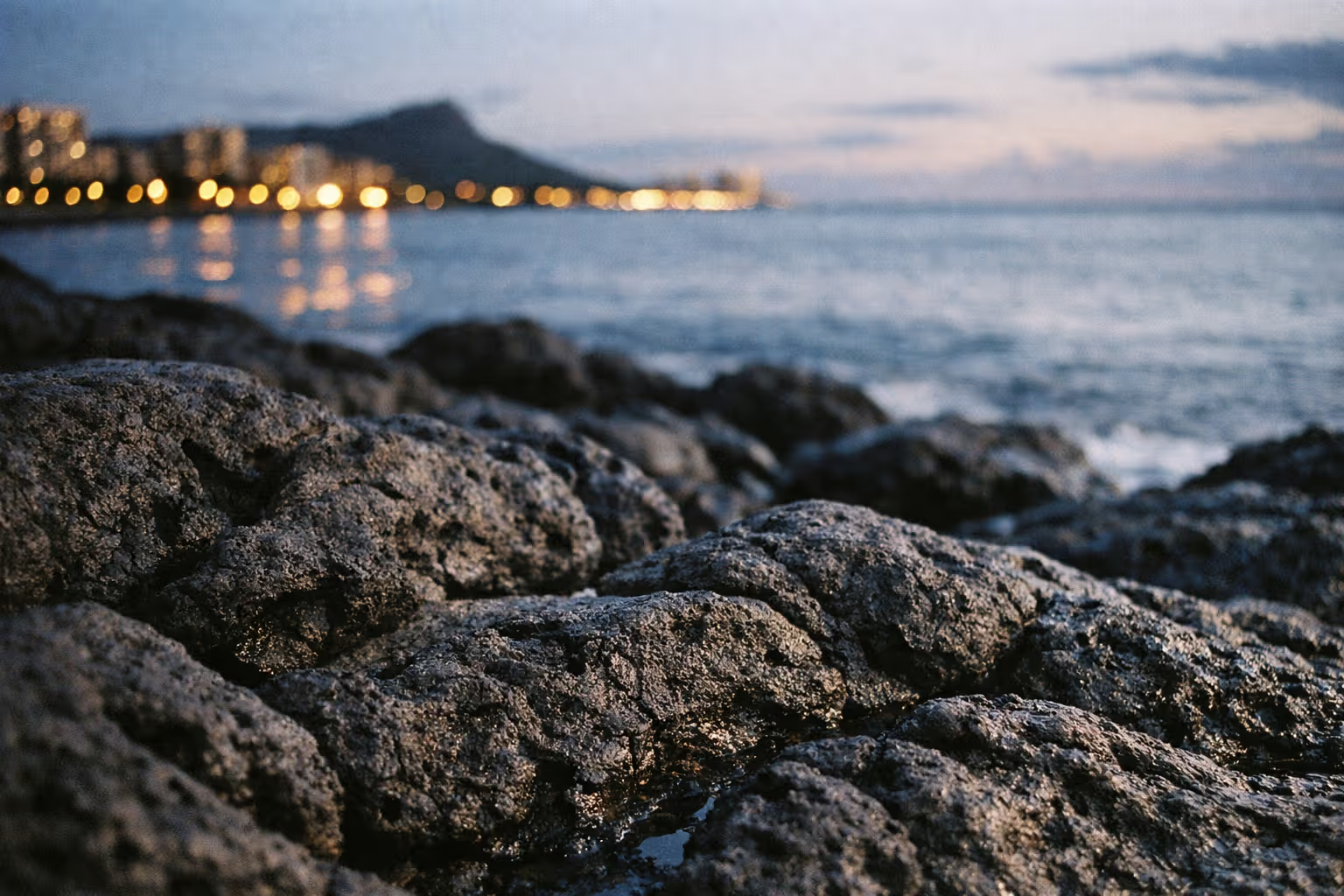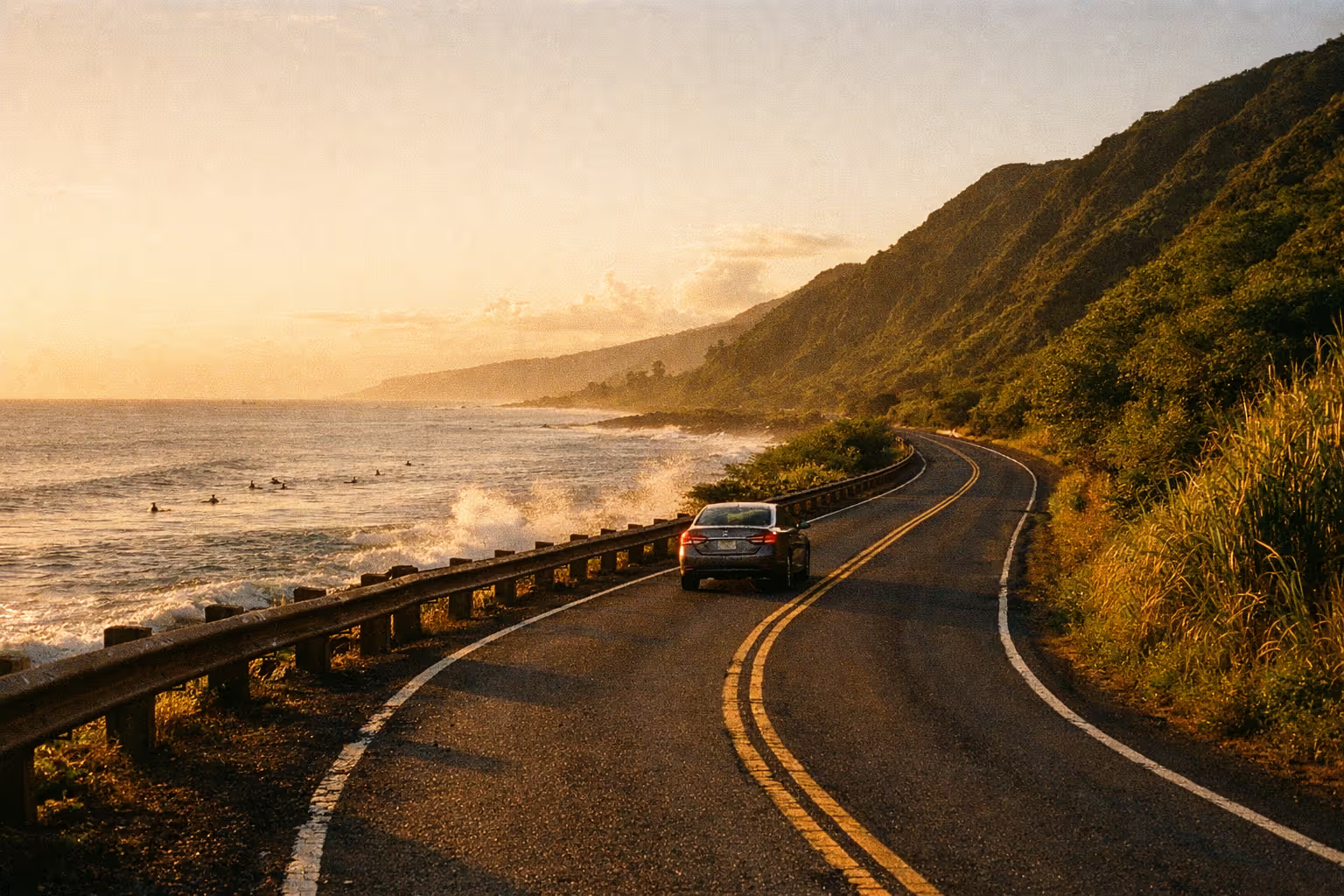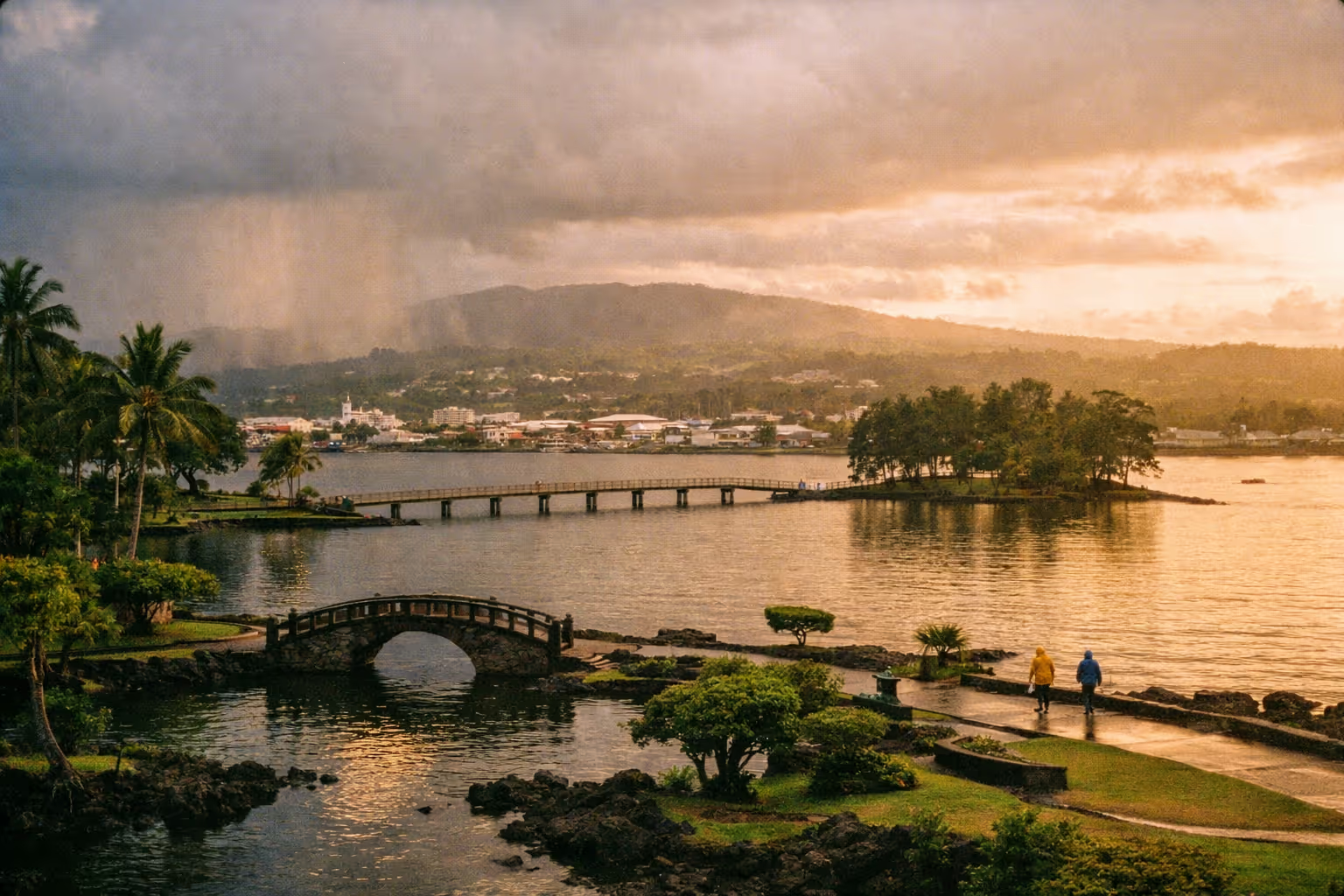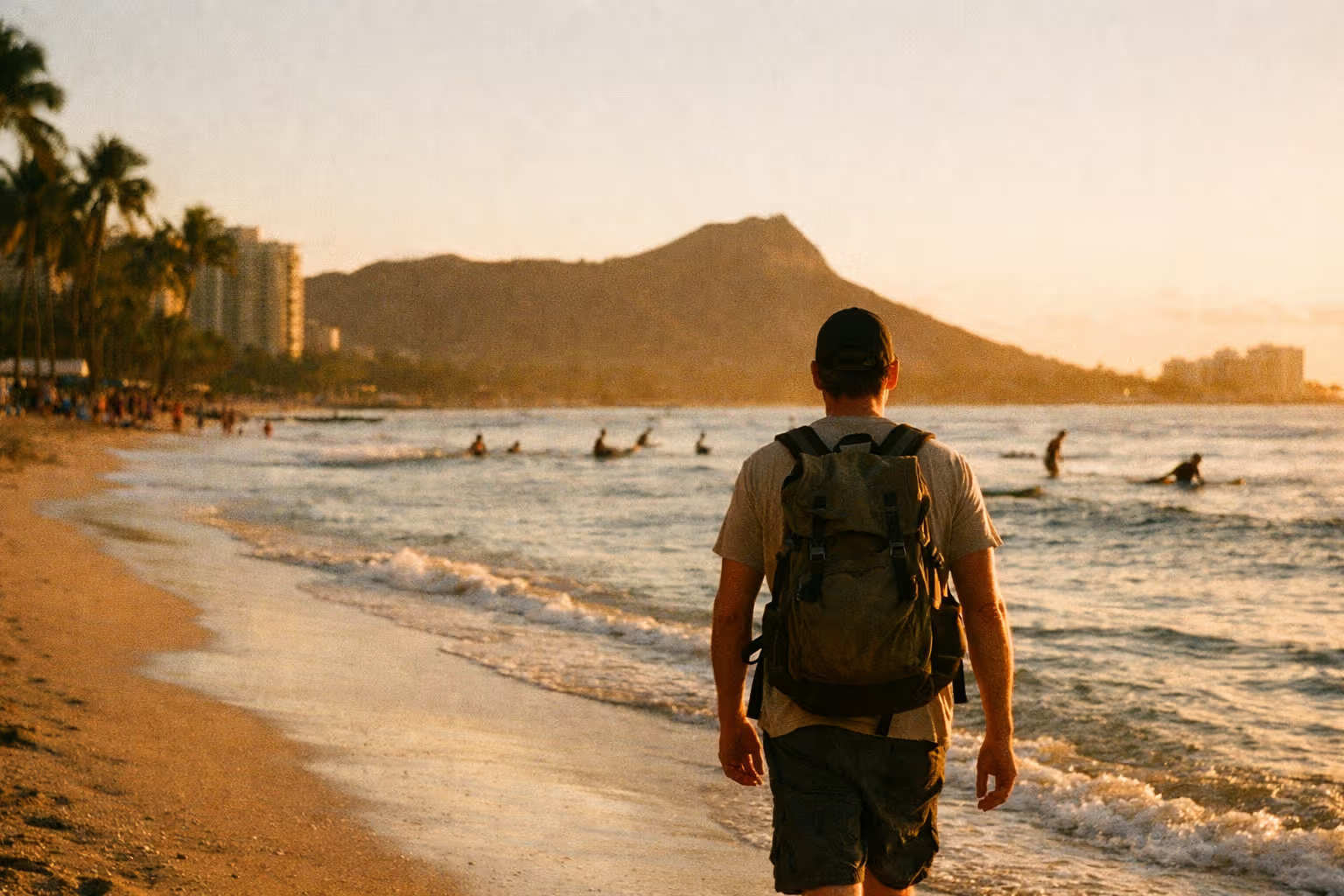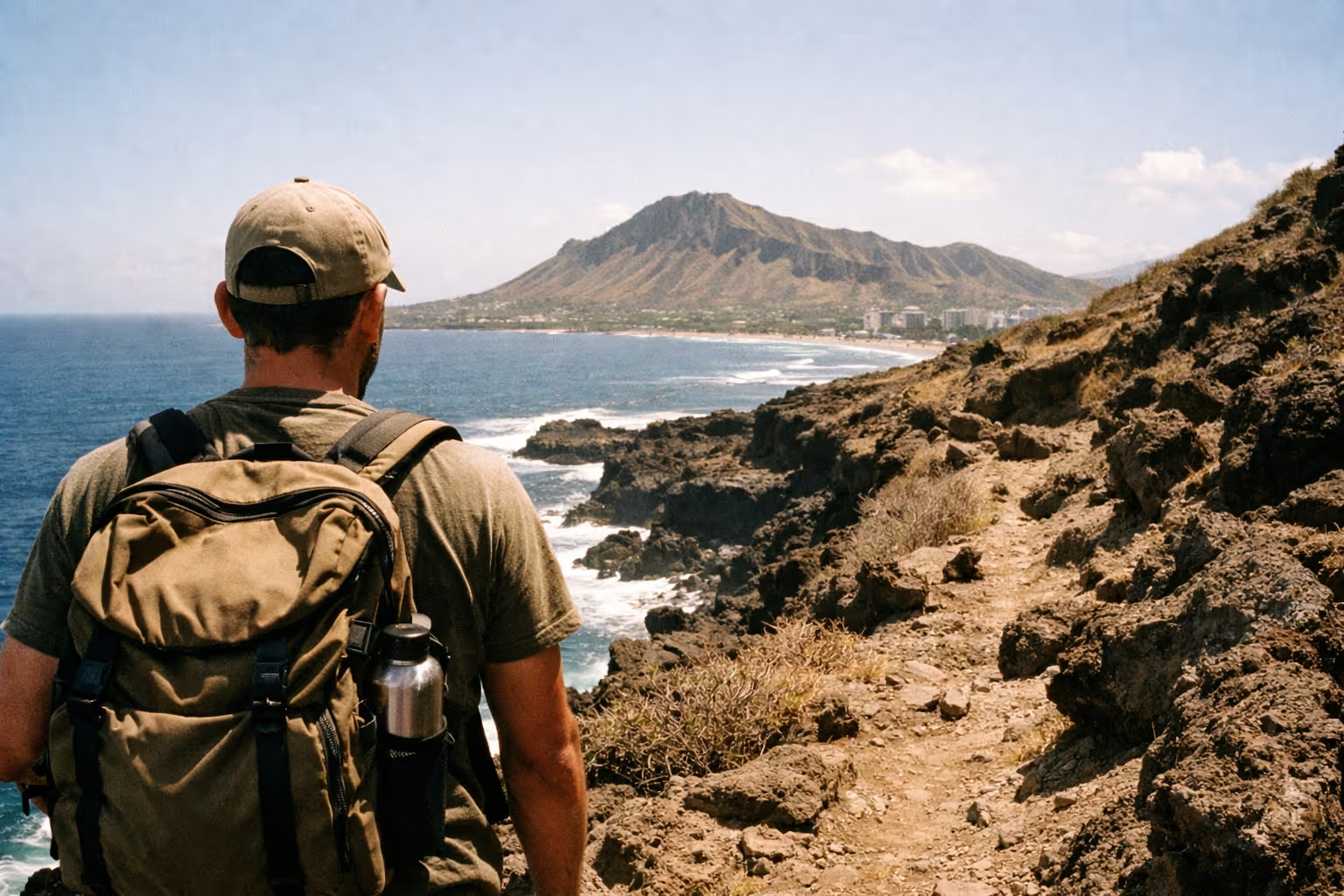
The things to do in Hawaii worth building a trip around are few. Snorkeling a volcanic crater like Molokini, with visibility past 100 feet, tops the list; then Volcanoes National Park at $30 a vehicle, Diamond Head, a real luau, and a helicopter flight over terrain no trail reaches. Learn to surf at Waikiki or Lahaina, never the North Shore, where winter reefs break past 20 feet. Book the Molokini and helicopter slots two to six weeks out, and go before 10 a.m. for calm air.
The Top 5 Things to Do in Hawaii - Ranked by Worth-the-Detour Value
If you only have time to read one section about things to do in Hawaii, read this. Across the major guides and ranking lists, five experiences show up again and again as the core of any trip. Hawaii draws roughly 10 million visitors a year - more than 30 times its resident population - which means the best experiences fill up fast and reward anyone who plans ahead. Ranked by worth-the-detour value:
-
Snorkel or dive a volcanic crater - Molokini (Maui) or Kealakekua Bay (Big Island). Visibility routinely tops 100 feet. Snorkel trips run $120-$220 per person; certified divers pay around $219 for a two-tank Molokini dive. This is the single most photographed underwater experience in the state, and it earns it.
-
Visit Hawaiʻi Volcanoes National Park (Big Island). Entry is $30 per vehicle and the park is open 24/7. When Kīlauea is active, the crater glow at night is the reason people fly here (7).
-
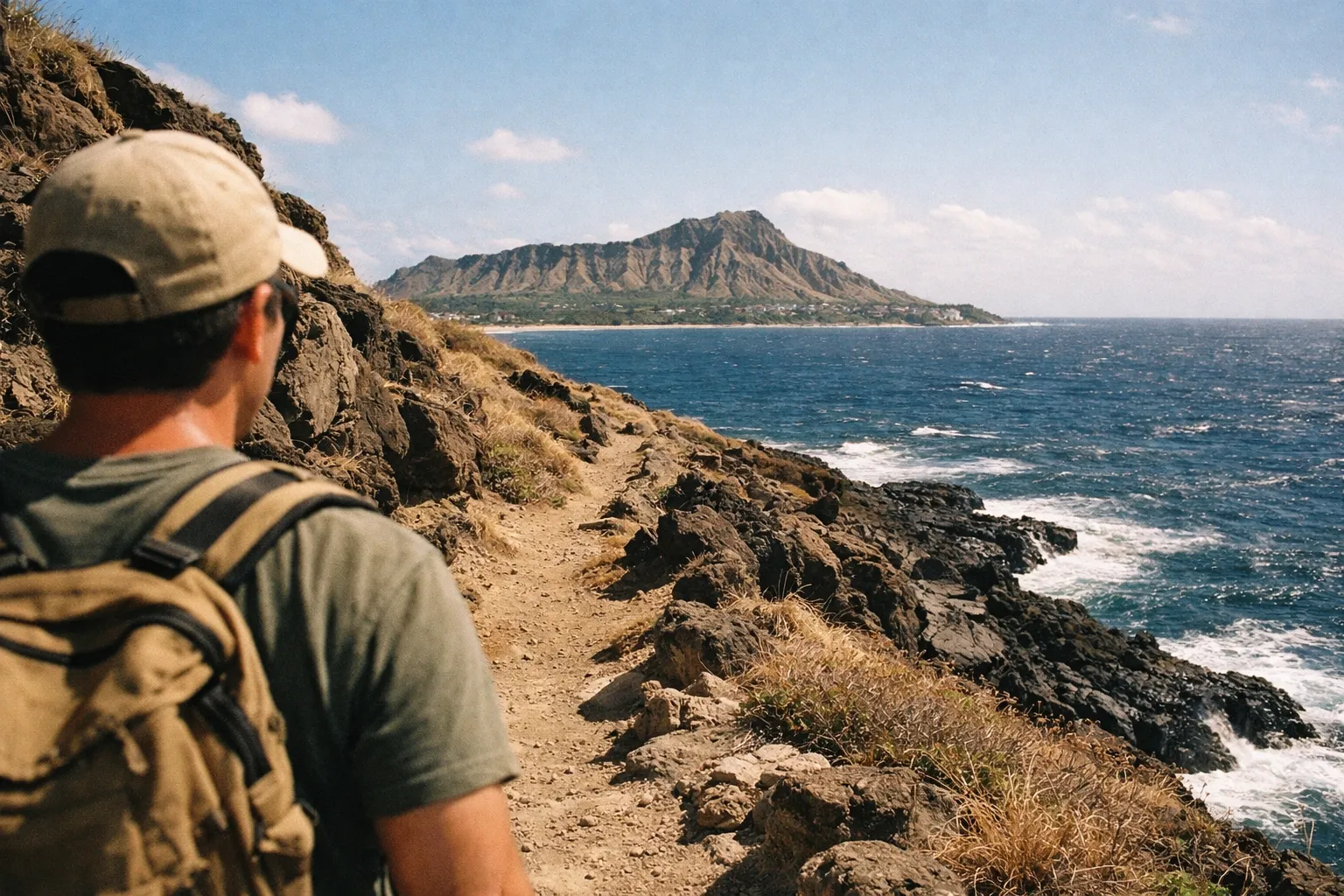
Hike a marquee Oʻahu trail - Diamond Head or Makapu’u. Short, spectacular, and close to Honolulu. Diamond Head requires an advance timed-entry reservation for out-of-state visitors; parking and entry fees run $5-$30 total.
-
Attend an authentic luau. Expect $130-$190 per adult for buffet and show at spots like Pā’ina Waikiki or Chief’s Luau. Ratings cluster around 4.1-4.6/5 across thousands of reviews.
-
Take a helicopter flight over Nā Pali, the volcanoes, or waterfalls - $250-$400 per person (1). It’s the one splurge that shows you terrain you physically cannot reach any other way.
If your trip is short, do numbers 1, 2, and 3, then pick either the luau or the helicopter based on budget. Doing all five in a week is realistic on a single island. Spreading them across multiple islands is not, once you account for airport time.
Mastering the waves: surfing lessons in Hawaii
There’s something worth chasing about riding your first wave, and this is the birthplace of the sport. Standing on the board, balancing against the ocean’s pull, is a genuine physical reset - especially if you’ve spent the last month in front of a screen.
I took my first lesson at Kahu Surf School in Waikiki. The sun was rising, casting long light across the water. My instructor walked through safety, technique, and reading the ocean before we ever paddled out. By the end of the session I stood up and rode a wave to shore - not graceful, but it counted.
Surfing in Hawaii works differently depending on your level, and matching the break to your skill matters more than picking a famous name:
- Beginners: Waikiki (Oʻahu) and Lahaina/Kā’anapali (Maui) have soft sand bottoms and gentle waves. Group lessons run $80-$150 for 1.5-2 hours (2). Book these; do not paddle out on a rental board with zero instruction.
- Intermediate: South Shore Oʻahu outside peak winter, Kona breaks on the Big Island, or mellow days on Kauaʻi. Board rentals go for $25-$40 per day. One or two coaching sessions will sharpen you fast.
- Advanced: North Shore Oʻahu and West Maui winter swells are free to paddle out, but the reef breaks are unforgiving. You need a helmet, an impact vest, and real ocean knowledge. In winter, North Shore waves can exceed 20 feet - this is not the place to test your limits.
Best month for beginners: April through October, when South Shore swells are smaller and more forgiving. Winter (November-March) drives the big surf to the North Shore, which is spectacular to watch and dangerous to attempt.
One thing most guides get wrong: they push the North Shore to everyone. If you’re learning, the North Shore in winter will hurt you. Learn on the South Shore, watch the pros up north.
Exploring the skies: helicopter tours over volcanoes
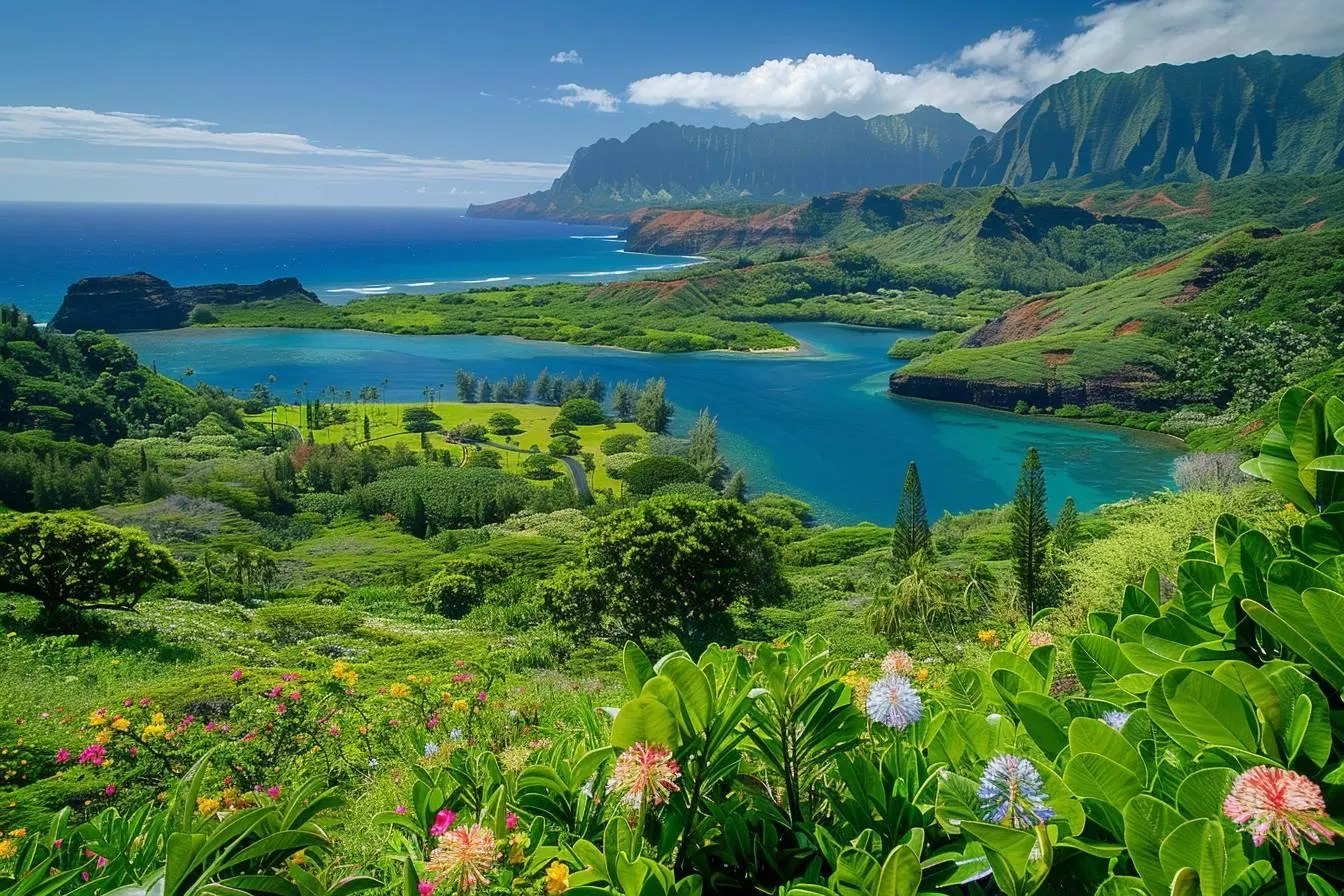
Hawaii’s landscapes read differently from 1,500 feet up. Helicopter tours put you over active volcanoes, rainforest interiors, and waterfalls that have no trailhead - terrain that simply doesn’t exist at ground level.
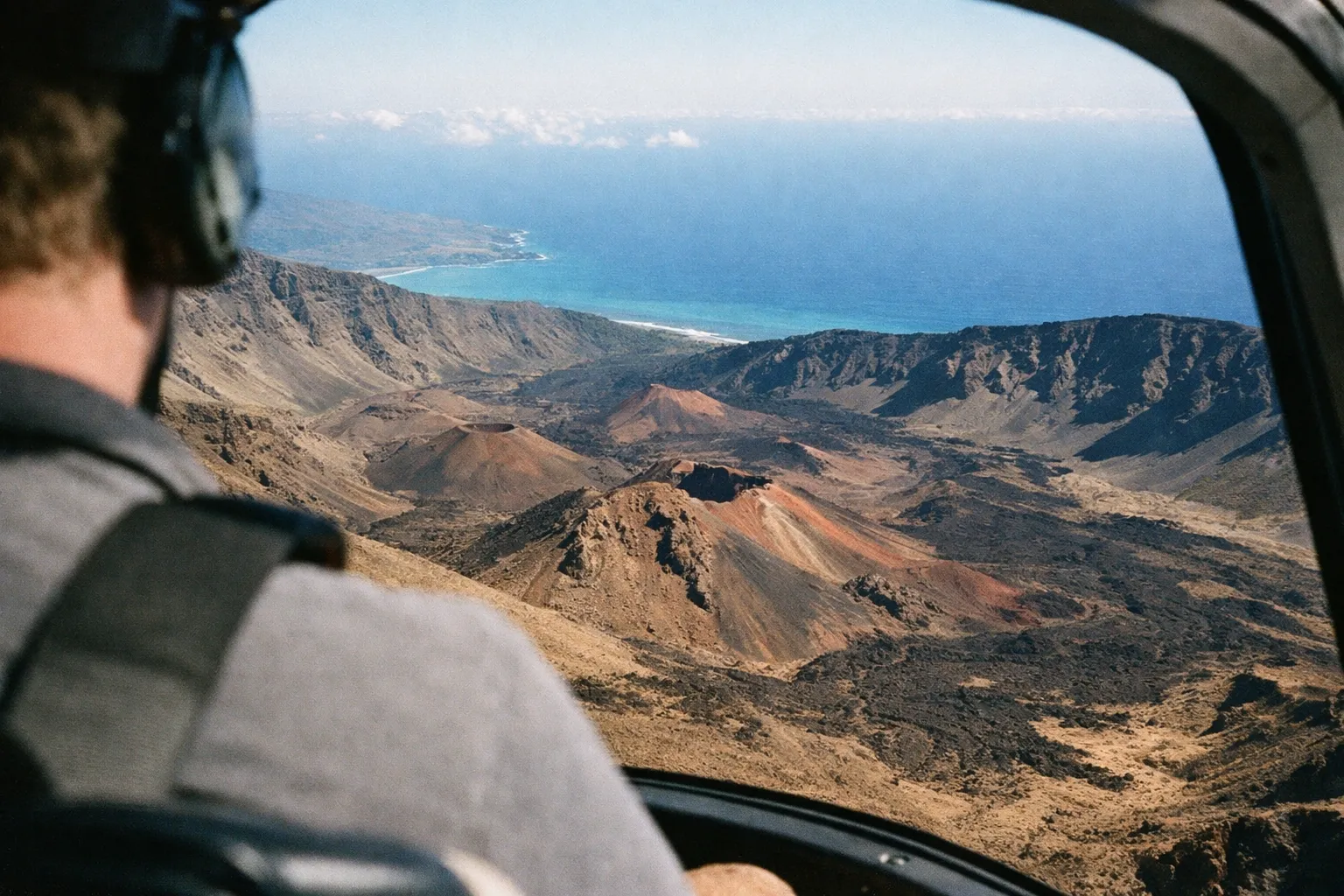
On a helicopter tour over the Big Island’s volcanoes, the scale is the whole point. Flying over Kīlauea, you see steam venting from the crater and old lava flows carved through forest. The pilot narrates the geology and eruption history, which turns a scenic flight into something you actually learn from.
These tours reach areas you can’t hike to - sea cliffs, hanging valleys, the interior of the Nā Pali Coast on Kauaʻi. Expect to pay $250-$400 per person in 2026 (1), often with hotel pickup on the higher-end tours.
Booking mechanics: Kauaʻi Nā Pali flights and Big Island volcano tours are flagged “likely to sell out” on major platforms, especially in summer and over holidays - book 2 to 6 weeks out (2). Morning flights before 10 a.m. generally have calmer air and clearer visibility. If you’re prone to motion sickness, take something an hour before check-in; the terrain flying involves banking turns.
Kayaking with dolphins: an encounter to remember
In the clear water of Kealakekua Bay on the Big Island, kayakers regularly paddle among pods of spinner dolphins. Getting close without disturbing them is the whole discipline - you don’t chase, you let them come to you, and they often do out of curiosity.
Beyond the dolphins, the bay is one of the best snorkel spots in the state, with coral reefs and reef fish accessible straight off the kayak. Kealakekua is also home to the Captain Cook Monument, reachable by paddle or a steep hike.
Practical notes: kayak and SUP rentals run $40-$75 for a half day (1). Kealakekua Bay is a Marine Life Conservation District, and access is regulated - some launch points and landing zones require permits, so check current rules before you go. Federal guidelines also restrict how close you can approach spinner dolphins, so a reputable outfitter matters here. For more on staying safe around marine wildlife, see our guide to safe adventures in Hawaii’s ocean. Morning is best; the bay flattens out and the water clears.
Diving and snorkeling: Molokini crater and hammerhead sharks
Two of the biggest-ticket underwater adventures in the state sit off Maui and Molokaʻi, and both belong on any serious list of best things to do in Hawaii.
Molokini Crater, Maui
Molokini is a crescent-shaped volcanic crater rising just above the surface between Maui and Kaho’olawe. The sheltered inner wall gives you calm water and visibility that often runs past 100 feet. For certified divers, a two-tank scuba trip runs about $219; snorkelers pay roughly $159-$169. Most itineraries are 5 to 7 hours door-to-door, with a 6-8 a.m. check-in to beat the wind that picks up midday.
Certified divers only for the scuba option - depths reach the 60-90 foot range with current, so this is not a beginner dive. Snorkelers get plenty from the surface; you don’t need a tank to see the crater wall.
Hammerhead sharks off Molokaʻi
For advanced divers, specialty boats run trips to encounter scalloped hammerheads off Molokaʻi. These have historically priced near $199 for a two-tank trip, with shark dives more broadly running $100-$300 depending on operator (5). This is an experienced-divers-only outing - you need recent time at 80-90 feet and comfort with current and open water (5). If you got certified last month, this is not your dive. Build up to it.
Booking note: shark and Molokini charters cap capacity and fill early. Reserve 2 to 4 weeks ahead in peak season, and confirm the operator’s certification requirements when you book, not at the dock.
Hidden trails and waterfalls: hiking Hawaii’s trails
No trip here is complete without walking into the interior. The islands are threaded with trails leading to waterfalls, ridgelines, and lava fields, and many of the best sit just off the main roads.
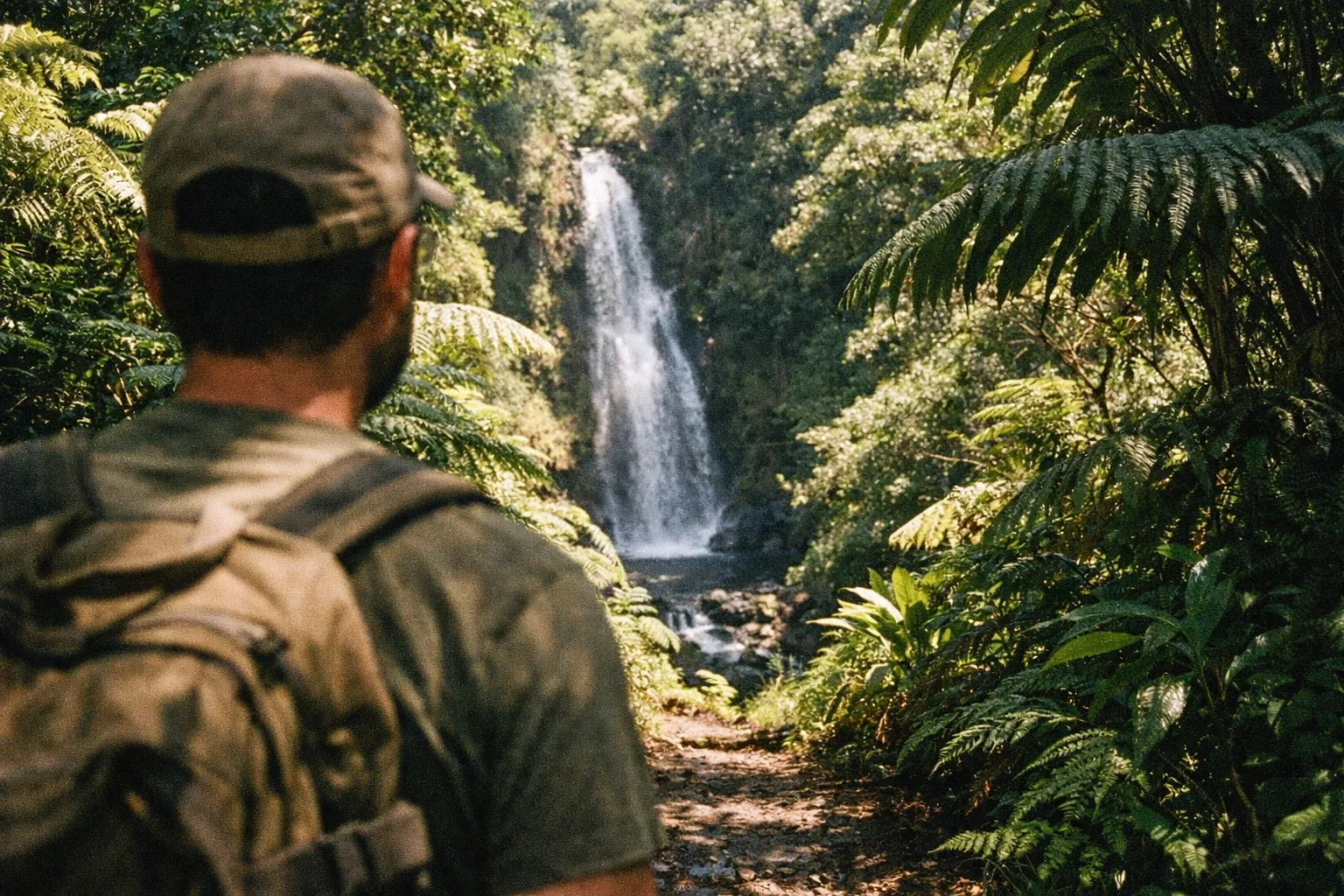
One of my favorite hikes on Maui wound through bamboo forest to a waterfall dropping into a clear pool - the kind of payoff that justifies muddy shoes. On the Big Island, the Green Sand Beach hike and the coastal lava-field routes deliver terrain you won’t see anywhere else. On Kauaʻi, the Kalalau Trail along the Nā Pali Coast is the serious hiker’s objective: an 11-mile point-to-point that demands a permit and real preparation.
A few things about hiking here that catch people off guard:
- Water needs run higher than temperate hikes. The heat and humidity mean you’ll want 20-30% more water - plan for 2-3 liters per person on anything over a couple hours.
- Elevation adds up fast. Ridge hikes on Oʻahu and canyon routes on Kauaʻi can climb 1,500-3,000+ feet over 4-10 hours. These are not casual strolls.
- Trail runners with good drainage beat heavy boots. Hawaiian trails are muddy more often than rocky. You want grip and quick-dry, not waterproofing that traps water inside.
- Respect the kapu signs. Closed trails are closed for a reason - erosion, cultural significance, or genuine danger. Ignoring them is how people end up needing rescue.
I tested one of the wetter Big Island waterfall routes on a shoulder-season afternoon - the rain came in fast and the descent turned into a slide. Give yourself a daylight buffer and don’t start a long hike after noon in the rainy interior.
Backcountry hiking gear essentials for Hawaii
Hawaii’s backcountry demands a different kit than alpine hiking. You’re managing sun, rain, humidity, and mud - not cold. Upgrading a basic day-hiking setup to backcountry-ready here runs $200-$500. Here’s what actually earns its place in the pack:
- 30-40L daypack - enough for a full day of water, layers, and food without being a haul.
- 2-3L hydration bladder - the single most important item. Dehydration is the most common trail problem in this climate.
- UPF 50+ sun protection - a wide-brim or UPF hat, quick-dry long sleeves, and reef-safe sunscreen for exposed skin.
- Lightweight rain shell (under 12 oz) - the interior gets rain daily. You want a shell you’ll actually carry, not one you leave in the car.
- Reusable water filter - for longer routes where you’re refilling from streams.
- Headlamp - non-negotiable if there’s any chance you finish near dusk. Tropical darkness comes fast.
- Offline GPS map - cell service dies in the valleys. Download the trail before you leave the trailhead.
- Microspikes - for the steep, muddy ridge sections that turn treacherous when wet.
- First-aid kit and electrolytes - heat and sweat drain you faster than plain water can fix.
Skip the heavy insulation most temperate hiking lists push. You’re far more likely to be soaked and overheating than cold. Prioritize drainage, sun coverage, and rain protection, in that order. For a full breakdown of what to pack, the Hawaii travel tips guide covers packing lists and gear in detail.
Stargazing at Mauna Kea: celestial wonders
The summit of Mauna Kea sits at nearly 14,000 feet - one of the best astronomical observation points on Earth. The dry air, high elevation, and distance from light pollution make the night sky here almost unnervingly clear. It’s not a marketing claim; the world’s leading observatories are up there for a reason.
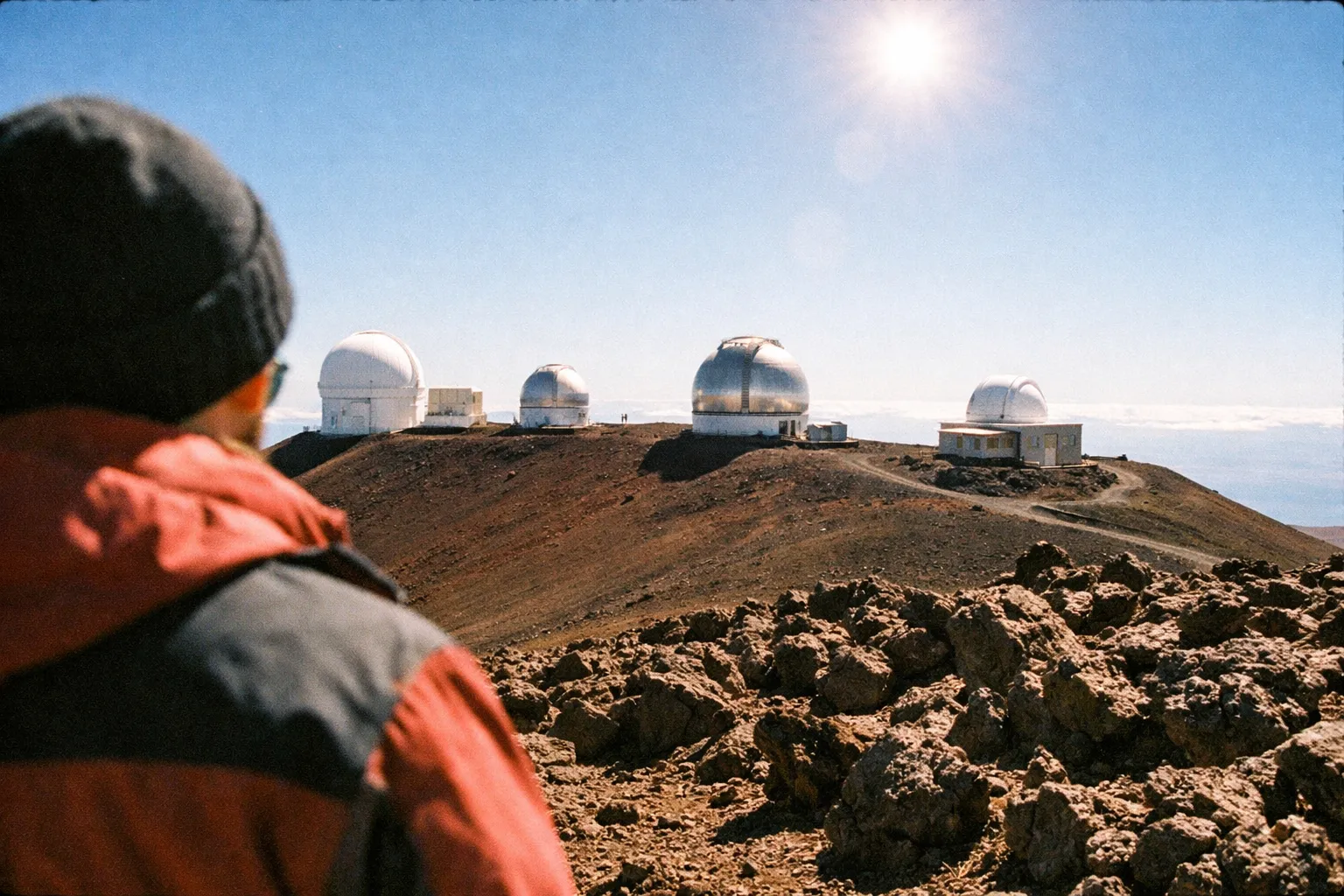
With a guided tour, you can spot constellations, planets, and distant galaxies through provided telescopes, with astronomers walking you through what you’re seeing. The drive up is its own experience, climbing through multiple climate zones with the island spread out below.
Practical warnings: the summit is high enough that altitude affects most people. Tour operators typically stop at the Visitor Information Station at 9,200 feet to acclimatize before continuing. Bring serious layers - summit temperatures drop near or below freezing even in summer, a jarring contrast to the beach you left that morning. Access to the actual summit is restricted and culturally sensitive; go with a licensed operator who respects the mountain’s significance to Native Hawaiians.
Best time: clear nights year-round, but check the moon phase. A new moon gives the darkest skies and the most visible stars.
My thoughts on touristy Oʻahu places
Here’s where I’ll disagree with the “avoid the crowds” crowd. Some of Oʻahu’s most touristy spots are touristy because they’re genuinely worth it, and skipping them on principle means missing the point.
Waikiki gets dismissed as overdeveloped, and it is crowded. It’s also where you learn to surf on forgiving waves, where sunset over the water is free, and where you can walk to dinner. For a first trip, it’s a reasonable base.
Pearl Harbor and the USS Arizona Memorial are among the most-reviewed attractions in the state - rated 4.5+ stars across tens of thousands of reviews on major platforms (2). This is a historically significant site, not a photo stop. Go early in your trip so you have flexibility if weather or ticket availability shifts.
The North Shore turns into a parking nightmare in winter when the big waves and the crowds arrive together. Still worth the drive to watch surfers on 20-foot faces at Pipeline and Waimea - just go with patience and a plan for parking.
Dole Plantation is exactly as commercial as it sounds. The pineapple maze and train are fine for families; solo travelers can skip it without regret.
The strategic move isn’t avoiding these places - it’s timing them. Hit Diamond Head at the first timed-entry slot to beat the heat, swim at Waikiki midday, and catch sunset from the Tantalus lookout. That’s three highly-rated experiences in one day without fighting the worst of the crowds.
What NOT to do when visiting Hawaii
Hawaii’s landscapes and culture are fragile, and a few common mistakes cause real damage - to the ecosystem, to your wallet, or to you. Avoid these:
- Don’t touch sea turtles or monk seals. They’re protected under federal law, and getting close for a photo can earn you a fine. Give them at least 10 feet on land, more in the water.
- Don’t stand on coral. It’s a living organism that takes decades to grow and seconds to kill. Float, don’t touch.
- Don’t use banned sunscreen. Oxybenzone and octinoxate are prohibited in many marine areas because they damage reefs. Reef-safe sunscreen runs $15-$25 a bottle locally - buy it and use it.
- Don’t ignore kapu (closed) signs. They mark trails closed for erosion, danger, or cultural reasons. Trespassing for an Instagram shot is how people get hurt and how access gets shut down for everyone.
- Don’t drive onto closed beaches or private land. The chase for a photo has real consequences, including tickets and stuck rental cars.
- Don’t pick or trample native plants. Some endemic species survive on a single ridge or valley. Stay on marked trails (9).
- Don’t attempt advanced dives or hikes beyond your level. Hammerhead dives without recent deep experience and steep ridge trails without water and daylight buffer are the leading causes of rescues (5).
The underlying rule is simple: treat the islands like someone lives here, because they do.
Native Hawaiian plants on Oʻahu
The plants you’ll see on a hike aren’t just scenery. Many carry deep cultural meaning, and understanding them adds a layer to the landscape most visitors miss entirely. Traveling with awareness of the local environment is also central to sustainable and eco-travel in Hawaii, which covers how to minimize your footprint across all the islands.
The first Hawaiians brought roughly 23 “canoe plants” with them across the Pacific - species essential to survival and culture (9). Look for:
- Kalo (taro) - the staple crop and the source of poi, culturally central to Hawaiian identity.
- ‘Ulu (breadfruit) - a starchy, versatile food tree.
- Kukui (candlenut) - Hawaii’s state tree; its nuts were burned for light and its oil used in medicine.
- ‘Awa (kava) - used ceremonially and medicinally.
- Niu (coconut) - food, water, fiber, and building material in one plant.
Beyond the canoe plants, Oʻahu’s forests host hundreds of endemic species found nowhere else on Earth. To see them without damaging them, visit botanic gardens and state forest reserves - many offer guided walks that explain the cultural uses (9). Lyon Arboretum in Mānoa Valley and the state’s forestry reserves are good starting points. The Division of Forestry and Wildlife manages these habitats and posts trail and access information for the reserves (9).
Stick to established trails. Some of these plants exist in populations small enough that a few careless boots can matter.
Visiting other islands: how to plan island hopping
Each island has a distinct character, and part of planning a trip is deciding whether to stay put or hop. My honest advice: for a 7-day trip, pick one island. Two at most. Here’s the breakdown:
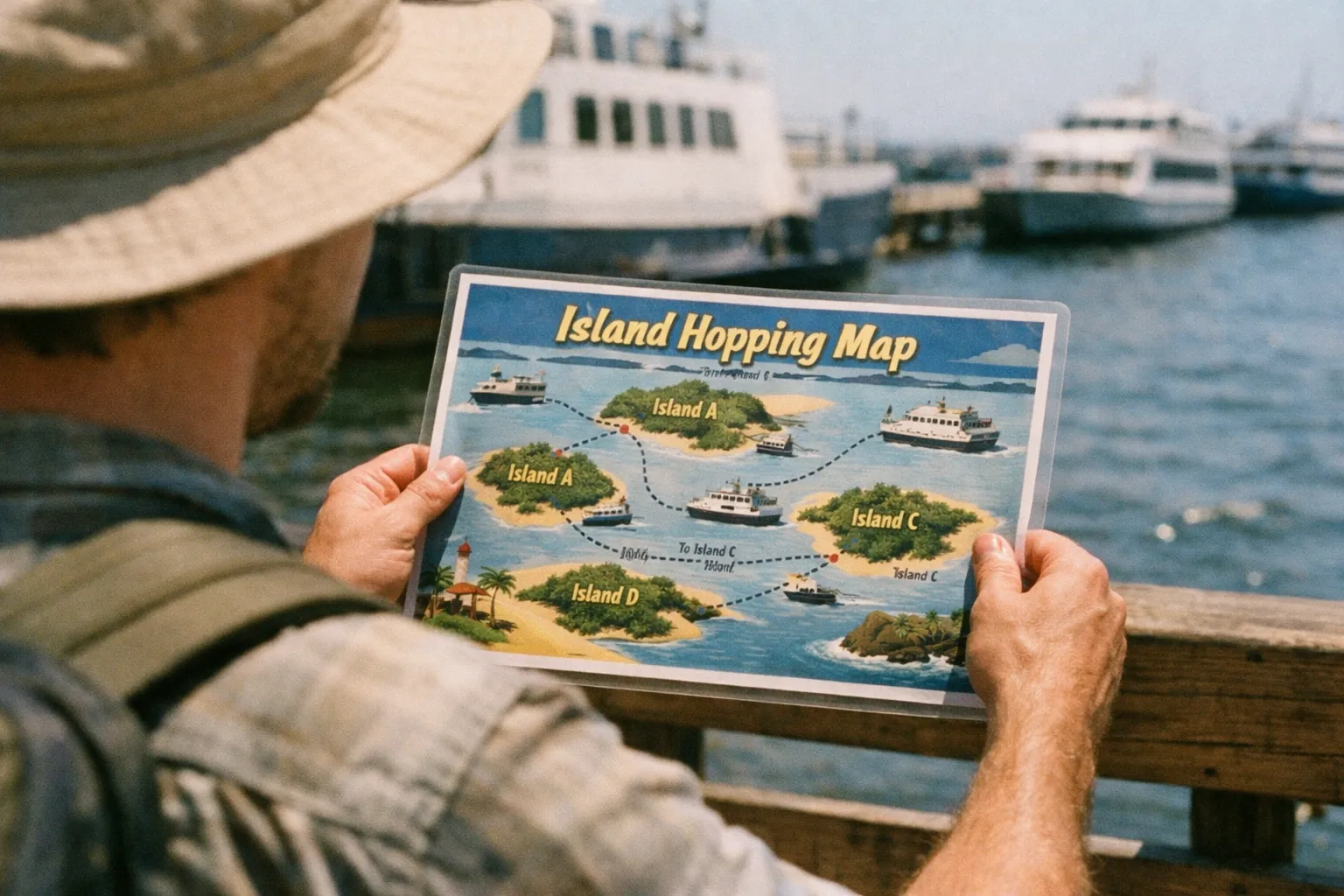
- Oʻahu - the surf-town-meets-city island. Waikiki, Pearl Harbor, the North Shore, and short ridge hikes (1-4 hours) accessible from Honolulu. Best for first-timers who want variety and easy logistics.
- Maui - snorkeling and diving central (Molokini), the Road to Hāna with its waterfalls, ziplines ($130-$200), and winter whale watching ($40-$80, December-April) (1)(4). Ideal for couples wanting mid-to-high-end tours.
- Big Island - volcanoes, Mauna Kea stargazing, long coastal hikes, and the manta ray night snorkel off Kona (about $100-$150) (7). The most raw and varied terrain in the state. This is where things to do on the big island Hawaii justify their own trip.
- Kauaʻi - Nā Pali Coast hikes and boat tours, Waimea Canyon, and lush, rain-heavy trails. The island for serious hikers and photographers.
Inter-island logistics: flights between the main airports (HNL, KOA, LIH, OGG) run 30-45 minutes, with fares commonly $70-$200 one-way depending on season - Hawaiian Airlines and Southwest both serve these routes, and booking 3 to 4 weeks out typically beats walk-up prices by 20-40%. Add airport overhead and you’re looking at $140-$400 per person added to your trip just to hop. More important, each transfer costs you the better part of a day.
The math is unforgiving: try to hit every island in a week and you’ll lose 2-3 days to airports and transfers, leaving little time for dawn surf sessions or sunset hikes. Dedicate at least 3 full days per island. If you have 7 days, one island lets you actually settle in. If you’re still weighing which island suits your style, the best places to visit in Hawaii guide ranks each island by trip type.
Hawaii Islands Overview
| Oʻahu | Maui | Big Island | Kauaʻi | |
|---|---|---|---|---|
| Character | Surf-town meets city | Snorkeling and waterfalls | Volcanoes and raw terrain | Lush and rain-heavy |
| Key Activities | Waikiki surfing, Pearl Harbor, North Shore hikes | Molokini snorkeling, Road to Hāna, ziplines, whale watching | Volcanoes National Park, Mauna Kea stargazing, manta ray snorkel | Nā Pali Coast hikes, Waimea Canyon, boat tours |
| Best For | First-timers, variety, easy logistics | Couples, mid-to-high-end tours | Adventure seekers, varied terrain | Serious hikers, photographers |
| Typical Activity Costs (USD) | $80-$150 surf lessons, $30 park entries | $120-$220 snorkel tours, $130-$200 ziplines | $250-$400 helicopter tours, $100-$150 manta snorkel | $250+ boat tours, hiking permits |
How much does a week in Hawaii cost?
Budgeting for Hawaii trips up more visitors than any other single mistake. The cost of living here is among the highest in the U.S. - MIT’s Living Wage Calculator estimates a single adult in Hawaii needs roughly $31 per hour to cover basic expenses, well above the state’s statutory minimum wage of $14 (2024), which feeds into pricey food, lodging, and tours (6)(10).
Here’s what a 7-night trip per couple runs in 2026 shoulder season, excluding flights (10):
- $4,936 - budget condo, 2-day car rental
- $6,488 - 3-star hotel, short walk to beach, 2-day car
- $9,574 - 4-star beachfront, 7-day car rental
Activity budgets add another $500-$1,200 per couple or $800-$2,000 per family of four for 3-4 major paid excursions plus free days (1). Typical per-person activity costs:
- Snorkel boat tour (incl. Molokini): $120-$220
- Surf lesson (group): $80-$150
- Luau: $100-$180
- Helicopter tour: $250-$400
- Zipline: $130-$200
- Kayak/SUP half-day: $40-$75
- Whale watch (Dec-Apr): $40-$80
- National park entry (Haleakalā, Hawaiʻi Volcanoes): $30/vehicle (1)(7)
Money tactic that works: run a daily activity budget of roughly $80-$120 per person, and split your days into “big-ticket” (helicopter, Molokini, manta ray) and “free” (hikes, beaches, scenic drives). A full day of hiking and beach time can cost under $20 in gas and parking. Alternating keeps you from waking up on day four having blown the budget.
Pre-book major excursions online. Resort-area walk-up prices carry markups, and top tours are increasingly flagged “likely to sell out” 2-6 weeks ahead in peak months (2).
Frequently Asked Questions
- What are the top 5 things to do in Hawaii?
- The top five are snorkeling or diving volcanic craters, visiting Hawaiʻi Volcanoes National Park, hiking Diamond Head, attending a luau, and taking a helicopter flight.
- Is $1,000 enough for a week in Hawaii?
- $1,000 covers only an ultra-budget trip with camping, minimal car rental, and mostly free activities; typical costs exceed $2,000-$3,000 per person including flights.
- Is $2,000 enough for a week in Hawaii?
- $2,000 is realistic for a frugal to mid-range trip with limited paid excursions and reliance on free hikes and beaches, but not for a splurge budget.
- How much is $100 US dollars in Hawaii?
- $100 is US currency but has lower purchasing power; it typically covers one or two mid-range meals or a single mid-priced activity.
- When should I book popular tours in Hawaii?
- Book popular tours like Molokini snorkeling and helicopter flights 2 to 6 weeks in advance to avoid sellouts, especially in summer and holidays.
- What should I avoid touching or disturbing in Hawaii?
- Avoid touching sea turtles, monk seals, standing on coral, and trampling native plants to protect fragile ecosystems and avoid fines.
- Is inter-island travel worth it for a short trip?
- Inter-island flights add $140-$400 per person and cost 2-3 days of your trip; for a 7-day visit, focus on one island to maximize experience.
Getting to Hawaii: flights and arrival logistics
Most mainland visitors fly into Honolulu (HNL) on Oʻahu, which handles the most direct routes from the continental U.S. Nonstop flights from the West Coast (LAX, SFO, SEA) run 5 to 6 hours; from the East Coast, expect 10 to 11 hours with a connection. Direct flights from Los Angeles to Honolulu typically run $350-$700 round-trip in shoulder season; peak summer and holiday windows push fares to $700-$1,100+. If your target island is Maui (OGG), Kauaʻi (LIH), or the Big Island (KOA), check whether a direct mainland flight is available before defaulting to a Honolulu connection - direct routes to OGG and KOA from LAX and SFO exist and can save you a full transfer day.
Best month to visit: April through early June is the practical sweet spot across all islands. Crowds are lighter than peak summer, prices drop 15-25% from July highs, and the weather is stable - South Shore surf is manageable for beginners, rain is less persistent than winter, and Maui whale season (December-April) still overlaps the early end of this window. If you’re targeting Mauna Kea stargazing or Big Island hiking, September and October add the advantage of drier skies on the leeward side. Avoid mid-December through New Year and the last two weeks of July - those windows carry the highest prices and the thinnest availability on tours and accommodations.
Planning your Hawaii trip: the bottom line
The best things to do in Hawaii aren’t hard to find - they’re hard to fit into a week without overspending or over-scheduling. Pick one island for a 7-day trip. Book Molokini, helicopter flights, and top luaus 2-6 weeks out. Alternate paid excursion days with free hiking and beach days to keep the budget under control. Learn to surf on the South Shore, not the North Shore. Carry more water than you think you need, buy reef-safe sunscreen, and respect the kapu signs.
Do that, and a week here delivers more than most people expect - surf sessions, a volcano crater from the surface and from the air, a night sky at 14,000 feet, and terrain you’ll be thinking about long after the flight home. The logistics are the work. Once you’ve handled them, the rest takes care of itself.