Hawaii ocean safety tips start before you touch the water: watch the surf for a full fifteen minutes and learn the flags. A double-red flag means the beach is legally closed, and a purple one warns of marine life, often box jellyfish that swarm south Oahu about ten days after a full moon. Keep ten feet from green sea turtles, since the fine tops $10,000. And know who gets hurt most, visitors over 50 who misjudge how hard snorkeling is, so never push a breath-hold dive alone.
Hawaii Ocean Safety Tips: What You Need to Know Before Swimming
Getting there: Most visitors fly into Honolulu (HNL) on Oʻahu, Kahului (OGG) on Maui, or Kona/Hilo on Hawaiʻi Island. Round-trip mainland fares run roughly $400-$900 depending on origin and season. Inter-island flights (Hawaiian Airlines, Southwest) add $60-$180 per leg; ferries do not connect the main islands. Budget $150-$300/night for mid-range lodging near beach corridors, plus $60-$120/day for a rental car - required on most islands outside Waikīkī.
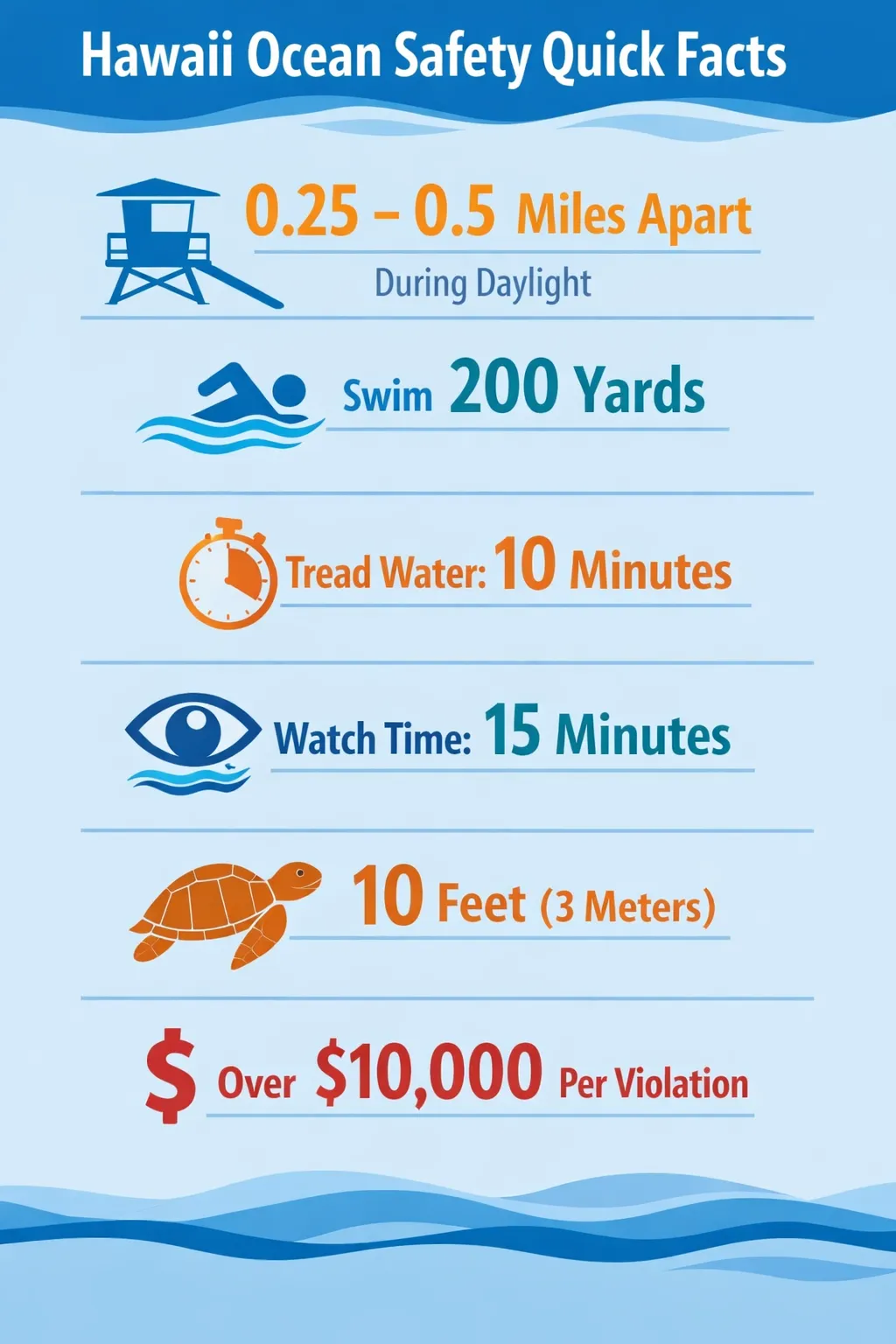 Lifeguard towers spaced 0.25-0.5 miles apart; swim 200 yards; stay 10 feet from turtles; penalties can exceed $10,000 per violation.
Best month to visit for ocean safety: April through early June hits the sweet spot. Trade winds are consistent, north-shore swells have largely subsided, south-shore summer surf hasn’t built yet, and crowds are thinner than July-August. Water visibility is typically at its clearest. Avoid November through February if your priority is calm swimming - north-facing shores on every island can see 15-30 ft surf during peak winter swell season.
What most guides get wrong: They treat all Hawaiian beaches as interchangeable. The same island can have glassy, 1 ft water on its leeward (west/south) shore and 12 ft closeout surf on its windward (north/east) shore on the same afternoon. Picking the right coast for the day’s wind and swell direction matters more than picking the “best” beach on a list.
When planning a trip to Hawaii, understanding ocean safety in Hawaii is crucial to ensure a safe and enjoyable experience in the water. The state’s official Hawaii Ocean Safety campaign boils its guidance down to six rules. They sound obvious until you look at who’s drowning - mostly visitors over 50 who assumed snorkeling was low-effort, and solo swimmers nobody noticed in distress. Here’s the checklist, paired with the specific numbers most guides leave out:
- Know your health and fitness limits. A large share of snorkeling drownings involve visitors with underlying cardiac or respiratory issues who treated snorkeling as a relaxing float (7). Breathing through a tube while face-down is more taxing than it feels. If you’re over 50 or have heart or lung conditions, treat your first ocean snorkel as real exertion.
- Swim only at lifeguarded beaches. On Oʻahu and Maui, lifeguard towers along major resort coastlines sit roughly 0.25-0.5 miles apart during daylight. That spacing matters - a rescue that takes 90 seconds instead of 6 minutes changes outcomes.
- Learn to swim and snorkel safely before you go deep. Lifeguards commonly recommend being able to swim 200 yards continuously and tread water for 10 minutes before snorkeling independently.
- Always swim with a buddy. The campaign calls this out explicitly because solo swimmers dominate drowning cases - no one raised the alarm in time.
- Read and obey posted warning signs and flags. More on the flag system below. Double red means the water is closed, full stop.
- Stay aware of the ocean at all times. Never turn your back on it, especially on rocky ledges and near blowholes where “rogue” sets sweep people off wet rock (1).
Before you enter anywhere, watch the water for at least 15 minutes (6)(1). Look for where waves break biggest, where the water pulls out in a channel, and where locals choose to enter and exit. That single habit prevents more trouble than any piece of gear.
Understanding the Hawaii beach flag system
Hawaii standardized its warning flags across counties, and 2024-2026 public guides now explain them consistently (6). Learn these before your trip - the color at the tower tells you the day’s hazard at a glance:
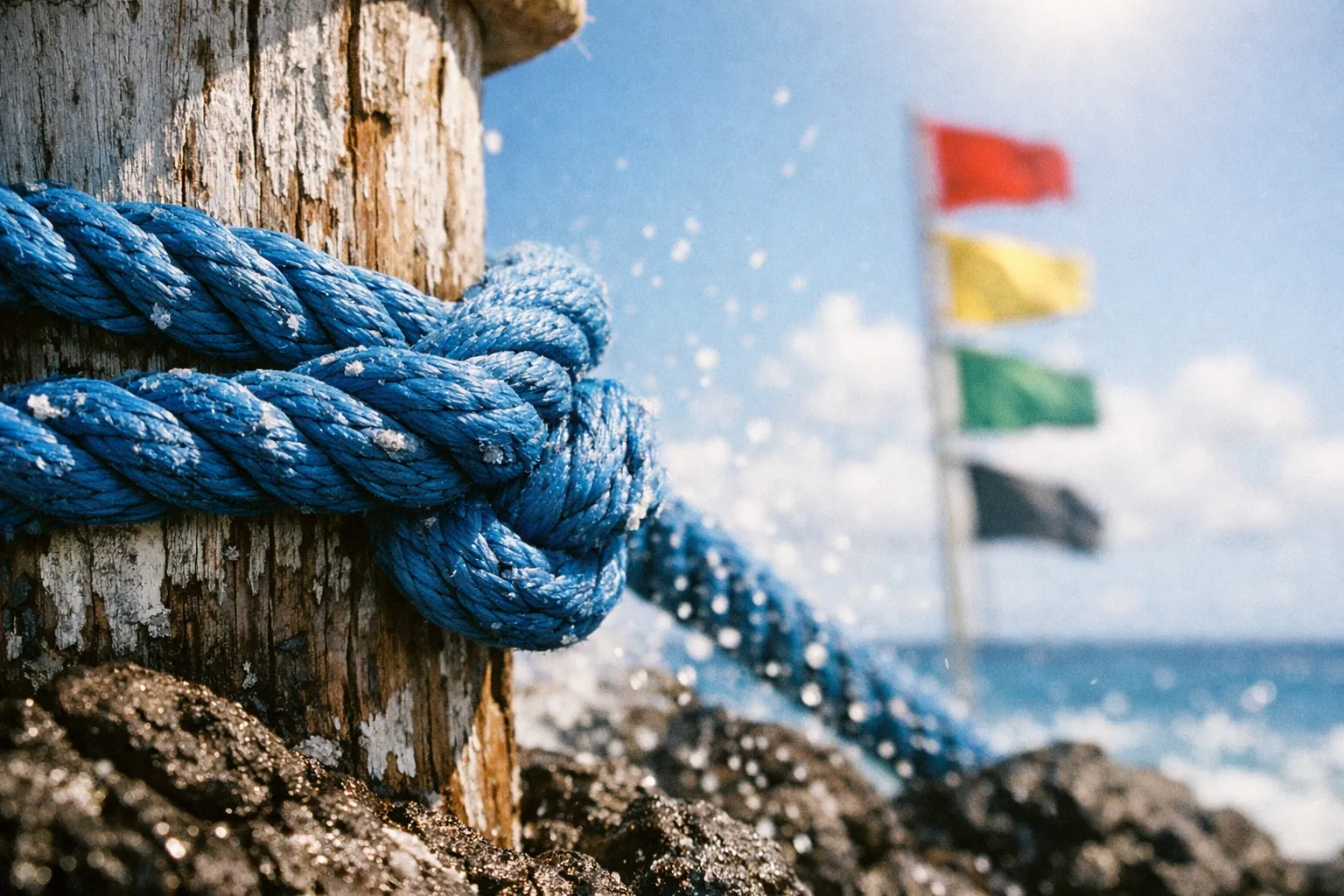
- Green - Low hazard. Still not risk-free; conditions change.
- Yellow - Medium hazard. Moderate surf or currents; strong swimmers only.
- Red - High hazard. Strong surf and currents; only experts should consider entering.
- Double red - Water closed to the public. Do not enter.
- Purple - Dangerous marine life present, usually box jellyfish or Portuguese man-of-war.
Box jellyfish influxes follow lunar cycles and are often posted locally about 8-12 days after a full moon on south-facing Oʻahu shores. If you see a purple flag, that’s the day to stay dry or pick a different coast.
Staying safe from rip currents in Hawaii
Rip currents are the deadliest routine beach hazard in the country - the U.S. surf zone sees over 100 rip-current-related deaths per year (1). They’re narrow channels of water flowing seaward, and they can drag a strong swimmer past the break in seconds. You’ll often spot one as a gap in the breaking waves, a streak of churned or darker water heading offshore, or a line of foam and debris moving out.
The escape rule is “float, don’t fight”:
- Stay calm. Panic and exhaustion, not the current itself, are what drown people.
- Don’t swim straight back toward shore against the pull - you’ll lose.
- Float or tread water and swim parallel to the shore until you’re out of the channel, then angle back in on the breaking waves.
- Wave one or both arms overhead to signal a lifeguard if you can’t get free.
For weaker swimmers, kids, and anyone unsure: this is exactly why you swim at lifeguarded beaches and stay within about 100 feet of shore. Rip current safety in Hawaii comes down to reading the water first and never over-committing to depth.
Choosing the best beach in Hawaii for swimming safely
Swimming safety at Hawaii beaches starts with picking the right beach, not the prettiest one. Calm-looking water can hide a dumping shorebreak that breaks in inches of water and snaps spines.
Beginner approach:
- Choose lifeguarded, family-friendly beaches with reliably calm mornings.
- Stay no deeper than chest height and keep first sessions to 20-30 minutes.
- Use a snorkel vest or pool noodle for flotation and stay within 50-100 feet of shore and your buddy.
Intermediate swimmers who can handle 1-3 ft surf can expand to more open beaches during morning low-wind windows - usually before 11:00 a.m. - but should still avoid red-flag days and stick to lifeguarded sites.
Best beaches in Hawaii for swimming
A 2026 Maui water-quality ranking places Kapalua Bay, Ka’anapali Beach, Wailea Beach, and D.T. Fleming (summer) among the most reliably calm and clean swimming beaches, especially in the mornings (5). Kapalua Bay is the standout for beginners - a protected cove with a gentle entry and water that stays relatively flat even when conditions elsewhere are choppy.
Worth building a day around: Kapalua Bay and Wailea Beach for calm water plus lifeguard coverage and good snorkeling right off the sand.
Skip if you’re not a confident swimmer: Makena’s Big Beach. It has a powerful dumping shorebreak that breaks in just 1-3 feet of water, causing spinal injuries and knockdowns even to good swimmers (5). Beautiful sand, genuinely dangerous entry - don’t let inexperienced swimmers or kids into the surf there.
Before choosing any beach, check the Hawaii Department of Health water-quality advisories and local ranking sites for recent bacteria warnings, which can spike after heavy rain runoff.
How to swim with sea turtles in Hawaii without fines
Swimming with sea turtles in Hawaii is one of the most common reasons visitors get in the water - and one of the easiest ways to get fined. Hawaiian green sea turtles (honu) are protected under the U.S. Endangered Species Act, and both federal and state guidance require staying at least 10 feet (3 meters) from turtles in the water and on shore (3). Touching, feeding, riding, chasing, or otherwise harassing them is illegal, with federal penalties that can exceed $10,000 per violation.
I’ve watched snorkelers at Kapalua nearly swim directly over a resting turtle because they were focused on their GoPro and not on what was two feet below them. The turtle surfaced, they panicked, and the whole thing ended with a very close call and a very uncomfortable conversation with a ranger on the beach. Don’t be that group.
Practical rules that keep you legal and safe:
- Never block a turtle’s path to the surface - they breathe air and need a clear route up.
- If a turtle swims toward you, hold still or slowly back away. Let it decide the distance.
- No chasing for photos. A zoom lens or just patience gets the shot; a grab gets a fine.
- Don’t bring food into the water near reef areas.
The Hawaii Department of Land and Natural Resources emphasizes the 10 ft rule, with attention to dog-leash and lighting requirements on nesting beaches during the April-December nesting season. If you want a lower-stress way to see them, guided turtle-focused snorkel tours run roughly $130-$170 per adult and include guides who enforce the distance rules and keep groups in calmer zones. For a broader look at what’s available on the water, Hawaii snorkeling tours cover costs, islands, and timing across the main operators.
What you need to know about shark safety in Hawaii waters
Shark safety in Hawaii tends to swing between alarmist and dismissive, so here’s the balanced version. Sharks are revered in Native Hawaiian culture as ‘aumakua - ancestral guardians - and confirmed shark incidents are genuinely rare relative to the millions of ocean users each year. The state maintains a running shark incident list updated through mid-2026 (4), and the actual risk to any individual swimmer is low.
That said, a few habits meaningfully reduce your odds of an encounter (per the Hawaii Department of Land and Natural Resources):
- Avoid dawn and dusk, when some shark species feed closer to shore.
- Stay out of murky water and away from stream and river mouths, especially after heavy rain when runoff clouds the water and washes in prey.
- Avoid shiny, high-contrast jewelry and erratic splashing that can mimic distressed fish.
- Don’t swim near active fishing, bait, or where fish are being cleaned.
In the rare event of an encounter, don’t play dead. Face the shark, stay as calm as you can, and if it makes contact, fight back aggressively toward the eyes and gills with anything available. If you specifically want to see sharks, book a regulated cage or pelagic tour off Oʻahu or Hawaiʻi Island - typically $120-$250 per person for a 2-3 hour trip - rather than seeking them out on your own.
How to deal with eels
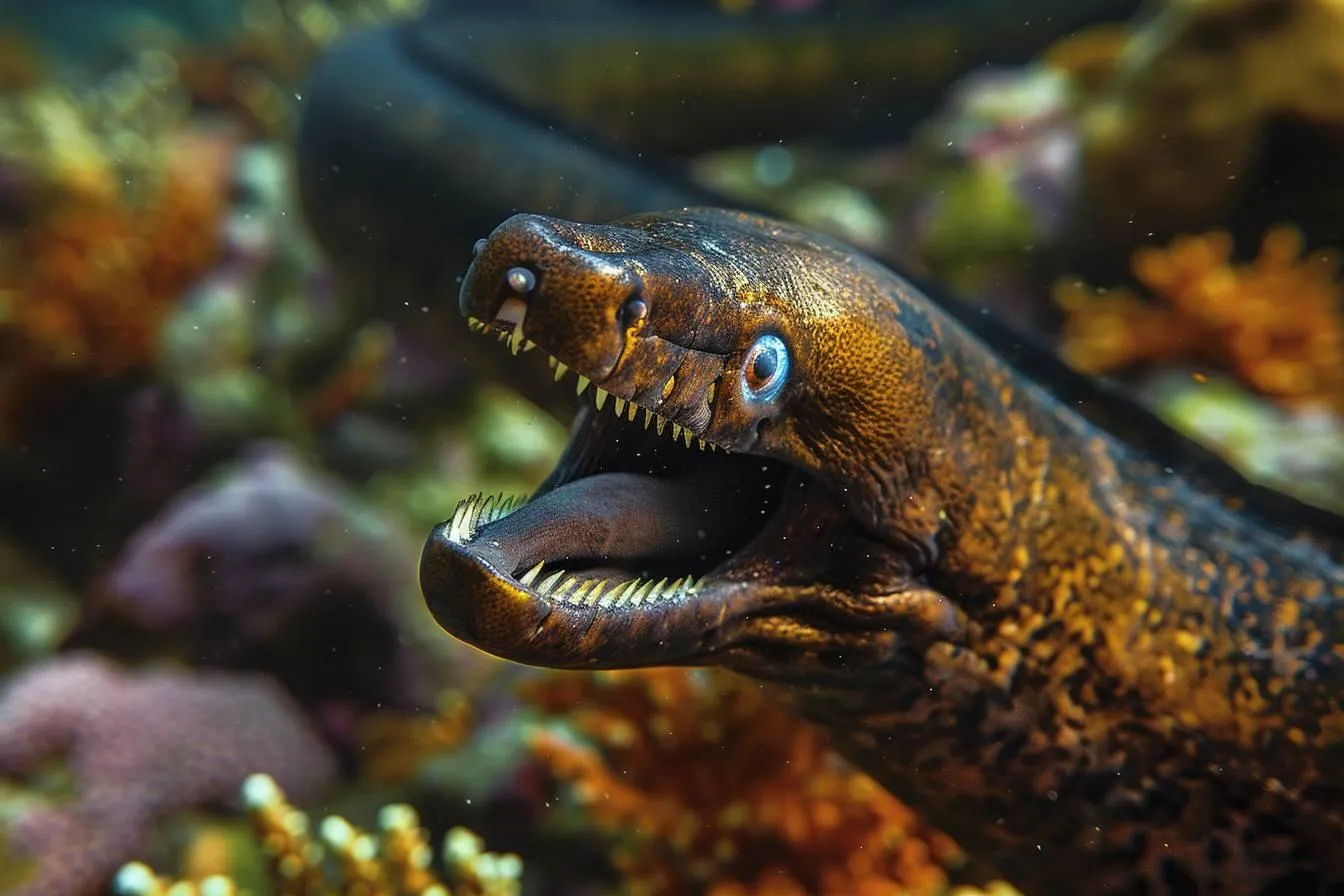
Eels don’t get the headlines sharks do, but moray eels tucked into reef crevices and rock formations can deliver a serious bite if provoked. The rule is simple: never reach into holes or crevices while swimming, snorkeling, or reef-walking. That’s where they live, and a hand poking in looks like a threat.
If you’re bitten, treat it immediately - an eel’s mouth carries bacteria, so infection is the real danger. Rinse the wound thoroughly with fresh water, apply antiseptic, and get medical attention for anything deep. Keep your hands to yourself around the reef and eels are a non-issue.
Flash flood safety at the beach in Hawaii
Hawaii flash flood safety is the hazard most beach guides ignore entirely, and it’s killed 19 people in documented Hawaii Emergency Management Agency records while causing more than $250 million in property damage. The danger isn’t the beach itself - it’s the streams and river mouths that feed into it. Rain falling miles inland can send a wall of muddy, debris-laden water down a narrow valley to the coast in minutes, even while you’re standing in sunshine.
Know the three alert levels the state uses (8):
- Flood Watch - Conditions are favorable for flooding. Stay alert.
- Flood Advisory - Minor or nuisance flooding is occurring or likely.
- Flash Flood Warning - Life-threatening flooding is happening or imminent. Move to higher ground immediately.
On rainy or watch days:
- Don’t park, picnic, or hike in gulches, dry streambeds, or at stream mouths that empty onto the beach.
- Watch for early signs: water turning muddy, rising quickly, or a roaring sound coming from upstream.
- If any of those appear, get to higher ground now - don’t wait to see how bad it gets, and never try to cross moving water.
Many popular waterfall hikes and coastal valleys sit directly in flash-flood paths. A blue sky where you’re standing tells you nothing about the rain 10 miles up the watershed. If you’re planning any time on trails near the coast, reviewing Hawaii’s trails safety tips before you go is well worth the few minutes it takes.
Prepare before you go
Preparation is the difference between a good beach day and an emergency call. Before heading out:
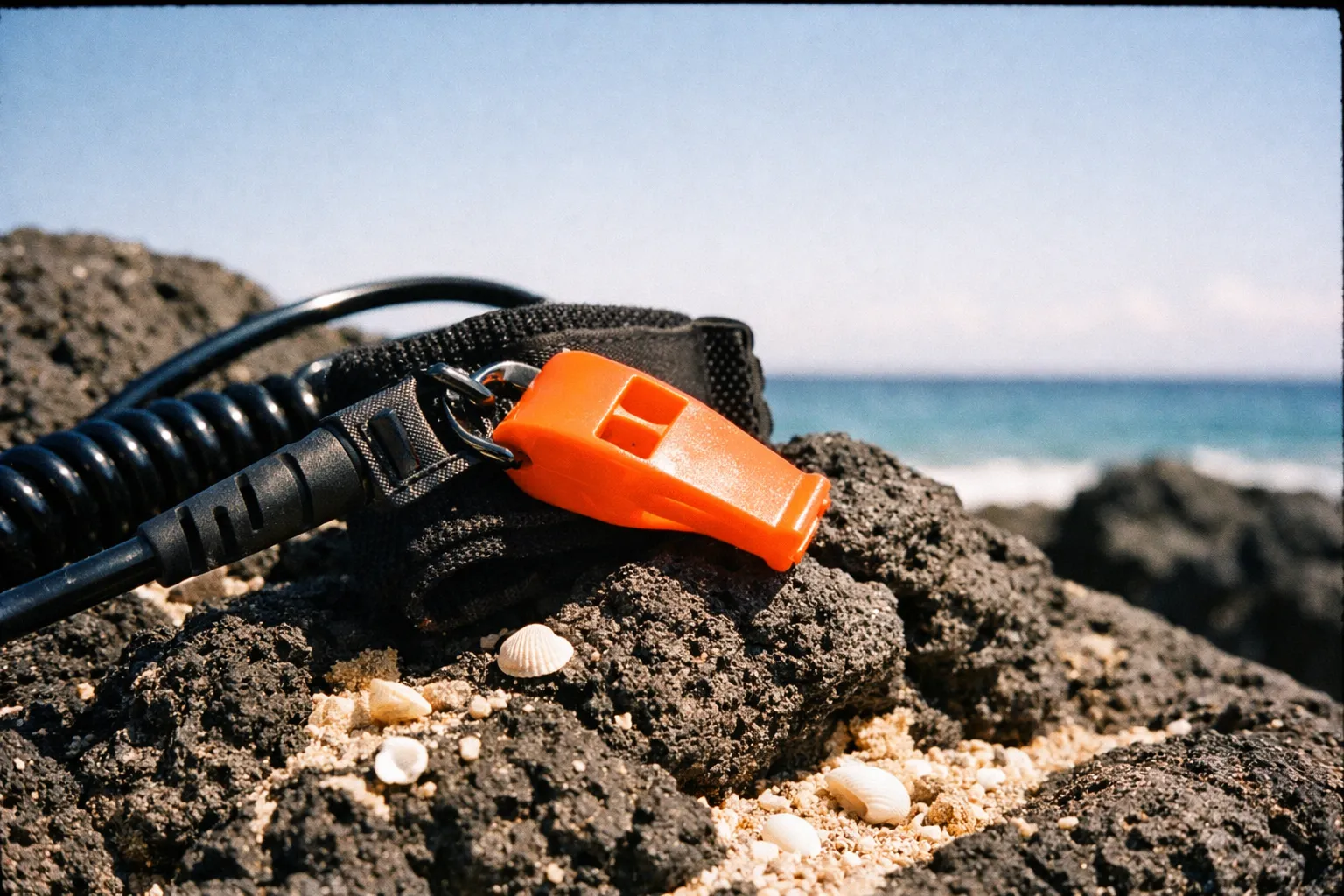
- Pack enough drinking water, snacks, sun protection, and a basic first aid kit.
- Tell someone your plan and expected return time - non-negotiable if you’re going solo.
- Check the marine forecast, surf report, and beach flag status the morning of.
- Do a gear check: for snorkeling, rental sets run $15-$30 per day or $40-$70 per week; a snorkel vest rents for $5-$10 per day. For kids and weaker swimmers, a U.S. Coast Guard-approved Type III life jacket ($40-$120 to buy) beats improvising.
Budget notes worth planning around: parking at resort-area beaches runs $10-$35 per day, while some county parks are free or under $10 but now require online reservations. Hanauma Bay on Oʻahu requires advance booking through the city’s reservation portal (currently $25/person entry fee for non-residents); slots open 30 days in advance at 7:00 a.m. HST and sell out within minutes for weekend dates - book the day they open or plan a weekday visit. Ha’ena State Park on Kauaʻi uses a similar timed-entry system through the Hawaii DLNR portal, with reservations opening 30 days out; the $5/person fee is secondary to simply securing a slot. Both systems change seasonally, so verify current windows at gohaena.com and honolulu.gov/parks before your trip.
I checked Hanauma Bay availability in March 2025 - Saturday slots for the following month were gone within 20 minutes of the booking window opening. Weekday mornings had same-week availability. Guided snorkel excursions on the major islands run $120-$200 per adult for 3-5 hour trips and are the safest option for beginners, since they include flotation and in-water guides.
For emergencies, dial 911 - it connects to local dispatch for ocean rescues. Know where the nearest lifeguard tower is before you get in, not after.
Freediving risk in Hawaii: what you should know
Tested this route in January 2025 - the north shore of Oʻahu had 20 ft surf at Waimea while Kapalua Bay on Maui’s west coast was flat and clear at the same hour. Leeward shores almost always offer a workable alternative when windward coasts are blown out.
If you’re tempted to hold your breath and dive the reef, understand the numbers: Hawaii recorded 58 freediving deaths between 2015 and 2024. Breath-hold diving carries a real risk of shallow-water blackout, and it kills experienced, fit water users - not just beginners. Never freedive alone, use a dedicated dive buddy who watches you on every descent, and stay well within conservative depth and time limits. This is not a casual add-on to a snorkel session.
Respecting marine wildlife
Beyond turtles and sharks, Hawaii’s waters host humpback whales (winter), spinner dolphins, and endangered Hawaiian monk seals. The ethic is the same across all of them: you’re a visitor in their home. Keep your distance, don’t touch or feed anything, and never block an animal’s path or crowd a resting monk seal on the sand - enforcement and fines for wildlife harassment have increased, and viral videos of violations have made it a priority (3).
Observe, photograph from a respectful distance, and leave no trace. Schedule wildlife-focused snorkels for bright daylight, avoid bringing food into the water, and if any animal changes direction toward you or moves suddenly, slowly back away and give it room.
Frequently Asked Questions
- How long should I watch the ocean before getting in?
- Watch the ocean for at least 15 minutes to identify big wave breaks, rip current channels, and safe entry points before swimming.
- What should I do if I'm caught in a rip current?
- Stay calm, float, swim parallel to shore until out of the current, then angle back in; wave arms to signal lifeguards if needed.
- Is it legal to swim with sea turtles in Hawaii?
- Yes, but you must stay at least 10 feet away and never touch, feed, chase, or harass turtles to avoid fines.
- How dangerous are sharks in Hawaii?
- Shark encounters are rare; avoid dawn, dusk, murky water, and fishing areas to reduce risk.
- Why do so many visitors drown while snorkeling?
- Snorkeling requires exertion; many victims overestimate fitness and swim too far or long without rest.
- Can flash floods really affect the beach on a sunny day?
- Yes, rain miles inland can cause sudden flash floods at the beach; avoid stream mouths and move to higher ground if water rises.