Hawaii sustainable travel is not about guilt; it is about pointing the money you would spend anyway at the people and ecosystems that keep the islands worth it. Start with who you book: prioritize Native Hawaiian-owned businesses and tour operators over generic chains. The new 0.75 percent climate tourism tax adds under $10 to a week’s lodging and funds conservation, so it is a feature, not a fee. Voluntourism runs from free beach cleanups to programs at $40 to $80 a day.
Hawaii Sustainable Travel and Malama Hawaii: take a trip that gives back
Hawaii sustainable travel isn’t about guilt - it’s about spending the same money you were going to spend anyway, but pointing it at the people and ecosystems that keep the islands worth visiting. Hawaiʻi took in roughly 9.5 million visitors in 2023, and tourism drives about 20-25% of the state’s GDP. That means how you behave on the ground - where you sleep, who you book tours with, whether you touch the coral - actually moves the needle. This guide covers responsible tourism in Hawaii, what the new climate tourism tax means for your bill, how much a genuinely ethical week actually costs, and where voluntourism in Hawaii fits into a normal vacation.

I’ve traveled through enough places - Nepal, Southeast Asia, the Caribbean - to know what unmanaged tourism does to a destination. Hawaiʻi is where the case for eco travel in Hawaii is clearest, because the state itself has built a framework around it.
Malama Hawaii: the practical version
Traveling to Hawaii with the mindset of malama hawaii - the word means to care for, protect, and maintain - isn’t just a philosophy. It’s the state’s official framing for regenerative tourism. The Hawaiʻi Tourism Authority promotes Mālama Hawaiʻi as a way for visitors to give back through conservation, cultural respect, and community support rather than simply consuming a resort (1).
Here’s what that looks like in practice.
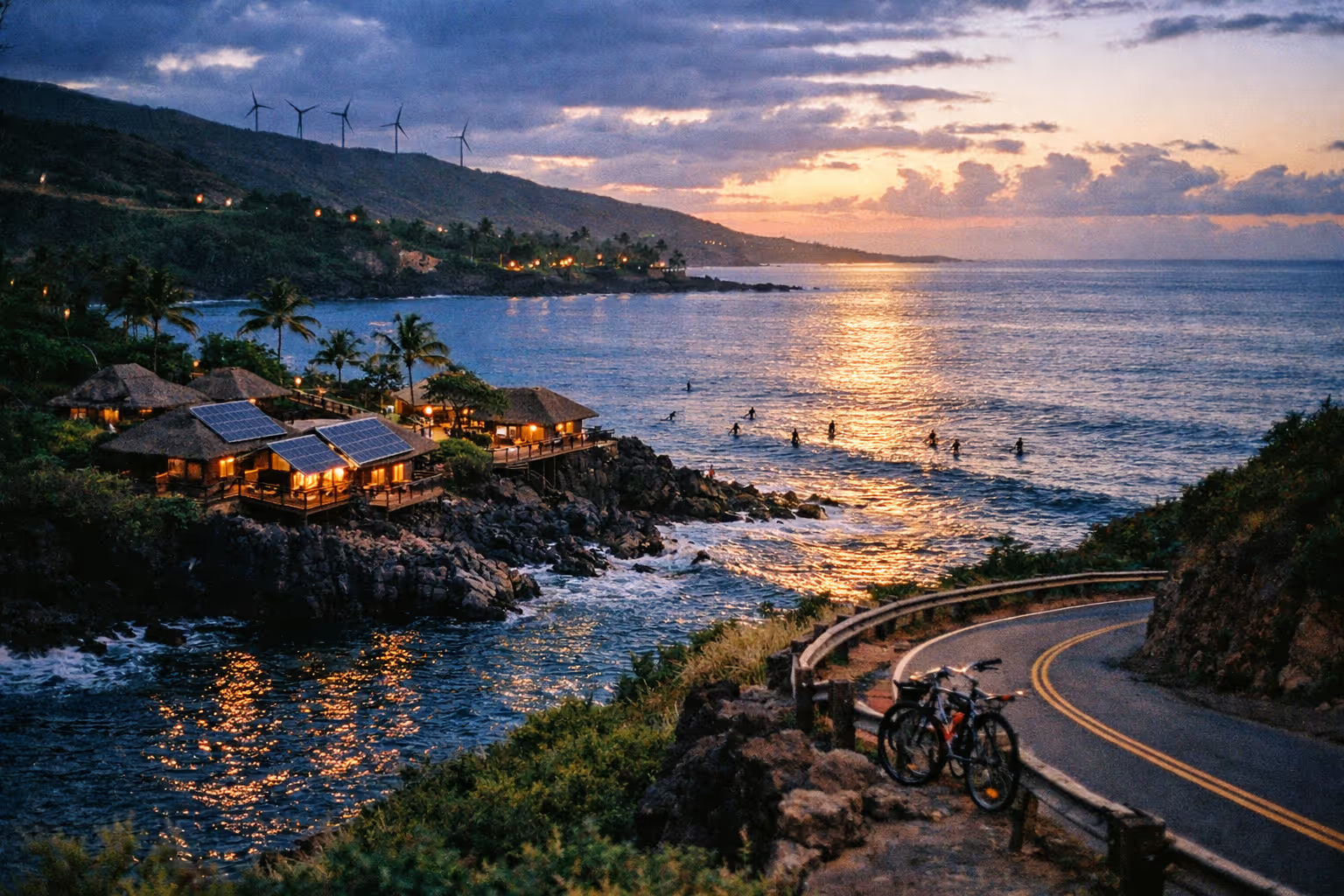
Eco-friendly accommodations. I’ve stayed in a bamboo hut in a Hawaiian garden running on solar power and rainwater collection - the kind of place that genuinely shrinks its footprint. But you don’t need an off-grid setup to travel well. What matters more is ownership: choosing family-owned lodging or unionized, locally staffed hotels over mainland-owned chains that route profits off-island. Several hotels now offer Mālama Hawaiʻi packages, where you get a room discount or resort credit in exchange for a few hours of conservation or cultural work (1). That converts part of your lodging budget into direct support for a local project - which is a better deal than a free breakfast.
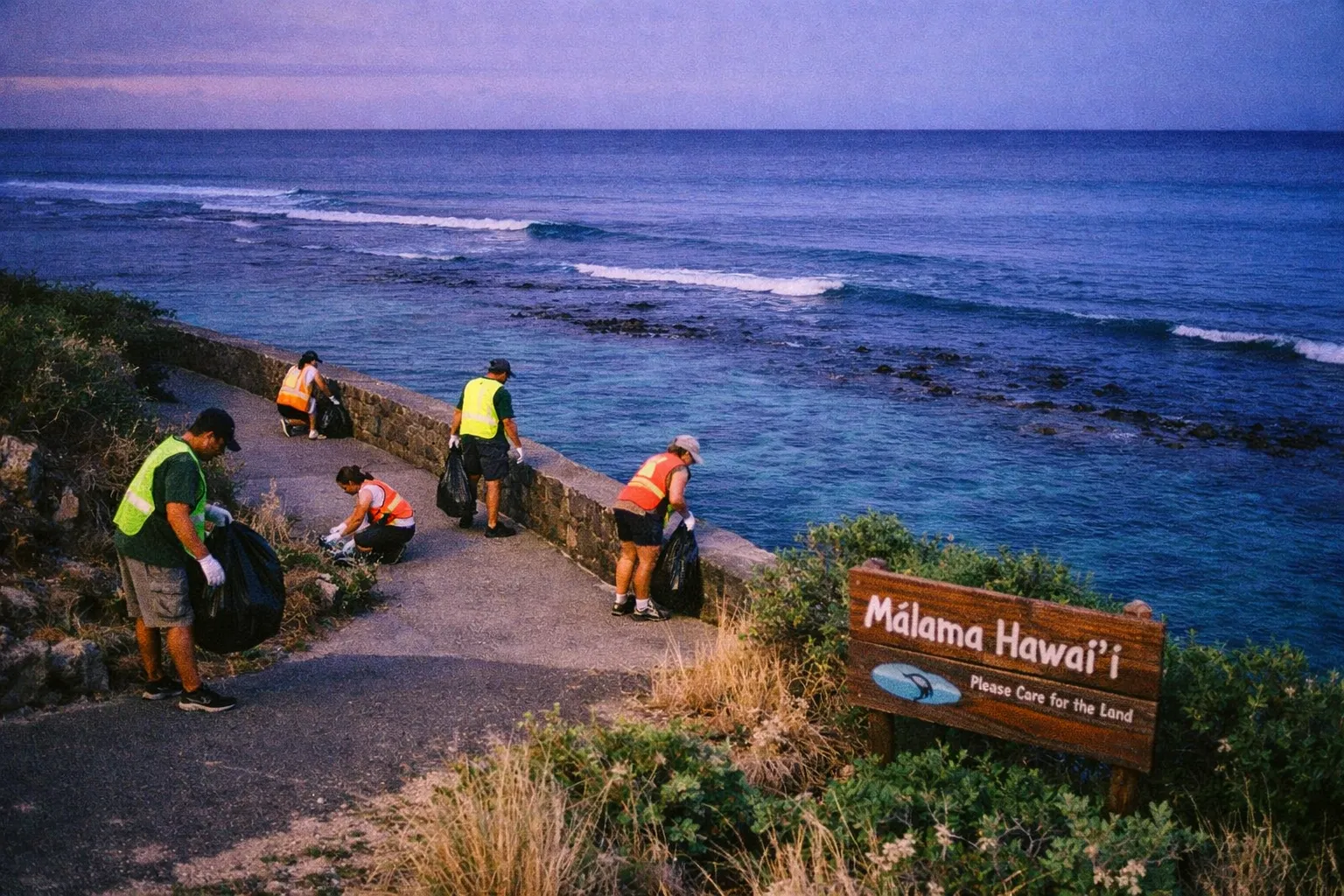
Cultural immersion. I joined a community-led beach cleanup on one trip. It cleared plastic, yes, but it also turned into a real conversation about the relationship between Hawaiians and ‘āina (the land). That’s the kind of exchange that doesn’t happen at a resort pool.
Conservation. Planting native trees in a reforestation project restored habitat for endangered species and offset a bit of carbon. Neither requires a special skill set. Both matter more than most paid eco-tours.
One clarification worth making before you book: not every “cultural experience” qualifies as Mālama. A mass-market luau run by a mainland operator is not the same as a Native Hawaiian-owned cultural program. If responsible tourism in Hawaii is the goal, book the latter.
Understanding the Hawaii climate tourism tax (Green Fee)
Starting in 2026, Hawaiʻi is adding a 0.75% “Green Fee” climate tourism tax on accommodations (2)(10). It’s the first tax of its kind in the U.S. aimed squarely at climate adaptation and environmental protection.
The mechanics are simpler than the headlines suggest:
- It applies to lodging - hotels, vacation rentals, resorts.
- At 0.75%, it adds less than $10 to a $1,200 lodging bill (2).
- It’s projected to raise roughly $100 million per year for conservation, wildfire prevention, reef protection, and climate resilience across the state (2)(10).
For trip planning purposes, the Hawaii climate tourism tax is close to a rounding error. Flights and lodging class will blow your budget long before this fee does. But it’s worth understanding what it funds, because it changes the ethics of the transaction: a slice of every night you book now goes directly into keeping the trails, reefs, and watersheds functioning.
If a listing breaks this fee out as a shocking surprise line item, don’t overreact. Ten dollars on a week’s lodging is the cheapest conservation contribution you’ll make all trip.
Is it ethical to travel to Hawaii right now?
This question has hovered over every honest conversation about hawaii sustainable travel since the 2023 Maui wildfires. The short answer from most Native Hawaiian voices is not “stay home” - it’s “don’t stop coming, come differently”.
Tourism funds roughly a fifth of the state economy, and a full boycott hurts the workers and small businesses you’d most want to support. What critics object to is a specific kind of visitor: the one who books a mainland-owned resort, eats at chains, treats sacred sites as photo backdrops, and shows up to disaster-affected areas out of morbid curiosity. That’s the extractive model, and it’s avoidable.
Ethical travel to Hawaiʻi comes down to a few concrete decisions:
- Respect closures and current sentiment. Lahaina and other wildfire-affected areas are not sightseeing stops. Research current community sentiment for whichever island you’re targeting before booking.
- Direct your money locally. Aim to send 50-70% of your discretionary spending - restaurants, tours, gifts - to Native Hawaiian or locally owned businesses.
- Go smaller and slower. The call from local communities is for fewer, more intentional visitors, not zero.
Yes, there is a way to ethically visit Hawaii. It requires about 10-20 hours of upfront research to find the right operators and lodging(6). That’s the actual cost of doing it right, and it’s mostly a one-time effort.
Hawaiʻi travel tips: ocean conservation
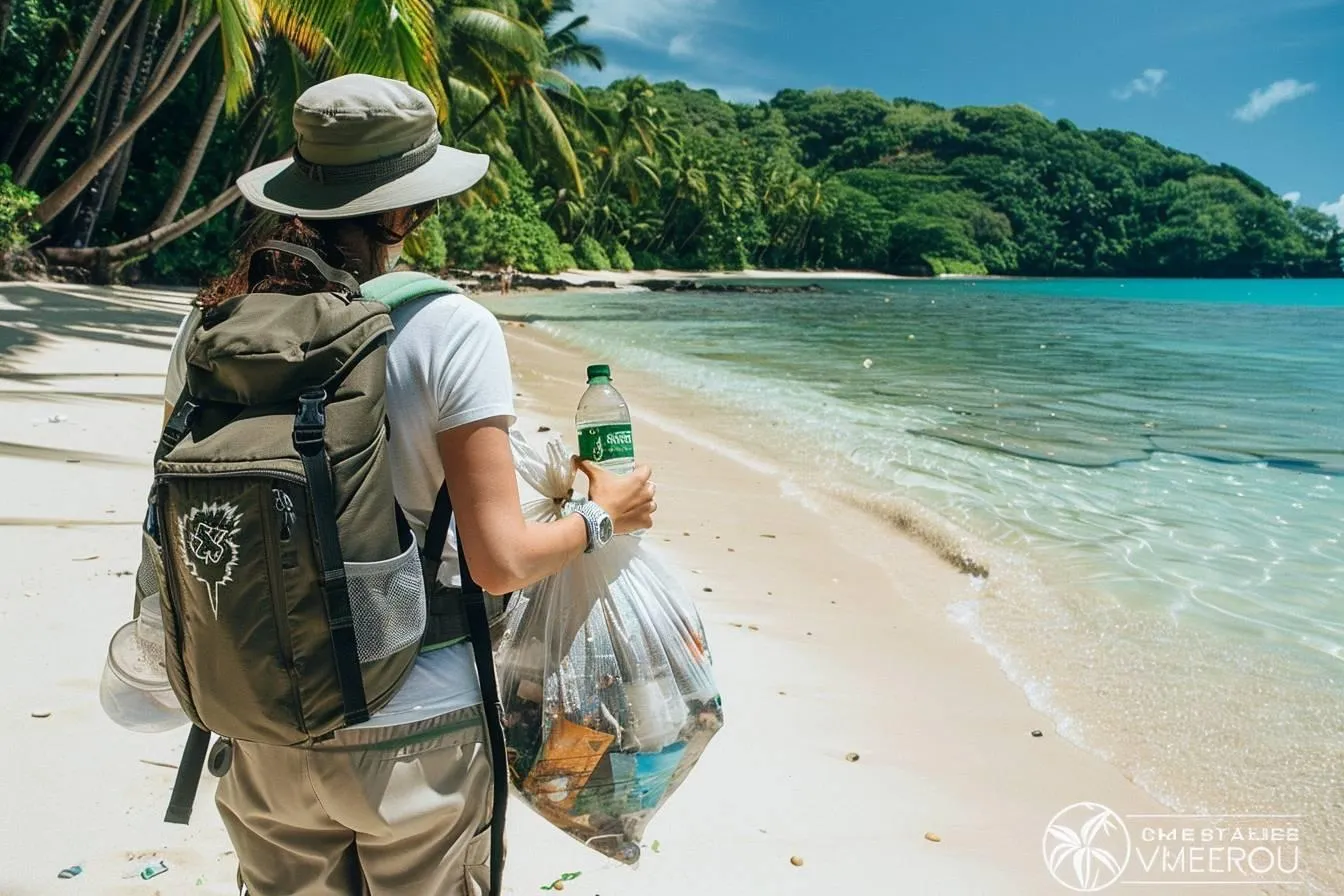
The waters around Hawaiʻi run from humpback whales to coral reefs, and visitors carry real responsibility for what happens to them.
Choosing reef-safe sunscreen is the single easiest high-impact move. Hawaiʻi has banned the sale of sunscreens containing oxybenzone and octinoxate, so you’re pushed toward mineral-based products using zinc or titanium (6). Bring your own - don’t assume your hotel gift shop stocks the right thing.
I spent a morning diving around the Big Island and the stakes became obvious quickly. Coral is fragile, and chemical sunscreen plus careless contact does lasting damage. The reefs already absorb enough pressure from climate change and pollution without adding preventable visitor impact on top.
Support ethical marine tours. Pick operators that prioritize wildlife protection and actually teach you about the ecosystem - not the ones chasing dolphins for a better photo op.
Snorkel and dive responsibly. Contact with coral kills it. Keep a safe distance, don’t stand on the reef, and don’t touch marine life. Small gestures with outsized effects.
Two more habits worth building:
- Pack-in, pack-out. Carry your trash out. Official guidance repeats this because it keeps getting ignored (3)(6).
- Micro-volunteering. Carry a small bag and spend 10-15 minutes on beach or trail cleanup each day. Over a week that’s dozens of pieces of plastic removed, and it aligns with Mālama Hawaiʻi without signing up for anything formal (6).
Giving back through voluntourism in Hawaii
Voluntourism in Hawaii works best in two formats, and the choice depends on how long you’re staying.
Short-term (fits a normal vacation). Local NGOs and conservation groups - outfits like the Hawaiʻi Wildlife Fund and various beach cleanup organizations - run half-day and full-day beach cleanups, reef monitoring, and native plant restoration days. These typically cost nothing beyond your transport to the site. This is the format most travelers should target: a single morning folded into a week of otherwise normal sightseeing.
Long-term (gap years, remote workers). Structured programs through international volunteer organizations like International Volunteer HQ advertise projects from around $20/day including accommodation and meals globally, though Hawaiʻi-specific programs tend to run higher - often $40-$80/day plus flights (4). These usually require a minimum stay of 1-2 weeks to be worthwhile, so they don’t fit a standard vacation.
A caution on voluntourism generally: it should serve the community’s needs, not your social media feed. The best programs are led by local organizations who tell you what they actually need done. If a program feels built primarily around the volunteer’s experience, it’s the wrong one.
The lowest-friction path is the day-long Mālama Hawaiʻi activity, sometimes bundled with a lodging discount. You give a morning, the reef or the taro patch gets tended, and your room rate drops. That’s the model working as intended.
Eco-tourism experiences in Hawaii
Hawaiʻi’s ecosystems support eco-tourism that deepens what you understand about the place. From birdwatching in the forests of Kauai to volcano hiking on the Big Island, each experience is a way to connect with the environment rather than just photograph it.

On one hike through the valleys of Maui, a local guide walked me through the island’s gods and legends - a direct route into Hawaiian culture, which is inseparable from the land itself. That’s the argument for choosing tours that respect and feed local communities.
Ranked by whether they’re worth the detour:
- Worth the detour - agricultural and taro farm tours. You learn traditional sustainable farming, the food is genuinely good, and the money stays local. Taro is central to Hawaiian diet and culture, and these tours are among the most direct ways to support Native Hawaiian operations.
- Worth the detour - wildlife sanctuaries. Home to the nēnē goose and Hawaiian monk seal. Visiting supports conservation directly, and you see endangered species without harassing them.
- Worth it if the weather cooperates - Mauna Kea astronomy. Stargazing from Mauna Kea sits at the intersection of exceptionally dark skies and deep Hawaiian navigation tradition. This is a sacred site with ongoing cultural sensitivities - go with a respectful, ideally locally led operator, and follow all site rules.
One thing most guides get wrong: they present these as equal-weight options. They aren’t. If you have limited time, the farm and sanctuary visits give you the most cultural and conservation value per hour.
How to find eco-friendly tour operators and vet your hotel
Finding operators who match your values isn’t guesswork if you ask the right questions. On my own trips, the pattern holds: the businesses worth your money are transparent about who they are and where the money goes.
The lodging ethics checklist. Before booking, Hawaiʻi-focused ethical travel experts recommend asking four questions:
- Are the employees unionized?
- What percentage of staff are born-and-raised Hawaiians?
- Are Native Hawaiians in management?
- Is the property family-owned or corporate?
Corporate resorts rarely answer these well. Family-owned lodging and unionized properties usually do.
Vetting a tour operator. Ask:
- Is the company locally owned and operated?
- Do guides get environmental or cultural sensitivity training?
- How does the company contribute to local conservation or community?
Look for certifications or memberships with recognized sustainable tourism organizations. Many operators worth booking route a portion of earnings into local conservation or community projects - and they’ll tell you that upfront if you ask.
A transport note that doubles as an ethics move. On Oʻahu, TheBus day passes run under $10, and the rail is expanding. Skipping a rental car on city days cuts emissions and saves $60-$90/day - money you can redirect to Native Hawaiian-owned restaurants and eco-tours. Oʻahu is the easiest island to do largely car-free.
If you want a specific place to practice low-impact tourism, Punaluu Black Sand Beach rewards visitors who tread lightly - the sand and the sea turtles that haul out there both depend on it.
How much does an ethical week in Hawaii cost?
A moderate, ethical one-week trip for two, including flights, realistically runs $4,000-$6,000 - roughly $3,500-$4,000 on-island plus $500-$1,500 for flights depending on where you’re coming from. The “cheap Hawaiʻi trip” is mostly a myth in 2024-2025; crowd-sourced budgets now cluster at $3,500 and up for a responsible week for two.
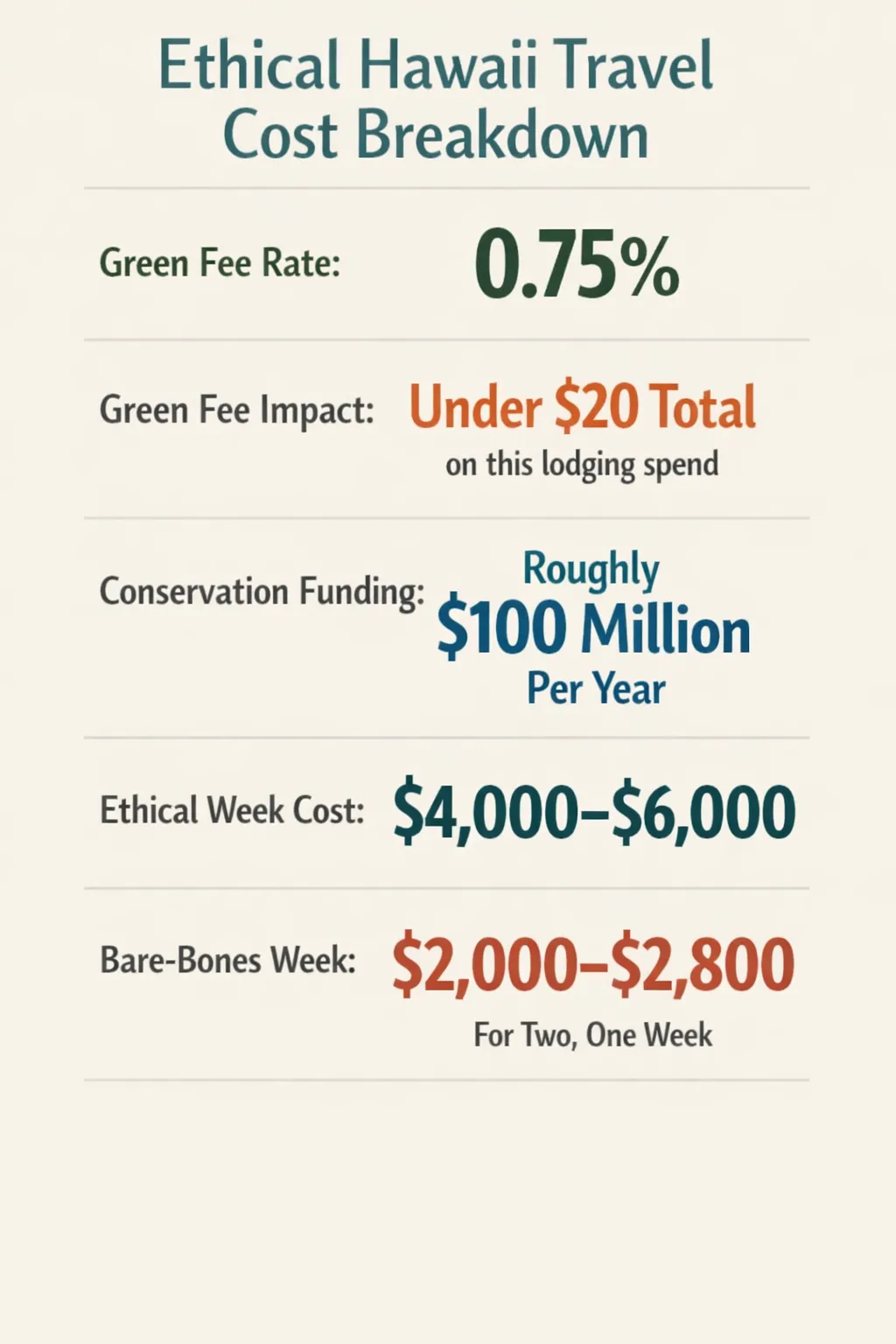 Numbers show a 0.75% Green Fee, under-$20 lodging impact, roughly $100 million annual conservation funding, and an ethical week costing $4,000–$6,000 for two, or a bare-bones week at $2,000–$2,800.
Here’s how it breaks down by budget level.
Shoestring / ethical bare-bones (about $2,000-$2,800 for two, one week). Hostels or small locally owned hotels under $120-$150/night, cooking some meals, TheBus instead of a rental car, free hikes and beaches, and free volunteer days. It works, but you sacrifice comfort and flexibility (hawaii-on-a-budget).
Mid-range ethical (about $4,000-$6,000). This is the sweet spot for most travelers:
- Mid-range hotel or eco-lodge: $250-$350/night ($1,750-$2,450)
- Hybrid rental car: $60-$90/day ($420-$630)
- Food: $120-$160/day ($840-$1,120), weighted toward Native Hawaiian-owned restaurants
- 2-3 eco-tours: roughly $100-$150 per person each ($400-$800)
- Plus the 0.75% Green Fee - under $20 total on this lodging spend(7)
High-end regenerative ($7,000+ for two). Mālama Hawaiʻi packages at higher-end resorts, private cultural tours, farm-to-table excursions, dedicated volunteer days, and direct conservation donations. More money, but structured so more of it lands locally.