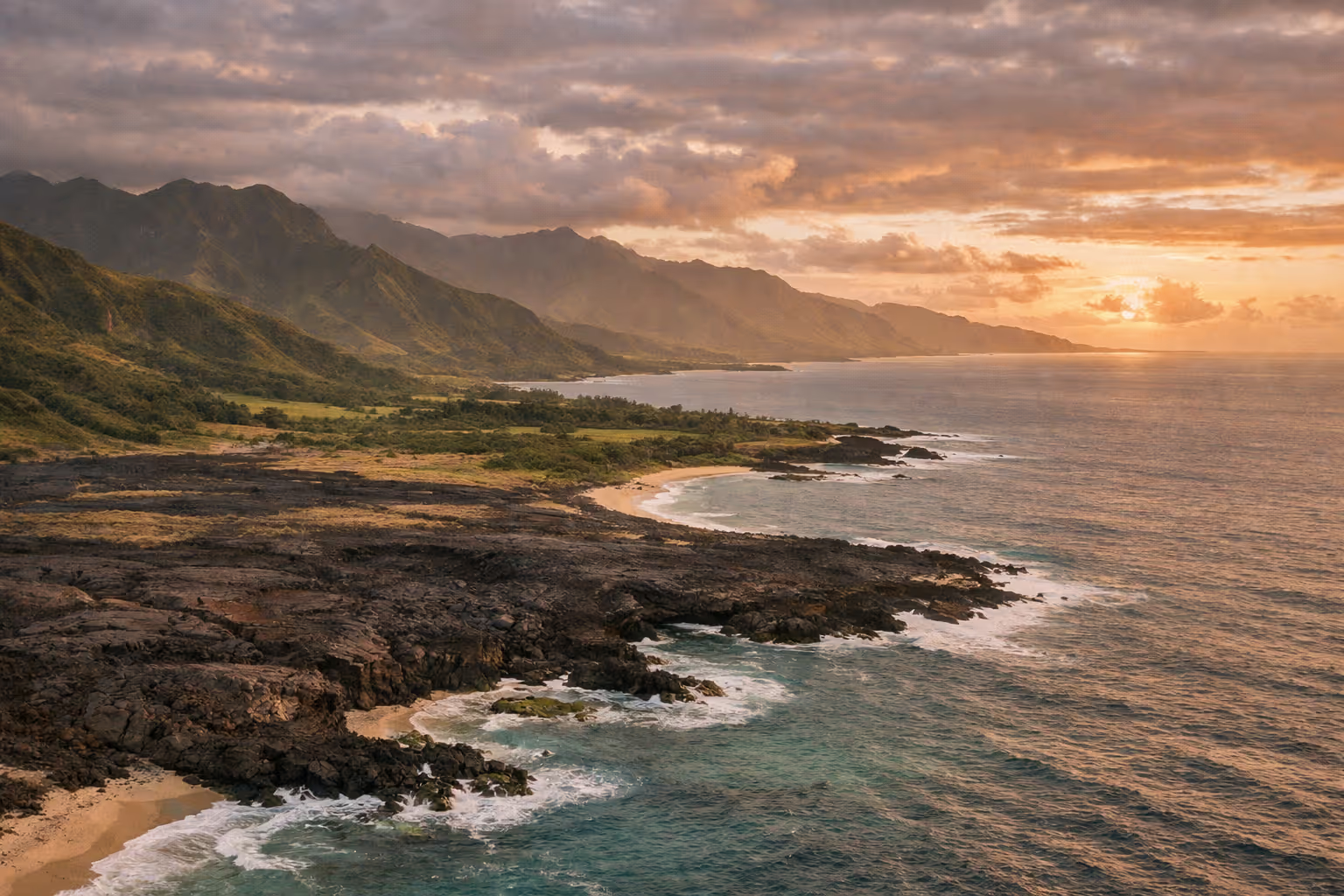
The best places to visit in Hawaii are not the ones most first-timers pick. Nearly everyone books Maui out of the gate, when Oahu is the smarter opening move for a first five to seven days: the cheapest flights land in Honolulu, and Pearl Harbor, Hanauma Bay, and the North Shore sit close together. Maui, Kauai, and the Big Island each reward a different kind of traveler instead. Here is how the islands sort by budget, trip length, and style.
What are the best places to visit in Hawaii?
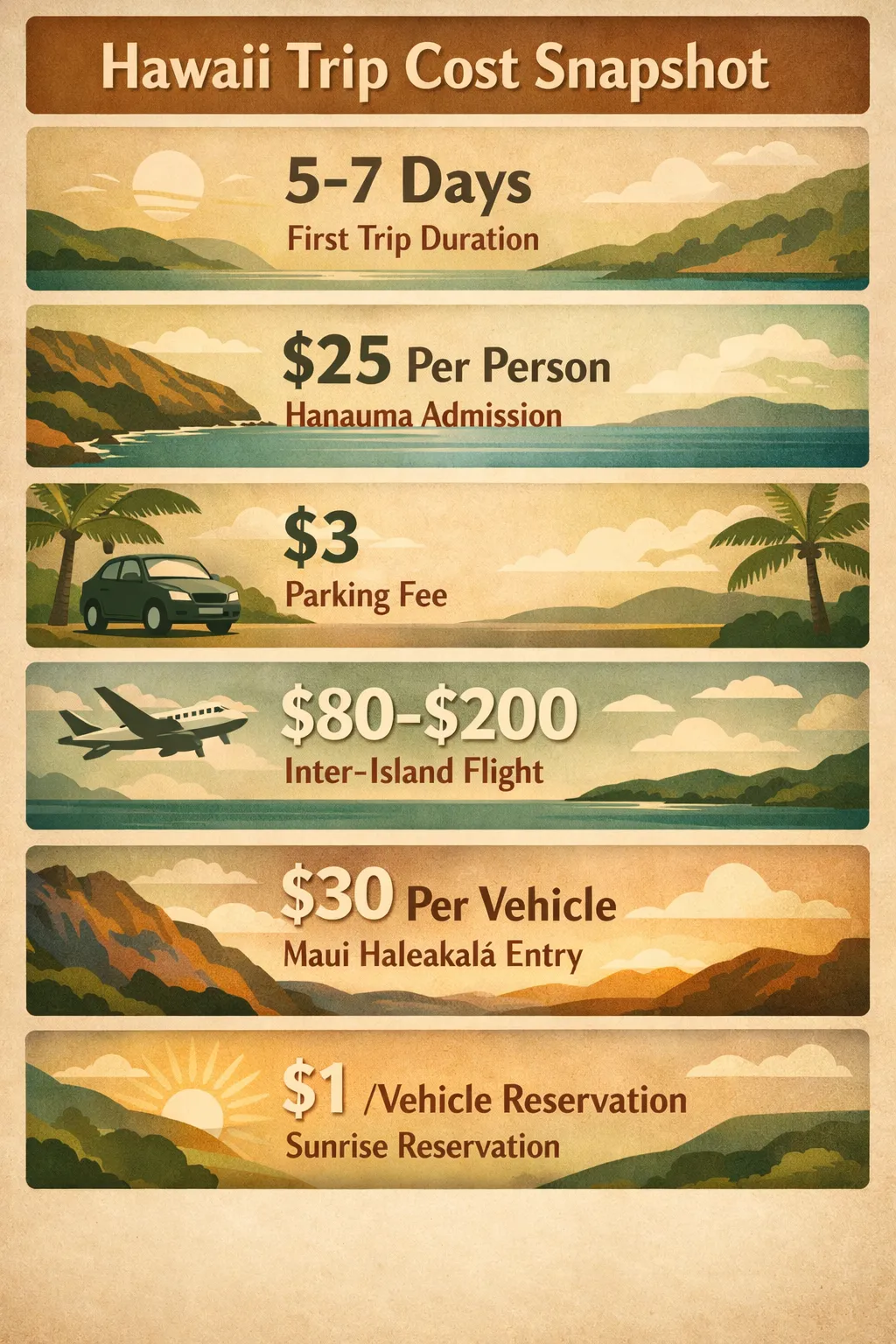 Costs shown include Hanauma Bay admission, parking, inter-island flights, and Maui entry fees, illustrating typical trip expenses across Hawaii.
Choosing the best places to visit in Hawaii depends on what you want from your trip, as each island offers something unique. What follows is how I’d match the islands to what you actually want out of the week.
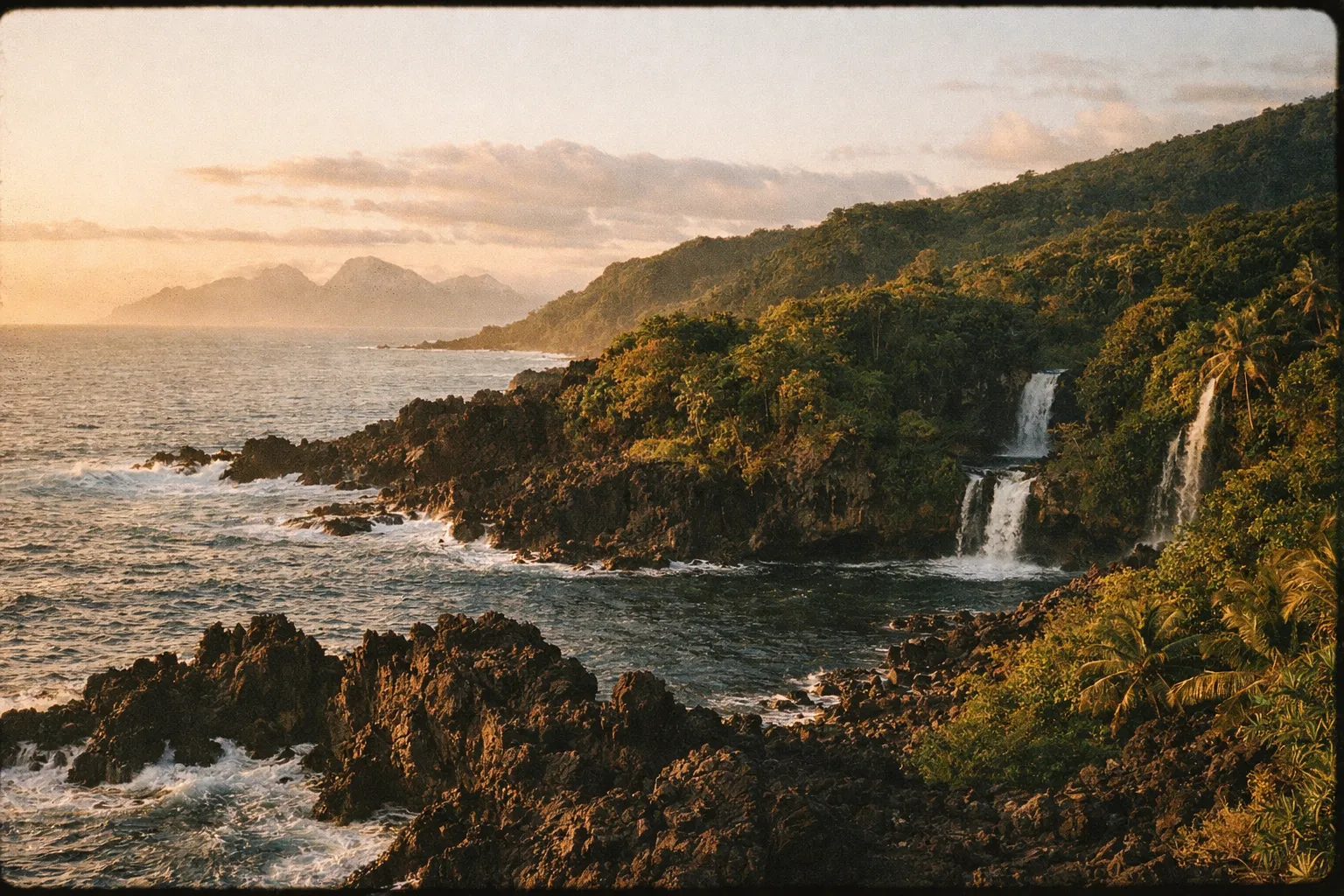
Kauaʻi is the move for hikers and people who want scenery over nightlife. Nā Pali Coast, Waimea Canyon, and river valleys carry the island. It has the fewest crowds of the four main islands and the least in the way of restaurants and shopping - a feature if you want quiet, a problem if you don’t.
Oʻahu is the most efficient island for a first trip. Honolulu is the state’s transport hub, so flights are cheapest here, and you can stack Waikīkī, Pearl Harbor, the North Shore, and Hanauma Bay without any inter-island flight logistics. It’s the island where I learned to surf, and it’s the one I send first-timers to when they want both a city and a coastline in six days.
Maui sits between relaxation and adventure. The Road to Hana and Haleakalā National Park anchor the scenic side; Kā’anapali and Wailea handle the resort side. It’s the honeymoon island as much as the family island, which tells you how wide its range is.
The Island of Hawaiʻi - the Big Island - is where the earth is still building itself. Active volcanoes, black- and green-sand beaches, Kona coffee country, and Mauna Kea stargazing. It’s the largest island and the least crowded per square mile, which means more driving but more room.
A major travel outlet placed Maui, Oʻahu, and Kauaʻi in its Top 10 Best Places to Visit in the USA for 2025 (1), so all three are covering the same demand you’re feeling.
Where should I go for the first time in the Hawaiian Islands?
For a first trip of 5-7 days, go to Oʻahu. The reasoning is logistics, not snobbery. Honolulu International is the cheapest and most-connected airport in the state, so your flight costs less. Once you land, the iconic stuff - Waikīkī, Pearl Harbor, Diamond Head, the North Shore, Hanauma Bay - is reachable without a single inter-island flight. You get city, history, surf, and snorkeling from one base.
If you have 8-10 days and want two islands, pair Oʻahu with either Maui or the Big Island. That combination costs one inter-island flight (typically $80-$200 one-way per segment) and gives you the urban-plus-nature contrast most first-timers are chasing. What doesn’t work is trying to cover three or four islands in a week - you’ll spend one to two full days in airports and rental-car lines and skip the deep experiences that make the trip worth it.
One thing most guides get wrong about the first-timer question: they push Maui as the “obvious” starter island. Maui is spectacular, but it’s more expensive, and its highlights (Hana, Haleakalā sunrise) demand long, early-morning driving days that punish jet-lagged families. Oʻahu forgives mistakes better.
Oʻahu
Oʻahu draws roughly 55-60% of mainland visitors, and it earns that with range. In a single day you can go from Honolulu - where the state’s museums, ‘Iolani Palace, and Chinatown food sit - to the Windward coast’s turquoise water, to the North Shore’s winter surf breaks.
Ranked by whether they’re worth the detour:
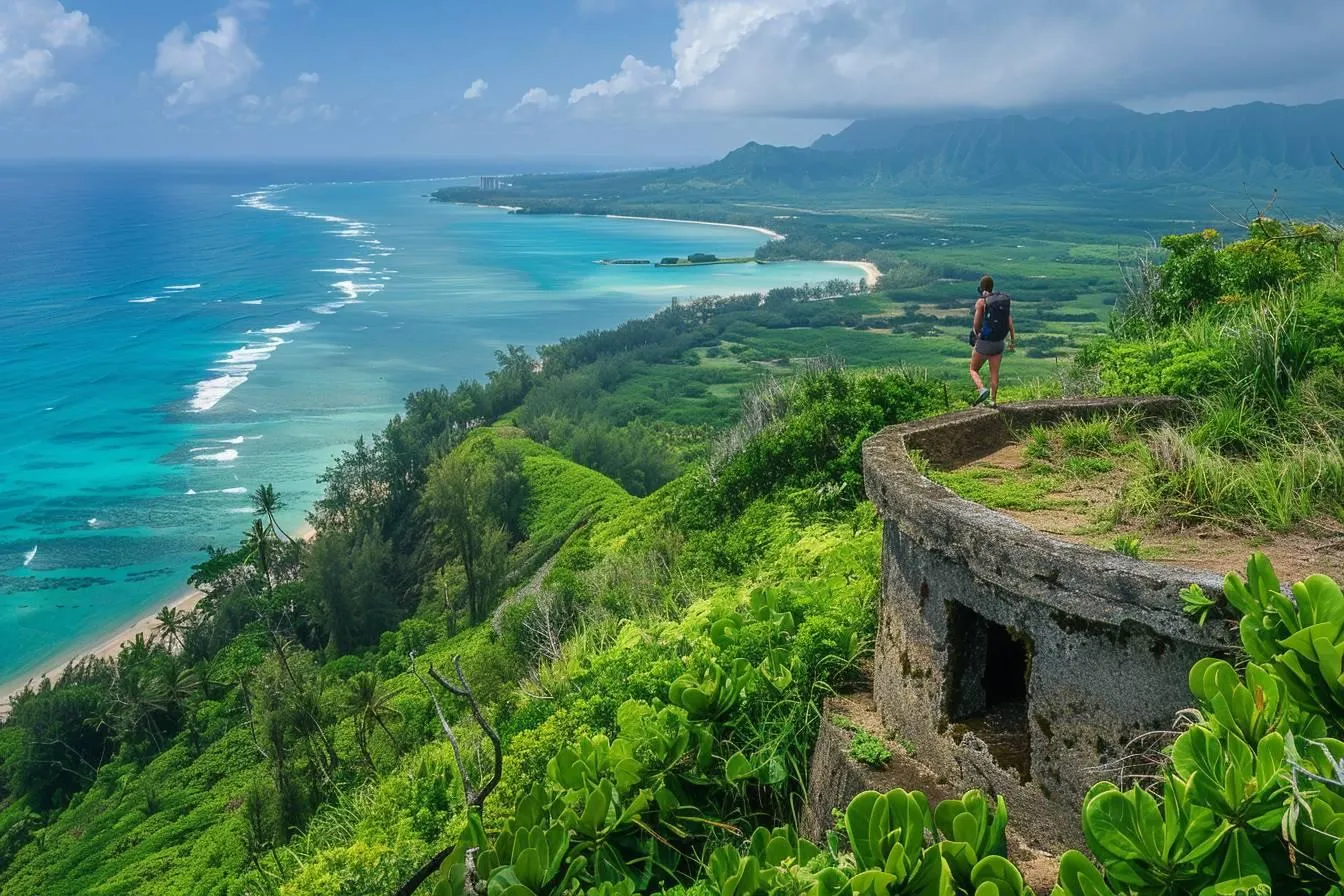
- Worth the detour: Pearl Harbor (book the USS Arizona Memorial timed tickets well ahead), the North Shore in winter for the surf and shrimp trucks, Lanikai Beach on the Windward side, and the Lanikai Pillbox hike at dawn.
- Worth it if you have time: Diamond Head (reserve entry in advance), Manoa Falls, and the Byodo-In Temple.
- Skip if short on time: the big commercial luaus near Waikīkī unless a luau is specifically your goal - better versions exist elsewhere.
Waikīkī is where most first-timers base, and it works as an orientation hub: walkable, dense with food and rentals, and close to the airport (2). The tradeoff is crowds. If you want a quieter Oʻahu, base on the Windward or North Shore side and drive in.
Oʻahu Wayfinder itinerary (7 days)
Scope: 7 days, one island, no inter-island flights. Budget roughly $2,000-$3,500 per person including a midrange hotel, car, food, and a few paid tours - or up to $6,000-$15,000 total for a family of five depending on flight origin and lodging class.
- Day 1 - Waikīkī orientation. Land, grab the rental car, settle in, and walk Waikīkī Beach and Diamond Head’s base for sunset. Low-key on purpose; you’re beating jet lag.
- Day 2 - Honolulu history. ‘Iolani Palace, Bishop Museum, and the National Memorial Cemetery of the Pacific at Punchbowl. A city day that front-loads the culture while you’re fresh.
- Day 3 - Pearl Harbor. The USS Arizona Memorial timed tickets go fast - reserve weeks out in high season. Half a day here, afternoon back in town.
- Day 4 - Hanauma Bay + Koko Crater. Hanauma Bay Nature Preserve requires advance reservations; admission is $25 per person plus $3 for parking, so budget roughly $28 per visitor total (3). Reservations open 2 days in advance at 7:00 a.m. HST on the official site - book the moment the window opens or you’ll lose the slot. Pair it with the Koko Crater Stairs early (more on that hike below).
- Day 5 - Windward coast. Lanikai Beach at sunrise, Kailua town for lunch, Byodo-In Temple, and the coastal drive north.
- Day 6 - North Shore. Waimea Bay, the surf breaks at Pipeline and Sunset in winter, and shrimp trucks at Kahuku.
- Day 7 - Manoa Falls. A short rainforest hike close to town before your flight out.
Book Pearl Harbor and Hanauma Bay first - they’re the two that sell out and dictate the rest of the week’s order.
Koko Crater Stairs - Oʻahu
This is a former WWII railway incline turned into a leg-punishing staircase - roughly 1,048 railroad-tie steps climbing about 1,000 feet in under a mile. Locals treat it as a stair workout, not a scenic stroll, and the summit view over Hanauma Bay and the Windward coast is the payoff.
The logistics that matter:
- Start before 7:00 a.m. There’s almost no shade, and the mid-day heat on the exposed ties turns this into a genuine regret hike for anyone underprepared.
- Carry 1-2 liters of water per person. No fee, but limited parking at the base.
- Allow 1.5-3 hours round-trip. There’s a washed-out middle section where the ties bridge a gap - real drop below, so watch your footing.
Skip it if you’re not reasonably fit or you’re hiking with small kids. It’s advanced, and there’s no gentle version of this trail.
Maui
Maui takes about 25% of mainland arrivals and is the island most people picture when they picture Hawaii. It splits cleanly between scenic driving and resort coast.
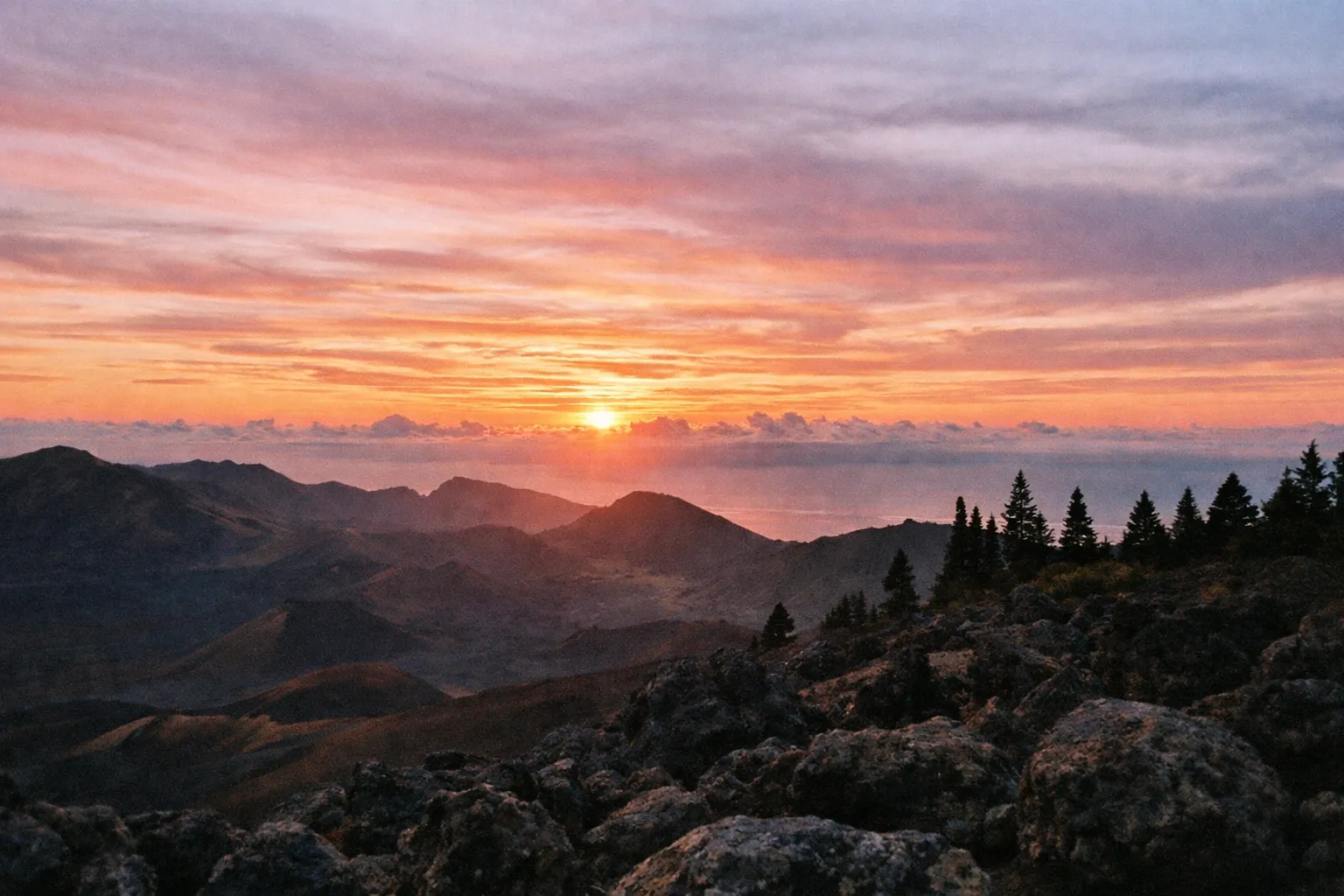
Ranked by whether they’re worth the detour:
- Worth the detour: Haleakalā National Park for sunrise or sunset above the clouds (entry is $30 per vehicle; sunrise requires a separate $1/vehicle reservation on top of that - the two fees are not combined, and the sunrise reservation window opens 60 days in advance at recreation.gov), the Road to Hana with its waterfalls and roadside stands, and ‘Īao Valley with the ‘Īao Needle.
- Worth it if you have time: Kahekili Highway (the rough back road past Hana), Paia town, and a coconut-farm tour at Punakea Palms.
- Skip if short on time: trying to do the full Hana loop and Haleakalā sunrise on the same day. That’s a 10-14-hour marathon and a common mistake.
Mama’s Fish House in Paia is the island’s marquee high-end dinner - reserve months out. For a cultural evening, the Old Lahaina Luau reopened in March 2024 after the Lahaina fire and is back to being one of the state’s best (6).
Top family-friendly spots to visit in Maui, Hawaii
Maui with kids works when you lean on calm water and short days. The best places to visit in Maui, Hawaii, for families cluster around the west and south shores:
- Kapalua Bay and Napili Bay - protected, calm snorkeling that suits mixed ages (5).
- Maui Ocean Center - an aquarium that fills a rainy or beach-tired afternoon.
- Old Lahaina Luau - family-friendly and back open as of 2024 (6). For a budget alternative, South Maui Gardens runs lower-cost hula shows.
Keep the driving days short. A full Road to Hana run with young kids means 10-plus hours in a car winding around blind curves - the scenery doesn’t land when everyone’s carsick. Do a partial Hana drive, turn around, and save the rest.
Families of four or five here typically book condos or midrange hotels near the beach at $250-$500 per night in Kīhei or Kā’anapali, and can keep activity budgets to $150-$250 per day by pairing free beach days with one or two paid showpieces.
Romantic highlights for couples visiting Maui, Hawaii
Maui competes with Kauaʻi for the most romantic island, and the best places to visit in Maui, Hawaii, for couples stack the scenic and the upscale:
- Haleakalā sunrise or sunset above the cloud line - the single most cinematic thing on the island.
- Paia dining, with Mama’s Fish House as the splurge dinner.
- Wailea and Mākena beaches for quiet, resort-adjacent coast.
Couples chasing the resort experience target upscale properties on Maui at $400-$900+ per night. The smarter move: book one splurge night at a marquee resort and fill the rest of the trip with a condo, spending your resort day on a signature experience rather than paying premium rates the whole week.
Kauaʻi
Kauaʻi is the smallest and least developed of the four main islands, drawing only 10-15% of mainland visitors - which is exactly why hikers and scenery-seekers pick it. The best places to visit in Kauaʻi, Hawaii are almost all outdoors.
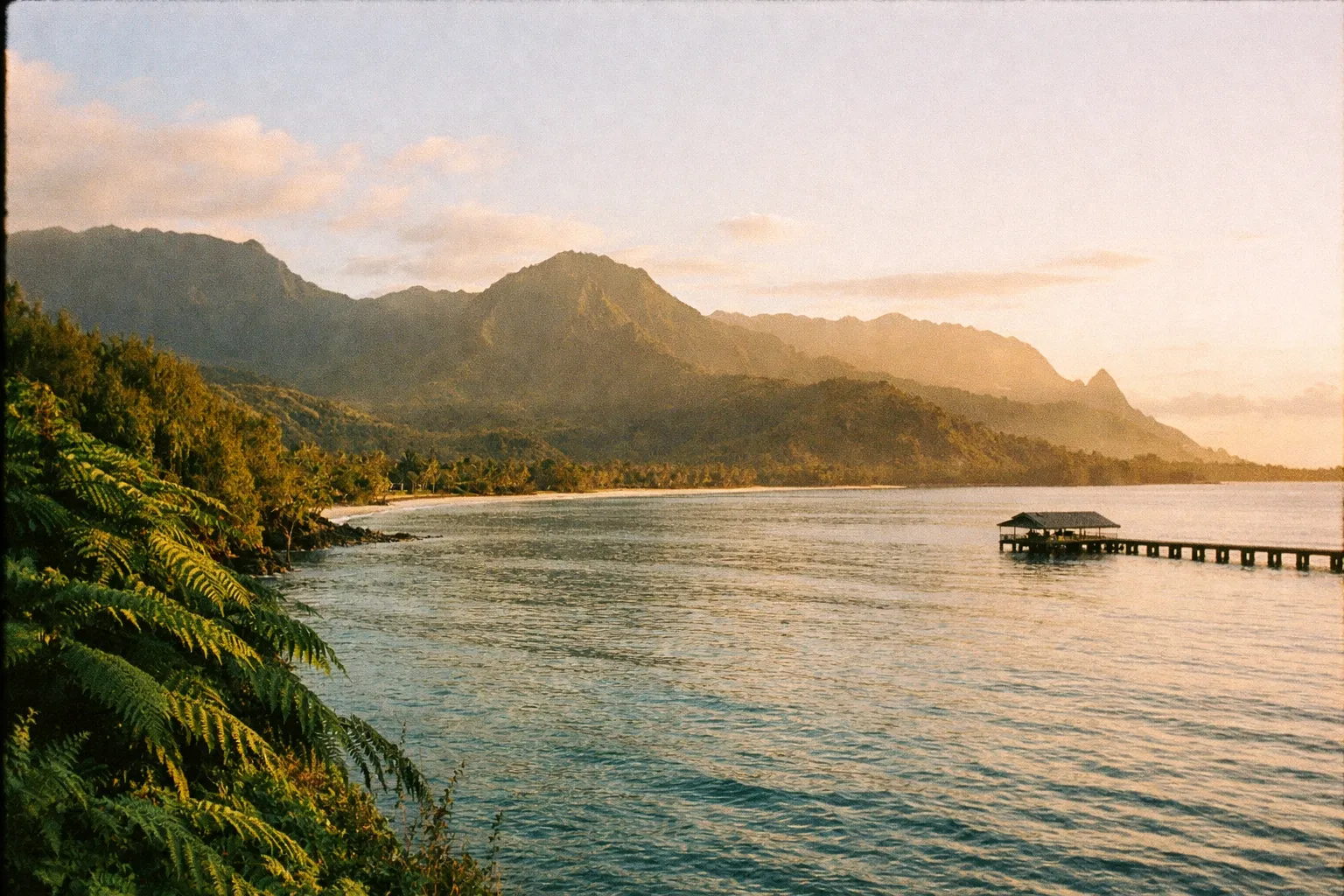
Ranked by whether they’re worth the detour:
- Worth the detour: the Nā Pali Coast (by boat, helicopter, or the strenuous Kalalau Trail - the sea cliffs are the island’s signature), and Waimea Canyon, the “Grand Canyon of the Pacific,” with rim overlooks that reward a full morning.
- Worth it if you have time: the Kūhiō Highway up the North Shore to Hā’ena, Hanalei Bay, and Wailua Falls.
- Skip if short on time: anything requiring you to fight the single-highway traffic at rush hour - Kauaʻi has one main road, and it clogs.
Kauaʻi runs quieter and rainier than the other islands. That rain is what keeps it green, but it also means flash-flood risk on interior trails - which brings us to the island’s most dangerous and most rewarding hike.
Weeping Wall (Blue Hole, Mt. Wai’ale’ale) - Kauaʻi
The Weeping Wall - also called the Blue Hole - sits at the base of Mt. Wai’ale’ale, one of the wettest spots on Earth, where dozens of waterfalls streak a green amphitheater wall (4). It’s been called one of the most beautiful waterfall hikes in the world. It’s also one of the easiest to get badly hurt on.
Don’t treat this as a casual waterfall walk. The route involves multiple river crossings, unmarked navigation, and serious flash-flood exposure - the same rain that feeds the wall can trap you on the wrong side of a river within minutes. Experienced hikers routinely recommend going only with a professional guide or by helicopter (4). Guided experiences run roughly $200-$400+ per person, and that price buys you route knowledge and a read on whether the rivers are safe that day. If conditions are wet, they’ll cancel - let them.
Island of Hawaiʻi (the Big Island)
The Big Island is the largest and geologically youngest, and it’s where you go for volcanoes, stargazing, and space to spread out. It takes 15-20% of mainland arrivals but feels emptier than any of them because it’s so big. The efficient way to see it is with two bases: 3-4 nights in Kona on the dry west side, 2-3 nights in Hilo on the wet east side (7).
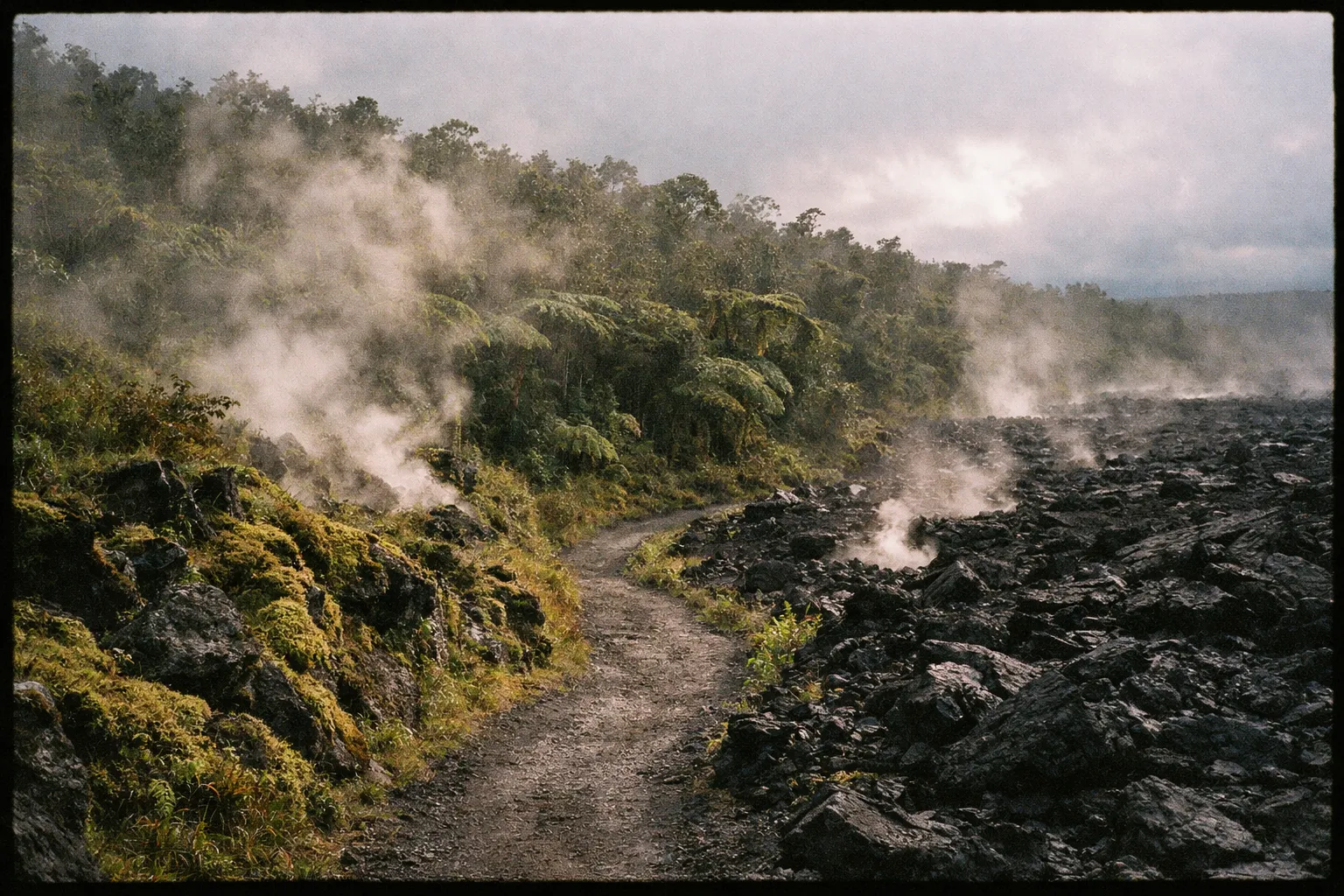
Ranked by whether they’re worth the detour:
- Worth the detour: Hawaiʻi Volcanoes National Park (Kīlauea, the Chain of Craters Road, the Thurston Lava Tube; entry around $30 per vehicle), a Kona-coast manta ray night snorkel, and Mauna Kea for stargazing.
- Worth it if you have time: Hilo’s waterfalls - Akaka Falls and Rainbow Falls - Kona coffee farm tours, and the Waipi’o Valley lookout on the Hamakua Coast.
- Skip if short on time: trying to circle the whole island in a day. The drive times are longer than the map suggests.
Big Island Wayfinder itinerary (7 days)
Scope: 7 days, two bases, roughly $2,000-$3,500 per person with a car (essential here), midrange lodging, and a few tours. Split it Kona-then-Hilo to cut backtracking (7).
- Day 1 - Kohala beach day. Hapuna Beach and the Kohala coast to settle in.
- Day 2 - Captain Cook and manta rays. Snorkel Kealakekua Bay by day; a manta ray night snorkel off the Kona coast after dark.
- Day 3 - Kona town. Coffee-farm tour and the historical site Pu’uhonua o Hōnaunau.
- Day 4 - Volcanoes. A full Hawaiʻi Volcanoes National Park day: Kīlauea viewpoints, the Thurston Lava Tube, and the Chain of Craters Road down to the coast. Relocate to Hilo after.
- Day 5 - Hilo waterfalls. Akaka Falls and Rainbow Falls, both short walks from parking.
- Day 6 - Hamakua Coast. The scenic drive up the coast to the Waipi’o Valley lookout.
- Day 7 - Mauna Kea stargazing. Weather-dependent; the summit road and dark skies close the week.
The Big Island rewards this two-base structure more than any other island - single-base itineraries here burn hours in the car.
Molokaʻi
Molokaʻi is the island for travelers who want “old Hawaiʻi” and don’t need restaurants and nightlife. There are no mega-resorts and the whole island is low-rise by local rule. What you come for is nature and cultural depth (7):
- Hālawa Valley hikes, often done with a local cultural guide who explains the valley’s history.
- Pāpōhaku Beach, one of the widest white-sand beaches in the state, and usually near-empty.
- Views of the north-shore sea cliffs, among the tallest in the world.
Go in knowing the tradeoff: far fewer shops, restaurants, and services than Oʻahu or Maui. If you expect Waikīkī-level convenience, you’ll be disappointed. If you want slow travel and quiet, Molokaʻi delivers what the busy islands can’t. It works best as a second or third Hawaii trip, not a first.
How to get there: Molokaʻi is served by Molokaʻi Airport (MKK) with commuter flights from Honolulu on Mokulele Airlines - typically 25 minutes and $80-$150 one-way. There is no direct ferry from Oʻahu. Rental cars are limited; book before you arrive or you will be walking.
Best month to visit: April or May. The winter swell that makes the north-shore cliffs dramatic also closes some coastal access roads from November through February. Spring gives you calmer water, lower rain on the south side, and no peak-season crowds - Molokaʻi never really has peak-season crowds, but April keeps costs down.
One thing most guides get wrong: they treat Molokaʻi as a day trip from Maui. The ferry from Lāhainā runs once daily each direction (roughly 90 minutes, $35-$45 each way), and a day trip leaves you with about four usable hours on the island. Two nights minimum is the honest minimum to see Hālawa Valley and Pāpōhaku Beach without rushing.
Cost range: Budget $150-$250 per night for a condo or vacation rental - there are no major hotel chains. Add $60-$120 per day for a rental car and food. A two-night stay runs roughly $500-$800 per person all-in, not counting the flight or ferry from Maui.
Lānaʻi
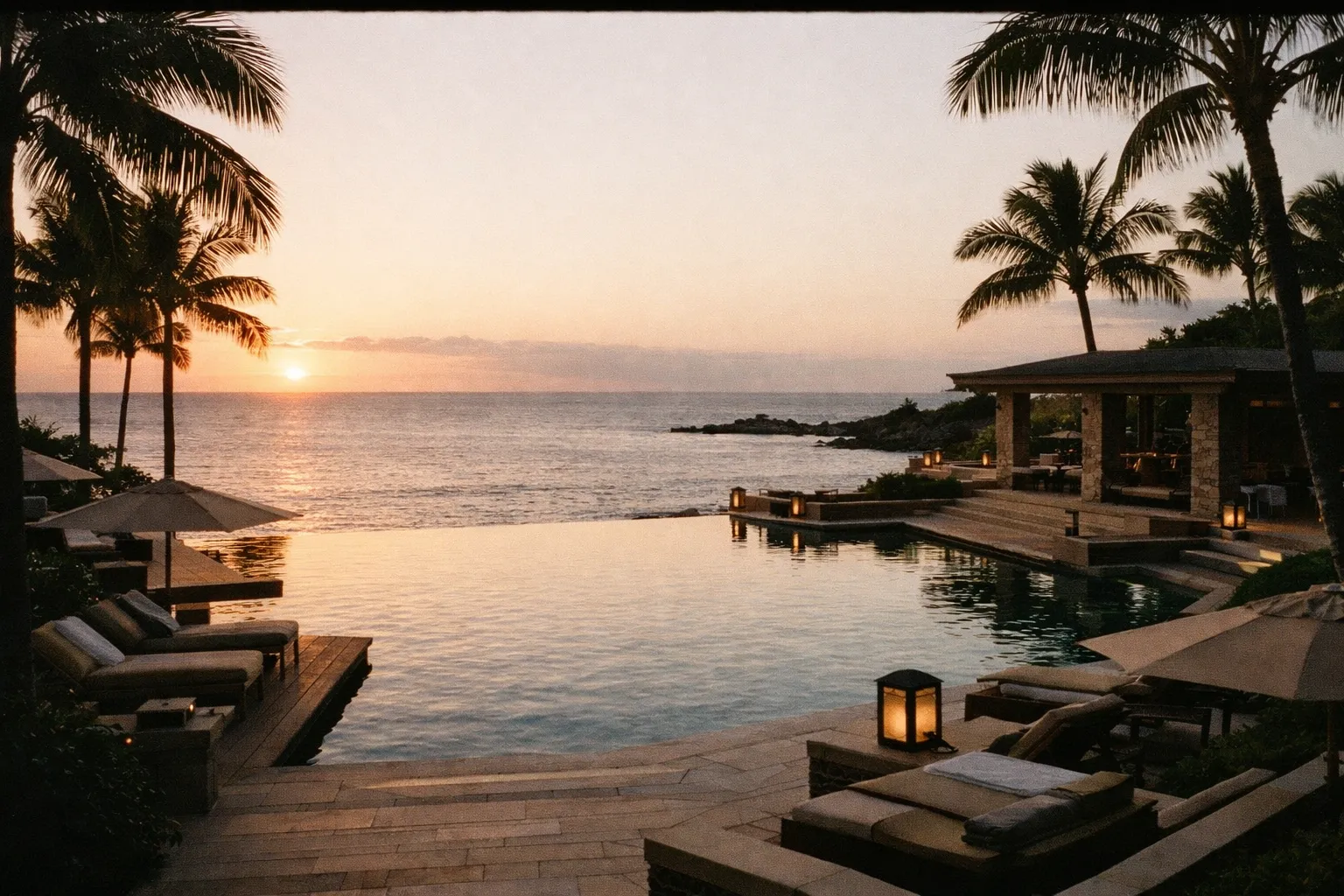
Lānaʻi is the small, upscale-and-empty option, usually reached by a short ferry from Maui’s Lāhainā side. It runs on two speeds: high-end resort seclusion and rugged off-road exploring. Couples and luxury travelers come for the quiet resorts and near-empty beaches; the adventurous rent a 4x4 and take the rough roads to spots like the Garden of the Gods rock formations. Hulopo’e Bay is the standout beach - protected, good snorkeling, and often uncrowded. Like Molokaʻi, it has minimal dining and shopping outside the resorts, so it suits a focused two-or-three-day add-on rather than a full week.
How to get there: The Expeditions Ferry runs from Lāhainā Harbor on Maui to Mānele Harbor on Lānaʻi - roughly 45 minutes, $30-$35 each way, with four to five departures daily. Book at least a week ahead in high season (June through August, December through January); the boats sell out. Lānaʻi Airport (LNY) also has commuter flights from Honolulu, but the ferry is cheaper and more scenic.
Best month to visit: September or October. Summer crowds thin out, the ferry is easier to book, and the weather on Lānaʻi’s south coast stays dry and clear. Avoid holiday weekends - the island’s small size means even modest visitor spikes feel crowded at Hulopo’e Bay.
One thing most guides get wrong: they price Lānaʻi as a luxury-only destination. The Four Seasons properties here run $800-$1,200+ per night, but you can stay at the Hotel Lānaʻi - the island’s only non-resort lodging - for $200-$350 per night and access the same beaches and 4x4 roads. The beach and the Garden of the Gods cost nothing; the resort is optional.
Cost range: Hotel Lānaʻi runs $200-$350 per night; Four Seasons properties run $800-$1,200+. Add $150-$200 per day for a 4x4 rental (essential for the unpaved roads) and meals. A two-night stay at the midrange option runs roughly $700-$1,000 per person all-in from Maui.
What’s upscale in Hawaii?
“Upscale” in Hawaii spans a wide price band, and knowing the tiers keeps you from overpaying or under-planning.
- Full luxury resorts on Maui, Oʻahu, and Lānaʻi run $500-$900+ per night, with the top Wailea, Kā’anapali, and Lānaʻi properties at the high end.
- Midrange hotels and condos near good beaches sit at $250-$500 per night and cover most family trips comfortably.
- Boutique and quiet stays on Kauaʻi, Molokaʻi, and Lānaʻi trade resort amenities for seclusion and character.
The value move is to hybridize: book one splurge night - a Maui or Lānaʻi resort at $500-$800 - and fill the rest with condo or midrange stays, spending the splurge day on a signature experience like a Haleakalā sunrise, a Mākena beach afternoon, or a Paia fine-dining dinner. You get the upscale memory without the upscale week.
Cruising Hawaii guide
Cruising is the underrated way to touch multiple islands without booking inter-island flights, and it fills a gap most “top 10 places” lists ignore. The options cluster into three types (3):
- Weeklong interisland cruises - the most efficient for seeing several islands without flying, typically starting around $1,500-$2,500 per person including meals and inter-island transport.
- Round-trip West Coast-Hawaii itineraries - usually 14-18 nights, with several sea days on each end.
- One-way repositioning cruises - cheaper per night but require a one-way flight home.
The port calls that matter are Honolulu, Hilo, Kona, Kauaʻi, and Maui. Treat each port day as a mini-itinerary rather than a bus tour:
- In Hilo, prioritize Hawaiʻi Volcanoes National Park plus one waterfall (Akaka or Rainbow).
- In Kona, pair a coffee-plantation tour with snorkeling or the historical site Pu’uhonua o Hōnaunau.
- In Kauaʻi, a Nā Pali Coast boat tour is the standout.
Shore excursions run roughly $75-$250 each on top of the fare, so budget for two or three per port, not one.
Most beautiful places in Hawaii
If you’re chasing scenery above all, these are the places that top photo itineraries stack - each with a timing or reservation catch worth knowing (4)(5)(7)(9):
- Nā Pali Coast (Kauaʻi) - by boat, helicopter, or the strenuous Kalalau Trail. The sea cliffs are the state’s most photographed coastline.
- Waimea Canyon (Kauaʻi) - best in clear morning light before the interior clouds up.
- Haleakalā (Maui) - sunrise requires a separate advance reservation; sunset doesn’t and is nearly as good with smaller crowds.
- Lanikai Beach (Oʻahu) - go at sunrise for the light on the offshore Mokulua islets.
- Mauna Kea (Big Island) - the darkest skies in the state, weather permitting.
- Molokaʻi sea cliffs - among the tallest in the world, best seen from the water or air.
These reward specific timing and reservations more than luck. Plan the beautiful stuff; don’t wing it.
Native plants in Hawaii
Hawaii’s isolation produced a level of endemic biodiversity you won’t find anywhere else, and the native plants are woven into the culture as much as the landscape. The vibrant ‘ohi’a lehua and the fragrant maile both carry deep meaning in traditional Hawaiian practice and hold together fragile ecosystems.
Understanding these plants is partly about respect and partly about not spreading harm. Rapid ‘Ōhi’a Death, a fungal disease, has killed vast stands of ‘ōhi’a on the Big Island - which is why you’ll see boot-cleaning stations at trailheads. Use them. For travelers who want to go deeper, educational tours highlighting native flora and the conservation work protecting it are a better use of a morning than another crowded overlook.
Frequently Asked Questions
- What is the nicest part of Hawaii to visit?
- Kauaʻi's Nā Pali Coast and Waimea Canyon top scenery rankings; Oʻahu balances sights with easy logistics for first trips.
- Is $1000 enough for a week in Hawaii?
- $1,000 can cover a solo week on-island with budget lodging and food, but including airfare, realistic spending is $1,500-$2,500 per person.
- Is Maui or Oahu better?
- Oʻahu offers urban energy and easier logistics; Maui has scenic drives and resorts at higher cost. Oʻahu suits first-timers better.
- Where should I go for the first time in Hawaii?
- Oʻahu for 5-7 days is cheapest and easiest with iconic sites; add Maui or Big Island only if you have 8-10 days and a willingness to fly.
- Can I visit multiple islands without flying?
- Inter-island cruises offer a way to see multiple islands without flights, starting around $1,500-$2,500 per person including meals and transport.
- Are guided hikes recommended in Kauaʻi?
- Yes, especially for hazardous hikes like the Weeping Wall; guides ensure safety and route knowledge amid flash-flood risks.