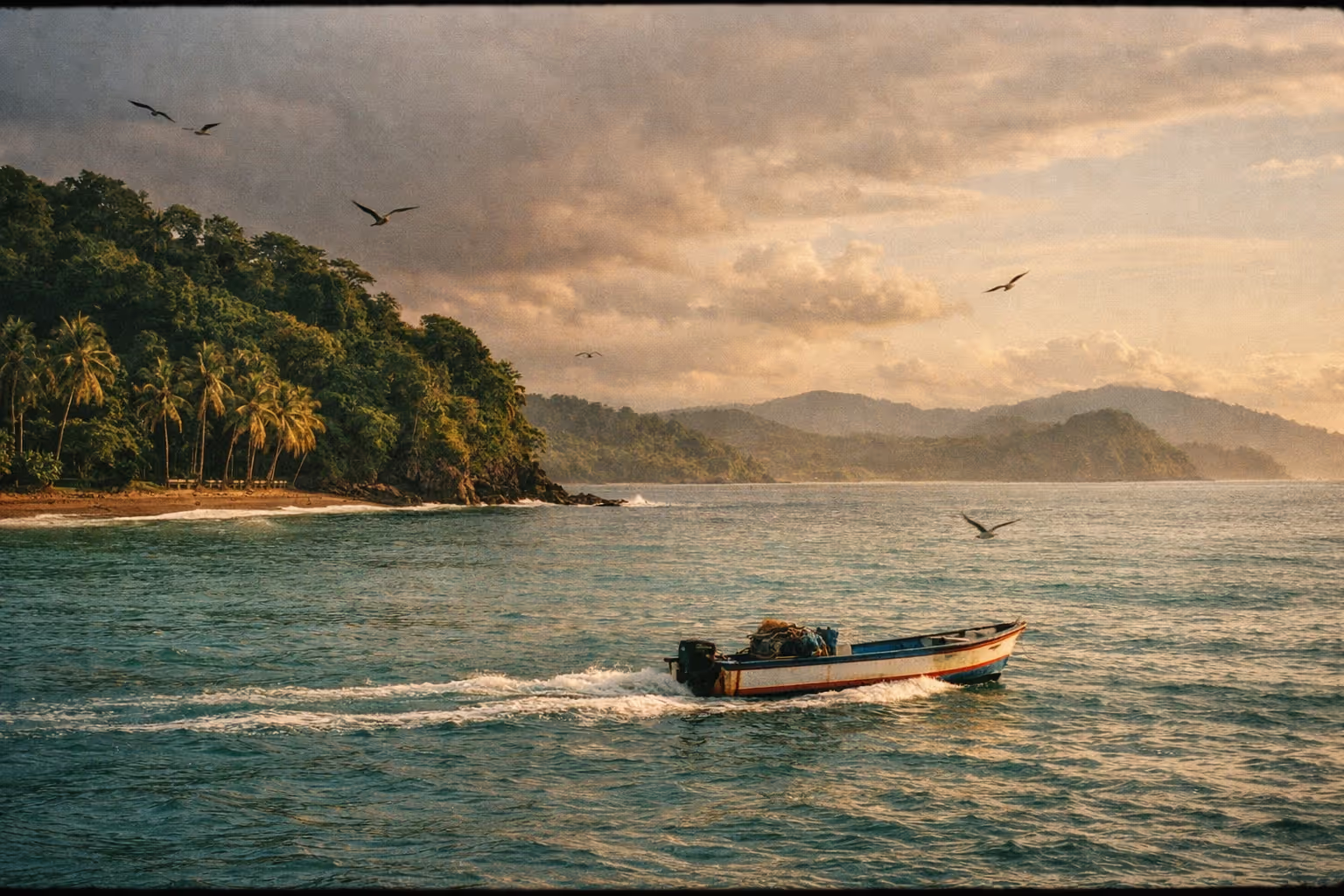
Ask ten people about the best time to visit Costa Rica and you’ll get ten confident, contradictory answers. That’s because the country doesn’t have one right window - it has several, and they depend entirely on what you’re after. Book December for guaranteed Pacific sun and you’ll pay peak prices and share the trails with everyone else who read the same advice; go in November instead and you’ll get lush rainforest, roughly half the crowds, and the same wildlife. The dry-versus-wet binary is a starting point, not an answer, because on any given day the Pacific and Caribbean coasts can be in completely opposite conditions.
This guide reframes the question. Instead of naming a single “best” month, it matches your trip type - beach, budget, wildlife, family - to the window that actually serves it, then gives you the booking mechanics to lock it in.
✓ Pros
- Year-round warmth and wildlife activity
- Green season brings dramatic discounts and lush scenery
- Dry season offers reliable beach weather and easier road conditions
- Shoulder months (May-June, November) balance cost, crowds, and conditions
- Caribbean coast offers a 'reverse' dry season in Sep-Oct
✗ Cons
- Peak weeks (Christmas, Easter) are expensive and crowded - book months ahead
- Sep-Oct on the Pacific side means heavy rain, muddy trails, and higher mosquito activity
- No single month is perfect for every region simultaneously
- July-August now nearly as busy as December-January - the 'off-peak summer' advantage has largely disappeared
Costa Rica’s Two Seasons - and Why the Simple Version Misleads You
Costa Rica has two seasons on the Pacific side: a dry season running roughly December to April and a green season (also called the rainy season) from May to November. According to the Costa Rican Tourism Institute (ICT), the Pacific dry season runs December to March with April as a transition month, and the rainy season spans May to October with November transitioning back (visitcostarica.com). That’s the framework most “best time” advice is built on - and it’s also where the trouble starts, because it assumes the whole country moves in sync. It doesn’t.
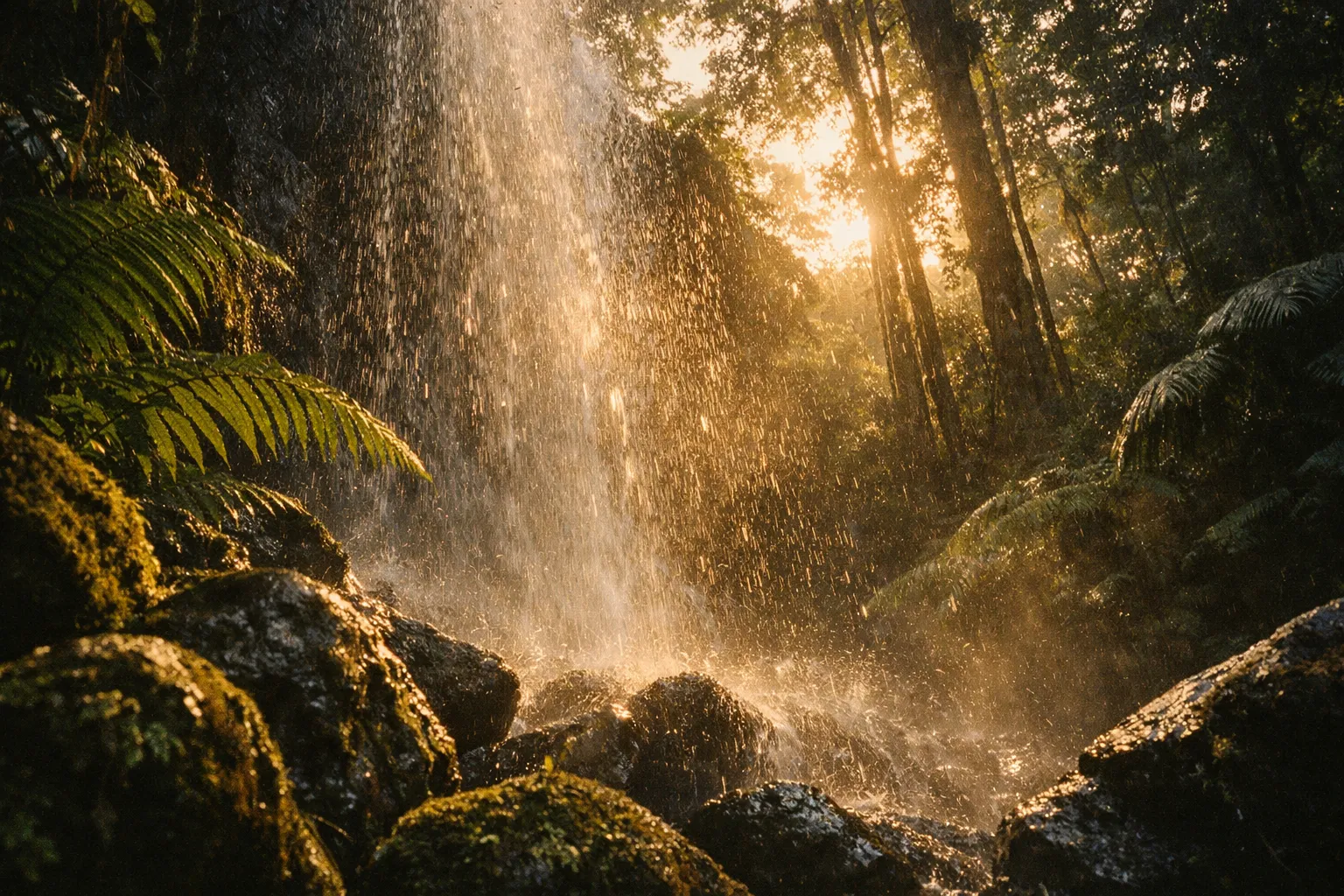
Two clarifications matter before you plan anything. First, “rainy season” rarely means all-day rain. ICT notes that on the Pacific, rains “mainly occur during the afternoon and early evening” - so a typical green-season day gives you a sunny morning, an afternoon downpour, and clearing skies by dinner. Second, there’s a break inside the rainy season: the veranillo, or “little summer,” a drier spell in July-August on the Pacific driven by intensified trade winds. A mid-July dry spell can extend into early August, strongest in Guanacaste.
The Central Highlands act as a third micro-climate. San José and the Central Valley stay cooler year-round, with highs around 78-82°F (26-28°C) and lows near 65°F (18°C), and Monteverde’s cloud forest stays misty regardless of the calendar. Seasonal swings up here are gentler than on either coast.
Pacific Coast vs. Caribbean Coast - Opposite Seasons, Same Country
The single most useful thing to internalize: when the Pacific is at its wettest, the Caribbean is often at its best. Climate summaries for Tortuguero on the Caribbean coast report the lowest chance of significant precipitation in September, August, and October - exactly the months most guides warn you off the Pacific. The Caribbean is wetter overall and less predictable, but its drier window flips the Pacific pattern on its head.
Nearly all generic “best time” advice defaults to Pacific conditions. If your trip centers on Tortuguero or the Puerto Viejo area, you need a different planning calendar entirely - and if you’re splitting a week between coasts, accept that both won’t be in their prime at once.
Best Time to Visit Costa Rica - Matched to Your Trip Type
The best time to visit Costa Rica is whichever window matches your priority - beach reliability, budget, family scheduling, or specific wildlife - not a single universal month. Here’s how the windows break down.
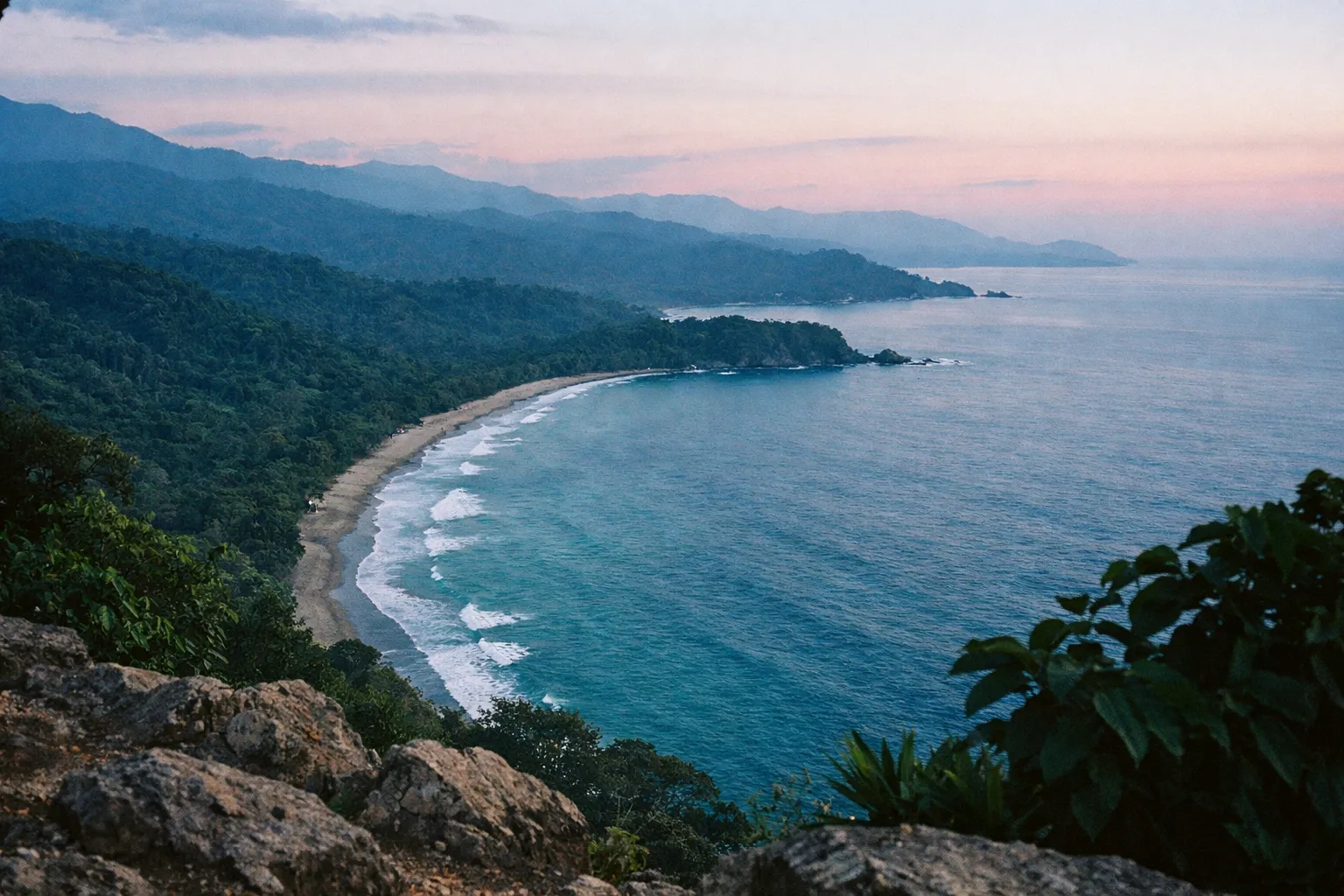
Snapshot of Costa Rica’s best travel windows: Pacific beach highs 82-92°F, San José highs 78-82°F, park entry $18-$20, Drake Bay tours $110-$150, San José-La Fortuna drive 3-3.5 hours, biodiversity share 6%.
Dry season (December-April) is the pick for beach-focused trips, first-timers who want dependable sun, self-drive travelers, and anyone with low tolerance for mosquitoes. January-March is the heart of the Pacific dry season, with beach highs around 82-92°F (28-33°C) and Guanacaste rainfall as low as 0.5-1.5 inches (13-38 mm) in December. The tradeoff: peak prices and crowds around Christmas-New Year and Semana Santa.
Shoulder months (May-June, November) are the value sweet spot - the best ratio of cost to conditions you’ll find. Fewer visitors, discounted lodging and tours, vivid green landscapes, and rain that’s manageable if you schedule around it. Photographers and birdwatchers should target this window.
Veranillo / July-August suits families tied to school holidays. July and August bring a respite in Pacific rainfall relative to other green-season months, making them attractive for family hiking and whale watching, with a lesser chance of getting wet. One caveat worth repeating: these months now approach December-January popularity, so the price advantage is smaller than it used to be.
Deep green season (September-October) delivers the lowest prices and smallest crowds on the Pacific - but also the heaviest rain. This is when you flip to the Caribbean’s drier stretch, or plan around whale watching and turtle nesting. If you can handle wet Pacific conditions, your money goes further here than any other time of year.
One insider note: early-to-mid January, just after New Year’s, is a genuine sweet spot. Crowds drop by roughly half after January 1 (3), the weather stays dry, and prices ease off the holiday peak.
When to Go for the Best Prices
September and October carry the lowest accommodation rates and the thinnest crowds on the Pacific side. May, June, September, October, and late November to mid-December are the least busy months at Marino Ballena National Park, with the park quite empty during these green-season dates.
For the best value without the September-October rain, aim at May-June or November. Christmas-New Year and Easter are the most expensive weeks by a wide margin - book flights and accommodation several months out. July-August pricing is moderate but climbing; advance booking is now needed for Arenal, Manuel Antonio, and Guanacaste.
When to Go to Avoid the Crowds
Mid-January onward is the practical crowd-avoider’s window in dry season - after the holiday surge clears, visitor numbers roughly halve while the weather holds. September and October leave Pacific attractions near-empty, but the weather tradeoff is real. May and November are the two shoulder months that thread the needle: manageable rain, real discounts, and far fewer people than peak season.
Month-by-Month Breakdown - What to Actually Expect
Here’s the granular version. Each month gets weather character, crowd level, price tier, and one reason to go or skip.
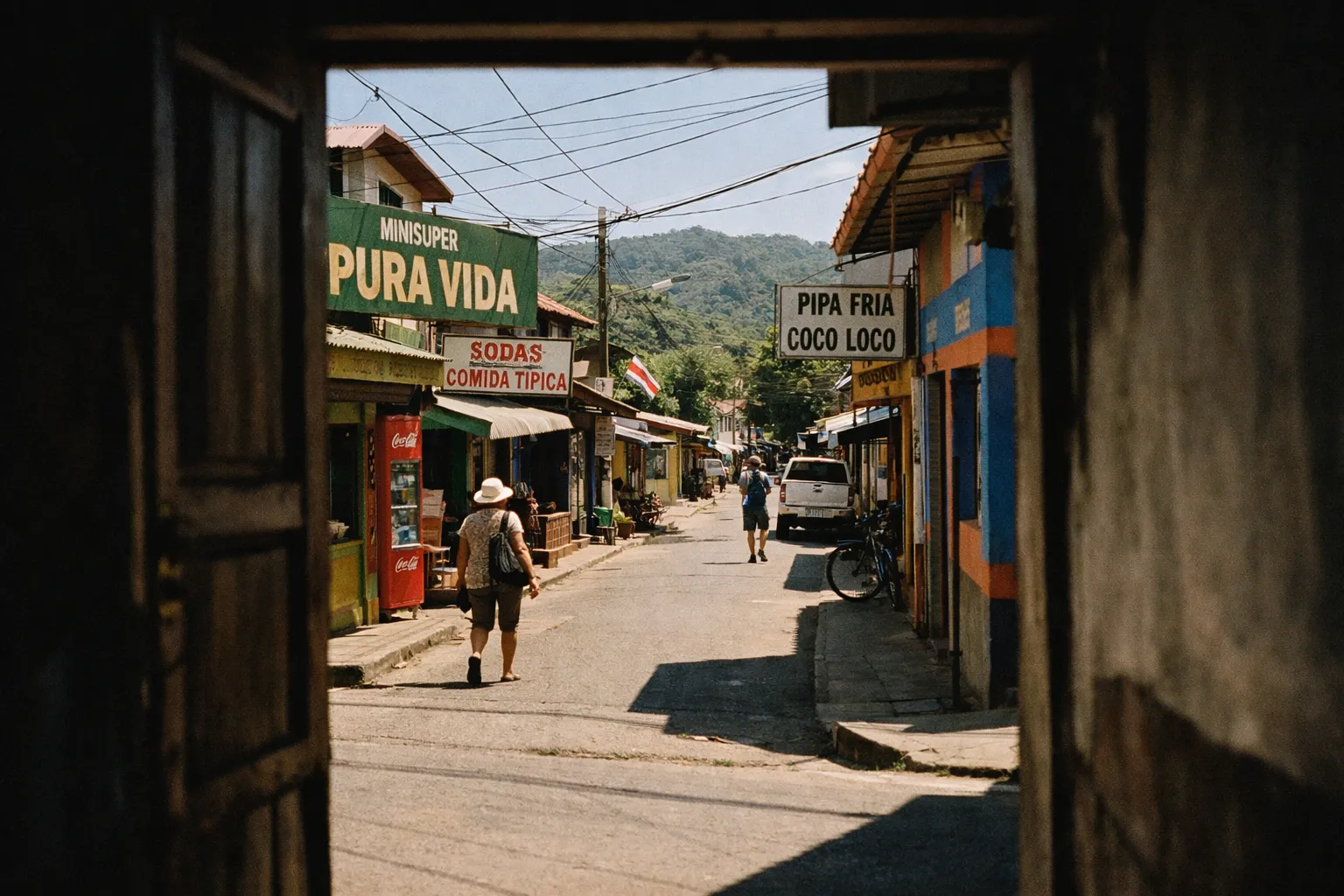
January - Dry and sunny on the Pacific, wetter on the Caribbean. Crowds start high but ease notably after mid-month; prices slide from high to moderate. Go for beach and wildlife with post-holiday value. San José highs sit around 78-82°F (26-28°C).
February - The driest stretch of the year on the Pacific, with beach highs in the 80s to low 90s°F (around 28-33°C). Moderate crowds, moderate prices. Prime quetzal season and excellent self-drive conditions.
March - Still sunny and dry. Crowds and prices tick up, especially if Easter falls late in the month. Great for beaches; plan around Semana Santa.
April - A transition month. Guanacaste beach highs run 88-92°F (31-33°C) with rainfall creeping to 1-2 inches (25-51 mm). Moderate crowds outside the Easter spike. Good for late dry-season photography.
May - Green season opens; afternoon showers become regular but mornings stay clear. Low crowds, low-to-moderate prices. One of the best months for budget travel, birdwatching, and saturated greenery.
June - Regular afternoon rain, still-clear mornings. Low crowds, good savings. Pacific surf season is picking up.
July - The veranillo brings a mid-month dry spell. Beach highs around 82-87°F (28-31°C), San José near 78°F (26°C), Guanacaste rainfall 3.5-8 inches (89-203 mm). Moderate crowds. The strongest family-travel month.
August - Veranillo conditions can hold, though Guanacaste rainfall climbs to 7-14 inches (178-356 mm). Moderate crowds and prices. Turtle nesting is underway at Tortuguero.
September - The wettest Pacific month, and the cheapest. Very low crowds. Caribbean-coast time, plus whale and turtle season - a strong budget pick if you plan around the coast.
October - Rivals September for rain and low prices on the Pacific. Very low crowds. Best for the Caribbean and wildlife events.
November - Rain eases, crowds haven’t returned, and birdwatching and photography conditions are excellent. Low crowds, low-to-moderate prices. Arguably the most underrated month on the calendar.
December - Dry season returns. Early December (1-15) is a brief sweet spot with moderate crowds and prices; late December (16-31) becomes peak holiday season with maximum crowds and prices. Split your planning accordingly.
Month-by-Month Overview of Costa Rica
| January | February | March | April | May | June | July | August | September | October | November | December | |
|---|---|---|---|---|---|---|---|---|---|---|---|---|
| Season | Dry | Dry | Dry | Dry → transition | Green | Green | Green (veranillo) | Green (veranillo) | Green (wettest) | Green (wettest) | Green → Dry | Dry |
| Pacific Weather | Sunny, minimal rain | Driest stretch | Sunny | Mostly dry | Afternoon showers begin | Regular afternoon rain | Drier spell | Drier spell | Heaviest rain | Heaviest rain | Rain easing | Dry returns |
| Caribbean Weather | Wetter | Wetter | Wetter | Wetter | Wetter | Wetter | Mixed | Mixed | Drier | Drier | Mixed | Wetter |
| Crowd Level | High (eases mid-month) | Moderate | Moderate-High | Moderate (spike at Easter) | Low | Low | Moderate | Moderate | Very Low | Very Low | Low | Low → Very High |
| Price Tier | High → Moderate | Moderate | Moderate-High | Moderate-High | Low-Moderate | Low-Moderate | Moderate | Moderate | Lowest | Lowest | Low-Moderate | Moderate → Very High |
| Best For | Beach, wildlife, post-holiday value | Beaches, quetzal season, self-drive | Beach; avoid Easter week | Late dry season; photography | Budget travel, birdwatching, greenery | Savings, surf season begins | Family travel, balanced conditions | Family travel, turtle season begins | Caribbean coast, budget, whale/turtle | Caribbean coast, budget, wildlife events | Birdwatching, photography, shoulder value | Early Dec sweet spot; avoid late Dec |
Best Months Overall
If you want the shortlist most guides converge on: January-April for dry-season reliability, July for the veranillo plus family scheduling, and November for shoulder-season value. Those three windows cover the great majority of travelers.
Worst Months for Most Travelers
September and October on the Pacific side are the hardest sell for a typical trip: heaviest rain, muddy trails, higher mosquito activity, and occasional road closures. But “worst” is conditional - if you’re targeting the Caribbean coast or specific wildlife events, these same months are among the best of the year.
Wildlife Seasons - When and Where to See Costa Rica’s Animals
Wildlife viewing is productive year-round - the country holds roughly 6% of global biodiversity on about 0.03% of the planet’s land (visitcostarica.com). “Year-round” is genuine, but specific species and events run on their own calendars.
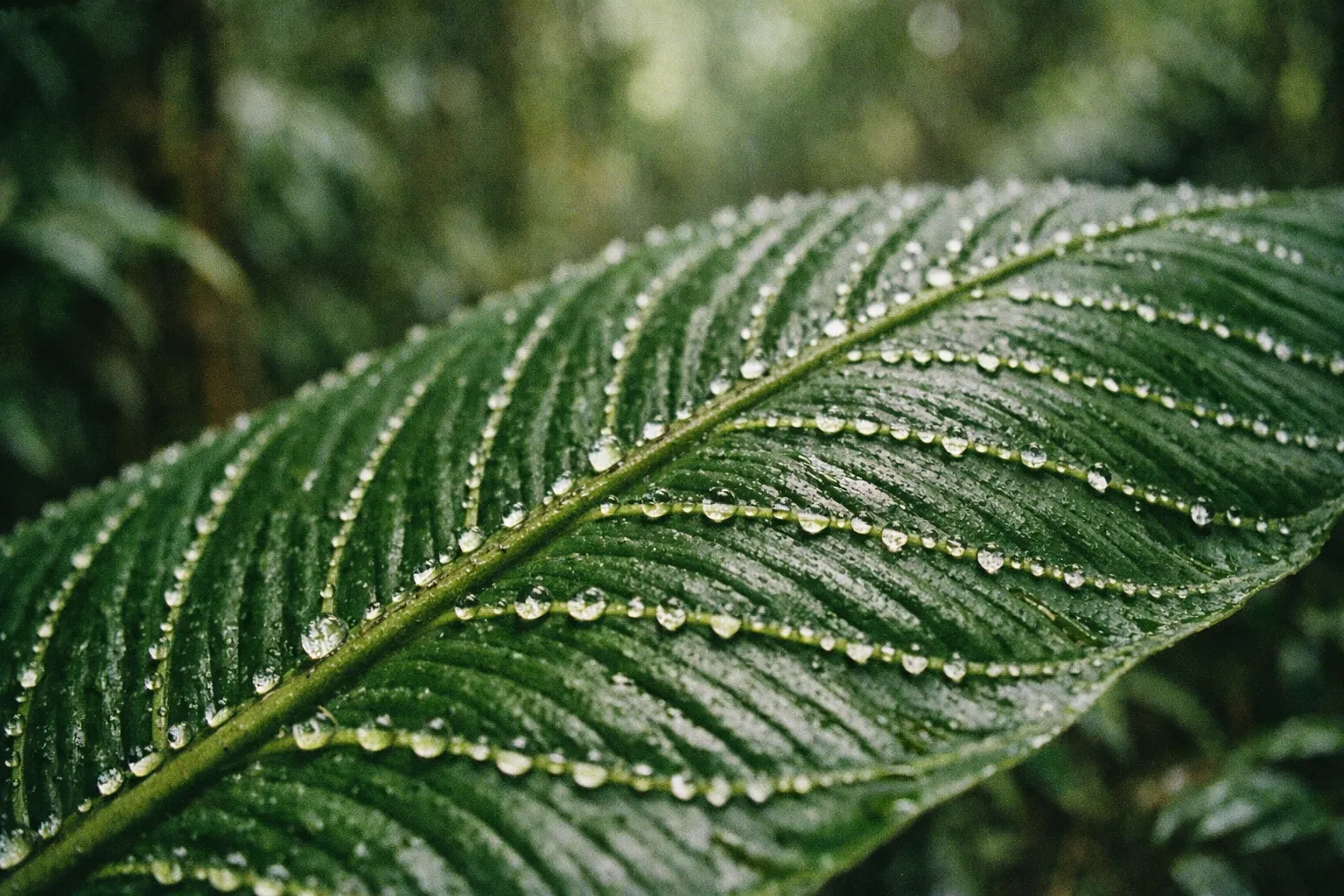
In the dry season (December-April), animals concentrate around shrinking water sources, which makes them far easier to spot, and trails stay passable. This is when Corcovado National Park on the Osa Peninsula is at its best - its trails turn to mud after May. I’ve watched guides at Corcovado work the dry-season water holes in February with results that would be nearly impossible to replicate in October.
Turtle nesting is a headline event. Tortuguero National Park on the Caribbean coast peaks July to October, with August-September the most intense stretch for green-turtle nesting. On the Pacific, Ostional sees olive ridley arribadas from roughly August through December.
Whale watching runs in two windows. Southern Hemisphere humpbacks arrive on the Pacific from about July to October, peaking August-September, while Northern Hemisphere humpbacks visit December to April, peaking January-February. Marino Ballena National Park is the reference point for both.
For birds, resplendent quetzals are most visible in the cloud forests of Monteverde and San Gerardo de Dota during their February-April breeding season, when males display and hold territory. November is also strong, drawing migratory species.
Don’t write off rainy-season wildlife. Amphibians, insects, and reptiles are more active, waterfalls run at full volume, and the canopy is at its densest - animals are still very findable with a good guide, and you’ll have the trails largely to yourself. For a deeper look at what you can encounter and when, the Costa Rica Wildlife: Where and When to See It guide breaks down species by season and region.
Best Areas for Wildlife in Costa Rica
The single most biodiverse area is Corcovado on the Osa Peninsula, but the right park depends on your target species more than on any single “best month.” For planning purposes: Corcovado is worth the logistics for anyone serious about wildlife; Manuel Antonio is the easier call for a first trip or a mixed beach-and-wildlife itinerary; Tortuguero is non-negotiable if sea turtles are the priority; Monteverde is worth the detour for birders but can feel crowded and rushed if you’re not there early. Skip Monteverde if your schedule is tight and wildlife is secondary to beaches.
- Corcovado National Park (Osa Peninsula) - the most biologically intense place in the country, best December-April, guided access only. Day tours from Drake Bay run around $110, per Drake Divers and GetYourGuide listings for the Sirena Station full-day tour (boat, guide, lunch, and park entry included), with some operators pricing higher depending on group size and inclusions.
- Tortuguero National Park - Caribbean side, boat-access only, sea turtle nesting July-October. Pair it with canal kayaking.
- Monteverde Cloud Forest Reserve - the standard for quetzals and hummingbirds; go with an early-morning guide. Cool and misty in every season.
- Manuel Antonio National Park - the easiest wildlife-and-beach combo, with sloths, white-faced capuchins, and a swimmable beach inside the park. Entry is $18.08 for non-resident adults, per SINAC’s official tariff; book online in advance during dry season and arrive for the 7 AM opening.
Match the destination to the species you most want to see, and the month usually sorts itself out.
Regional Weather at a Glance - Pacific, Caribbean, and the Highlands
The single biggest planning error is treating Costa Rica as one uniform climate. It runs on at least four distinct regional patterns.
Pacific Coast (Guanacaste, Nicoya, Jacó, Manuel Antonio) has the classic, well-defined dry season December to April, its wettest months in September-October, and the veranillo break in July-August. ICT confirms this pattern applies across the main Pacific tourism zones (visitcostarica.com). Guanacaste is the driest Pacific subregion in dry season - this is where beach odds are highest. For a closer look at the best beaches along this coast and their seasonal conditions, the Best Beaches in Costa Rica for Wildlife: 2026 Guide covers the key spots in detail.
Caribbean Coast (Tortuguero, Puerto Viejo area) is wetter and more irregular overall, with rain possible in any month - but its drier window in September-October is the “secret dry season” that flips the Pacific calendar. Independent climate data for Tortuguero puts September, August, and October as the lowest-precipitation months. Travelers planning time in this region will find the Limon Costa Rica: Beaches, Sloths, Cruise Port Guide a useful companion for the Puerto Viejo area and beyond.
Central Highlands / Central Valley (San José, Arenal, Monteverde) stays cooler year-round - San José highs around 78-82°F (26-28°C), lows near 65°F (18°C). Monteverde holds its mist regardless of month; Arenal sees rain most of the year but is noticeably drier December-April.
Osa Peninsula is among the rainiest regions in the Americas. SINAC and park-management guidance strongly favor December-April visits, when Corcovado’s river crossings and backcountry routes are passable; after May the trails become genuinely difficult (sinac.go.cr).
If you’re splitting a week between the Pacific and Caribbean, accept that both coasts won’t be in their best window at the same time. Build the itinerary around whichever coast matters most to you, and treat the other as a bonus rather than a guarantee.
Regional Weather Patterns in Costa Rica
| Pacific Coast | Caribbean Coast | Central Highlands / Central Valley | Osa Peninsula | |
|---|---|---|---|---|
| Best Months | Dec-Apr (dry), Jul-Aug (veranillo) | Sep-Oct (secret dry season) | Dec-Apr (drier) | Dec-Apr (dry season) |
| Worst Months | Sep-Oct (wettest) | Varies; rain possible any month | Rain most of year but less intense | May-Nov (very wet) |
| Notes | Classic dry season; Guanacaste driest; veranillo dry spell mid-year | Opposite pattern to Pacific; less predictable | Cooler year-round; Monteverde misty; Arenal wetter except dry season | One of Americas' rainiest; trails difficult outside dry season |
Health, Mosquitoes, and Road Conditions by Season
The main things to beware of in Costa Rica are seasonal, not constant - mosquito-borne dengue, muddy or washed-out roads, and rougher seas all track the rainy months.
Mosquito activity is lowest in the dry months (December-April) and highest in peak rainy months (September-October). Dengue is the primary concern, concentrated in lowland Pacific and Caribbean zones, with cases clustering between roughly May and November. Use a repellent with 20-30% DEET or picaridin, and apply it at dawn and dusk - the highest-bite windows - especially near wetlands and low-lying rainforest.
Road conditions favor the dry season, when better surfaces and lower landslide and flood risk make self-drive travel straightforward. ICT flags that the rainy season can bring washed-out rural roads, mud on unpaved routes, and occasional storm closures, particularly in coastal and mountainous areas (visitcostarica.com). Green-season travelers should build extra time into every driving leg and expect the occasional boat cancellation in Osa and the Caribbean.
Trail conditions follow the same logic. Corcovado turns to mud after May; Arenal and Monteverde stay walkable year-round but get slick in heavy rain. During May-November, front-load hikes into the morning, when the weather is most reliable.
That scheduling instinct is how experienced green-season travelers avoid frustration: book outdoor tours - canopy, hiking, rafting - for the morning, and save afternoons for coffee tours, hot springs, cultural stops, or anything indoors. The typical green-season rhythm is cloudy, dry mornings followed by on-and-off rain from noon - plan your day around it and the rain stops being a problem.
One packing note for everyone: even dry-season travelers should carry a light rain layer. Localized showers happen year-round; the goal is managing expectations, not chasing zero rain. For a broader look at staying safe and prepared in the field, Costa Rica Wildlife Safety: 8 Habits to Know covers the practical habits that matter most.
Planning Practicalities - Booking Windows and Trip Length
Weather knowledge only helps if you translate it into booking decisions.
For Christmas-New Year and Semana Santa/Easter, book flights and accommodation several months ahead. Mid-December through April is both dry season and high season - the best-regarded window and also the busiest and most expensive, with popular routes and lodging selling out weeks to months out.
For July-August family trips, advance booking is now necessary for Arenal, Manuel Antonio, and Guanacaste. Travelers pay a premium during peak seasons (December-April, July-August) because demand outstrips supply on limited routes - summer no longer buys you the flexibility it once did.
Shoulder season (May-June, November) is where flexibility lives. Last-minute availability is realistic and operators often discount tours - if you want to travel with a loose plan, this is the window for it. Travelers watching their spending will find the Budget Travel Costa Rica: Cheapest Months & Real Costs guide useful for stretching the shoulder-season advantage further.
On trip length: most first-time itineraries run 7-10 days across 2-3 regions - a common shape is San José plus Arenal plus a Pacific beach. That length absorbs the transfers between hubs (roughly 3-3.5 hours from San José to La Fortuna, 3-4 hours to Manuel Antonio) without feeling rushed. Green-season itineraries can flex a little more since attractions are quieter; rainy-season trips should build in buffer time for weather delays.
Pick your airport by itinerary, not by travel dates. Liberia (LIR) is the more convenient hub for Guanacaste and some Arenal routes; San José (SJO) better serves Manuel Antonio, Monteverde, the Osa Peninsula, and the Caribbean coast. Choosing the wrong hub can cost you several hours of overland driving.
Most travelers arrive by air into one of these two airports - there are no passenger ferry connections from neighboring countries that serve the main tourism regions. Domestic flights (Sansa) link SJO to regional airstrips including Quepos (Manuel Antonio), Puerto Jiménez (Osa), and Tortuguero, cutting overland transfer times significantly. If you’re targeting Corcovado, the SJO-to-Puerto Jiménez flight runs around 50 minutes versus a full-day overland-and-boat combination. For Tortuguero, the standard approach is a shuttle-and-boat transfer from San José (roughly 3 hours total), since no road reaches the park - confirm departure times with your operator, as morning departures are the norm and afternoon slots are limited. For a full overview of routes, costs, and logistics across the country, the Costa Rica Travel Guide: Routes, Costs, Safety, Timing pulls everything together in one place.
Frequently Asked Questions
- What are the best and worst months to visit Costa Rica?
- Best: January-April for dry-season reliability; July for balanced family travel; November for shoulder-season value. Worst: September-October on the Pacific side for most travelers - though these months are excellent for the Caribbean coast and budget-focused trips.
- What is the best time to see animals in Costa Rica?
- Dry season (December-April) makes wildlife easier to spot as animals concentrate near water, and trails are passable. But specific events - turtle nesting (July-October at Tortuguero), humpback whales (July-October and December-April), and quetzal nesting (February-April) - have their own windows. Match your target species to the month.
- What area of Costa Rica is best for wildlife?
- Corcovado National Park on the Osa Peninsula is the most biodiverse - guided day tours from Drake Bay start around $110 (Sirena Station, full-day, boat and entry included) with some operators priced higher. Manuel Antonio is the easiest wildlife-and-beach combo. Tortuguero is the place for sea turtles. Monteverde is the cloud forest standard for quetzals and hummingbirds.
- What should I watch out for in Costa Rica by season?
- In September-October: high mosquito activity (dengue risk in lowland areas), muddy trails, and possible road closures or boat cancellations - especially in Osa and Caribbean regions. In peak dry season: sold-out tours and accommodation if you haven't booked ahead, and traffic around popular parks.
- Is the rainy season worth visiting Costa Rica?
- Yes, with adjusted expectations. Rain typically falls in afternoon downpours; mornings are usually clear. Prices drop, crowds thin, and the rainforest is at its most vivid. Front-load outdoor activities in the morning and leave afternoons for hot springs, coffee tours, or cultural stops.
- When is the cheapest time to visit Costa Rica?
- September and October have the lowest accommodation rates and smallest crowds on the Pacific side. May-June and November offer the best value-to-conditions ratio - manageable rain, discounted rates, and far fewer visitors than peak season.
- Do I need to book in advance for a dry-season trip?
- For Christmas-New Year and Easter, yes - several months ahead for flights and accommodation. For July-August family trips, advance booking is now necessary for popular areas like Arenal and Manuel Antonio. Shoulder months (May-June, November) allow more flexibility.
- Is Costa Rica good for wildlife in July and August?
- Yes. The veranillo (little summer) brings drier conditions on the Pacific side, turtle nesting begins at Tortuguero, and humpback whales are active on the Pacific coast. Crowds are moderate and prices are lower than peak dry season - a solid window for nature-focused travel.
The Bottom Line on Timing Your Trip
Pick your window by trip type first, then narrow to the month. Beach-and-sun first-timers want December-April; budget and photography travelers want May-June or November; families want July’s veranillo; and Caribbean or whale-and-turtle trips want September-October, exactly when the Pacific is at its wettest.
The one logistical reminder that matters most: Christmas, Easter, and now July-August all require booking several months out, while the shoulder months hand you the most flexibility and the best prices. Costa Rica works in every season - the trick is planning for the season you’re actually traveling in, not the one you wish you’d booked.