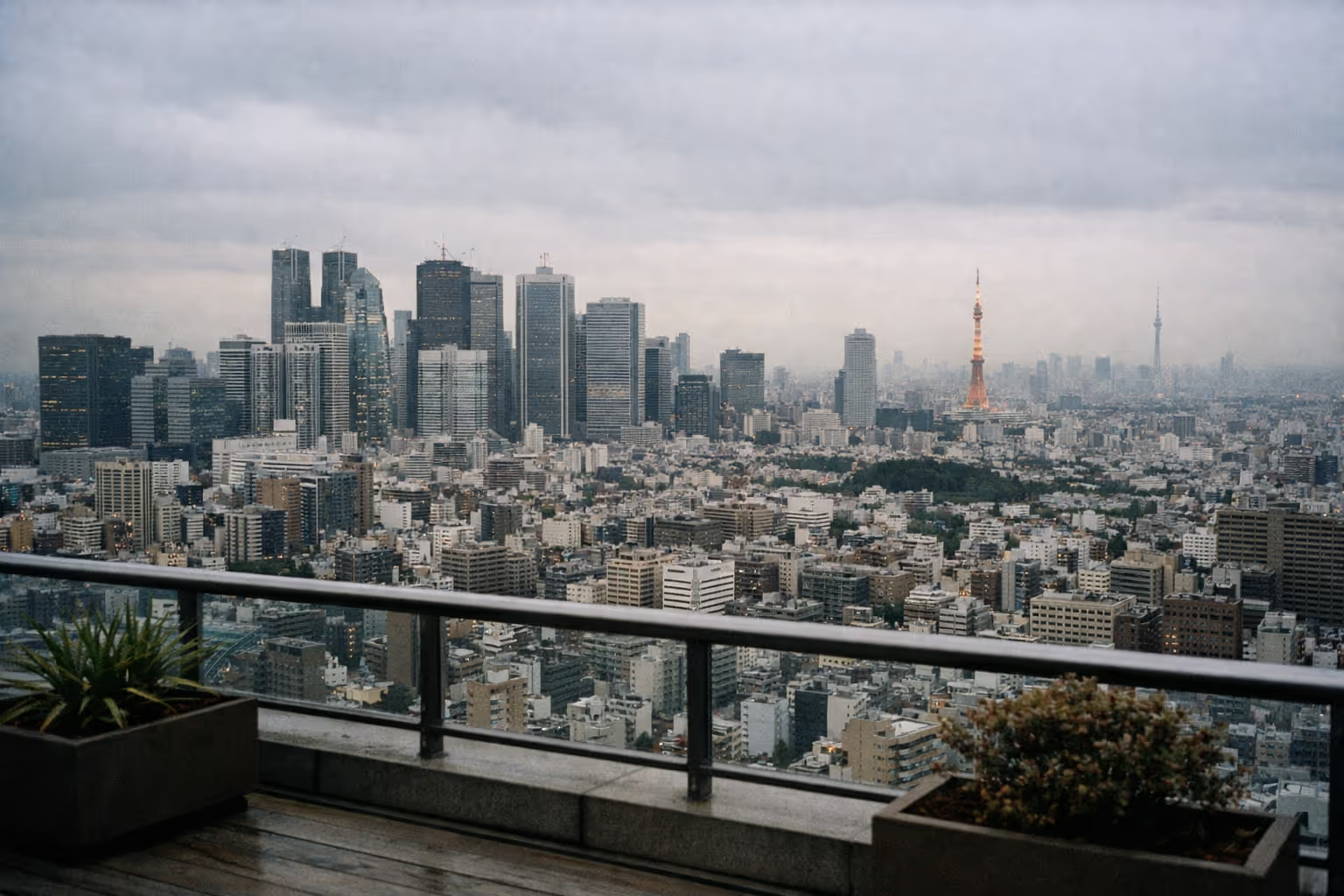
Exit Shinjuku Station for the first time through the wrong gate - and there are more than 200 - and you’ll immediately encounter one of the biggest challenges when exploring things to do in Tokyo: the city’s scale is both its draw and its trap. The sheer size is what makes Tokyo compelling, but trying to cram Shibuya, Asakusa, and Odaiba into one day is a reliable way to enjoy none of them.
This guide breaks down Tokyo the way you’ll actually move through it: neighborhood by neighborhood, with food experiences woven in, day trips at the end, and practical logistics to keep things from falling apart. Tokyo pulled a big share of Japan’s 36.9 million international visitors in 2024. You’re planning a trip that a lot of others are also planning. Structure beats spontaneity here.
What to Know Before You Arrive in Tokyo
Plan on 3 to 5 full days just for Tokyo’s core neighborhoods, plus 1 or 2 day trips for contrast - that’s the realistic baseline, not a luxury. The Japan National Tourism Organization recorded over 3 million visitors in April 2024 alone (2), and that steady demand means crowds and booked-up time slots. The biggest mistake first-timers make is treating Tokyo like one big city and trying to sprint across it.
How Many Days to Spend in Tokyo
Three days covers the essentials without rushing: the Shibuya-Harajuku-Meiji Shrine cluster, Asakusa, and an evening in Shinjuku. Four or five days lets you add Akihabara, an immersive attraction like teamLab Planets, and a day trip. Anything less than three days leaves you collecting station names, not experiences. Neighborhood clusters like Shibuya-Harajuku-Omotesandō are connected by sub-10-minute rides or short walks, so a well-planned day stays in one area.
What to Book Before You Fly
Several of Tokyo’s top attractions require advance reservations, and this is exactly where first-timers get caught out. The Ghibli Museum in Mitaka sells date- and time-specific tickets that must be booked ahead. teamLab Planets, Shibuya SKY, and Warner Bros. Studio Tour Tokyo also sell out regularly during peak periods - Shibuya SKY sunset slots often go within three or more days. Lock these in before you fly.
A few more logistics to sort early: cherry blossoms peak from late March to early April at Shinjuku Gyoen, Ueno Park, the Meguro River, and Chidorigafuchi, when crowds and transit demand spike. Get a Suica or Pasmo IC card at the airport. Carry cash - around ¥10,000 to ¥20,000 (about $65 to $130) - since small bars, shrines, and market stalls often prefer it.
✓ Pros
- Public transport runs like clockwork, making neighborhood-hopping straightforward
- Food quality is high across all price points, from ramen to convenience stores
- Low crime rate, safe for solo travelers and families
- Dense experiences: temples, digital art, arcades, and luxury shopping close together
✗ Cons
- Tokyo's scale is overwhelming without a plan
- Popular attractions often sell out, limiting spontaneous visits
- Cherry blossom and festival seasons bring uncomfortable crowd levels
- English signage is good in tourist areas but sparse in residential neighborhoods
The Core Neighborhoods Worth Your Time
Tokyo’s neighborhoods have distinct personalities. Knowing that saves you from treating the city as one giant sprawl. Cluster your days by area and you’ll walk more, ride less, and actually notice where you are. Here’s how the main districts break down, ranked roughly by how central they are for a first trip.
Shibuya - The Crossing, the Views, and What’s Around It
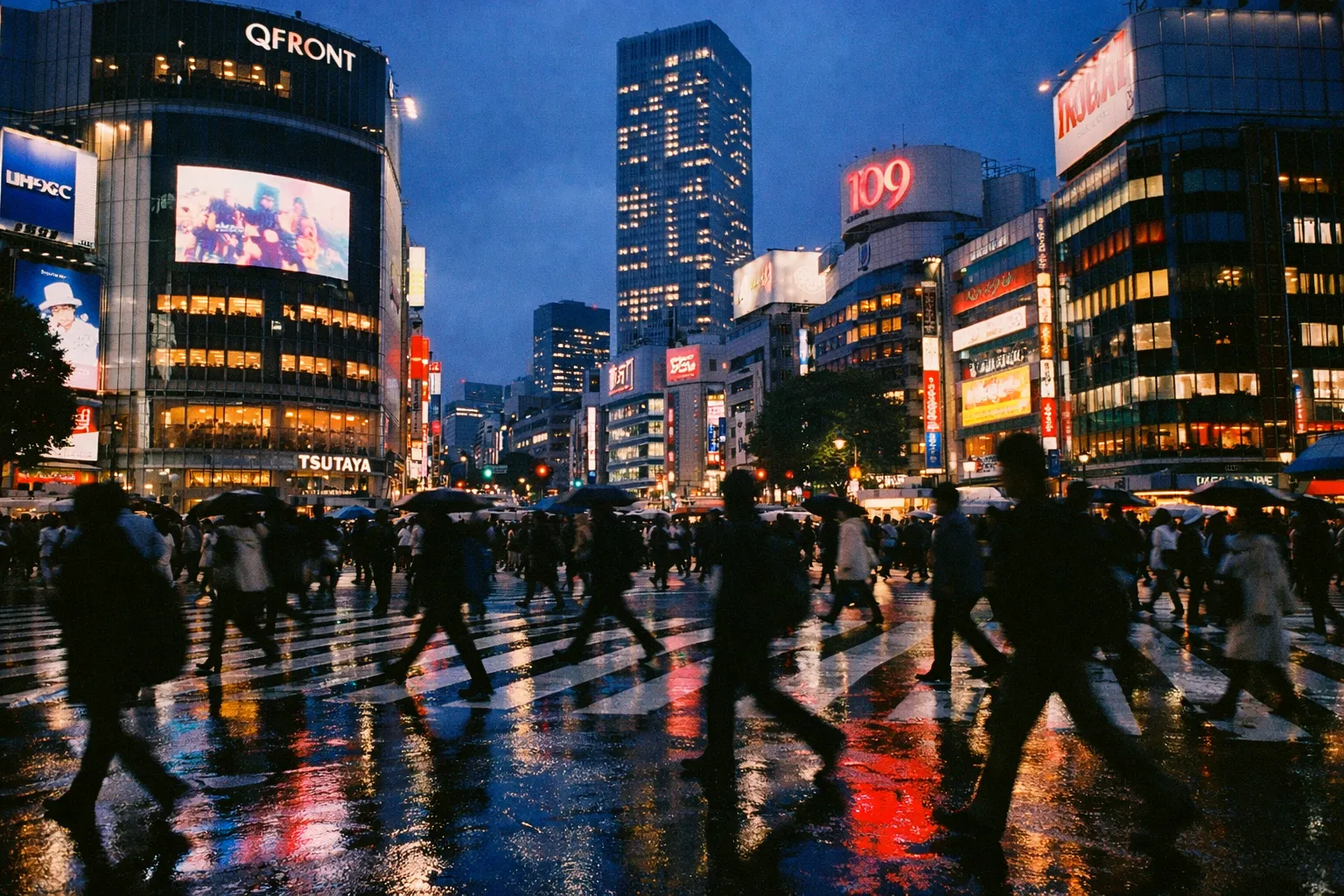
Everyone wants the classic Shibuya Crossing shot, but the smart move is to cross it once at street level, then head up. The overhead views are where it clicks. Shibuya SKY, the 360° rooftop deck atop Shibuya Scramble Square, offers what many call the city’s best urban panorama at sunset; advance tickets run ¥2,500 online versus ¥3,000 at the counter, per the Shibuya SKY ticket guide (3). Cheaper options include the MAG’s Park rooftop and the Starbucks in the Tsutaya building, both looking down on the scramble.
Beyond the crossing, Miyashita Park reopened in 2020 as a rooftop park with basement izakayas and bars - a more local alternative to Shinjuku for evening drinks. Shibuya PARCO houses the Nintendo Store and Pokémon Center for pop-culture shoppers. One caveat: Shibuya’s ongoing redevelopment means construction noise and temporary closures are still part of the experience.
Shinjuku - Neon, Gardens, and Micro-Bars
Shinjuku packs more variety into one district than most places. Shinjuku Gyoen National Garden is a 144-acre (58.3-hectare) space with paved, barrier-free paths suitable for all ages and mobility levels, and it’s a key cherry blossom spot. It opens 9:00 to 16:00, closed Mondays except during peak spring and autumn periods (roughly March 25-April 24 and November 1-15) when it opens daily (4).
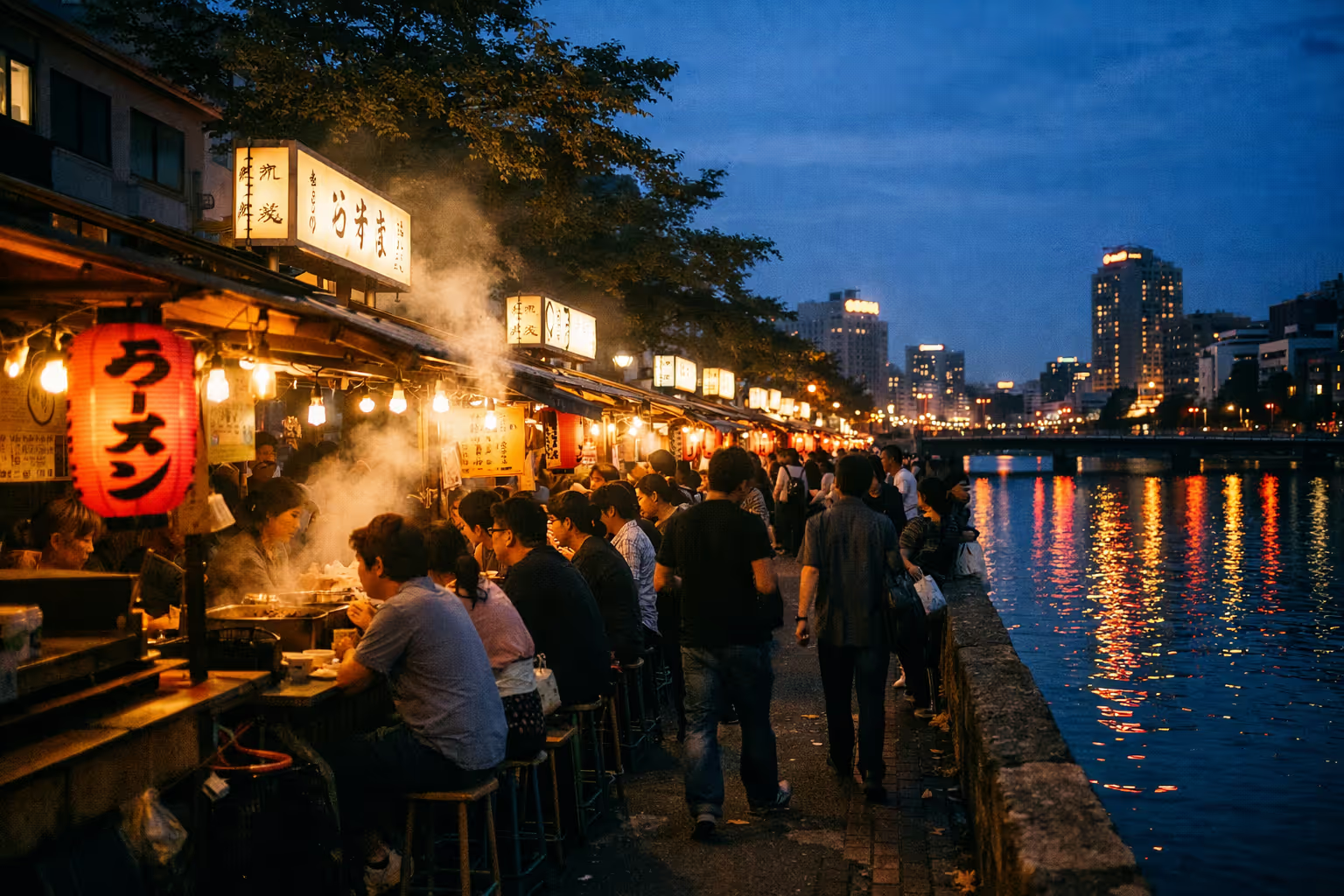
For nightlife, Golden Gai is roughly 200 micro-bars squeezed into six narrow alleyways, many seating fewer than 10 people, with cover charges typically ¥500 to ¥1,000 (about $3 to $6 USD). Etiquette matters - some bars are regulars-only, so look for clearly marked “welcome” spots. Nearby, Omoide Yokocho (Memory Lane) is a smoke-filled alley of yakitori stalls with classic old-Tokyo atmosphere. The Tokyo Metropolitan Government Building has free observation decks open until about 22:00 (5) - a solid budget alternative to paid decks. The Godzilla Head at Kabukicho is a quick photo stop, not a destination.
Asakusa - Tokyo’s Oldest Temple District
Senso-ji is Tokyo’s oldest temple, founded in 628 AD (6), and its Kaminarimon gate leads onto the roughly 250-meter Nakamise-dori shopping street lined with traditional stalls. Visit early morning before the tour groups arrive; while the grounds are open 24 hours, the main hall closes at 5pm. Rickshaw rides and kimono rental are available nearby - touristy but fun if you’re in the mood.
The Sumida River waterfront runs alongside Asakusa and hosts the summer fireworks festival; it’s a pleasant walk year-round, with the Skytree visible just across the water.
Harajuku, Omotesandō, and the Fashion Corridor
Takeshita Street is a narrow youth-fashion corridor filled with crepe stands and costume shops - loud and chaotic in a good way. A block away, Omotesandō offers the architectural counterpoint: high-end flagships along a wide, tree-lined boulevard with a calmer pace. Between them sits Meiji Shrine, a forested Shinto complex that feels worlds apart from the commercial streets just outside its gates. Weekends often bring traditional dress and the occasional wedding procession.
The natural sequence is Meiji Shrine, then Harajuku, then Omotesandō - a logical half-day that flows downhill in energy from quiet forest to teenage chaos to grown-up shopping.
Akihabara - Arcades, Anime, and Retro Games
“Electric Town” is packed with multi-floor arcades, maid cafés, and specialty shops like Mandarake and Super Potato for retro games and collectibles. This district is for pop-culture travelers, gaming enthusiasts, and anime fans. It’s loud, dense, and unapologetically commercial - exactly what it’s supposed to be. Don’t come expecting subtlety and you’ll have a good time.
Yanaka, Shimokitazawa, and Koenji - The Less-Obvious Picks
These three neighborhoods are often overlooked by first-timers but are gaining traction in 2025-2026 guides. Yanaka Ginza is a roughly 170-meter retro shopping street lined with low-rise wooden facades, small shrines, and cat-themed shops - with far fewer crowds than Asakusa’s temple precinct. Shimokitazawa is known for vintage clothing, live music venues, and independent cafés - a draw for travelers who find the main circuit too polished. Koenji offers retro bars, live houses, and second-hand shops as a local nightlife alternative to Shinjuku.
Save these for a second visit or slot one in when the tourist core starts to feel too manicured.
Where and What to Eat in Tokyo
Tokyo’s food scene is genuinely excellent across all price points. You don’t need a reservation at a starred restaurant to eat well. A convenience-store egg sandwich can be a highlight, not a compromise. The trick is knowing which market to visit and what kind of experience you want.
Tsukiji Outer Market vs. Toyosu Market - Which One to Visit
These two get mixed up a lot, so here’s the clean distinction. Tsukiji Outer Market remains open to the public with more than 300 shops and stalls selling tuna bowls, grilled scallops, uni, and tamagoyaki, even after the wholesale auctions moved to Toyosu in 2018. This is where you go for the food. Nearby, Turret Coffee handles the specialty-coffee craving.
Toyosu Market is the modern wholesale operation. Tuna auction viewing requires advance reservation for the observation deck or dedicated experience areas (8), with entry starting around 5:30-6:00 a.m. - a structured visit, not a casual drop-in. Bottom line: most visitors want Tsukiji for eating; Toyosu if the auction spectacle specifically appeals.
Izakayas, Ramen, and Eating Like You Live Here
For atmospheric evening eating and drinking, Omoide Yokocho and Golden Gai deliver the old-Tokyo alley experience. Ramen quality varies wildly - a queue is a reliable signal, so join one. Conveyor-belt sushi (kaiten sushi) is the budget-friendly workhorse - check the official Sushiro site for current plate pricing, which shifts with the menu.
Don’t skip the konbini. Onigiri, egg sandwiches, and hot meals for a few hundred yen are a feature of Tokyo eating, not a fallback.
If you want a hands-on angle, cooking classes are worth the time. Tokyo Cooking Studio’s “Market to Meal” class runs roughly ¥9,000-12,000 (about $60-80) per person, including a market visit and hands-on cooking. One etiquette note: don’t tip, and avoid eating while walking in crowded areas.
Art, Immersive Experiences, and Observation Decks
Tokyo’s tourism is shifting toward experience-first attractions. teamLab Planets and Warner Bros. Studio Tour Tokyo represent this new category - places where you move through and interact rather than just look. Paired with city observation decks, this is where a lot of the “cool things to do in Tokyo” energy lives.
Observation Decks - Which One Is Worth the Money
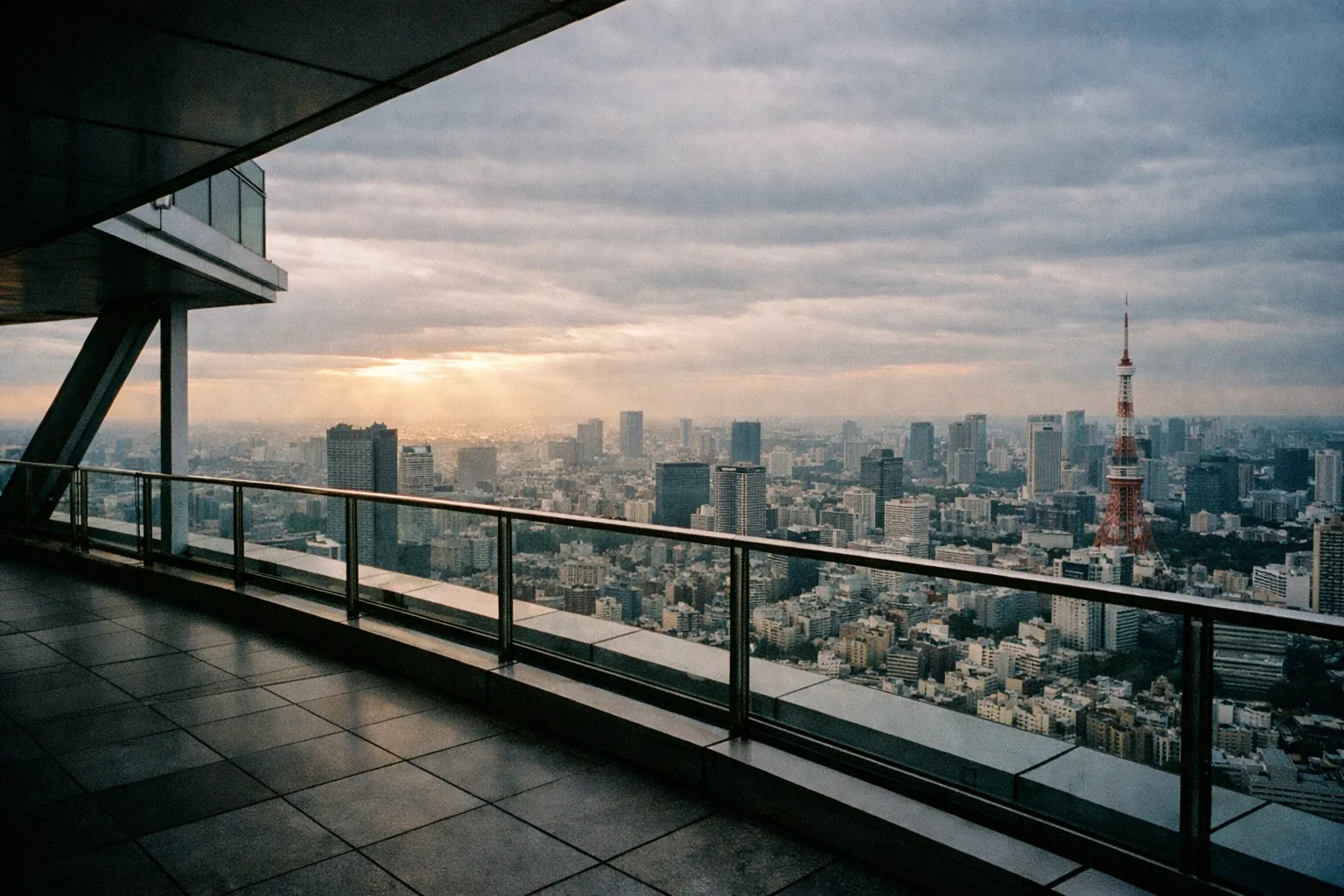
Three decks cover the range, each suited to different travelers. Shibuya SKY is the 360° rooftop pick for sunset over the crossing, with advance tickets around ¥2,500 and slots that sell out 3+ days ahead in peak season. Tokyo Skytree is the tallest at 634 meters, with multiple observation levels and Mt. Fuji views on clear days; standard Tembo Deck (350 m) ticket prices are posted in yen on Tokyo Skytree’s official ticket page, with a higher combined rate for the Tembo Galleria (10). Tokyo Metropolitan Government Building is free, open roughly 10:00 to 22:00, with solid skyline views over western Tokyo - the right call if you’re watching the budget.
Put simply: Shibuya SKY for the best single view and sunset atmosphere, Skytree for maximum height and Fuji on a clear day, and the Government Building if you’d rather spend the money on dinner.
Observation Decks in Tokyo
| Best for Sunset Shibuya SKY | Tokyo Skytree | Tokyo Metropolitan Government Building | |
|---|---|---|---|
| Cost | ¥2,500 online | ¥1,800+ | Free |
| Height / View Type | 230m, 360° rooftop | 634m, multiple levels, Mt. Fuji views | 202m, skyline views |
| Best Time to Visit | Sunset | Clear days | Daytime |
| Advance Booking Needed | Yes | No | No |
teamLab Planets, Mori Art Museum, and Immersive Art
teamLab Planets in Toyosu stands out - water-based rooms and LED installations sold as timed entries that often sell out on weekends and holidays. Book ahead. Mori Art Museum in Roppongi Hills reopened December 3, 2025 after renovation, pairing naturally with the Tokyo City View observation deck in the same complex for an art-plus-sunset afternoon.
For film fans, Warner Bros. Studio Tour Tokyo - The Making of Harry Potter is a large-scale themed attraction requiring advance booking. For something genuinely offbeat, the Meguro Parasitological Museum displays about 300 parasite specimens (11) - including an 8.8-meter tapeworm - from a collection of about 60,000, with free admission. It’s small, weird, and exactly the kind of unique thing to do in Tokyo no one else on your flight will have on their list. For a lower-key art afternoon, the Ginza galleries are an easy wander.
Day Trips from Tokyo Worth the Train Ride
A day trip resets the pace. After three or four days of Tokyo’s density, an onsen valley or a coastal temple adds contrast that balances the whole trip. Three options dominate, each suited to different travelers.
Nikko - UNESCO Shrines and Mountain Scenery
Nikko is about two hours from Tokyo - Tobu Railway’s limited express from Asakusa to Tobu-Nikko Station takes around 1 hour 50 minutes. The draw is the UNESCO-listed Tosho-gu Shrine complex, with ornate carvings set against a forested mountain backdrop. This suits travelers who want history and nature without the beach, and it’s a strong autumn foliage destination. A Nikko Pass covering transport and some entry fees is worth comparing to individual tickets.
Hakone - Onsen, Mt. Fuji Views, and One Good Night
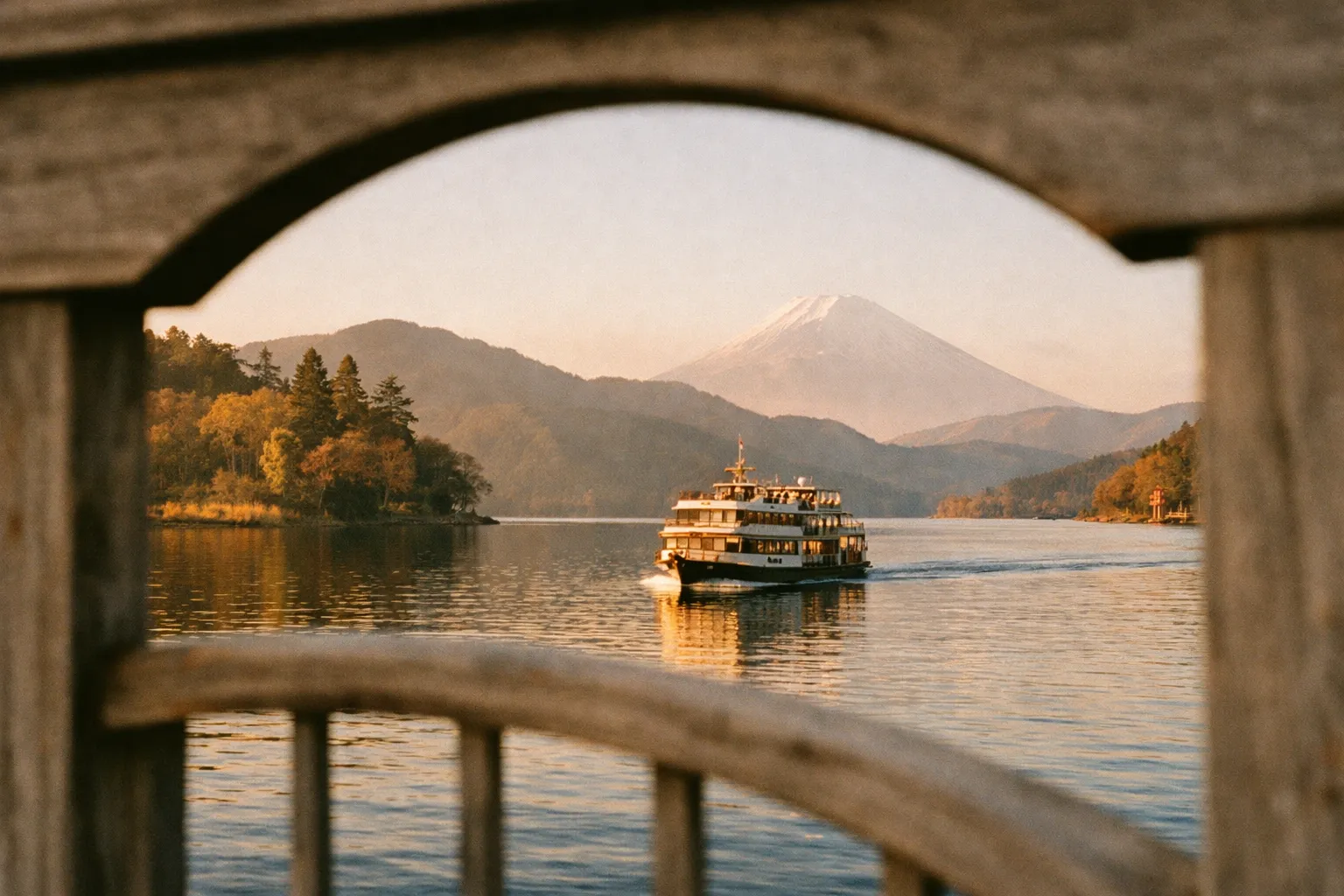
Hakone is 80 to 90 minutes from Shinjuku on the Odakyu Romancecar limited express. The loop typically covers the Hakone Ropeway over the Owakudani volcanic valley, a Lake Ashi cruise with a Mt. Fuji backdrop on clear days, and the Hakone Open-Air Museum. The honest recommendation is to stay overnight rather than rush a day trip - an onsen ryokan with a rotenburo (outdoor bath) is the real point of coming here. One caveat: many traditional onsen restrict visible tattoos, so check ahead or seek tattoo-friendly or private options.
The 2-day Hakone Free Pass from Shinjuku covers round-trip transport plus most local buses, trains, and boats (12) - check the Odakyu Railways site for current pricing, as it shifts seasonally. It usually undercuts buying separate tickets for the standard sightseeing loop.
Kamakura - The Great Buddha and Coastal Temples
Kamakura is the easiest of the three: the JR Yokosuka Line from Tokyo Station reaches it in about 55 to 60 minutes, with direct trains from Shinjuku too. The signature sight is the Great Buddha at Kotoku-in, which stands roughly 11.3 meters tall and weighs about 121 tons (13). Add Hase-dera temple and the coastal hiking trails between temples, and you have a comfortable half-day. Pair it with Enoshima island for a full day. No overnight required, and none of Hakone’s logistical complexity.
Day Trips from Tokyo Compared
| Nikko | Hakone | Kamakura | |
|---|---|---|---|
| Journey Time from Tokyo | about 2 hours | about 90 minutes | about 1 hour |
| Best For | Shrines, autumn foliage | Onsen, Mt. Fuji views | Coastal temples, half-day trip |
| Key Sight | Tosho-gu Shrine | Hakone Ropeway, Lake Ashi | Great Buddha (Kotoku-in) |
| Overnight Recommended | No | Yes | No |
| Advance Booking Needed | No | Yes (ryokan) | No |
Tokyo After Dark - Layered Evenings Worth Staying Up For
Tokyo after dark is layered, not just clubs. The best evenings stack an observation deck at sunset, an izakaya crawl, and a micro-bar or live house to finish. Shibuya SKY and Skytree run until around 22:00-22:30 with last admission roughly 21:00-21:30, so you can catch the sunset and still make dinner.
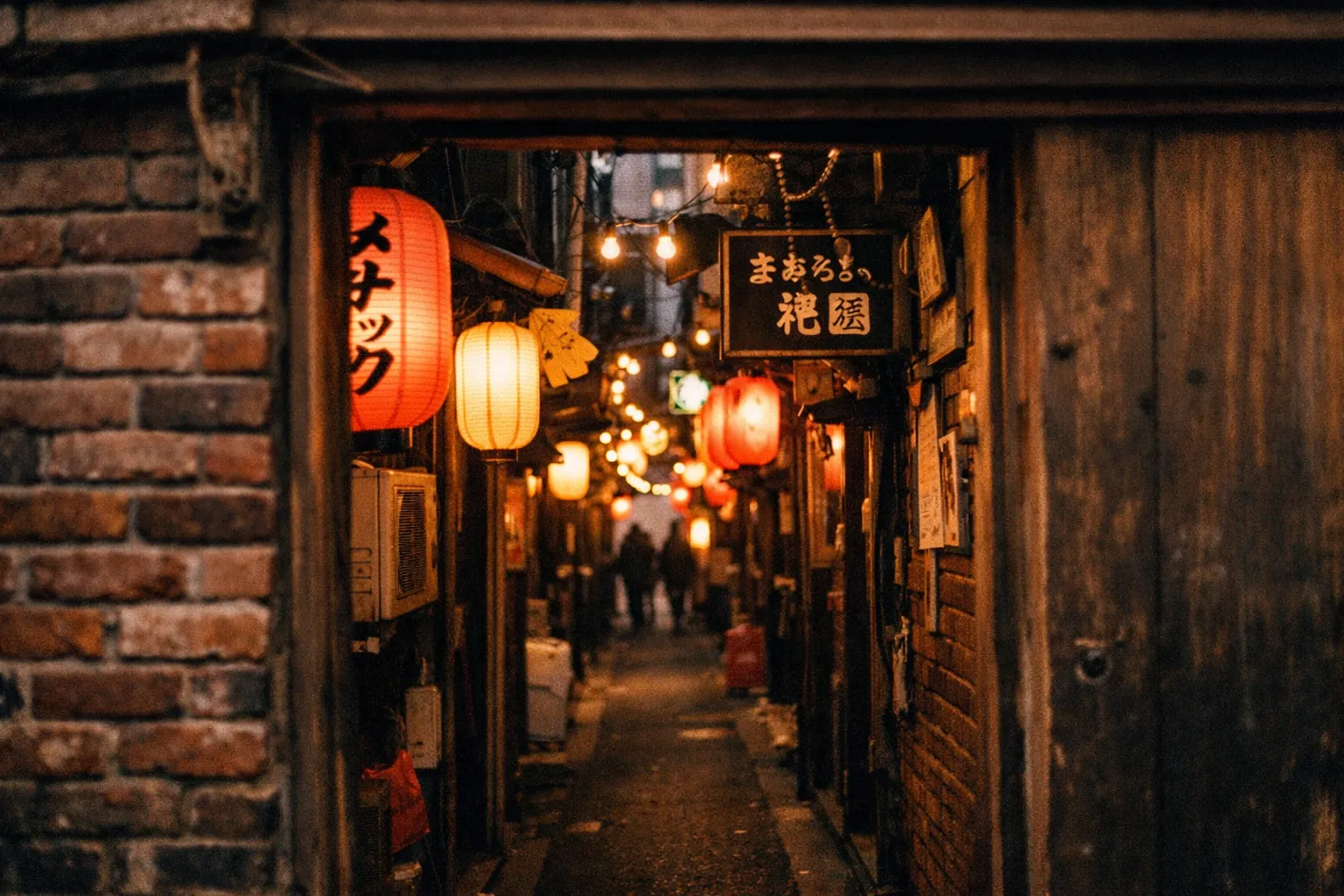
Golden Gai deserves a word on etiquette. Many bars charge cover fees around ¥500 to ¥1,000 and operate on a regulars-first basis. As a first-timer, pick a bar with a clearly posted “tourists welcome” sign and don’t take offense if a full counter waves you off - it’s about space, not rudeness. Carry your passport on a night out: Japan’s drinking age of 20 applies to visitors too, chains and convenience stores ID anyone who looks under 25, and a non-Japanese licence or a photo of one on your phone is usually refused. Omoide Yokocho is the move for atmospheric yakitori and smoke.
Beyond Shinjuku, Miyashita Park in Shibuya offers rooftop drinks and people-watching with evening lighting, and Koenji’s retro bars and live houses give you a more local scene. One hard constraint: most urban train lines finish around midnight, with last trains from central hubs typically leaving between 23:30 and 00:30. Plan your evening around the last train or budget for a taxi.
Practical Tips for Getting the Most Out of Tokyo
A little logistics know-how separates a smooth trip from a frustrating one. Here’s what matters most, including the budget question everyone asks.
On budget: average per-trip spending for foreign visitors in 2024 came to roughly ¥227,000 (about $1,500) (14), which breaks down to about $70-100 per day for budget travelers and $180-260 for mid-range. That answers the common question - $1,000 for a week is doable only on a tight, mostly Tokyo itinerary. The problem is long-distance rail: a one-way Tokyo-Kyoto Shinkansen ticket runs roughly ¥13,000-15,000 (about $85-100), so a single intercity leg eats a large chunk of that budget.
Common mistakes are predictable: underestimating booking requirements, confusing Tsukiji and Toyosu, overpacking daily itineraries, ignoring seasonal crowds, and misreading Golden Gai etiquette. Avoid those five and you’re ahead of most visitors.
Free and low-cost options keep the budget honest. The Tokyo Metropolitan Government Building observatory is free, Shinjuku Gyoen charges a small entry fee (around ¥500 for adults) (4), and Ueno Park and the Imperial Palace outer grounds are free to enter. On accessibility, major attractions including the Tokyo National Museum in Ueno and Shinjuku Gyoen have elevators, ramps, and paved paths, with the museum offering wheelchair-accessible galleries and rental wheelchairs. And tipping isn’t customary - it can even offend. A polite “arigatou gozaimasu” is the right response to good service.
How to Get Around Tokyo
How to Set Up Transport on Arrival in Tokyo
10 minutesFive steps to get your IC card and navigate Tokyo's transit efficiently
- 1
Get a Suica or Pasmo IC card at the airport
Buy your card at Narita Express or Haneda Monorail stations connected to the JR network.
- 2
Load your card with initial credit
Add ¥3,000-5,000 (about $20-35) to start; top up at any station machine as needed.
- 3
Use the card on trains and stores
Tap your card on JR lines, Tokyo Metro, private railways, and most convenience stores.
- 4
Check for day passes for day trips
Compare day passes like the Hakone Free Pass or Nikko Pass against single tickets before buying.
- 5
Plan around train schedules
Trains stop around midnight; plan evening activities to catch the last train or arrange alternate transport.
Frequently Asked Questions About Visiting Tokyo
Frequently Asked Questions
- What should I not miss in Tokyo?
- Senso-ji, Shibuya Crossing from above, Shinjuku Gyoen, an observation deck, and an izakaya evening cover the core experiences.
- What is the best thing to do in Tokyo for first timers?
- Start with the Shibuya-Harajuku-Meiji Shrine cluster and book Shibuya SKY for sunset to get a compressed sense of Tokyo.
- What are the top five things to do in Tokyo?
- Shibuya Crossing from above, Senso-ji, Golden Gai at night, teamLab Planets, and a day trip to Hakone or Kamakura.
- Is $1,000 enough for 1 week in Japan?
- It's tight but possible if you stay mostly in Tokyo, use hostels, convenience meals, and limit long-distance rail travel.
- Do you need to book Tokyo attractions in advance?
- Yes, for Ghibli Museum, teamLab Planets, Shibuya SKY, and Warner Bros. Studio Tour; book these before you fly.
- When is the best time to visit Tokyo?
- Late March to early April for cherry blossoms and October to November for cooler weather and fewer crowds.
How to Sequence Your Trip
The real question isn’t what to see - it’s what to see given how many days you have.
Three days: the Shibuya-Harajuku-Meiji Shrine cluster, Asakusa, a Shinjuku evening with Golden Gai and Gyoen, and one observation deck. That’s the core, and it’s a complete trip.
Four to five days: add Akihabara, teamLab Planets, and a day trip - Kamakura for ease, Hakone for the onsen if you can spare a night.
A second visit: this is where Tokyo opens up. Yanaka, Shimokitazawa, Koenji, the Mori Art Museum, a cooking class - the city has a second layer most guides don’t reach.
Whatever you build, take one thing from this guide above all: book the sold-out attractions before you fly. Ghibli Museum, teamLab Planets, Shibuya SKY, and Warner Bros. Studio Tour don’t do same-day walk-ups in peak season. Everything else in Tokyo is flexible. Those are not.