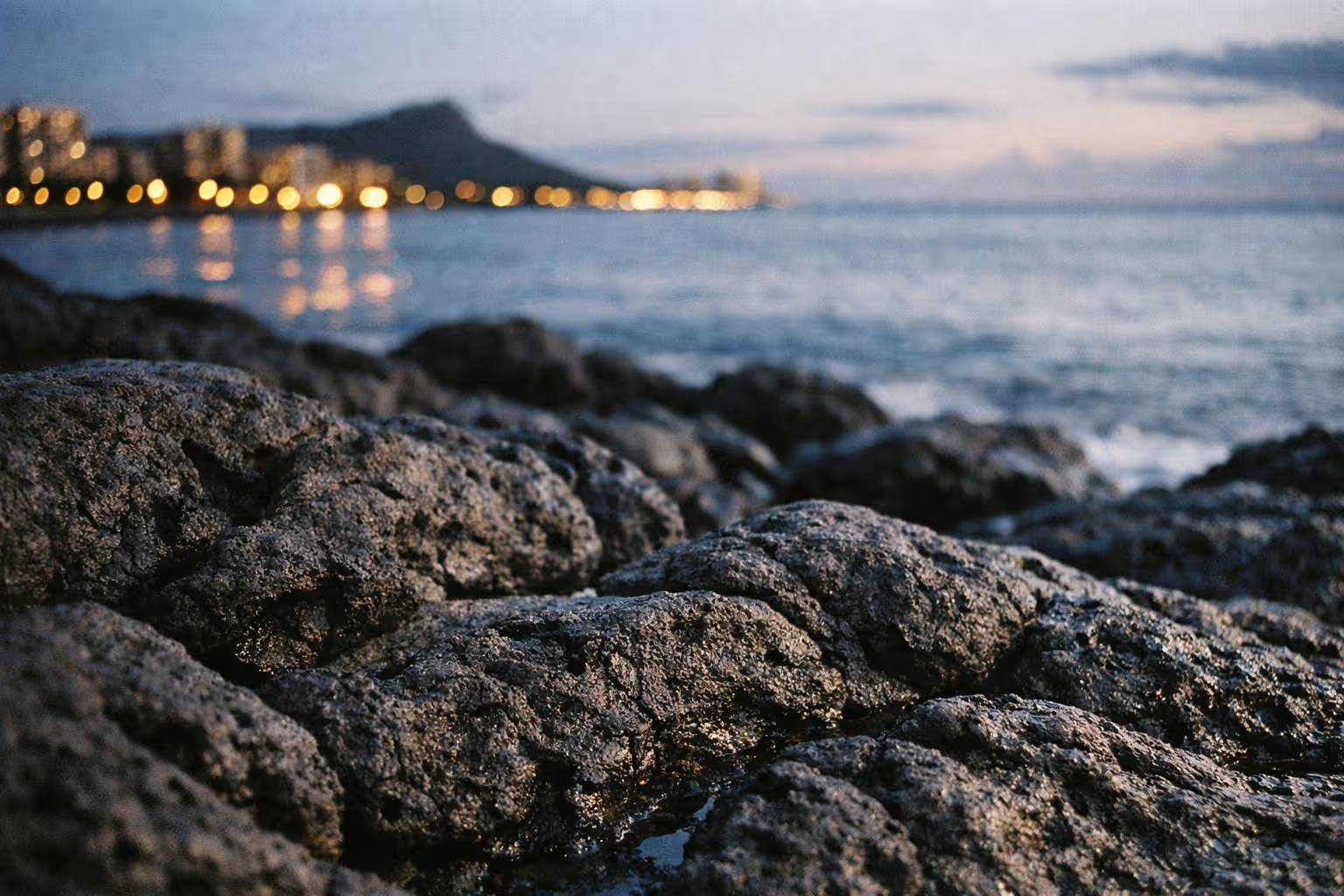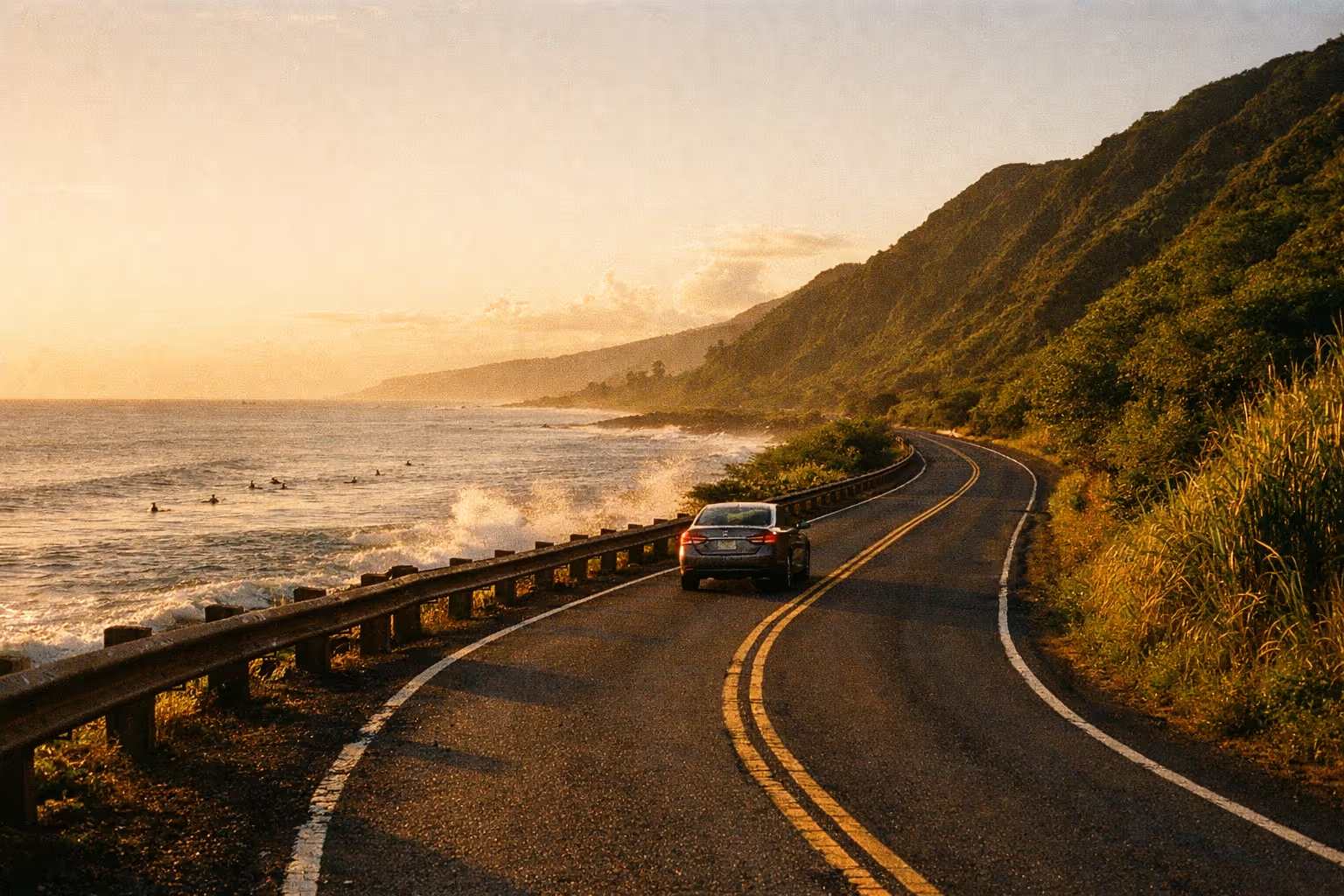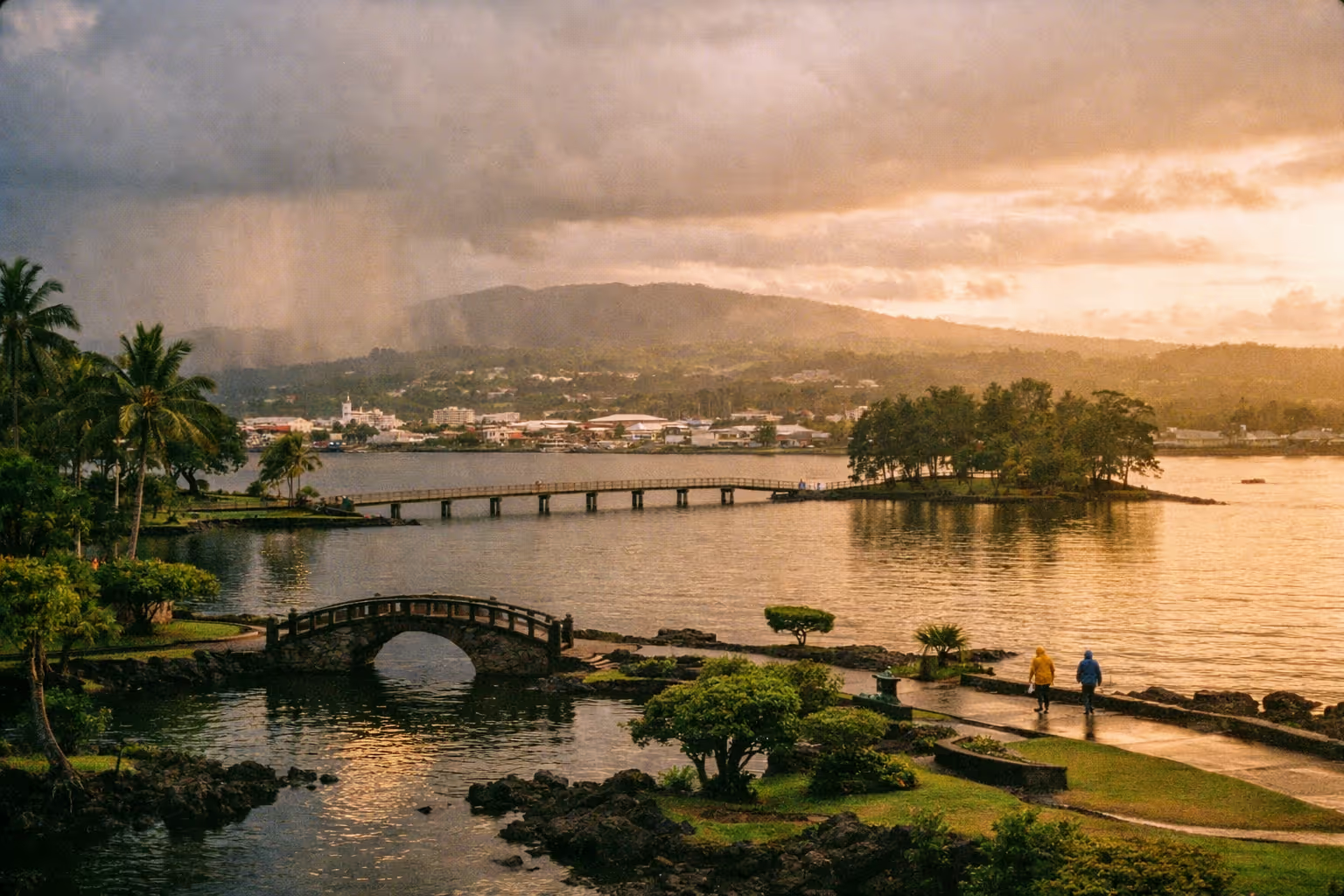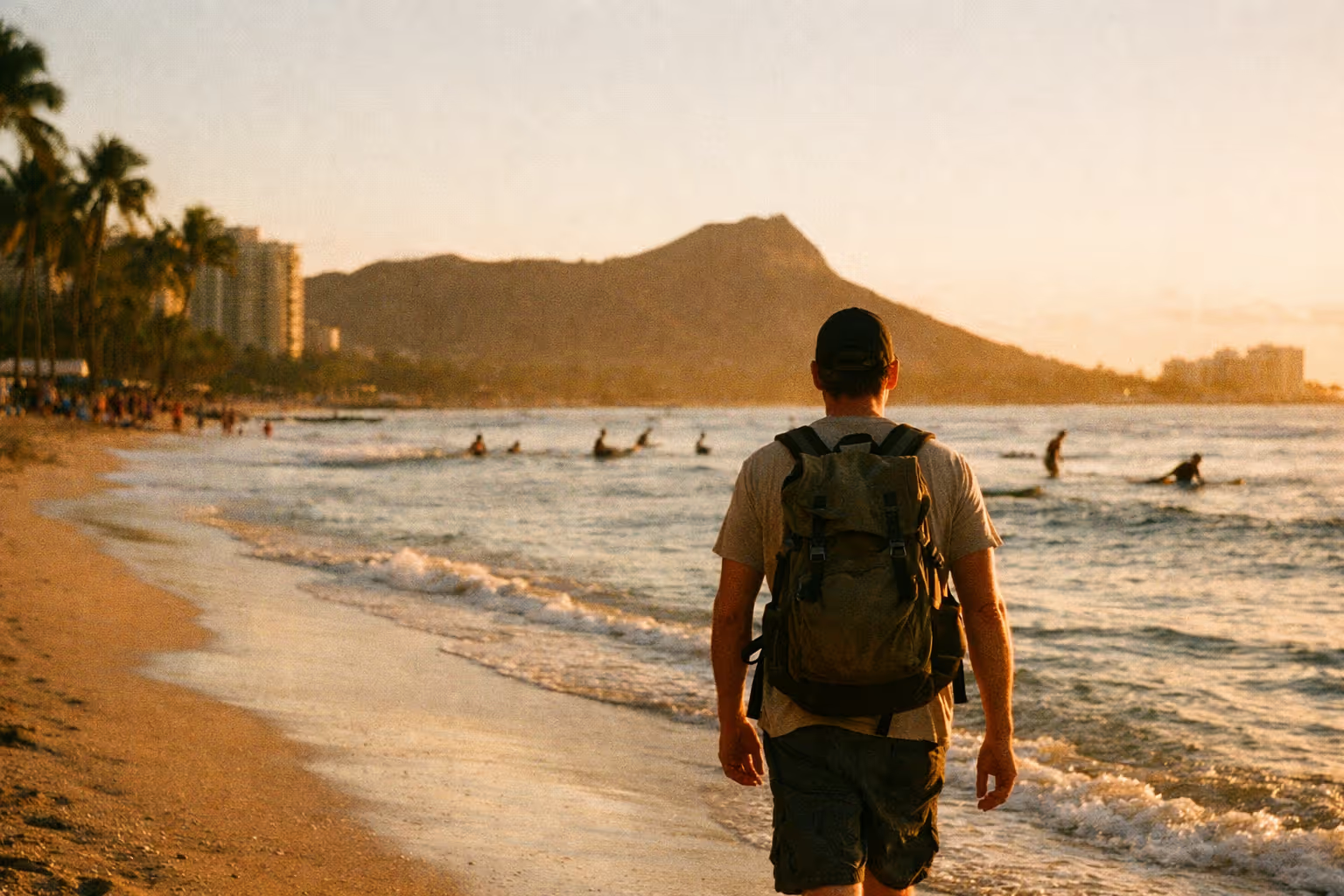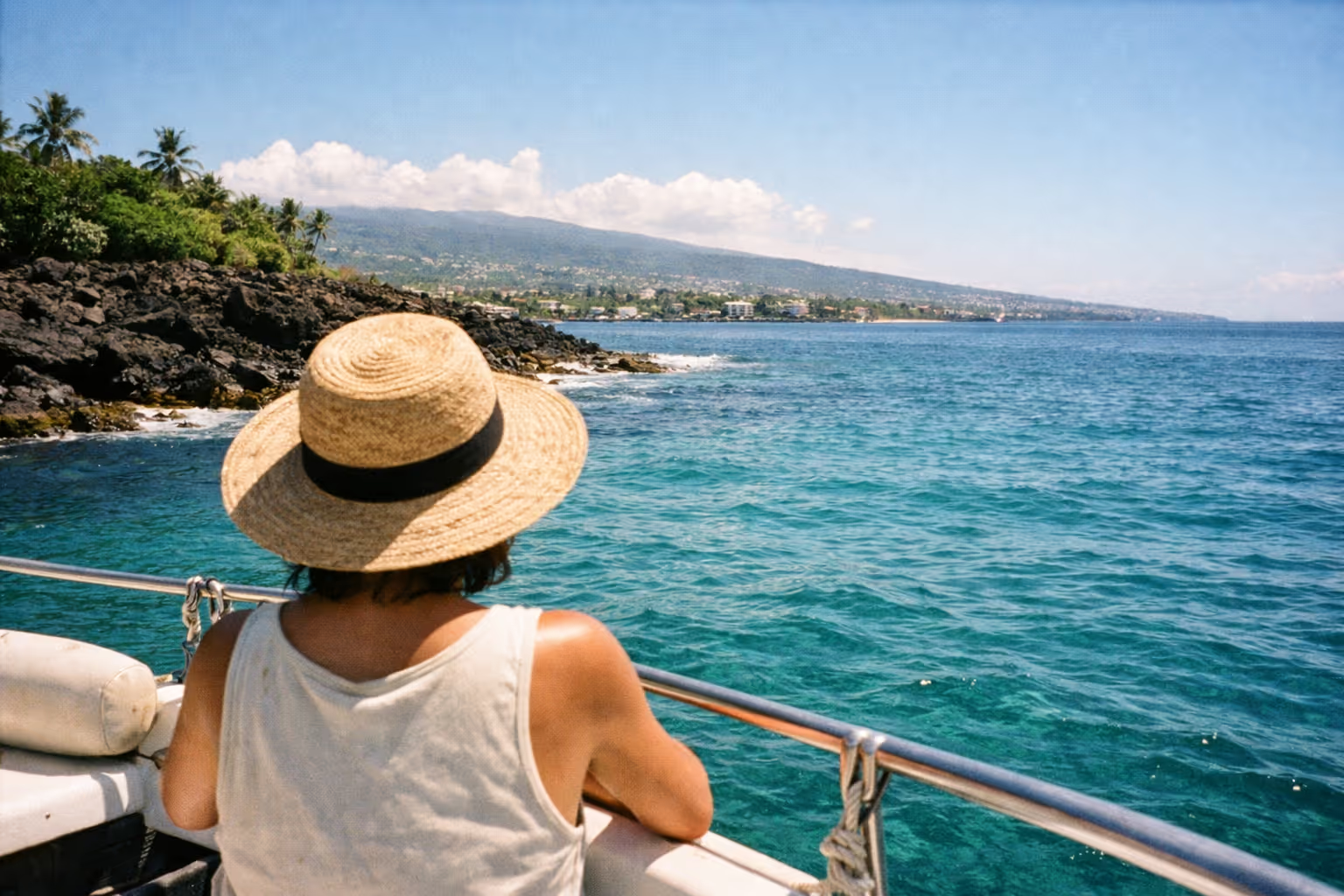
Kailua-Kona sits on the driest coast in Hawaii, averaging under 10 inches of rain a year, which is exactly why the water stays clear and the beaches stay open when the wetter east side is socked in. Best month to visit: May or June. Seas are calm, the manta sighting rate is at its peak, and you’re ahead of the July-August crowd surge. April works nearly as well. December through February is fine weather-wise but winter swells increase manta cancellation risk and whale-watching becomes the dominant offshore activity. One thing most guides get wrong about Kona: they treat it as a beach destination first. The beaches are fine but secondary - the real draw is the combination of the manta night snorkel, Kealakekua Bay, and the upslope coffee belt, none of which you’d find on a generic Hawaii beach trip. That reliability shapes most things to do in Kona: exceptionally clear snorkeling, the most dependable manta ray encounter on the planet, coffee country 20 minutes uphill, and ancient Hawaiian sites, all packed into a 25-mile radius from the airport. Kona is best known for its coffee, its year-round manta night snorkel, and that consistently calm, clear leeward water. More compact than Maui or Oahu, it’s a place where you can genuinely do a lot in 3 to 5 days - but only if you sequence it right.
Getting here: Ellison Onizuka Kona International Airport (KOA) receives direct mainland flights from the West Coast (Los Angeles, San Francisco, Seattle, Portland) and connecting service via Honolulu. Most West Coast flights run 5 to 6 hours direct. Rental cars are available at the airport and are non-negotiable for anything beyond Ali’i Drive - book before you land, especially in peak season when inventory tightens fast.
Here’s the honest read before you commit to the full plan.
✓ Pros
- Year-round dry, sunny weather on the west coast
- The world's most reliable manta ray night snorkel
- Kealakekua Bay is the Big Island's best snorkeling
- Coffee country is a 20-minute drive uphill, making an easy day trip
- A strong mix of free and paid activities
- A compact base for south Kona day trips
✗ Cons
- Ali'i Drive can feel touristy
- Beaches are smaller than their Maui or Oahu equivalents
- The Captain Cook Monument hike is steep and punishing in heat
- Popular spots like Magic Sands and Kua Bay fill up fast in the morning
- Manta tours can cancel in winter swells
- No major surf beach right in town
What Kailua-Kona Actually Is (and What’s Within Reach)
Kailua-Kona is the main town on the west coast of Hawaii Island - not a separate island, not the whole region. When people say they’re “staying in Kona,” they almost always mean Kailua-Kona: the walkable strip along Ali’i Drive with its hotels, restaurants, Kailua Bay, and the pier. “Kona” more broadly refers to the leeward region stretching from the airport south past Captain Cook and Hōnaunau, and uphill into coffee country.
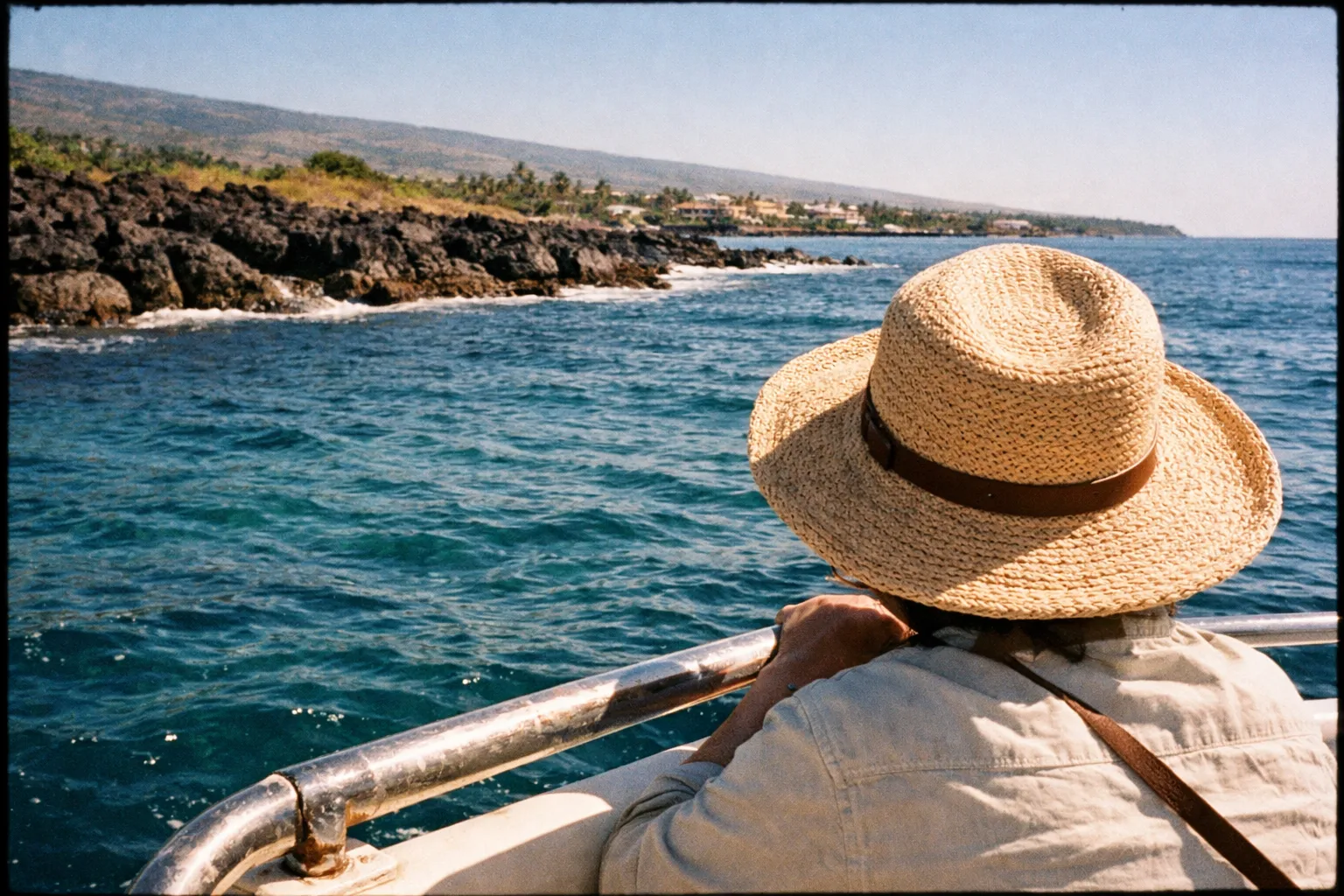
Ali’i Drive is the walkable spine. You can cover the historic downtown, grab dinner, and catch the sunset on foot. Everything else needs a car. Within about 5 miles you’ll find Magic Sands Beach, Kaloko-Honokōhau National Historical Park, and Keauhou Bay, where most manta tours launch. Kahalu’u Beach Park sits about 5 miles south on Ali’i Drive. Push out 10 to 25 miles and you reach Kealakekua Bay (roughly 12 miles south), the coffee farms upslope near Holualoa, and Pu’uhonua o Hōnaunau (around 20 miles south).
The dry climate is the practical backbone of any Kona plan. According to CurrentResults’ Hawaii rainfall data, Kailua-Kona records about 9.9 inches of rain a year across only 50 rainy days - one of the driest coastal areas in the state. That’s why kona snorkeling conditions are so consistent, and why you can plan around outdoor activities without the weather anxiety that follows you on the east side.
One local footnote that comes up often: yes, Matthew McConaughey owns property in the Kona area. It surfaces in local conversation now and then. It’s not a visitor activity, just a piece of color that confirms the coast has appeal beyond the resort circuit.
Bottom line: a rental car is non-negotiable for anything beyond the Ali’i Drive strip. Book it before you land.
Things to Do in Kona - The Full Activity Breakdown
The full range of things to do in Kona splits into six categories: ocean snorkeling, after-dark manta encounters, beaches, cultural and historical sites, coffee country, and seasonal events. Water activities dominate, and they’re the reason most people book the trip - but the culture and farm experiences are what separate Kona from a generic beach destination.
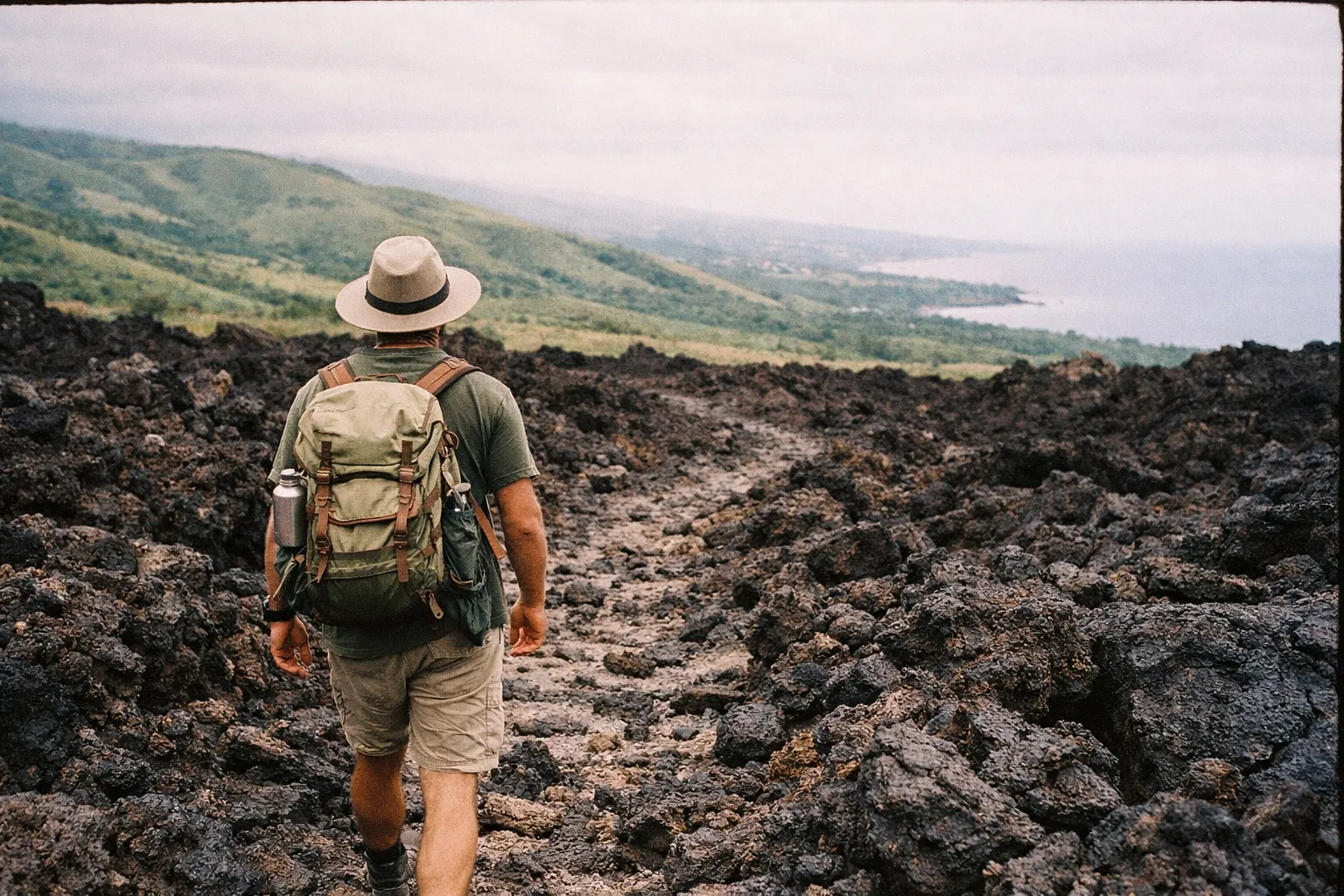
A useful mental map: snorkeling and swimming happen along the coast and out at Kealakekua Bay; the manta night snorkel runs off Keauhou Bay and the airport reef; cultural sites cluster downtown and south toward Hōnaunau; coffee farms sit upslope. Many of the highest-value activities are free or low-cost, from beach days to the downtown historic walk.
One planning anchor to carry through everything below: book your manta ray night snorkel for your first or second evening. If weather cancels one night, you still have backup nights before you fly home.
Kona Snorkeling - Beginner Spots to the Big Island’s Best Bay
Kona snorkeling spans everything from calm, walk-in beginner coves to the boat-access reefs of Kealakekua Bay - the single best snorkeling spot on the Big Island. Sorting the spots by comfort level is the fastest way to avoid a bad first entry.
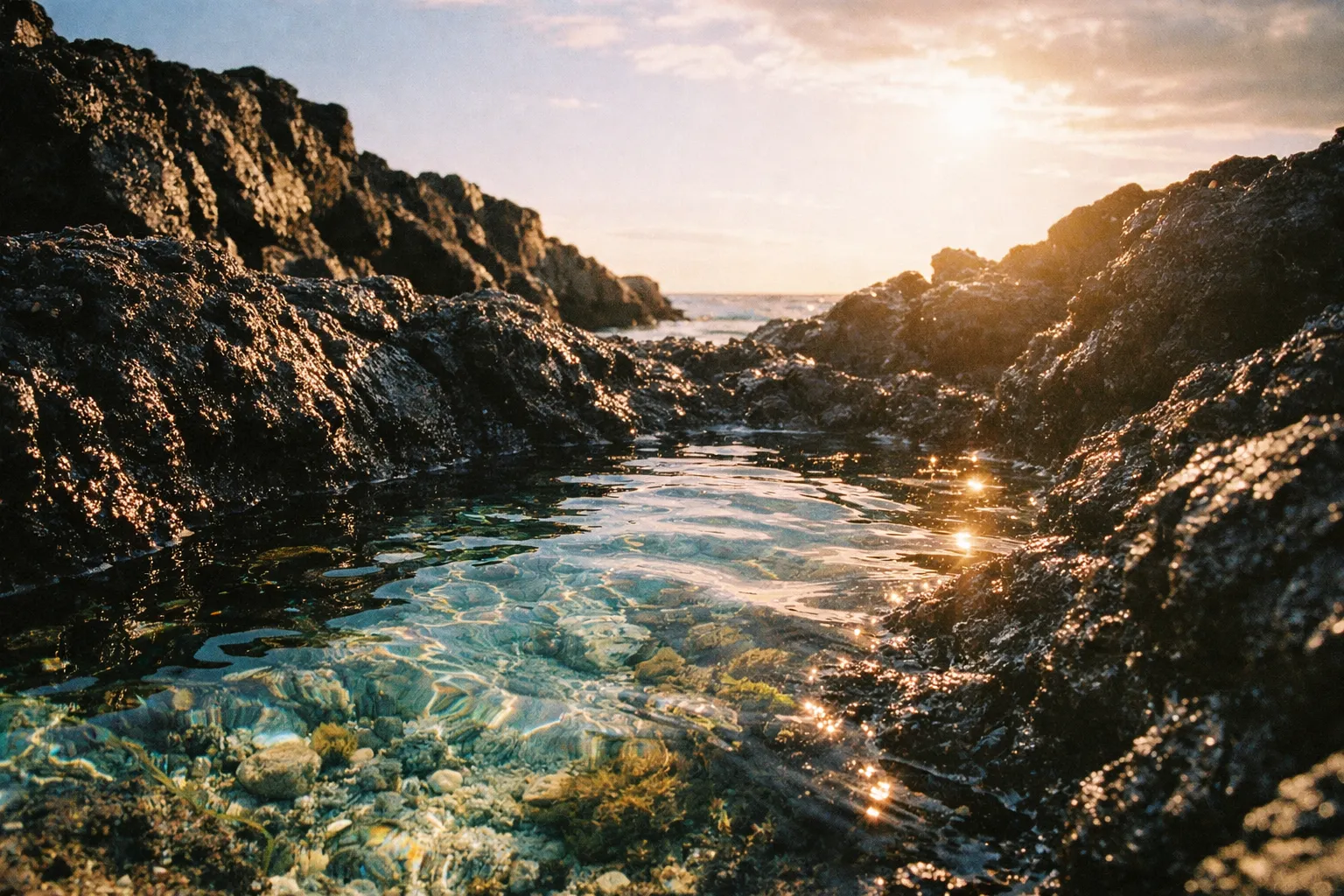
Beginner tier. Kamakahonu Beach, tucked beside the Kailua-Kona pier, is a tiny, protected cove that’s ideal for first-timers and kids. A short drive south, Kahalu’u Beach Park is the most accessible snorkel on the island: shallow, reef-protected, lifeguarded, walk-in entry, no reservations, daylight-only hours (1). Hawaii Guide calls it “the most reliable family snorkel on the Big Island.” Green sea turtles show up in the bay nearly every day, and federal rules require you to stay at least 10 feet (3 m) away.
Intermediate tier. Magic Sands Beach Park works when the shore break is calm, though conditions change fast. The better intermediate option is Two Step at Hōnaunau Bay, right next to Pu’uhonua o Hōnaunau. Entry is off a flat lava shelf, visibility is excellent, and you can pair it with the historical park in one stop south.
Advanced and boat-access tier. Kealakekua Bay is the payoff. It’s a marine life conservation district with dense reef fish and spinner dolphins that frequent the bay in the morning.
Kealakekua Bay - How to Get There and What to Expect
Kealakekua Bay sits about 12 miles south of Kailua-Kona and is reached either by boat tour or the steep Captain Cook Monument trail (1). For most visitors, the boat is the smarter call. Half-day morning tours leave from harbors near Kailua-Kona, with roughly 30 to 45 minutes of transit each way before dropping you near the Captain Cook Monument (6).
Small-boat operators - rafts and zodiacs - get you closer and move faster; larger catamarans are more comfortable and often include food and gear. Either way, go in the morning. The water is calmer and the spinner dolphins are more active earlier in the day.
The Captain Cook Monument Trail - Worth It or Skip It?
Skip the Captain Cook Monument trail unless you’re a fit hiker with time to spare. It runs about 3.8 miles (6.1 km) round trip with a steep grade and almost no shade (6). The descent is deceptively easy; the climb back out, in full midday sun, is where people get into trouble. Bring sturdy shoes and several liters of water per person.
I’ve watched under-prepared hikers turn back a third of the way up on the return leg, out of water by late morning. The reef at the bottom is genuinely excellent, but you reach the same water on a boat tour without the dehydration risk. For most people, that’s the better trade.
The Manta Ray Night Dive - Kona’s After-Dark Signature Experience
The manta ray night dive off Kona is the most reliable manta encounter in the world, running nightly and year-round off Keauhou Bay and the airport reef (6). Operators set up submerged light bars that draw plankton, and the mantas - with wingspans up to about 12 feet (3.7 m) - circle below you to feed (6).
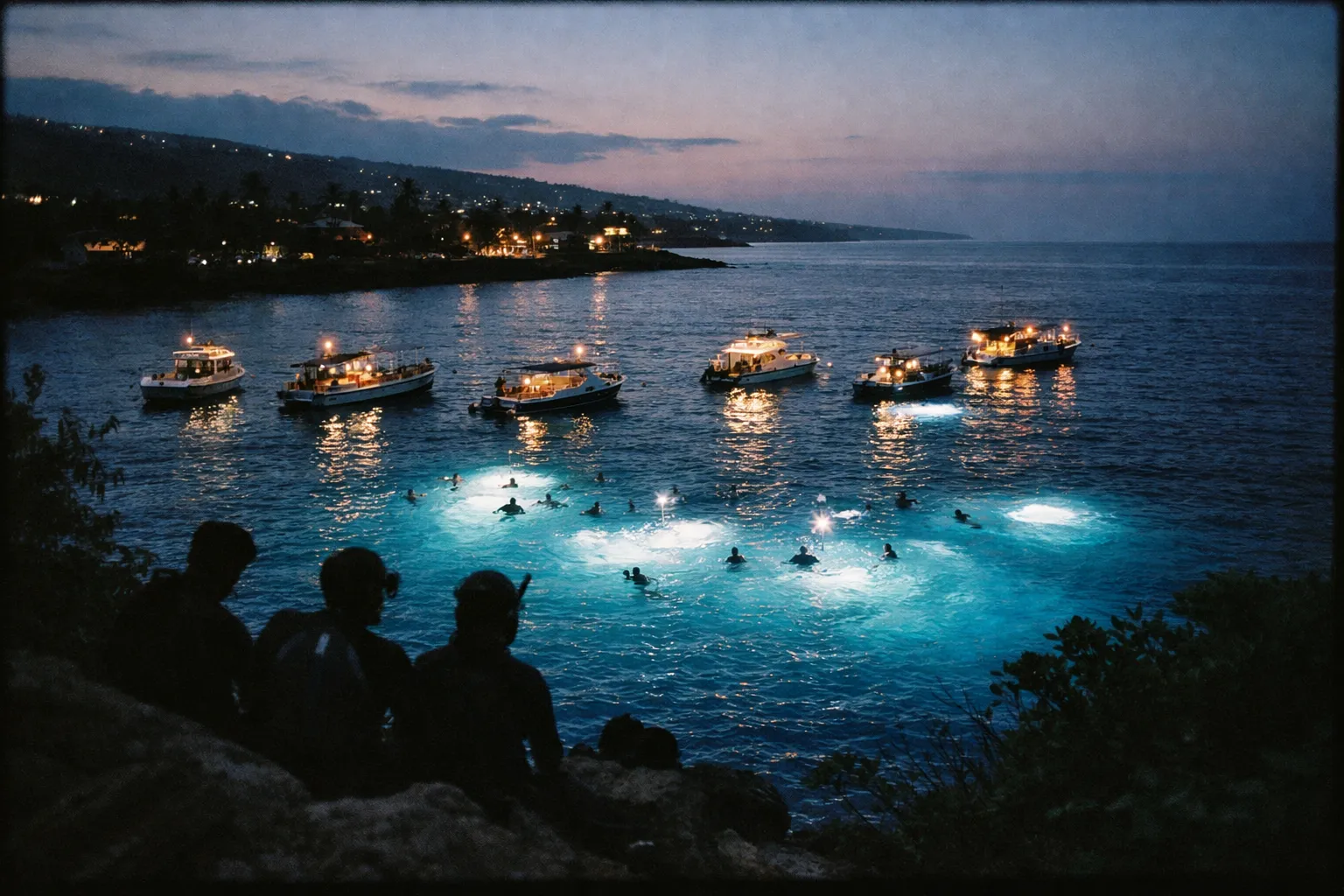
The reliability isn’t luck. Manta Ray Night Snorkel Hawaii reports sighting success rates of roughly 80 to 90% year-round, backed by a local ID database of more than 250 individual mantas. The same source notes that modern underwater light arrays introduced around 2012 boosted plankton density at key sites by an estimated 300 to 500%, which is why encounters became so predictable. Operators have reported 100% sighting rates on operating nights during May, June, July, and September in recent seasons - confirm current figures directly with your chosen operator, as rates shift year to year.
What to Expect on the Water - Snorkel vs. Boat-Watch Options
You float face-down at the surface, holding a lit float board, while mantas glide and barrel-roll below you feeding on plankton. Touching them is illegal. Water temperatures run about 75 to 80°F (24 to 27°C), and tours provide wetsuits, snorkel gear, and flotation devices - so you don’t need to be a strong swimmer to take part.
Non-swimmers aren’t shut out. Most operators offer a boat-watch option at a reduced fare - check the official site for current pricing - so you can see the mantas from the deck. Snorkel trips run higher than the boat-watch rate; confirm current adult pricing directly with your chosen operator before booking. The main discomfort is seasickness on rougher nights, so medicate ahead if you’re prone to it.
Boat size matters more than most people expect. Small boats carry 6 to 12 guests; large boats carry 25 to 65. Smaller boats mean more time at the light bar and better photos. If reliability and time in the water matter to you, pay for the smaller group.
When to Book and How Far Ahead
Reserve 3 to 7 days ahead in peak season (roughly May through September) to secure a spot on a small-group boat. In shoulder season, 1 to 2 days ahead is usually fine. Cancellation windows typically run 24 to 72 hours, with steeper fees inside that window.
Departure timing depends on the trip. Operator schedules cluster evening departures around 5:30 to 7:30 pm for sunset trips and 8:00 to 9:00 pm for full-dark outings, with total tour time usually 2.5 to 3 hours dock-to-dock. The optimal season is April through October, when seas are calmer. Winter tours still run and can be productive, but rougher water increases cancellation risk - which is the whole reason to book for your first or second evening and keep backup nights available.
How to Book and Prepare for a Manta Ray Night Snorkel
3 hoursStep-by-step guide to secure and enjoy your manta ray night snorkel tour in Kona.
- 1
Choose your tour operator
Select between small boats (6-12 guests) for more time at the light bar or larger boats (25-65 guests) for comfort.
- 2
Book 3-7 days in advance
Reserve your spot during peak season (May-September) to ensure availability and backup nights.
- 3
Prepare for seasickness
If prone to motion sickness, take medication before the tour to avoid discomfort.
- 4
Arrive on time
Check in 30-60 minutes before departure, typically between 5:30-7:30 pm for sunset trips or 8:00-9:00 pm for full-dark trips.
- 5
Use provided gear
Wetsuits, snorkel gear, and flotation devices are provided; non-swimmers can opt for the boat-watch option.
Kona Hawaii Beaches - From Easy-Access Coves to Remote Sand
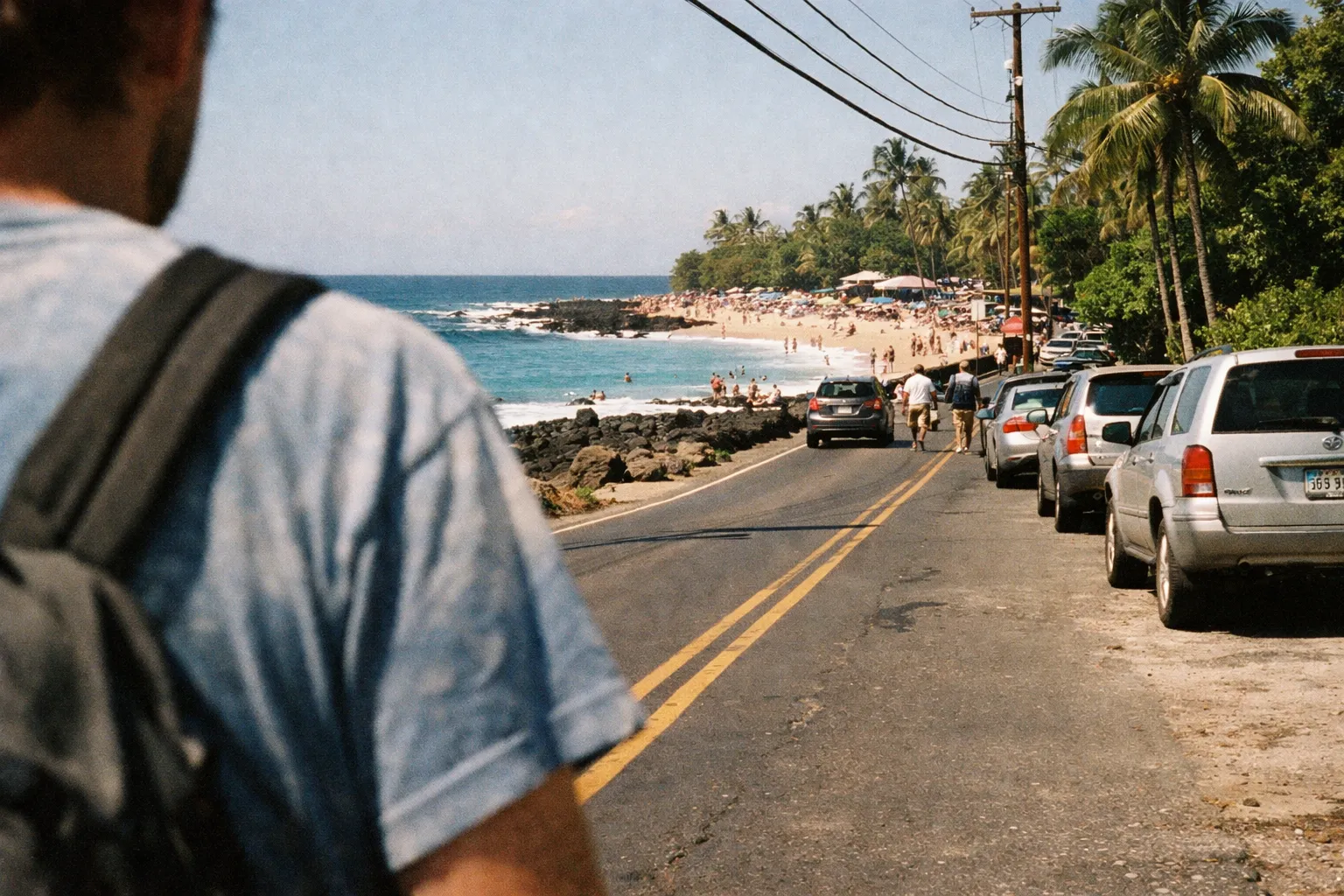
Kona Hawaii beaches range from small, walkable town coves right on Ali’i Drive to remote crescents you reach on foot across lava. None of them are as broad as Maui’s big resort beaches, but a few are genuinely excellent - and knowing which is which saves you a wasted drive.
Kailua-Kona rainfall: 9.9 inches; Kealakekua Bay distance: 12 miles; Makalawena Beach walk: 1.5-mile; manta snorkel: $130 to $170; boat-watch: $80 to $120.
Magic Sands Beach Park (La’aloa) lies about 4 miles (6.4 km) south of downtown Kailua-Kona on Ali’i Drive (2). Small but popular, with bodysurfing when the shore break is up. According to The Impulse Traveler, the beachfront lot is “nearly always full unless you arrive in the early morning,” with overflow parking across the street. Arrive before 9 am.
Kua Bay (Manini’ōwali) is about 30 minutes north - a wide crescent of white sand over clear turquoise water and one of the better swimming beaches near town. The road in is now paved, so you no longer need 4WD. Parking still fills early.
Makalawena Beach rewards effort. From the Kua Bay area, it’s roughly a 1.5-mile (2.4 km) walk across an unpaved access route and lava (2), and SafeToSwim Hawaii recommends arriving at Kua Bay before 9 am to get parking and finish the walk before the midday heat turns punishing. What you get is near-empty sand and excellent snorkeling. Bring all your own water and sun protection; there are no services.
Kaloko-Honokōhau National Historical Park is not a swimming beach. It’s a turtle-watching and cultural site with fishponds and trails, and green sea turtles routinely haul out to bask. Show up expecting to snorkel and you’ll be disappointed; show up for wildlife and history - ideally in late afternoon - and it delivers.
Hapuna Beach, on the Kohala Coast, is one of the best swimming beaches on the island: wide, sandy, and family-friendly. According to This Hawaii Life, it sits near mile marker 70, about 31.8 miles (51 km) from Kailua-Kona, open 7 am to 8 pm daily, with a $10 per-car parking fee for non-residents. It gets crowded on weekends.
Here’s a quick side-by-side to plan around. Magic Sands is about 4 miles south, best for bodysurfing and quick swims, with limited parking and no shade. Kua Bay is roughly 30 minutes north, best for swimming, with moderate parking that fills early and minimal shade. Makalawena is a 1.5-mile walk from Kua Bay, best for snorkeling and solitude, with limited parking and no shade. Kaloko-Honokōhau is about 5 miles north, best for turtle watching and cultural walks, with easy parking and minimal shade. Hapuna is about 32 miles north, best for family swimming, with moderate paid parking and some shade. Kahalu’u Beach Park is about 5 miles south, best for beginner snorkeling with turtles, with limited parking and some shade.
The consistent theme: most Kona-area beaches have little or no shade. Bring your own.
Kona Beaches at a Glance
| Magic Sands Beach Park | Kua Bay (Manini'ōwali) | Makalawena Beach | Kaloko-Honokōhau National Historical Park | Hapuna Beach | Kahalu'u Beach Park | |
|---|---|---|---|---|---|---|
| Distance from Kailua-Kona | 4 miles south | 30 minutes north | 1.5-mile walk from Kua Bay | 5 miles north | 32 miles north | 5 miles south |
| Best For | Bodysurfing, quick swims | Swimming | Snorkeling, solitude | Turtle watching, cultural walks | Family swimming | Beginner snorkeling with turtles |
| Parking Difficulty | Limited | Moderate, fills early | Limited | Easy | Moderate, paid | Limited |
| Shade Available | No | Minimal | No | Minimal | Some | Some |
| Notes | Arrive before 9 am; lot fills early | Paved road access; popular | Bring water and sun protection | Not a swimming beach | $10 parking fee for non-residents | Lifeguarded, walk-in entry |
Turtle Watching at Kaloko-Honokōhau - What to Know Before You Go
Come here for green sea turtles, not for a swim. Multiple guides note they’ve “never NOT seen a green sea turtle” at Kaloko-Honokōhau, and late afternoon is the best window: the light is good for photos, temperatures drop, and turtles often haul out to bask. Stay well back, never touch or approach them, and keep off the fishpond walls. These are protected animals on protected cultural ground.
Kona Coffee Farms - What a Tour Actually Gets You
Kona coffee farms cluster in a narrow belt between Holualoa and Captain Cook, roughly 800 to 2,500 feet (245 to 760 m) in elevation - a 10 to 30-minute drive uphill from Kailua-Kona. According to Hawaii Aloha Travel, the belt holds “dozens of small, family-run farms,” and the elevation trades hot coastal sun for cooler, cloudier, breezier conditions. To be labeled Kona coffee, per BitsofAloha, beans must be grown in this specific belt on the western slopes of Mauna Loa and Hualālai, which includes Holualoa, Kealakekua, and Captain Cook.
That geography is exactly why Kona coffee is expensive. The microclimate, the hand-picking on steep terrain, and the small-farm scale drive the price - not marketing.
A farm tour typically runs guided, 45 to 90 minutes, ending with tastings. Better ones walk you through the orchard and explain processing from cherry to parchment to roast. Named farms worth considering include Heavenly Hawaiian, Kona Joe, Buddha’s Cup, and Bay View Farms, each with a slightly different emphasis - some on processing method, others on the orchard walk. If you want to broaden the day, Big Island Bees runs a honey production tour with tasting, and the Kona Sea Salt Farm is an emerging niche stop.
Plan coffee country as a midday escape from coastal heat. Combine a tour with lunch in Holualoa or Captain Cook and you’ve built a comfortable half-day out of the sun.
Holualoa - The Town Worth Stopping In
Holualoa is essentially one street along Mamalahoa Highway, lined with art galleries, a historic post office, and small coffee estates - at about 1,400 feet (425 m), where the air runs 5 to 10°F cooler than the coast. It’s a genuinely pleasant place to browse and eat, and the smaller estate tastings tend to beat the big bus-tour operations. If you’re already in Kona, it’s worth the short drive. Don’t cross the island for it, but don’t skip it either.
Kona Coffee Cultural Festival (November)
The Kona Coffee Cultural Festival is worth timing a trip around if coffee is a priority. Vacation Villas Oahu lists the festival typically running in mid-November, with activities across Holualoa, Kailua-Kona, and surrounding farms - including daily farm tours, tastings by grade, and a marketplace over roughly ten days. Dates and programming shift year to year, so confirm the current schedule before booking around it.
To complement the farms, the Kona Farmers Market runs Wednesday through Sunday, 7:00 am to 4:00 pm, closed Monday, per TripAdvisor’s listing. It’s a reliable window to stock up on Kona coffee, local honey, macadamia nuts, and fresh fruit - which cuts down on restaurant breakfasts.
Historical and Cultural Sites Worth Your Time
Kona’s cultural sites are what elevate it above a beach strip, and the strongest of them cluster downtown and along the south coast toward Hōnaunau. A few are quick free stops; one deserves half a day.
Hulihe’e Palace is a former royal vacation home built of lava rock, now a museum on Ali’i Drive. It’s a compact 30 to 45-minute visit. The Daughters of Hawaiʻi, who operate it, list self-guided tours generally Wednesday to Saturday from 10:00 am, with last entry 30 minutes before closing, and adult self-guided admission at $16, with discounted kama’āina, senior, and military rates.
Mokuaikaua Church, built in 1837, sits directly across the street and is the oldest Christian church in Hawaiʻi (1). Free to enter, and it gives useful context on missionary history in about 15 minutes.
Pu’uhonua o Hōnaunau National Historical Park, about 20 miles south, is the anchor cultural site. It preserves a place of refuge with the Hale o Keawe heiau, royal fishponds, a Kōnane game stone, and a canoe landing (1). Entry is $20 per private vehicle, valid for seven days (per NPS and Lake.com), with $15 for motorcycles and $10 per pedestrian or cyclist; children under 16 are free. Travel Hawaii With Us notes the park is open daily 8:15 am to sunset, the visitor center runs 8:30 am to 4:30 pm, and only cards are accepted for the fee. The seven-day pass means a Day 1 south run and a later return cost nothing extra.
St. Benedict’s Painted Church, near Captain Cook, is a small, visually striking church with hand-painted biblical murals covering the interior walls. Free and takes only a few minutes - an easy add to a south Kona loop. At the north end of Kealakekua Bay, Hikiau Heiau is an ancient temple visible from boat tours.
Cultural protocol matters and is enforced. Stay off heiau platforms, respect posted fishpond closures, and never approach or touch turtles. These are protected spiritual and historical landscapes, not photo sets, and violations carry real consequences.
Pu’uhonua o Hōnaunau - How to Visit Respectfully
Treat it as sacred ground first and a photo stop second. Stay on marked paths, keep off the heiau platform and the reconstructed structures, and give any basking turtles at the adjacent shoreline a wide berth. Pair it with Two Step snorkeling next door to make one efficient trip south, and go earlier in the day before the parking lot near the gate fills.
Seasonal and Evening Activities - Whale Watching, Luaus, and Local Events
Several of Kona’s best experiences are time-sensitive or need booking ahead, so flag them early in your planning rather than hoping to walk on.
Whale watching is seasonal. Love Big Island notes humpbacks visit Hawaii between November and early May, with January, February, and March rated high-probability months, and boat tours along the Kona coast typically running mid-December through March. Cruises depart the Kailua pier and nearby harbors and run about 2.5 to 3 hours. Hawaiian Adventures Kona runs a December-to-March humpback tour departing Honokohau Small Boat Harbor - check their site directly for current per-person pricing and advance-booking discounts, as rates vary by season. You’ll occasionally spot whales from Ali’i Drive, but the offshore viewing is far better.
Luaus run 2.5 to 3 hours in the evening, combining a buffet, hula, and fire-knife performance. Reserve ahead in peak periods (June through August and holidays) or you won’t get in.
Helicopter tours launch from Kona airport, flying about 50 to 120 minutes depending on the route (coastline, Mauna Kea, or volcano loops) - check individual operators’ sites for current per-person pricing, as rates vary significantly by route and group size - with check-in 30 to 45 minutes before departure. It’s a premium splurge, best if you want to see the volcano zones from the air.
A few more evening and niche options: Body Glove operates a sunset dinner cruise out of Kona, and Mamalahoa Hot Tubs is an emerging option for a quiet evening wind-down.
On the calendar, the Lighted Boat Parade lights up Kailua Bay each December (typically around December 7), free to watch from shore. Two things to plan around: the Kona Coffee Cultural Festival in November, and the Ironman World Championship, typically in October, when the town gets very busy and lodging tightens. Confirm farmers market days (Wednesday through Sunday for the main market) before building a morning around one.
A Suggested 3-Day Kona Itinerary
3 days, covering the coast, the upslope farms, and the south Kona cultural loop - sequenced so you’re never fighting heat, crowds, or backtracking, with the manta tour early enough to weather a cancellation.
Day 1 - Downtown Kona and the Manta Ray Evening
Start with the downtown orientation walk before the heat builds: Hulihe’e Palace, Mokuaikaua Church across the street, the pier, and Ali’i Drive. It’s the most efficient first-morning intro to town and largely free. In the afternoon, cool off at Kamakahonu Beach by the pier, or drive about 10 minutes south to Kahalu’u Beach Park (roughly 5 miles from downtown) for easy snorkeling with turtles (1).
In the evening, do the manta ray night snorkel. Booking it for night 1 means that if wind or swell cancels, you still have two nights of backup before you leave.
Day 2 - North Shore Beaches and Turtle Watching
Get an early start north to Kua Bay before the lot fills - ideally before 9 am. If you’ve got the energy and water, make the 1.5-mile walk to Makalawena for near-empty sand and good snorkeling. In the late afternoon, visit Kaloko-Honokōhau for turtle sightings and cooler temperatures, then close the day with sunset back on Ali’i Drive.
Day 3 - Kealakekua Bay, Pu’uhonua o Hōnaunau, and Coffee Country
Take a morning boat tour to Kealakekua Bay for the island’s best snorkeling and a good shot at spinner dolphins. Afterward, drive south to combine Pu’uhonua o Hōnaunau with Two Step snorkeling next door; the $20 vehicle pass is valid seven days, so it’s flexible within your stay. In the afternoon, head upslope to Holualoa or Captain Cook for a coffee farm tour and a late lunch out of the coastal heat.
Practical notes: have your rental car before Day 2, book the manta tour before you leave home, and confirm farmers market days if you want a morning snack run.
Frequently Asked Questions
- What is Kona best known for?
- Kona is best known for three things: Kona coffee, year-round manta ray night snorkeling, and clear, calm water on the leeward coast, supported by a dry climate.
- Does Matthew McConaughey live in Kona?
- He owns property in the area, a local talking point but not a visitor activity, reflecting Kona's appeal beyond resorts.
- Are manta ray night snorkel tours safe for non-swimmers?
- Yes. Non-swimmers can watch from the boat at reduced fare; snorkelers get wetsuits and flotation devices; seasickness is the main risk.
- How far in advance should I book a manta ray tour?
- Book 3 to 7 days ahead in peak season for small-group boats; 1 to 2 days ahead in shoulder season usually suffices.
- What's the difference between Kona and Kailua-Kona?
- Kailua-Kona is the main town with the walkable Ali'i Drive strip; Kona refers to the broader west coast region including coffee country and south coast.
- What not to miss on the Big Island beyond Kona?
- From Kona: manta night snorkel, Kealakekua Bay, Pu'uhonua o Hōnaunau; for day trips east, Hawaiʻi Volcanoes National Park is key if open.
Common Mistakes That Cost You Time (and How to Avoid Them)
Underestimating the Captain Cook Monument trail. It’s 3.8 miles (6.1 km) round trip, steep, and hot, with real dehydration risk on the climb out (1, 8). For most visitors, a boat tour reaches the same reef without the suffering. Take the boat.
Booking manta tours only for winter nights with no backup. Rougher winter seas mean more cancellations. April through October is the reliable window, and either way, book early in your trip so a cancellation doesn’t cost you the experience entirely.
Treating Kaloko-Honokōhau as a swimming beach. It’s a turtle-watching and cultural site, not a snorkel spot. Show up with fins and mask expecting a swim and you’ll be disappointed.
Arriving late to Magic Sands or Kua Bay. Both lots fill by mid-morning, and The Impulse Traveler describes the Magic Sands lot as “nearly always full unless you arrive in the early morning.” Aim to be parked before 9 am.
Treating heiau and fishponds as generic recreation areas. Posted rules at Pu’uhonua o Hōnaunau and other sites exist for a reason, and enforcement is real. Stay off platforms, respect closures, and keep your distance from turtles.
Skipping coffee country entirely. Staying only on the coast means missing one of Kona’s most distinctive experiences. The upslope farms sit 800 to 2,500 feet above the heat and are an easy half-day.
The Bottom Line
Kona works when you treat it as a base for the whole leeward side, not just a beach strip. The sequencing is what makes or breaks a trip: book the manta ray night snorkel before you leave home and put it on your first or second evening, get to Kua Bay and Magic Sands before 9 am, and don’t skip the upslope coffee day just because the coast is convenient.
Do that, and 3 to 5 days here feels genuinely full rather than repetitive - moving from ancient heiau to underwater light bars to volcanic coffee farms without ever driving more than 30 minutes. Rent the car, book the manta tour early, arrive at the beaches ahead of the crowds, and the rest falls into place.