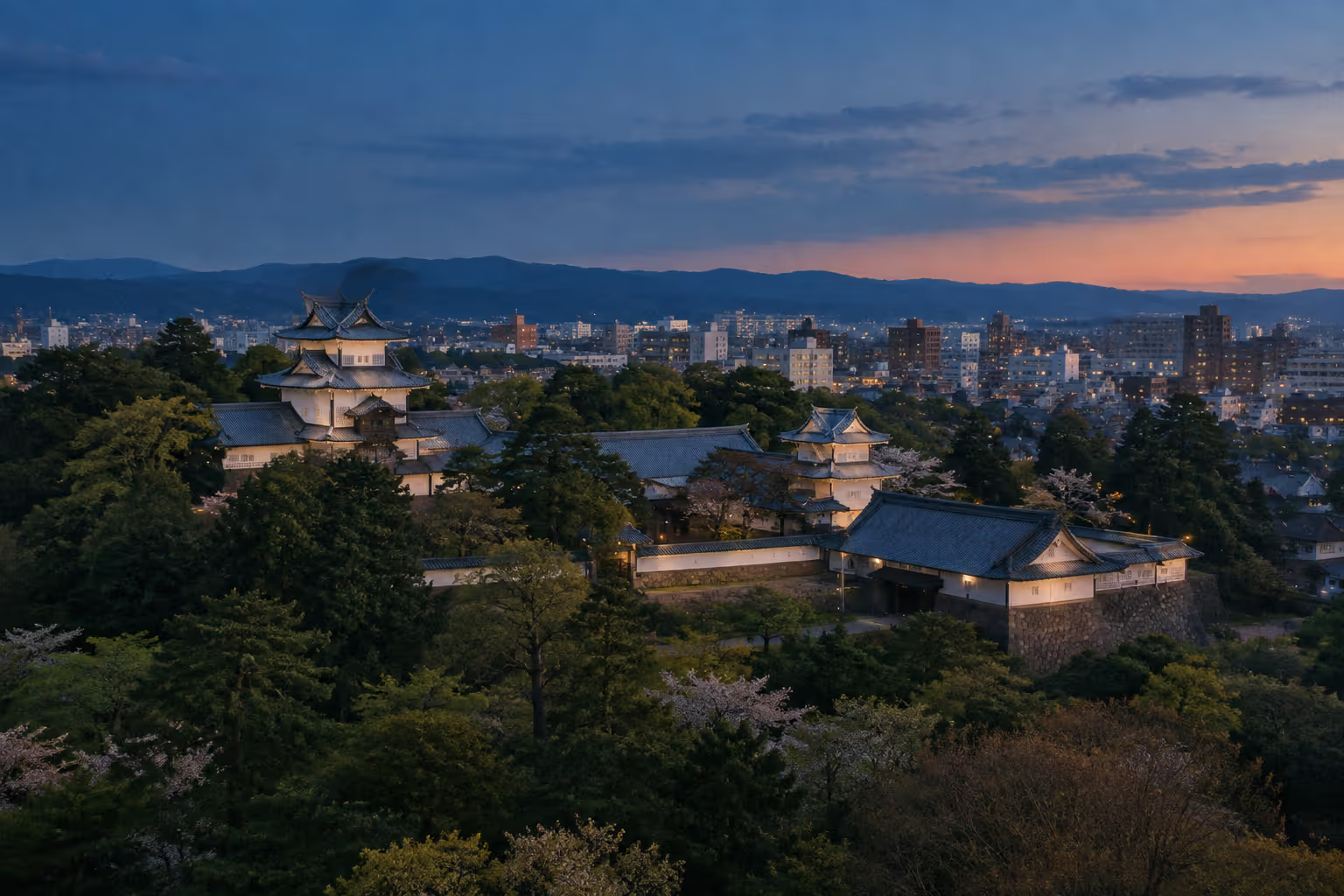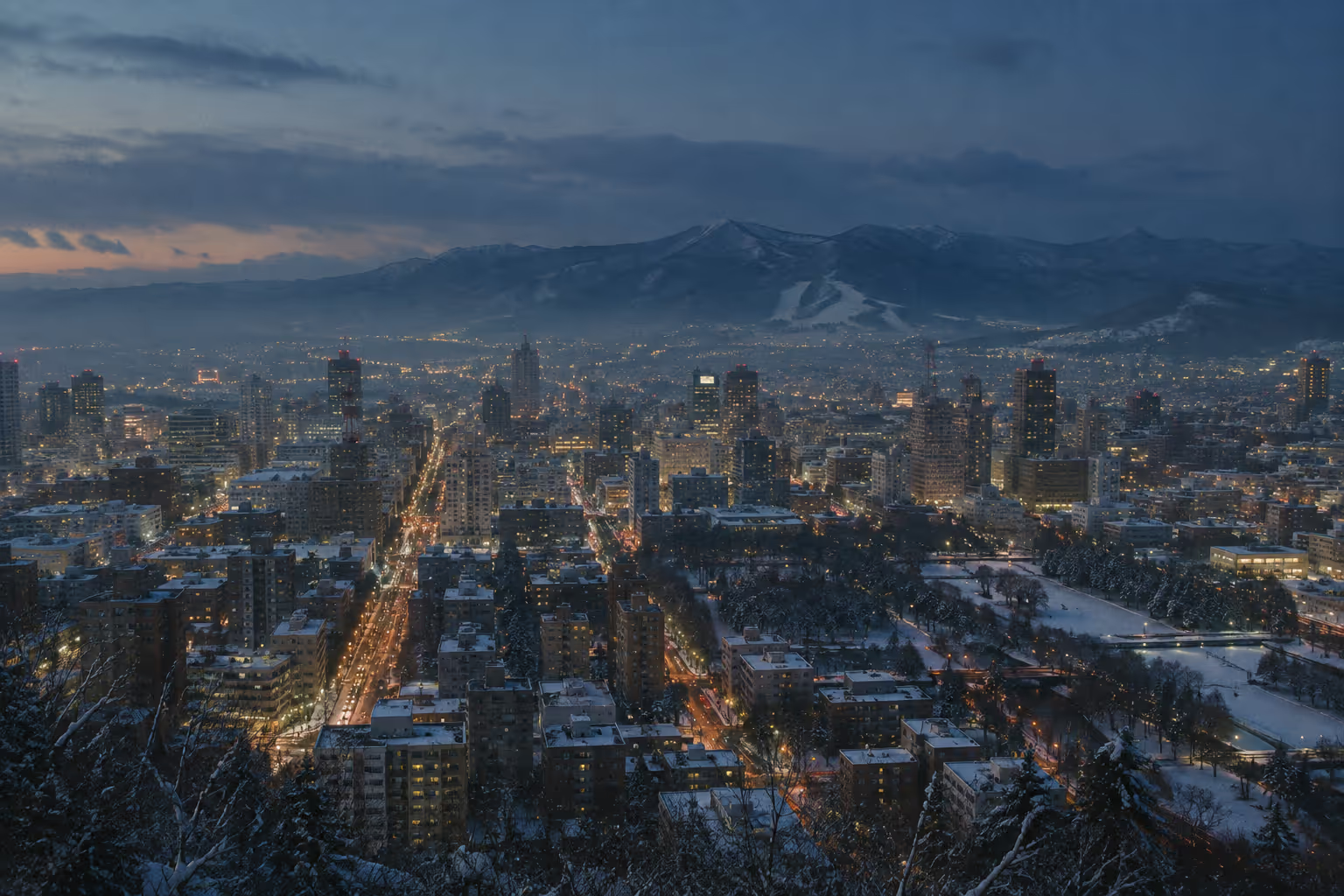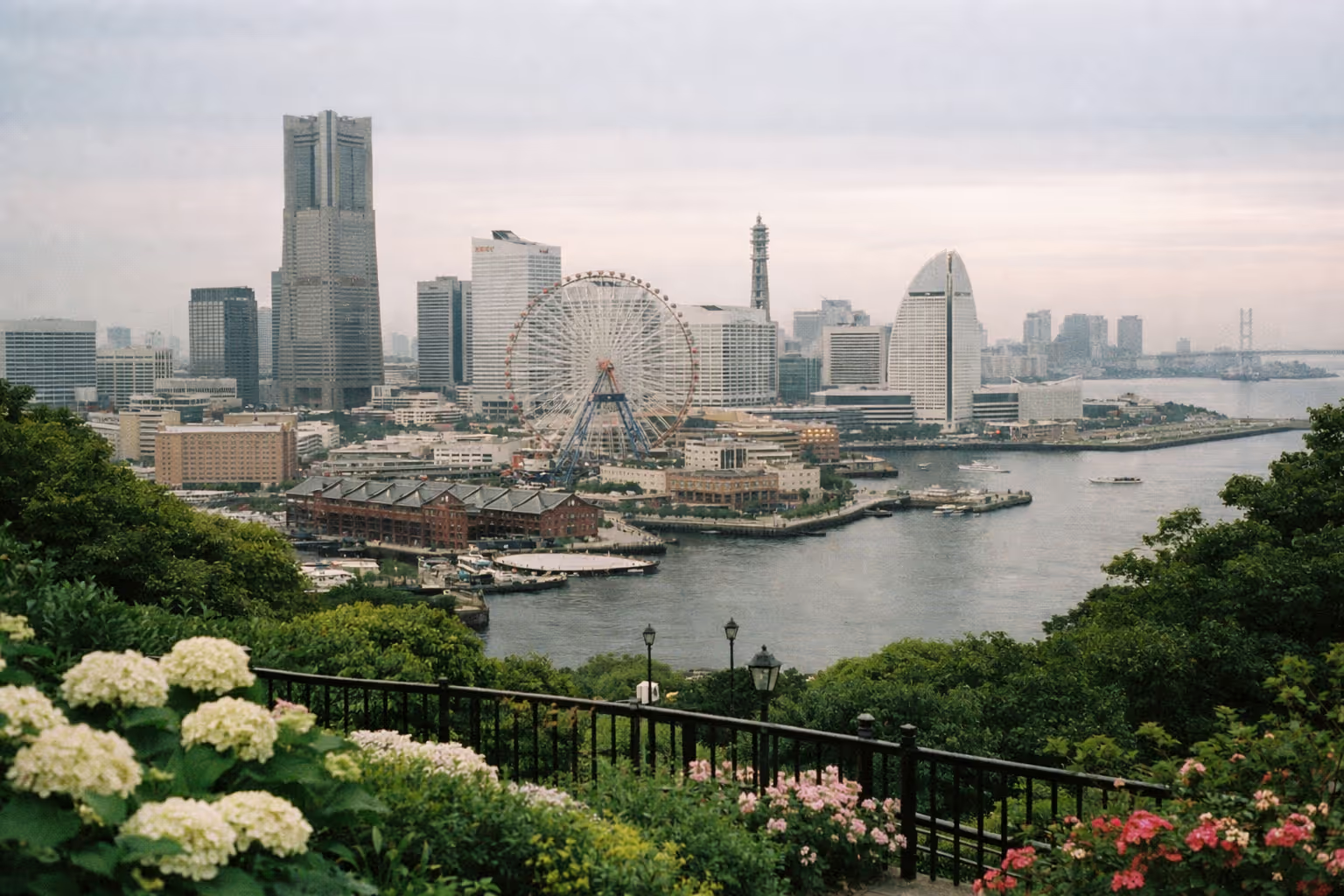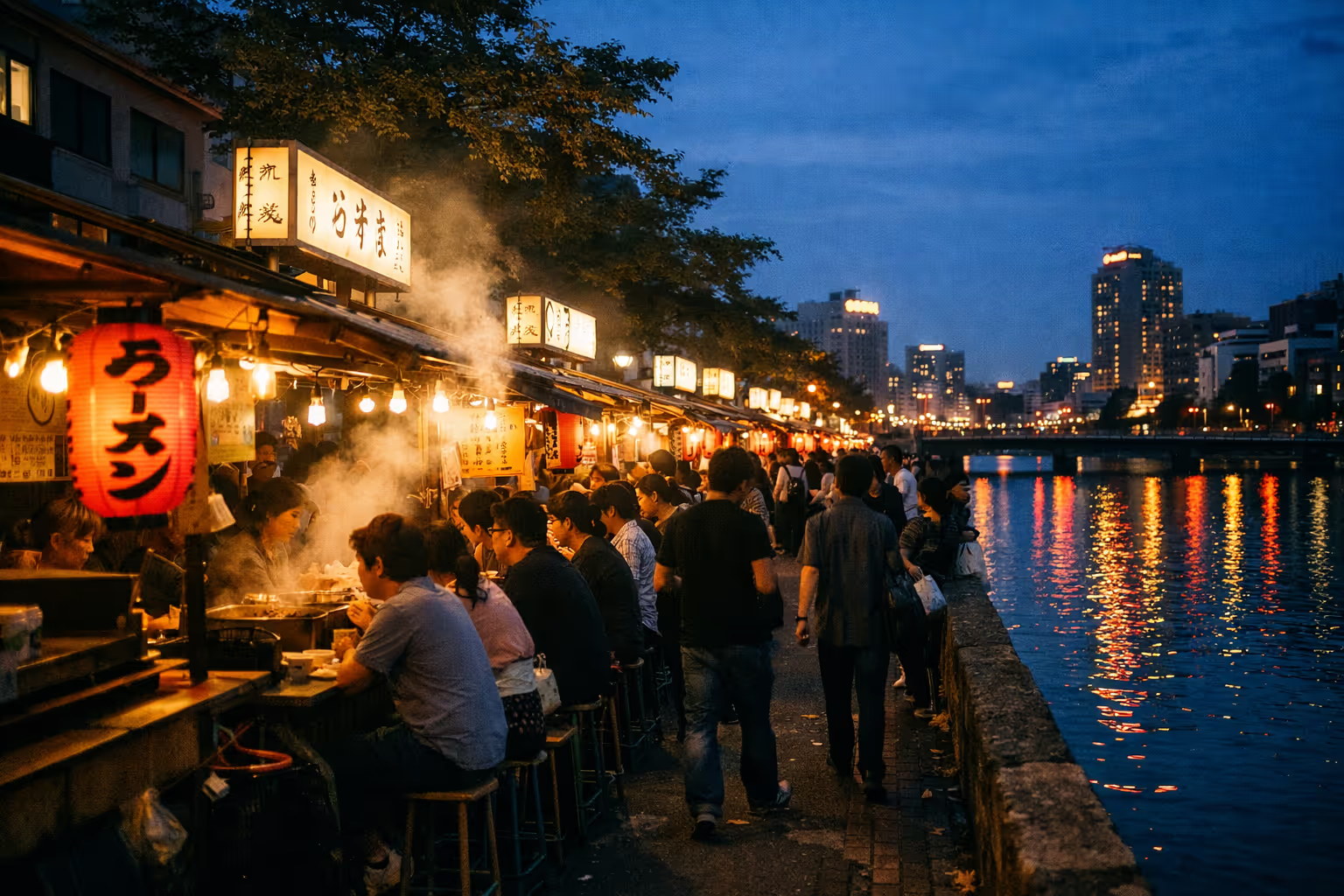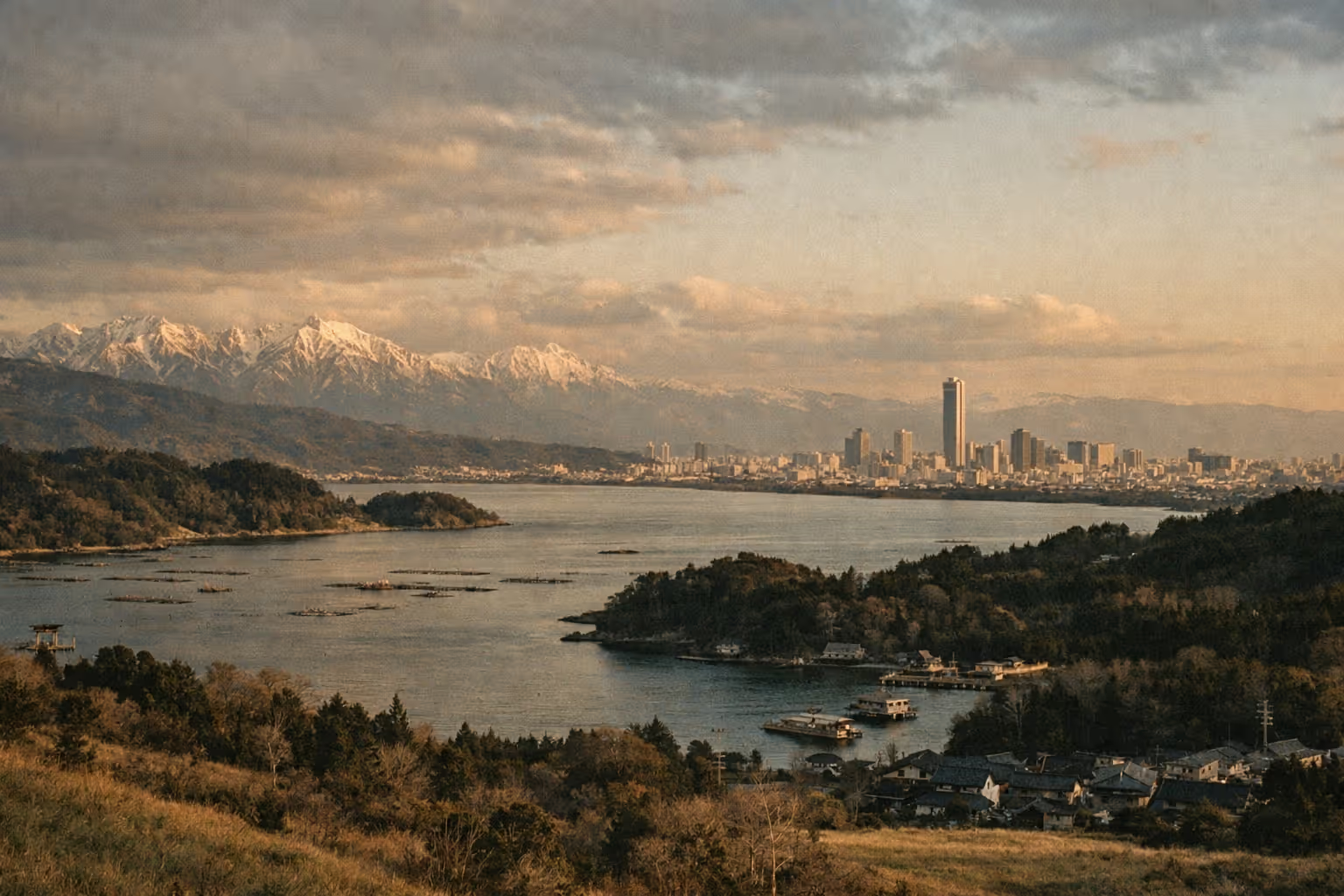
The most interesting facts about Japan are the ones that quietly run daily life, not the postcard trivia. Buildings skip the fourth floor because the word for four sounds like death, KFC is the traditional Christmas Eve dinner in a country that is barely two percent Christian, and a bowl of Osaka street food can cost less than five dollars. Learn a handful of these before you go and the country stops feeling random. Forty of them follow, starting with five that reset your bearings.
5 Interesting Facts About Japan to Start With
If you’re curious to learn some interesting facts about Japan, here are five key points to remember:
- Japan is an archipelago of 6,852 islands (2). The four main ones - Honshu, Hokkaido, Kyushu, and Shikoku - hold almost all of the country’s roughly 126 million people.
- It has over 100 active volcanoes and experiences more than 1,000 earthquakes a year, sitting squarely on the Pacific Ring of Fire.
- There are more than 5 million vending machines nationwide, selling everything from hot canned coffee to ramen and umbrellas (6).
- The world’s oldest continuously operating company is Japanese - Kongō Gumi, a temple-building firm founded in 578 AD (6).
- Tokyo’s metropolitan area holds about 37 million people, frequently cited as the largest urban area in the world (8).
Good for trivia night. Better as a starting point for actually understanding the place.
✓ Pros
- Rich blend of ancient culture and modern technology
- Exceptional disaster preparedness and infrastructure resilience
- Unique cultural customs that enrich visitor experience
- Diverse geography offering varied climates and landscapes
✗ Cons
- High population density in urban areas can feel overwhelming
- Language barriers outside major cities
- Strict social etiquette can be challenging for first-time visitors
The resilience and innovation of Japan
Japan currently ranks as the 3rd-largest economy by nominal GDP after the US and China (1)(5), which is a remarkable position for a country with almost no natural resources and a geography that works against it at every turn.
I was in Tokyo during cherry blossom season when a local guide walked me through what the 2011 Tohoku earthquake had meant for her city - not just structurally, but psychologically. The 2011 Tohoku earthquake and subsequent tsunami registered at magnitude 9.0, the most powerful ever recorded in Japan, and it shifted the Earth on its axis. Damages ran to around $360 billion.
What followed was less dramatic but arguably more impressive. Within a year, debris was cleared and infrastructure was largely restored. That kind of recovery doesn’t happen by accident - it reflects decades of building codes, disaster education, and a national culture that takes preparedness seriously.
The same pattern shows up in the post-WWII economy, which grew at roughly 9% per year between 1953 and 1965. Economists still use it as a case study. And it shows up in smaller ways too: the average delay across Japan’s rail network is about 18 seconds (3). That’s not a rounding error. That’s a standard.
What Makes Japanese Culture So Distinctive
Japan’s culture layers ancient customs over a very modern infrastructure, and the interesting facts about Japanese culture often live in the friction between the two. A tea ceremony conducted in a garden that backs onto a six-lane road. A salaryman in full suit bowing deeply to a vending machine he accidentally bumped.
| Tradition/Modern Element | Details |
|---|---|
| Tea Ceremonies | Traditional ceremonies emphasizing mindfulness and respect, conducted in gardens tucked between city blocks |
| Technology | Advanced robotics and AI integrated into daily life, while traditional crafts are preserved using modern production techniques |
| Festivals | Historical festivals celebrating ancient rites, now organized digitally and attended by international visitors |
| Art Forms | Classical Kabuki and contemporary Japanese cinema drawing on the same narrative traditions |
A few culture notes worth knowing before you go:
- Bowing is the default greeting, and the depth of the bow signals the level of respect (4).
- Shoes come off indoors - in homes, many restaurants, temples, and some museums. Look for the raised entryway (genkan, the transitional foyer between outside and inside) and a row of slippers waiting nearby.
- Trash sorting is taken seriously. Burnables, plastics, paper, cans, and PET bottles all go in separate streams. Getting it wrong isn’t just inconvenient - it’s a genuine social faux pas (4).
- Many adults still use personal seals called hanko (carved stamp used in place of a signature) instead of signing their name - often maintaining three: one personal, one for banking, and one registered for official identity (3)(6).
- Inemuri (dozing while present at your desk or in a meeting) can read as a sign of diligence rather than laziness - proof you’ve worked yourself to exhaustion (6).
- Crossing chopsticks or sticking them upright in rice is taboo; both gestures are associated with funeral rites (4).
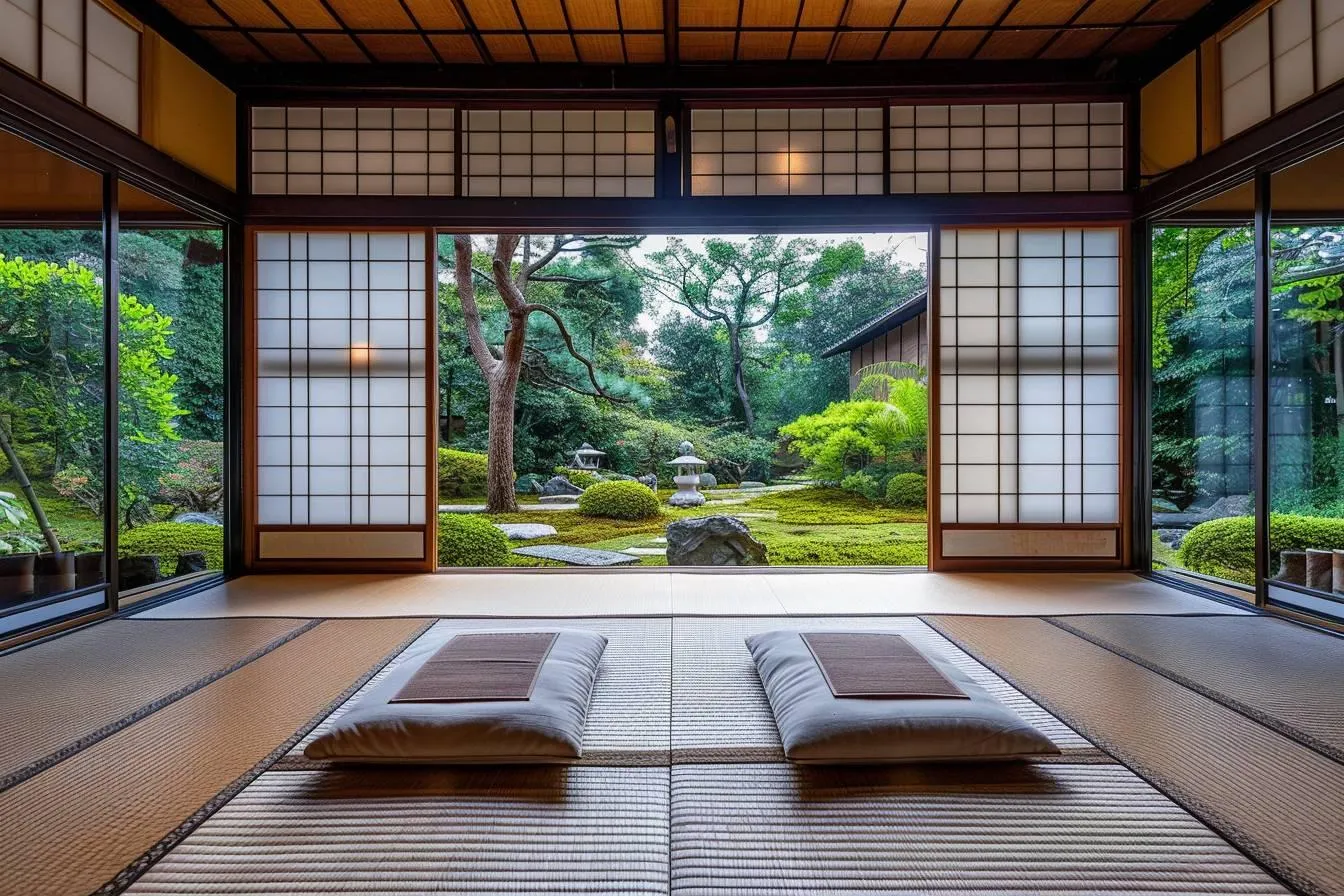
I did a tea ceremony in Kyoto’s Higashiyama district on my second visit - the kind that takes 45 minutes and involves more silence than I was prepared for. What struck me wasn’t the ceremony itself but the garden it faced, which had been maintained in roughly the same form for 400 years. The contrast with the taxi I’d taken to get there was almost funny.
Japan’s writing system reflects the same layering: it uses kanji (Chinese characters adopted around the 5th century) alongside two home-grown syllabaries, hiragana and katakana (6). Most signage uses all three, sometimes in the same sentence. Culinary exploration is another pivotal aspect of understanding Japanese culture, from savoring sushi at a Tokyo Michelin-starred counter to hunting down regional specialties in neighborhood markets.
Geographical splendours and challenges
More than 70% of Japan is mountainous, which explains a lot - why the population is so densely packed into coastal plains, why the train network is so elaborate, and why so much of the country’s spiritual life is oriented toward mountains and forests. The range from Hokkaido’s snow country to Okinawa’s subtropical beaches covers more climatic variety than most people expect from a single country.
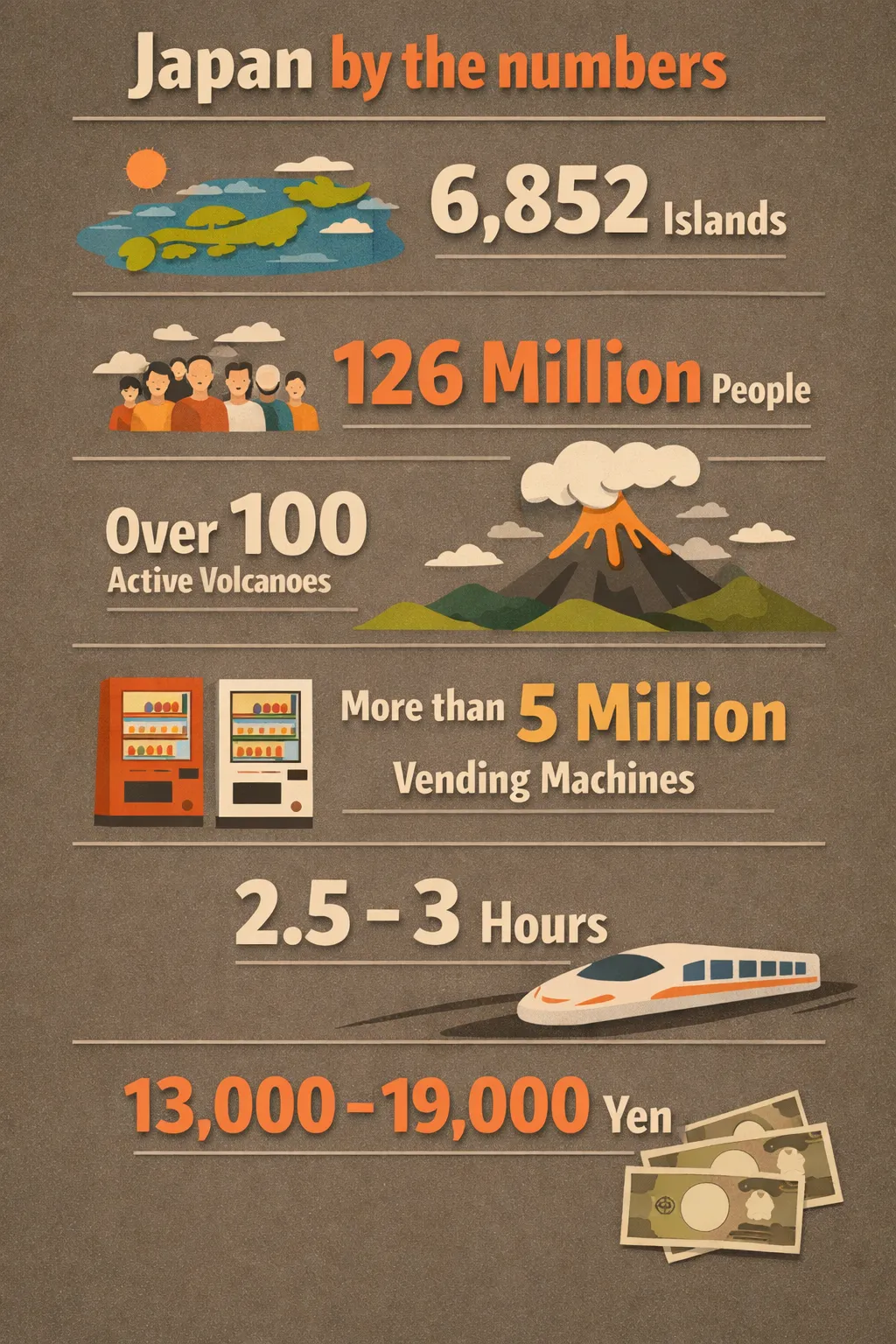 Six key numbers summarize Japan’s scale: 6,852 islands, roughly 126 million people, over 100 active volcanoes, more than 5 million vending machines nationwide, 2.5-3 hours for the Tokyo-Osaka Shinkansen, and 13,000-19,000 yen fare.
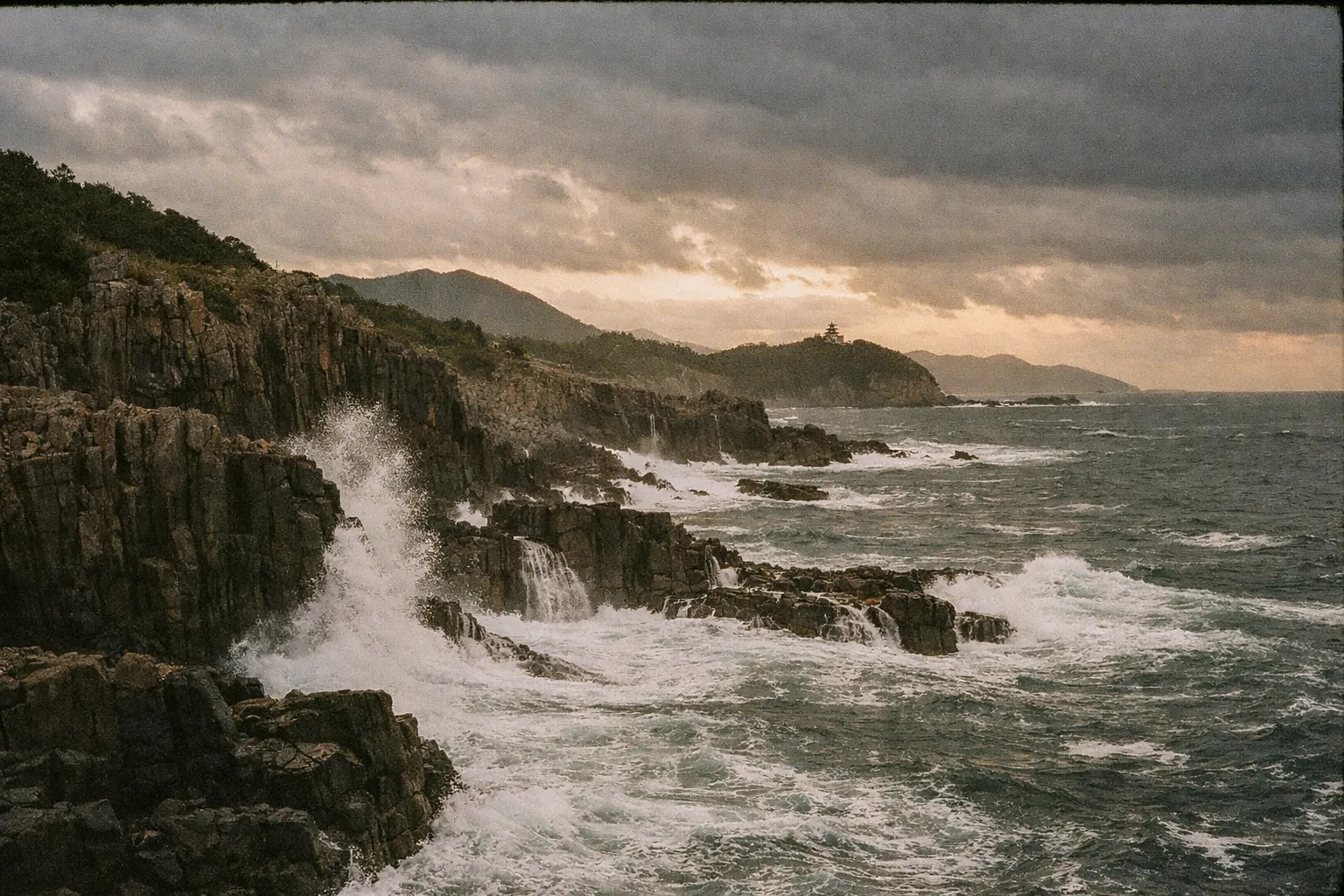
Hiking in the Northern Alps in late September, I came over a ridge to find a panoramic view that made me stop walking for a full minute - the kind of wide-open landscape that doesn’t show up in most Japan travel coverage, which tends to focus on cities.
The geological trade-off is significant. Japan sits on the Pacific Ring of Fire, which means more than 1,000 earthquakes annually (1)(7) and around 200 volcanoes total, over 100 of them active. Building codes here are among the strictest in the world, and earthquake drills are part of the school curriculum. Life expectancy sits around 85 years (5), among the highest globally - linked to diet, healthcare, and, some researchers argue, the social cohesion that comes from navigating shared risk.
Osaka, Japan: What the City Is Actually Like
Osaka gets reduced to a day trip from Kyoto more often than it deserves. The city earned the nickname “Japan’s kitchen” for a food scene built on street snacks rather than fine dining (6), and that reputation is accurate in the best possible way.
Among the interesting facts about Osaka, Japan, a few specifics worth knowing:
- Takoyaki and okonomiyaki are local institutions. Takoyaki - wheat-batter balls filled with octopus, topped with bonito flakes and sauce - were invented here. Okonomiyaki (a savory cabbage pancake layered with meat, seafood, and a sweet-savory sauce) is practically a regional identity marker.
- Dotonbori is the place to eat at night. The canal-side strip is lit by oversized mechanical signs, including the running Glico man that’s been a landmark since 1935. It’s crowded and loud and worth it.
- Osaka has its own dialect, Osaka-ben (the regional speech of the Osaka area, distinct from standard Tokyo Japanese), known for being warmer and more direct than standard Tokyo Japanese. Comedians from the Kansai region are a staple of Japanese television, and the humor tends to be sharper and more self-deprecating than what you’d find in Tokyo.
- It’s a smart base for Kobe and Nara, both under an hour away by train, which makes Osaka worth prioritizing if you want to spread out across the Kansai region.
Local subway rides run about 150-320 yen ($1.50-$3), and most Dotonbori street snacks land under 700 yen ($5, late 2025). That’s some of the best value eating in any major Japanese city.
Kyoto, Japan: A Thousand Years of Temples and Shrines
Kyoto was Japan’s capital for over a thousand years, and the density of religious sites reflects it. The city has over 2,000 temples and shrines(7). Among the interesting facts about Kyoto, Japan, these stand out:
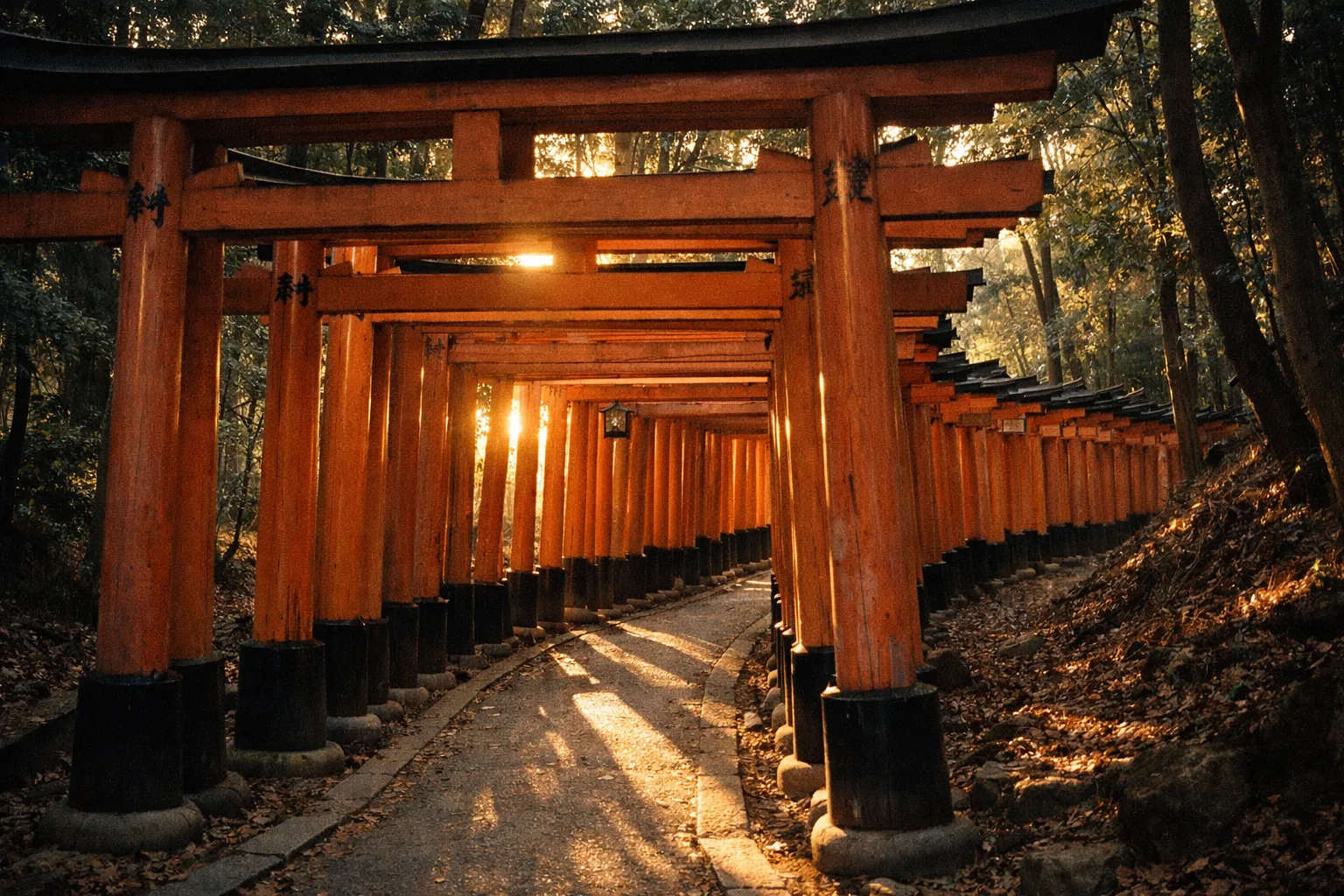
- Fushimi Inari Taisha is wrapped in thousands of vermilion torii gates (traditional Shinto gate marking the entrance to sacred space) climbing the mountainside south of the city center. The shrine grounds are free to enter, and the full loop takes 2-3 hours. Go early - by 9AM the main gate is already crowded.
- Many Buddhist temples charge entry, usually 300-1,000 yen ($2-$7), while most Shinto shrines remain free.
- The geisha districts are still active. Gion is the best known; the women you see there are geiko (Kyoto’s term for geisha) and maiko (apprentice geisha). Photographing them without permission has become enough of a problem that some streets now restrict it outright.
- Seasonal timing matters more here than almost anywhere else in Japan. Cherry blossoms in spring and red maples in autumn transform the temple gardens - and bring the biggest crowds of the year.
Across the whole country, Japan has more than 80,000 Shinto shrines (6), with a heavy concentration around Kyoto and neighboring Nara.
How Japan Celebrates Christmas
Christmas in Japan looks almost nothing like its Western counterpart. It’s not a national holiday, and fewer than 2% of the population is Christian, so the day plays out as a secular, romantic, and family event rather than a religious one. The interesting facts about Christmas in Japan that surprise most visitors:
- KFC is the Christmas meal. A 1970s marketing campaign turned fried chicken into a holiday tradition so entrenched that families pre-order their “Christmas chicken” buckets weeks in advance (6). This is not ironic. People genuinely look forward to it.
- Strawberry shortcake is the Christmas cake. Light sponge, whipped cream, and strawberries - sold everywhere from convenience stores to department-store basements throughout December.
- December 24th is a date night. Christmas Eve functions more like Valentine’s Day, with couples booking restaurants and walking through illumination displays around the city.
- Illuminations are the main event. Cities string up elaborate light installations that have grown bigger each year, and they anchor much of the season’s appeal for locals.
What does 4444 mean in Japan?
The number 4 is considered deeply unlucky in Japan because one of its readings, shi, sounds identical to the word for death (3). This isn’t just folklore - buildings regularly skip the 4th floor, hospitals avoid room number 4, and gifts in sets of four are quietly avoided in most social contexts.
4444 compounds the problem: four unlucky fours in a row. You’ll rarely see it in license plates, phone numbers, or room assignments, and many people consider it strongly inauspicious. If you’re booking a hotel room or apartment, don’t be surprised to find 4 - and sometimes 9, which can sound like ku, meaning “suffering” - simply missing from the floor directory.
Can females wear shorts in Japan?
Yes. There’s no law restricting shorts for women, and in major cities during the hot, humid summer, shorts and above-knee skirts are common casual wear, particularly among younger generations. Tokyo, Osaka, and beach towns are full of women dressed exactly this way.
Two practical notes:
- Shrines, temples, and upscale dining lean more conservative. Knee-length or longer reads as more respectful in those settings.
- Very revealing clothing draws more attention than in many Western countries. Shorts are fine; the line most people stay on the right side of is the difference between casual and overtly bare-shouldered or extremely short.
Pack the shorts. Just bring something to layer over for temple days.
How to Dress Respectfully in Japan
5 minutesGuidance on appropriate clothing choices for different settings in Japan.
- 1
Wear casual shorts in urban and beach areas
In cities like Tokyo and Osaka, shorts and above-knee skirts are common and acceptable during summer.
- 2
Choose knee-length or longer for temples and upscale dining
When visiting shrines, temples, or fine dining restaurants, opt for more conservative lengths to show respect.
- 3
Avoid overly revealing clothing
Keep bare shoulders and extremely short garments for private or casual settings to avoid unwanted attention.
20 fun facts about Japan for kids
A kid-friendly set, built around the surprising details:
- Japan is made of 6,852 islands.
- The four biggest are Honshu, Hokkaido, Kyushu, and Shikoku.
- About 126 million people live there (5).
- Tokyo is the biggest city area in the world, with around 37 million people.
- Japan has more than 100 active volcanoes (5).
- The country has over 1,000 earthquakes every year (1)(7).
- Mount Fuji, Japan’s tallest mountain, is an active volcano.
- There are over 5 million vending machines - that’s one for every 25 people (6).
- Bullet trains travel at up to 320 km/h (6).
- Japanese trains are so punctual the average delay is just 18 seconds (3).
- Snow monkeys in Nagano bathe in steaming hot springs in winter (6).
- Farmers grow square watermelons by putting them in boxes while they’re still growing (6).
- Kit Kats come in flavors like green tea, wasabi, and edamame (3).
- Kit Kat sounds like “kitto katsu,” meaning “surely win” - so they’re given as good-luck gifts before exams.
- Koi fish, a national symbol, can live for decades.
- Japan has the world’s oldest company, started in the year 578 (6).
- People take their shoes off before going inside a home (4).
- Many adults use a stamp called a hanko instead of signing their name (3)(6).
- Anime and manga (comics) were popularized in Japan and are now loved worldwide.
- People bow to say hello, thank you, and goodbye (4).
40 fun facts about Japan: rapid-fire round
To round out a full set of 40 fun facts about Japan, here’s a quick-hit list that builds on everything above - useful if you’re compiling 10 interesting facts about Japan or stretching all the way to 40:
- Japan’s official name is Nihon or Nippon (5).
- The flag’s red disk represents the sun.
- The cherry blossom and chrysanthemum are both national symbols (5).
- Japan is a constitutional monarchy with a parliamentary government (1)(5).
- It’s the only country in the world with a reigning emperor - currently Naruhito (1).
- Sanae Takaichi became Japan’s first female prime minister (5).
- Over 90% of the population lives in urban areas (5).
- Japan has more than 80,000 Shinto shrines (6).
- Kyoto alone holds over 2,000 temples and shrines(7).
- Buddhism and Shinto are the two largest religions, and many people practice both.
- Some feudal mansions had “nightingale floors” - boards engineered to squeak when walked on, to alert residents to intruders (3).
- Tokyo has more Michelin stars than any other city.
- Vending machine drinks usually cost 100-160 yen (about $0.70-$1.20).
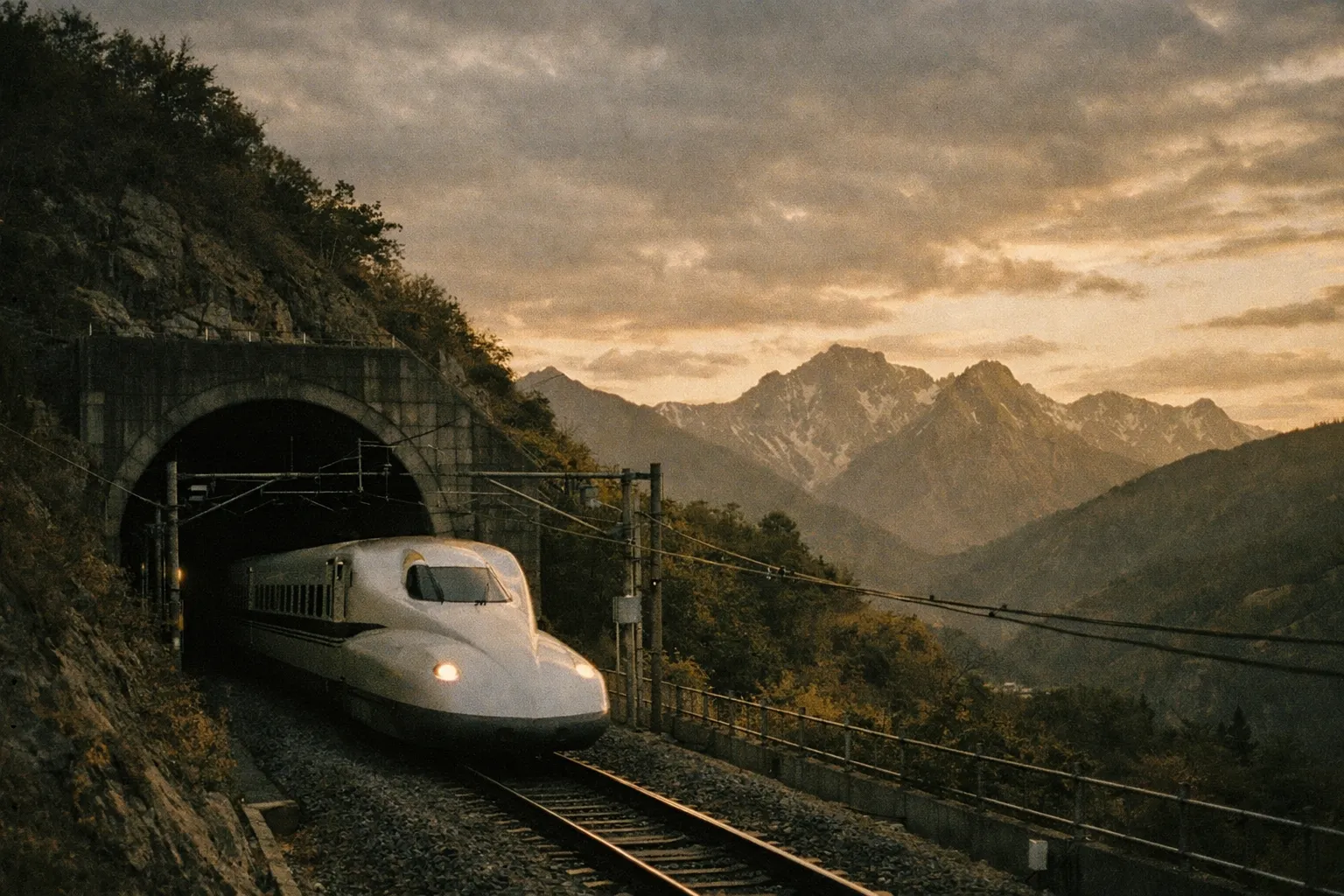
- A Shinkansen ride from Tokyo to Osaka takes about 2.5-3 hours and runs roughly 13,000-19,000 yen ($90-$130) one-way.
- Baseball is wildly popular and arguably the unofficial national pastime.
- Some common US over-the-counter cold medicines are restricted or banned in Japan - check before you pack (8).
- Cash is still widely used, though contactless IC cards are now common for transit and shops.
- Hot springs called onsen are everywhere, thanks to all that volcanic activity. If you’re drawn to Japan’s thrills, the country’s geological energy surfaces in dramatic ways beyond the onsen circuit.
- The writing system combines kanji, hiragana, and katakana (6).
- Japan’s kanji writing was adapted from Chinese characters around the 5th century (6).
Japan’s global influence
Japan’s cultural exports - anime, sushi, game design, product manufacturing standards - have shaped global pop culture and industry in ways that are easy to underestimate until you start tracing the threads. At a digital nomad meetup in Osaka’s Namba district, I sat with engineers and designers from six different countries, most of whom had come to Japan at least partly because of how Japanese design thinking had influenced their own work. That pull is real.
The country’s global influence isn’t just soft power. The commitment to precision that produces 18-second average train delays also produces the electronics, robotics, and manufacturing processes that other countries benchmark against.
Japan is a place where the past and present coexist in a way that doesn’t feel forced or curated - it just is. The squeaking nightingale floor in a 17th-century castle. The green tea Kit Kat in a 7-Eleven. The missing 4th-floor button in a hotel elevator.
If you’re planning a trip around any of these interesting facts about Japan, a few cost anchors: budget around $90-$130 for a one-way Shinkansen between Tokyo and Osaka, $2-$7 for most Kyoto temple entries, and $10-$40 for themed experiences like animal cafés or robot shows. Bring cash as a backup, pack shorts for summer, and check your cold medicine against Japan’s restricted substances list before you leave. The small details are where this country does its best work - and where most first-time visitors get caught off guard.
Frequently Asked Questions
- Why do some buildings in Japan skip the 4th floor?
- Because the number 4 (shi) sounds like the word for death, many buildings avoid labeling a 4th floor to prevent bad luck.
- Are shorts acceptable attire for women in Japan?
- Yes, especially in urban and beach areas during summer, but more conservative dress is recommended for temples and upscale dining.
- What is the significance of KFC at Christmas in Japan?
- A 1970s marketing campaign made fried chicken a popular Christmas meal, with families pre-ordering buckets weeks in advance.
- How punctual are Japanese trains?
- The average delay is about 18 seconds, reflecting a national standard of precision and reliability.
- What is a hanko and how is it used?
- A hanko is a personal seal used in place of a signature, often with different stamps for personal, banking, and official use.
- Can visitors photograph geiko and maiko in Kyoto?
- Photographing geiko and maiko without permission has become problematic, and some streets now restrict photography.
- How do Japanese people show respect when greeting?
- Bowing is the default greeting, with the depth of the bow indicating the level of respect.