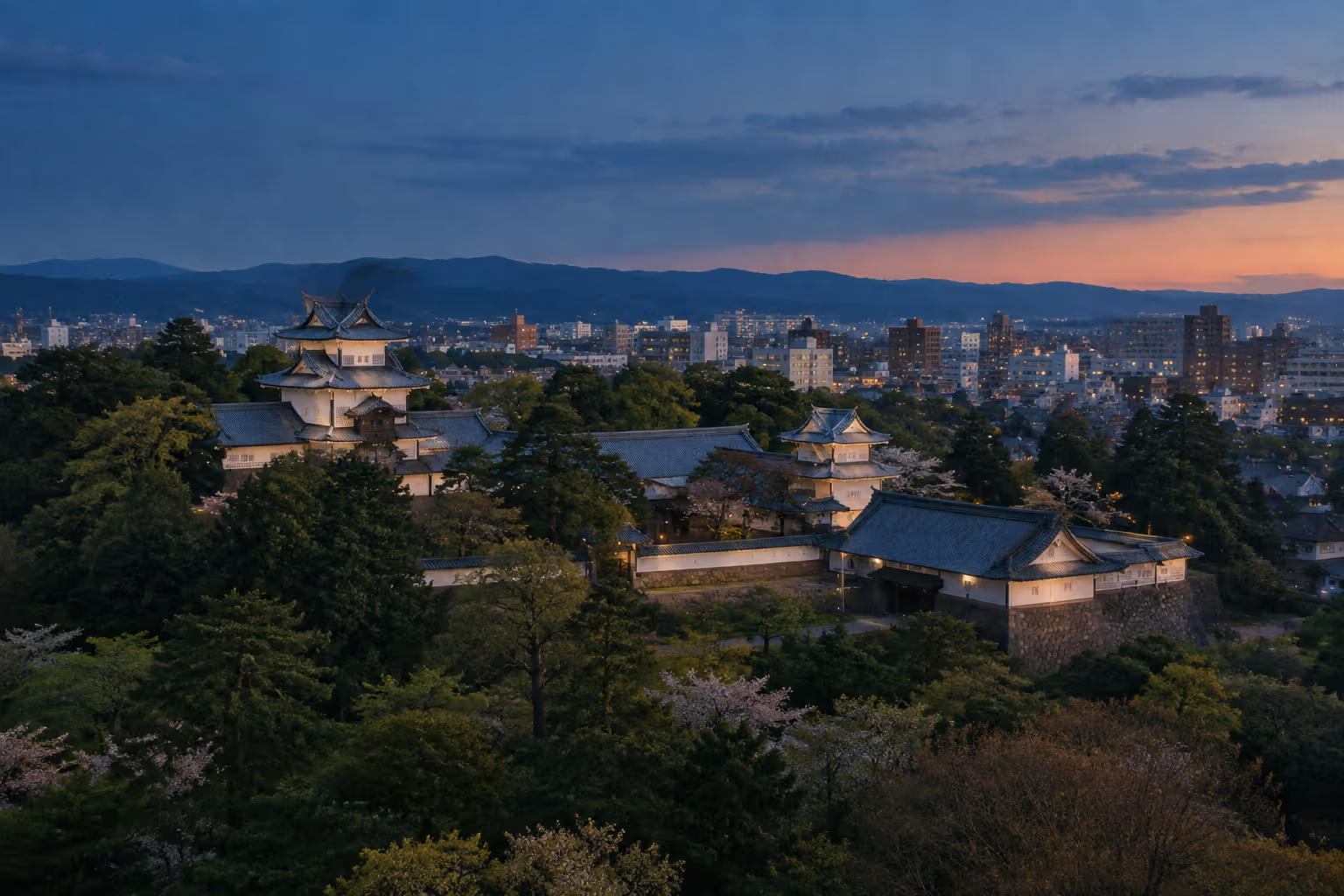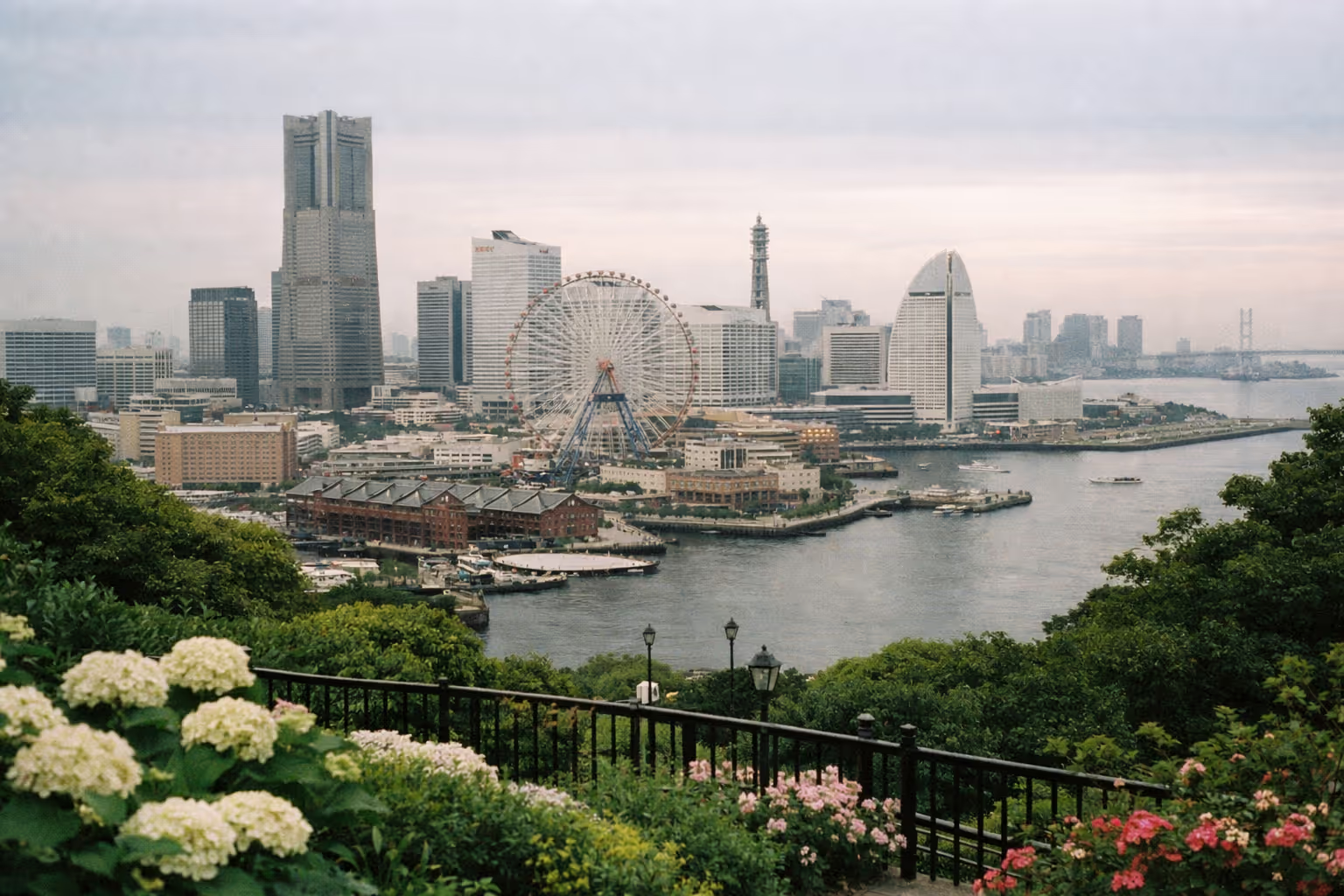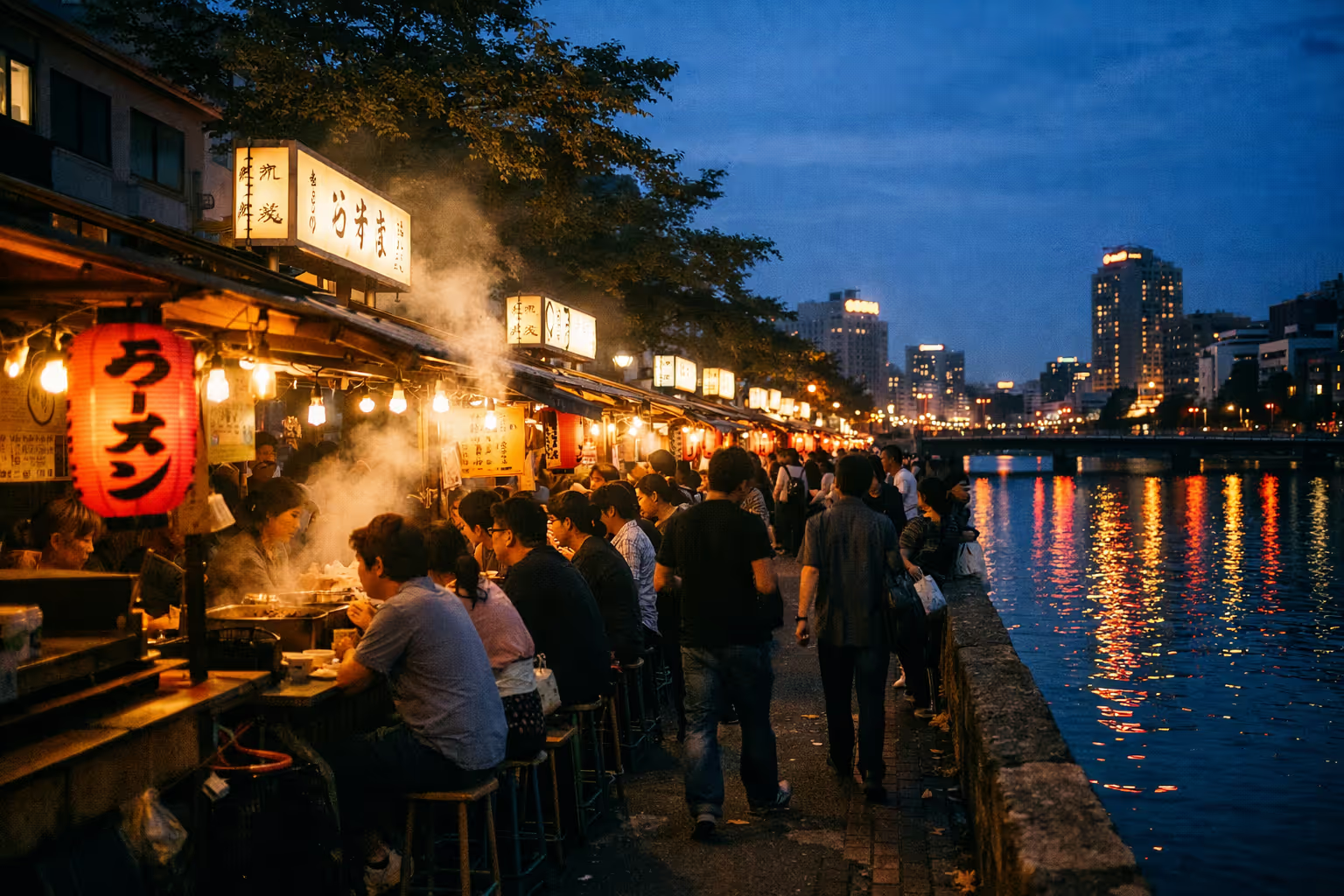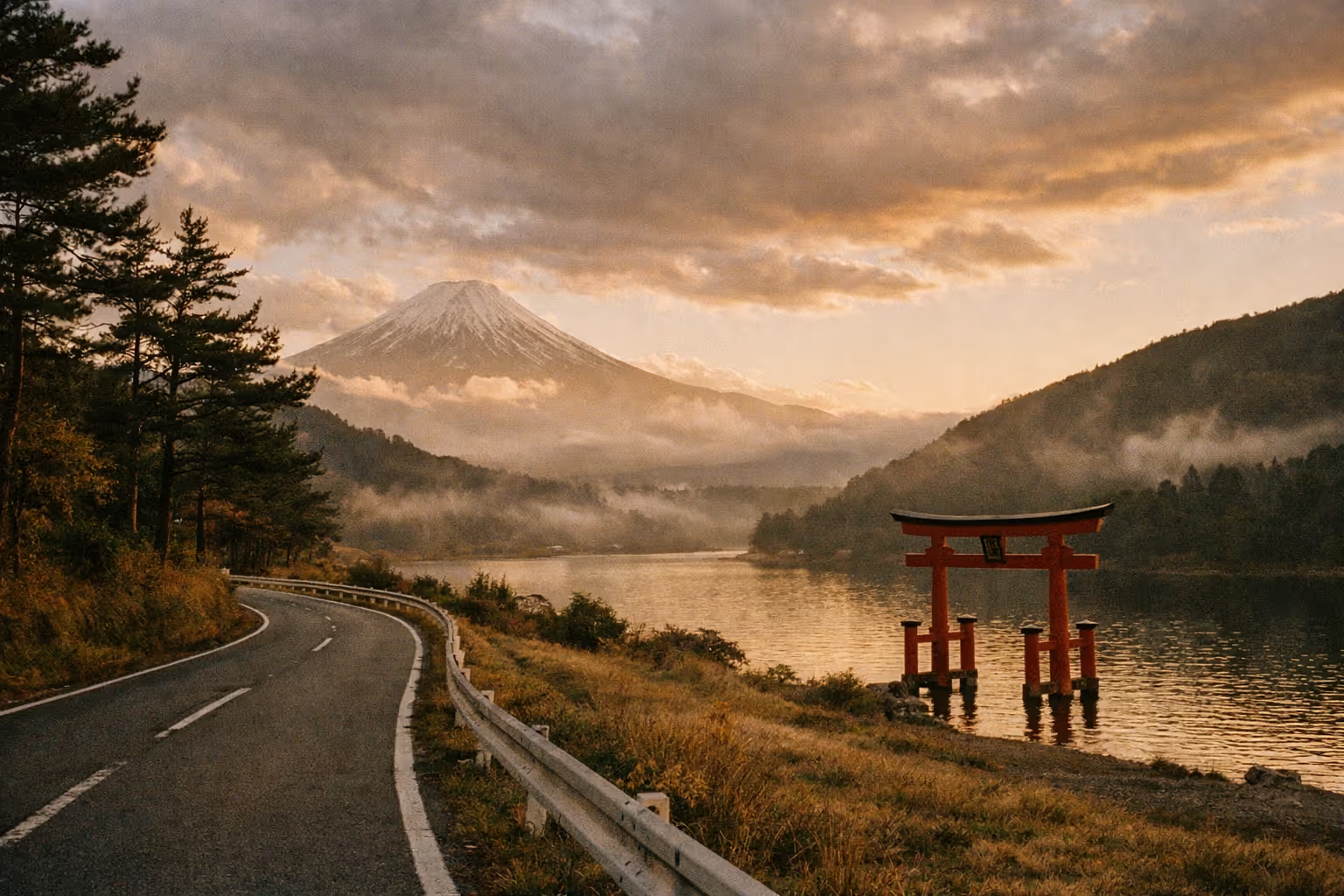
A good Japan itinerary starts by choosing its length: seven days fits two bases and a day trip, ten adds a countryside stop, fourteen covers the full Golden Route. Anchor on Tokyo and Kyoto, and treat Osaka as optional rather than mandatory, the trap that wrecks tight schedules. Fly open-jaw, into Tokyo and out of Osaka, so you move east to west without doubling back. Budget $180 to $260 a day, and compare the JR Pass against single fares; it is no longer the automatic buy.
Why Visit Japan
Planning a Japan itinerary reveals a unique blend where a 1,200-year-old temple sits just a 15-minute train ride from a nine-story electronics store, and neither feels out of place. That contrast is the whole appeal. You can spend a morning watching a tea ceremony in Kyoto and an evening eating skewers under a railway bridge in Tokyo, and both feel like the real thing.
The practical reasons stack up too. The trains run on time to the minute. Crime rates are low by international standards - you’ll see locals leave bags on café chairs - but standard travel caution still applies. Food quality is high across every price band - a ¥900 (about $6, October 2025) bowl of ramen from a vending-machine shop can be better than a restaurant meal twice the price elsewhere.
And the geography is forgiving for a first trip. The Golden Route - Tokyo, Kyoto, Osaka, with side trips to Hakone, Nara, and Hiroshima - runs along a single Shinkansen line, so you’re never improvising complicated transfers.
✓ Pros
- Clear contrast between ancient traditions and cutting-edge modernity
- Efficient, punctual public transport system
- Wide range of food options across all budgets
- Compact geography along the Golden Route simplifies travel logistics
✗ Cons
- Rural transfers can be slow and require careful planning
- Popular sites can get crowded mid-morning onwards
- Japan Rail Pass pricing changes require route-specific cost calculations
How Many Days Do You Need for a Japan Itinerary?
This is the question that shapes everything else, so let’s answer it directly.
- 7 days: Enough for two bases plus one day trip. Realistically that’s Tokyo and Kyoto, with a day in Nara or Hakone. Don’t try to add Osaka and Hiroshima - competitor itineraries show even 10 days needs tradeoffs (3)(4).
- 10 days: Comfortable for three bases if you keep transfers efficient. Tokyo, one nature stop (Kiso Valley or Hakone), then Kyoto is the cleanest version (4).
- 2 weeks: The window most first-timers should aim for. You can fit the full Golden Route plus one or two regional additions - Kanazawa, Takayama, Hiroshima - without rushing. One widely-used 14-day plan from Nerd Nomads (nerdnomads.com) spreads 10 places across nine overnights.
My honest take: if you can swing two weeks, do it. Ten days is the sweet spot for most people. Seven days works but you’ll be choosing between depth and breadth the whole time.
Which Cities to Visit
Treat Tokyo and Kyoto as your two anchors - every solid first-timer route is built on them. Tokyo is your pop-culture and modern-Japan base; Kyoto is history and temples. Everything else is an add-on you layer in based on how many days you have.
- Osaka - food and nightlife, 15 minutes from Kyoto by Shinkansen. Optional on a 10-day trip, worth it on two weeks.
- Nara - a half-day or full-day trip from Kyoto for the giant bronze Buddha at Todai-ji and the bowing deer in the park.
- Hakone / Fuji Five Lakes - onsen (hot spring) country with Mount Fuji views. Best as an overnight, not a day trip.
- Hiroshima / Miyajima - wartime history and island scenery in western Japan. Add on two weeks.
- Kiso Valley - preserved post towns along the old Nakasendo trail, a strong nature-and-history overnight (4).
The mistake I see most often: treating Osaka as mandatory. It’s a great city, but on a tight schedule it competes directly with a countryside stop, and the countryside is what gives your trip contrast.
How to Get There
Most international flights land at either Tokyo’s Narita (NRT) or Haneda (HND), or Osaka’s Kansai (KIX). Haneda is the better Tokyo arrival - it’s roughly 30-45 minutes to central Tokyo versus 60-90 from Narita.
A smart routing trick: fly into Tokyo and out of Osaka (or vice versa), an “open-jaw” ticket. That lets you travel one direction east-to-west without backtracking, which is exactly how the better competitor itineraries sequence their stops. I flew in and out of Tokyo my first time and wasted the better part of a day returning to the start.
From the airport, the Narita Express and Haneda Monorail connect to the JR network. Get a rechargeable Suica or Pasmo IC card at the airport - it works on nearly all trains, subways, buses, and convenience stores nationwide. For more on navigating Japan’s transport, see How to Get Around Japan: JR Pass vs Pay-As-You-Go.
The Japan Rail Pass Decision
The Japan Rail Pass used to be a near-automatic buy, but pricing rose sharply in late 2023, so it’s now a calculation, not a default. Compare the pass cost against the individual Shinkansen fares for your specific route before booking. Rough rule: if you’re doing Tokyo-Kyoto-Hiroshima and back, a 7-day pass can pay off. If you’re mostly staying in two cities with one round trip, individual tickets are often cheaper.
Quick Tips
A handful of things I wish someone had told me before I went:
- Carry cash. Card acceptance has improved, but small restaurants, temples, and rural areas are still cash-first. ¥10,000-20,000 ($65-130) on hand is sensible.
- Get pocket Wi-Fi or an eSIM. Navigation and train apps are essential. An eSIM runs roughly ¥2,000-4,000 ($13-26) for a two-week data plan.
- Trains stop running around midnight. Check the last train; taxis are expensive and rideshare is limited.
- Book popular experiences ahead. The Ghibli Museum, teamLab, and well-reviewed ryokan sell out weeks in advance.
- Pack light. You’ll be hauling your own pack up station stairs. Use the takkyubin luggage-forwarding service (about ¥2,000 / $13 per bag) to send your suitcase ahead between cities.
- Don’t over-plan a single travel day. Rural transfers are slow - the 14-day Nerd Nomads route uses separate overnights for Matsumoto and the Kiso towns precisely because those hops eat time (1).
What to Wear in Japan
Dress codes are casual but tidy. Locals lean toward neat, neutral, covered-up clothing - visible activewear and beachwear stand out in cities.
- Spring (March-May) and autumn (Sept-Nov): Layers. Days are mild, mornings and evenings cool. A light jacket plus a packable layer covers most of it.
- Summer (June-Aug): Hot and humid. Breathable cottons and linens, plus a small towel - locals carry hand towels everywhere.
- Winter (Dec-Feb): Cold, especially in Nagano and the mountains. A proper layering system and a warm coat. If you’re going for the snow monkeys, waterproof boots help.
Two practical notes. First, you’ll be removing your shoes constantly - at temples, ryokan, some restaurants - so wear slip-on or easy-lace footwear and decent socks. Second, if you plan to use onsen, know that tattoos are still restricted at many traditional baths; look for tattoo-friendly facilities or private baths in advance.
Key Japanese Phrases to Know
English signage is good in major stations and tourist areas, but a few phrases go a long way and locals genuinely appreciate the effort.
- Konnichiwa (kon-nee-chee-wah) - Hello
- Arigatou gozaimasu (ah-ree-gah-toh goh-zai-mahs) - Thank you (polite)
- Sumimasen (soo-mee-mah-sen) - Excuse me / sorry (also how you flag a waiter)
- Onegaishimasu (oh-neh-gai-shee-mahs) - Please / I’d like this
- Eigo ga hanasemasu ka? (ay-go ga hah-nah-seh-mahs ka) - Do you speak English?
- Oishii (oy-shee) - Delicious
- Ikura desu ka? (ee-koo-rah dess ka) - How much is it?
One etiquette beat worth internalizing: tipping is not a thing in Japan and can cause confusion or mild offense. Service is included; a sincere arigatou gozaimasu is the right move.
Kyoto: History, Temples, and the Gion District
My first major stop was Kyoto. The Arashiyama Bamboo Grove was a genuine surprise - not just visually, but acoustically. The sound of the bamboo swaying in the wind is something no photo captures. I got there around 7AM on a weekday in November 2024, and the crowds were thin enough to actually hear it. By 9AM, tour groups had arrived and the spell was largely broken. Go early.
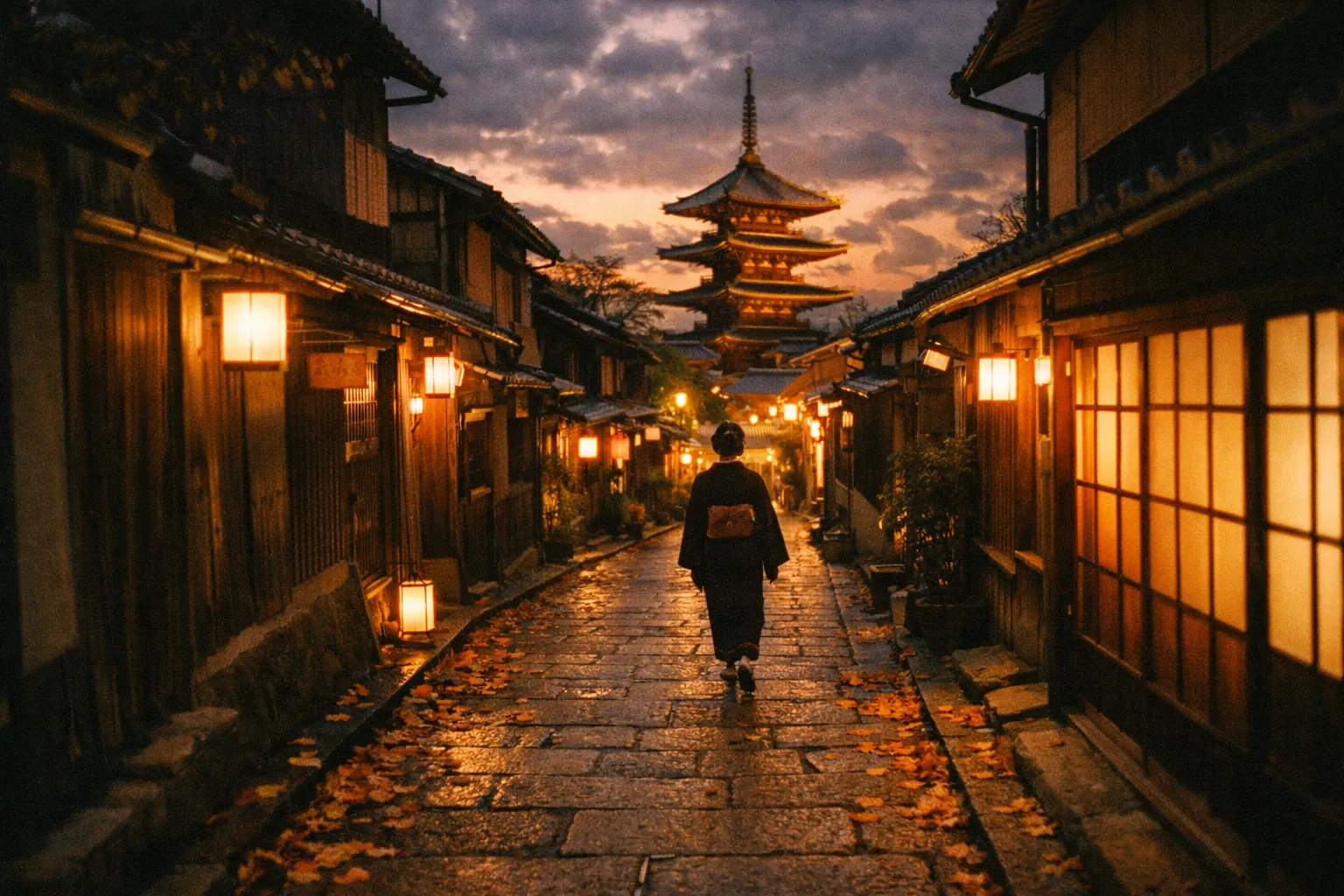
Fushimi Inari Taisha - the shrine complex with thousands of vermillion torii (gate) tunnels climbing a forested mountain - deserves more than a quick loop at the base. The lower section gets congested by mid-morning, but most visitors turn back at the first summit. Push further up and the trail thins out considerably, with city views opening through the trees.
Kyoto is more than temples, though - that’s a common misread. Nishiki Market is five blocks of food stalls selling pickles, grilled seafood, and matcha sweets. The Gion district holds tea houses and the occasional glimpse of a geiko (the Kyoto term for geisha) heading to an appointment in the early evening. For a deeper look at Kyoto’s tea ceremonies and more, the city rewards travelers who slow down and seek out its quieter traditions.
Etiquette note: photographing geiko in Gion’s private lanes is now restricted and fines apply. Stick to the main streets and ask before pointing a camera at anyone.
Hakone: Onsen, Mount Fuji Views, and One Good Night
Seeking contrast after Kyoto’s temples, I continued to Hakone - and it delivered exactly what the Golden Route promises: hot springs, mountain scenery, and if the weather cooperates, Mount Fuji framed above Lake Ashi (2).
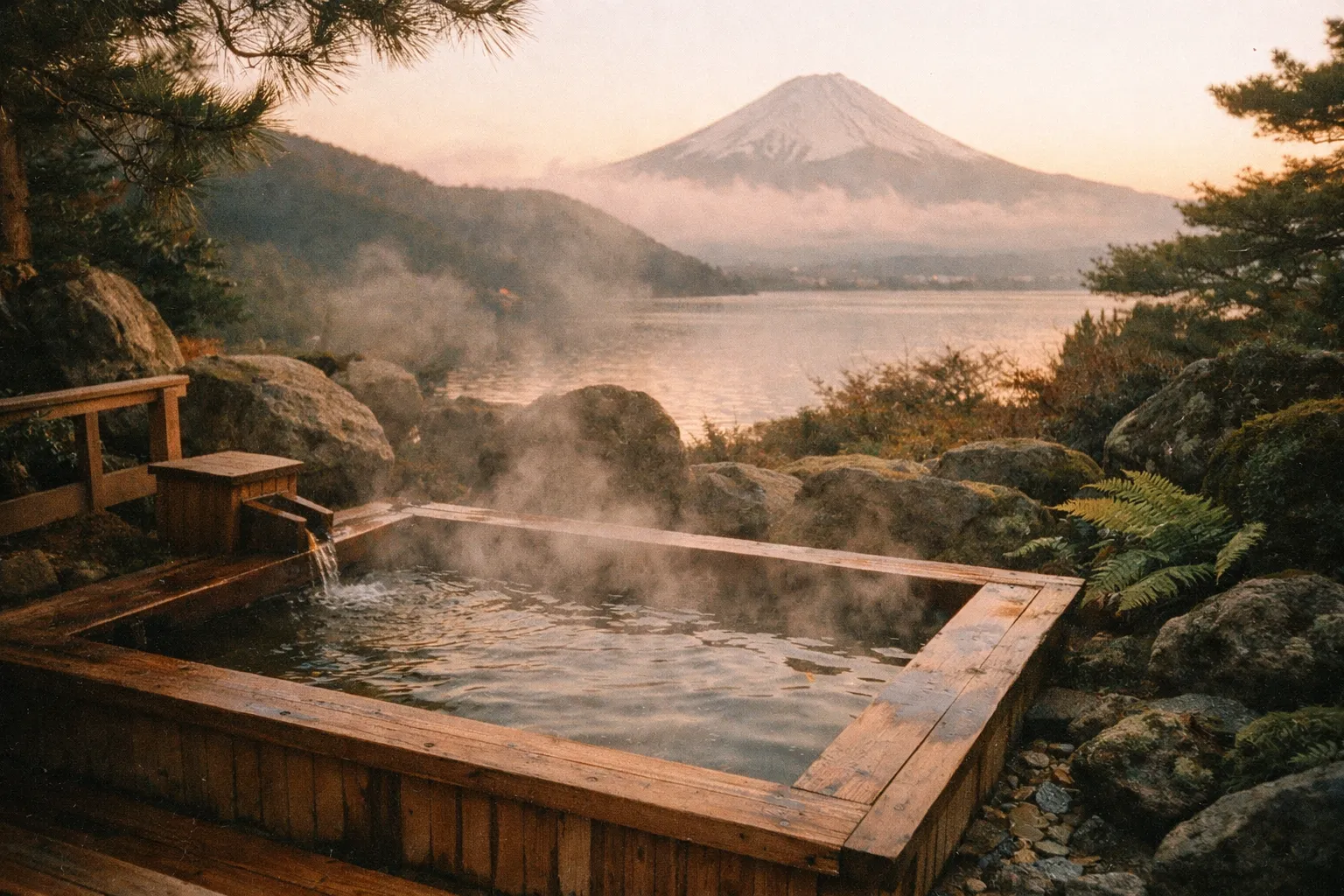
The Hakone Ropeway gives you a panoramic sweep of the national park and, on a clear morning, the full profile of Fuji. I went on a mid-week morning in late October and had near-empty gondola cars. The Hakone Open-Air Museum, which places large-scale sculpture across a hillside garden, is worth two hours of your afternoon.
Practical tip: the Hakone Free Pass covers the mountain railway, cable car, ropeway, pirate-ship cruise on Lake Ashi, and buses for a fixed price - around ¥6,100 / $40 for the 2-day version from Shinjuku (October 2025). If your budget allows, stay one night in a ryokan with a private onsen. It’s the kind of stop that adds contrast to your trip, not just distance.
Tokyo: Pop Culture, Neighborhoods, and Controlled Chaos
Then there’s Tokyo, which never quite stops surprising me no matter how many times I return.
The Ghibli Museum in Mitaka is worth the advance planning it requires. Tickets are date-and-time specific, sell out weeks ahead, and there are no door sales - book online before anything else on your Tokyo list. The museum is designed to feel like being inside a Ghibli film, and it mostly succeeds.
Akihabara is Tokyo’s electronics district, dense with manga, anime, retro games, and multi-story shops selling components next to figurines. I spent an afternoon hunting vintage Game Boy cartridges and came away with more than I intended. The Pokémon Center in Tokyo is worth a stop if that’s your thing - it’s bigger and better-stocked than most international ones.
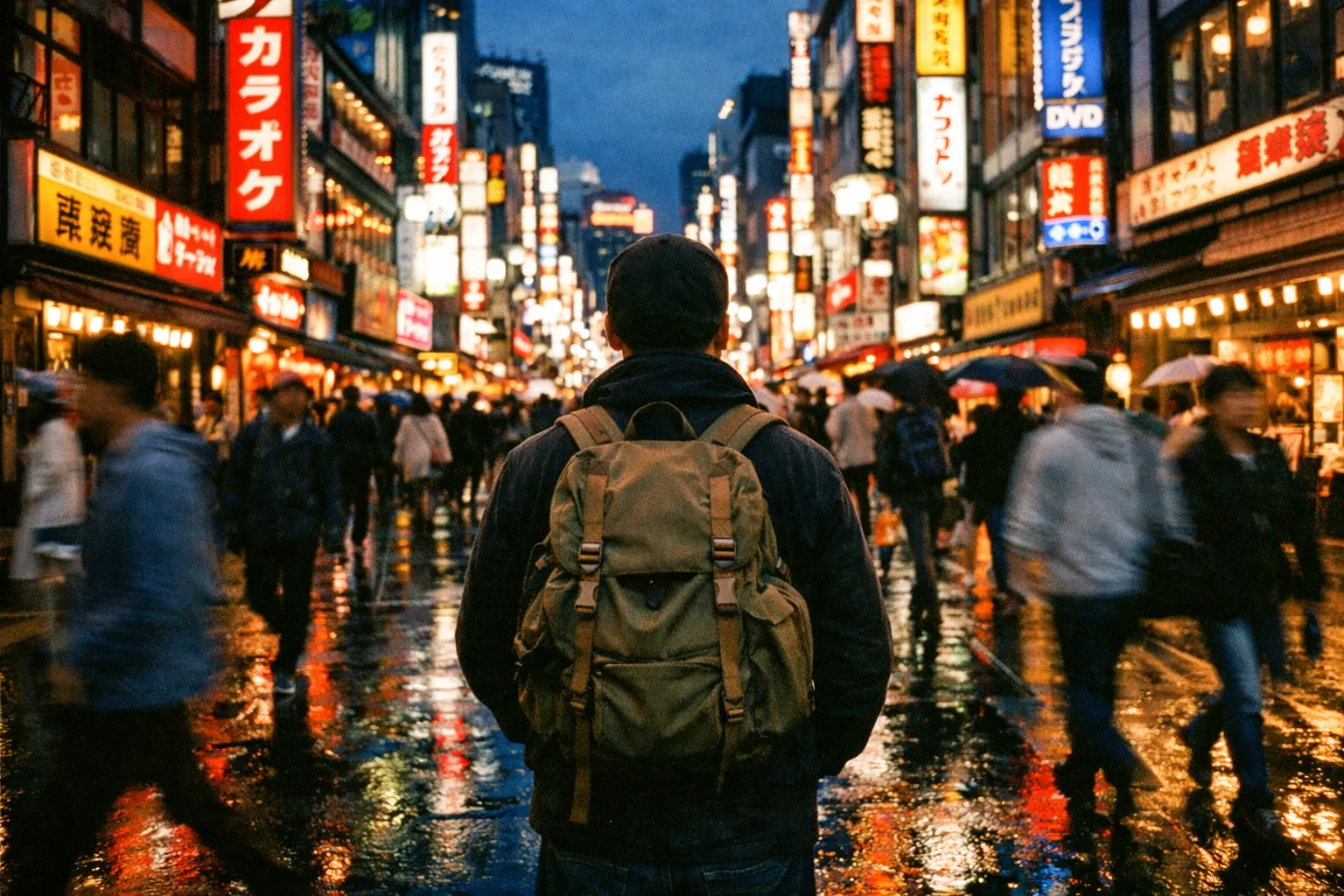
Build at least one day around the big neighborhoods: the Shibuya Scramble crossing and its rooftop view, Shinjuku’s lantern-lit Omoide Yokocho alley for yakitori (grilled chicken skewers), Harajuku’s Takeshita Street for street fashion, and teamLab Planets in Toyosu for the immersive digital-art installations that have become a fixture of modern Tokyo itineraries (5). Reserve teamLab online - walk-up tickets are rare. If you want a broader overview of what to fill your days with, things to do in Japan across five cities by bullet train is a useful companion read.
Hiroshima and Miyajima: Wartime History and Island Scenery
My travels also took me to Hiroshima, and I’ll say this plainly: the Peace Memorial Museum is one of the most carefully curated and emotionally honest museums I’ve visited anywhere. It doesn’t perform grief - it presents evidence, and that restraint makes it more affecting.
The Atomic Bomb Dome, preserved mid-collapse at the hypocenter, stands in a park that’s otherwise green and calm. The contrast is deliberate and it works.
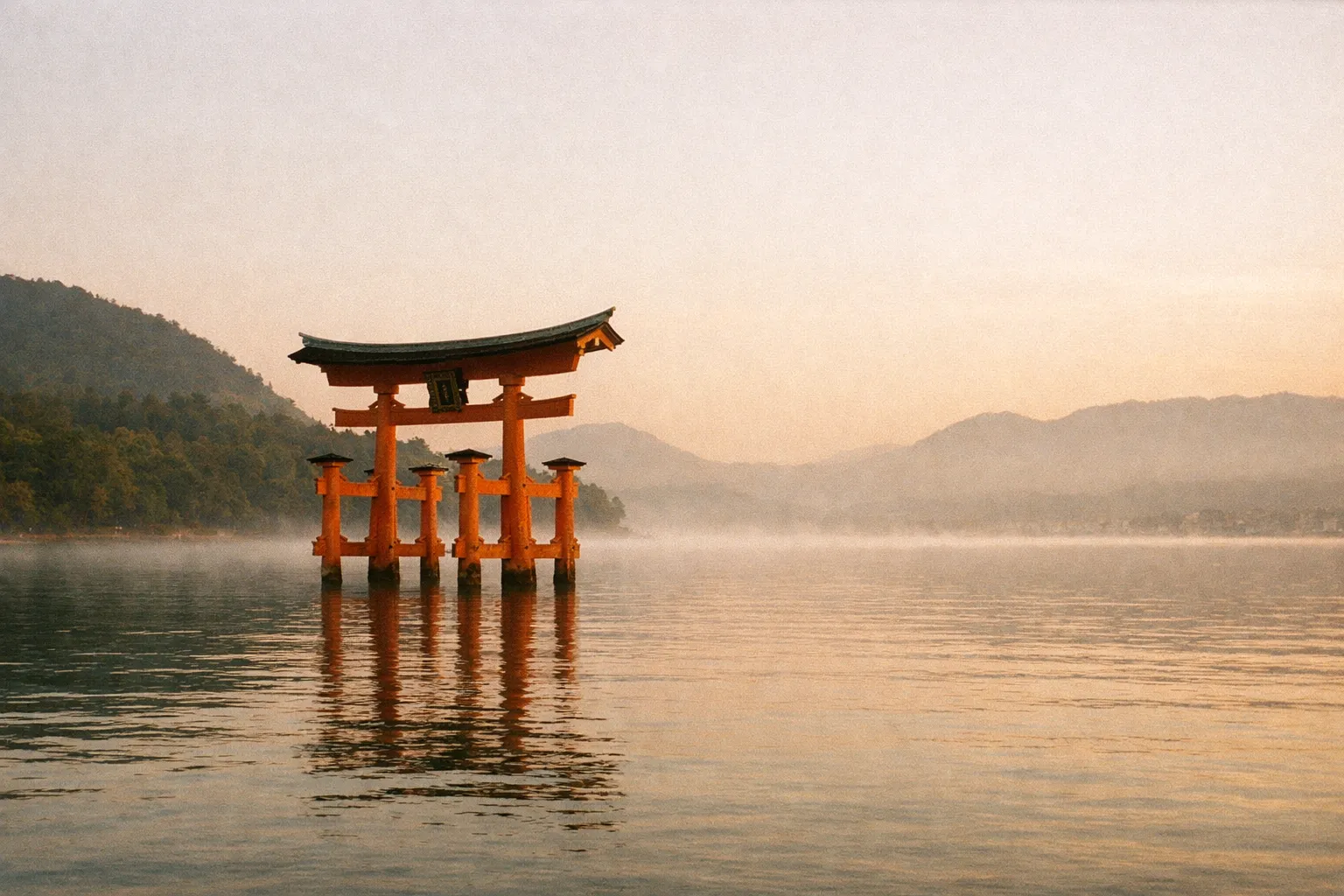
Pair Hiroshima with a half-day on Miyajima, the island reached by a short ferry, where the floating torii gate of Itsukushima Shrine sits in the tideline. The two together make a strong western-Japan extension on a two-week trip (2).
Nagano: Snow Monkeys at Jigokudani
The trip wouldn’t have been complete without the Jigokudani Monkey Park. Watching the famous snow monkeys soak in the hot springs, completely unbothered by the humans standing two meters away, is a sight I still think about.
It’s a roughly 30-minute walk through forest from the parking area to the monkey pools - wear proper footwear. In winter that means waterproof boots with grip. The monkeys are present year-round, but the snow-and-steam scene people picture happens December through March. Japan’s wilder side has plenty more to offer beyond Nagano - discover Japan’s thrills if you’re drawn to climbing, skiing, or river adventures.
Japan 7 Day Itinerary
One week means two bases and one day trip. Don’t fight it - pick depth.
- Days 1-3: Tokyo. Shibuya, Shinjuku, Asakusa’s Senso-ji temple, Akihabara, and one pop-culture pick (Ghibli Museum or teamLab Planets).
- Day 4: Hakone overnight. Travel out mid-morning, ropeway and lake in the afternoon, ryokan and onsen at night.
- Day 5: Hakone to Kyoto. Shinkansen via Odawara. Afternoon at Fushimi Inari before the crowds thin.
- Day 6: Kyoto. Arashiyama Bamboo Grove early, Nishiki Market, Gion in the evening.
- Day 7: Nara day trip or final Kyoto morning, then depart from Osaka’s Kansai Airport.
This is the tightest workable version of the Golden Route. Skip Hiroshima and Osaka at this length - adding them turns the week into a transit montage. For a detailed plan, see 10 Day Japan Itinerary: Tokyo, Kyoto, Osaka + Onsen.
Japan 10 Day Itinerary
Ten days buys you a third base. The cleanest structure minimizes transfer friction by adding one countryside stop rather than a fourth city (4).
- Days 1-4: Tokyo. Three full days for neighborhoods, museums, and a day trip to Nikko or Kamakura if you want greenery.
- Days 5-6: Kiso Valley (or Hakone). Walk a section of the Nakasendo between the preserved post towns of Tsumago and Magome, then overnight in a traditional inn (4).
- Days 7-10: Kyoto. Four nights lets you slow down - temples, the bamboo grove, a tea ceremony, Nara as a day trip, and an evening in Gion.
If you’d rather have city energy than a mountain town, swap the Kiso Valley nights for Osaka (2 nights) and use Dotonbori’s neon canal and street food as your contrast (4). Either version keeps you on a logical east-to-west line with no backtracking.
Japan 2 Week Itinerary
Two weeks is the window most first-timers should target - enough for the full Golden Route plus regional additions without the constant rush. Here’s a day-by-day breakdown adapted from the route the strongest competitors recommend.
Days 1-4: Tokyo
Arrive and settle in. Over three full days, cover the modern and traditional sides: the Shibuya crossing and Shinjuku nightlife, the Asakusa temple district, Akihabara and Harajuku, and a pop-culture anchor like teamLab Planets or the Ghibli Museum (5). Use one day for a trip out to Nikko (shrines and waterfalls) or Kamakura (the Great Buddha).
Days 4-7: Kyoto and Surrounding Areas
Take the Shinkansen west, breaking the journey with an overnight in Hakone for Mount Fuji views and an onsen. Then settle in Kyoto: Fushimi Inari at dawn, the Arashiyama Bamboo Grove, Kinkaku-ji (the Golden Pavilion), Nishiki Market, and Gion at dusk. Add a day trip to Nara for Todai-ji’s giant Buddha and the deer park (2).
Days 7-9: Osaka
Base in Osaka for two nights - it’s 15 minutes from Kyoto. Eat your way through Dotonbori (takoyaki, octopus dumplings, and okonomiyaki, a savory griddle pancake), climb Osaka Castle, and dip into the Shinsekai district for old-school neon. Osaka is the food-and-nightlife counterweight to Kyoto’s quiet (4)(5). If you’re watching your spending, exploring Japan on a budget is worth reading before you plan your Osaka meals and activities.
Days 9-14: Western Japan and Back
Push west to Hiroshima and Miyajima for the Peace Memorial Park and the floating torii gate (2). With remaining days, choose your direction: history-lovers can route back through Kanazawa and Takayama for samurai districts and mountain old towns (2); nature-first travelers can detour to Nagano for the snow monkeys; pop-culture fans can return to Tokyo for a final shopping-and-arcade day. Fly home from whichever airport sits at the end of your line.
Japan 7, 10, and 14 Day Itinerary Frameworks
Up to 14 daysChoose the itinerary length that fits your trip and budget, with recommended stops and pacing.
- 1
7-Day Itinerary
Two bases plus one day trip: Tokyo (3 days), Hakone overnight, Kyoto (2 days), and Nara day trip or final Kyoto morning before departing from Osaka.
- 2
10-Day Itinerary
Three bases with countryside stop: Tokyo (4 days), Kiso Valley or Hakone (2 days), Kyoto (4 days). Option to swap Kiso for Osaka (2 days).
- 3
14-Day Itinerary
Full Golden Route plus regional additions: Tokyo (4 days), Hakone overnight, Kyoto and Nara (4 days), Osaka (2 days), Hiroshima and Miyajima (2 days), plus optional Kanazawa, Takayama, or Nagano.
Is Your Budget Enough? Japan Trip Cost Framework
The honest answer to “is X enough” depends entirely on how you travel. Here’s a per-person framework, excluding international flights, in USD (October 2025). Daily figures combine accommodation, food, local transport, and activities.
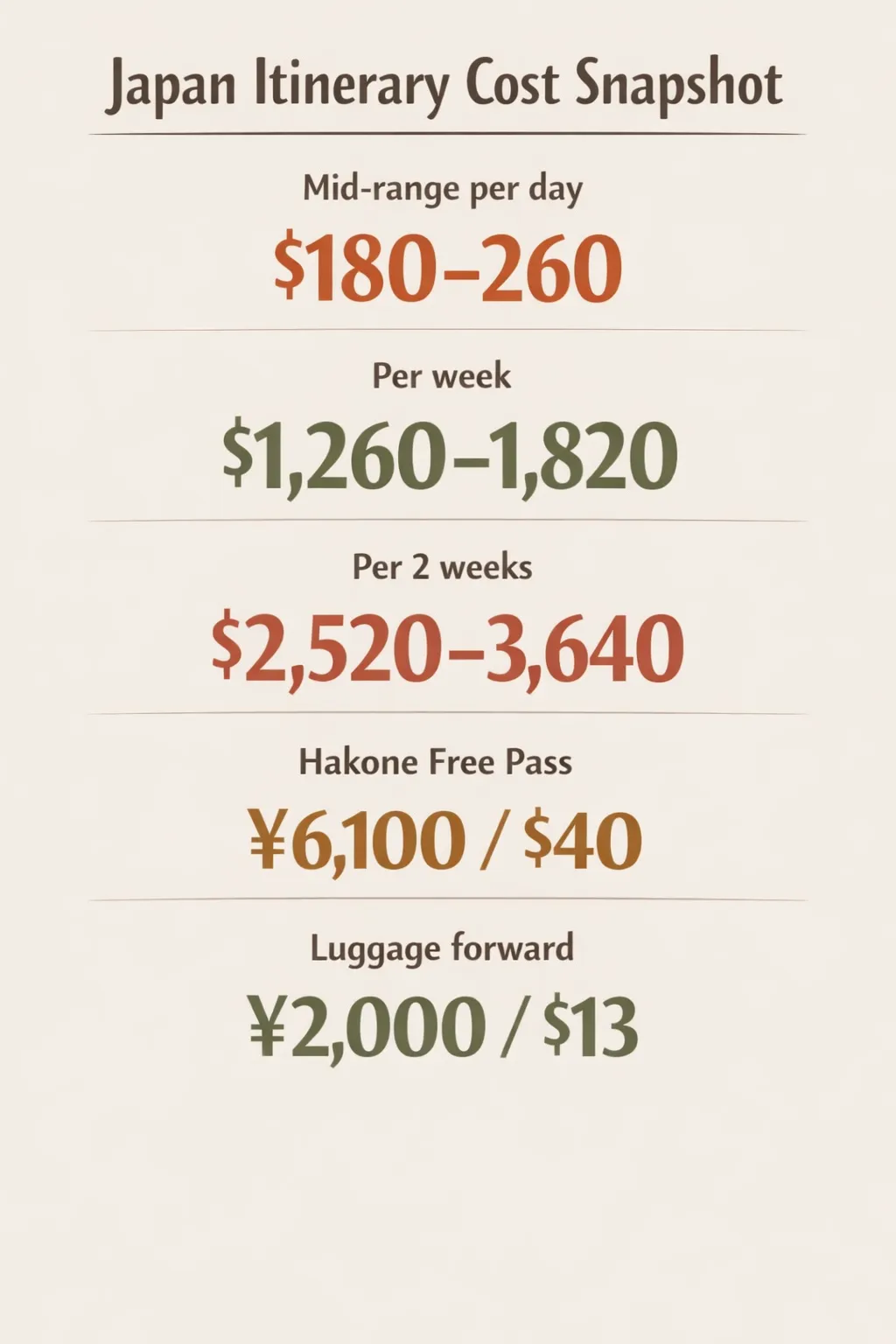 Mid-range daily cost $180-260; weekly $1,260-1,820; two weeks $2,520-3,640; Hakone Free Pass ¥6,100 / $40; Luggage forward ¥2,000 / $13.
Japan Trip Cost Framework (October 2025)
| Budget | Recommended Mid-range | Comfort | |
|---|---|---|---|
| Per Day | $90-130 | $180-260 | $350-500+ |
| Per Week | $630-910 | $1,260-1,820 | $2,450-3,500+ |
| Per 2 Weeks | $1,260-1,820 | $2,520-3,640 | $4,900-7,000+ |
Is $3,000 Enough for a Week in Japan?
Yes, comfortably - for one person at a mid-range pace, and even with some splurges. After flights, $3,000 covers roughly $430/day, which puts you in nice hotels, full restaurant meals, a Shinkansen leg or two, and paid attractions. Two budget travelers could also share a week on $3,000 combined if they stick to hostels and convenience-store meals.
Is $5,000 Enough for 2 Weeks in Japan?
For one person, yes - that’s about $360/day over 14 days, squarely in mid-range territory with room for a ryokan night and a few standout meals. For a couple, $5,000 combined means a budget-to-low-mid pace: business hotels, mostly casual dining, IC-card travel, and selective splurges. It’s doable, just not luxurious.
Is $10,000 Enough for a Week in Japan?
More than enough. At $1,400/day solo you can book high-end ryokan with private onsen, kaiseki (multi-course traditional) dinners, private guides, and first-class Shinkansen and still not run out. A couple on $10,000 for a week travels very well with money to spare.
Quick Reference: The Five Stops That Worked
The shape that worked for me, history-nature-pop-culture balanced:
- Tokyo - pop culture, food, neighborhoods (Shibuya, Shinjuku, Akihabara)
- Hakone - onsen and Mount Fuji views, one ryokan night
- Kyoto - temples, Fushimi Inari, Arashiyama, Nishiki Market
- Hiroshima + Miyajima - wartime history and island scenery
- Nagano - snow monkeys at Jigokudani
If I were rebuilding this japan itinerary today, I’d fly into Tokyo and out of Osaka to kill the backtracking, and give Kyoto a full four nights instead of three. The single best upgrade to any of these routes is one rural overnight - Hakone, Kiso Valley, or Takayama - because that’s where the contrast lives.
Whatever length you choose, lock your two anchors first (Tokyo and Kyoto), sequence everything else east-to-west, and resist the urge to add one more city. The trips people remember aren’t the ones that hit the most stops. They’re the ones with room to actually look up.
Frequently Asked Questions
- Can I buy the Japan Rail Pass after arriving in Japan?
- The Japan Rail Pass can be purchased through overseas agents or at designated JR stations and airports in Japan; overseas purchase prices are generally lower, so buying before you travel is worth comparing.
- Is it necessary to book ryokan stays in advance?
- Yes, especially for popular ryokan with private onsen. Booking weeks in advance is recommended to secure your preferred dates.
- Are tattoos really a problem at onsen?
- Many traditional onsen still restrict guests with visible tattoos due to cultural reasons. However, tattoo-friendly baths and private onsen options are increasingly available.
- What is the best way to carry luggage between cities?
- Using the takkyubin luggage forwarding service is common and convenient. It costs about ¥2,000 ($13) per bag and lets you travel hands-free between stops.
- Can I rely on credit cards everywhere in Japan?
- While card acceptance has improved, many small restaurants, temples, and rural areas still prefer cash. Carrying ¥10,000-20,000 ($65-130) cash is wise.
- Is tipping expected in Japan?
- No, tipping is not customary and can cause confusion or offense. Service charges are included; a polite thank you (arigatou gozaimasu) is the proper way to show appreciation.
- How early should I arrive at popular attractions like the Arashiyama Bamboo Grove?
- Arriving early, around 7AM on weekdays, helps avoid crowds and lets you experience quieter moments, like the sound of bamboo swaying in the wind.