Wildlife in Japan is a puzzle of season and region, not a single safari you book once. Want Hokkaido’s Ussuri brown bears? Go in summer, along the Shiretoko Peninsula. The red-crowned cranes and Steller’s sea eagles only show from December to February, on the Kushiro wetlands and the drift ice. Whale sharks mean snorkeling off Ishigaki in warmer months; the rarest endemics, the Iriomote cat and Bonin flying fox, sit on islands reached by ferry or flight, never train. Pin each animal to its season first.
Does Japan Have Any Wildlife? The Biodiversity Picture in Japan
Yes - and far more than the deer-and-monkeys reputation suggests.
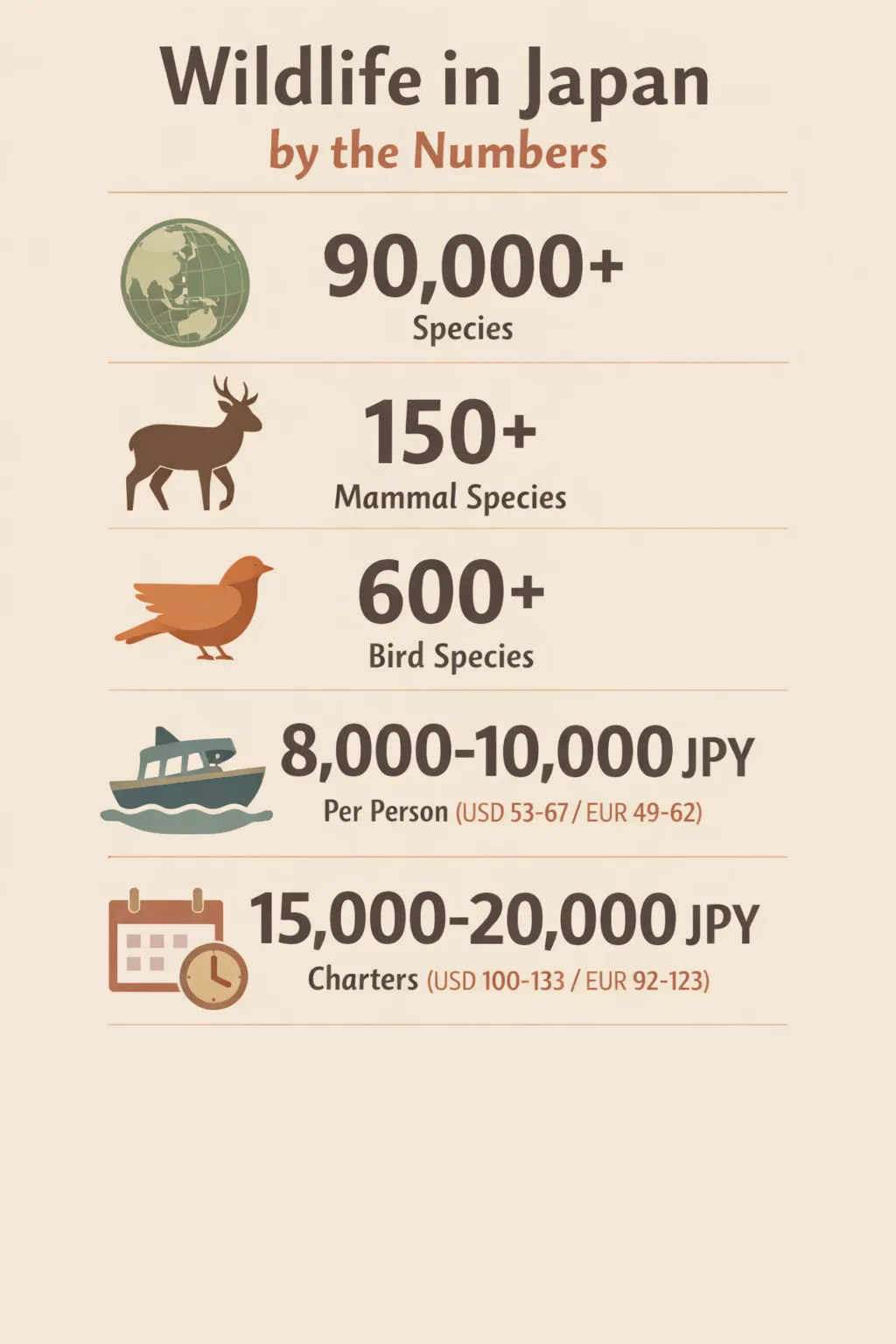 Japan hosts roughly 90,000 species; over 150 mammal species and more than 600 bird species; whale shark snorkeling tours cost 8,000-10,000 JPY per person, and full-day charters run 15,000-20,000 JPY.
Japan supports an unusually rich range of fauna for an island nation, with travel-reference sources citing roughly 90,000 animal species across all taxonomic groups - a figure that includes mammals, birds, reptiles, amphibians, fish, and invertebrates (1)(3). The Japan Ministry of Environment (2024) records over 150 mammal species and more than 600 bird species among those totals. Add reptiles, amphibians, fish, insects, molluscs, and entire coral ecosystems, and you’re looking at one of the densest temperate biodiversity zones in the world.
The reason is geography. Japan’s islands cross multiple climate zones, and long stretches of isolation produced species found nowhere else. Among the headline japan wildlife animals visitors realistically encounter: Japanese macaques (snow monkeys), tanuki (raccoon dogs), sika deer, Japanese giant salamanders, Steller’s sea eagles, red-crowned cranes, plus whales, dolphins, manta rays, sea turtles, and hammerhead sharks offshore (3)(5).
A few japan wildlife facts worth knowing before you go:
- Japan has at least one-third of the world’s roughly 400 shark species recorded in its waters, which is why marine wildlife drives so much of the country’s snorkeling and diving tourism (2).
- The biggest wildlife story isn’t a single animal - it’s the latitudinal gradient. The same country produces sea eagles and pack ice in the north and reef fish and coral in the south (1)(2).
- The easiest wildlife to actually see is often birds, deer, and shoreline species, not the elusive forest mammals most people fixate on.
Wildlife Watching in Hokkaido: Japan’s Northern Wilderness
Hokkaido, Japan’s northernmost island, is the heart of the country’s large-mammal and cold-climate wildlife. Its six national parks offer expansive landscapes far from urban density, and the wildlife reads more like Siberia than the rest of Japan.
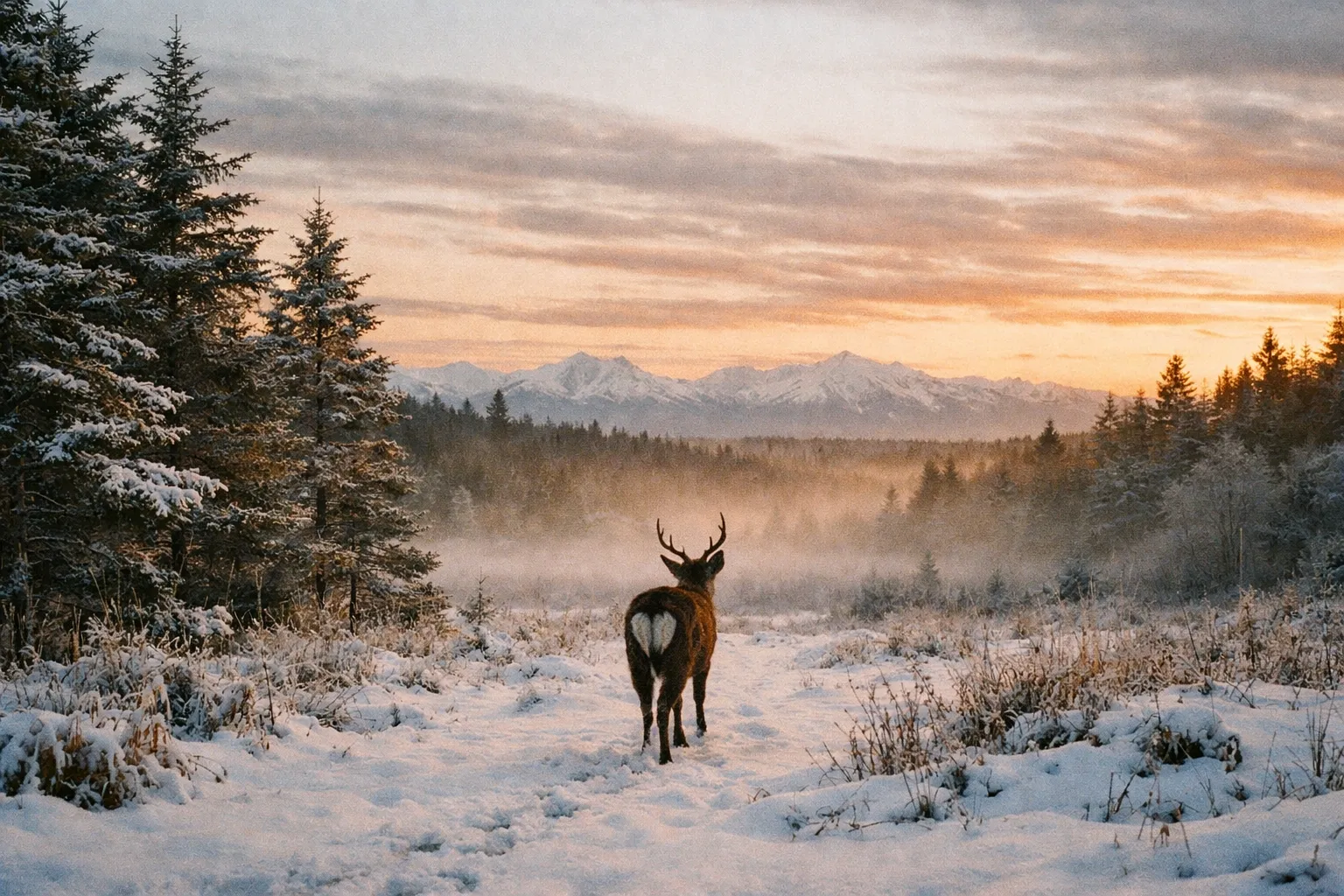
The most memorable sightings center on the Ussuri brown bear, Japan’s largest land predator and the clearest answer to the question of what is the largest predator in Japan (1). Brown bears are most active and most visible in the milder summer months, particularly along the Shiretoko Peninsula - a UNESCO World Heritage Site that also happens to be one of Japan’s best whale-watching coastlines. When I visited the Shiretoko area in late June, the wildlife concentration along the coastal cliffs was unlike anything I’d seen on the main island. The interaction between forest, river, and coast is what makes Shiretoko so productive: wildlife concentrates at the ecotones, the edges where habitats meet, rather than deep inside any single one.
Winter flips Hokkaido into a different destination entirely. From roughly December through February, the island becomes the place to see two of Japan’s most photographed birds: the red-crowned crane, which gathers in the Kushiro wetlands and performs its courtship dance against the snow, and Steller’s sea eagles, which mass along the drift ice off the eastern coast (8). Both are winter-specific. Show up in July and you’ll miss them entirely. Plan a one-to-three-day regional stay around either to give yourself realistic odds (7)(8).
Hokkaido’s agricultural richness also feeds its kitchens. Sea urchin - uni in Japanese, the edible roe of the urchin - is harvested between June and August and is worth building a meal around if your trip lands in summer.
Etiquette note: In bear country, the rules are about distance, not photos. Stay on marked trails, carry a bear bell on quieter routes, and never approach or feed wildlife. National parks here are conservation zones, not photo opportunities - the species protection rules exist because the habitats are genuinely fragile.
Snorkeling with Whale Sharks in Okinawa: Subtropical Marine Life
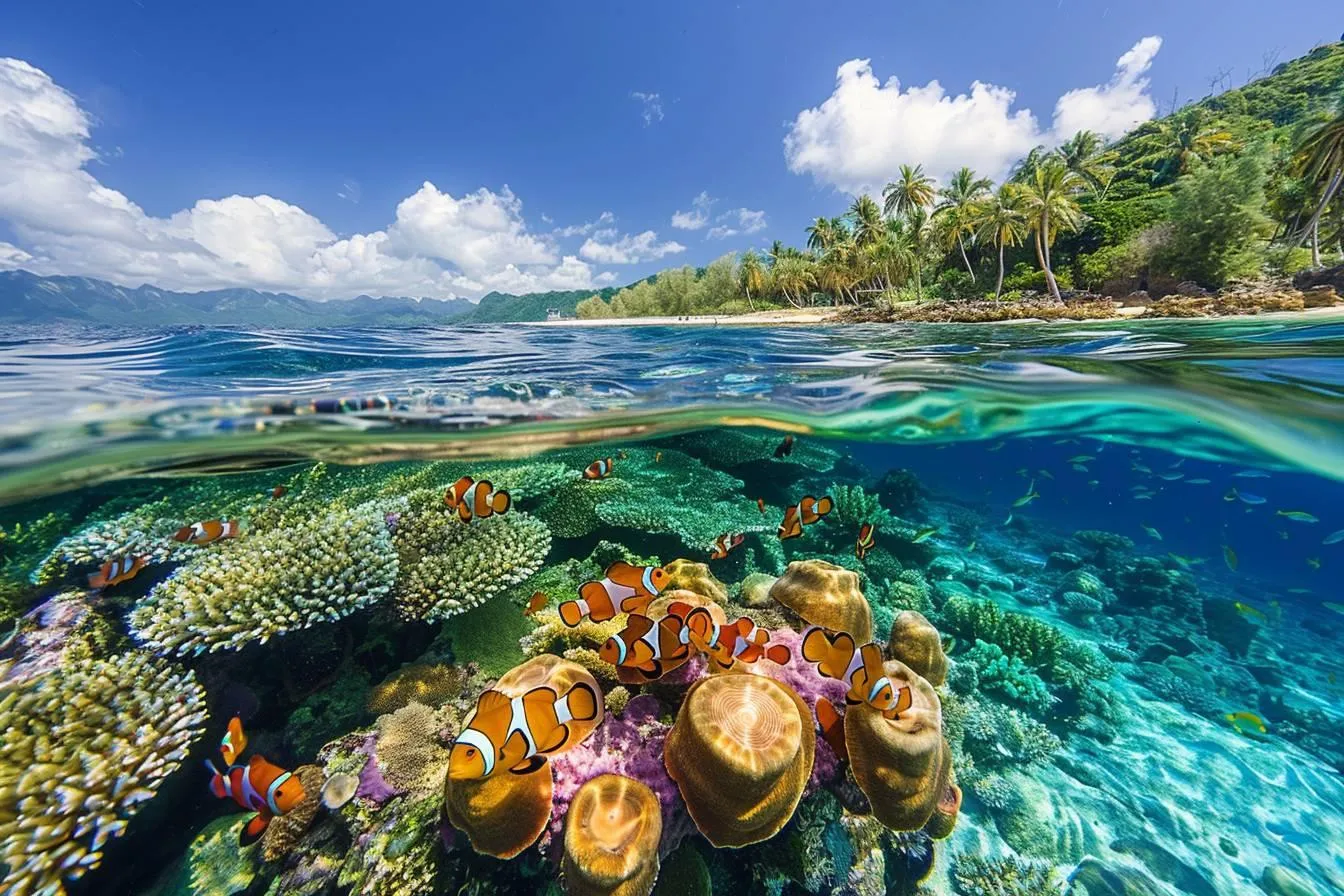
Okinawa is the climatic opposite of Hokkaido - a chain of over 160 subtropical islands where the wildlife shifts from bears and cranes to coral, reef fish, and large marine megafauna.
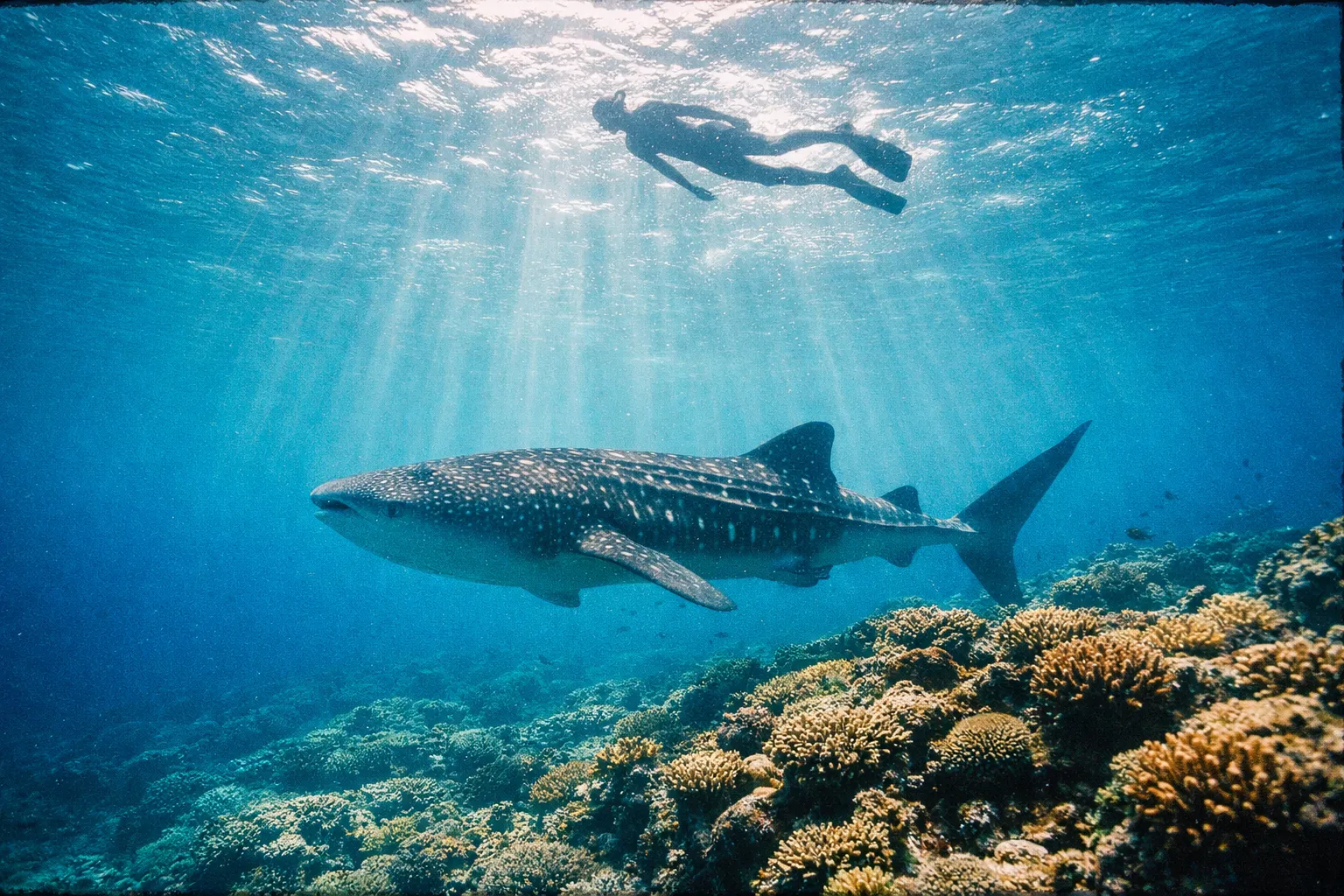
The clear water around Ishigaki Island is the draw for snorkeling and diving with whale sharks, the gentle filter-feeding giants that move with surprising grace for their size. Most boat tours depart from Aizaki Port on Ishigaki’s southern coast - that’s the practical staging point for both whale shark trips and the manta ray cleaning stations further out. I joined a half-day boat tour out of Aizaki Port on a calm April morning, and the visibility was well over 20 metres. Ishigaki and the surrounding Yaeyama islands are also known for manta ray cleaning stations, sea turtles, and seasonal hammerhead aggregations (2)(5).
Spring, before the summer tourist influx, brings warm days and mild evenings - a good window for exploring reefs without peak-season crowds. The water stays comfortable for snorkeling well into autumn, though typhoon season (roughly August through October) can scramble boat schedules, so build flexible days into any marine trip.
If you want a guaranteed look rather than a wild encounter, the Okinawa Churaumi Aquarium runs a whale shark breeding program and houses several in its main tank - useful context on conservation, and a reliable option for families travelling with kids who can’t manage open-water snorkeling.
Marine wildlife logistics: Whale shark trips run as half-day or full-day boat tours out of Ishigaki. Half-day tours were typically priced around 8,000-10,000 JPY (roughly USD 53-67 / EUR 49-62) per person, with full-day charters running 15,000-20,000 JPY (roughly USD 100-133 / EUR 92-123). Island and marine itineraries can’t be reached by Japan Rail - you’ll need flights to the main Okinawa islands and ferries between the smaller ones (5). Rates shift with fuel and season, so confirm current pricing with operators before booking.
Rare Japanese Animals: The Ryukyu and Ogasawara Endemics
The richest concentration of rare Japanese animals isn’t on the main islands at all - it’s on the remote southern and oceanic islands, where long isolation produced species found nowhere else.
The Iriomote cat is the headline. Endemic to Iriomote Island in Okinawa, this small wild cat is one of the most endangered felines on the planet, with a population in the low hundreds according to the IUCN Red List (4). It is genuinely difficult to see - no responsible operator should promise a sighting - but Iriomote’s mangrove rivers and dense subtropical forest are worth the trip on their own. The island’s main village of Uehara is the practical base for guided mangrove kayak tours, which put you in the cat’s core habitat without disturbing it. Northern Okinawa’s Yanbaru forest, centred on Kunigami village, holds the Okinawa rail (yanbaru kuina in Japanese, a flightless endemic bird), a species described only in the 1980s (4).
Further out, the Ogasawara Islands sit roughly 1,000 km south of Tokyo and are reachable only by a long ferry from Tokyo (Ogasawara Kaiun operates the roughly 24-hour Chichijima route). The isolation earned them comparisons to the Galápagos and produced endemics like the Bonin flying fox and the Ogasawara snake-eyed skink. If your goal is rare Japanese animals specifically, prioritize Iriomote, Yanbaru, and Ogasawara over generic sightseeing routes - endemic density in these protected areas is far higher than anywhere on the well-trafficked mainland (4).
A planning reality: these are expedition-tier destinations. Access limits, ferry schedules, and protected-species rules can change, so confirm current conditions before committing. Ogasawara and Iriomote both periodically adjust visitor access to protect fragile habitats.
Dangerous Animals in Japan: What to Actually Watch For
Japan is a low-risk country for wildlife. But “low-risk” isn’t “no-risk,” and the dangerous animals in Japan are worth knowing by habitat and season rather than fearing in the abstract.
- Bears. Both the Ussuri brown bear in Hokkaido and the Asian black bear on the main island of Honshu can be dangerous, particularly when surprised or protecting cubs. Make noise on forest trails, keep food sealed, and never get between a sow and her young (1).
- Venomous snakes. The mamushi (Japanese pit viper) lives across much of mainland Japan in fields, forest edges, and rice paddies. Bites happen but are rarely fatal with treatment. In Okinawa, the habu is the more potent local pit viper. Watch where you step in warm-region undergrowth (6).
- Giant hornets and centipedes. The Asian giant hornet delivers a serious sting and is most active in late summer and autumn. Large centipedes - mukade in Japanese - turn up in summer countryside and homes. Their bite is painful but not life-threatening (6).
- Marine hazards. In Okinawa’s reefs, the box jellyfish (habu-kurage, or sea habu) appears in warmer months. Stick to netted swimming areas where they’re flagged.
The pattern is geographic and seasonal: bears in northern forests, snakes in warmer regions, stinging and biting insects in summer countryside (6). Respect distance, watch your footing, and most of these risks stay theoretical.
Wildlife Tours in Japan: Budget, Mid-Range, and Expedition Options
Wildlife tours Japan operators range from free self-guided park walks to multi-day expedition charters. Choosing well comes down to how rare your target species is and how reliable you need the sighting to be.
Budget / self-guided. Many of Japan’s best wildlife encounters cost nothing. Sika deer roam freely in Nara Park, macaques are visible along rivers and forest edges, and coastal promenades and rice fields are productive for birds. This suits travellers already moving between cities by rail (6). Bring binoculars in the 8x-10x range for birding and shore viewing - otherwise no special gear is needed.
Mid-range guided tours. A half-day or full-day guided wildlife tour is the sweet spot for species-specific viewing: snow monkeys at Jigokudani, winter cranes and sea eagles in Hokkaido, or reef snorkeling in Okinawa. Guides handle boat, bus, and park access in one package, which matters because so many species are seasonal and location-specific (3)(5)(7). On my first Hokkaido winter trip, I tried to piece together the crane and sea eagle circuit independently - it’s doable, but the local guides know exactly which bends of the Kushiro River the cranes favour at first light.
Premium / expedition. Remote-island and dedicated marine itineraries are the route to rare Japanese animals and the priciest tier - Ogasawara endemics, Iriomote cat habitat, and whale shark snorkeling in southern waters (4).
Getting around: A Japan Rail Pass handles mainland park access efficiently - take regional rail to the gateway town, then a local bus or tour van for the final leg, which keeps solo travellers off car rentals (3)(5). Island and marine trips need ferries or flights regardless.
The supplied sources don’t give consistent prices, and rates move with season and fuel, so verify any specific cost locally before booking.
Stargazing in the Japanese Alps: The Night Sky Beyond the Wildlife
The Japanese Alps offer more than hiking and skiing. With their towering peaks and minimal light pollution, the night sky here delivers a dense field of stars and constellations rarely visible near cities.
Autumn is a particularly good time to visit. The changing foliage creates a colourful daytime backdrop that gives way to clear, starlit skies after dark. The Hakuba Mountain Harbor viewpoint is a strong vantage for this autumn pairing of mountain colour and sky.
The Alps also overlap with wildlife: serow (a goat-antelope native to East Asia), macaques, and forest birds inhabit these mountains, so a stargazing trip often doubles as a daytime wildlife outing.
Multi-Day Hiking in Japan’s National Parks: Wildlife on the Trail
Multi-day hiking in Japan’s national parks isn’t only about endurance. It’s the most immersive way to encounter japan wildlife animals in their actual habitat, and the variety between routes is significant.
The ancient Nakasendo trail, connecting Tokyo and Kyoto through preserved post towns, threads forest and farmland where you’ll hear more wildlife than you’ll see - and the autumn colour is the real reward. Daisetsuzan National Park in Hokkaido is the opposite: expansive, rugged, alpine terrain where you might spot brown bears, pikas (small round-eared relatives of the rabbit that live in rocky alpine zones), and serow across challenging multi-day routes. I spent three days on the Daisetsuzan traverse in September 2023 and saw fresh bear tracks within the first hour of the second morning. We never saw the bear, but the tracks were close enough to the trail to make the bear bells feel less optional.
The reliable rule on any of these trails is timing. Wildlife is most active at dawn and dusk in cooler temperatures, so plan your highest-traffic-wildlife stretches for early morning rather than midday (8). For a season-by-season breakdown of how to safely explore Japan’s outdoors, including trail conditions and regional hazards, it’s worth consulting a dedicated hiking guide before you set out.
Trail etiquette: Stay on marked trails, especially in parks with endemic species or fragile alpine ground. Quiet observation and distance matter more than a perfect photo - and in bear country, predictable noise on the trail is a safety feature, not a nuisance.
Best Time to See Wildlife by Season
| Wildlife / activity | Region | Best season |
|---|---|---|
| Brown bears | Hokkaido (Shiretoko) | Summer |
| Red-crowned cranes | Hokkaido (Kushiro) | Winter |
| Steller’s sea eagles | Hokkaido (drift ice) | Winter |
| Snow monkeys | Nagano (Jigokudani) | Winter |
| Whale sharks and reef life | Okinawa (Ishigaki) | Spring-autumn |
| Iriomote cat habitat | Okinawa (Iriomote) | Year-round (rarely seen) |
| Fireflies | Mainland countryside | Early summer |
| Stargazing and autumn colour | Japanese Alps | Autumn |
| Multi-day hiking | National parks | Varies by location |

Frequently Asked Questions
- Does Japan have any wild animals?
- Japan supports roughly 90,000 animal species including mammals, birds, reptiles, amphibians, fish, insects, and coral ecosystems. Commonly seen species include macaques, deer, tanuki, sea eagles, cranes, and marine life such as dolphins and whale sharks.
- What is the largest predator in Japan?
- The largest land predator is the Ussuri brown bear found in Hokkaido, which can stand over 2 metres tall. In the ocean, killer whales are apex predators but are rarely seen on typical wildlife tours.
- What is the 5 minute rule in Japan?
- This phrase relates to social or workplace punctuality customs, meaning arriving about five minutes early. It does not apply to wildlife viewing or nature etiquette.
- What's the most eaten vegetable in Japan?
- While not related to wildlife, daikon radish and onions are often cited as staples in Japanese cooking, but specific consumption data should be consulted for accuracy.
- Are there any special rules for wildlife photography in Japan?
- In many national parks, especially bear country, maintaining distance and not disturbing animals is crucial. Approaching or feeding wildlife is prohibited to protect fragile habitats.
- How do I reach the Ogasawara Islands for rare animal sightings?
- The Ogasawara Islands are accessible only by a long ferry ride from Tokyo. Due to conservation efforts, visitor access is regulated and should be confirmed before planning a trip.
- When is the best time to see red-crowned cranes in Japan?
- Red-crowned cranes gather in the Kushiro wetlands during winter months, roughly December through February, performing their courtship dances on the snow.
Planning Your Wildlife Trip
Pick your region by season first, then build the itinerary around it.
If you want pack ice, sea eagles, and cranes, that’s Hokkaido in winter - book early and pack for genuine cold. If you want whale sharks and coral, that’s Okinawa from spring through autumn, reached by flight and ferry, with flexible days built around typhoon risk. If rare endemics are the goal, commit to the expedition logistics of Iriomote or Ogasawara and confirm current access rules before you go.
Bring 8x-10x binoculars, respect trail and distance rules, treat national parks as conservation zones rather than zoos, and don’t promise yourself a guaranteed sighting of the rare stuff. The wildlife of Japan rewards travellers who plan around the animal’s calendar instead of their own.