An adventure in Japan lives or dies by the calendar. Mount Fuji only opens early July to early September, the Niseko and Hakuba powder peaks in January and February, and Okinawa’s manta season runs April to October, so you cannot chase all of it on one trip. Most 7-to-14-day itineraries land at $200 to $350 a day before flights. And plan to carry yen: mountain huts, rural buses, and small dive shops still turn away foreign cards more often than you would expect.
An Adventure in Japan: Exploring the Best Adventure Activities, Tours, and Trips
An adventure in Japan often begins with climbing Mount Fuji, a test of patience as much as legs. The mountain is a UNESCO World Heritage Site and a symbol of Japanese culture, but none of that prepares you for how long the queue at the 5th Station can get on a July weekend.
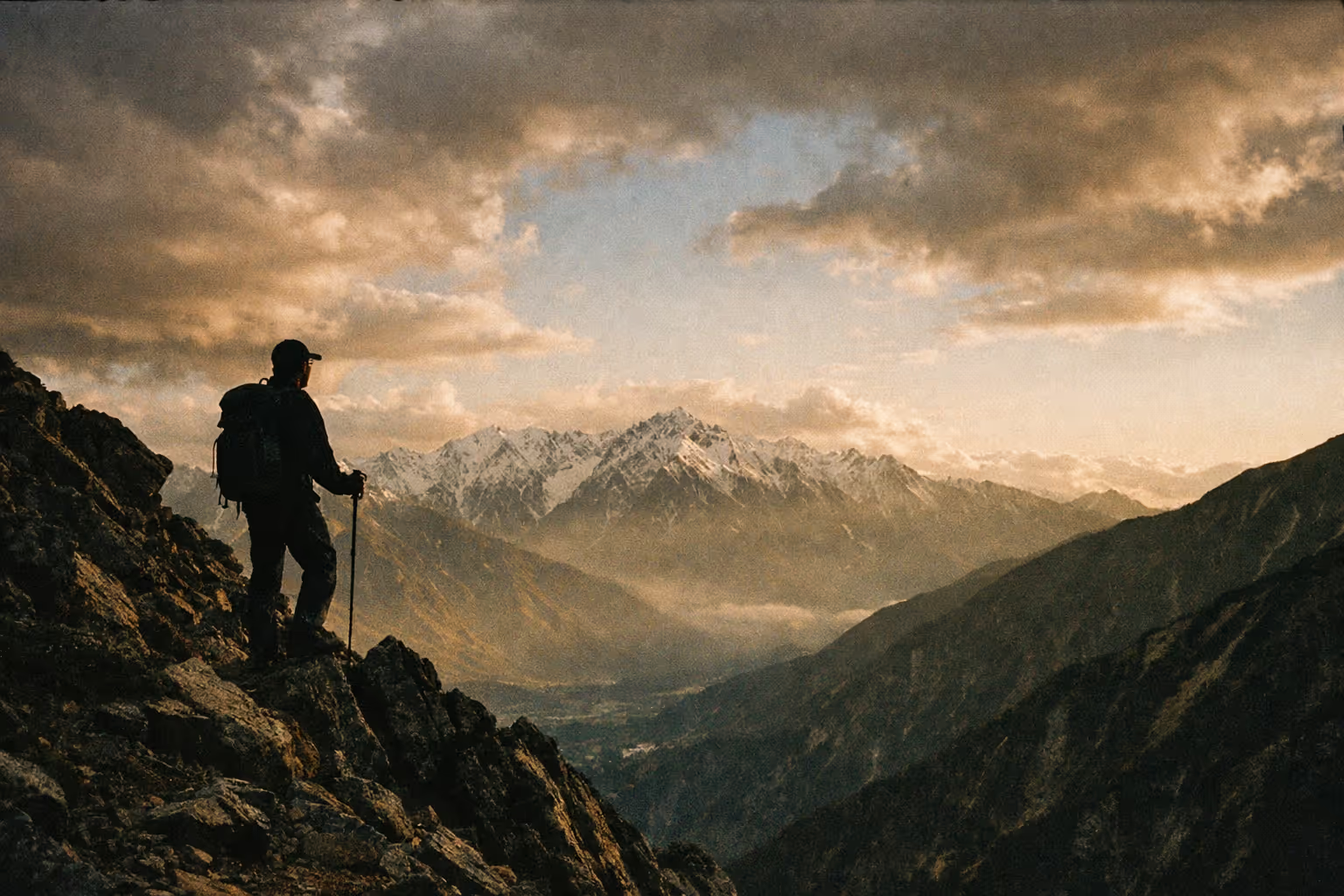
Ascending the Yoshida Trail under a starlit sky, timing the summit for sunrise, is genuinely one of those moments that stops feeling like exercise and starts feeling like something else. I won’t oversell it - the trail is crowded, the final push above 3,500 m is slow, and altitude sickness is real. But the view from the crater rim when the sun breaks across a sea of clouds is the kind of thing that makes the 3 a.m. alarm worth setting.
The official climbing season runs roughly early July to early September, and climbing outside this window is strongly discouraged. Outside the season, many mountain huts close and bus services reduce, meaning you should be prepared for limited backup infrastructure. The standard Yoshida Trail ascent and descent takes 6 to 10 hours with about 1,400-1,500 m of elevation gain. No technical skills are needed, but you do need conditioning and the right gear: headlamp, waterproofs, warm layers (the summit runs near freezing even in August), hiking boots, and 2-3 liters of water.
Guided group climbs with a hut stay run roughly USD 250-500 per person. Huts book out 3-6 months ahead in peak season - this is not an exaggeration. You can do it independently using public buses from Tokyo to the Yoshida 5th Station trailhead, but if you’re splitting the climb over two days to catch sunrise, you still need to reserve hut space in advance.
Watch for altitude sickness above 3,000 m. Climb slowly, and spend at least an hour acclimatizing at the 5th Station before you start moving upward.
Skiing the Japanese Alps and Hokkaido powder
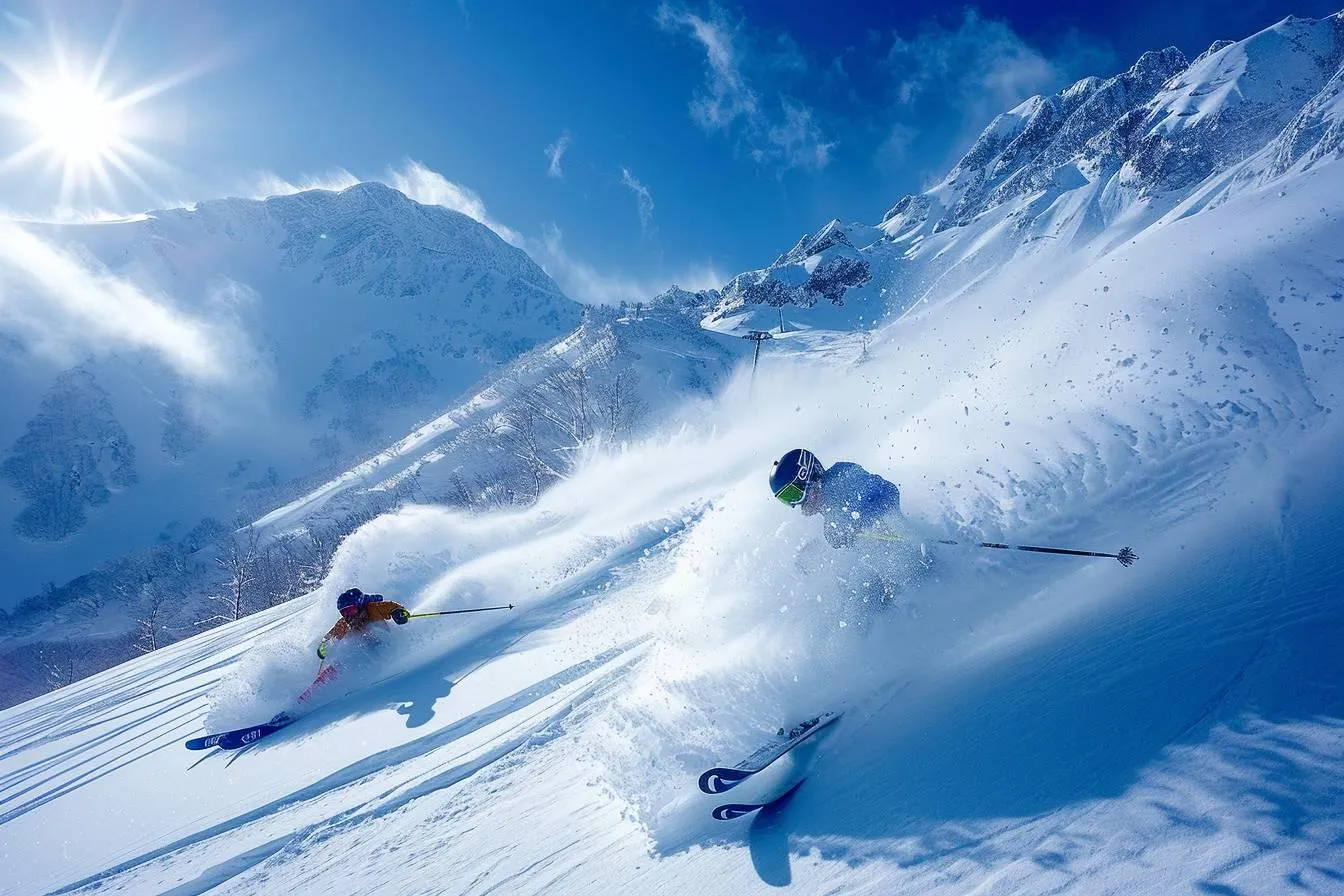
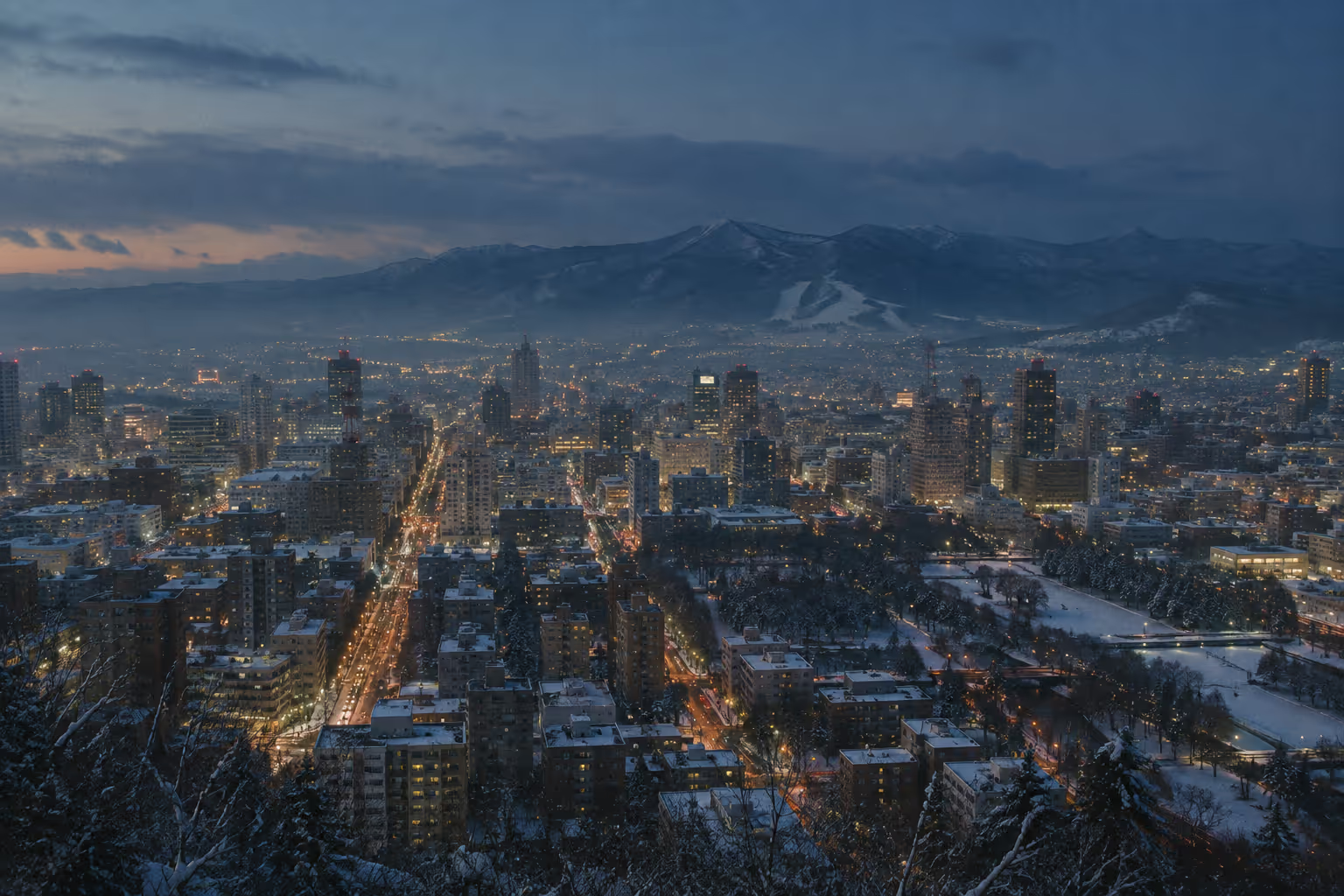
Japan turns into a serious ski and snowboard destination every winter, and the powder is the reason riders fly across the world for it. The dry snow - nicknamed “Japow” by the people who plan their entire year around it - falls in absurd quantities. Niseko and Hakuba pull in 10 to 15+ meters of snowfall a season.
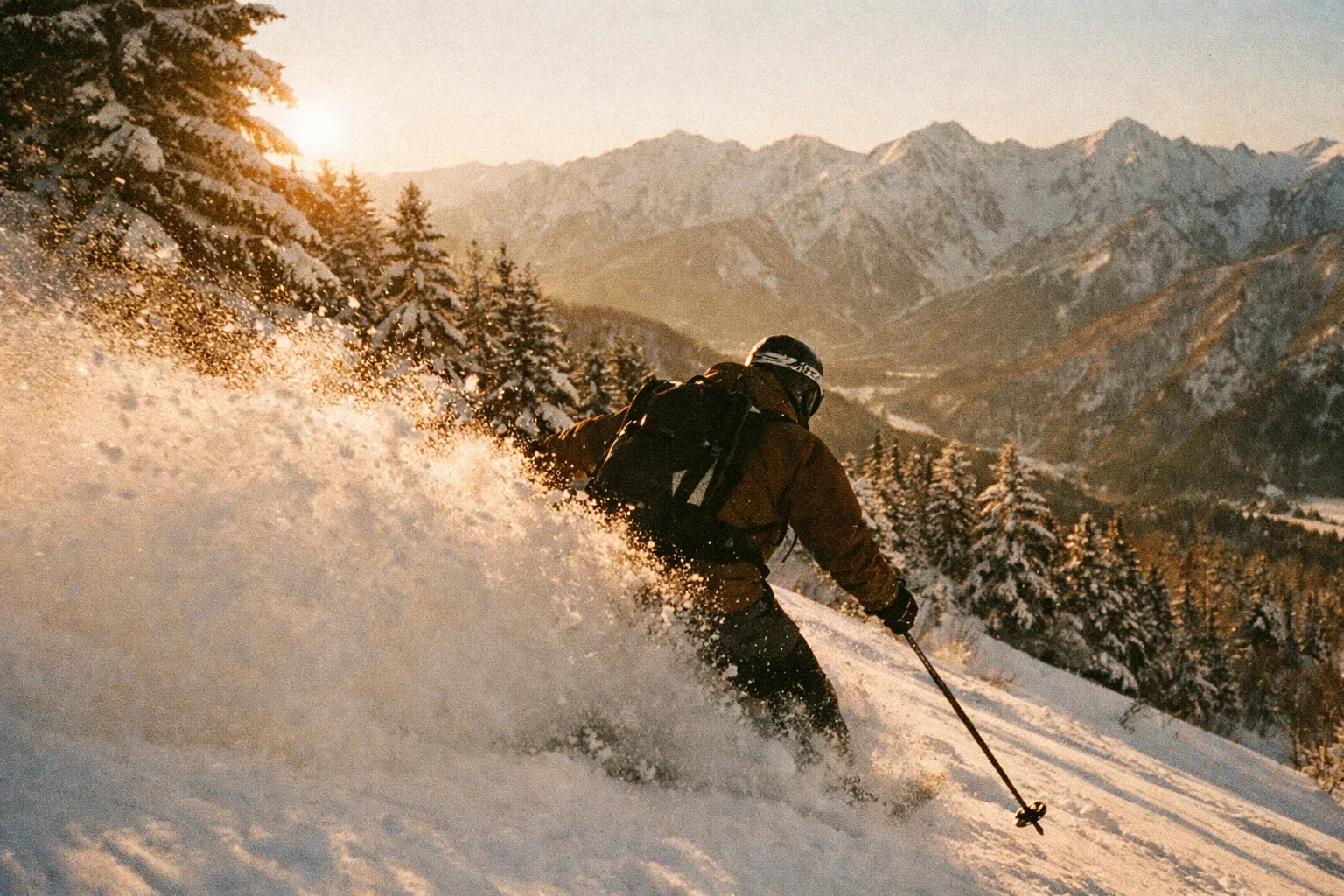
Skiing the Japanese Alps in Hakuba gives you a cluster of linked resorts with real vertical, terrain for every level, and a clear view down to traditional onsen towns. Nagano’s Hakuba Valley and Nozawa Onsen are the Honshu anchors. Up north, Hokkaido’s Niseko is the other powder capital. The Japanese tourism organization flags both as its core winter hubs (2).
Practical numbers for early 2024:
- Day lift tickets: USD 50-80 at major resorts.
- Ski/board rentals: USD 30-50/day.
- Beginner lessons: roughly USD 60-120 for a half day.
- Peak powder window: January-February in Hokkaido and Nagano; the broader ski season runs December-March.
Resorts have shifted toward date-based dynamic pricing and online reservations, so buying lift passes in advance for peak weeks usually saves money. After a day on the slopes, the move is obvious: soak in an onsen (hot-spring bath). Day-use baths in nearby onsen towns can cost as little as USD 5-10, and the combination of deep powder by day and a hot-spring soak at night is genuinely the whole point of a Japan ski trip.
Skip the early-December and late-March trips if powder is your priority. The snow is thin at the edges of the season, and you’ll have flown a long way for slush.
White water rafting on the Yoshino River
The Yoshino River in Tokushima Prefecture on Shikoku Island offers some of the best rafting in the country, and the Oboke and Koboke gorges deliver the bigger water - especially after spring snowmelt and during the rainy season. The river suits both beginners and experienced rafters, though the gorge sections are genuinely demanding when the water is high.
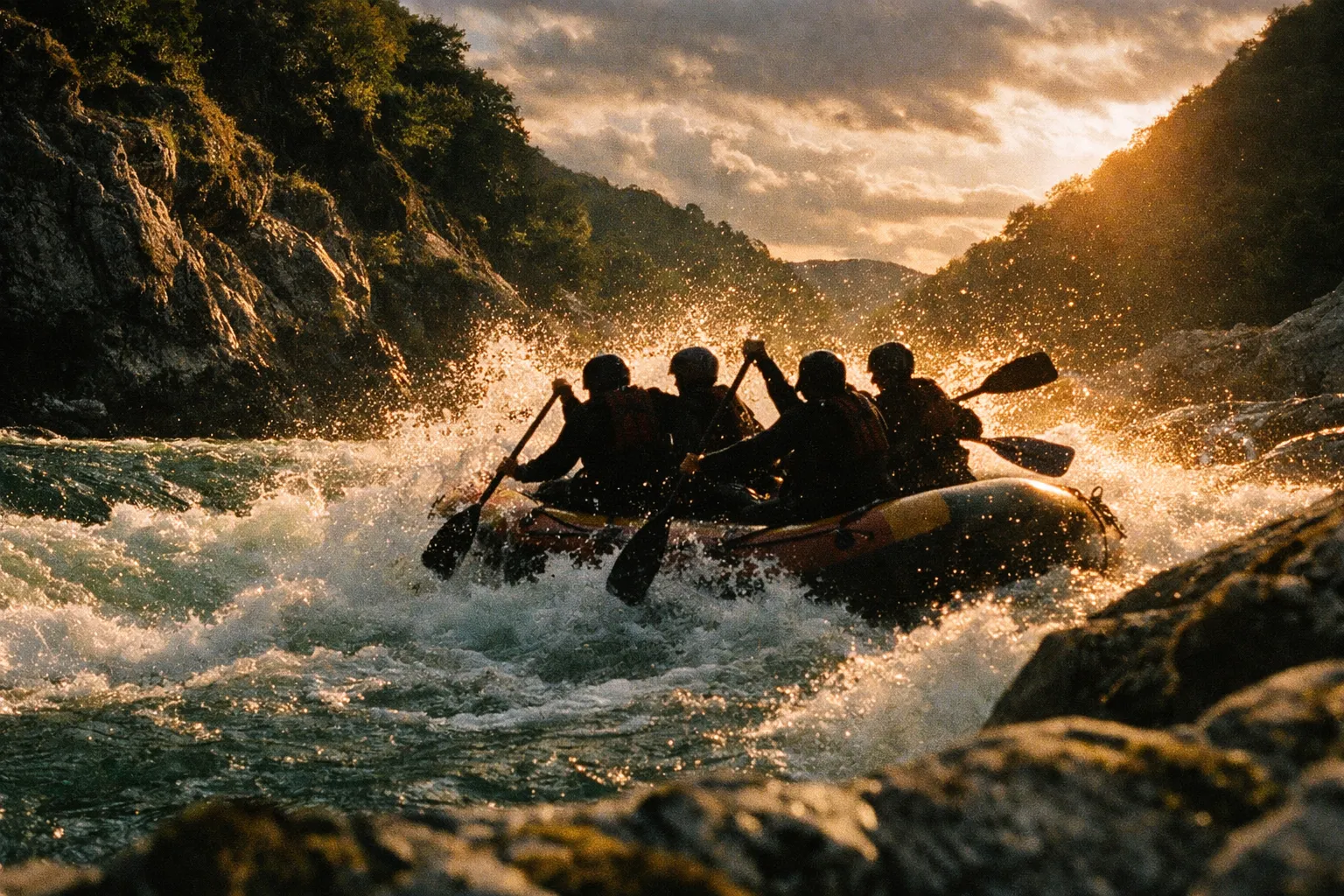
My experience here was more physical than I expected. Reading the river’s lines while staying in sync with the rest of the raft takes real focus, and the Oboke gorge doesn’t give you much time to think. It’s one of the better adventure activities in Japan for people who want something that requires actual effort rather than just showing up.
Central Honshu has strong options too: Minakami (Gunma) and Okutama (just outside Tokyo) are the go-to bases for whitewater and canyoning. Half-day rafting trips from either base are easy to slot into a Tokyo-based itinerary without losing a full day to transit.
Spelunking in Japan’s limestone caves
Japan’s geology includes an extensive network of limestone caves, and a few of them are worth building a detour around. Ryusendo Cave in Iwate Prefecture is one - stalactites, stalagmites, and subterranean lakes lit in cold, clear light.
My favorite, though, is Akiyoshido limestone cave in Yamaguchi - one of Japan’s largest, with a walkable kilometer of passage, an underground river, and terraced “hundred plates” (hyakumai-sara) pools formed over millennia. Most of the main route is paved and lit, so it functions as a moderate-effort outing rather than a technical caving expedition. That actually makes it useful: it’s a solid rest-day adventure between harder activities, and the scale of the cave is genuinely impressive even without any gear.
Kayaking bioluminescent and mangrove waters
One of the stranger things I’ve done in Japan is kayaking after dark when the water lights up. On nights when conditions align, every paddle stroke stirs up blue bioluminescence - microscopic organisms turning the bay into something that looks like a special effect. The waters around Okinawa’s Yambaru region are among the best places to see it, and it’s the kind of experience that’s hard to explain to someone who hasn’t seen it.
Okinawa’s water adventures run well beyond the bioluminescence. Yambaru National Park in the north offers mangrove kayaking through tidal channels, and the coastal reefs deliver snorkeling and diving in genuinely clear water (2). For paddlers who want a beginner-friendly option, the Yambaru mangroves are calm, shaded, and easy to navigate.
Etiquette note: Okinawa’s reefs and mangroves are fragile and, in places, culturally significant. Don’t touch or stand on coral, follow your guide’s route through the mangroves, and don’t apply sunscreen right before a snorkel session - reef-safe products and a rash guard are the better call here.
Diving Okinawa’s outer islands
Okinawa is where Japan’s adventure scene goes underwater, and the outer islands hold its best dive sites. World Adventure Divers ranks the Yonaguni Monument, Manta City off Ishigaki, and the Kerama Islands National Park among Japan’s world-class sites - sea turtles, manta rays, and at Yonaguni in winter, schooling hammerhead sharks (3).
- Best manta season (Ishigaki, near Kabira Bay): April-October (3).
- Intro dives (no certification required): around USD 90-130.
- Certified two-tank boat dives: USD 100-150.
Most boat dives require an Open Water certification, though intro dives are widely available for non-certified visitors. Build in 3-5 days for an Okinawa dive segment. Reaching the outer islands takes time, weather can scrub a day without warning, and flexibility on your manta dives pays off more than a tight schedule does (3).
Cycling the Shimanami Kaido and other adventures
If you’d rather pedal than paddle, the Shimanami Kaido is the standout ride - a roughly 70 km route across a chain of bridges linking Hiroshima Prefecture to Shikoku, with dedicated cycling lanes the entire way (2). The national tourism organization flags it as a prime cycling adventure, and the infrastructure (rental drop-off points, clear signage) has been steadily upgraded. It’s one of those routes that actually lives up to the reputation.
Basic bike rentals along the route run JPY 1,400-3,500 (USD 10-25)/day. Fit riders knock it out in a single long day; most people split it over two days with an overnight on one of the islands, which is the better call if you want to actually see anything beyond the bridges.
Other adventures worth slotting into a japan travel itinerary focused on adventure:
- Fuji-Q Highland (Yamanashi) for record-setting roller coasters - day admission with ride passes runs roughly JPY 7,700-9,800 (USD 55-70). Buy timed tickets online; the park uses date-based pricing.
- Jigokudani Snow Monkey Park (Nagano), where macaques (Japanese snow monkeys) bathe in a natural hot spring - it consistently tops TripAdvisor’s adventurous-attractions list for Japan (7).
- Takachiho Gorge (Kyushu), a basalt canyon you can row through by rental boat - also high on TripAdvisor’s rankings (7).
- Daisetsuzan (Hokkaido) for overnight trekking, and the Setouchi islands for sea-kayaking expeditions - both for experienced adventurers who want to move beyond the standard circuit.
What an adventure trip to Japan costs
Japan adventure travel isn’t cheap, but it scales. Most international visitors book 7-14 day itineraries and spend roughly USD 200-350 per day including lodging, transport, activities, and food. Here’s how the styles break down per person, excluding international flights:
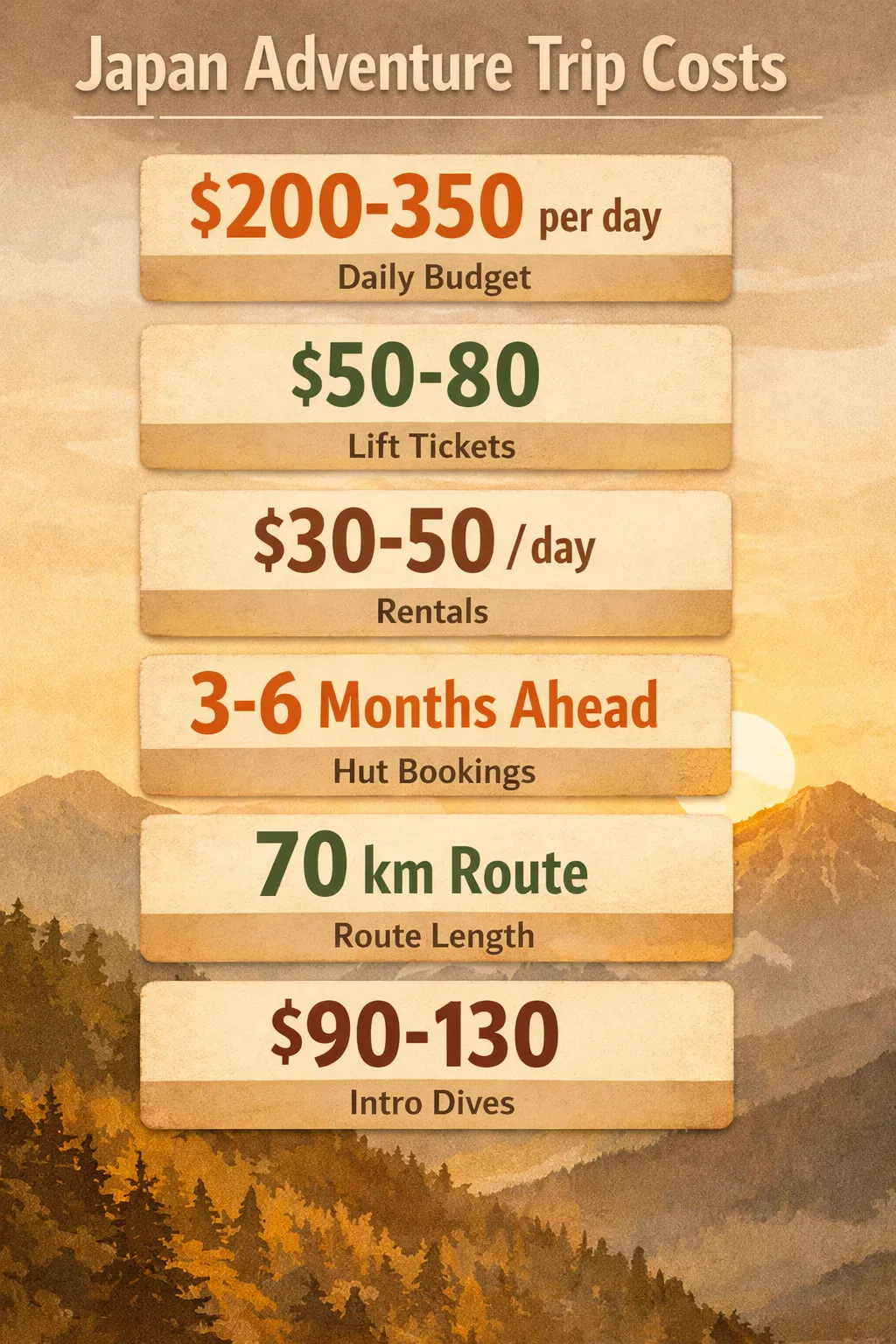 Typical costs for a week or two of adventure travel in Japan: daily budget USD 200-350, lift tickets USD 50-80, rentals USD 30-50/day, hut bookings 3-6 months ahead, Shimanami Kaido around 70 km, intro dives USD 90-130.
- Backpacker: USD 80-120/day - hostels or capsule hotels (USD 25-40), cheap meals (USD 10-20), local trains, one or two paid activities a week.
- Mid-range: USD 150-250/day - business hotels or ryokan (traditional inn) (USD 70-150), intercity rail, a few guided activities a week.
- Guided package: USD 350-700/day - small-group adventure tours in Japan with private guides, transport, and most meals included(8).
A nationwide Japan Rail Pass runs around USD 250-350 for 7 days in ordinary class - worth it if you’re crossing the country by shinkansen (bullet train), but for focused regional trips a regional JR pass (USD 80-200 for 3-5 days) usually beats it on price.
One persistent gotcha: carry cash. Card acceptance is rising, but mountain huts, rural buses, and small dive shops still often want yen. Convenience-store ATMs reliably take foreign cards.
Booking warning: Fuji mountain huts, ryokan near Kawaguchiko, and peak-season ski hotels sell out 3-6 months ahead. Book the fixed-date stuff first, then build everything else around it.
How to plan an adventure trip by skill level
The mistake I see most often is overloading the itinerary - trying to chain Tokyo, Kyoto, Osaka, Hokkaido, and Okinawa into ten days, which leaves you mostly on trains. Pick a couple of regions that pair well geographically and go deeper.
Beginner-friendly: Day hikes around Hakone, Nikko, or Kamikochi; beginner ski lessons in Niseko or Hakuba; mangrove kayaking in Yambaru; urban thrills at Fuji-Q and teamLab digital exhibitions (2).
Intermediate: A Mt. Fuji climb, the two-day Shimanami Kaido ride, or a 3-4 day Hokkaido road trip mixing hikes, onsen, and the snow monkeys (7). If you want to safely explore Japan’s outdoors across different seasons, a season-by-season approach to planning pays dividends.
Advanced: Backcountry skiing with guides in Niseko or Nagano, canyoning in Minakami, offshore diving at Yonaguni for hammerheads, or overnight trekking in Daisetsuzan (3).
Smart pairings for a 10-day adventure trip in Japan:
- Tokyo + Fuji area + Nagano Alps
- Osaka/Kyoto + Shikoku cycling + Setouchi islands
Use the shoulder seasons - late May through June and October through early November - for good hiking weather, thinner crowds, and lower prices than cherry-blossom or Obon peaks. Watch the typhoon window of August-September if your plans depend on being outdoors. For tips on timing and free attractions, exploring Japan on a budget during the shoulder seasons can stretch your budget considerably.
For a lower-adrenaline but high-impact layer, add shukubo (temple lodgings, monastery guesthouses) on Koyasan or a farmstay in rural Tohoku or Shikoku.
Frequently Asked Questions
- Is $3,000 enough for a week trip to Japan?
- A mid-range adventure traveler spending USD 250-350 per day typically spends about USD 1,750-2,450 for a week excluding flights. With careful flight deals, USD 3,000 can cover a one-week trip including airfare from many regions, provided you avoid luxury ryokan and daily private guides.
- Is $5,000 enough for a week in Japan?
- USD 5,000 comfortably covers high-end hotels, frequent guided tours, and premium rail passes for a week. Spending beyond this usually involves fully bespoke private-guide packages priced at USD 5,000-10,000 per person for 7-10 days.
- What is the #1 tourist attraction in Japan?
- Visitor numbers favor Tokyo Disneyland/DisneySea and Senso-ji temple in Asakusa, but by symbolic recognition and UNESCO status, Mount Fuji is widely regarded as Japan's number-one attraction and anchors the country's adventure travel promotion.
- What is the 3-1-1 rule in Japan?
- The '3-1-1 rule' is a U.S. TSA carry-on liquids rule (containers of 3.4 oz / 100 ml or less, in one quart-sized bag, one bag per passenger) for flights departing the United States, not a Japanese regulation. Japanese airports apply the same 100 ml per container liquids limit for carry-ons on international flights.
- Can I climb Mount Fuji outside the official season?
- No. The official climbing season runs early July to early September. Outside this window, mountain huts close, buses stop running, and climbing is unsupported and unsafe.
- Are credit cards widely accepted in rural Japan for adventure activities?
- Card acceptance is increasing but many mountain huts, rural buses, and small dive shops still prefer cash (yen). Convenience-store ATMs reliably accept foreign cards.
- How far in advance should I book mountain huts or ski hotels?
- Peak-season mountain huts on Fuji, ryokan near Kawaguchiko, and ski hotels typically sell out 3-6 months ahead. Booking fixed-date accommodations early is essential.