Waikīkī Beach draws more than 4 million visitors a year, and most of them never leave it. That’s the mistake. The best things to do in Oahu, Hawaii are spread across four distinct regions, and the island packs Pearl Harbor, world-class reef snorkeling, big-wave surf, and crater hikes into a landmass you can drive across in under an hour - if you plan the days right. Oʻahu pulled in roughly 5.8 million visitors in 2024, with an average stay of just over 7 days (7), so a full week here is normal, not excessive. This guide organizes everything by region and traveler type, tells you what to book before you fly, and flags what will go wrong if you wing it.
✓ Pros
- Most efficient island for first-timers - one airport, compact geography, and no inter-island flights needed to hit the headline sights.
- Unmatched range: history, surf, snorkeling, hiking, and nightlife all on a single island.
- Strong infrastructure - lifeguarded beaches, well-signposted trails, and a walkable Waikīkī base you can work from without a car.
- Year-round warm weather; there's no bad season for most activities.
- Free and low-cost options sit right alongside the paid experiences.
✗ Cons
- The top sites - Diamond Head, Hanauma Bay, Pearl Harbor - now require advance reservations, and it's easy to get locked out.
- Traffic around Waikīkī and on the H-1 can wreck an afternoon plan.
- Costs add up fast: parking, tours, and dining run expensive relative to mainland cities.
- The island looks small on a map, but days fill faster than expected. Over-scheduling is the classic error.
- Popular beaches like Lanikai and Hanauma Bay have limited or strictly enforced parking.
Best Things to Do in Oahu, Hawaii - Organized by Region
Oʻahu breaks into four regions, and organizing your trip by geography is the single biggest time-saver. Group your days by area and you cut hours of backtracking on the H-1 and Kamehameha Highway.
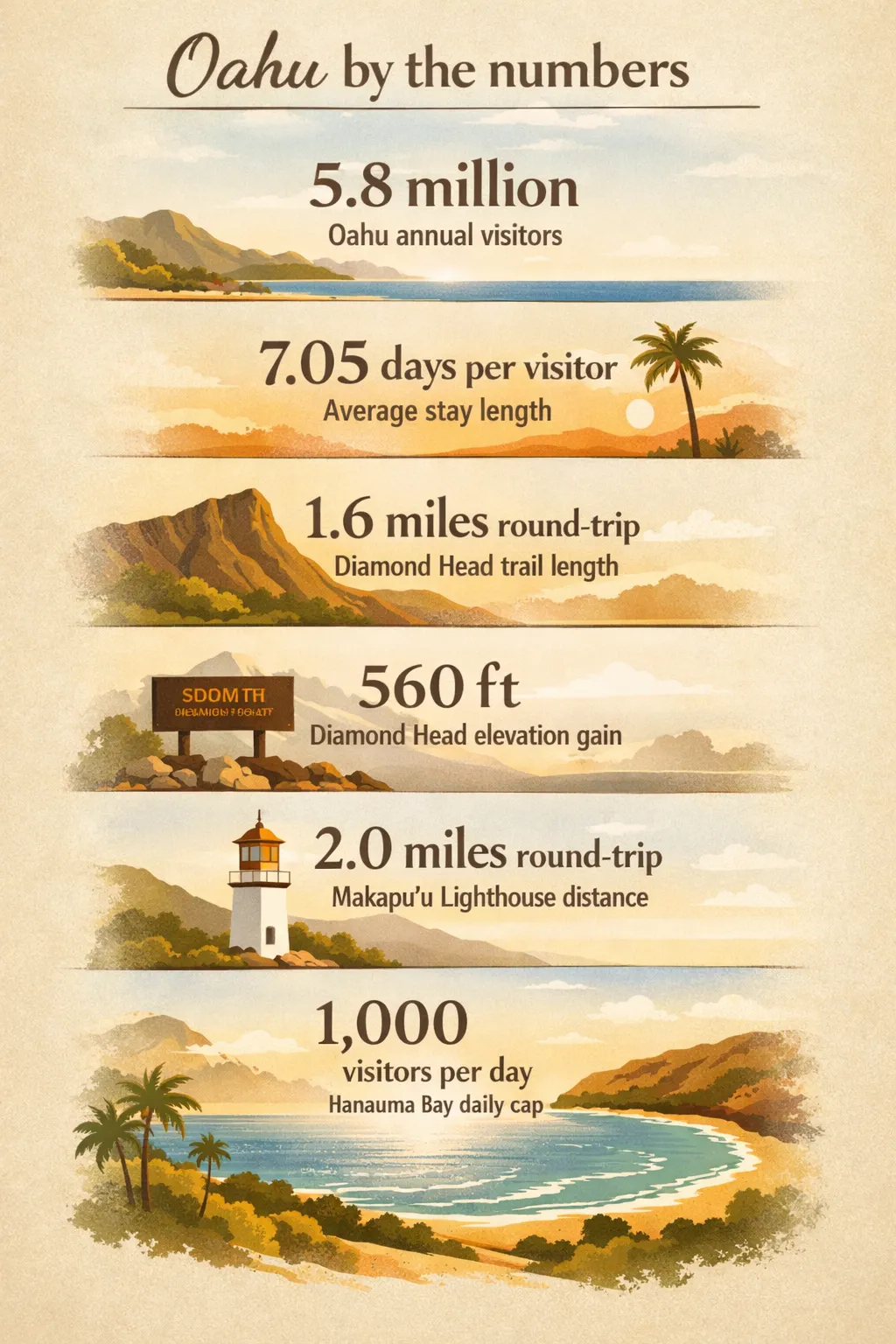 Oʻahu drew 5.8 million visitors in 2024 with average stays of 7.05 days; Diamond Head and Makapu’u metrics are shown, along with Hanauma Bay’s daily cap of 1,000 visitors.
Here’s the quick-reference map of what sits where:
- South Shore / Honolulu - Waikīkī Beach, Diamond Head, Pearl Harbor, Hanauma Bay, ‘Iolani Palace, Ala Moana Beach Park. This is where most trips are based.
- Windward Coast (east) - Lanikai Beach, Kailua, the Mokulua Islands, Ho’omaluhia Botanical Garden, Byodo-In Temple, Makapu’u Point, Kualoa Ranch.
- North Shore - Waimea Bay, Sunset Beach, Banzai Pipeline, Hale’iwa town, Waimea Falls, Laniakea (Turtle) Beach, the Polynesian Cultural Center in Lā’ie.
- West Side / Central - Ko Olina lagoons, Dole Plantation.
Visitor volume tells you where reservations matter most. Pearl Harbor’s USS Arizona Memorial draws around 1.7 million visitors a year, Diamond Head about 1.1 million, and Hanauma Bay close to 1 million (7). Those three fill up, and two of them can turn you away at the gate if you show up unbooked.
The classic first-timer shortlist is short and predictable: Diamond Head, Pearl Harbor, Hanauma Bay, a windward beach day, and a North Shore loop. That’s five days of solid content. Repeat visitors and anyone with a full week start adding the deeper cuts - Kualoa Ranch, the Polynesian Cultural Center, kayaking to the Mokulua Islands, and the quieter windward stops that never make the highlight reels.
The sections below go region by region with drive times, booking mechanics, seasonal timing, and what to skip if your days are tight.
South Shore and Honolulu - Where Most Trips Begin
The South Shore holds Oʻahu’s densest cluster of attractions, and it’s where most visitors base themselves in or near Waikīkī. It’s also where the most common planning mistakes happen, because the sights sit close together on a map and tempt you into cramming.
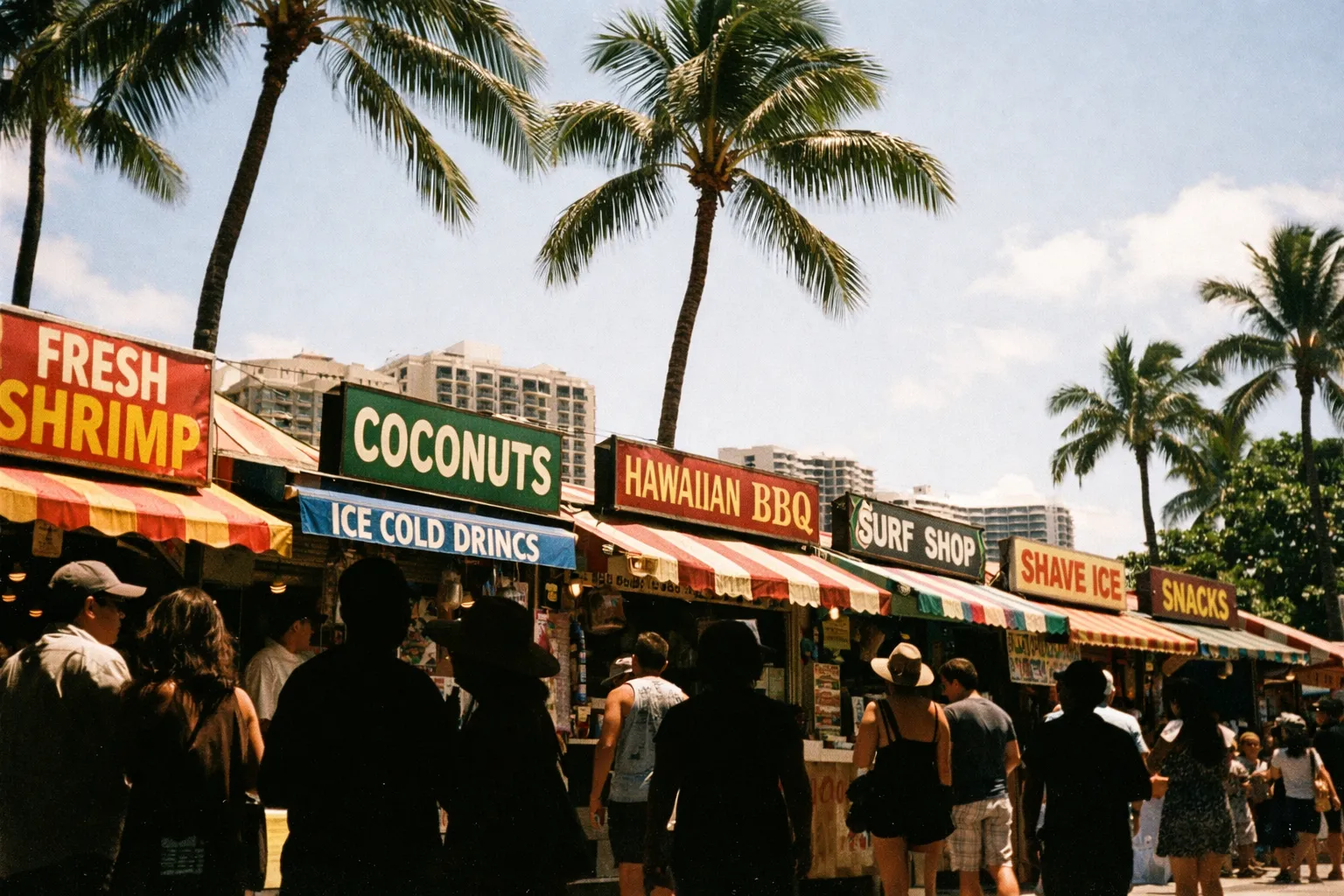
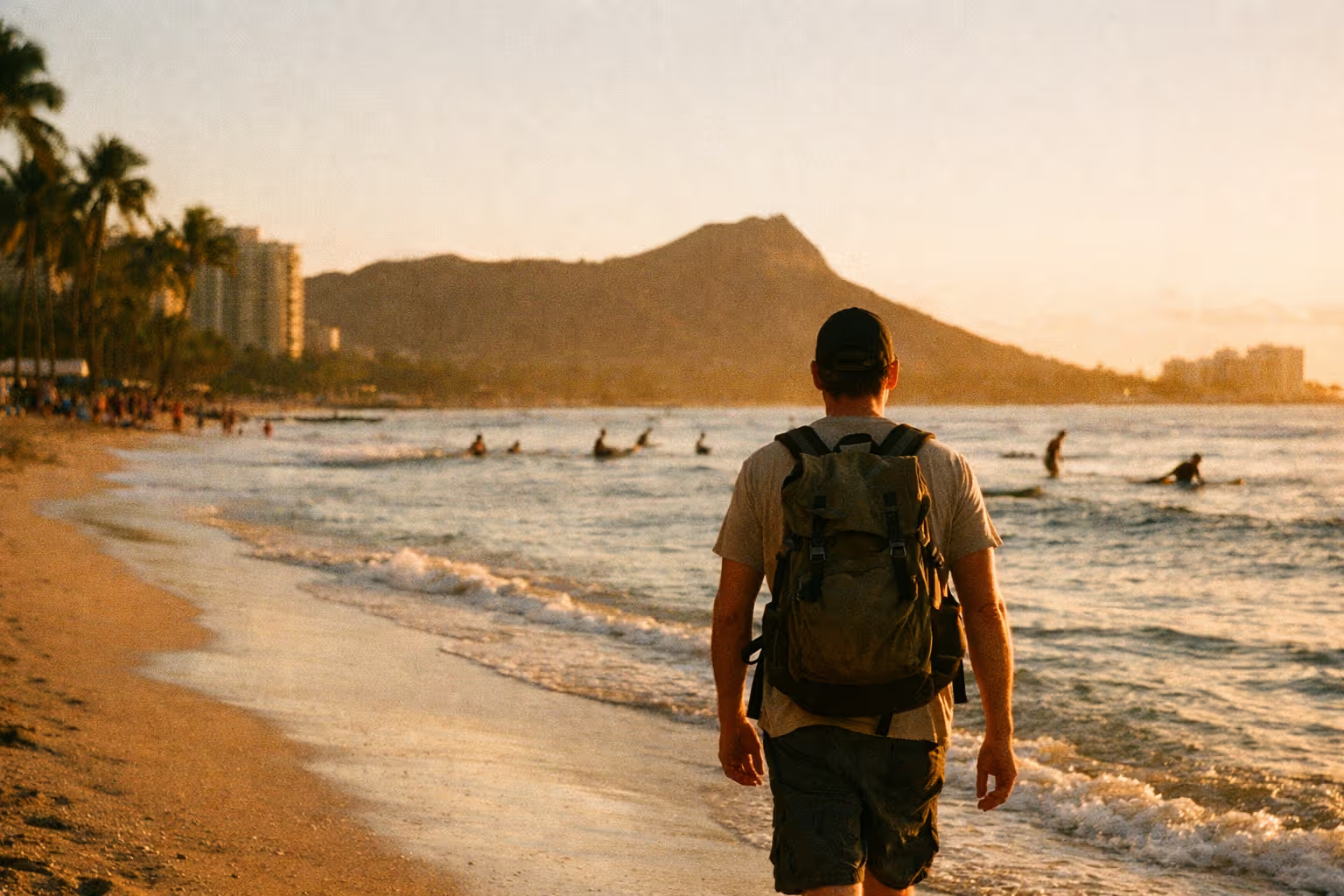
Waikīkī Beach is free, walkable, and lifeguarded on its designated sections. It’s the base for surf lessons, stand-up paddleboarding, and the free Kūhiō Beach Hula Show, held Tuesday, Thursday, and Saturday evenings near the Duke Kahanamoku statue - arrive by 6:30 p.m. for a decent spot. Treat Waikīkī as a place you return to across several days rather than a box to check in one afternoon.
Ala Moana Beach Park is the lower-key alternative: approximately 76 acres of oceanfront (per the City and County of Honolulu Department of Parks and Recreation) with calmer water than Waikīkī, free to enter, and better for families or a slower beach afternoon. It sits directly next to Ala Moana Center and its 350-plus shops, which makes for an easy evening add-on if you want dinner and browsing after the beach.
‘Iolani Palace anchors downtown Honolulu. Completed in 1882, it’s the only official royal residence in the United States, and guided or self-guided tours run 60 to 90 minutes. Pair it with the King Kamehameha Statue, Ali’iōlani Hale, and Aloha Tower for a full downtown afternoon - ideally after a Pearl Harbor morning so you’re not doubling back across the city. For a deeper look at 15 Things to Do in Honolulu, including how to sequence these downtown stops, the dedicated Honolulu guide covers the full ranked list.
The one rule that saves trips: don’t try to combine Diamond Head, Hanauma Bay, and downtown in a single day. Each deserves its own morning, and stacking them means rushing all three and blowing a timed entry.
Diamond Head - Reservation Logistics and What to Expect on the Trail
Diamond Head State Monument requires a non-resident reservation for both entry and parking, booked separately through the Hawaiʻi DLNR portal. The summit trail runs about 1.6 miles round-trip with roughly 560 ft of elevation gain, and most people finish it in 1.5 to 2 hours.
Time slots release up to 30 days ahead, and the early-morning windows (6 to 8 a.m.) sell out first because that’s when the air is cool and the crowds are thin. Book at least one to two weeks before you arrive, and book the parking reservation at the same time - it’s a separate transaction and people forget it constantly.
The trail is a workout, not a stroll. It climbs through staircases and narrow tunnels to an exposed summit with wide views over Waikīkī and the south shore. There’s little shade, so it gets hot and slick fast by mid-morning. Bring water and wear closed-toe shoes. The natural pairing is breakfast afterward near Kapi’olani Park, back down at sea level.
Hanauma Bay - How to Actually Get a Reservation
Hanauma Bay Nature Preserve is Oʻahu’s best accessible reef snorkeling, and getting in is a small logistical sport. The non-resident daily cap sits at 1,000 visitors per day, and online reservations open exactly two days before your visit date at 7:00 a.m. Hawaii Standard Time - per the City and County of Honolulu Department of Parks and Recreation, slots for a given date become available at that moment and remain open until all spaces are filled or until 11:59 p.m. HST the day before your visit.
Here’s how to not miss it:
- Set a calendar reminder for exactly 48 hours before your target date.
- Log in at 7:00 a.m. HST on the dot, with your credit card ready before the window opens.
- Check the closure days before you plan around a date - the bay is closed certain days each week for maintenance.
On arrival, every visitor watches a short mandatory marine education video before heading down to the water, and reef-safe sunscreen is required. Snorkel gear rents on-site if you don’t want to haul your own. Budget about 2.5 to 3 hours at the bay, and pair it with the Halona Blowhole Lookout a few minutes east for a natural East Honolulu half-day.
If you strike out on a reservation, Sharks Cove on the North Shore is a free summer snorkeling alternative - just bring your own gear.
Pearl Harbor - What to Book, What to Skip, and How Long You Actually Need
Pearl Harbor is Oʻahu’s second-most-visited attraction at roughly 1.7 million people a year, and the single biggest visitor mistake is underestimating both the time it takes and the booking it requires.
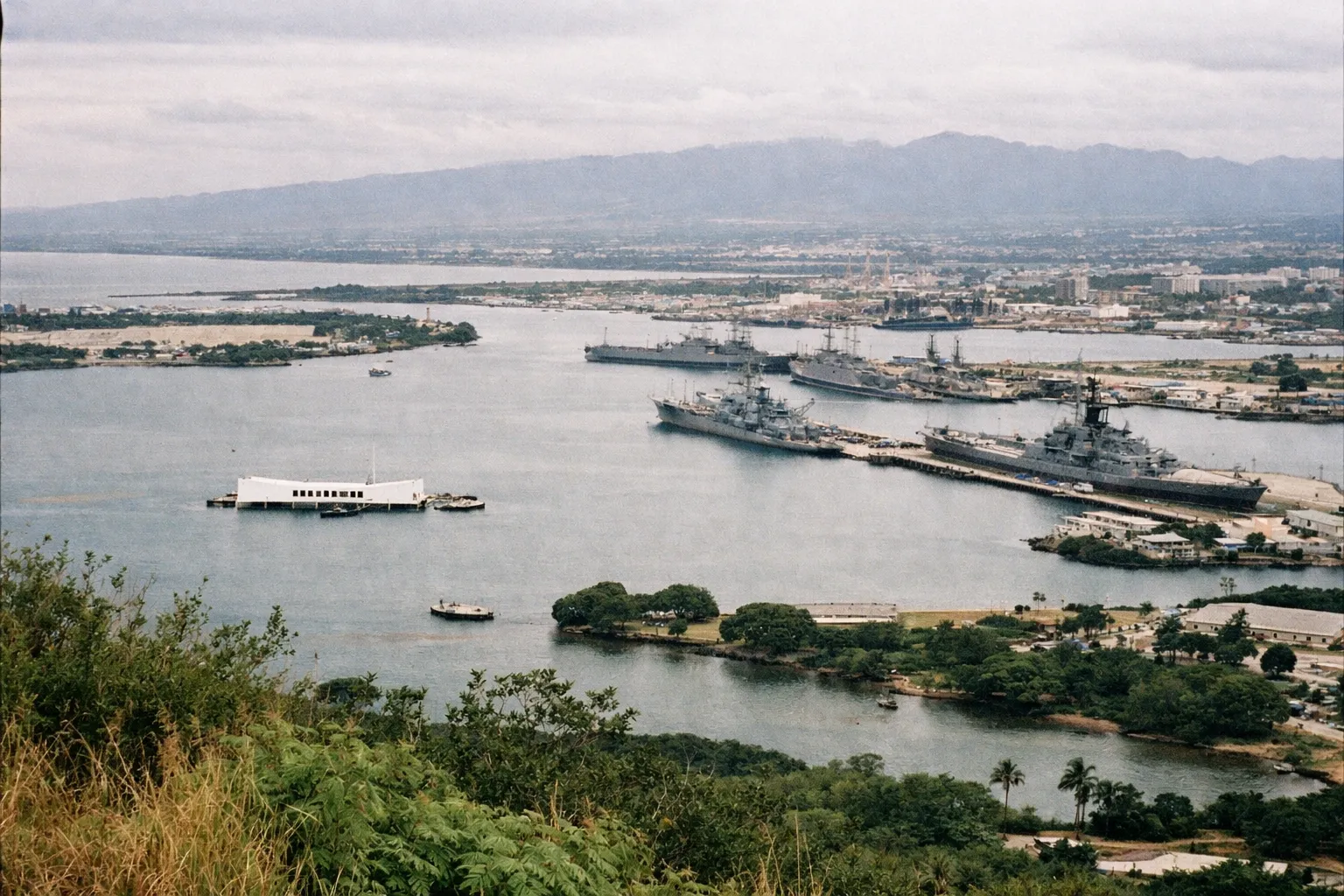
The USS Arizona Memorial boat program is free, but it requires a timed reservation through Recreation.gov, which charges a $1 non-refundable fee per ticket (10). Tickets release up to eight weeks in advance, and in summer and around major holidays there’s effectively zero same-day walk-up availability. Book this before you land, not the night before.
Security is strict, and the bag rule catches people off guard. Standard backpacks are prohibited inside the secure area; only small clutch-size bags are allowed, and there’s a paid bag-storage service outside the entrance if you show up with more. Plan your packing around this so you’re not scrambling at the gate.
The National Park Service visitor center runs 7:00 a.m. to 5:00 p.m. daily, and the full complex deserves 4 to 6 hours - not the two hours many people budget. Beyond the Arizona Memorial, three paid sites round out the day, each adding roughly one to two hours:
- USS Bowfin Submarine Museum - a WWII submarine you tour end to end.
- Battleship Missouri Memorial - the deck where Japan formally surrendered in 1945.
- Pearl Harbor Aviation Museum - hangars of restored aircraft on Ford Island.
If your time is tight, the Aviation Museum is the most skippable of the three for anyone who isn’t specifically into aircraft. The Arizona Memorial itself is non-negotiable.
Pearl Harbor sits about a 45-minute drive west of Waikīkī, so the efficient move is to pair it with downtown Honolulu in the afternoon rather than driving back to the beach and out again. One tone note: this is a working memorial over the resting place of more than a thousand sailors and Marines, not a theme park. Dress and behave accordingly.
Windward Coast - Lanikai, Kailua, and the Quieter Side of Oahu
The windward (east) coast is Oʻahu’s calmer side, and it works cleanly as a single day-trip cluster about 30 to 45 minutes from Waikīkī. It’s greener, quieter, and less built-up than the South Shore, and it rewards an early start.
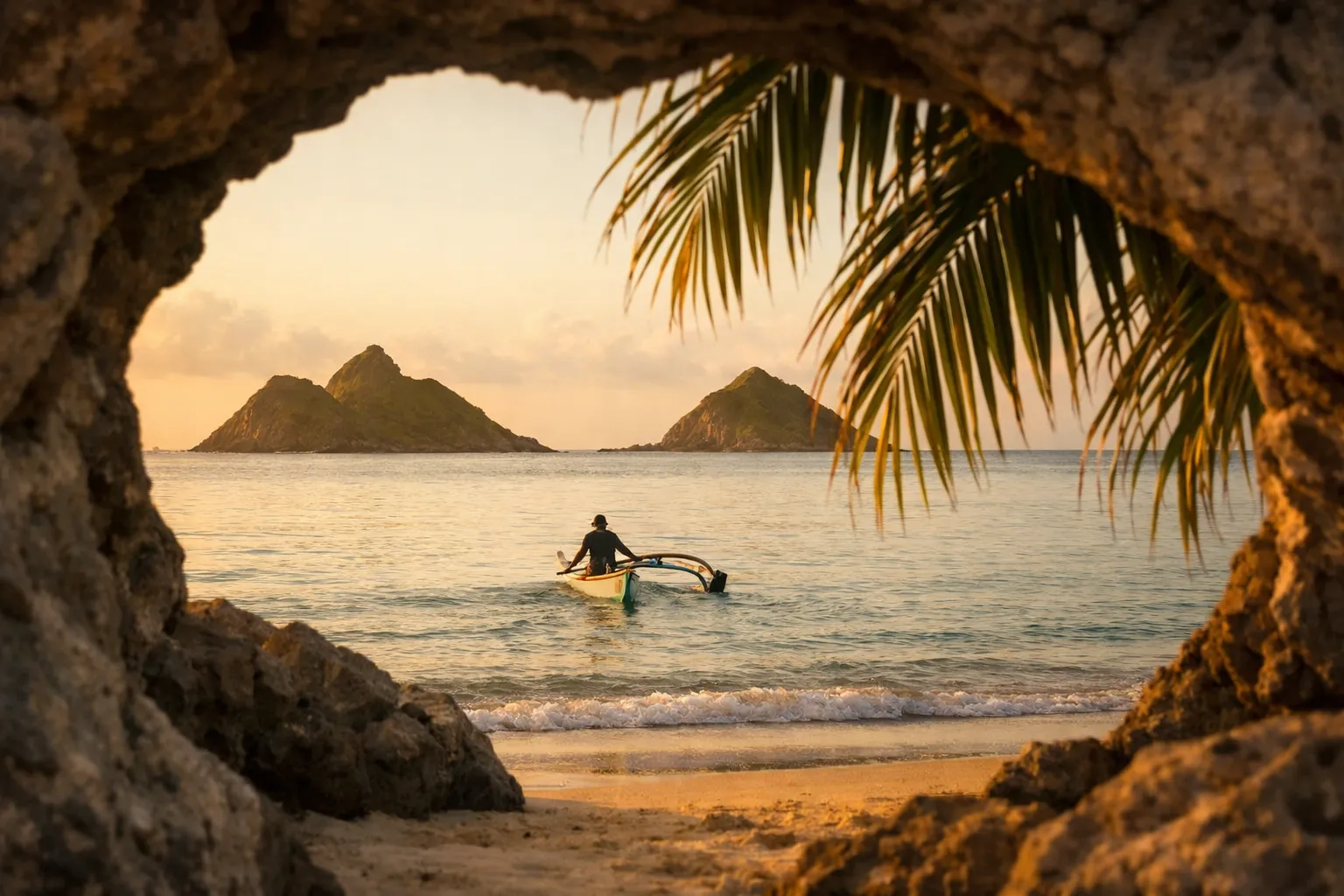
Lanikai Beach consistently ranks among Hawaii’s best - calm, turquoise water and soft sand that stays relatively uncrowded compared to Waikīkī despite drawing around 700,000 visitors a year (7). The catch is parking: it’s limited residential street parking, so arrive early or expect a walk. Sunrise here is worth setting the alarm for, and it’s the best light of the day.
Ho’omaluhia Botanical Garden in Kāne’ohe spans more than 400 acres with free admission and driveable internal roads. The trails are beginner-friendly, and the roadway and lake vistas hold up even in rainy conditions - which makes it one of the most reliable scenic stops on the windward side when the weather turns. Good for families and casual walkers who want scenery without a climb.
Byodo-In Temple, set in the Valley of the Temples against the Ko’olau Mountains, is a scale replica of a 900-year-old Buddhist temple in Uji, Japan. It charges a modest entry fee for access to the grounds and temple interior. Logistics are minimal and the visual payoff is high - an easy add to a windward drive.
Makapu’u Point Lighthouse Trail anchors the southern end of the coast: about 2.0 miles round-trip with roughly 500 ft of elevation gain, on a paved surface whose lower portion is stroller-accessible. From January through March it’s a prime whale-watching perch, with humpbacks visible offshore from the summit lookouts.
A logical windward day runs about 8 hours: Lanikai at sunrise, breakfast in Kailua, a Mokulua kayak launch, Ho’omaluhia, Byodo-In, then Makapu’u on the way back south. You won’t be rushed, and you’ll skip the North Shore crowds entirely.
Kayaking to the Mokulua Islands - What to Know Before You Go
Kayaking to the Mokulua Islands off Lanikai is one of the most rewarding active experiences on Oʻahu, and a typical outing runs 3 to 4 hours including paddling and time on the island. Operators launch from Kailua or Lanikai, and the two small islands sit close enough offshore for a manageable paddle when conditions cooperate.
A few practical points:
- Rent from a Kailua operator or, for first-timers, book a guided tour - it’s the safer call if you don’t know the water.
- Check wind and swell before you go; mornings are typically calmer, and conditions vary enough that this isn’t a “just show up” activity.
- You’ll need basic swimming ability.
- Bring water, sunscreen, and a dry bag for your phone. There’s no shade out there.
North Shore - Surf, Shrimp Trucks, and Seasonal Timing
The North Shore is a full-day trip about 60 to 75 minutes from Waikīkī via the H-2 and Kamehameha Highway, and the single most important thing to understand is that the season completely changes what you’ll find.
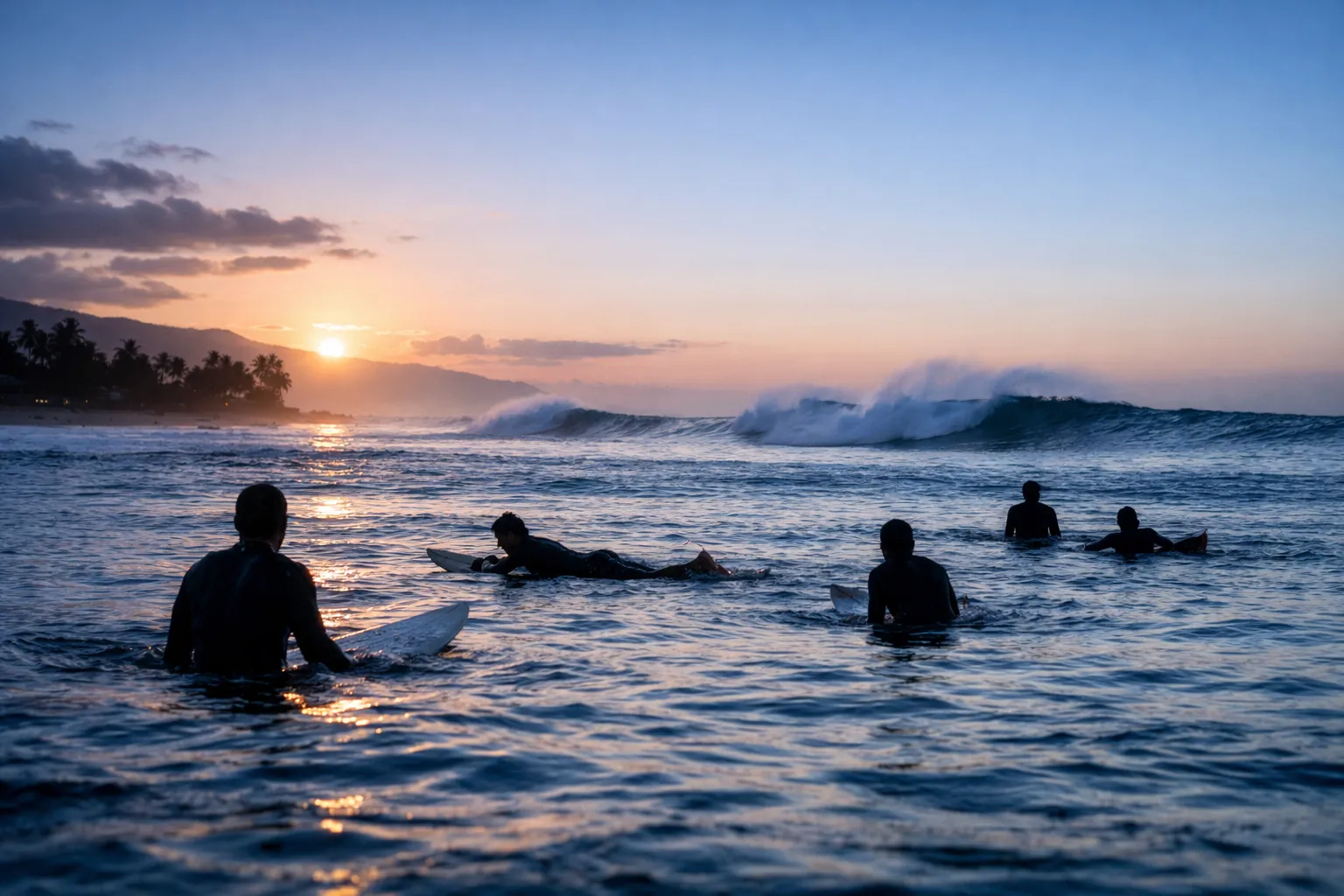
Waimea Bay is the clearest example. In summer, it’s calm, swimmable, and excellent for snorkeling. In winter, swells can reach 20 to 30 ft or more, and city lifeguards routinely close the water to swimming during major surf events because of dangerous shorebreak and rip currents. Show up in December expecting a calm swim and you’ll either be disappointed or in real danger. The winter version is a spectator sport - and a stunning one.
Sunset Beach and Banzai Pipeline are the world-famous winter breaks. The Vans Triple Crown of Surfing runs November through December across Hale’iwa, Sunset Beach, and Pipeline, drawing professional surfers and big crowds - all free to watch from the beach (7). Even if you don’t surf, the winter spectacle is worth the drive.
Hale’iwa town is the North Shore’s hub and a good coffee-and-breakfast stop. Matsumoto’s is the classic shave ice, and the Kahuku shrimp trucks further up the coast are the region’s signature meal. Budget 1 to 2 hours for the town itself.
Waimea Falls sits inside Waimea Valley, reached via a maintained trail of about 0.75 miles one way through botanical gardens to a lifeguarded waterfall pool. Swimming is allowed with provided life jackets, and entry requires a paid ticket. It’s a solid family option and a good rainy-morning alternative.
Laniakea Beach - Turtle Beach - is a reliable green sea turtle resting spot, with turtles typically hauled out from around 10 a.m. to 3 p.m. in peak season. Federal and state law require staying at least 10 feet away, and touching or harassing a turtle can bring fines. This isn’t a friendly suggestion; it’s protected-species law.
An optimized North Shore loop: leave Waikīkī around 6:30 a.m., hit Hale’iwa for breakfast, Waimea Bay or Falls mid-morning, Sunset Beach early afternoon, and Laniakea on the way back - then return via the windward coast for the Ko’olau ridge views around Ka’a’awa. Figure 8 to 10 hours door to door. Parking at the popular spots is limited and fills by mid-morning, so early arrival isn’t optional.
North Shore by Season - Summer vs. Winter
- Summer (May-September): Sharks Cove snorkeling (free with your own gear), calm swimming at Waimea Bay, and thinner crowds overall.
- Winter (November-March): Pipeline and Sunset Beach surf, the Vans Triple Crown events, and whale-watching from Makapu’u down south. Waimea Bay swimming is unsafe.
- Year-round: Hale’iwa town, the Kahuku shrimp trucks, Laniakea turtles, and Waimea Falls.
Kualoa Ranch and the Polynesian Cultural Center - Full-Day Commitments Worth Making
Two of Oʻahu’s biggest paid experiences sit on the windward and north-east side, each drawing around 700,000 visitors a year, and each demanding a full day plus advance booking. They’re only about 13 miles apart on the same coast, but each fills a day on its own - don’t try to combine them.
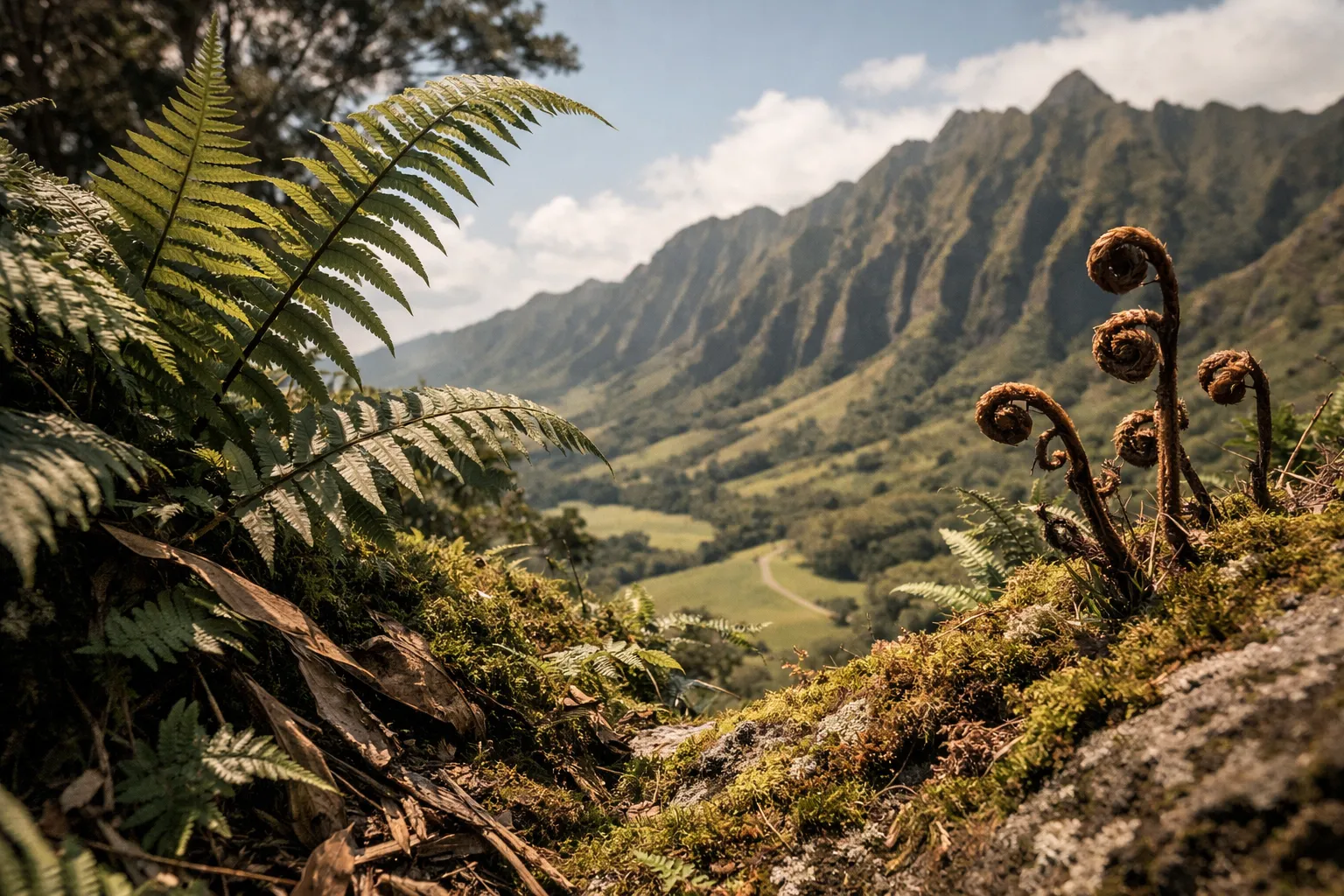
Kualoa Ranch operates on pre-booked tours only; there’s no general admission, so you can’t just drive up and wander. Popular options like the Jurassic Valley tour and the ATV tours run in fixed time slots, typically 1.5 to 2.5 hours each (3). The valley is the filming location for Jurassic Park, Jurassic World, Godzilla, and a long list of others, and the Jurassic Valley tour is both the most popular and the most visually dramatic. ATV tours are the most active option. Combine two activities and, with the transfer from Waikīkī, you’re looking at a 4-to-8-hour day.
The Polynesian Cultural Center in Lā’ie is the cultural counterpart. Standard packages start with afternoon arrivals around 12:45 p.m. and run through the evening “Hā: Breath of Life” show at 7:30 to 9:00 p.m., totaling roughly 6 to 8 hours on site. You move through six Pacific island villages - Hawaii, Samoa, Fiji, Tonga, Tahiti, and Aotearoa - with interactive activities in each, before the large-scale evening production. It sits about 1 to 1.5 hours from Waikīkī, and many visitors book bundled transportation, which pushes the total outing closer to 10 hours. Book tickets in advance.
Both are family-friendly and accessible for travelers who don’t want anything strenuous. Kualoa skews active and outdoorsy; the Polynesian Cultural Center skews cultural and educational. Pick based on which day you have the energy for - and slot them on different days.
Oahu Hikes Worth the Effort - From Easy Walks to Serious Climbs
Oʻahu’s hikes range from paved coastal walks to brutal crater staircases, and the main hazard on nearly all of them is heat and sun exposure, not technical difficulty. Water, reef-safe sunscreen, and closed-toe shoes are non-negotiable on the exposed trails.
Manoa Falls is a rainforest trail about 1.6 miles round-trip with roughly 800 ft of elevation gain, rated easy to moderate and often muddy after rain. It’s a good short morning before you head elsewhere, and it currently requires no reservation.
Makapu’u Point Lighthouse Trail is the accessible coastal option: about 2.0 miles round-trip with 500 ft of gain, paved for most of its length, with a stroller-accessible lower section and whale-watching from January to March.
Lanikai Pillbox Trail (Ka’ohao) runs about 1.8 miles round-trip with a steep start and roughly 500 ft of gain. Sunrise is the optimal time - both for the light over Lanikai Beach and the Mokulua Islands and to beat the heat and parking crunch. Aim to be on the trail before 8 a.m.
Koko Head Crater follows an old WWII railway incline: about 1,048 steps and nearly 990 ft of gain in under a mile. It’s advanced, there’s no shade, and there’s a washed-out middle section where footing gets sketchy. Start before 7:00 a.m., carry around 2 liters of water, and skip it entirely if you’re not reasonably fit or you’re hiking with small kids.
Nu’uanu Pali Lookout isn’t a hike - it’s a short walk to a dramatic Ko’olau ridge viewpoint - but it pairs perfectly with a windward day. It’s frequently windy enough to knock you back a step.
Oahu Hikes Comparison
Oahu Hikes Comparison
| Manoa Falls | Makapu'u Lighthouse | Diamond Head | Lanikai Pillbox | Koko Head Crater | |
|---|---|---|---|---|---|
| Difficulty | Easy-Moderate | Easy-Moderate | Moderate | Moderate | Advanced |
| Round-Trip Distance | 1.6 mi (2.6 km) | 2.0 mi (3.2 km) | 1.6 mi (2.6 km) | 1.8 mi (2.9 km) | <1 mi (1.6 km) |
| Elevation Gain | about 800 ft (244 m) | about 500 ft (152 m) | about 560 ft (171 m) | about 500 ft (152 m) | about 990 ft (302 m) |
| Best Start Time | 7-9 a.m. | 7-9 a.m. | 6-8 a.m. | Before 8 a.m. | Before 7 a.m. |
| Key Logistics | Muddy; closed-toe shoes; no reservation | Paved; whales Jan-Mar; stroller-accessible lower section | Advance reservation required (see South Shore) | Steep start; sunrise best | 1,048 steps; no shade; carry 2 L water |
Diamond Head appears here for comparison, but book it through the reservation process covered in the South Shore section - it’s the only trail on this list that can turn you away at the gate.
Evening and On-Water Activities - Sunsets, Catamarans, and Fireworks
The evening and on-water category is where Oahu Hawaii activities deliver the most value for the least logistics, and it’s consistently underserved in most guides. These slot in as final-night plans or mid-trip breaks.
A sunset catamaran cruise from Waikīkī runs about 1.5 to 2 hours, departing straight off Waikīkī Beach or nearby piers, with views of Diamond Head and the city lights coming on. It’s a popular final-night activity - book in advance, especially in peak season.
The Friday night Waikīkī fireworks launch from the Hilton Hawaiian Village lagoon area around 7:45 to 8:00 p.m. and last about 10 minutes (Hilton Hawaiian Village). They’re free to watch from much of Waikīkī Beach, and pairing them with a sunset catamaran or a beachfront dinner makes a high-value, low-effort evening.
The Kūhiō Beach Hula Show - free, on Tuesday, Thursday, and Saturday evenings near the Duke Kahanamoku statue - is the best free evening activity on the island. Arrive by 6:30 p.m. for a good spot.
For the splurge experiences, two options dominate.
A doors-off helicopter tour runs 50 to 60 minutes and loops over Waikīkī, Diamond Head, Pearl Harbor, Ko Olina, and the North Shore in a single flight. Pricing varies by operator and season - check directly with operators like ParadiseCopters for current rates. Book 30-plus days ahead in peak season - same-week slots get expensive or disappear. It’s the best pick for photographers and mixed-age groups, and minors are allowed.
Skydiving over the North Shore is the maximum-adrenaline option: a tandem exit from around 14,000 ft, roughly 50 seconds of freefall, and a 3-to-4-hour total experience door to door. Base prices and all-in totals (once media packages and tips are added) vary - check current rates directly with operators like Skydive Hawaii before booking. It’s usually 18+. For a direct comparison of both experiences side by side, the skydive or fly guide for Oahu breaks down the full cost and logistics of each.
There are also dolphin and turtle snorkeling boat tours off the west side - a natural add-on to a Ko Olina day.
Helicopter Tour vs. Skydiving - Which One Is Worth It
They serve different purposes, so the choice comes down to scenery versus rush:
- Helicopter: more accessible (minors allowed, moderate adrenaline), covers the most ground visually, and works for groups. It’s the “see all of Oʻahu in one shot” option.
- Skydiving: maximum rush, North Shore coast views, 18+ only, and longer door-to-door logistics.
If your budget allows only one, pick based on whether you’re chasing the view or the adrenaline. They don’t substitute for each other.
Free and Low-Cost Things to Do on Oahu
Oʻahu can be an expensive island or a cheap one depending on how you build your days, and there are enough free things to do on Oahu to fill most of a week. First, an honest framing: a realistic solo week in Hawaii runs $1,500-$2,500 per person including airfare, and average per-person-per-day spending on Oʻahu lands around $220-$240 (Hawaii Tourism Authority). The often-quoted $1,000-a-week figure only holds if your flights are already covered and you’re sharing lodging. Travelers watching their budget closely will find the Hawaii on a Budget guide useful for comparing hostels, camping, and vacation rental options across the islands.
The free and near-free list is long:
- All the beaches - Waikīkī, Ala Moana Beach Park, Kailua, and Lanikai are free aside from parking.
- The Kūhiō Beach Hula Show - free, three evenings a week.
- Pearl Harbor National Memorial grounds and visitor center - free to enter; the Arizona Memorial boat program is free aside from the $1 reservation fee (10).
- Manoa Falls Trail and Makapu’u Point Lighthouse Trail - no entry fee.
- Ho’omaluhia Botanical Garden - free admission across its 400-plus acres.
- Laniakea Beach turtle watching, the Chinatown murals and self-guided downtown walk, and Kapi’olani Park - all free.
Paid but moderate options add variety without wrecking a budget: the Honolulu Zoo, the Waikīkī Aquarium, Hanauma Bay (check current fees on the City and County of Honolulu site), and Diamond Head’s non-resident entry and parking.
One underrated low-cost stop: Pu’u ‘Ualaka’a State Wayside on Tantalus/Round Top charges roughly $7 per vehicle for non-residents and delivers panoramic views over Honolulu and Waikīkī from a short walk. Rarely crowded.
The strategy that keeps costs sane: build days around free mornings - a hike or a beach - and save paid attractions for variety. Not every day needs a tour.
A Practical Oahu Itinerary - How to Structure 5-7 Days
Seven days on Oʻahu is not too long. A well-structured week covers 20 to 25 distinct experiences without feeling rushed, and the island’s own average visitor stay of just over 7 days confirms it’s a normal trip length (7). Five days is the realistic minimum for first-timers who want the classics.
The whole framework rests on one principle: group your days by geography to minimize driving. Waikīkī to Pearl Harbor is about 45 minutes; to the windward coast, 30 to 45 minutes; to the North Shore, 60 to 75 minutes. Cluster your South Shore and Honolulu days together, then dedicate single days to the windward coast, the North Shore, and Pearl Harbor.
Here’s a 7-day Oahu itinerary that respects the reservation windows and the drive times:
- Day 1 - Arrival and Waikīkī. Land, settle in, walk Waikīkī Beach, and do the Diamond Head base area at sunset. Save the actual hike for tomorrow morning.
- Day 2 - Diamond Head and Waikīkī. Hike Diamond Head at your earliest reserved slot (6-8 a.m.), then breakfast near Kapi’olani Park, an afternoon on Waikīkī Beach, and the Kūhiō Beach Hula Show in the evening.
- Day 3 - Pearl Harbor and downtown. Full morning at Pearl Harbor on your timed entry, then downtown Honolulu in the afternoon (‘Iolani Palace, King Kamehameha Statue), and Chinatown for dinner.
- Day 4 - East Honolulu coast. Hanauma Bay on your reserved morning slot, then the Halona Blowhole, the Makapu’u Lighthouse Trail, and Waimanalo Beach.
- Day 5 - Windward coast. Lanikai at sunrise, breakfast in Kailua, kayak to the Mokulua Islands, then Ho’omaluhia and Byodo-In Temple.
- Day 6 - North Shore. Hale’iwa breakfast, Waimea Bay or Falls, Sunset Beach, and Laniakea turtles, returning via the windward coast for the Ko’olau views.
- Day 7 - Kualoa or a big finale. Kualoa Ranch morning tour, then a sunset catamaran cruise from Waikīkī and the Friday fireworks if the timing lines up.
The Polynesian Cultural Center and the helicopter or skydiving experiences slot in as Day 6 or Day 7 alternatives depending on your type. And the one hard rule: lock Diamond Head, Hanauma Bay, and Pearl Harbor before you board your flight - not the night before.
Adjusting the Itinerary by Traveler Type
Families with kids: Swap Koko Head for the Makapu’u Lighthouse Trail (paved, stroller-accessible lower section). Combine the Honolulu Zoo and Waikīkī Aquarium as a half-day. The four Ko Olina lagoons on the west side - about 45 minutes from Waikīkī with free parking - are ideal for calm, family-safe swimming. The Hawaii with Kids guide covers island-by-island beach picks and realistic cost breakdowns for families planning a longer trip.
Couples and honeymooners: Prioritize the Lanikai sunrise, a sunset catamaran, Byodo-In Temple, and a helicopter tour. Consider basing in Ko Olina for a quieter resort atmosphere away from the Waikīkī crowds.
Adventure-focused travelers: Add Koko Head Crater, skydiving, ATV touring at Kualoa Ranch, and a shark-diving or dolphin tour off the west side.
Culture-focused travelers: Build a dedicated indoor day around the Bishop Museum, the Honolulu Museum of Art, and ‘Iolani Palace, then add the Polynesian Cultural Center as a full afternoon-to-evening.
Oahu’s Events Calendar - When to Go and What You’ll Find
Oʻahu has no bad season for weather, but timing shapes what you’ll experience and how crowded it gets. The shoulder seasons - April through early June and September through mid-October - show fewer visitors and somewhat lower daily census than peak summer and holiday weeks, which makes them the sweet spot for crowds and prices.
The key annual events worth planning around or against:
- King Kamehameha Celebration (June) - parades and cultural events statewide.
- Pan-Pacific Festival (June) - a Waikīkī parade with Kalākaua Avenue closures.
- Fourth of July Waikīkī fireworks (July) - free from the beach, spectacular, and hotels book out early.
- Made in Hawaiʻi Festival (August 20-23, 2026) - at the Hawaiʻi Convention Center.
- Aloha Festivals (September) - parades and cultural performances island-wide (Aloha Festivals).
- Hawaiʻi Food & Wine Festival (October) - chef-driven events requiring advance tickets.
- Honolulu Pride (October) - Waikīkī-based events and a parade.
- Vans Triple Crown of Surfing (November-December) - the North Shore surf spectacle, free from the beach, and the best reason to visit in winter if you follow surf.
- Honolulu Marathon (December 13, 2026) - road closures and high hotel demand; book early if you’re visiting that weekend.
Seasonal shorthand: come in the shoulder months for lower crowds and prices, in summer for snorkeling at Hanauma Bay and Sharks Cove, and in winter for North Shore surf and whale-watching from Makapu’u (January through March). If you’re still deciding which Hawaiian island fits your trip type, the best places to visit in Hawaii guide ranks all the islands by traveler profile and budget.
Reservation Requirements and Common Planning Mistakes
The gap between a smooth Oʻahu trip and a frustrating one is almost entirely about reservations and geography. Three attractions require advance booking, and getting locked out of them is the most common way a trip goes sideways.
The three reservations to lock in before you fly:
- Diamond Head - Hawaiʻi DLNR portal; slots release up to 30 days ahead; book one to two weeks minimum; morning slots (6-8 a.m.) go first; book parking separately.
- Hanauma Bay - reservations open exactly 2 days before your visit date at 7:00 a.m. HST (per the City and County of Honolulu Department of Parks and Recreation), with a daily cap of 1,000 non-resident visitors; slots close when full or at 11:59 p.m. HST the night before; have payment ready and set a reminder.
- Pearl Harbor USS Arizona Memorial - Recreation.gov; up to 8 weeks in advance; $1 non-refundable fee; summer dates have zero walk-up availability (10).
The mistakes that derail trips, and how to dodge them:
- Showing up at Hanauma Bay or Kualoa Ranch without pre-booking - you’ll be denied entry.
- Budgeting two hours for Pearl Harbor - the full complex needs 4 to 6.
- Chaining Diamond Head, Hanauma Bay, and the North Shore in one day - impossible without skipping nearly everything.
- Expecting calm swimming at Waimea Bay in winter - the surf is dangerous.
- Treating Diamond Head or Makapu’u as trivial strolls with no water or sun protection - heat stress follows.
- Using non-reef-safe sunscreen at Hanauma Bay - it violates local regulations and damages the reef.
- Assuming easy parking at Lanikai, Hanauma Bay, or the North Shore hotspots - fines or long walks.
- Not checking closure days for Hanauma Bay and certain hikes - a wasted trip out there.
The one rule that prevents most of these: plan by geography. Pearl Harbor and downtown on one day. The East Honolulu coast on another. The windward side on a third. The North Shore gets its own full day.
How to Book Oahu’s Three Reservation-Required Attractions
How to Book Oahu's Three Reservation-Required Attractions
15 minutesStep-by-step guide to secure your essential Oahu reservations before arrival
- 1
Diamond Head
Go to the Hawaiʻi DLNR reservation portal, select your date and time slot, and book the parking reservation separately. Do this one to two weeks before arrival, aiming for a morning slot before they sell out.
- 2
Hanauma Bay
Set a calendar reminder for exactly 48 hours before your target visit date. Log in at 7:00 a.m. HST on the dot with your credit card ready - slots sell out in minutes.
- 3
Pearl Harbor USS Arizona Memorial
Go to Recreation.gov, search 'USS Arizona Memorial,' select your date and time, and pay the $1 non-refundable fee. Confirm the reservation email.
- 4
Confirm Reservations
Ensure all three reservation confirmations are in your inbox before you board your flight.
Frequently Asked Questions
- What is the number one thing to do in Oahu?
- Pearl Harbor is the experience most first-timers say stays with them longest. Other top picks include Diamond Head at sunrise and Hanauma Bay snorkeling.
- Is 7 days in Oahu too long?
- No. A well-structured week covers 20 to 25 experiences without feeling rushed, allowing time for classics and extras like Kualoa Ranch and helicopter tours.
- Is $1,000 enough for a week in Hawaii?
- Unlikely unless flights are already covered and you're sharing lodging. Solo trips including airfare, a rental car, food, and a few paid activities run well above that - check current airfare and accommodation rates to build a realistic number for your dates.
- Is $5,000 enough for a week in Hawaii?
- For one person, yes - comfortably, with room for paid tours and some splurges. For two people at midrange resorts it gets tighter, depending on lodging choices and how many paid experiences you stack.
- Do you need a rental car in Oahu?
- Not daily. Waikīkī is walkable, but a car is needed for Hanauma Bay, windward coast, North Shore, Pearl Harbor, and Kualoa Ranch.
- What's the best time of year to visit Oahu?
- April-early June and September-mid-October offer lower crowds and prices. Summer is best for snorkeling; winter for surf and whale-watching.
Before You Book Anything Else
Oʻahu rewards planning more than almost any island destination. The experiences are all here - Diamond Head, Pearl Harbor, Hanauma Bay, the North Shore, Lanikai - but the visitors who get the most out of them are the ones who locked their reservations before they landed, grouped their days by geography, and resisted the urge to cram four regions into one afternoon.
Handle the three reservations first: Diamond Head through the DLNR portal, Hanauma Bay exactly 48 hours out at 7:00 a.m. HST, and the USS Arizona Memorial on Recreation.gov up to eight weeks ahead. Get those confirmation emails in your inbox before you board. Everything else - which beach, which shrimp truck, whether to fly doors-off or jump out of the plane - you can sort out once you’re on the island.
And if you’ve been to Oʻahu before, or you’ve got the full week, this is where it stops feeling like a checklist. The windward coast, Ho’omaluhia Botanical Garden, a slow morning at a quiet beach on the east side - that’s where the island starts to feel like an actual place rather than a list of top sights. Book the three that matter, then leave room for the rest.