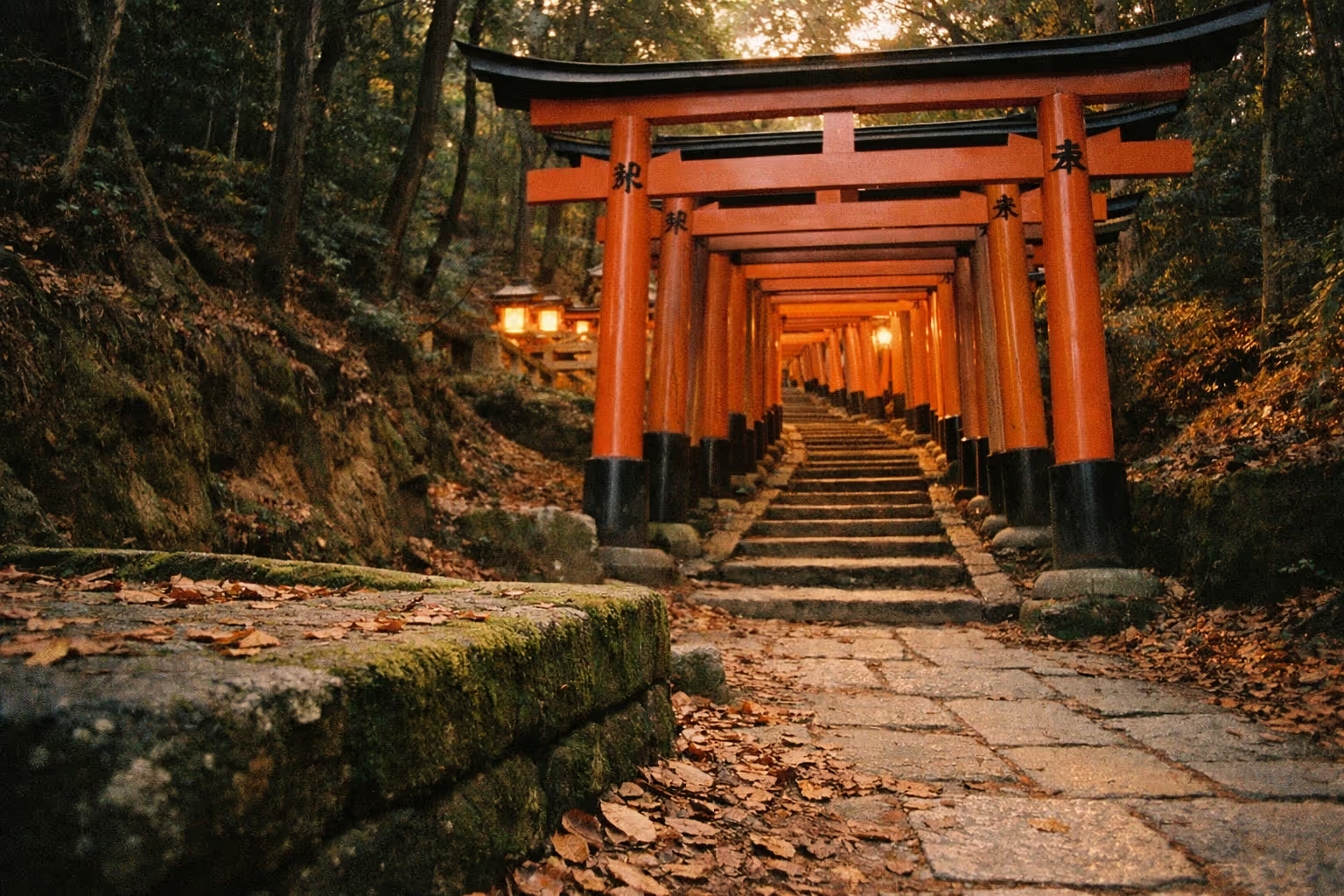
The best things to do in Kyoto cluster into three geographic zones, and the single biggest time-waster is zig-zagging between them mid-day. Give one morning each to the east around Higashiyama, the west at Arashiyama, and the south at Fushimi Inari. The four you cannot skip are Fushimi Inari, Kiyomizu-dera, the Gion district, and the Arashiyama bamboo grove, so beat the crowds and reach Fushimi Inari before 7 a.m. Two days covers all four; come in May or October for the kindest weather.
What Makes Kyoto Worth Your Time (and Why It’s Different from the Rest of Japan)
Trip cost range: budget travelers can cover 3 days in Kyoto for roughly $150-$250 USD all-in (accommodation excluded) - entrance fees across the big four sites total under $20, transit is cheap, and street food keeps lunch under $10. Mid-range travelers spending on kaiseki dinners and cultural experiences should budget $350-$500 USD for 3 days. That’s the scope before we get into specifics.
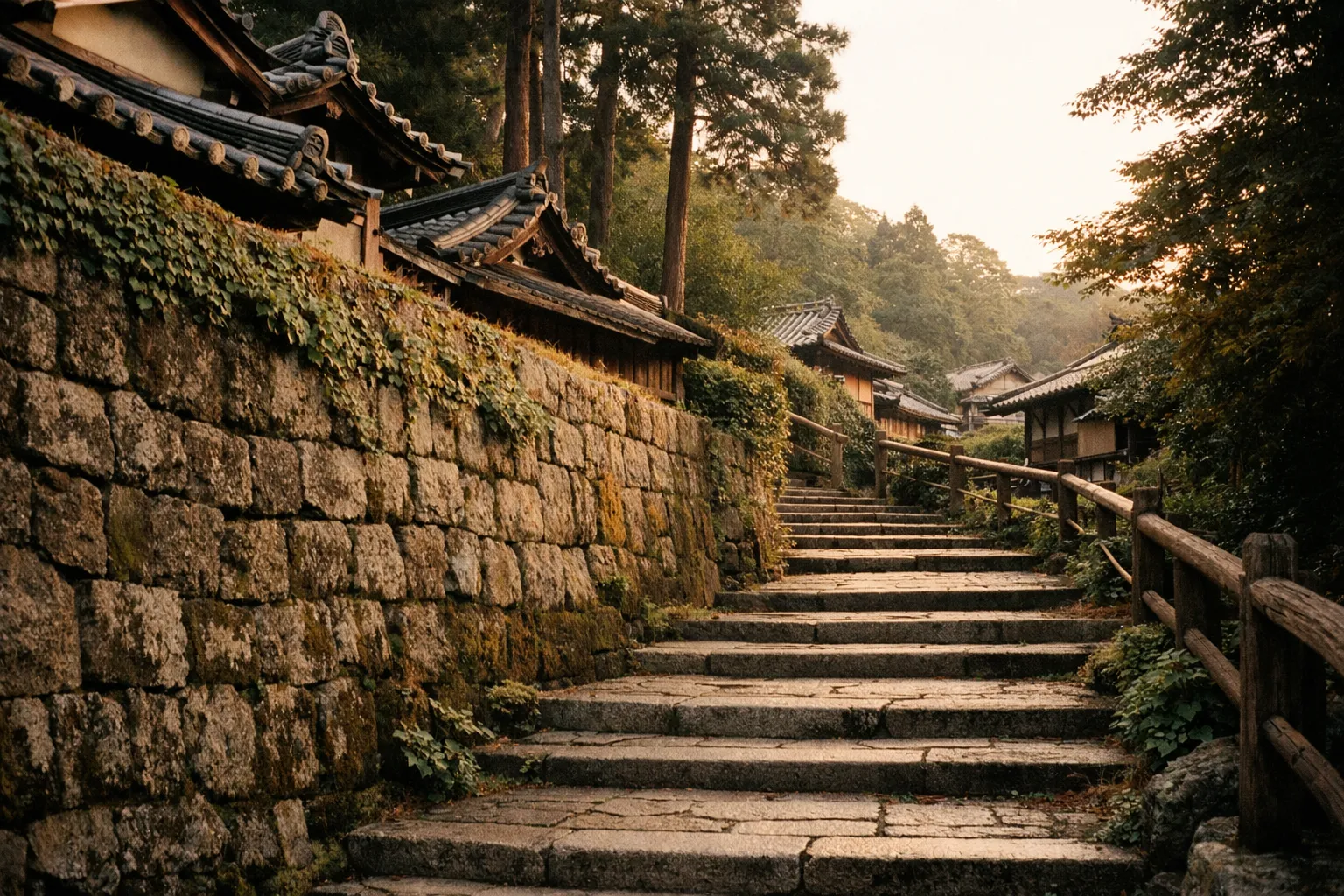
What most guides get wrong about Kyoto: they treat it as a temple checklist. The actual problem isn’t finding things to see - it’s sequencing them by zone and timing. Miss the early-morning window at Fushimi Inari or Arashiyama and you’ve turned a genuinely atmospheric experience into a crowd management exercise. The itinerary structure matters more than the sight selection.
Kyoto was Japan’s imperial capital from 794 until 1868 - the emperor’s residence and the country’s political and cultural center for over a thousand years (per Japan Guide). When considering things to do in Kyoto, this rich history is the reason the city feels different from Tokyo or Osaka. It’s still one of Japan’s ten largest cities, with around 1.5 million residents, but it was deliberately spared as an atomic bombing target in World War II precisely because of its historic value.
What that left behind is staggering density. Greater Kyoto holds roughly 2,000 temples and shrines, with about 1,600 to 1,700 in or immediately around the city (1). UNESCO lists 17 sites in and around Kyoto under the “Historic Monuments of Ancient Kyoto” World Heritage listing. No other Japanese city concentrates protected architecture and gardens like this.
The identity goes beyond buildings. Kyoto still has working geisha districts, living craft traditions, and seasonal rituals that structure the calendar. This is a city that rewards slow travel. You can tick off the big four in two days, but you’ll absorb almost none of it if that’s all you do.
A word on timing before we go further. Cherry blossom (late March to early April) and autumn maple (November) are the most visually dramatic windows and the most crowded. Summer is hot and humid; winter is cold and quiet. May, early June, and October hit the best balance of weather and manageable crowds.
The organizing logic for the rest of this guide is simple: Kyoto divides into east, west, and south clusters. Plan by zone, not by individual sight.
Fushimi Inari Shrine - Kyoto’s Most Iconic Walk
If you do one thing in Kyoto, make it this. The Fushimi Inari shrine is a sprawling complex at the base of Mount Inari, famous for thousands of vermilion torii gates donated by businesses, forming tunnels that climb the mountainside. It’s open 24 hours a day and charges no admission fee to enter the grounds or walk the gates (per Japan Guide).
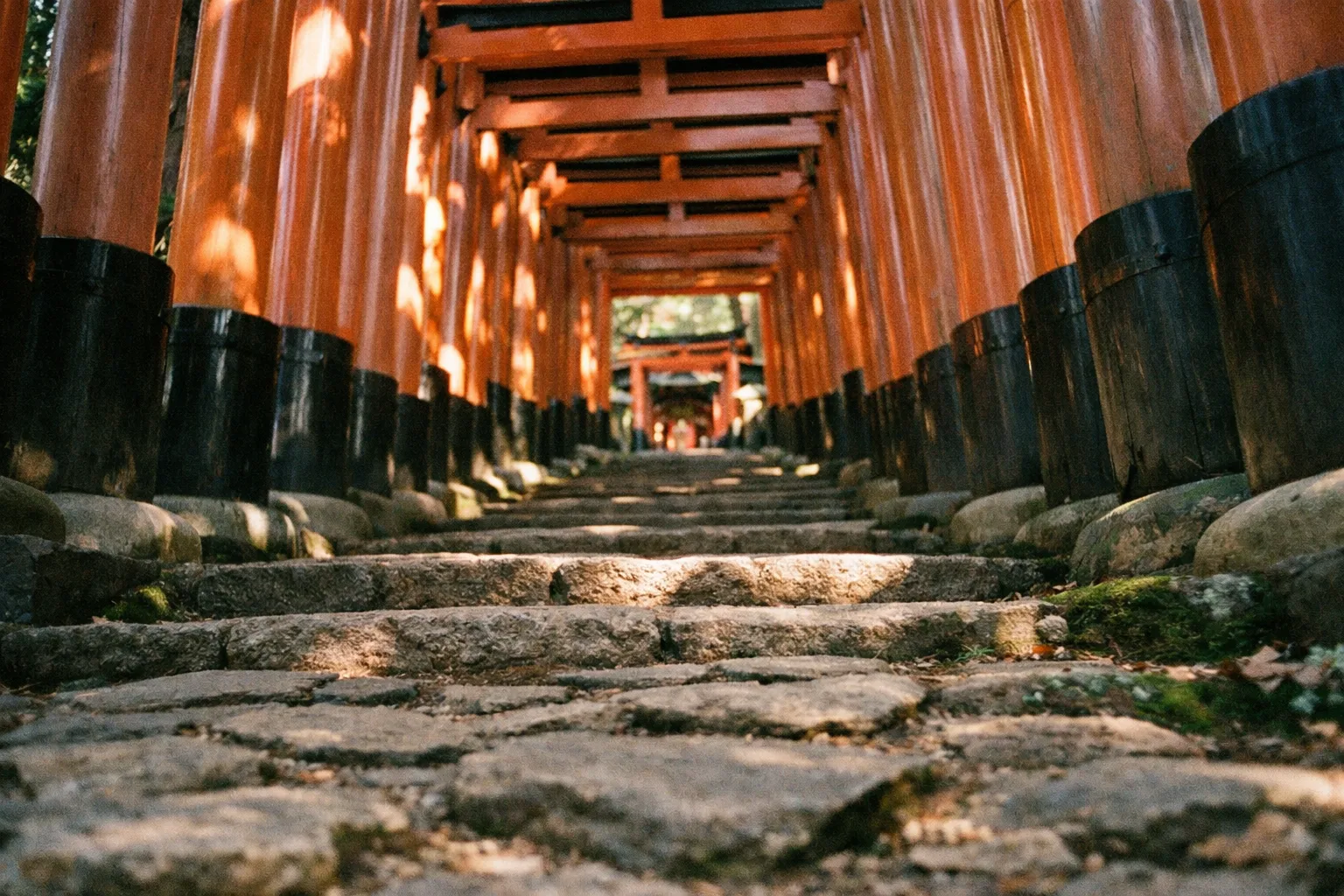
The full circular route to the summit and back takes around 2 to 3 hours for most visitors, while the main tunnel up to the Yotsutsuji intersection runs about 30 to 45 minutes one way. The lower gates are the most photographed and the most crowded; the upper trail thins out dramatically. If you only have an hour, get to Yotsutsuji and turn back. If you have the legs and the morning, do the full loop.
Getting there is straightforward. Inari Station sits on the JR Nara Line, just two stops - about 5 minutes - from Kyoto Station, and the shrine’s main entrance is directly across the road from the station exit (per JR West). No transfers, no meaningful walk.
Early Morning vs. Midday - What Actually Changes
This is the one site in Kyoto where sunrise timing is non-negotiable. Arrive before 7:00 a.m. and you’ll walk the lower torii tunnels with few or no other people in frame. By around 9:00 to 10:00 a.m., those same tunnels fill with tour groups and school excursions, and the experience shifts from a contemplative shrine walk to a slow shuffle behind selfie sticks.
I’ve visited Fushimi Inari at both hours. The 7:00 a.m. version is a genuinely different place - cooler air, clean light through the gates, and the kind of quiet that makes the scale of the thing land properly. The light helps too: early morning gives even, diffused illumination through the vermilion gates and empty frames, which is exactly the shot every Kyoto guide uses.
There’s no entry fee, so there’s no cost to going early beyond the alarm clock. Set it.
Kiyomizu-dera and the Higashiyama Hillside Walk
East Kyoto is the easiest cluster to handle as a half-day, and Kiyomizu-dera anchors it. This UNESCO-listed temple sits on a hillside, its wooden main hall and viewing platform built on a lattice of 139 massive wooden pillars and interlocking joints with no nails, projecting about 13 meters above the slope (per Kyoto tourism materials). The stage looks out over the city; below it, the Otowa waterfall feeds three streams visitors line up to drink from.
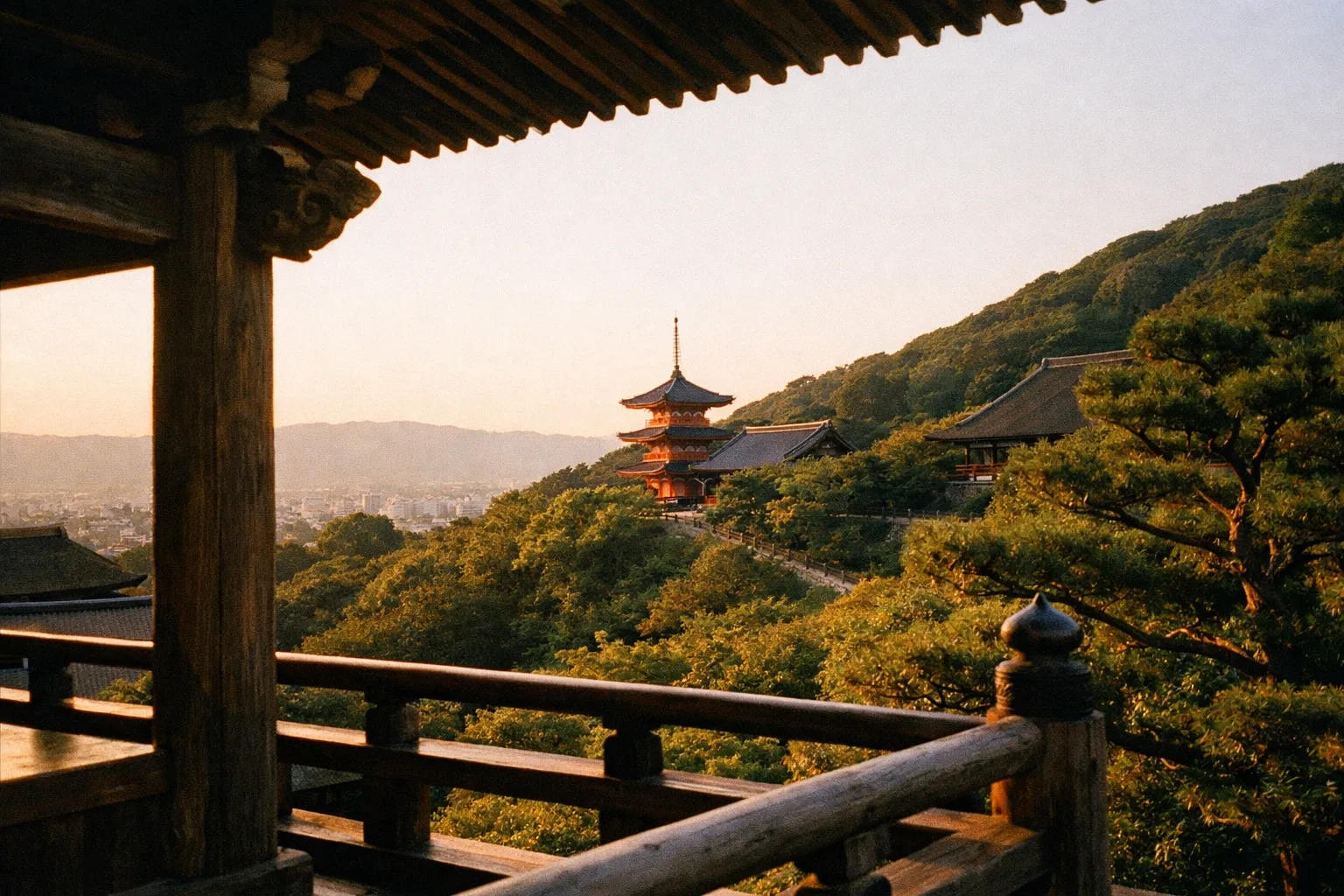
The official Kiyomizu-dera site lists daily opening at 6:00 a.m., generally closing at 18:00, with seasonal evening illuminations pushing closing to around 21:00 on selected spring and autumn dates. Standard admission to the paid main hall and veranda runs about ¥400 (roughly US$3 to $4) (per Embrace Some Place and Taverna Travels). Hours shift by season, so check before you go rather than assuming.
The smart play: start at Kiyomizu-dera right at the 6:00 a.m. opening, then walk downhill. The route from the temple through Sannenzaka and Ninenzaka to Gion runs roughly 1 to 1.5 km, comfortably walkable in 20 to 30 minutes without shop stops (per Kyoto City walking guides). One temple visit turns into a full hillside-to-city morning.
Sannenzaka and Ninenzaka - The Streets Below the Temple
Don’t treat these two preserved stone-paved lanes as filler between the temple and Gion. They’re part of the experience. The slopes are lined with wooden tea shops, Kiyomizu-yaki pottery studios, and traditional sweet stalls. Look for matcha soft serve, hand-thrown ceramics, and warm mochi sold by the piece.
The same morning logic applies here as everywhere in east Kyoto: the lanes are quiet at 7:00 a.m. and shoulder-to-shoulder by 10:00. Start at the temple, drift down through the streets, and you’ll have cleared the busy section before the crowds catch up. I walked this route on a Tuesday in early October and had Ninenzaka almost entirely to myself until about 8:30 - by the time I reached the bottom, the first tour groups were already arriving at the top.
Gion - Kyoto’s Geisha District on Its Own Terms
Most guides sell the Gion district as a place to spot geisha. That’s the wrong frame, and it sets you up for disappointment. Gion is Kyoto’s best-preserved historic neighborhood: wooden machiya townhouses, stone-paved lanes, and traditional ochaya (teahouses). It’s worth walking for the architecture alone, whether or not you ever see a maiko.
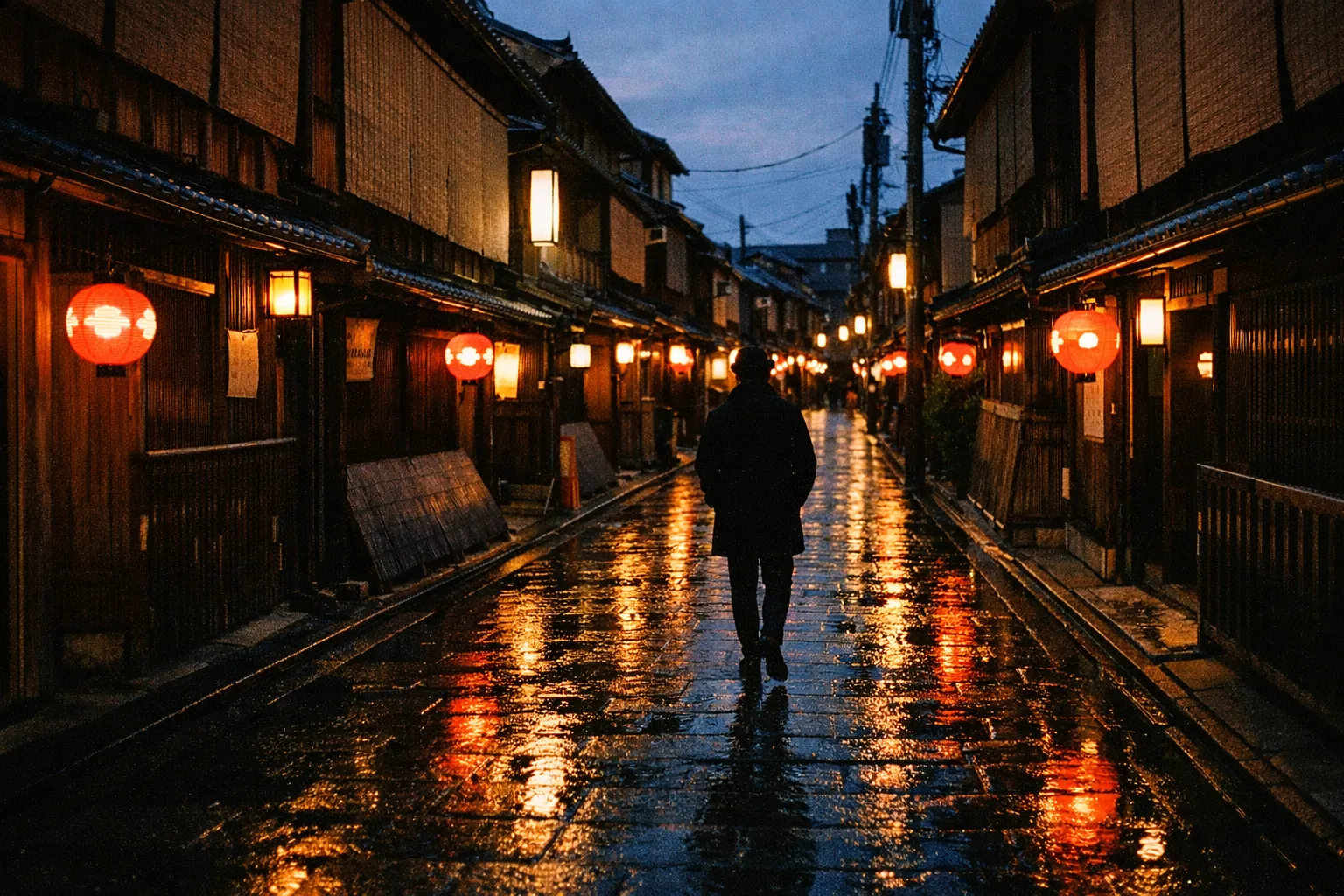
Kyoto has five hanamachi (geisha districts), with Gion Kobu and Gion Higashi the best known (per Kyoto City tourism). The main corridor, Hanamikoji Street, runs roughly 400 to 500 meters between Shijo-dori and Kennin-ji Temple. It’s the obvious route, and it gets busy.
On the geiko and maiko reality: sightings are possible but never guaranteed, and they’re more likely at dusk as performers move to evening appointments. Be careful with your camera. In 2019 the City of Kyoto introduced an ordinance banning unauthorized photography on certain private alleys in Gion, with fines up to ¥10,000 for ignoring the rules around geiko and maiko residences (per NHK World). Stick to the main streets for photos, and ask before pointing a lens at anyone.
Best time to visit is dusk and early evening, when lanterns light the lanes and daytime crowds thin out. Daytime walking is still worthwhile for the architecture and far less restricted.
Kimono rental is a popular Gion add-on. Studios like Yumeyakata and Okamoto list basic women’s packages from roughly ¥3,000 to ¥4,000 for a half-day (4-hour) rental and around ¥5,000 to ¥6,000 for full-day plans in 2024 to 2025 pricing (per Yumeyakata and Kyoto Kimono Rental). Book ahead in spring and autumn; popular shops fill up.
For spring visitors, the Miyako Odori dance is a strong cultural add-on. The official Miyako Odori site notes it has been held since 1872, usually for about a month in April, with reserved-seat tickets starting around ¥3,400 to ¥5,500 depending on seat class and optional tea ceremony add-ons. The show runs about an hour across eight scenes.
Hanamikoji Street vs. the Side Alleys - Where to Actually Walk
Hanamikoji is the headline, but the atmosphere is strongest off it. The Shirakawa canal path, lined with willows and machiya backing onto the water, is quieter and more photogenic than the main drag. The Tatsumi Bridge area, just off the canal, is one of the most atmospheric corners in the district.
Don’t ignore Pontocho either. This narrow lane along the Kamo River - technically adjacent to Gion rather than part of it - is one of Kyoto’s best evening walks, lined with restaurants spanning every budget. Walk Hanamikoji for orientation, then lose the crowds in the side streets.
Arashiyama Bamboo Grove and the West Kyoto Morning
The Arashiyama bamboo grove deserves its reputation, but only if you arrive early. This is a corridor of towering green bamboo running roughly 400 to 500 meters between Tenryu-ji’s north gate and the Okochi Sanso Villa approach - an easy, mostly flat walk of 10 to 15 minutes without photo stops (per Japan Guide and Kyoto City materials).
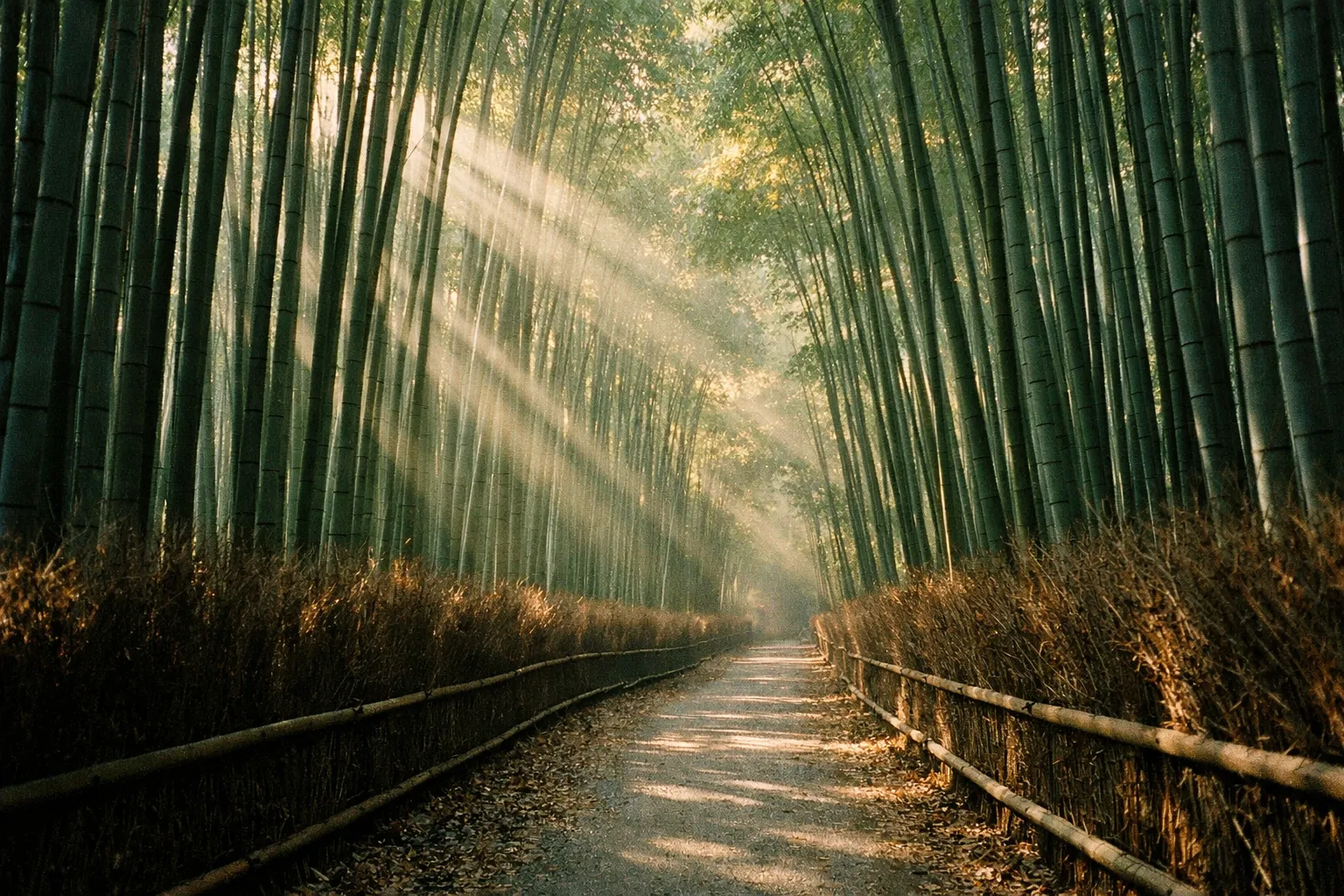
Here’s the catch. By 9:00 to 10:00 a.m., the main path is congested with group tours. Arrive around 7:00 to 8:00 a.m. on a weekday and you’ll get the quiet, atmospheric walk the photos promise (per Kyoto visitor surveys summarized by Japan Guide). The grove is free, so the only cost of going early is the early start.
Getting there is straightforward. Local trains on the JR San’in (Sagano) Line run from Kyoto Station to Saga-Arashiyama Station in about 17 to 20 minutes, covered by the Japan Rail Pass (per JR West). From the station it’s a short walk to the grove entrance.
Beyond the Grove - Making the Most of a Half-Day in Arashiyama
The grove is a 15-minute walk, not a half-day. Treat it as the opening act.
The obvious next stop is Tenryu-ji, the UNESCO-listed Zen temple whose north gate opens right onto the bamboo path. Japan Guide lists entry at ¥500 for the garden only and ¥800 for garden plus temple buildings, with small surcharges during special openings. The garden is the draw, designed to frame the mountains behind it.
After the temple, walk down to the Oi River and the Togetsukyo Bridge. The riverside path is a calmer way to end the morning, with mountain views and a slower pace than the grove. A clean routing: grove first thing, then Tenryu-ji, then the river walk, then lunch before heading back into the city. That fills a half-day without feeling rushed.
More Kyoto Temples Worth Your Time
The big four cover a first visit, but if you have a second or third day, a handful of other kyoto temples reward the detour. These work best grouped as a northwest or central cluster rather than squeezed into day one.
Kinkaku-ji, the Golden Pavilion, is the showstopper and worth the detour for any first-time visitor. Japan Guide lists admission at ¥500 for the three-story pavilion, whose upper two floors are covered in gold leaf and reflected in the adjacent Kyoko-chi, the Mirror Pond. It’s genuinely worth seeing and reliably crowded. Go at opening or accept the crowds; there’s no quiet hour here.
Ryoan-ji is the quieter counterpoint, a short distance from Kinkaku-ji in northwest Kyoto, and worth the detour if you have a second or third day - but skip it if you’re short on time and haven’t yet done the big four. Japan Guide notes ¥500 admission and a famous rectangular Zen rock garden measuring about 25 meters by 10 meters, containing 15 rocks arranged so only 14 are visible from any vantage point. This one is for travelers who want contemplative over photogenic.
The Philosopher’s Walk is a different kind of stop, best in spring, and worth the detour in late March to early April - skip it if you’re visiting in summer or winter, when the canal path loses most of its appeal. Japan Guide describes it as an approximately 2-km stone path along a canal between Ginkaku-ji and the neighborhood near Nanzen-ji, lined with hundreds of cherry trees that peak in early April. Low-cost, walkable, and one of the better spring add-ons in the city.
Nijo Castle isn’t a temple, but it belongs on a central Kyoto day and is worth the detour for the painted interiors alone. Japan Guide lists hours of 8:45 to 17:00 (last entry 16:00) and a combined ¥1,300 admission for the castle grounds and Ninomaru Palace, where the famous “nightingale floors” chirp underfoot to warn of intruders. Skip it if you’re short on time and haven’t yet covered the main temple clusters - the castle is a strong second-day add-on, not a first-day priority.
Kinkaku-ji vs. Ryoan-ji - Which One Fits Your Day
Kinkaku-ji for visual impact, Ryoan-ji for atmosphere. Kinkaku-ji is the photo you came for - busy and bright. Ryoan-ji is restraint and silence, the kind of place you sit with rather than snap. They sit close enough in northwest Kyoto to combine in a single half-day, which is exactly how to do them. Hit Kinkaku-ji at opening, then walk or take a short bus to Ryoan-ji for the calm.
Nishiki Market and Eating Your Way Through Kyoto
Temple-heavy guides skip the food, which is a mistake in a city like this. Nishiki Market fixes that fast. Kyoto City describes it as a narrow covered arcade about 400 meters long, running from Shijo-dori to Takoyakushi-dori and housing over 120 shops and stalls, many of them long-established family businesses (per Kyoto City).
It works as a lunch anchor because it’s concentrated and efficient. One pass gives you a genuine cross-section of Kyoto food culture without burning itinerary time hunting for individual restaurants. Look for tsukemono (pickled vegetables), fresh tofu and yuba, grilled seafood skewers, tamagoyaki (rolled egg), and fresh mochi. Many ready-to-eat snacks run ¥200 to ¥500 per item, and a casual lunch assembled from several stalls generally lands around ¥1,000 to ¥1,500 per person (per Inside Kyoto).
Beyond the market, Gion is where you splurge. A full kaiseki dinner there runs about ¥10,000 to ¥20,000 per person. At the other end, don’t underestimate the konbini. A Lawson egg sandwich and coffee at 6:30 a.m. before a Fushimi Inari start is genuinely practical, not a compromise.
One more thing worth booking: a tea ceremony. Venues around Gion and Higashiyama, like Camellia Tea Ceremony, run small-group sessions of about 45 to 60 minutes, with 2024 prices around ¥3,000 to ¥4,000 per adult including matcha preparation and a wagashi sweet (per Camellia). It’s a real cultural experience, not a checkbox.
Things to Do in Kyoto - A Practical Planning Framework
The single most useful planning decision you’ll make is this: plan by zone, not by sight. Kyoto’s attractions cluster into three areas, and crossing between them eats your day in transit.
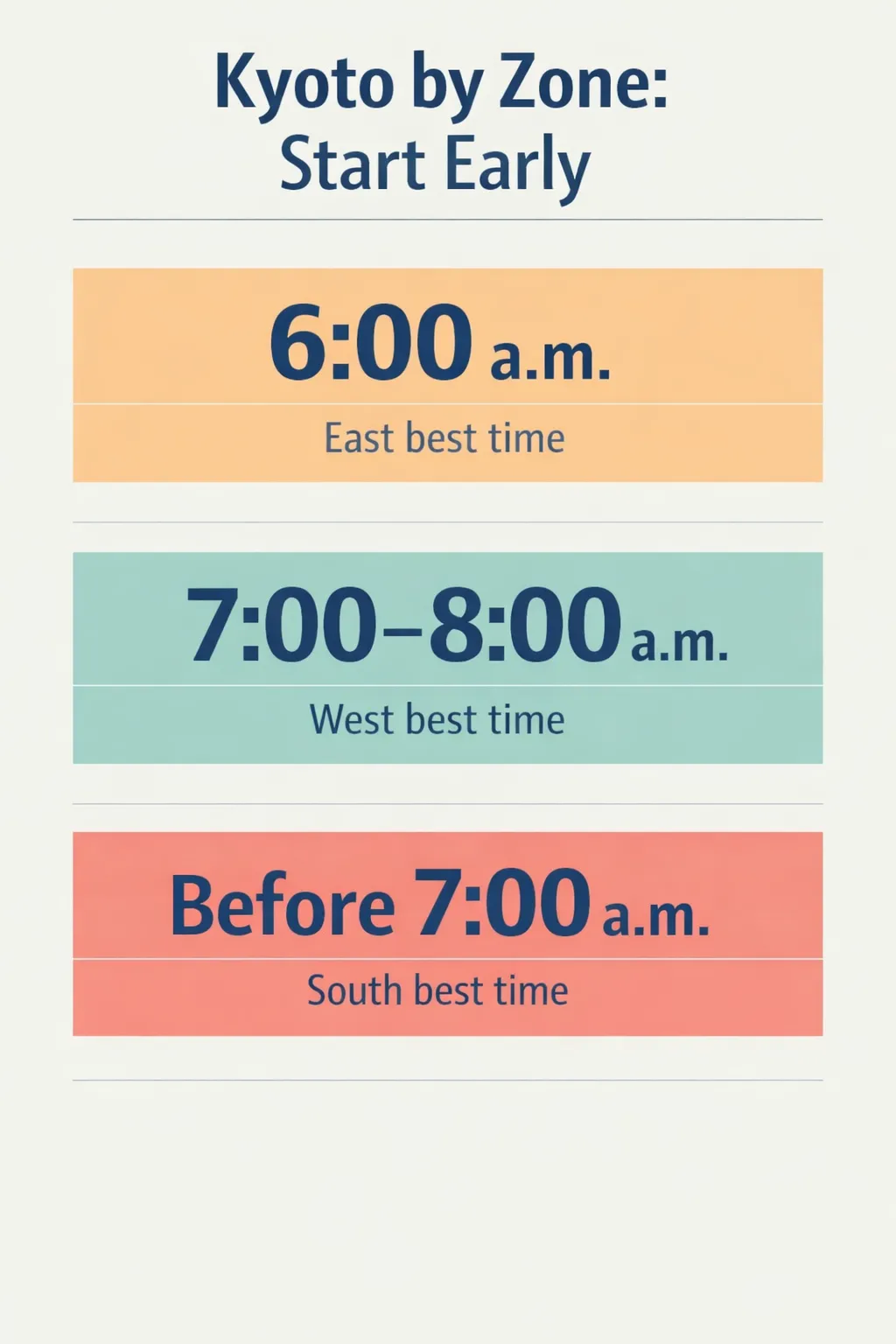 Plan by zone: East opens at 6:00 a.m., West at 7:00–8:00 a.m., and South before 7:00 a.m. to beat crowds.
Here’s how the three zones compare. East Kyoto (Higashiyama) holds Kiyomizu-dera, Sannenzaka and Ninenzaka, and the Gion district; arrive at 6:00 a.m. for the temple opening; it’s about 10 to 15 minutes from Kyoto Station by bus; budget around ¥400 entry; ideal for first-timers who want temples plus historic streets in one walk. West Kyoto (Arashiyama) holds the bamboo grove and Tenryu-ji; arrive by 7:00 to 8:00 a.m.; it’s about 17 to 20 minutes by JR from Kyoto Station; the grove is free and Tenryu-ji runs ¥500 to ¥800; ideal for travelers who want scenery and a Zen garden. South Kyoto (Fushimi Inari) is the shrine and its mountain trail; arrive before 7:00 a.m.; it’s about 5 minutes by JR, two stops from Kyoto Station; entry is free; ideal for early risers and hikers.
A realistic pace is 2 to 3 major sights per day once you factor in transit, meals, and photography (per Japan Guide). Don’t try to cross zones in a single day.
Kyoto Sightseeing Zones Compared
| East Kyoto (Higashiyama) | West Kyoto (Arashiyama) | South Kyoto (Fushimi Inari) | |
|---|---|---|---|
| Key Sights | Kiyomizu-dera, Sannenzaka, Ninenzaka, Gion | Bamboo Grove, Tenryu-ji | Fushimi Inari Shrine and mountain trail |
| Best Time to Go | 6:00 a.m. opening | 7:00-8:00 a.m. | Before 7:00 a.m. |
| Approx. Transit from Kyoto Station | 10-15 min by bus | 17-20 min by JR train | 5 min by JR train |
| Budget Entry Cost | ¥400 approx. | Free grove, ¥500-¥800 temple | Free |
| Ideal For | First-timers wanting temples and historic streets | Scenery lovers and Zen garden visitors | Early risers and hikers |
Use this five-step framework to build each day:
How to Plan Your Kyoto Day
30 minutesA step-by-step framework to organize your sightseeing efficiently by zone and timing.
- 1
Pick your zone for the morning
Choose one of East, West, or South Kyoto to focus on and avoid transit time.
- 2
Assign your early-start site
Schedule Fushimi Inari or Arashiyama before 8:00 a.m., or Kiyomizu-dera at 6:00 a.m. opening.
- 3
Pair it with a walkable neighbor
Combine sites like Kiyomizu-dera with Sannenzaka and Gion, or the bamboo grove with Tenryu-ji and river walk.
- 4
Add a food anchor
Plan lunch at Nishiki Market for efficiency or a Gion restaurant for a slower meal.
- 5
Reserve the evening for Gion or a cultural activity
Enjoy dusk in Gion or book a tea ceremony or performance for a cultural finish.
Getting between zones is easy. City buses, the Kyoto subway, and JR lines cover most sights, all handled by an IC card. For covering multiple neighborhoods in a day, e-bike rental is a strong option; companies like J-Cycle and Kyoto Eco Trip charge around ¥1,000 to ¥1,500 per day for a standard bike and ¥1,800 to ¥2,500 for an e-bike (per Kyoto Eco Trip), if you’re comfortable cycling in city traffic.
2 Days in Kyoto - What’s Realistic
Duration: 2 days. Estimated cost: $150-$250 USD per person (excluding accommodation) - entrance fees under $20 total, transit roughly $10-$15, meals $30-$60 per day depending on how much you lean into kaiseki vs. market food.
Two days covers the highlights if you plan by zone and start early. Day one is east Kyoto: Kiyomizu-dera at the 6:00 a.m. opening, downhill through Sannenzaka and Ninenzaka, lunch, an afternoon at a central sight or Nishiki Market, then Gion at dusk. Day two is west then south: the Arashiyama bamboo grove and Tenryu-ji first thing, Nishiki Market for lunch, then Fushimi Inari in the late afternoon or early evening when day-trippers have cleared out.
Honest note: two days is enough for the big four, but you’ll move at pace and skip the northwest temples and any day trips. Three days is more comfortable.
3 Days in Kyoto - Adding Depth
Duration: 3 days. Estimated cost: $250-$400 USD per person (excluding accommodation) - adds northwest temple admissions (about $10), a potential Nara day trip (about $15 round-trip transit), and room for one splurge meal or cultural experience ($30-$80).
A third day gives you a choice. Option one is the northwest temple loop: Kinkaku-ji at opening, Ryoan-ji for the rock garden, and - if it’s spring - the Philosopher’s Walk toward Ginkaku-ji. Option two is a Nara day trip. Rapid trains from Kyoto reach Nara Station in about 45 minutes for roughly ¥720 one way on JR (per Japan Guide), an easy half- to full-day extension for Todai-ji’s giant Buddha and the bowing deer of Nara Park. If you’re planning a broader Japan itinerary that includes Osaka and beyond, Nara slots in naturally as a day trip from either city.
Either way, budget for at least one or two early mornings. Fushimi Inari and Arashiyama specifically demand them. Staying near Kyoto Station or in Gion and Higashiyama cuts daily transit friction considerably.
Practical Things to Know Before You Go
Getting there. Kyoto Station sits on the JR Tokaido Shinkansen line. The run from Tokyo takes about 2 hours 15 minutes on a Nozomi service (around 2 hours 40 minutes on a Hikari), with an unreserved one-way fare in the ¥13,000 to ¥14,500 range (per Japan Guide). From Osaka it’s even simpler: about 28 to 30 minutes on a JR rapid service for roughly ¥580, which makes day trips painless.
Getting around. City buses, the subway, and JR lines cover most sights, and a rechargeable IC card (Suica, Pasmo, or ICOCA) handles all of them, with a ¥500 deposit and short-hop fares from around ¥210 to ¥230 (per Japan Guide). For multi-zone days, e-bike rental beats the bus.
Seasonal timing. Spring (late March to April) for cherry blossom and November for autumn color are the most beautiful and the most crowded. July and August average highs of 29 to 33°C (84 to 91°F) with heavy humidity; November averages 15 to 18°C (59 to 64°F) (per Japan Guide). May, early June, and October are the sweet spot for crowds and weather.
With kids. Arashiyama and Nishiki Market are the most kid-friendly stops, and Fushimi Inari’s lower gates work well without committing to the full summit hike. Long temple circuits and full mountain loops are harder with young children.
Cash. Many smaller temples, market stalls, and traditional shops still prefer cash. Carry ¥10,000 to ¥20,000 for entrance fees and snacks (per Japan Guide).
Shrine and Temple Etiquette - The Short Version
- Remove your shoes where indicated, especially inside temple halls and ryokan.
- Keep your voice down in shrine and temple precincts.
- No photography inside main halls unless a sign says otherwise.
- At a shrine torii gate, a small bow before passing through is customary.
- Use the temizuya (purification fountain) at shrine entrances: rinse left hand, then right, then mouth, before approaching the main hall.
- In Gion, do not photograph geiko or maiko on private lanes; fines apply.
Frequently Asked Questions
- What can't you miss in Kyoto?
- The four non-negotiables are Fushimi Inari Shrine, Kiyomizu-dera, the Gion district, and the Arashiyama bamboo grove. These four represent distinct facets of Kyoto and appear in every serious guide. For two-day visits, add Nishiki Market for a complete essential experience.
- Is 2 days enough to visit Kyoto?
- Two days suffice for the main sights if you plan by zone and start early. Day one focuses on east Kyoto, day two pairs Arashiyama in the morning with Fushimi Inari later. Northwest temples and Nara day trips require more time.
- Is Kyoto famous for anything specific?
- Kyoto is Japan's cultural capital and former imperial seat for over a millennium. It's renowned for its dense temples and shrines, preserved geisha districts, Fushimi Inari's torii tunnels, and seasonal events like cherry blossom viewing and the Gion Matsuri festival.
- What are some less-visited spots in Kyoto beyond the main sights?
- Ryoan-ji's rock garden offers a quieter alternative to Kinkaku-ji. The Philosopher's Walk is a scenic, low-crowd springtime stroll. For cultural depth, consider bamboo craft workshops or Zen meditation sessions beyond the usual temple circuit.
- When is the best time to visit Kyoto?
- Late March to early April and November provide peak visual appeal but also peak crowds. May, early June, and October balance pleasant weather with manageable visitor levels. Summer is hot and humid; winter is cold but quiet.
- How early should I arrive at Fushimi Inari and Arashiyama?
- Arrive at Fushimi Inari by 7:00 a.m. or earlier to avoid crowds. The Arashiyama bamboo grove follows the same rule: before 8:00 a.m. on weekdays offers the quiet experience shown in photos. Both sites are free to enter.
- Do I need to book temple tickets in advance?
- No advance booking is needed for major temples and shrines; tickets are sold on arrival, and Fushimi Inari is free. However, book cultural experiences like tea ceremonies, kimono rentals in peak season, and spring performances such as Miyako Odori ahead of time.
Before You Book
Structure your days by zone, not by individual sight. That’s the one decision that determines whether your itinerary actually works. East, west, and south each deserve a morning, and crossing between them mid-day wastes hours you don’t have.
The early-start strategy at Fushimi Inari and Arashiyama isn’t optional. It’s the difference between a quiet, atmospheric walk and a frustrating shuffle behind tour groups. Budget for at least one or two mornings before 8:00 a.m. and you’ll come home with the trip the photos promised.
If this is your first visit, don’t overthink the itinerary. The big four are the right call, and Kyoto rewards return trips for everything else. The one thing to handle before you arrive is booking any cultural experience you care about - especially in spring. Reserve the tea ceremony, the kimono rental, and any Miyako Odori tickets now, then let the temples take care of themselves.