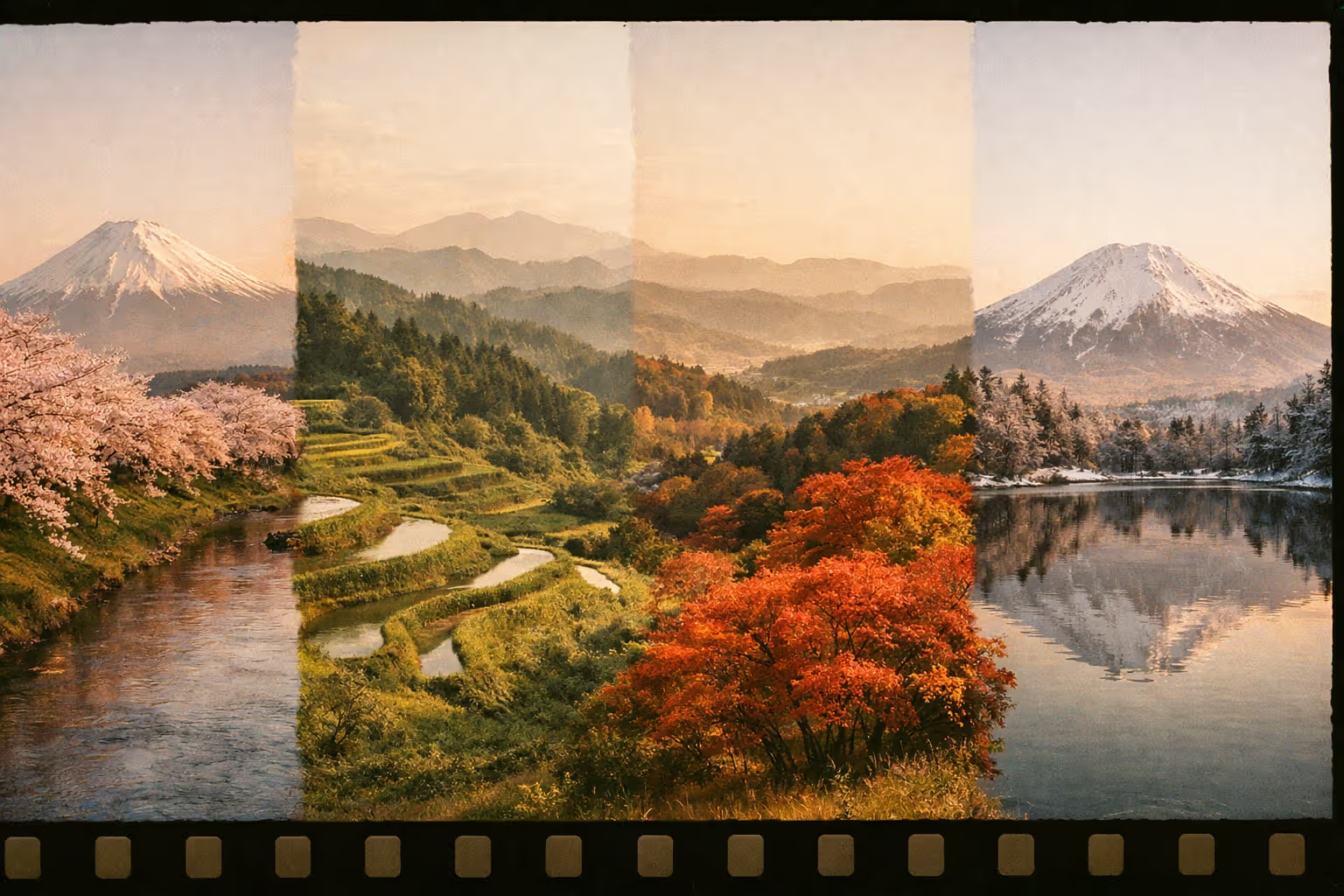
The best time to visit Japan splits along a single question: are you chasing color or chasing savings? Cherry blossoms in late March and autumn leaves in November are worth the peak flights, which can run 1,200 to 1,800 dollars round trip. Come in June or September instead and the same seat drops toward 700 to 1,100, in exchange for some rain. The dates to avoid entirely are Golden Week and New Year. Here is the month-by-month call, both ways.
The Best Time to Visit Japan, by Season
Choosing the best time to visit Japan depends on what you want from your trip, as each season offers distinct experiences and weather. Picking the wrong season for your priorities can make or break the trip.
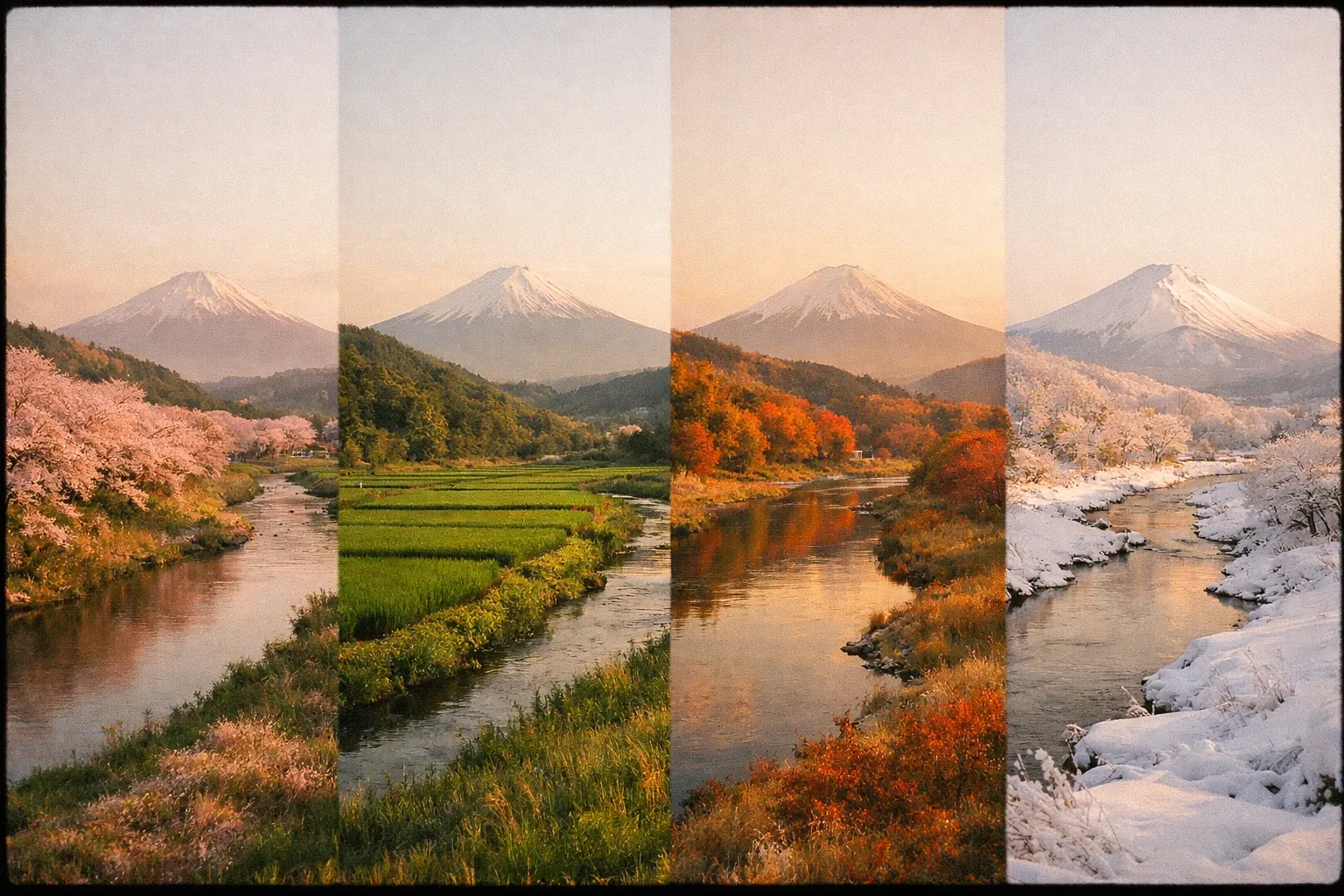
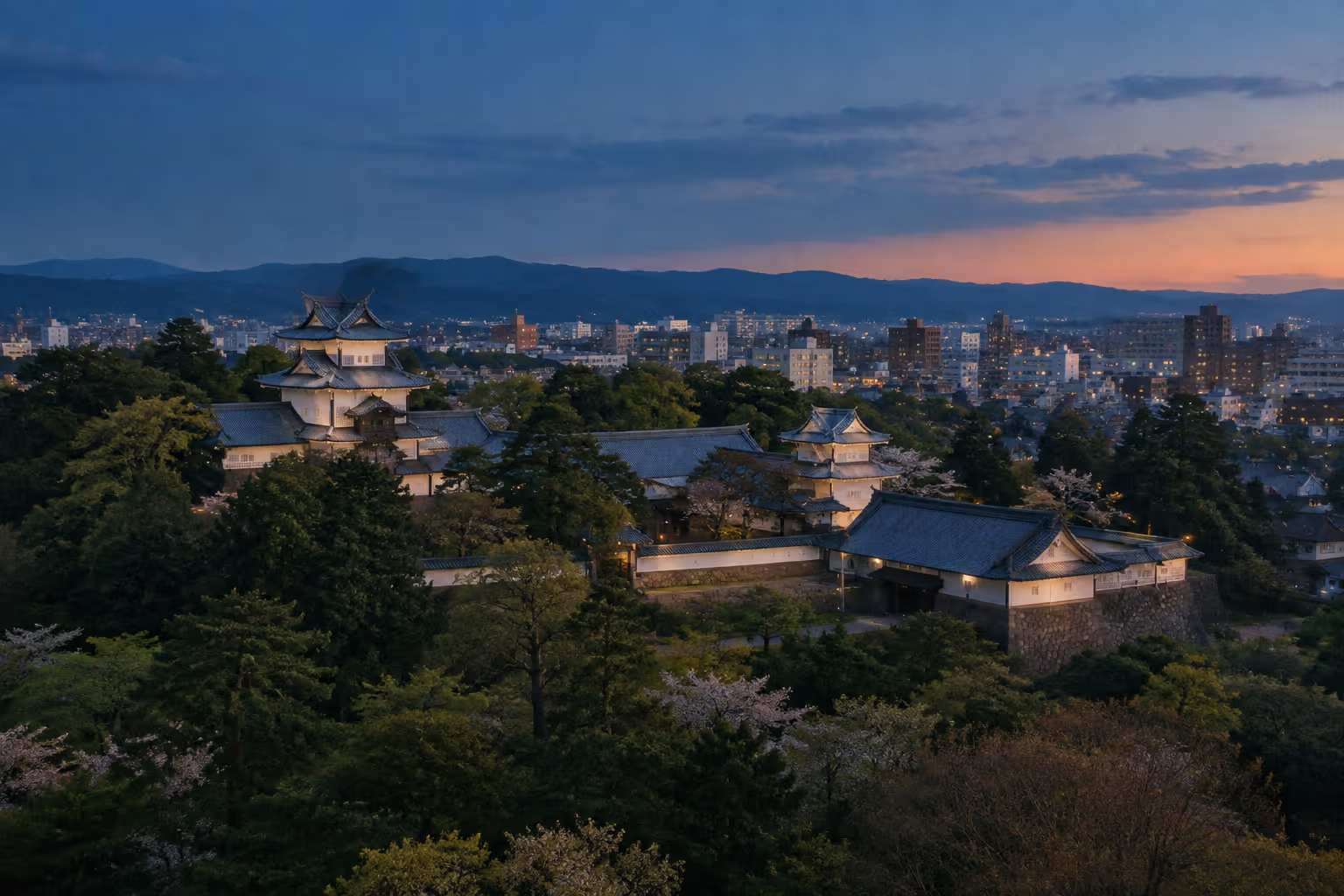
Spring (March to May) is famous for the cherry blossom season Japan is known for worldwide - the sakura bloom. Walking through Maruyama Park in Kyoto with petals coming down is as good as advertised. It’s also the season when Japan sees the most tourists, which means crowded spots and higher prices. I learned that the hard way on my second visit, arriving in early April without accommodation booked more than a week out. Spring temperatures sit around 10°C (50°F) in March, climbing to 14-18°C (57-64°F) in April and 19-20°C (66-68°F) in May (1).
Autumn (September to November) offers a different kind of spectacle: the koyo (autumn leaves) turn the temple gardens around Higashiyama in Kyoto and the Japanese Alps into deep reds and golds. I still remember trekking through the Kamikochi valley in October, surrounded by fall color that made every stop feel deliberate. Daytime temperatures run 23-30°C (73-86°F) in September, cooling to 15-25°C (59-77°F) in October and a crisp 10-18°C (50-64°F) in November (1). Autumn tends to draw fewer crowds than spring while keeping the good weather (2).
Summer (June to August) brings heat, humidity, and the rainy season - tsuyu - in early summer. August in the cities reaches 27-35°C (81-95°F), and heatstroke is a real risk. Staying hydrated is not optional (1). If you’re visiting in summer, Hokkaido and the Japanese Alps are the sensible moves.
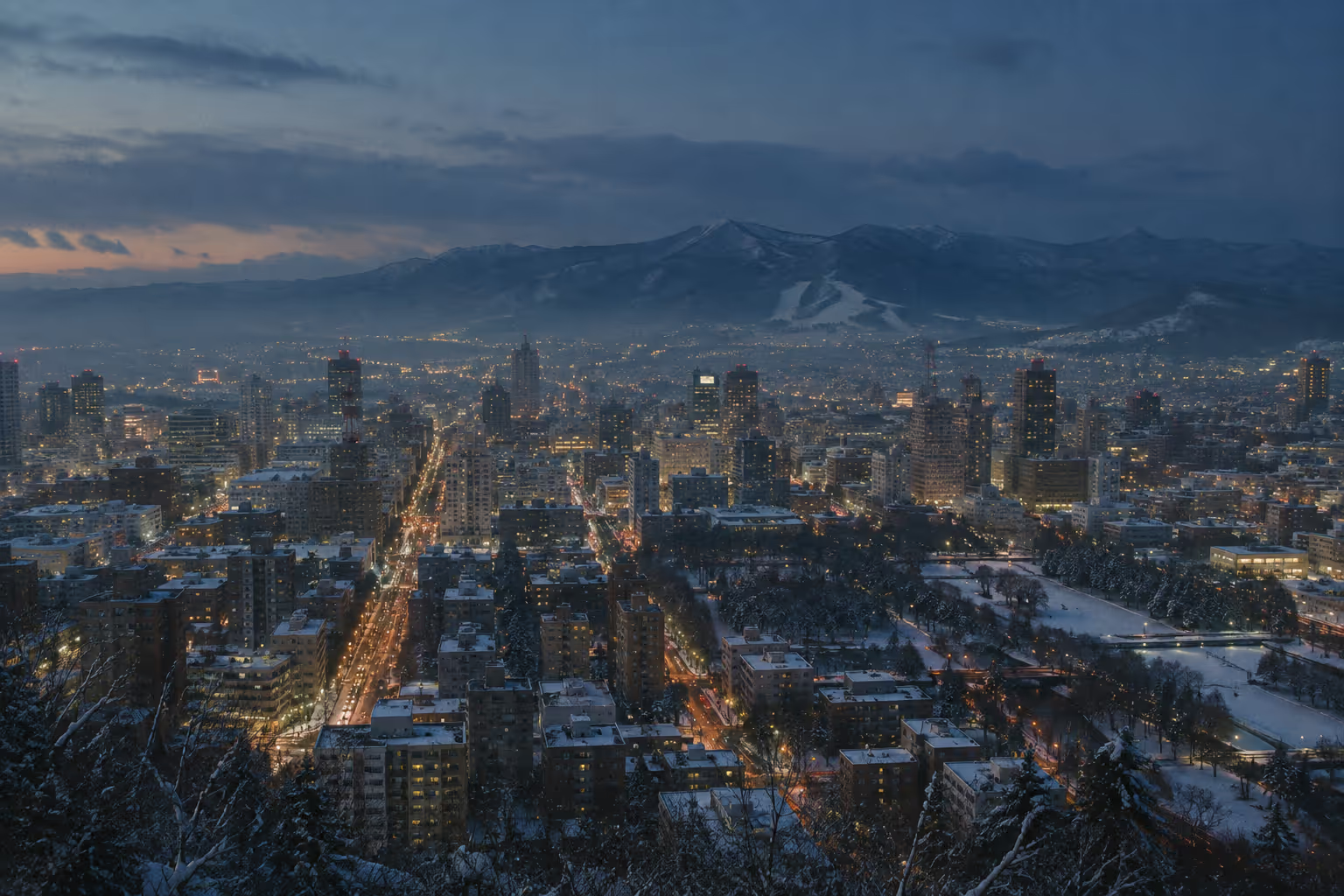
Winter (December to February) transforms parts of Japan into snow country, perfect for skiing in Hokkaido or soaking in an onsen (hot spring) with snowfall around you. City temperatures sit at 5-12°C (41-54°F) in December and 2-10°C (36-50°F) in January (1).
Each season has its trade-offs:
- Spring and autumn attract the most visitors, with crowded attractions and booked-out accommodation being the main headaches.
- Summer is hotter but quieter on the international tourist front - except during Obon (the mid-August ancestral festival) and other matsuri (festivals).
- Winter is quiet outside ski resorts and New Year, with serene landscapes and experiences like snow monkeys bathing in hot springs.
A Month-by-Month Guide to Visiting Japan
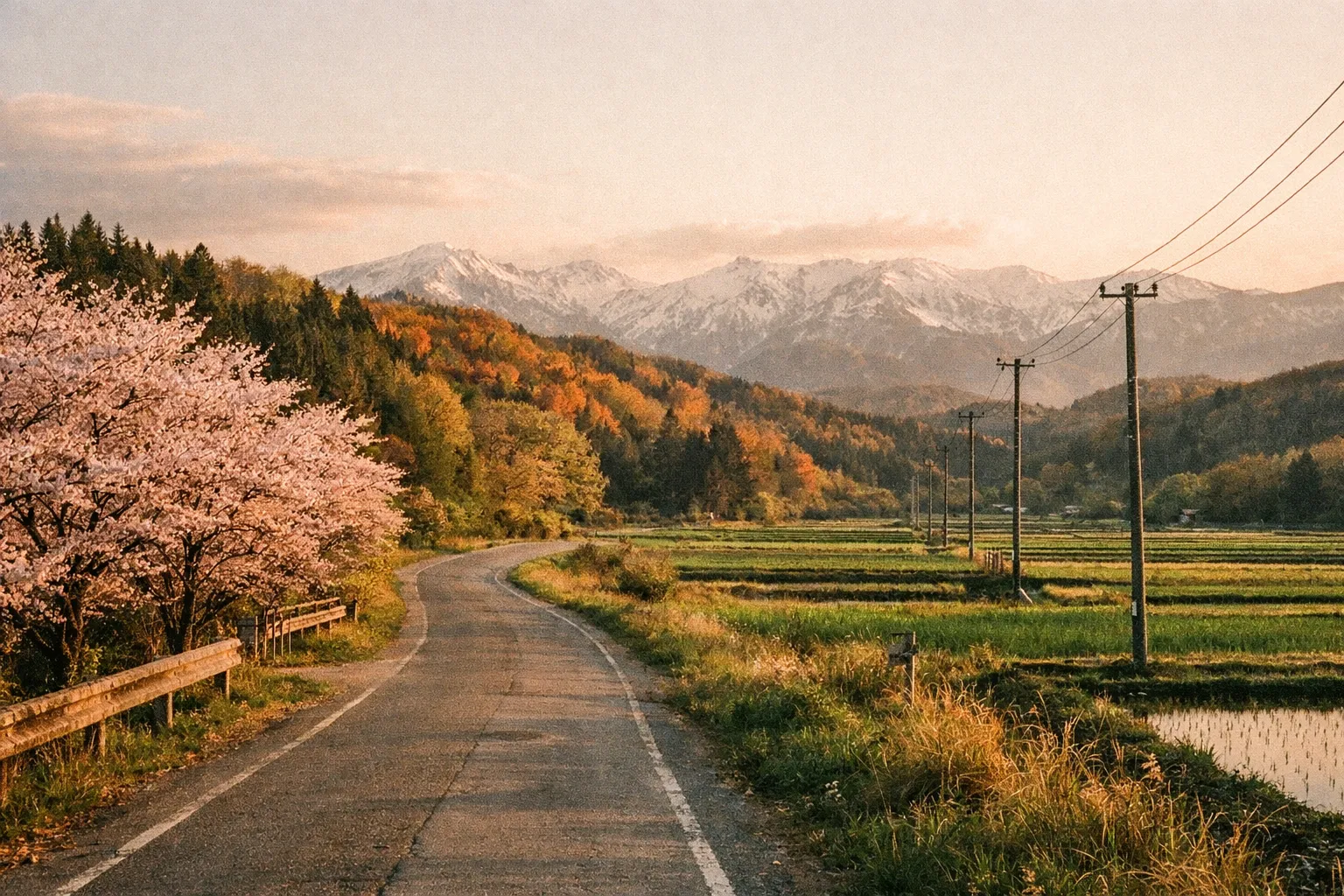
Knowing what to expect each month significantly improves the trip. Here’s the breakdown, with crowd levels and rough cost notes:
| Month | Highlights | Considerations |
|---|---|---|
| January | Skiing in Hokkaido, New Year festivities | Cold in the north; avoid the Dec 28-Jan 3 holiday rush |
| February | Sapporo Snow Festival, quiet cities, good ski conditions | Peak ski-resort prices; cities themselves are calm and cheaper |
| March | Cherry blossom begins in southern Japan late in the month | Crowds build as sakura approaches |
| April | Cherry blossoms nationwide, peak in Tokyo/Kyoto | Very crowded and expensive; book months ahead |
| May | Lush green post-bloom; great weather after Golden Week | Avoid Golden Week (around Apr 29-May 5) - domestic travel peak |
| June | Hydrangea blooms, start of rainy season | Humid and wet, but one of the cheapest months |
| July | Mt. Fuji climbing season, Tenjin Matsuri in Osaka | Hot, humid, crowded with local tourists |
| August | Fireworks festivals, Obon period | Continued heat, Obon travel rush, typhoon season starting |
| September | Cooler temps, fewer crowds, low prices | Typhoon risk can disrupt flights and trains |
| October | Autumn colors start in the north | Mild and popular, but less crowded than spring |
| November | Peak autumn colors in central Japan | Popular with tourists; early booking essential |
| December | Winter illuminations, Christmas markets | Cold in the north; New Year period gets congested late in month |
Sakura timing is the trickiest part to plan around. Blossoms typically start in late March in southern Japan, reach Tokyo in early April, and arrive in Hokkaido by early May (2). In Kyoto, a typical year sees opening around March 23 and full bloom near March 30 - but full bloom lasts only about a week, and the window shifts every year (1). Building a flexible day into your itinerary so you can chase peak color isn’t overthinking it - it’s just how you actually catch it.
Best and Worst Months to Visit Japan
If I had to rank it plainly: the best months are late March-early April (cherry blossom season Japan at its peak), October-November (foliage and clear skies), and February for snow and quiet cities (1)(2)(3).
The worst time to visit Japan for most travelers comes down to three crunch periods driven by domestic holidays, plus weather extremes:
- Golden Week (late April-early May) - a cluster of national holidays when trains sell out, Shinkansen fill up, and hotels spike. Most guides flag this as the single busiest and most expensive window of the year (2)(3).
- Obon (mid-August) - the ancestral holiday triggers another domestic travel surge, layered on top of peak heat (1).
- New Year (late December-early January) - many businesses close, transport gets congested, and prices climb.
Beyond holidays, late July through September is rough for different reasons. August humidity and heat reach 27-35°C (81-95°F) (1), and September carries the highest typhoon risk, which can ground flights and stop trains (3). Typhoons, like earthquakes, are something the country plans for rather than panics about, and knowing how the warnings work turns a cancelled train into an inconvenience. None of these months are unvisitable - but if your priority is comfort, light crowds, and reasonable prices, these are the ones to work around.
November in Japan: What Makes It Worth the Trip
If you want one month that delivers without the spring chaos, November is hard to beat. Central Japan hits peak autumn foliage in November, turning the temple gardens of Higashiyama in Kyoto, the maples of Arashiyama, and the gingko avenues along Shinjuku Gyoen in Tokyo into deep reds and golds (1). Temperatures sit in a comfortable 10-18°C (50-64°F) range - crisp enough for a jacket, mild enough for all-day walking (1).
November is popular, so it’s not crowd-free. But it generally runs lighter than cherry blossom season (2). The trick I use for sakura works here too: visit the headline temples along Higashiyama-dori at opening time, or hit the evening illumination events at Eikan-do or Tofuku-ji, and you’ll skip the worst of the daytime crush (1). Book accommodation early - Kyoto and Nikko fill up fast for foliage season.
Best Time to Visit Japan for Less Crowds
The sweet spots for thinner crowds without sacrificing decent weather:
- Mid-May to June - after Golden Week ends, the country exhales. Weather is pleasant before the rains set in, and the international crowds thin out noticeably (3).
- September to early October - summer heat starts easing, the big domestic holidays are over, and you’ll share temples with far fewer people.
- Mid-January to February - outside the ski resorts, Japan’s cities are at their quietest. This is my favorite window for urban sightseeing and onsen-hopping. Museum lines are shorter, restaurant reservations are easier, and the pace of everything slows down in a way that’s hard to find in peak season (3).
Autumn (October-November) is still the best blend of scenery and breathing room - popular, but consistently less crowded than spring (2).
Cheapest Time to Visit Japan
If budget drives your timing, two months stand out: June and September. Both are shoulder seasons that bracket the summer peak, and both tend to deliver the lowest airfares and hotel rates of the year - well below cherry blossom (late March-early April) and November foliage prices.
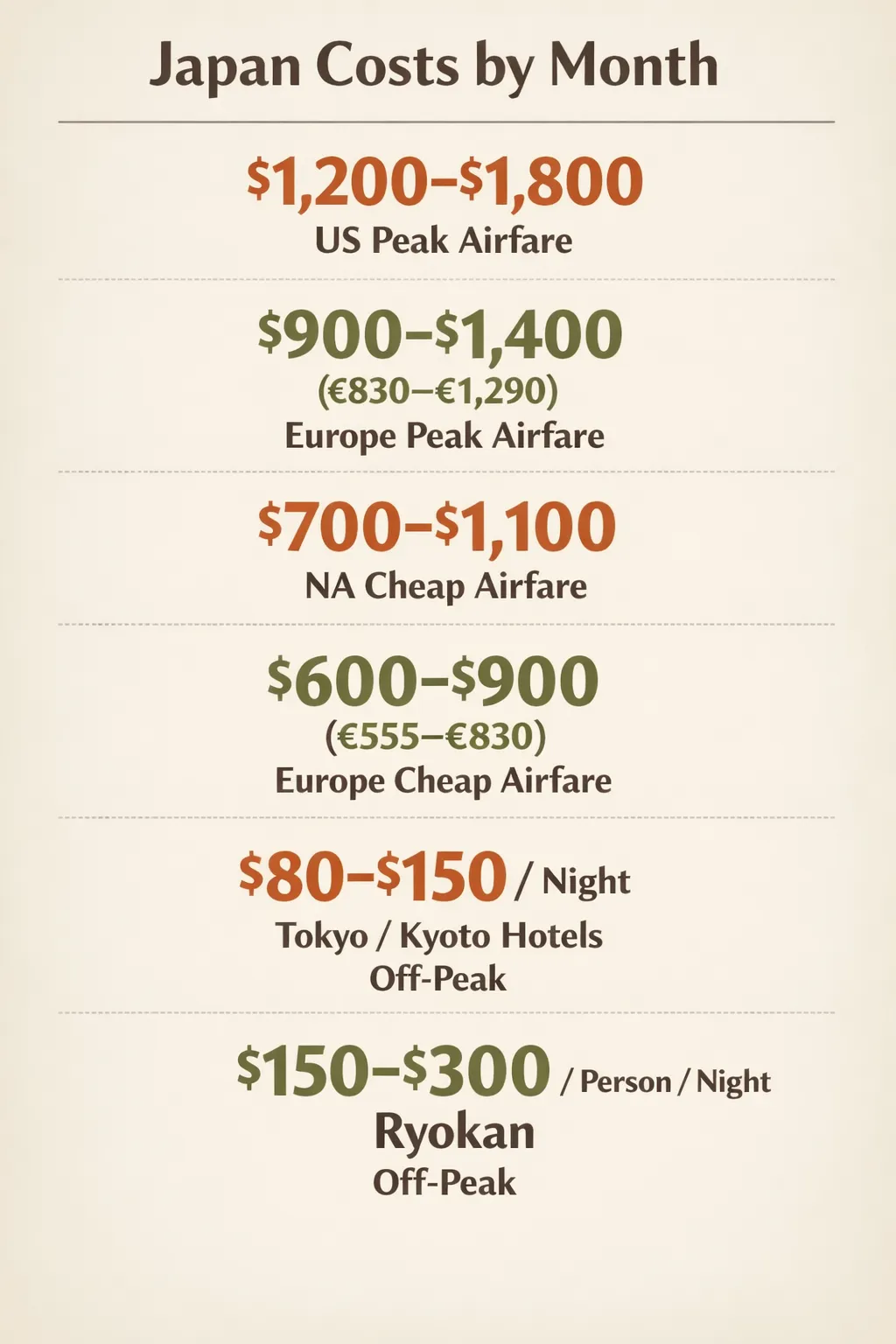 Airfare and lodging ranges by month: peak US $1,200-$1,800; peak Europe $900-$1,400 (€830-€1,290); cheapest NA $700-$1,100; cheapest Europe $600-$900 (€555-€830); Tokyo/Kyoto hotels $80-$150/night off-peak; ryokan off-peak $150-$300 per person per night off-peak.
What that looks like in practice:
- Peak season airfare (late March-early April, November): round-trip economy often runs $1,200-$1,800 from major US hubs and $900-$1,400 (€830-€1,290) from European hubs.
- Cheapest months airfare (June, September): often drops to $700-$1,100 from North America and $600-$900 (€555-€830) from Europe, holiday spikes aside.
- Hotels: business and 3-star hotels in Tokyo and Kyoto run $80-$150/night off-peak, jumping to $150-$250+ during sakura and major holidays. A ryokan with kaiseki dinner in a hot-spring area runs $150-$300 per person per night off-peak, rising to $250-$400+ in peak foliage or sakura season.
The catch with June is the rainy season, and with September it’s typhoon risk (3). If you can tolerate some wet days or keep your itinerary flexible, choosing these months over April or November can save several hundred dollars per person - sometimes pushing the total trip-cost swing toward $500-$1,500 per person versus peak dates once flights and hotels are combined. The weak yen has also made on-the-ground costs relatively cheaper in USD terms in recent years, which compounds the savings.
When Not to Visit Japan in 2026
If you’re planning for 2026 and want low prices and light crowds, mark these windows to avoid:
- Golden Week 2026 - core public holidays run April 29-May 6, with busy travel typically extending through around May 10 due to adjacent weekends and substitute holidays. Trains, hotels, and onsen resorts book out across the full window, and prices peak (3).
- Obon 2026 - expected mid-August, roughly August 13-16. Domestic travel surges, stacked on top of the year’s worst heat.
- Year-end / New Year (2025-26 and 2026-27) - the December 28-January 3 window brings closures and congestion.
These are the periods most likely to frustrate you in 2026 if you’re optimizing for cost and calm. They’re not bad for cultural experiences - Obon fireworks and New Year shrine visits are genuinely worth seeing - but go in knowing the trade-offs (3).
Traveler Type
The single best month shifts depending on who you are:
- First-timers on the classic Tokyo-Kyoto-Osaka route: late March-early April for sakura, or late October-November for foliage and clear skies (1)(2). Both are photogenic and hit the major seasonal highlights.
- Budget travelers and digital nomads: June or September shoulder seasons for the lowest costs, or mid-January-February for cheap, quiet city stays.
- Skiers and snowboarders: January-February in Niseko, Hakuba, or Tohoku, with the Sapporo Snow Festival as a winter centerpiece (2).
- Food lovers: autumn (September-November) for harvest festivals and seasonal produce, with fewer crowds than spring (2).
- Festival seekers and heat-tolerant travelers: July-August for major matsuri like Osaka’s Tenjin Matsuri in July (2).
✓ Pros
- Clear seasonal highlights for each traveler type
- Identifies shoulder seasons for budget and crowd management
- Includes cultural and weather considerations
✗ Cons
- Peak seasons can be crowded and expensive
- Summer heat and typhoon season pose challenges
- Holiday periods cause significant price and crowd spikes
The 5-Minute Rule and Japanese Punctuality
Timing in Japan isn’t only about seasons - it’s about the clock, too. The so-called 5-minute rule is the cultural expectation that you arrive about 5 to 10 minutes early for anything scheduled: meetings, tours, restaurant reservations, guided experiences. Arriving exactly on time can read as borderline late, and showing up late without notice is genuinely rude.
This matters most with trains. Shinkansen and limited express services depart to the minute, and missing one can unravel a tightly planned day. I aim to be on the platform 10-15 minutes early to find the right car and queue at the marked spot on the floor. Treat printed departure times as exact, not approximate, and you’ll move through Japan far more smoothly.
Etiquette note: beyond punctuality, two habits will keep you on the right side of local norms - shoes come off when entering homes, ryokan, temples with tatami flooring, and some restaurants (look for a step up and a shoe rack at the entrance), and tipping is not expected anywhere. Leaving cash on a restaurant table causes confusion rather than gratitude.
Evergreen Japan Experiences
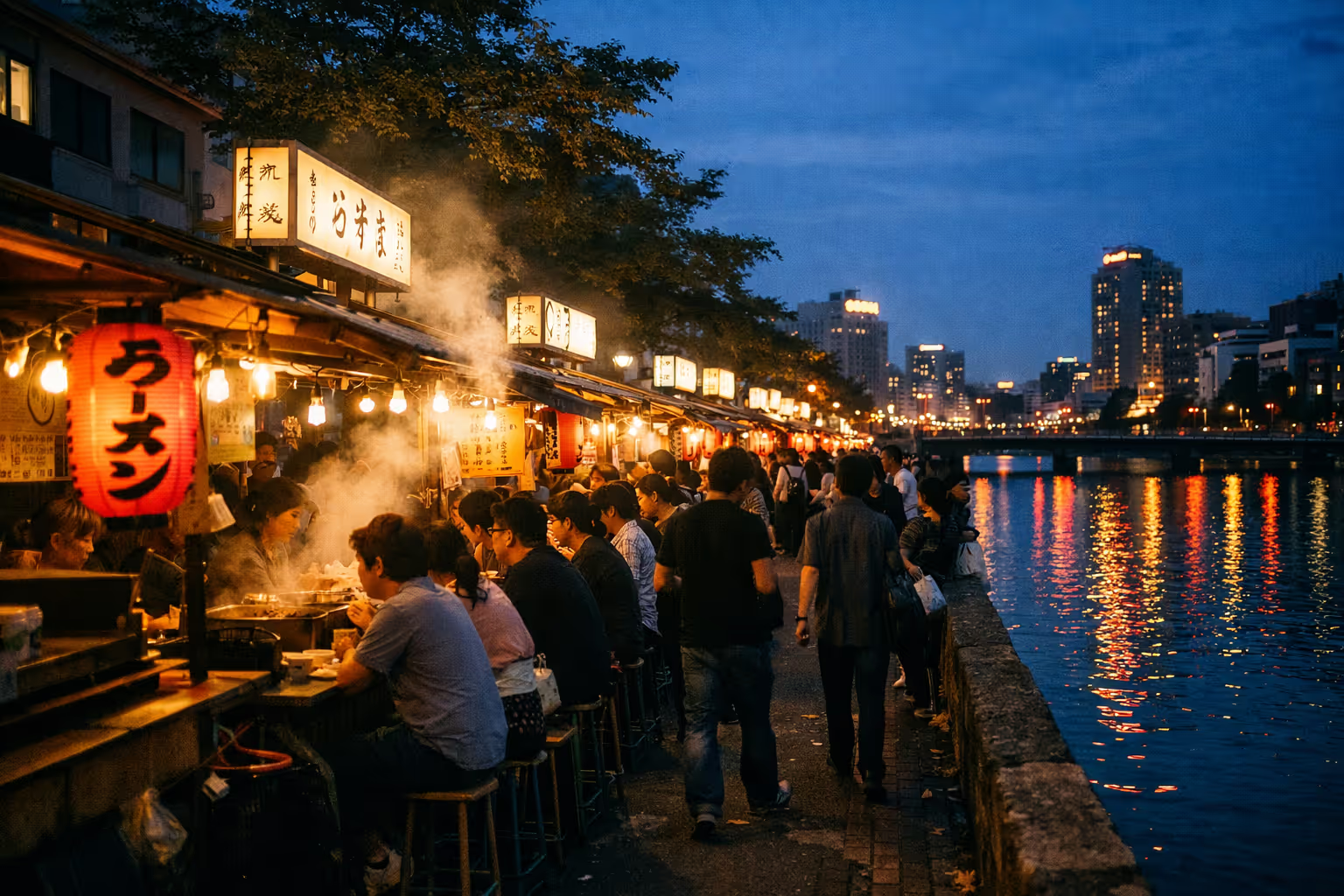
Some things in Japan don’t require perfect timing. You can work through Japan’s regional cuisine year-round - fresh sushi at Tsukiji Outer Market in Tokyo, a bowl of ramen (wheat-noodle soup) in Sapporo, or the kaiseki (multi-course seasonal cuisine) menus that rotate with whatever the kitchen has that week.
Exploring Shinjuku or the historic Gion quarter of Kyoto gives you Japan’s blend of modern and traditional life regardless of when you visit. I’ve spent nights under the neon of Tokyo and found quiet in the stone lanes of Gion the next morning - the contrast holds in any season. Japan’s depth doesn’t rely on perfect timing.
Navigating Tokyo’s subway system initially seemed daunting on my first visit, and then quickly became one of the more satisfying logistical puzzles I’ve worked out on the road. These year-round experiences are what make Japan worth returning to.
Frequently Asked Questions
- What are the best and worst months to visit Japan?
- The best months are generally late March-early April for cherry blossoms, October-November for autumn foliage and clear skies, and February for snow sports and quiet cities. The worst months for crowds and cost are around Golden Week (late April-early May), Obon (mid-August), and New Year (late December-early January), plus September for typhoon risk.
- What is the cheapest month to go to Japan?
- June and September are typically the cheapest months, with airfare often 20-40% lower than cherry blossom or November foliage dates. June brings rainy season and September carries typhoon risk, which is exactly why prices drop - if you can work around the weather, the savings are real.
- What is the 5-minute rule in Japan?
- It's the social expectation that you arrive about 5-10 minutes early for appointments, tours, and reservations. Arriving exactly on time can feel late, and being late without warning is considered rude. The rule matters most for trains, which depart precisely on schedule.
- When should I not visit Japan in 2026?
- Avoid Golden Week (April 29-May 6, with travel pressure extending through around May 10), Obon (around August 13-16), and the year-end/New Year window (December 28-January 3) if you want lower prices and fewer crowds. These periods bring intense domestic travel and booked-out hotels and trains.
- How can I best plan for cherry blossom timing?
- Sakura bloom timing shifts yearly. Use real-time sakura forecasts and build flexibility into your itinerary to chase peak bloom in nearby cities. Fixed calendar dates are unreliable for precise planning.
- Are tipping and shoes-off customs important to follow in Japan?
- Yes. Tipping is not expected and can cause confusion. Shoes should be removed when entering homes, ryokan, temples with tatami floors, and some restaurants, usually indicated by a step up and shoe rack at the entrance.
- What are the best months for budget travelers to visit Japan?
- Budget travelers should target June and September for the lowest prices, or mid-January to February for quiet city stays and cheaper accommodation outside ski resorts.