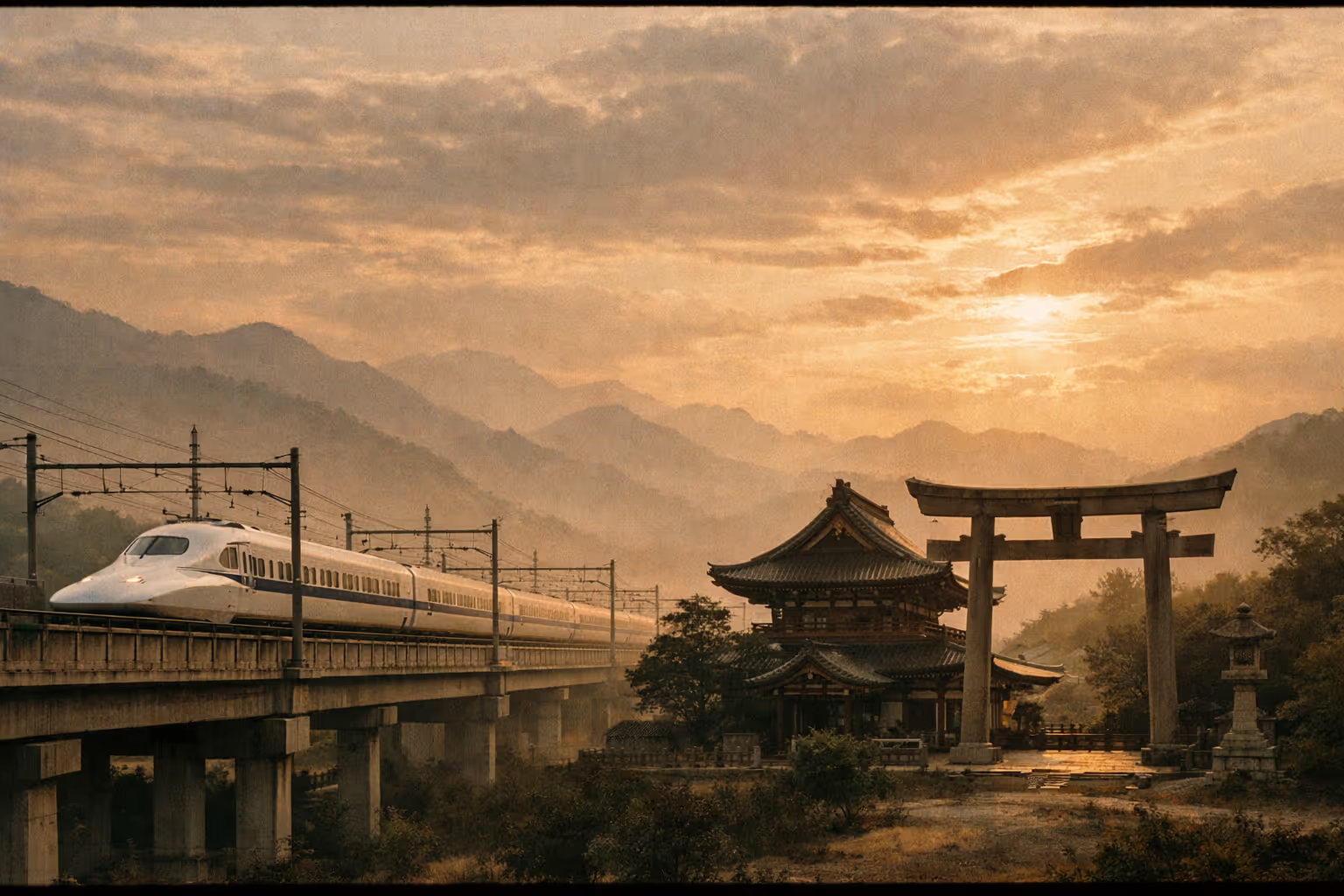
The best things to do in Japan converge on a short list that most seasoned visitors agree on: ride a Shinkansen with an ekiben, cross Shibuya, soak in a Hakone onsen, walk the Fushimi Inari gates, and eat through Dotonbori. The trick is routing them across five cities by bullet train without cramming. Bare-bones days run $70 to $100, but rail alone adds $250 to $400, so limit long hops or stay in one or two cities. Book teamLab and any ryokan well ahead.
The top 10 things to do in Japan
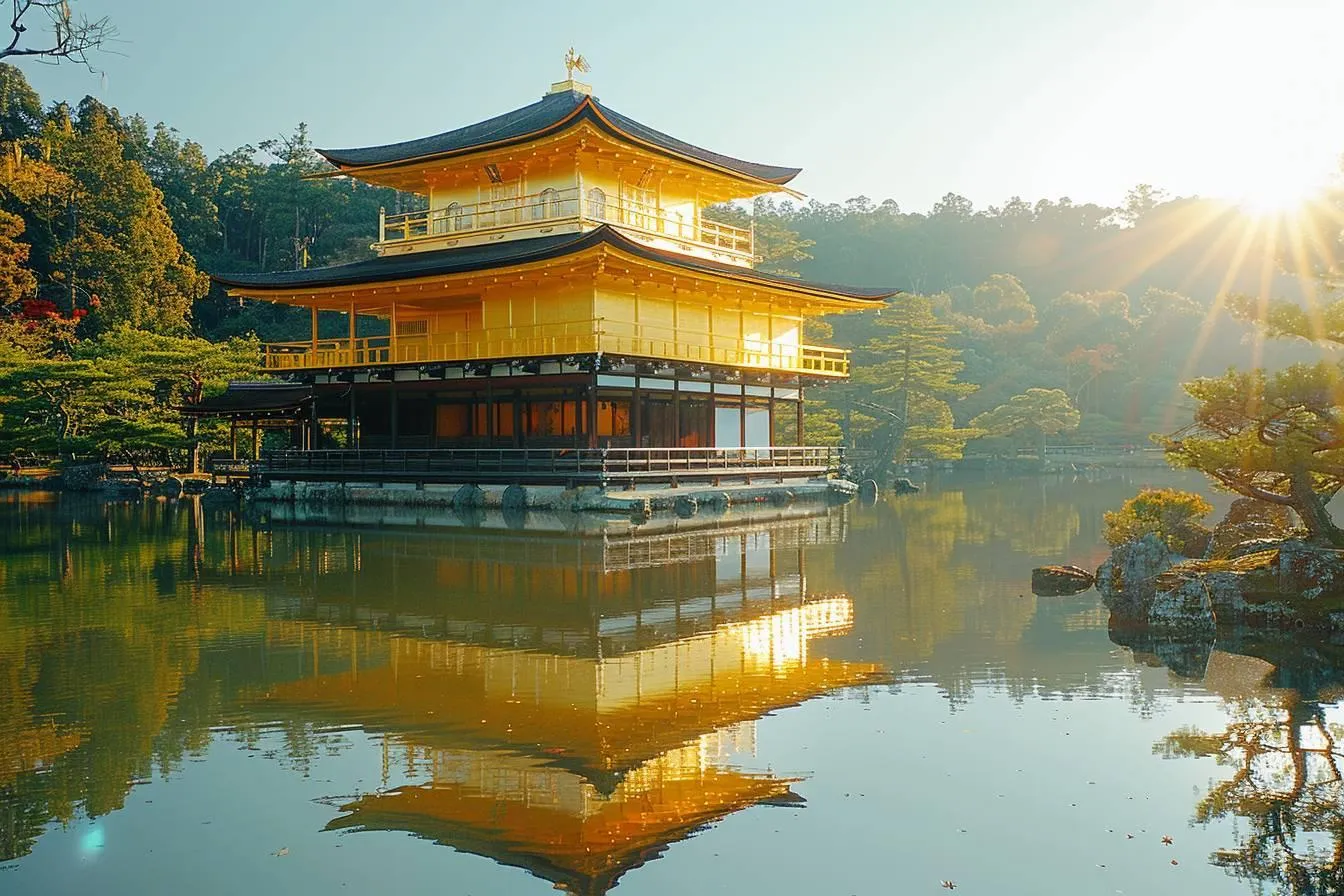
If you only had a shortlist of things to do in Japan, this is the one most experienced visitors converge on. It mixes the historical and the modern, which is the point.
- Ride a Shinkansen and eat an ekiben (station bento, typically ¥800-¥1,500 / about $5-$10) on board.
- Cross Shibuya Crossing in Tokyo, then watch the next wave from above.
- Soak in an onsen (natural hot spring) at a ryokan in Hakone, ideally with a Mount Fuji view.
- Walk the torii gate tunnels at Fushimi Inari Taisha in Kyoto.
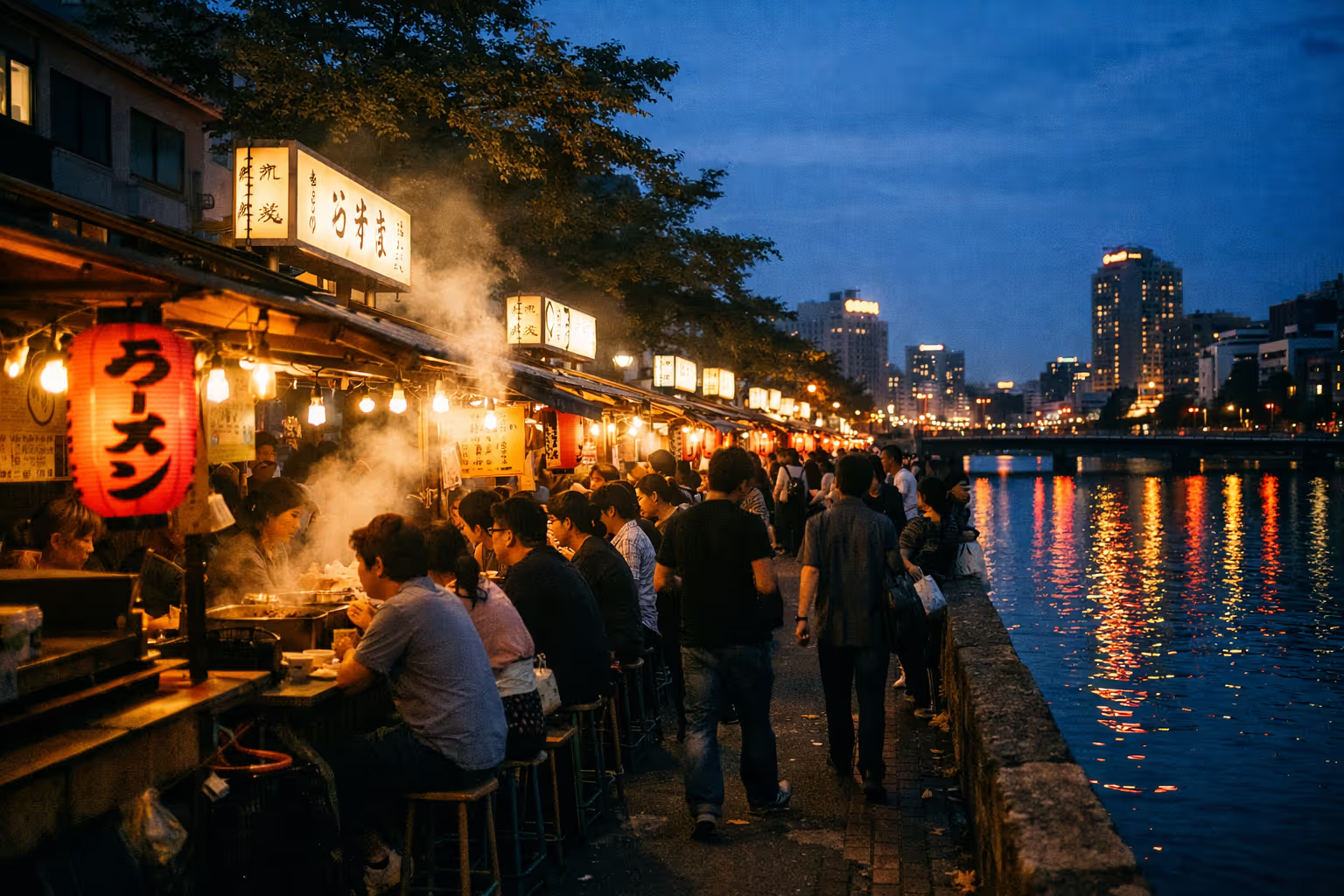
- Eat your way through Dotonbori in Osaka - takoyaki (fried octopus balls), okonomiyaki (savory pancake).
- Stand in the Hiroshima Peace Memorial Park and visit the museum.
- Stay in a ryokan (traditional inn) with a kaiseki multi-course dinner.
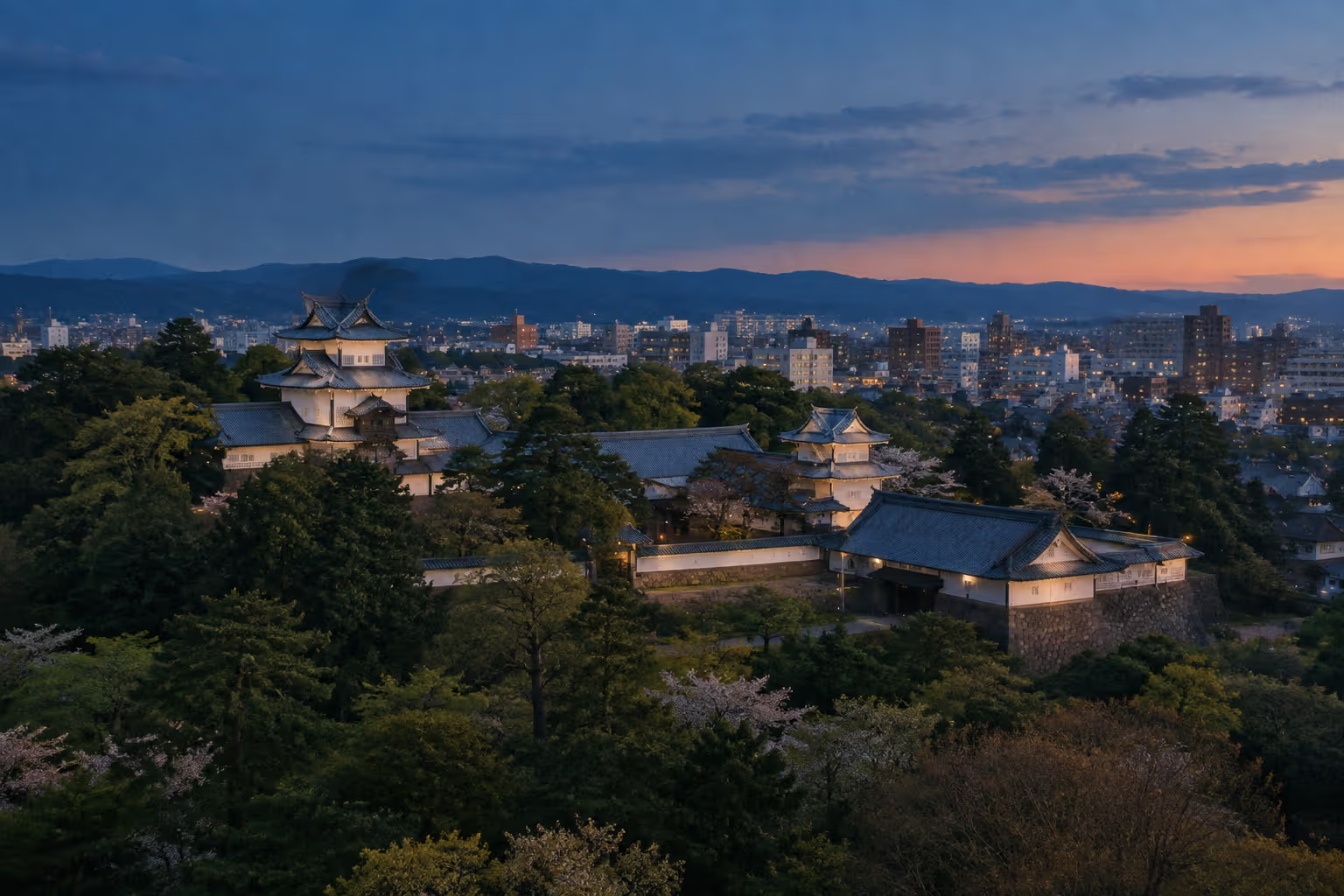
- Visit a castle - Himeji and Osaka Castle are the obvious two.
- See teamLab’s digital art museums in Tokyo (advance booking required).
- Time your trip for cherry blossom (sakura) in late March to early April, or autumn maple leaves (momiji) in November.
The rest of this guide breaks these down city by city, with the logistics that make them actually happen.
✓ Pros
- Combines Japan's rich history with cutting-edge modern experiences
- Efficient travel between cities via Shinkansen
- Diverse food scenes that cater to many tastes
- Well-documented etiquette notes help avoid cultural missteps
✗ Cons
- Tight itineraries risk spending too much time on trains
- Some popular spots require advance booking to avoid disappointment
- Costs can escalate quickly with bullet train travel and ryokan stays
Best things to do in Tokyo, Japan
Tokyo runs on contrast, and the best things to do in Tokyo, Japan lean into that - a Shinto shrine and an electronics megastore can sit ten minutes apart. I’ve walked that exact gap in Akihabara and still found it slightly disorienting, in a good way.
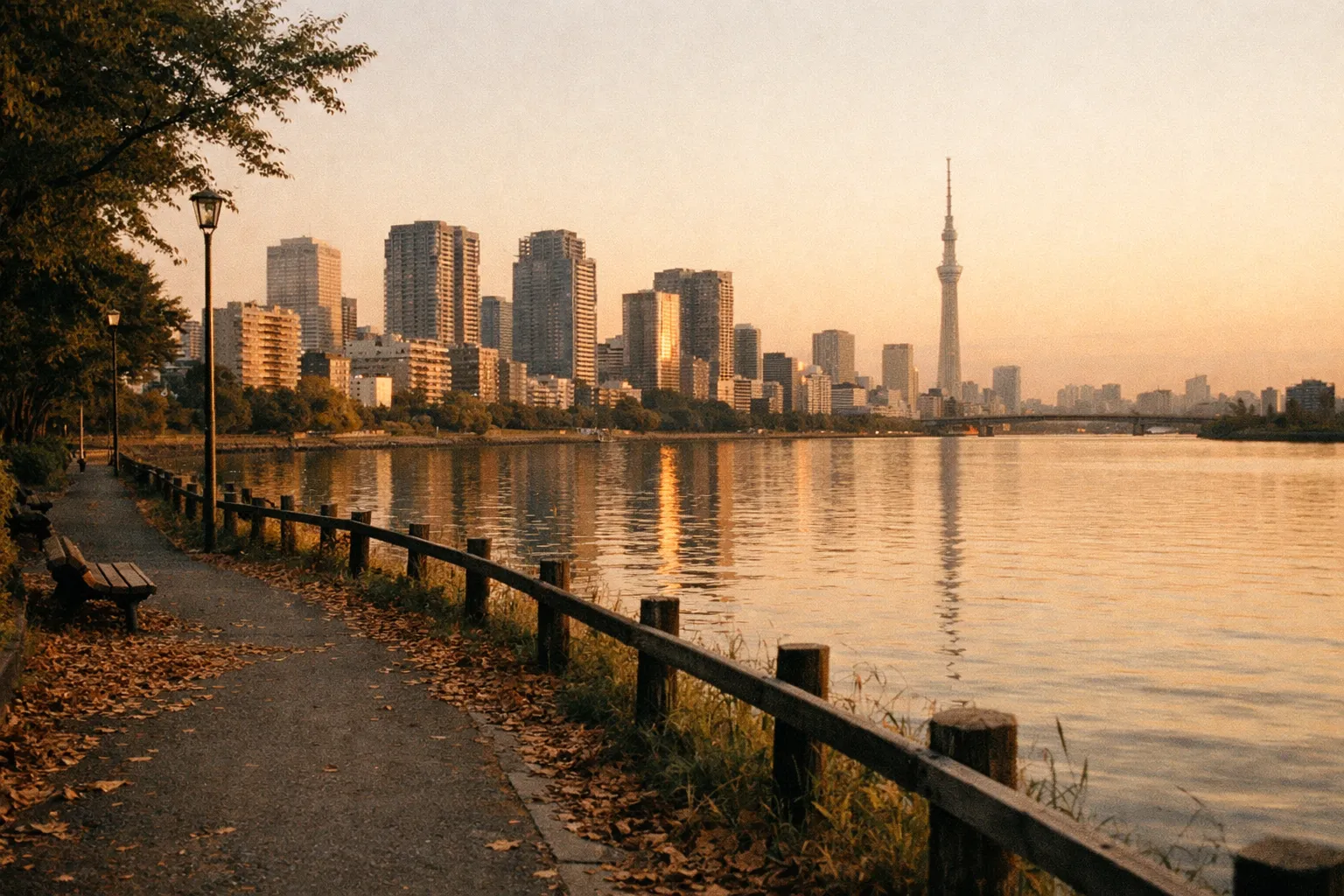
Shibuya Crossing, often called “The Scramble,” is the city’s most photographed intersection for a reason. Stand in the middle once when the lights change, then go up for the view. The Starbucks in the Tsutaya building gives you a free vantage point over the choreography below, though it gets packed. The Shibuya Sky observation deck (¥3,000 / about $19 at the window before 3 pm, ¥3,700 after; ¥2,700 or ¥3,400 booked online, rates in force since 1 April 2025) is the more reliable bet for a clear sightline.
For the historical counterweight, Senso-ji Temple in Asakusa dates to 628 AD and is Tokyo’s oldest (1). The approach along Nakamise-dori is lined with stalls selling rice crackers and folding fans. Go right at opening, before the tour buses arrive: the main hall opens at 6 am from April to September and at 6:30 am from October to March, though the grounds themselves are open 24 hours, even when the hall closes at 5 pm. When I visited on a November morning, the courtyard before 7 am had maybe a dozen people in it. By 9 am it was shoulder-to-shoulder.
Beyond those two:
- Shinjuku for nightlife - Golden Gai’s tiny bars and the yakitori (grilled chicken skewers) alleys of Omoide Yokocho.
- Harajuku and Omotesando for fashion, from teen street style on Takeshita-dori to flagship architecture on the main boulevard.
- Akihabara for electronics, anime, and manga - the district’s neon and arcades are an attraction in themselves.
- Ginza for art galleries and a Kabuki performance at the Kabukiza Theatre. Single-act tickets run about ¥2,000-¥3,500 ($13-$22) depending on the act, plus a ¥110 booking fee, on Shochiku’s official single-act box office (August 2026 programme) (3).
- teamLab Planets and teamLab Borderless for immersive digital art - book days ahead, especially in peak season.
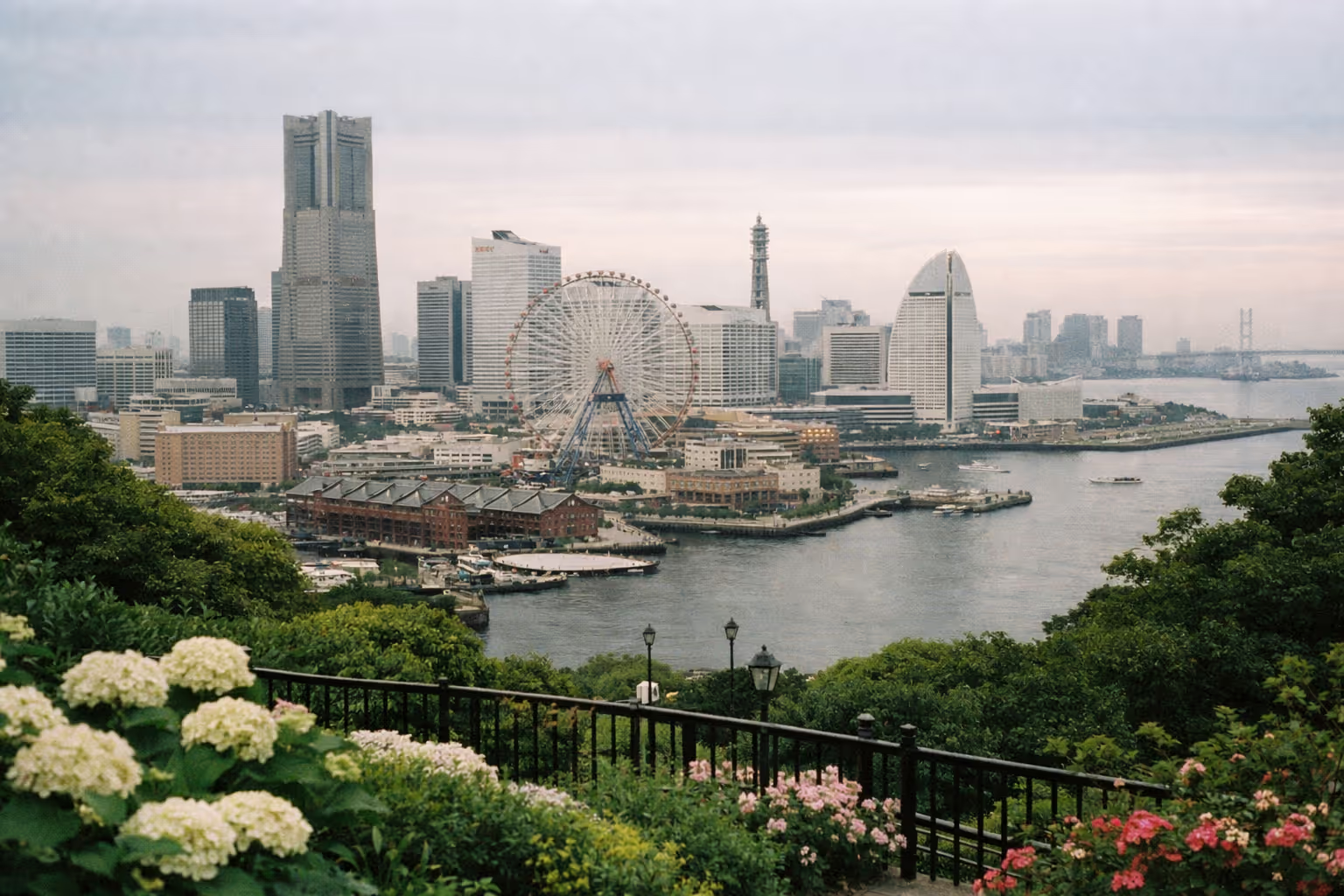
Day trips earn their place too. Kamakura’s giant Buddha and Yokohama’s harbor and Cup Noodles Museum are both under 90 minutes from central Tokyo. Nikko’s shrines and autumn colors take closer to 2 hours each way - budget a full day rather than a half.
Etiquette note: Don’t eat while walking in crowded areas, and don’t talk on your phone on trains. Both read as inconsiderate, and locals notice.
What to do in Hakone, Japan
Hakone is the easiest mountain escape from Tokyo and the place most first-timers go for their onsen night. Take the Shinkansen to Odawara (about 35 minutes), then switch to local transport. It’s a short trip on paper, but the change in atmosphere is significant.
The things to do in Hakone, Japan form a natural loop, which is why the Hakone Freepass exists. It bundles the mountain railway, the cableway, the ropeway, the Lake Ashi cruise, and buses into one ticket, and it saves a lot versus buying each leg separately. The price depends on where you start, because the pass includes the Odakyu round trip from that station: arriving by Shinkansen, buy the 2-day pass at Odawara or Hakone-Yumoto for ¥6,000 (about $38); the Shinjuku version is ¥7,100 (about $45) and only pays off if you travel out and back on the Odakyu line (Odakyu, August 2026) (4).
The loop typically covers:
- The Hakone Ropeway over volcanic valleys, with sulfur vents at Owakudani where you can buy eggs blackened by the hot springs.
- A Lake Ashi cruise on a (slightly kitschy) pirate ship, with Mount Fuji behind the lakeside torii gate on clear days.
- The Hakone Open-Air Museum, a sculpture park with a dedicated Picasso pavilion.
- An onsen ryokan stay - this is the main event. Expect ¥18,000-¥40,000+ per person ($120-$270+) including a kaiseki dinner and breakfast.
I’ll be honest: the pirate ship is cheesy. But the view of Fuji framed by the torii gate on a clear morning is exactly what the photos show, and it’s worth the ride.
Onsen etiquette: You bathe naked, you wash thoroughly at the seated showers before entering the water, and tattoos can be a problem at some traditional baths - check ahead or look for tattoo-friendly or private (kashikiri) options.
What to do in Kyoto, Japan
Kyoto was the imperial capital for over a thousand years, and the things to do in Kyoto, Japan are mostly about that inheritance - temples, shrines, and a geisha district that still functions. The city rewards slowing down. Two days here feels rushed.
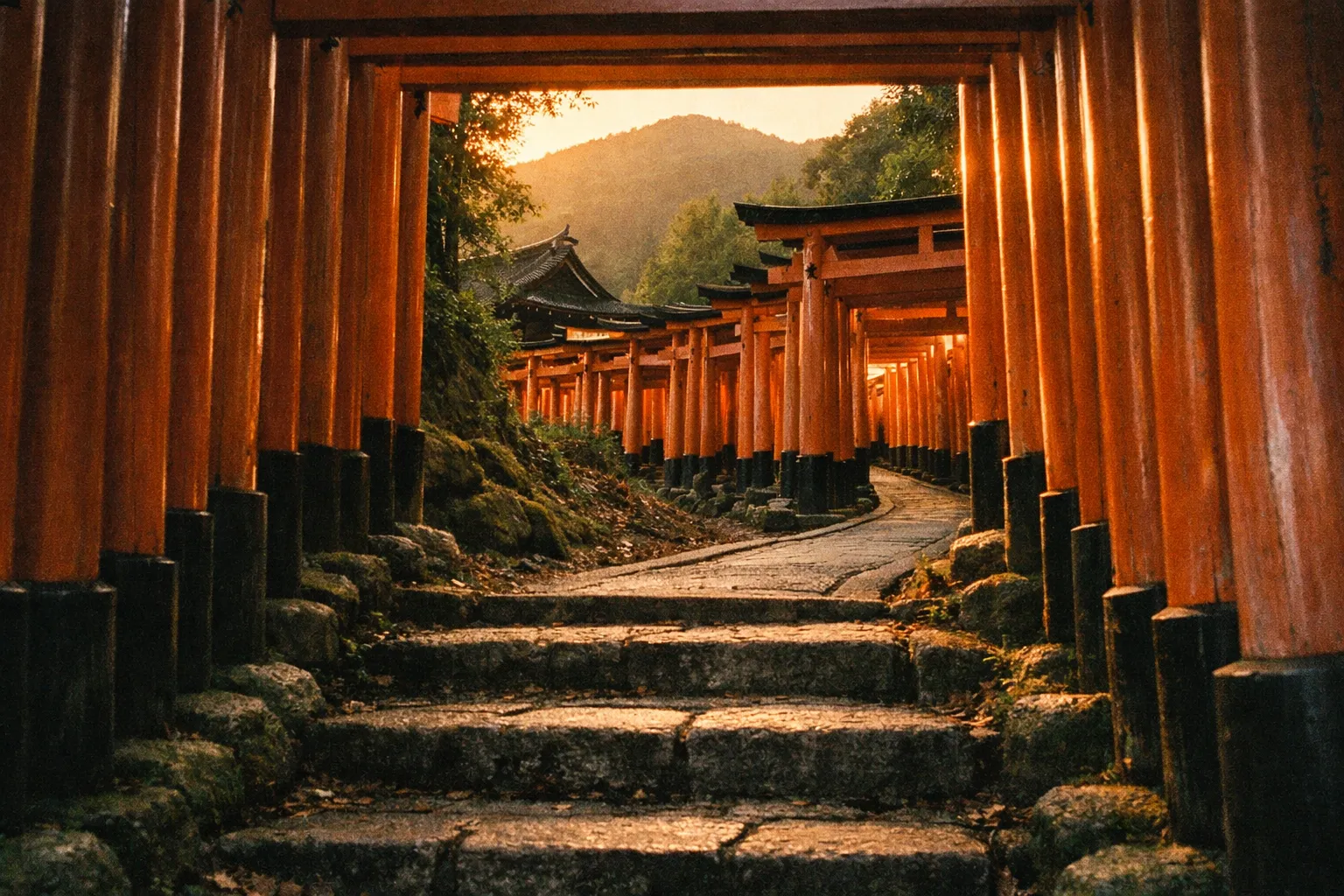
Fushimi Inari Taisha is the headline. Thousands of vermilion torii gates form tunnels up Mount Inari, and the higher you climb the thinner the crowds get. It’s open 24 hours and free, so the smart move is to arrive before 7 am - by 9 am the lower gates are a slow-moving line of selfie sticks. I made the mistake of arriving at 10 am on my first visit. Don’t do that.
Kinkaku-ji, the Golden Pavilion, is exactly what it sounds like: a temple sheathed in gold leaf, mirrored in the pond below it. Entry is ¥500 ($3.40) (5). It’s small and you’ll move through quickly, but the reflection on a still morning is worth the trip.
The rest of the essentials:
- Kiyomizu-dera, a wooden temple on stilts overlooking the city, especially good in autumn.
- Arashiyama bamboo grove and the riverside beyond it - again, early or it’s elbow-to-elbow.
- Gion, the geisha district, where you might glimpse geiko and maiko in kimono heading to appointments at dusk as the lanterns come on along the machiya (wooden townhouses).
- Nishiki Market, a covered lane of food stalls for pickles, skewers, and tofu doughnuts.
Etiquette note in Gion: Photography of geiko and maiko on private streets is restricted, and fines apply on some lanes. Don’t chase, don’t block, don’t grab. They’re working, not performing for you.
Many visitors rent a kimono (¥3,000-¥6,000 / $20-$40 for a half-day rental, February 2025) to walk the temple districts. It’s touristy, and it’s also genuinely fun in the photos. No shame in it.
What to do in Osaka, Japan
Osaka is the food city. Blunter and louder than Kyoto, and most of the things to do in Osaka, Japan revolve around eating - which is not a complaint.
Dotonbori is the canal-side strip of neon, giant mechanical crabs, and the running Glico man sign. Eat your way along it: takoyaki (octopus balls, ¥500-¥700 / $3-$5 a tray), okonomiyaki (a cabbage-and-batter griddle pancake you can cook at the table), and kushikatsu (deep-fried skewers - don’t double-dip the communal sauce, a rule taken seriously here).
Beyond the food strip:
- Osaka Castle, reconstructed but commanding, set in a park that’s excellent during sakura season.
- Kuromon Ichiba Market for fresh seafood, grilled scallops, and fruit.
- Umeda Sky Building for a rooftop observatory with a “floating garden” deck.
- Shinsekai, a retro district under the Tsutenkaku tower, the spiritual home of kushikatsu.
- Universal Studios Japan, with its Super Nintendo World - a full-day commitment and best booked in advance.
Osaka also works as a base for Nara, 45 minutes away, where the deer in Nara Park bow for crackers and roam between the temples. They’re wild animals, not pets - keep food out of sight until you’re ready, and watch your pockets. One of them went for my map the moment I unfolded it.
What to do in Hiroshima, Japan
A city rebuilt from the 1945 atomic bombing, Hiroshima frames its history toward peace. The things to do in Hiroshima, Japan are anchored by that story, and the experience is sobering in exactly the way it should be.
The Peace Memorial Park holds the Atomic Bomb Dome (Genbaku Dome), a skeletal building left standing as it was, now a UNESCO site. The Peace Memorial Museum (¥200 / $1.40 entry, February 2025) is unflinching - give it at least 90 minutes, and brace yourself (6). It’s not a comfortable visit. It shouldn’t be.
For balance, Hiroshima Castle and the Shukkeien Garden offer quieter afternoons. And Hiroshima’s own okonomiyaki - layered rather than mixed, with noodles inside - is worth seeking out at Okonomimura, a building stacked with stalls.
The day trip everyone makes is Miyajima Island, a short tram-and-ferry hop away. The “floating” torii gate of Itsukushima Shrine appears to stand in the sea at high tide. Tame deer wander the island, and the hike or ropeway up Mount Misen rewards you with wide-open views across the Inland Sea. Check the tide tables before you go - at low tide you can walk out to the gate, but the famous floating effect needs high water.
Riding the Shinkansen: Japan’s bullet trains
The Shinkansen is both the spine of any multi-city trip and an attraction in its own right. The first line opened on 1 October 1964, running approximately 515 km between Tokyo and Osaka (Shin-Osaka). The network now reaches across Honshu, Kyushu, and Hokkaido, with top commercial speeds of 320 km/h (199 mph) on some lines. Punctuality is near-mythical. JR Central’s own annual report puts the average delay at 1.4 minutes per train for fiscal 2024, natural disasters included, and no train accident has killed or injured a passenger on board since the network opened in 1964 (8).
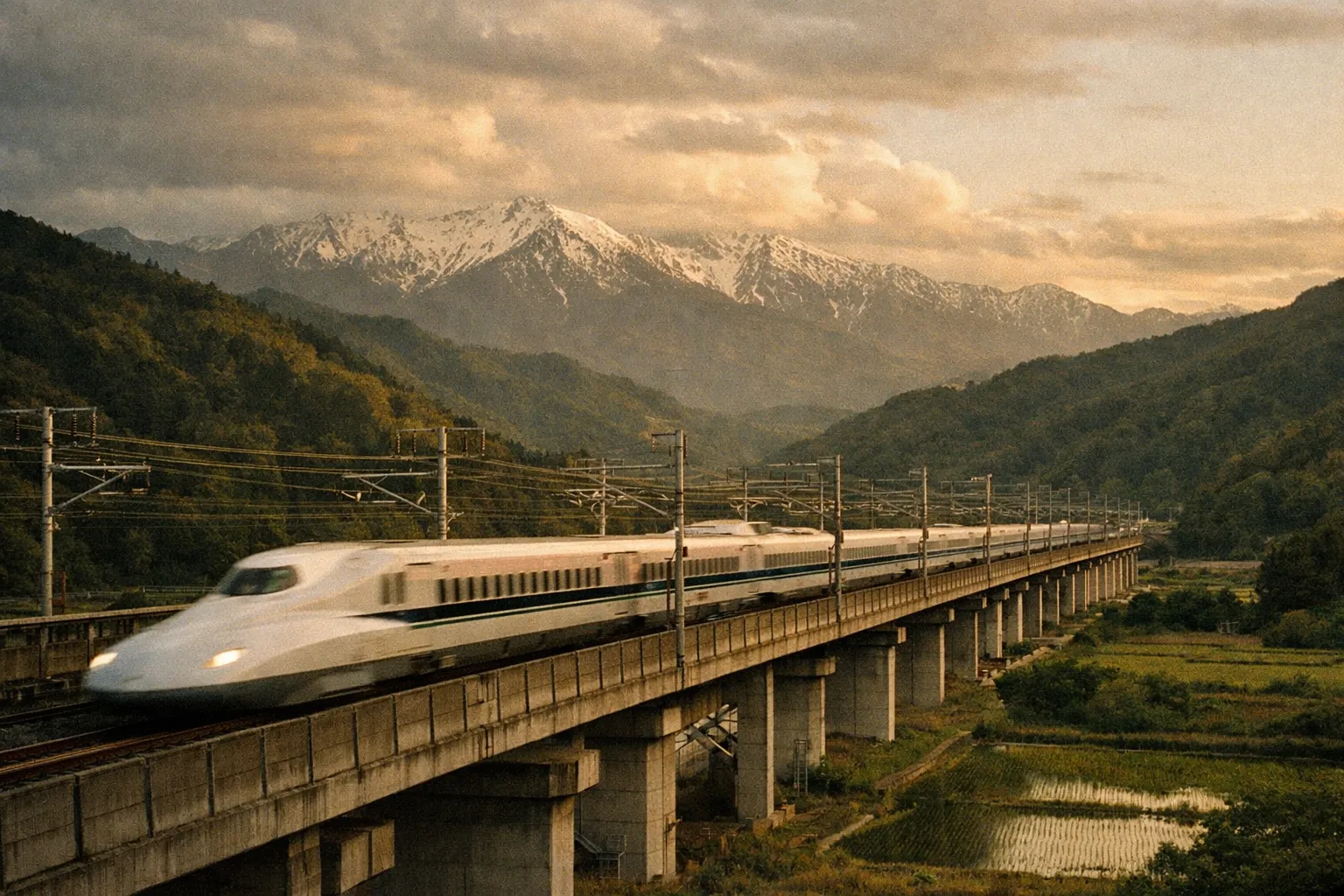
Typical one-way times and fares (unreserved ordinary car, adult, early 2025):
- Tokyo to Kyoto: approximately 2 hr 15 min on the Nozomi; about ¥13,000-¥14,500 ($85-$95).
- Tokyo to Osaka (Shin-Osaka): approximately 2 hr 30 min; around ¥14,000 ($90-$100).
- Tokyo to Hiroshima: approximately 4 hr on the fastest services; ¥18,380 (about $116) unreserved, ¥19,760 (about $125) reserved in normal season.
- Tokyo to Hakone: Shinkansen to Odawara (~35 min), then local transport.
A few things that make the ride better:
- Buy an ekiben at the station before boarding. The regional bentos beat anything sold on the train.
- Book the Mt. Fuji side - seats D and E heading Tokyo to Osaka - for views on clear days.
- Bring a layer. Cabins run cold from the air conditioning.
On the JR Pass: The Japan Rail Pass does not cover the fastest Nozomi and Mizuho services on its own. Since October 2023 you can ride them by adding a supplementary ticket to the pass, sold from one month before travel until the day itself at ticket machines and Midori no Madoguchi windows: ¥4,180 Tokyo to Nagoya, ¥4,960 to Kyoto or Shin-Osaka, ¥6,500 to Hiroshima, the same price whatever the class (9). JR does cap the Green Car and ordinary reserved versions, which can be unavailable even when seats look free; the non-reserved version carries no such cap (9). Hikari and Sakura stay fully covered with no supplement. Prices rose sharply in October 2023, with the 7-day ordinary pass jumping to ¥50,000 (about $315 at August 2026 rates), which pushed the break-even point much higher. From 1 October 2026 that becomes ¥53,000 if you buy through an overseas JR agent, while the official JAPAN RAIL PASS Reservation site is holding at ¥50,000 for now (10). For a Tokyo-Kyoto-Osaka-Hiroshima loop it can still pay off, but run the math against point-to-point tickets first. If you’re focusing on one region, a regional pass (JR East, Kansai-Hiroshima) often beats the national one.
Booking logistics: Reservations open one month before travel at 10 am, via machines, ticket offices, or online. Reserve seats during peak periods - Golden Week (late April to early May), Obon (mid-August), and New Year - or risk standing for hours. Oversized luggage now requires a reservation for the dedicated space behind the rear seats on Tokaido, Sanyo, and Kyushu lines (11). And if you buy through a third-party site (often 10-20% above face value for English-language convenience), pick up your paper tickets before boarding.
Food worth planning your days around
Japan’s food culture is reason enough to visit, and several meals deserve to be itinerary anchors rather than afterthoughts. If you want to explore Japan on a budget, the food scene is one of the easiest places to do it well - from standing sushi bars to convenience store staples.
- Kaiten sushi (conveyor-belt sushi) gives you excellent fish without the omakase price - plates often run ¥120-¥350 ($0.80-$2.30) at chains like Sushiro and Kura.
- A sushi-making class in Tokyo teaches you why the rice matters as much as the fish (expect ¥6,000-¥10,000 / $40-$70).
- A traditional tea ceremony in Kyoto slows everything down to the pace of whisking matcha (powdered green tea).
- Konbini food - the convenience stores (7-Eleven, Lawson, FamilyMart) sell genuinely good onigiri (rice balls), egg sandwiches, and hot meals for a few hundred yen.
Don’t skip the konbini. I know it sounds like a compromise, but a Lawson egg salad sandwich at 7 am before a temple visit is one of the better breakfasts Japan offers at that price point.
The old Tsukiji wholesale market moved its inner market to Toyosu in 2018, but Tsukiji’s outer market still runs as a street-food destination - grilled scallops, tamagoyaki (rolled omelet), tuna bowls. For the Toyosu tuna auction there are two ways in: the second-floor viewing corridor is free and needs no application at all, while the first-floor deck right above the fish is free too but allocated by monthly online lottery (100 places a day, 5:45 to 6:25 am), not first come first served(13).
Tipping note: Don’t tip. It’s not part of the culture and can cause confusion or mild offense. Good service is the baseline, not something you pay extra for.
Is $1,000 enough for 1 week in Japan?
Short answer: it’s tight but possible, and it depends entirely on how much you ride the Shinkansen.
A bare-bones week - excluding international flights - can land around $70-$100 per day ($490-$700) if you use hostels (¥3,000-¥5,000 / $20-$35 a night), eat cheap set meals and konbini food (¥800-¥1,200 / $5-$8 each), and rely on local trains with maybe one or two bullet-train segments.
The problem is the Shinkansen. A Tokyo-Kyoto-Osaka-Hiroshima round trip in point-to-point tickets, or a national rail pass, runs $250-$400 on its own. Add that to a budget week and you’re brushing against $1,000 fast, leaving little room for activities.
A more comfortable midrange budget is $120-$180 per day ($840-$1,260 for seven days), excluding flights. So $1,000 works for a frugal traveler who limits long-distance rail and eats modestly, but it isn’t a relaxed number.
A few ways to stretch it:
- Stay in one or two cities instead of sprinting through five.
- Use IC cards (Suica, PASMO, ICOCA) for local transit and small konbini buys. For a deeper look at getting around efficiently, Pasmo or Suica cards are indispensable tools for seamless travel across Tokyo’s public transit and beyond.
- Carry ¥10,000-¥20,000 cash - Japan is increasingly cashless, but small eateries and shrines often still want yen.
Planning the route
A first trip usually strings these cities together with the Shinkansen as the connective tissue: Tokyo to Hakone to Kyoto to Osaka, adding Hiroshima if you have 10 to 14 days. Resist cramming all five into a week - you’ll spend more time on trains than at the places you came for, and temples often close their main halls by 5 pm, so packed days hit a wall early.
If you’re weighing whether to go independent or join a group, a 10 day Japan itinerary covering Tokyo, Kyoto, Osaka, and onsen helps you understand where the costs and conveniences actually land. Book your teamLab tickets and ryokan before you arrive, and enter the Toyosu lottery a month ahead if you want the tuna-auction deck. Reserve Shinkansen seats during the holiday peaks. Check Miyajima’s tide tables before you commit to a day. Get those four things right and the rest of the trip mostly takes care of itself.
Frequently Asked Questions
- What is the 80% rule in Japan?
- It's *hara hachi bu* - the Okinawan principle of eating until you're about 80% full rather than stuffed. It's a health and longevity habit, not an etiquette rule you'll be judged on, but it's genuinely useful advice when you're eating several rich meals a day on a trip. Some trip planners also use "80% capacity" as an informal comfort threshold for crowded trains, but that's a planning idea, not a real rule.
- What is the 3-1-1 rule in Japan?
- The 3-1-1 rule isn't Japanese - it's the US TSA standard for carry-on liquids: containers of 3.4 oz (100 ml) or less, all fitting in one quart-size bag, one bag per passenger. Japanese airports follow the same international 100 ml / 1-liter-bag guideline, so pack the same way for any flight to or from Japan.
- Are tattoos a problem at all onsen in Japan?
- Tattoos can be an issue at some traditional onsen due to cultural associations, but many places now allow tattooed guests, especially private or reservation-only baths. It's best to check ahead or seek out tattoo-friendly or kashikiri (private) options to avoid surprises.
- When is the best time to visit Miyajima Island for the floating torii gate?
- The iconic floating effect of Itsukushima Shrine's torii gate requires high tide. Check tide tables before your visit to time it right. At low tide, you can walk out to the gate, but it won't appear to float.
- Can I use the Japan Rail Pass on all Shinkansen trains?
- Not on its own. Hikari and Sakura are fully covered and add 20-30 minutes to most legs. Since October 2023 you can also ride Nozomi and Mizuho by adding a supplementary ticket to the pass, one per journey (¥4,960 Tokyo to Kyoto or Shin-Osaka, ¥6,500 to Hiroshima), on sale from a month ahead until the day of travel; the reserved-seat version is capped in number, the non-reserved one is not (9). Regional passes (JR East, Kansai-Hiroshima) often beat the national pass if you're staying in one corridor.