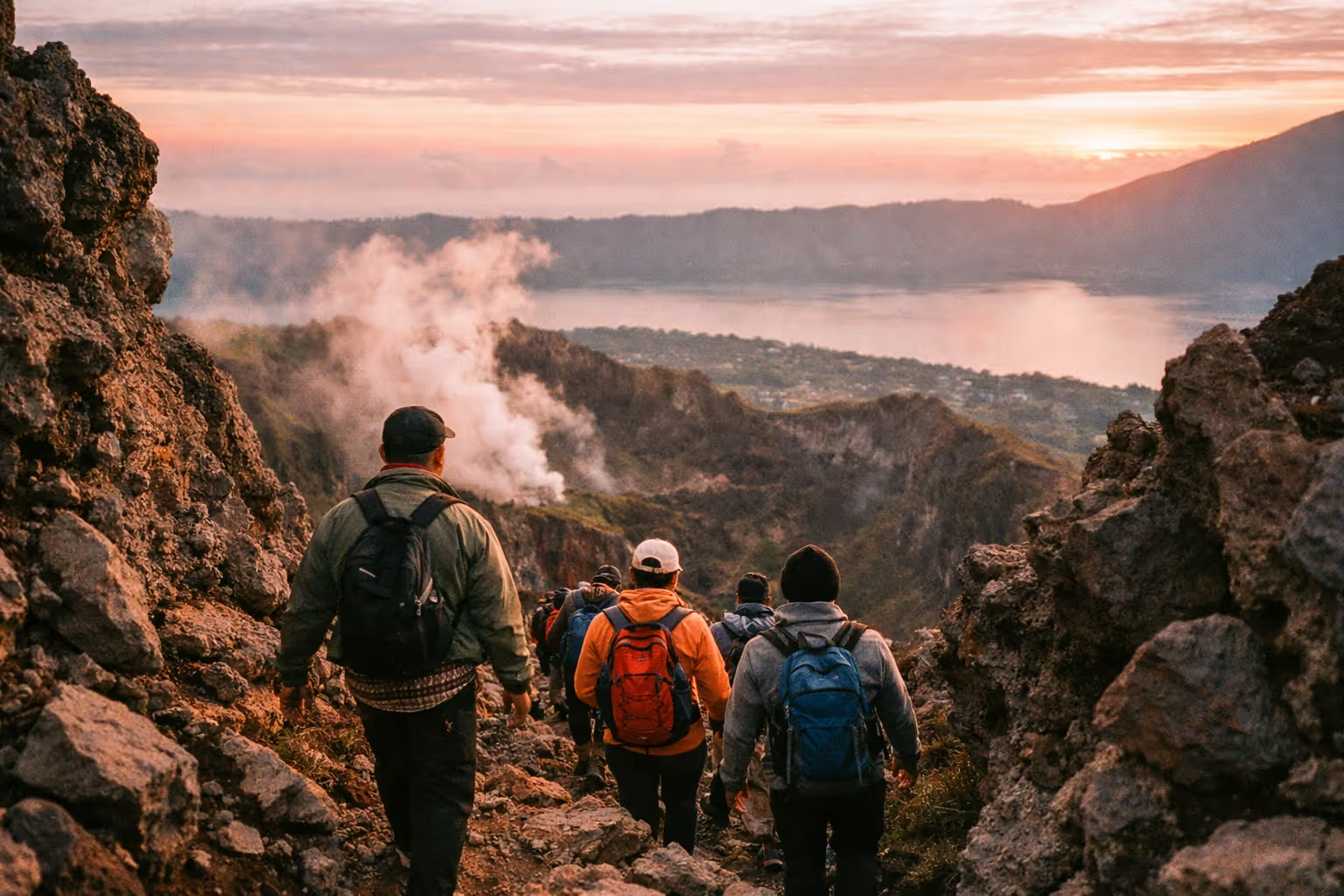
The best things to do in Bali sort by region, and the fastest way to ruin a trip is crisscrossing the island in a day. A 25-kilometer hop can eat two hours, so pick bases by mood: Ubud for rice terraces, Uluwatu for the Kecak fire dance, Nusa Dua or Canggu for calm swimming versus beginner surf. The signature outing is the Mount Batur sunrise hike, a 2:30 a.m. pickup for a cold, cloud-sea summit. Hire a driver for about $50 a day and skip the crawl.
Expert-led adventures and the best things to do in Bali
One of my most memorable mornings among the many things to do in Bali was the Mount Batur sunrise hike. Pickup at 2:30 am, headlamps cutting through the dark, the lights of Kintamani villages blinking far below. The climb is moderately hard - not technical, but relentless - and the payoff at the top is real: a sea of clouds, Mount Agung’s silhouette in the distance, and the specific quiet that comes from being above everything before the day starts.
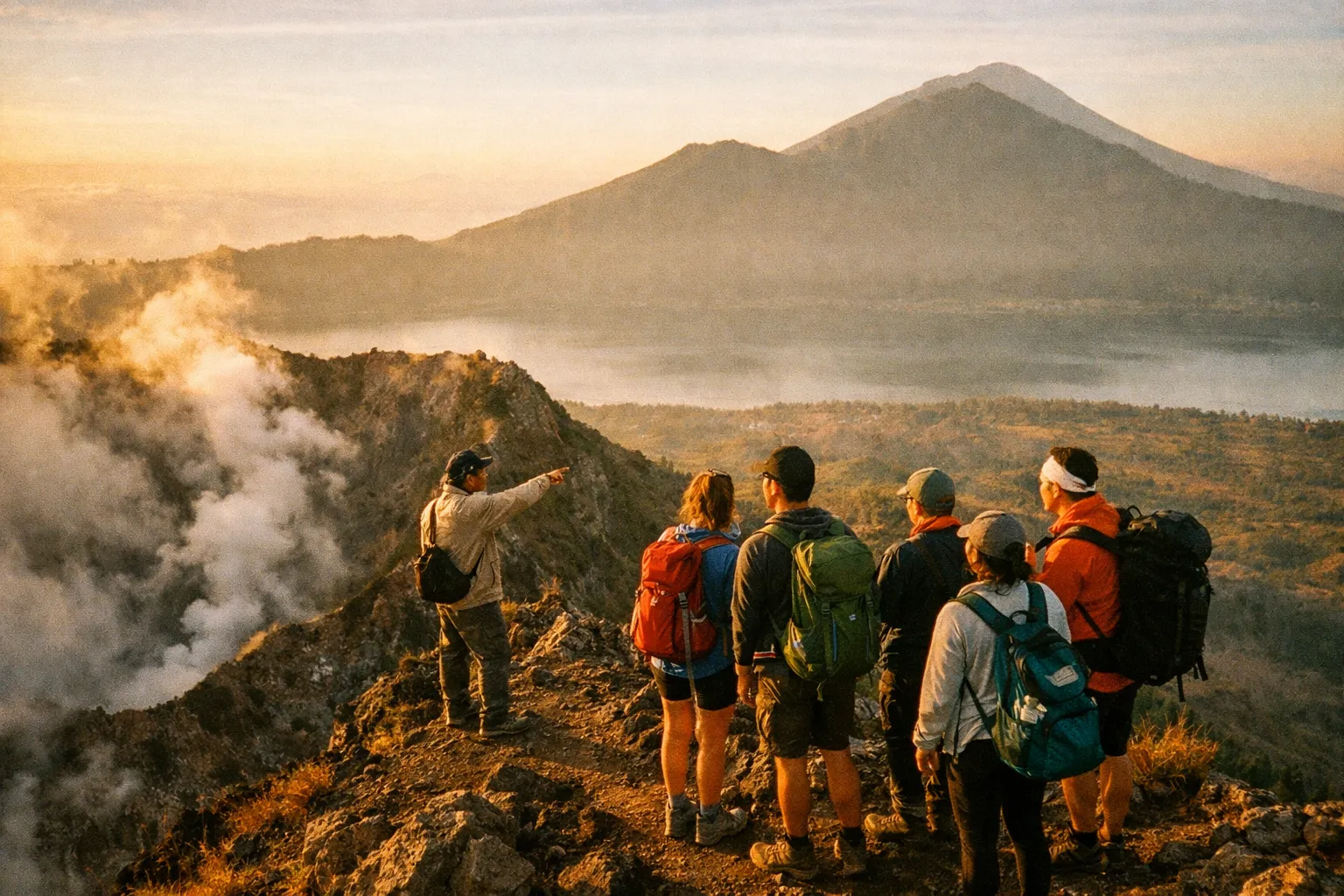
The logistics matter before you commit. Pickup runs around 2:00-3:00 am, the ascent takes 1.5-2 hours over roughly 700 m of elevation gain, and the full door-to-door tour runs about 8 hours. Summit temperatures at sunrise sit around 10-15°C, which catches people off guard on a tropical island. Bring a light fleece or down layer, closed shoes, a headlamp, and small bills - around 50,000 IDR (about $3-5 USD) - for hot drinks at the summit stalls.
Pricing has shifted upward. Group tours commonly start around $40-45 USD per person including pickup - roughly double what the same tour cost in 2019, according to operator listings tracked by Viator and GetYourGuide. Private sunrise hikes with breakfast run about $100 USD per person (2), and some small-group operators now charge $119+ USD with add-ons like a hot springs soak or coffee plantation stop. If you want the hot springs, budget an extra $10-20 on top.
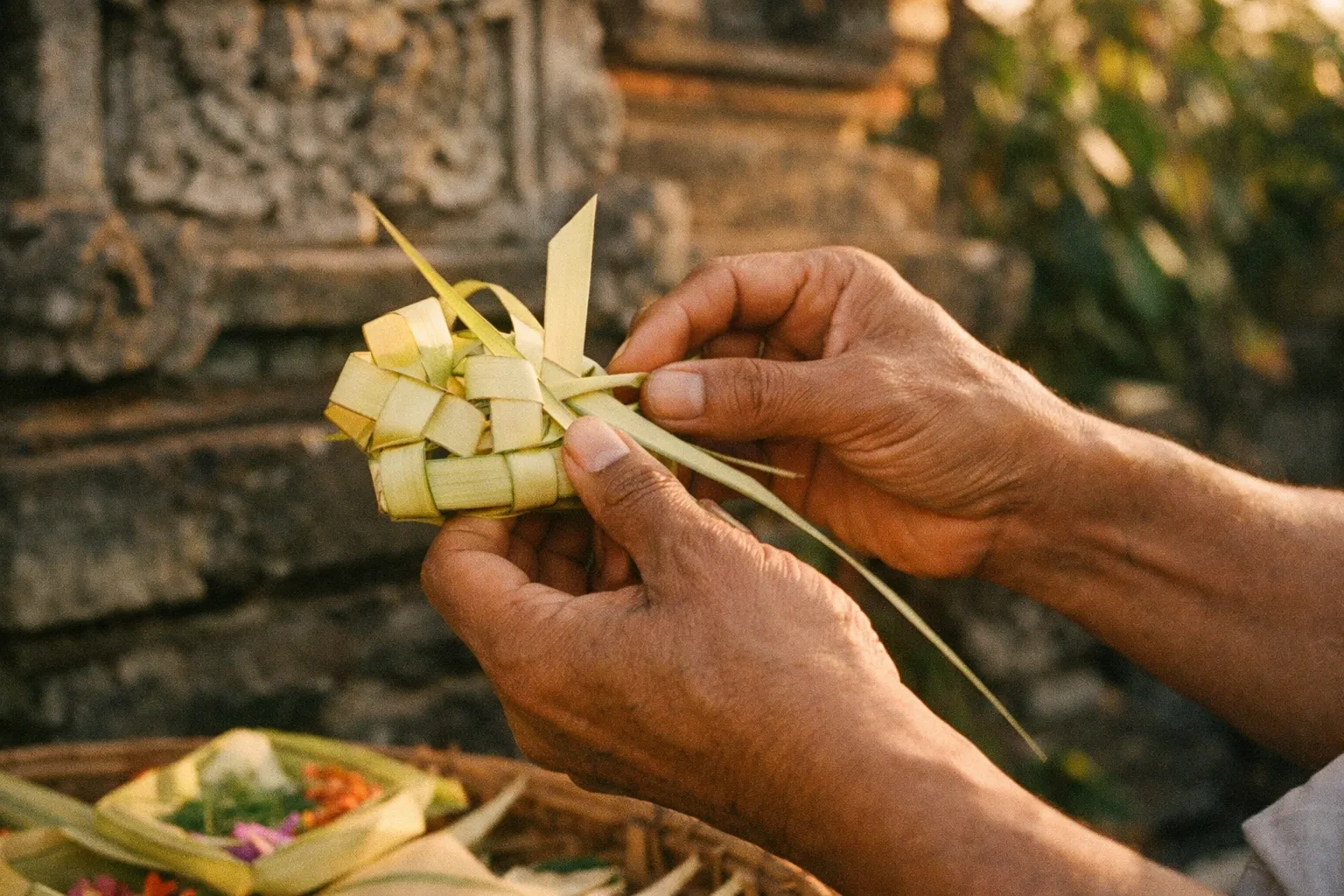
Beyond the hike, the cultural side of Bali is worth just as much of your time. On a longer stay, I spent a morning at a temple ceremony in a village near Ubud - not a staged visit, just a driver who knew the timing and asked if we could watch from the edge. Understanding the Canang Sari - the daily palm-leaf offerings you’ll see on doorsteps and shrines everywhere - and watching a traditional dance performance in context rather than at a tourist venue changes how you read the whole island.
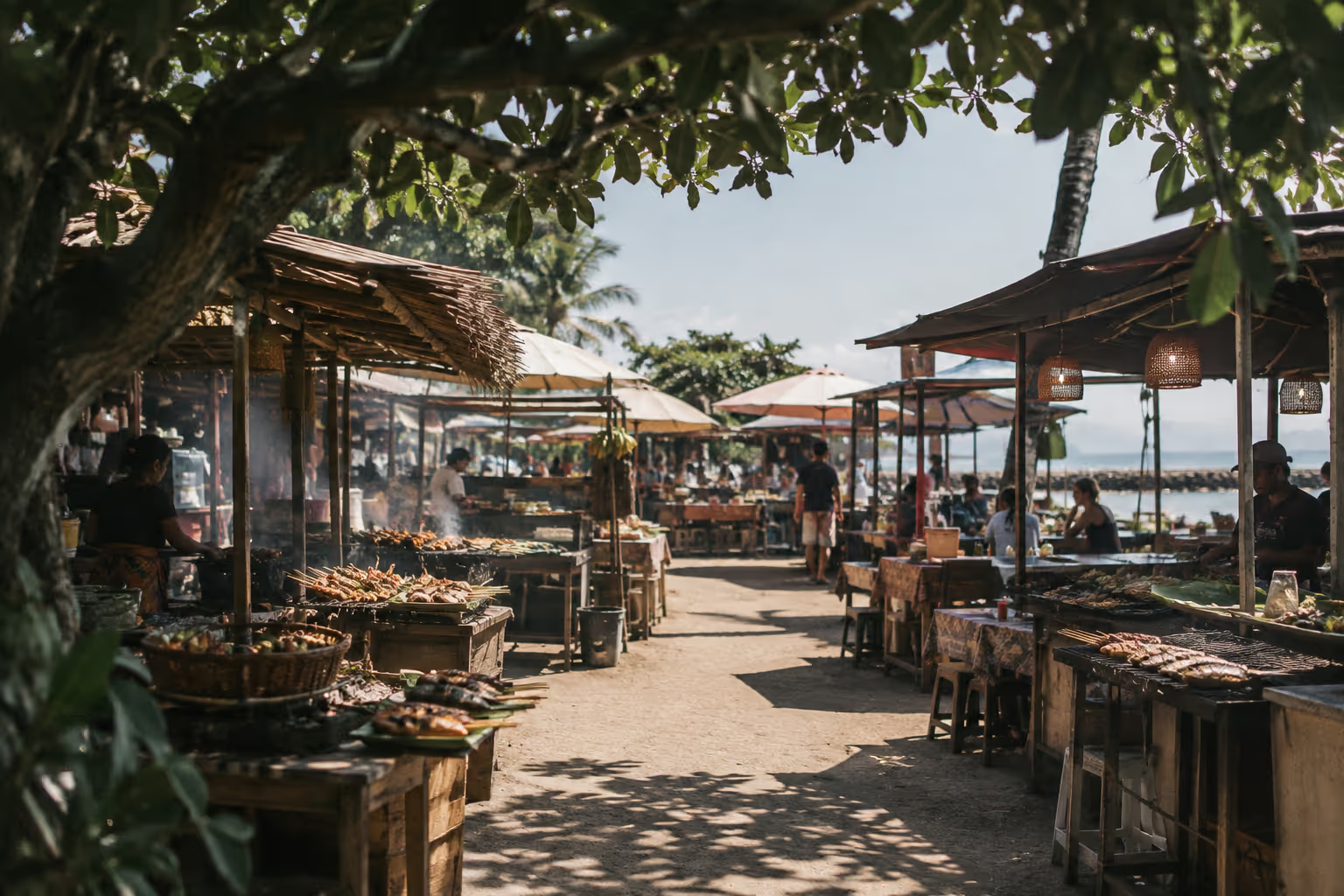
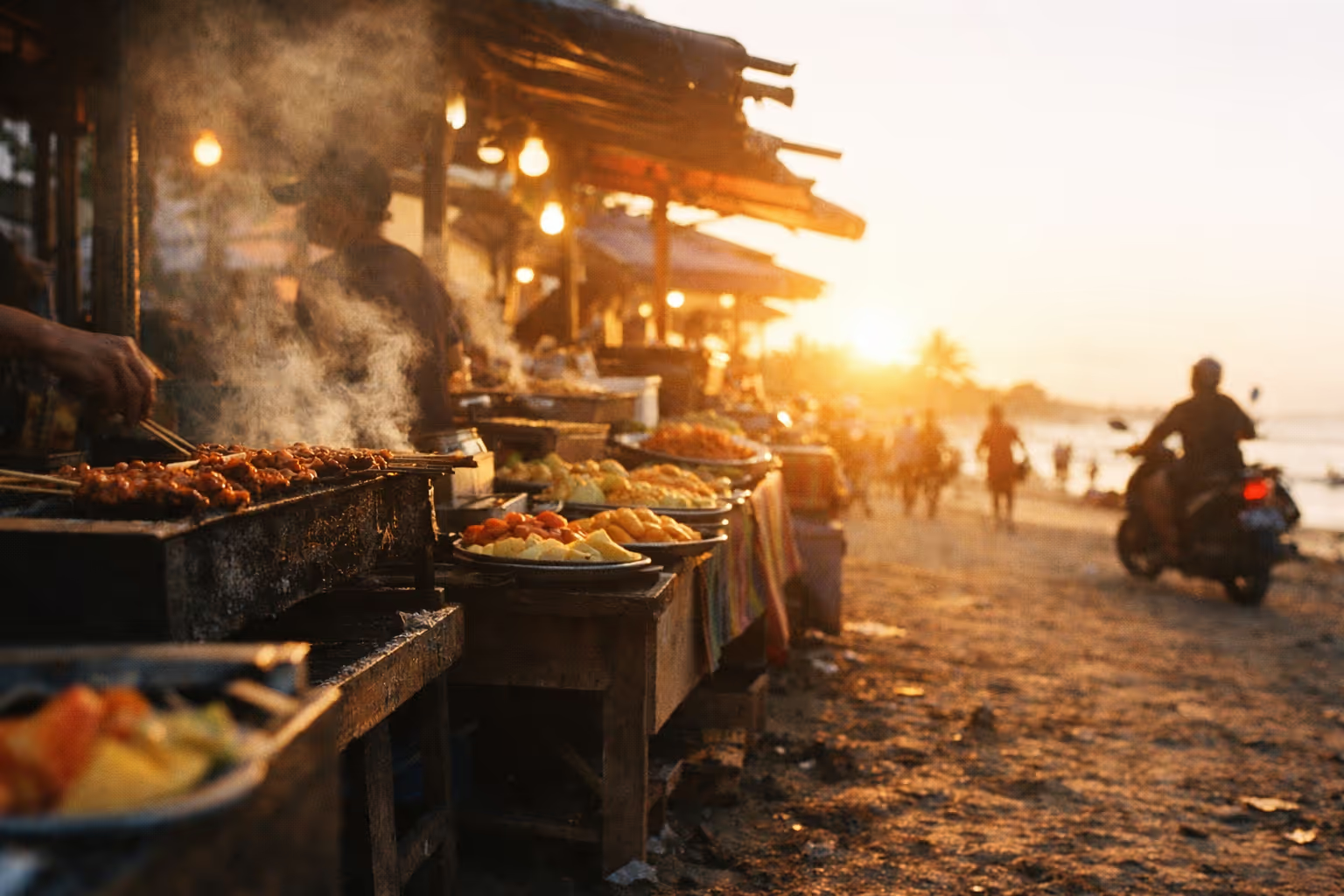
Hiring a private driver for a day is genuinely useful here. Expect to pay $40-60 USD per day for a car with driver, depending on route and hours. My driver on one trip had an instinct for which roads to avoid and which roadside warungs (small family-run eateries) were worth stopping at - the kind of knowledge that doesn’t come from an app.
One scheduling reality that derails first-timers: a 25-40 km drive can take 1.5-2 hours in traffic, especially around Ubud, Canggu, and Seminyak. Don’t stack four regions into one day. You’ll miss the sunset you drove three hours to catch.
The top 10 highlights to experience on the island
Most “best of” lists bury the essentials in a 28-item scroll. Here’s a ranked top 10 that balances adventure and culture, weighted toward what actually rewards the effort (1)(8):
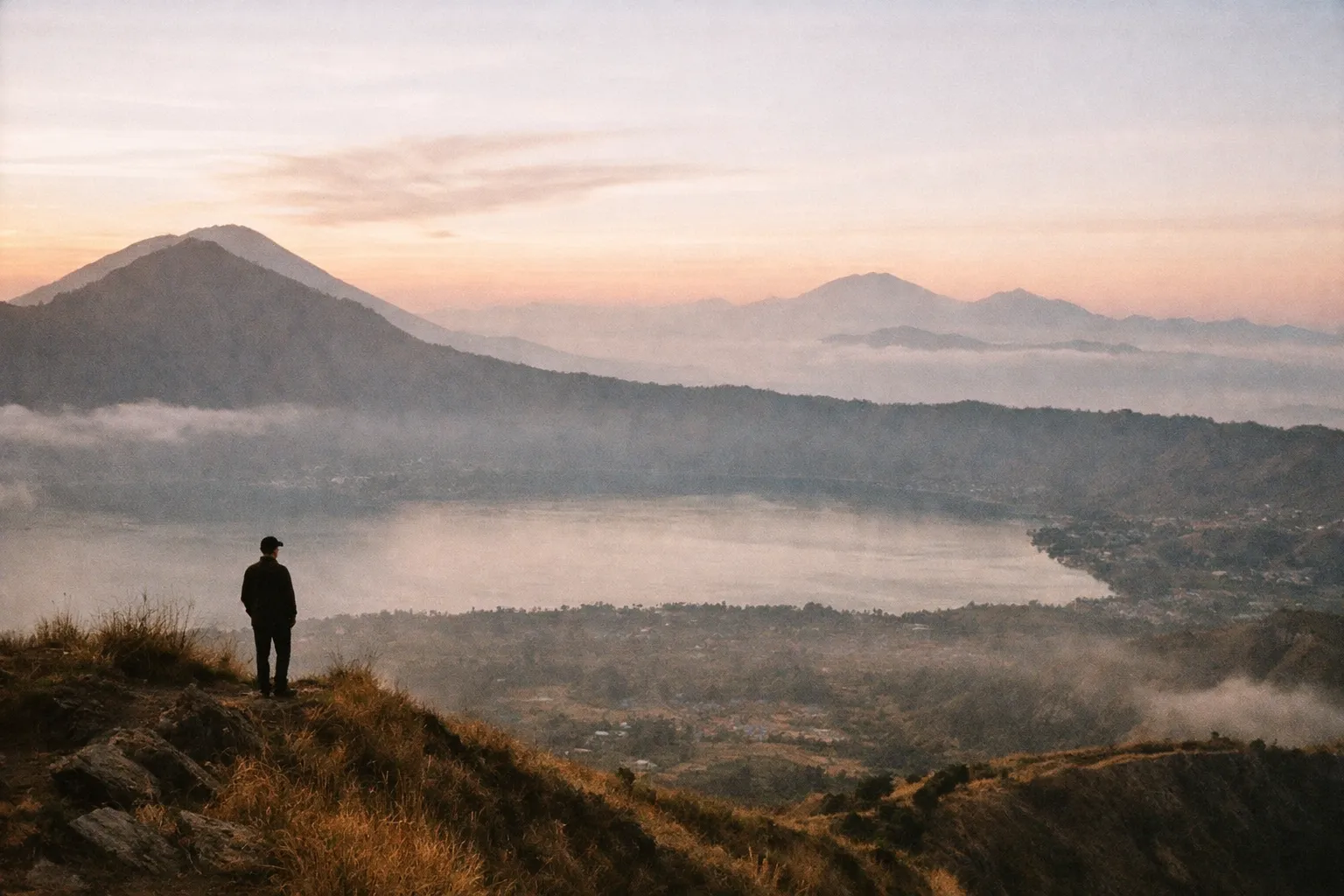
- Mount Batur sunrise hike (Kintamani) - the island’s signature adventure, above the clouds by 6 am.
- Uluwatu Temple & Kecak fire dance - clifftop Hindu temple with a sunset performance; tickets run about $5-15 USD.
- Nusa Penida day trip - manta rays, Kelingking Beach, and dramatic cliffs a boat ride off the southeast coast.
- Tegalalang rice terraces (Ubud) - go before 9:00 am to beat the crowds and the heat.
- Waterfall day - pair Tukad Cepung (light beams through a canyon) with Tibumana or Tegenungan.
- Balinese massage - a frangipani-oil massage runs $15-40 USD depending on where you go.
- Sacred Monkey Forest & Ubud Art Market - temple ruins, a forest sanctuary, and bargaining for textiles in one walk.
- Snorkeling or diving around Nusa Penida or Tulamben’s WWII wreck.
- Balinese cooking class - 3-4 hours, $25-40 USD, market visit usually included.
- Beach club sunset in Seminyak or Canggu - for the day you don’t want to move.
If you only have seven days, treat this as a shortlist rather than a checklist. Pick six, leave room to breathe.
Photography workshops in Bali’s scenic landscapes
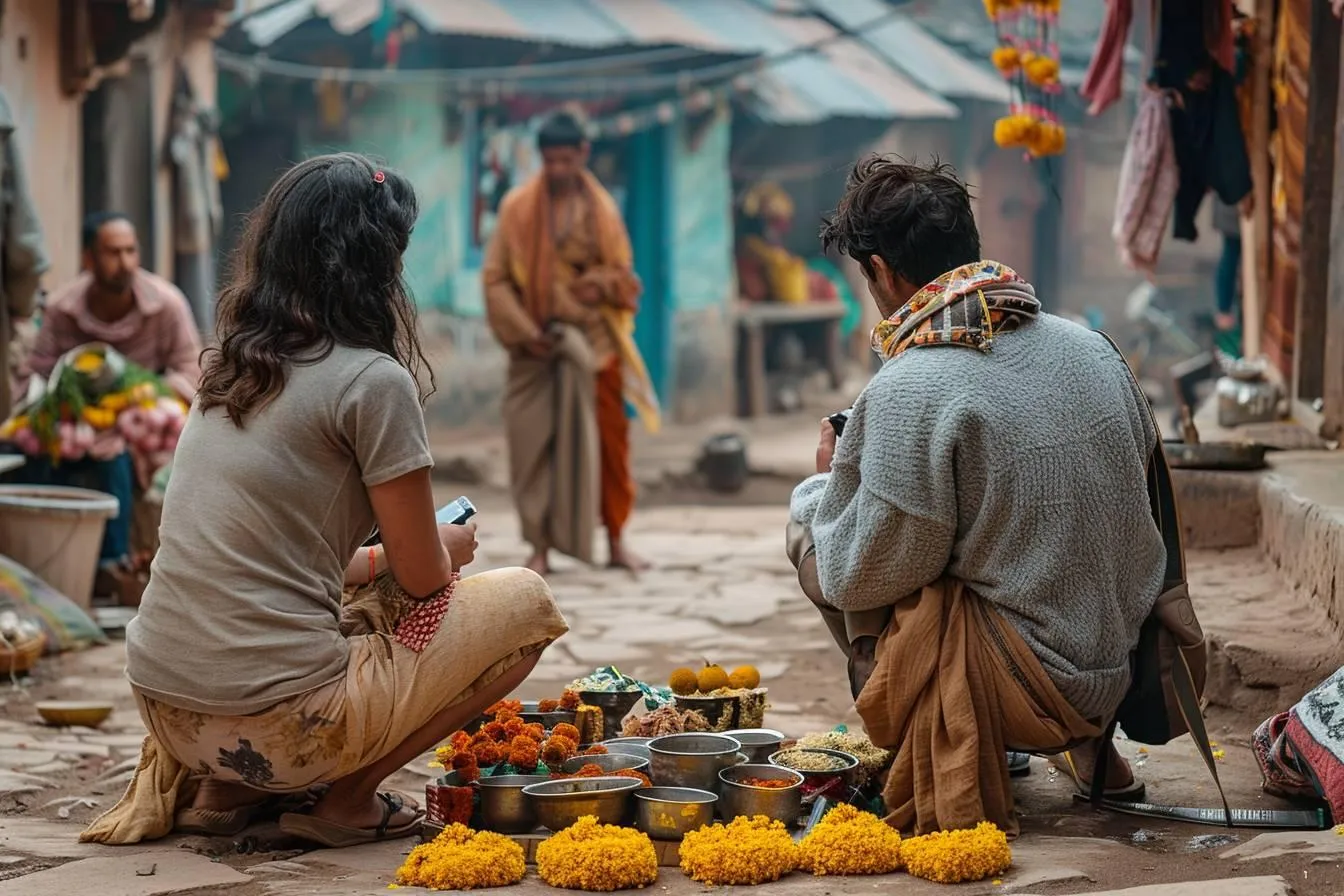
Bali’s terrain is genuinely varied enough to make photography interesting beyond the obvious postcard shots - misty rice terraces around Tegalalang, the hard limestone coastline at Uluwatu, the volcanic ridgeline above Kintamani. I joined a photography workshop during one trip, partly out of curiosity, and found the structure useful in ways I didn’t expect.
The workshop was built around light, which in Bali means chasing the golden hours hard. Sunrise over the terraces and sunset from the clifftops are the obvious targets, but the guides pushed us toward less obvious angles - the way morning fog sits in the valley below Ubud, the backlit silhouettes at Uluwatu during the Kecak fire dance. Technical instruction was there if you wanted it (shutter speeds, aperture for low light), but the more useful lessons were about positioning and timing.
The ethical dimension came up too, and it’s worth taking seriously. Photographing temple ceremonies or local communities requires a different approach than landscape work - asking permission, stepping back when you’re not sure, not pushing into a space because the shot looks good. Bali’s ceremonies are not performances for tourists, and the line between respectful observer and intrusive photographer is easy to cross without realizing it.
Etiquette note: At temples across Bali, you need a sarong (a length of fabric worn around the waist) and covered shoulders to enter. Never climb on shrines or position yourself above a praying worshipper for a shot. Sarong rental is available at most temple entrances for $1-5 USD - bring your own and you’ll stop paying that fee repeatedly.
Adventures on land and sea
Bali extends well beyond its southern beaches. For diving, Nusa Penida is the headline - manta rays, coral walls, and if the season is right, the Mola-mola (oceanic sunfish). I’ve dived a lot of sites across Southeast Asia, and Nusa Penida holds up. The currents can be strong, so it’s not the place to do your first ocean dive, but for anyone with experience it’s worth prioritizing.
Tulamben on the northeast coast is the other standout. The USAT Liberty - a WWII cargo ship - sits in shallow water right off the beach, accessible to snorkelers and divers alike. It’s one of the more accessible wreck dives anywhere, and the marine life that’s colonized the hull over the decades makes it genuinely interesting rather than just historically notable.
Canyoning in North Bali is a different kind of day - rappelling down waterfalls, jumping into clear pools, scrambling over wet rock. It’s physical and unpredictable in the way that makes it fun. Whitewater rafting on the Ayung or Telaga Waja rivers is the more accessible version - the Ayung runs about 9 km and takes roughly 2 hours on the water, compared to the Telaga Waja’s shorter but faster 7 km stretch - and ATV-plus-rafting combos are often bundled for 10-25% savings versus booking separately (6).
Unique Experiences in Bali
| Mount Batur sunrise hike | Cultural tours | Private driver day | Photography workshops | Scuba diving | Canyoning | Cooking class | Kecak dance | |
|---|---|---|---|---|---|---|---|---|
| Location | Kintamani | Island-wide | Island-wide | Ubud, Uluwatu | Nusa Penida, Tulamben | North Bali | Ubud | Uluwatu |
| Description | Guided trek to catch sunrise atop an active volcano | Temples, dance, markets with a local guide | Customized route to beaches, waterfalls, villages | Landscape and cultural photography sessions | Manta rays, coral, WWII wreck | Rappelling and jumps through gorges | Market visit + 3-4 hour class | Sunset fire dance at the clifftop temple |
| Typical Price (USD, Feb 2025) | $40-119 | Varies | $40-60/day | Varies | $50-120 | $80-120 | $25-40 | $5-15 |
Exploring Ubud’s cultural and natural highlights
Ubud is worth 3-5 nights on its own - it’s Bali’s cultural and wellness center, and it doesn’t compress well into a day trip (1)(8). The Tegalalang rice terraces are the postcard image everyone comes for. Go before 9:00 am, both for the quality of light and to avoid the tour-bus crowd that fills the terraces by mid-morning. The Sacred Monkey Forest, Ubud Palace, and the Ubud Art Market cluster within walking distance of each other in the center, so a culture-heavy morning on foot is easy to put together before traffic builds.
Ubud is also the base for waterfall days. Tegenungan is the easiest - paved access, well-signed, busy. Tibumana and Tukad Cepung reward a short trek with noticeably fewer people; Tukad Cepung in particular has a canyon setting where light filters through a narrow opening above the falls, which is genuinely striking rather than just photogenic. Yoga studios and Balinese cooking classes ($25-40 USD, market visit included) are everywhere here, and a frangipani-oil massage runs $15-40 USD. For the things to do in Ubud crowd looking for something less standard, the koi-fish boat lunches and the Lahangan Sweet viewpoint out toward East Bali are worth knowing about (4).
Highlights and experiences around Uluwatu Bali
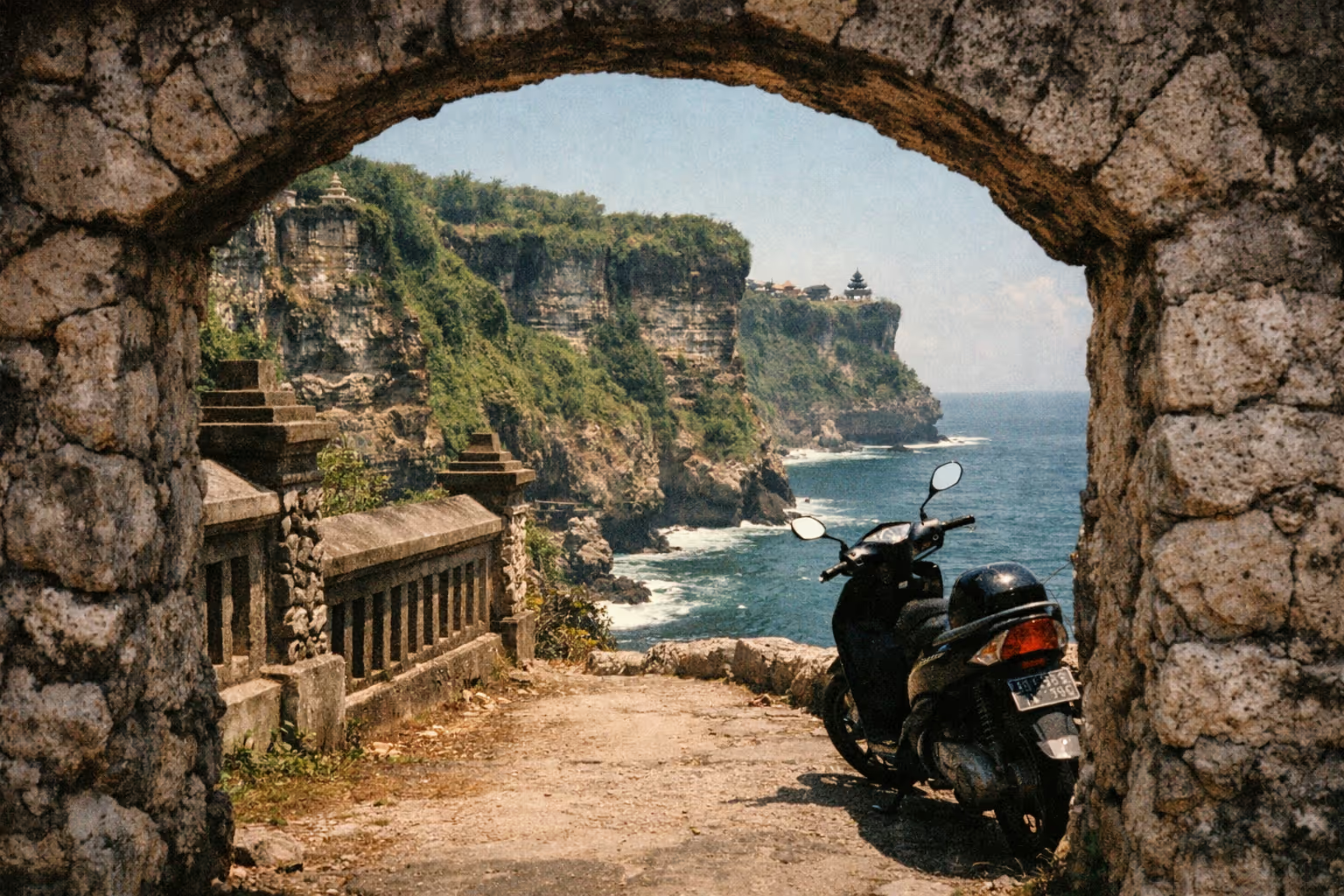
Uluwatu sits on the southern Bukit Peninsula - limestone cliffs, serious surf, and a different energy from the rice-terrace north. Plan 2-4 nights here (1)(8). The headline among things to do in Uluwatu Bali is Uluwatu Temple at sunset, paired with the Kecak fire dance - a chanting, fire-lit performance where dozens of men in black-and-white checked cloth create the sound and movement of the whole story without instruments. It earns the hype. Book seats 1-2 days ahead in high season; it sells out. Tickets are around $5-15 USD.
The beaches are dramatic and reached by clifftop stairs: Padang Padang (small, scenic, made famous by Eat Pray Love) and Bingin (a longer descent to quieter sands). Bingin’s cliffside bars, restaurants and surf businesses were demolished in July 2025 and the cliff is being rebuilt, so bring your own food and water; our Uluwatu guide has the details. The surf at Uluwatu and Padang Padang proper is advanced - beginners should learn elsewhere. Clifftop sunset bars round out the evening; Single Fin on a Sunday is the social anchor of the whole peninsula.
One practical warning: the monkeys at Uluwatu Temple are notorious for snatching sunglasses, phones, and hats. Keep loose items zipped away before you enter the complex.
Family-friendly and watersport activities in Nusa Dua Bali
Nusa Dua is the resort enclave - manicured, calm-water, family-friendly. It’s the opposite of Canggu’s scrappiness, and that’s the point. Budget 2-3 nights. The main free attraction among things to do in Nusa Dua Bali is the Waterblow, where waves funnel into a rock channel and erupt skyward; it’s best on a windy, high-tide day when the spray gets genuinely dramatic.
Watersports are the other draw: jet skis, parasailing, banana boats, and glass-bottom boat tours all operate from the beachfront. The swimming here is the safest on the island for kids, with reef-protected, gentle water. Resort spas run packages from $15-40 USD per massage upward. If you want a day where everything is within a short walk and you don’t have to think about traffic, Nusa Dua delivers that better than anywhere else on Bali.
Seminyak and Canggu: contrasting coastal vibes and activities
These two coastal neighborhoods on the southwest coast share a general vibe - cafes, beach clubs, sunset bars - but split along an energy and age line. Both reward 3-5 nights.
Among things to do in Seminyak Bali: Petitenget Temple, sunset at Double Six Beach, boutique shopping along Jalan Kayu Aya (known locally as Eat Street), and spa days. Seminyak skews polished - better restaurants, higher-end beach clubs, a calmer crowd than its neighbor to the north.
The things to do in Canggu Bali lean younger and surfier. Batu Bolong and Echo Beach are where you take a beginner surf lesson; the cafe-hopping around Jalan Pantai Batu Bolong and Jalan Pererenan is the densest concentration of brunch spots and coworking spaces on the island, which is why digital nomads cluster here. Sunset at a beach bar like The Lawn or Old Man’s is the daily ritual. One caution worth flagging: Canggu’s traffic has gotten genuinely bad through 2024-2025, so factor extra time for any drive in or out. It’s not a quick detour from anywhere.
Unique experiences and lesser-known activities in Bali
If you’ve done the temple-and-beach circuit and want something different, the unique things to do in Bali market has expanded fast, partly driven by photo-spot demand (4). A few worth the detour:
- Lempuyang Temple’s “Gates of Heaven” - the framed Mount Agung shot, though be warned the mirror reflection is a phone trick, not a real pool, and the queue can run hours.
- Lahangan Sweet viewpoint - a quieter East Bali ridge with cliff swings and Agung views.
- Koi-fish boat lunches - floating breakfast and lunch setups, gimmicky but genuinely fun (4).
- Coffee plantation tastings in the Kintamani highlands, including the famous (and ethically debated) civet coffee.
- North and East Bali generally - with Ubud, Canggu, and Seminyak increasingly congested, these regions offer multi-waterfall treks and emptier roads.
The pattern is clear: as the south crowds up, the genuinely distinctive experiences are migrating north and east. Visitor numbers in Ubud’s core have grown roughly 30% since 2019, per Bali Tourism Board figures, while North and East Bali remain a fraction of that footfall. If your itinerary has any flex, spend a day or two outside the southern triangle.
How to plan your days: a balanced 7-day approach
For a week that mixes Mount Batur adventure with cultural depth, a realistic flow looks like this: 3 nights in Ubud (rice terraces, a cooking class, a waterfall day, Mount Batur sunrise), 2 nights in Uluwatu (temple sunset, Kecak, beach time), and 2 nights in Nusa Dua or Seminyak to wind down. Build in at least 1-2 pure pool-or-beach days - packing every day with a tour is the fastest route to burnout, and the driving distances make over-scheduling a real trap.
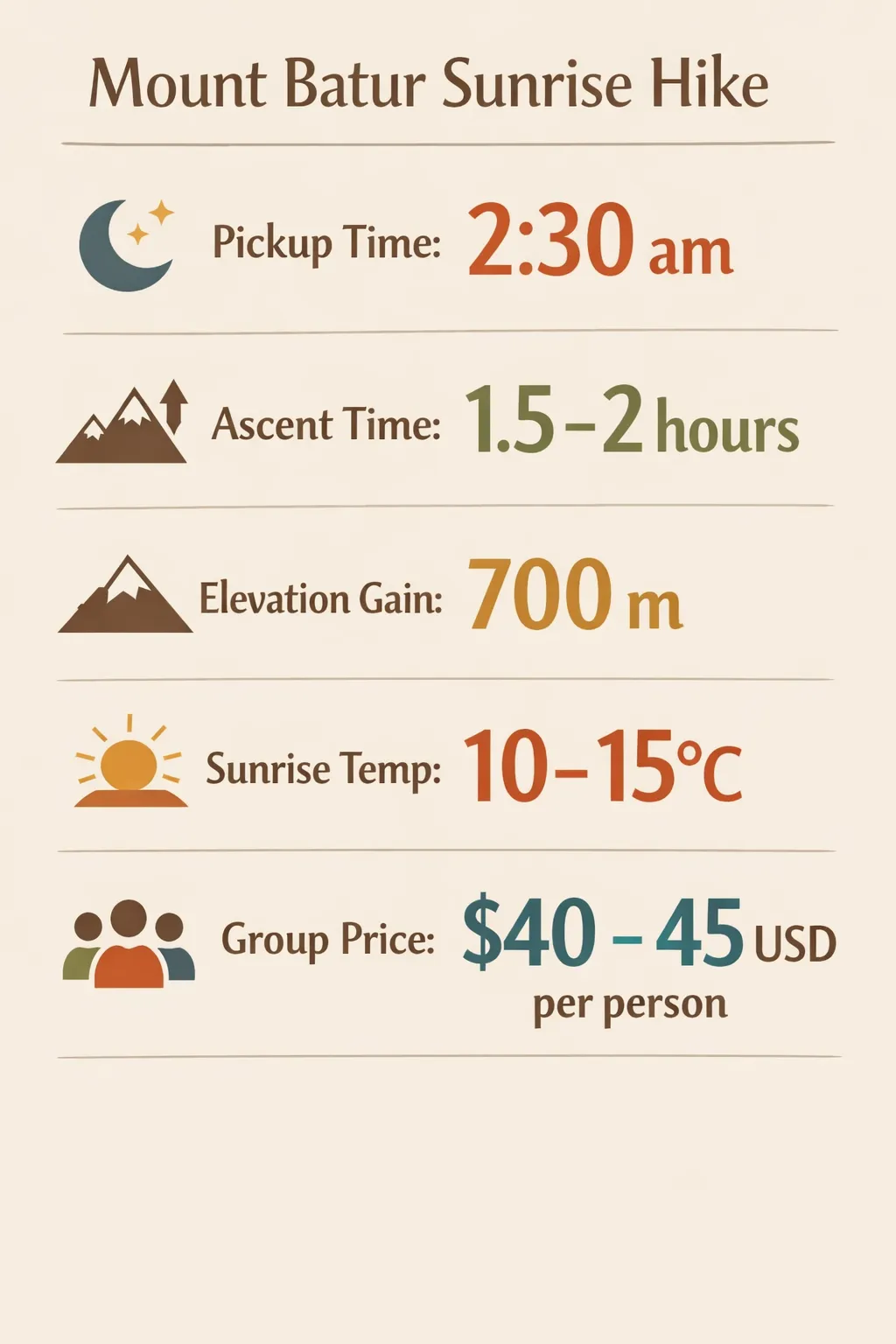 Mount Batur sunrise hike details: pickup at 2:30 am, ascent 1.5-2 hours, elevation gain 700 m, summit temperatures 10-15°C, group price $40-45 USD per person.
Dry season (roughly May-September) is best for Batur hikes and Nusa Penida boat trips. The rainy months bring muddy trails and rough-sea cancellations, which can derail a tightly planned itinerary fast.
Frequently Asked Questions
- Can I do the Mount Batur hike without a guide?
- While some experienced hikers attempt Mount Batur independently, most visitors book guided tours for safety, navigation, and early-morning logistics. Guides also provide local insights and handle permits.
- Are there dress codes for visiting temples in Bali?
- Yes, temples require visitors to wear a sarong and cover their shoulders. Sarongs can be rented at entrances for $1-5 USD, but bringing your own saves repeated rental fees.
- Is it safe to rent scooters in Bali for tourists?
- Scooter rental is common but comes with risks. You must have a valid motorbike license and always wear a helmet. Many insurance policies exclude coverage if you ride without proper licensing.
- How early should I book popular activities like the Kecak dance or Nusa Penida trips?
- During dry season (May-September), book marquee activities at least 1-2 weeks in advance to secure spots, as they often sell out, especially Uluwatu Kecak dance and Nusa Penida boat trips.
- What is the best way to avoid traffic delays when traveling between Bali regions?
- Avoid trying to cover multiple regions in one day. Plan fewer destinations per day, start early, and hire drivers familiar with local traffic patterns to optimize routes.
- Are photography workshops suitable for beginners?
- Yes, many workshops cater to all skill levels, focusing on composition, timing, and ethical considerations rather than just technical camera settings.
- What should I budget for meals and activities daily in Bali?
- A mid-range traveler can expect to spend $25-40 USD per day on food and $30-50 USD on activities and transport, but costs vary widely depending on choices.
Before you go
Sort your visa first. Most visitors use a Visa on Arrival (about $35 USD) valid 30 days, but the rules have changed several times since 2022, so confirm the current version for your nationality before you fly. Carry $20-40 USD equivalent in cash per day - many warungs and small tour operators still prefer rupiah over cards. Get travel insurance that covers scooter use, trekking, and watersports. And if you rent a scooter, ride only with a valid motorbike license and a helmet, or you risk both an accident and an insurance exclusion.
The island rewards a light itinerary more than a packed one. Pick your handful of standout experiences, leave the driving margins generous, and give yourself a beach day in the middle. That’s the difference between seeing Bali and rushing past it.