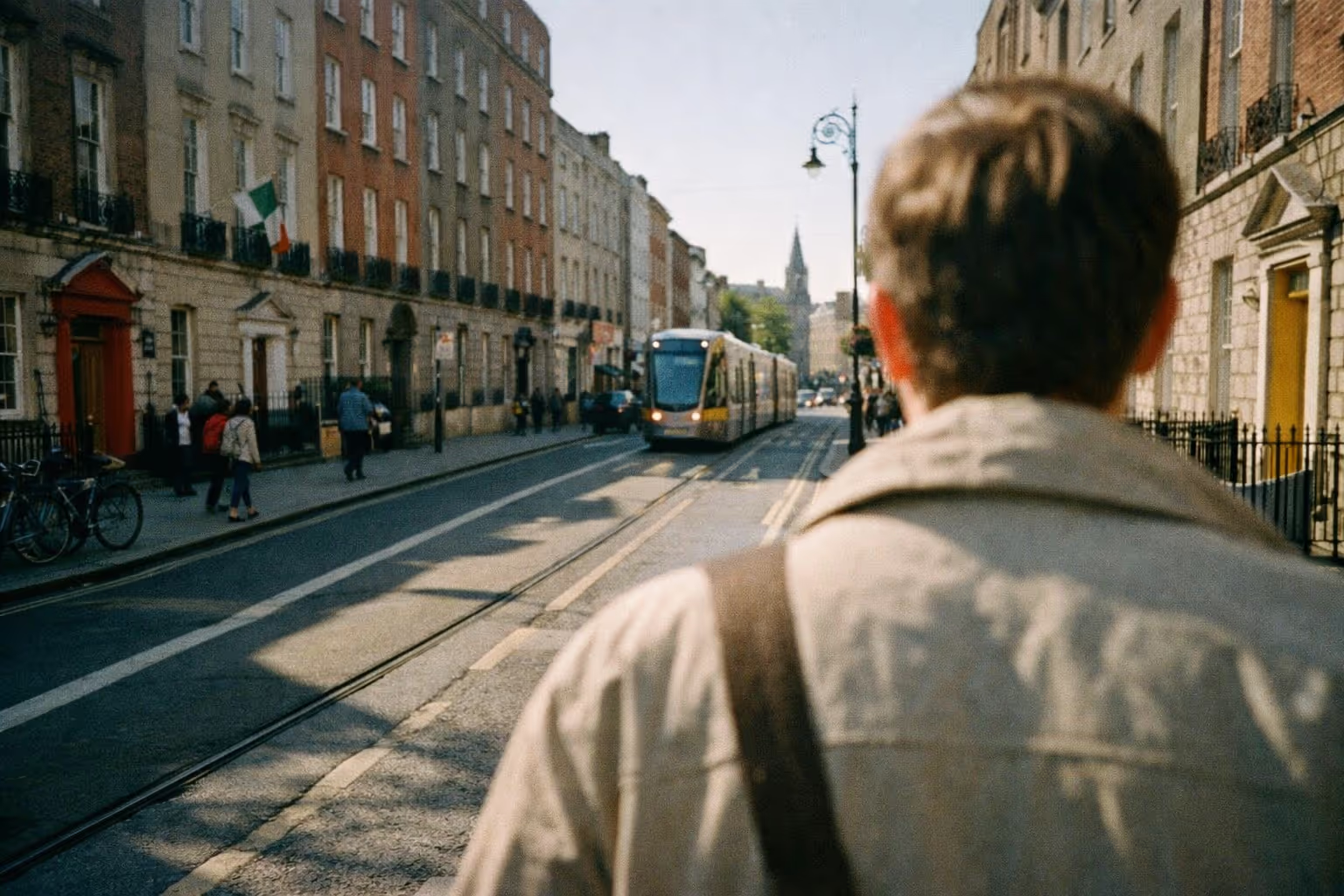
Things to do in Dublin, Ireland split neatly into the ones worth paying for and the many that are quietly free, and most visitors get the ratio backwards. At least 25 experiences cost nothing in 2026, from the National Museum to the wild deer in Phoenix Park, while the Guinness Storehouse, the city’s most-booked paid attraction, runs 22 to 30 euros. Even your pints are cheaper a few streets outside Temple Bar. Three days covers the essentials plus a coastal escape to Howth without overpaying.
The Best Things to Do in Dublin, Ireland: History, Literature, and Pub Culture
When planning your trip, the best things to do in Dublin Ireland offer a rich blend of history, literature, and vibrant pub culture. Dublin’s story started with Vikings settling along the River Liffey, and the city has been layered over ever since - medieval castles, Georgian squares, British colonial architecture, and now a tech-sector boom that’s reshaped the docklands. UNESCO designated it a City of Literature, which makes sense when you walk past the buildings associated with James Joyce, Oscar Wilde, and Samuel Beckett within a few blocks of each other.
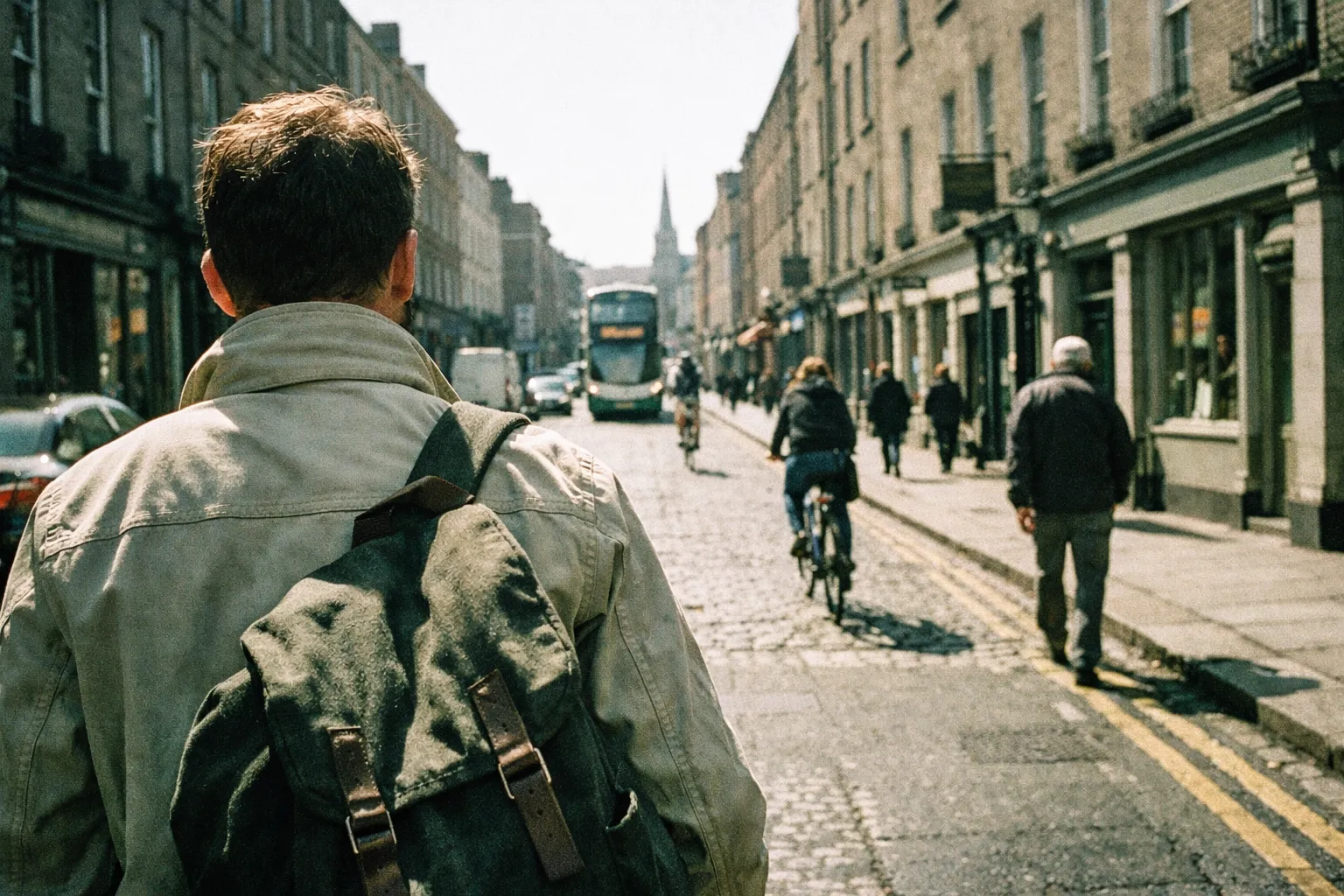
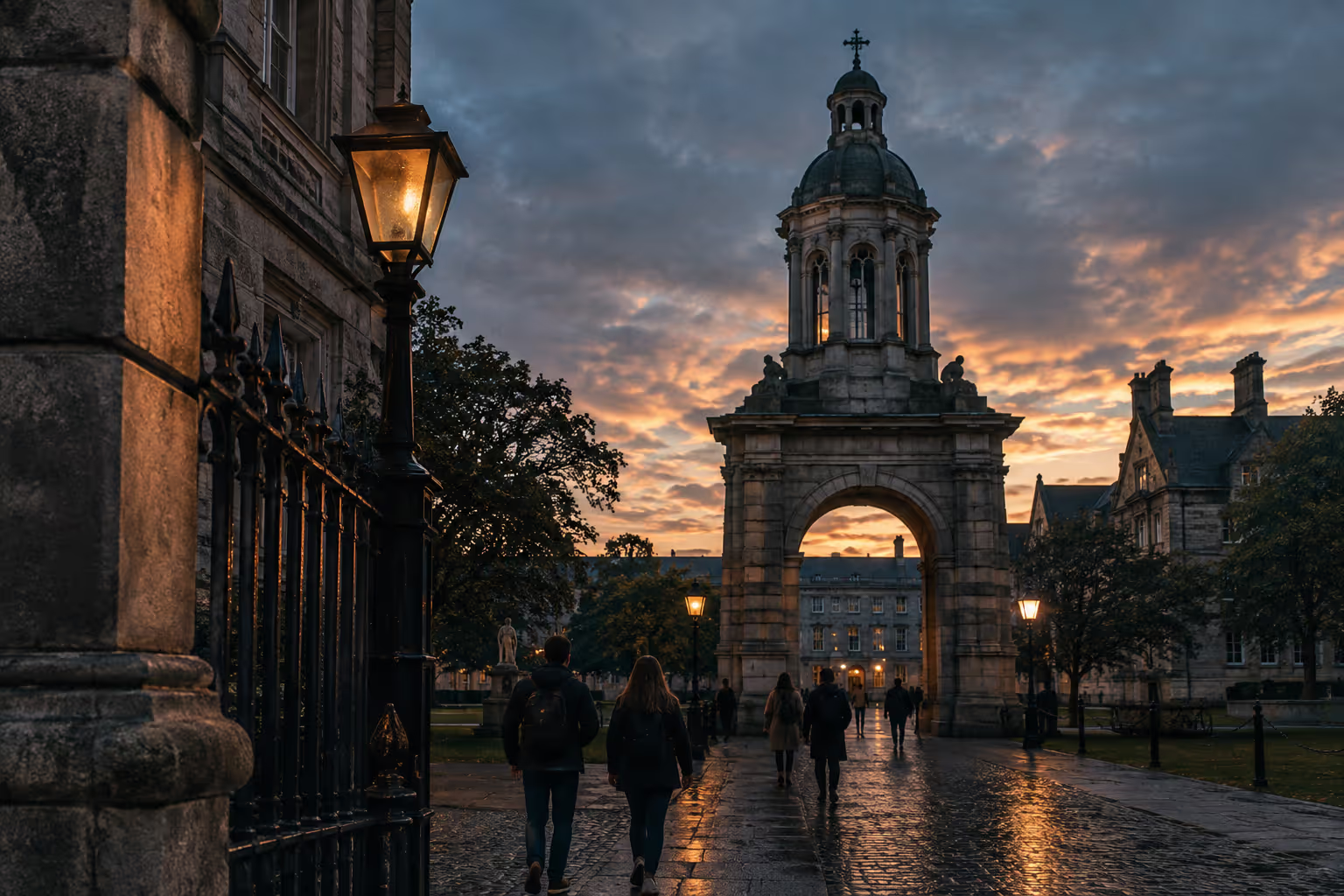
Trinity College is where most first-timers start, and for good reason. The Old Library houses the Book of Kells (an illuminated manuscript from the 9th century), and by 2026 the experience was repositioned as the modernized Book of Kells Experience with timed-entry ticketing and refreshed interpretation (1). Standard adult tickets for the Book of Kells and Old Library run about €25.50 (roughly $27 USD) - pre-book a timeslot through Trinity’s official platform(3). Budget 45 to 90 minutes. The Long Room, with its barrel-vaulted ceiling and 200,000 ancient texts, is the kind of space that makes you walk slower without realizing it.
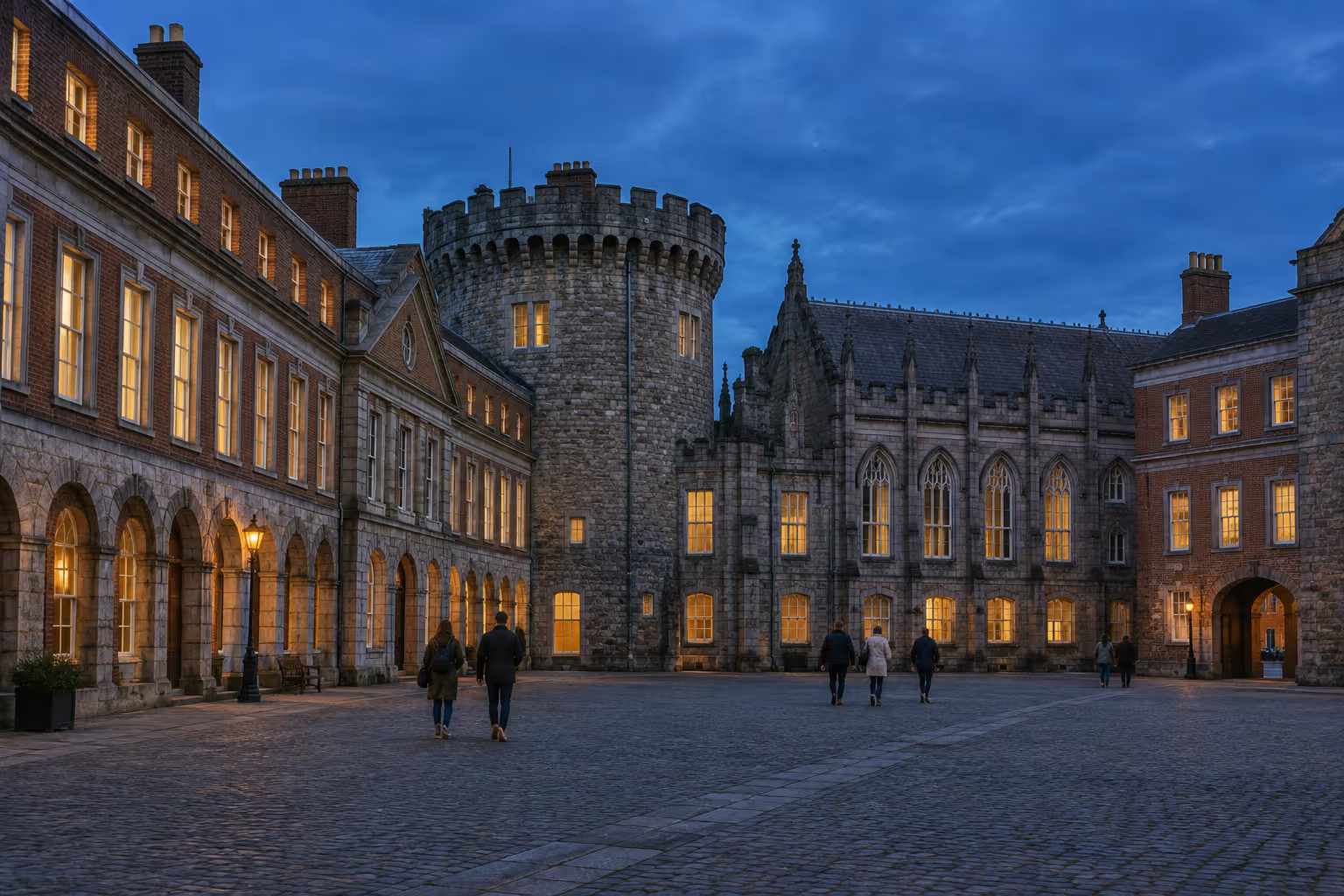
Dublin Castle is worth a guided tour if Irish political history interests you. It served as the seat of British rule for centuries and now functions as a government complex and museum. The layers are genuinely interesting - medieval undercroft, State Apartments, and the Chester Beatty in the grounds (closed until the end of December 2026; more on that below).
On Dublin pub culture: the pubs here are social institutions, not tourist props, and the experience varies enormously depending on where you drink. The pubs around Temple Bar charge a premium - pints run €7-€9 ($7.50-$9.75 USD) at peak tourist venues versus €5-€6 ($5.50-$6.50 USD) in quieter spots(4). Temple Bar earned its “cultural quarter” reputation, but for a trad session (traditional Irish music) with a local crowd, walk fifteen minutes to The Long Hall or The Stag’s Head, or catch live bands at Whelan’s off Camden Street (5)(6). My approach: walk through Temple Bar in the late afternoon, then move on for the evening.
I joined a literary pub crawl one visit that combined two of Dublin’s great preoccupations - literature and beer. It’s a fine way to cover ground while picking up context on Joyce and Beckett, and the craic (fun, good conversation) with a mixed crowd of locals and travelers was genuinely good.
Five Sights Worth Prioritizing on Any Dublin Visit
If your time is limited, these are the sights that appear on nearly every serious ranking for the best things to do in Dublin.
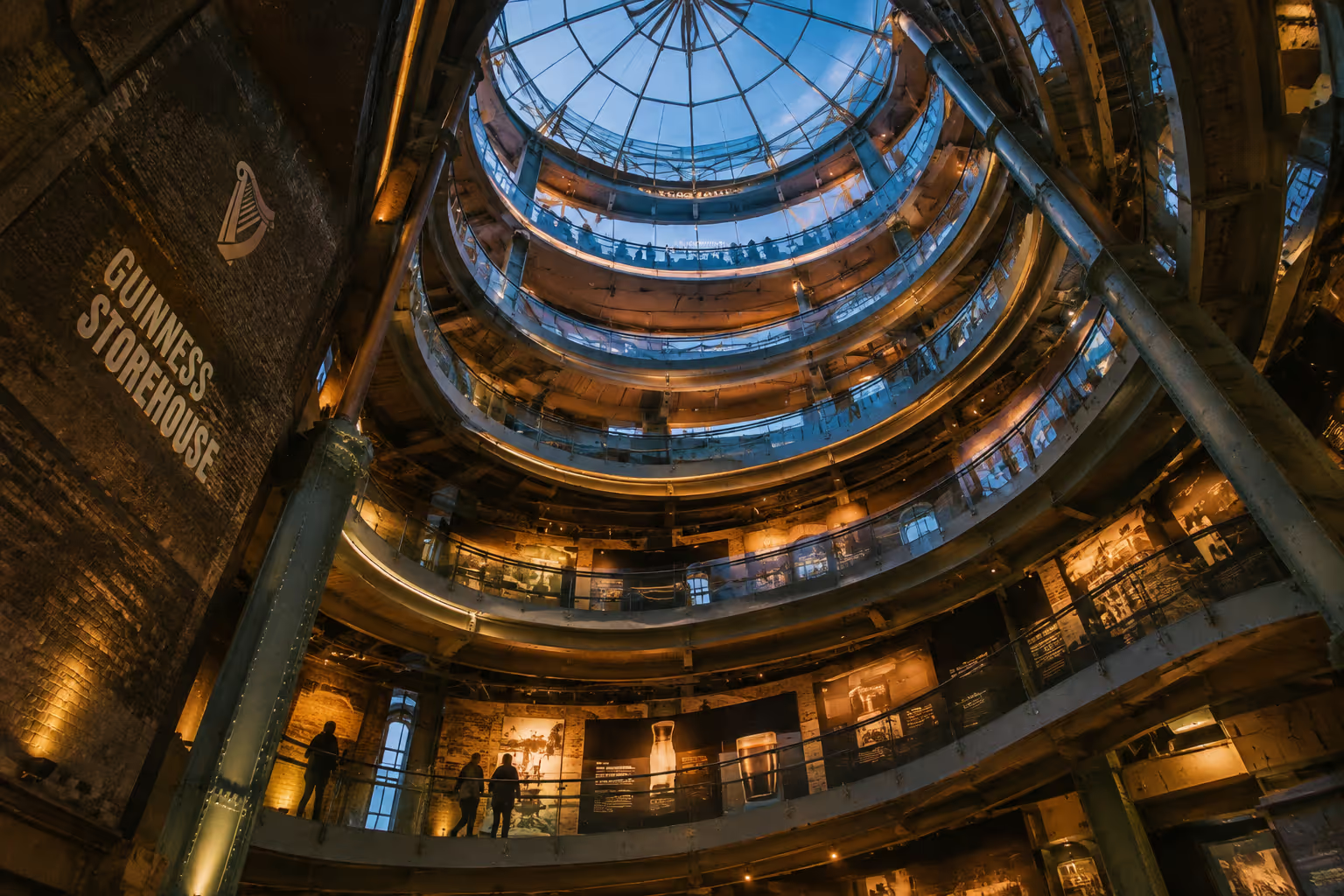
- Guinness Storehouse - Consistently ranked the number one attraction in Dublin on major activity platforms (7). The seven-storey tour ends at the Gravity Bar with a 360-degree view over the city. Tickets run roughly €22-€30 ($24-$32 USD) per adult depending on time and add-ons; book ahead, and budget two to three hours (8).
- Book of Kells and the Old Library at Trinity College - the 9th-century manuscript plus the Long Room, timed entry, around €25.50 per adult (9)(10).
- Kilmainham Gaol - the former prison where leaders of the 1916 Easter Rising were held and executed. The guided tour is one of the most affecting history experiences in the city. Book in advance; slots sell out weeks ahead in summer.
- EPIC The Irish Emigration Museum - an interactive museum in the docklands tracing the Irish diaspora, and a rising favorite in 2026 rankings.
- Phoenix Park - the enormous free green space on the city’s western edge (more on this below).
Temple Bar and a coastal trip to Howth round out most “must-see” lists. The Guinness Storehouse holds the top spot reliably, but which five you prioritize depends on whether you lean toward history, culture, or the outdoors.
Phoenix Park: Dublin’s Great Green Space
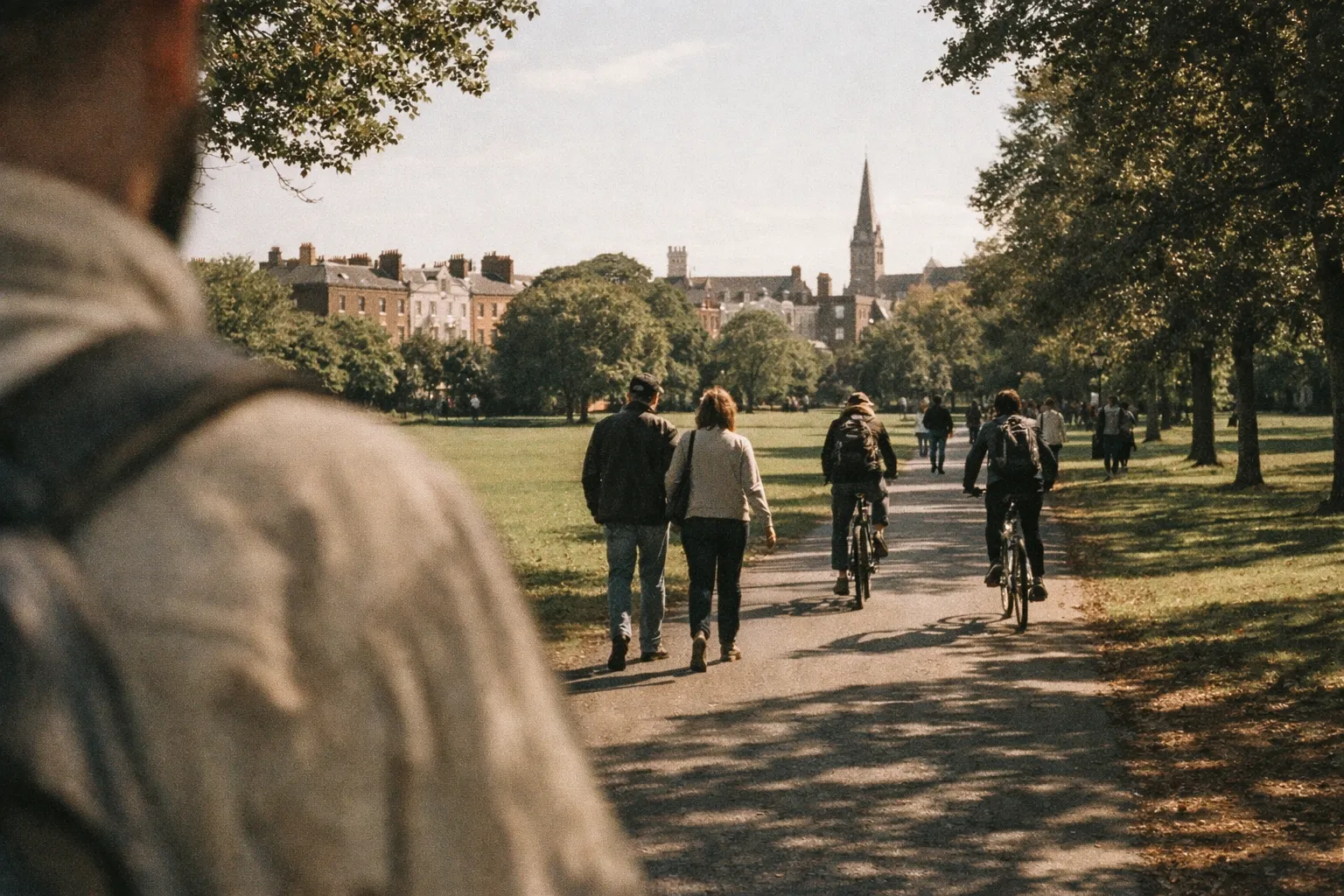
Phoenix Park in Dublin is one of the largest enclosed public parks in any European capital - about 1,750 acres (roughly 707 hectares). I rented a bike and spent an afternoon cycling through it, which is genuinely the right way to cover the ground. On foot, you’ll see a fraction of what’s here.
Entry to the park is free. Inside:
- The wild fallow deer herd - best seen in early morning or near sunset when the crowds thin
- Áras an Uachtaráin, the President of Ireland’s official residence
- Dublin Zoo, founded in 1831, one of the oldest zoos in the world - paid entry, ticketed separately
- Miles of cycling and walking trails
Don’t treat this as a ten-minute photo stop. Budget two to four hours, rent a bike from near the park entrance, or take a taxi from the city center - about a 15-25 minute ride costing €15-€25 ($16-$27 USD) one way at current rates. The deer were grazing near the road when I visited on a weekday morning in late autumn, close enough that people were stopping their bikes to watch. Weekends get busier.
What to See and Do in Dublin for Free
Dublin rewards travelers on a budget more than most European capitals. Current 2026 guides list 25 or more free experiences, and many of the city’s strongest cultural institutions charge nothing for general admission. The National Museum and the National Gallery are free to enter, and so is the Chester Beatty once it reopens: it is closed to the public from 15 June to the end of December 2026 (11). That is a meaningful saving when a single paid attraction like the Guinness Storehouse runs €22-€30.
The best free things to do in Dublin:
- National Museum of Ireland - archaeology, decorative arts, and natural history across multiple sites, all free
- National Gallery of Ireland - free general admission; special exhibitions may charge
- Chester Beatty - a quieter museum in the Dublin Castle grounds with renowned manuscripts and art from across Asia, the Middle East, and Europe, free to enter but closed to the public from 15 June to the end of December 2026 (11)
- Walking the River Liffey and crossing the Ha’penny Bridge, the iron footbridge dating to 1816
- Phoenix Park deer viewing and St Stephen’s Green
- The walk out to Poolbeg Lighthouse along the South Wall - a long flat walk on a sea wall with views back to the city skyline
A practical strategy: combine one paid major ticket (Guinness or the Book of Kells) with two or three free museums in the same day. That drops your average attraction cost to around €5-€10 ($5.50-$11 USD) per site. Most free museums close by 5 or 6 p.m., so check hours and plan the paid, timed-entry sights around them.
Chester Beatty is the one I’d flag specifically, with one catch: it is closed to the public until the end of December 2026 (11), so keep it for a trip from January 2027 onward. It’s less visited than the National Museum despite being genuinely exceptional - Japanese woodblock prints, Quranic manuscripts, Egyptian papyri, all in a calm, uncrowded space. Worth two hours of anyone’s afternoon. The museum holds over 22,000 objects spanning 5,000 years, a collection depth that rivals far better-known institutions in London and Paris, and it costs nothing to walk in. If you want a fuller picture of Dublin’s hidden gems, the Chester Beatty sits alongside several other under-visited spots that reward the curious traveler.
Things to Do in Howth: Dublin’s Coastal Half-Day
A short DART (Dublin Area Rapid Transit) train ride north of the city, Howth is a fishing village with cliff walks, fresh seafood at the harbor, and wide views across Dublin Bay. It takes about 30 minutes from Connolly Station and feels like a proper change of scene.
The main draw among things to do in Howth Dublin is the Howth Cliff Path Loop, a 6 km clifftop circuit that takes about two hours from Howth DART station, with views over Ireland’s Eye and Lambay Island. The loop is moderate and suits most fitness levels - there are some uneven sections, so wear shoes with grip. The elevation gain is modest compared to trails in Wicklow, but the exposed headland sections can be windy, so a light windproof layer is worth packing even in summer.
Practical notes:
- A DART return from central Dublin runs about €6-€8 ($6.50-$8.75 USD)
- Go early - an early-morning departure beats the midday crowds on the loop
- Return by mid-afternoon and you’ll still have time for an evening pub session back in the city
- Howth’s harbor has several seafood restaurants along the pier; a bowl of chowder runs roughly €8-€12 ($8.75-$13 USD) at most spots
I went on a Tuesday in October and had long stretches of the cliff path to myself. The harbor afterward had a few fish and chip stalls open - nothing fancy, but the right thing to eat after a coastal walk. Budget two to three hours for the walk plus harbor time. For a deeper look at what makes this village special, the coastal charm of Howth extends well beyond the cliff loop to its harbor atmosphere and local seafood scene. If Howth doesn’t appeal, Dún Laoghaire to the south makes a solid alternative coastal half-day, with the Dún Laoghaire pier walk and the nearby Forty Foot sea-swimming spot adding variety.
Where to Stay in Dublin
Location matters more than star rating for first-timers. Staying near Grafton Street, St Stephen’s Green, or Ballsbridge keeps you within a 10 to 20 minute walk of the major sights and reduces transit time significantly.
Neighborhoods to consider:
- City Centre / Grafton Street - closest to Trinity College, shopping, and most museums; central but livelier at night
- St Stephen’s Green - walkable to everything, slightly calmer than the Temple Bar fringe
- Ballsbridge - a residential district south of the center, recommended in 2026 guides for feeling safe at all hours while still a short walk or DART ride from the sights
Avoid choosing a hotel on price alone if it means ending up far out. A cheap room in an outer suburb can cost you the time and transit that central Dublin’s walkability is worth.
Top Dublin Hotels (2025-2026)
| Best Overall The Westbury | The Merrion | The Shelbourne | The Wilder Townhouse | The Fitzwilliam | |
|---|---|---|---|---|---|
| High-Season Price Range | €300-€500 ($325-$540 USD) | €300-€500 ($325-$540 USD) | €300-€500 ($325-$540 USD) | €220-€320 ($240-$345 USD) | €300-€500 ($325-$540 USD) |
| Neighborhood | Grafton Street | Merrion Square | St Stephen's Green | City Centre | St Stephen's Green |
| Hotel Type | Luxury | Luxury Georgian townhouse | Historic grande dame | Boutique | Art-focused |
All of these sit within walking distance of Grafton Street or the Green. For a full day in Dublin combining one paid sight and pub dining, budget €70-€120 ($75-$130 USD) per person; budget travelers using free museums and supermarket meals can manage on €40-€60 ($45-$65 USD).
How Many Days Do You Need in Dublin?
Three full days is the ideal minimum. Two days covers the essentials - you won’t feel shortchanged, but you won’t get past the tourist core either. Three days lets you add a coastal trip and a second museum, which is when the city starts to feel less like a checklist.
- 2 days: Guinness Storehouse, Trinity College and the Book of Kells, Dublin Castle, an evening in Temple Bar, plus one free museum or a Phoenix Park walk
- 3 days: add Kilmainham Gaol, a second museum like EPIC, and a coastal excursion to Howth or Dún Laoghaire
- 4-5 days: time for deeper neighborhood exploration and day trips to the Wicklow Mountains or Newgrange
Etiquette note on the pub: tipping isn’t expected on drinks bought at the bar, which is how most Dublin pubs operate. If you’re getting table service in a gastropub, rounding up or leaving about 10% is normal. The real social currency is buying a round for your group - keep track and reciprocate. Showing up, ordering for yourself, and leaving without contributing to the round is noticed.
Dublin’s Cultural Calendar and Events
Dublin’s cultural scene runs year-round. The March St. Patrick’s Day festival is the obvious peak - the whole city leans into it, and the parade draws crowds from across Europe. Worth planning around if you want the spectacle, worth avoiding if you want a quieter trip.
The Hugh Lane Gallery holds a strong collection of modern and contemporary art, including Francis Bacon’s reconstructed studio - his actual working space, moved from London and reassembled in Dublin. It’s a strange, absorbing thing to stand in.
Music runs through the city at every level, from trad sessions in small pubs to large concerts at the 3Arena. I stumbled into an impromptu trad session in a small pub off Grafton Street one evening - the kind of thing you can’t book or plan, which is part of the point.
Dublin’s main annual events:
| Event | Month | Description |
|---|---|---|
| St. Patrick’s Festival | March | Celebrates Irish culture with parades and events |
| Dublin Fringe Festival | September | Showcases new and experimental performing arts |
| Dublin Theatre Festival | September/October | Features Irish and international theater productions |
| New Year’s Festival | December/January | Rings in the New Year with music and fireworks |
Dublin as a Base for the Rest of Ireland
Dublin Airport connects to destinations worldwide, and the city’s bus network, Luas tram system, and DART suburban rail make getting around straightforward without a car. For the city itself, you won’t need one.
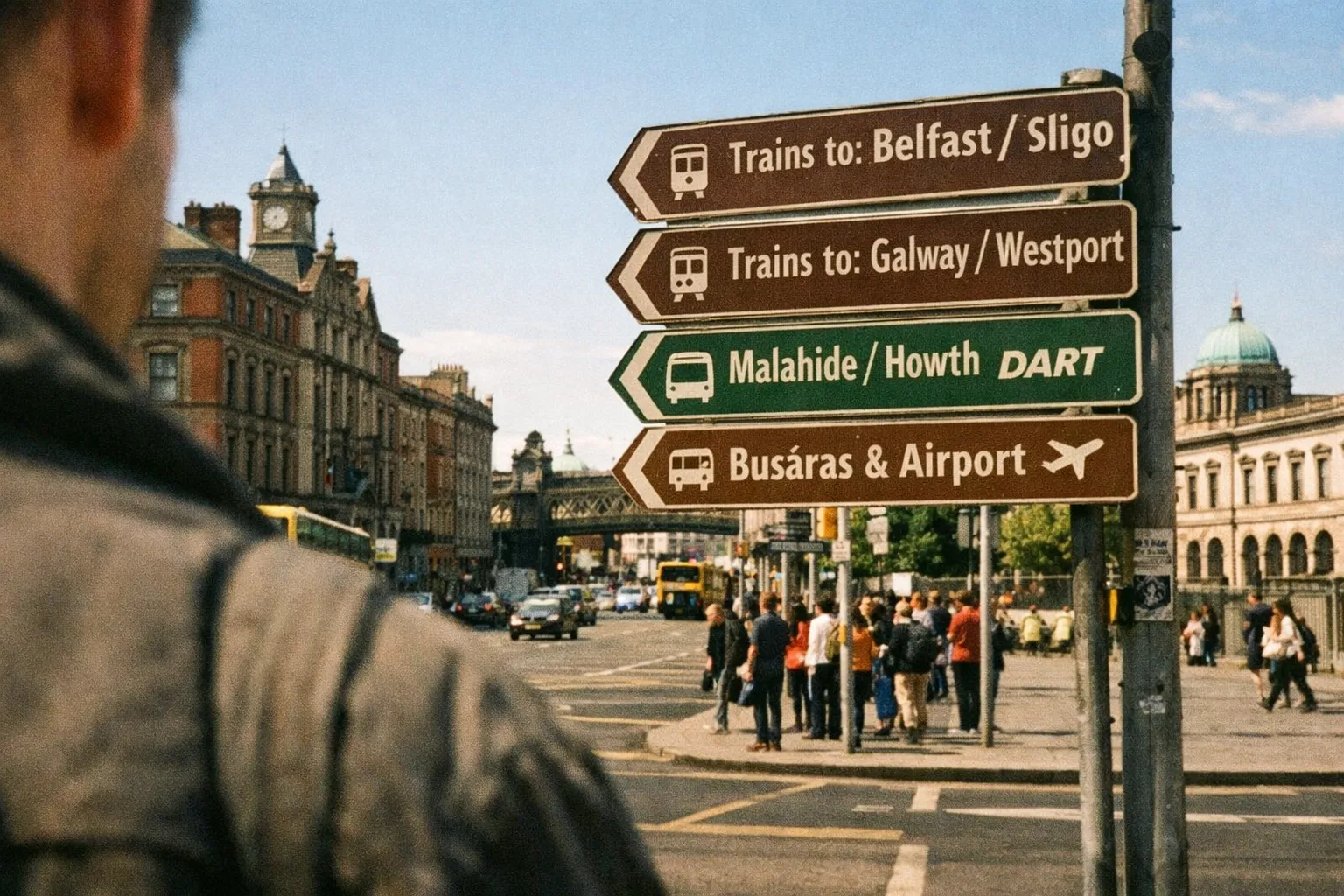
For day trips, Dublin works well as a launch point. The Wicklow Mountains are under an hour south by car or bus. Newgrange and the Hill of Tara - Neolithic and Iron Age sites in County Meath - are a solid day trip northeast. Navan, the county town a few miles from both, works as a base if you want longer than a day in the Boyne Valley. I rented a car one visit and used Dublin as the starting point for a longer drive along the Wild Atlantic Way, which made the logistics considerably easier than flying into a smaller regional airport. Dublin also pairs naturally with a visit to Ireland’s vibrant urban gems - Galway and Cork are both reachable by train or bus and reward a few extra days on any itinerary.
The city is compact, walkable, and well-connected. Three days here, done properly, leaves you wanting more - which is probably the right note to end on.
Frequently Asked Questions
- Are there quieter alternatives to Temple Bar for pub evenings?
- Yes, The Long Hall, The Stag's Head, and Whelan's off Camden Street offer trad music with a more local crowd.
- What is the best time to visit Phoenix Park for deer watching?
- Early morning or near sunset are best for seeing the wild fallow deer when crowds are thinner.
- How far in advance should I book tickets for major Dublin attractions?
- Book timed-entry tickets for the Guinness Storehouse, Book of Kells, and Kilmainham Gaol several weeks ahead, especially in summer.
- Is a car necessary for exploring Dublin and nearby day trips?
- No car is needed for Dublin city; public transport covers most needs. A rental car helps for longer day trips like the Wild Atlantic Way.
- What is the tipping etiquette in Dublin pubs?
- Tipping at the bar isn't expected; for table service, rounding up or 10% is normal. Buying rounds is the main social custom.
- Can I combine free museums with paid attractions efficiently?
- Yes, pairing one paid ticket with two or three free museums in a day keeps average costs low and maximizes cultural exposure.
- What footwear is recommended for the Howth Cliff Path Loop?
- Wear shoes with good grip as the 6 km loop has some uneven sections but is suitable for most fitness levels.