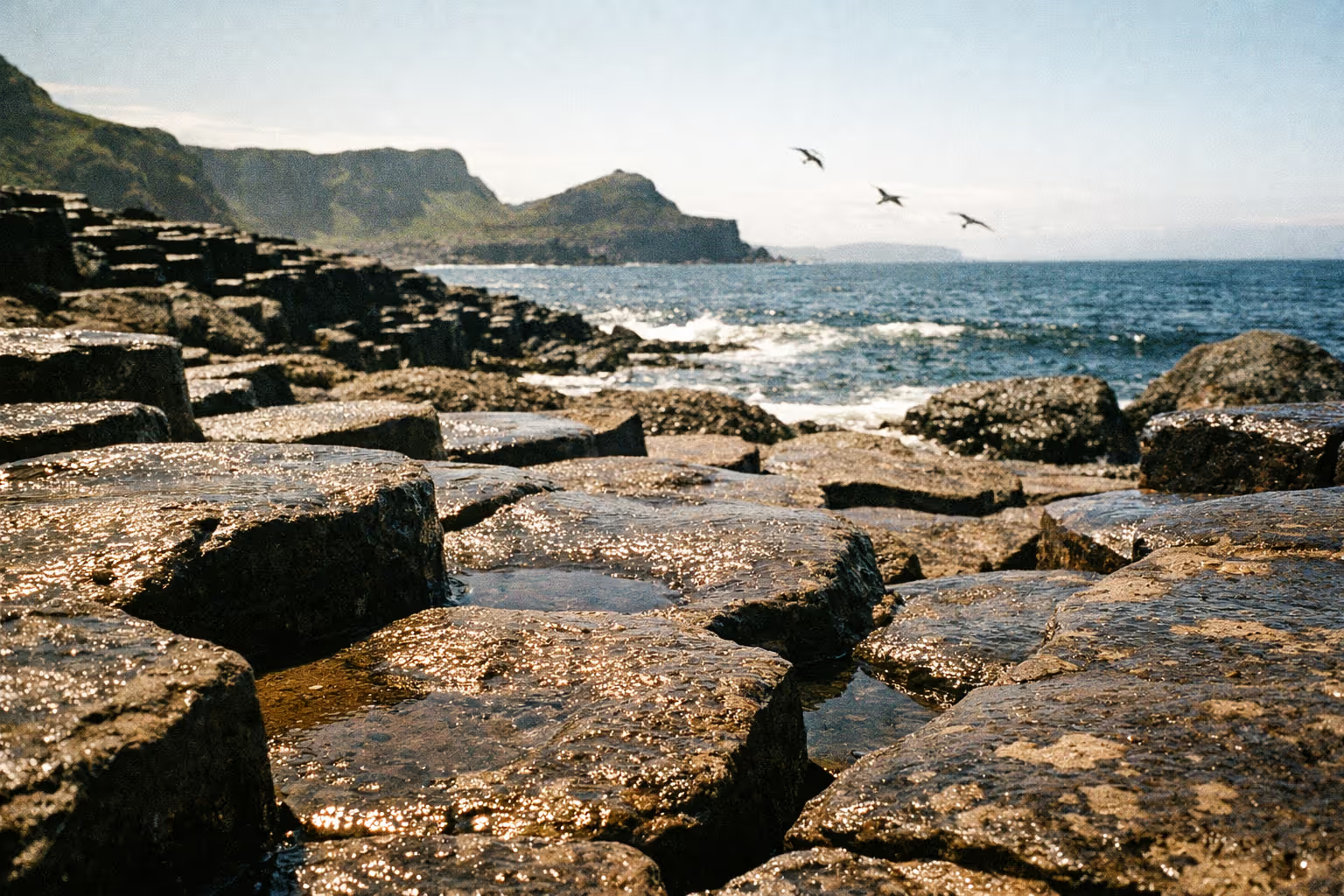
Things to do in Northern Ireland spread along the Causeway Coastal Route, so treat it as a road trip and give it five days. The Giant’s Causeway is the one to game: the columns sit on a public right of way, so park off-site and walk the coast path to skip the fee. Book the Carrick-a-Rede rope bridge slots online, because they sell out hours ahead in summer. Come in September for mild days and thin crowds; budget from about $80 a day with a hostel and free sights.
Things to Do in Northern Ireland: A Land Shaped by History and Conflict
When exploring things to do in Northern Ireland, you quickly realize that its history is as complex as it is fascinating. The region’s past is deeply woven into the fabric of its cities and landscapes, offering visitors a unique experience shaped by both conflict and resilience.
Officially separated from Ireland in the 1920s, this region has witnessed more than its share of turbulent times. The sectarian conflict known as “The Troubles” left a permanent mark on the country’s identity - one that’s visible in the architecture, the murals, and the way people talk about their own city.
Walking through the streets of Belfast, I was struck not by the conflict itself but by the evidence of what came after it. The walls in West Belfast are covered in murals that range from raw and political to surprisingly hopeful. They’re not decorative. They’re still working out something.
The peace process, which began in earnest in the mid-1990s, shifted the trajectory. The 1998 Good Friday Agreement was the turning point - since then, Northern Ireland has been rebuilding in ways that are visible if you know where to look: shared education programs, human rights initiatives, cross-community projects that would have been unthinkable thirty years ago.
Challenges remain. But the progress is real, and locals are generally willing to talk about it if you approach it right.
The murals of the Falls Road and Shankill Road in West Belfast are the obvious starting point for anyone who wants to understand the recent past. A black-cab tour with a driver who lived through the era gives you context no plaque can offer. Crumlin Road Gaol - the Victorian prison used during the conflict - runs guided tours that cover everything from the tunnel connecting the gaol to the courthouse across the road to the condemned cell used up until 1961. (10) It’s worth the two hours.
Geography, landscape, and what the weather actually does
Northern Ireland covers 14,130 square kilometres, and the variety packed into that space is genuinely impressive. Coastal cliffs, glacial valleys, the largest lake in the British Isles, and a mountain range in the southeast - it doesn’t feel like a small place when you’re moving through it.
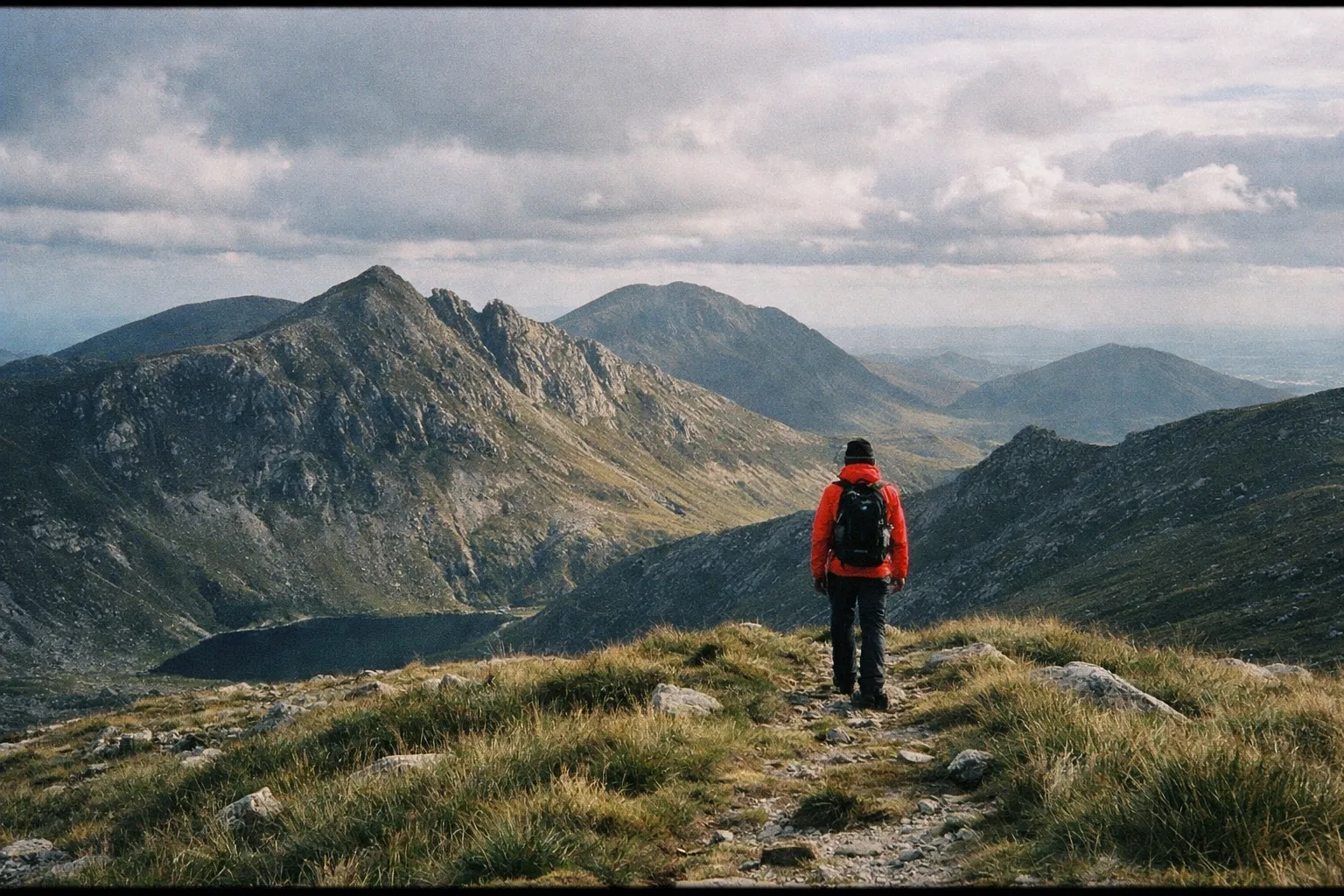
I hiked Slieve Donard - at 850 metres, the highest peak in the Mourne Mountains - on a day that started clear and turned grey by the summit. The panoramic views on a genuinely clear day stretch to the Isle of Man and Scotland. On a typical day, you get cloud and a sense of scale that’s still worth the climb.
Lough Neagh, the largest lake in the British Isles, sits at the centre of the country, surrounded by five of the six historic counties. I kayaked there on a still morning in late September and had the water almost entirely to myself. The rivers - the Bann, Blackwater, and Lagan - wind through quieter valleys and offer fishing, boating, and riverside walking that most visitors skip entirely.
On climate: don’t be fooled by summer. Belfast and the coast see July and August highs of around 19-22°C (66-72°F) on good days, but rain falls on roughly 10 to 15 days a month and temperatures can drop sharply with cloud cover. (6)
| Season | Temperature Range | Typical Weather |
|---|---|---|
| Summer | 19°C - 22°C | Warm spells, frequent showers |
| Winter | 4°C - 8°C | Mild, frequent rainfall |
Pack a proper waterproof jacket and layers regardless of season. The weather turns fast, and a soaked hike up Slieve Donard is nobody’s idea of a good day.
Culture, language, and what’s actually worth your time
Northern Ireland’s cultural landscape reflects its unique blend of Irish, British, and Ulster-Scots influences - and the tension between those influences is part of what makes it interesting.
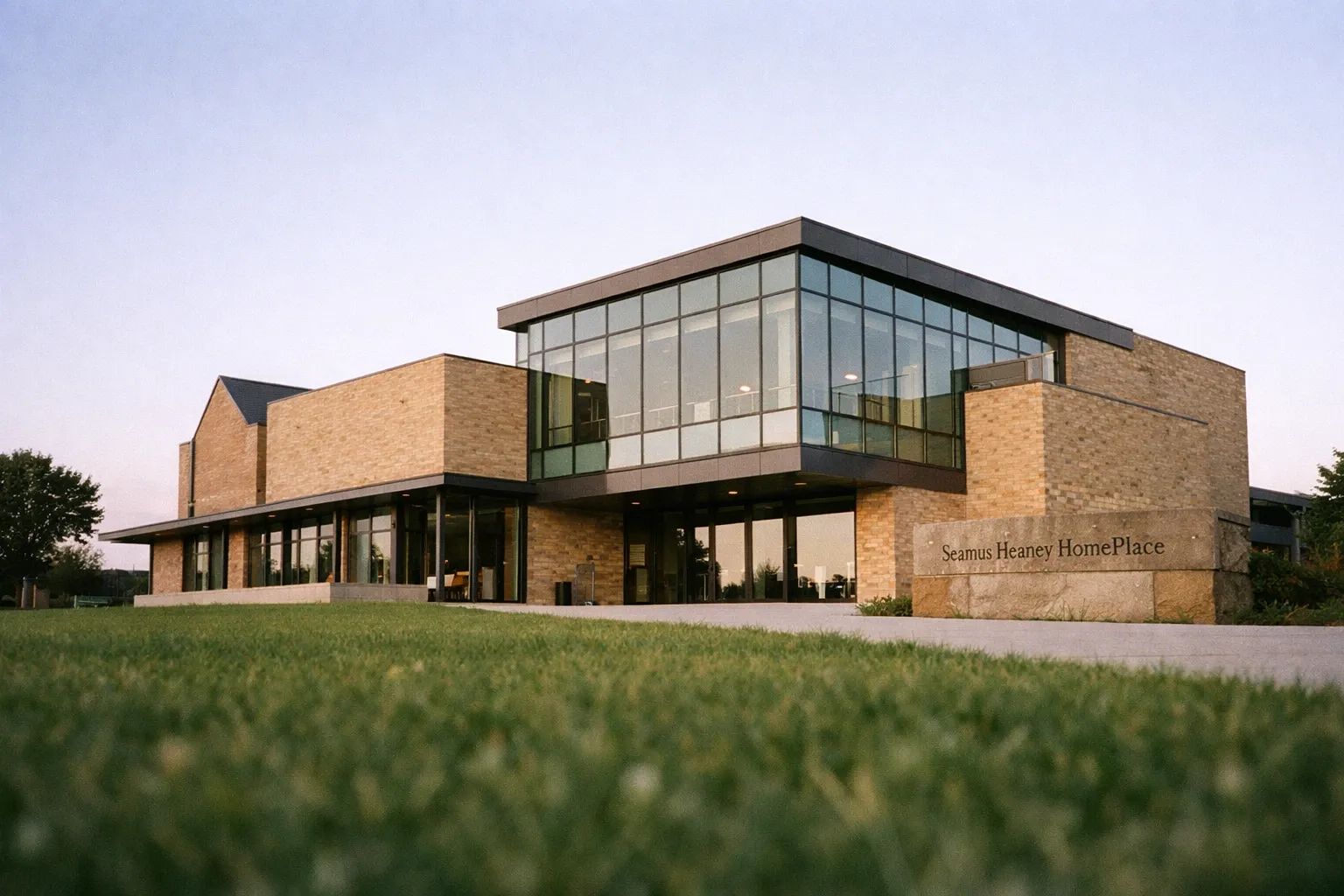
The literary tradition runs deep. Seamus Heaney, the Nobel Prize-winning poet, came from County Derry. The Seamus Heaney HomePlace in Bellaghy is a purpose-built centre dedicated to his life and work. If his poetry means anything to you, it’s worth the detour. If it doesn’t, the building itself is well-designed and the surrounding countryside gives you a sense of what he was writing about.
Language is a live issue here. English is the working language, but Irish and Ulster-Scots are both recognised and you’ll hear snippets of both in everyday conversation - more than you’d expect. I spent an evening at a traditional music session in a pub near Derry and came away with a much better sense of how Ulster-Scots sits alongside English in ordinary speech.
The arts scene in Belfast is more developed than most visitors expect. From traditional music sessions in the Cathedral Quarter to contemporary galleries in the city centre, there’s a real cultural infrastructure. The Belfast International Arts Festival runs in autumn and is worth timing a visit around if you can. If you’re planning a longer trip across the island, the things to do in Ireland extend well beyond the border and reward the extra days.
Cultural highlights worth building in:
- The Ulster Museum in Belfast (free entry)
- The Derry Walls - the only fully intact walled city in Ireland
- The Giant’s Causeway Visitor Centre
- The Seamus Heaney HomePlace, Bellaghy
Etiquette note: Locals are warm and quick to chat, but political and religious topics - flags, murals, “which side” someone is from - are best left alone unless a local raises them first. Standard tipping runs about 10% in sit-down restaurants. You don’t tip in pubs when ordering at the bar, though rounding up is fine.
✓ Pros
- Compact region with diverse landscapes and rich history
- Strong cultural infrastructure including museums and festivals
- Plenty of free attractions and natural sites
- Good infrastructure for scenic coastal drives
✗ Cons
- Weather can be unpredictable and often rainy
- Some political topics are sensitive and require tact
- Parking fees add up along popular routes
- Car rental and fuel costs can be high
Driving the Causeway Coastal Route
The Causeway coastal route Northern Ireland is the single best reason to rent a car here. It runs roughly 120-130 miles (190-210 km) between Belfast and Derry~Londonderry, threading along the Antrim shore past cliffs, castles, and beaches. (2) It’s marketed as one of Europe’s great scenic drives, and for once the marketing isn’t lying.
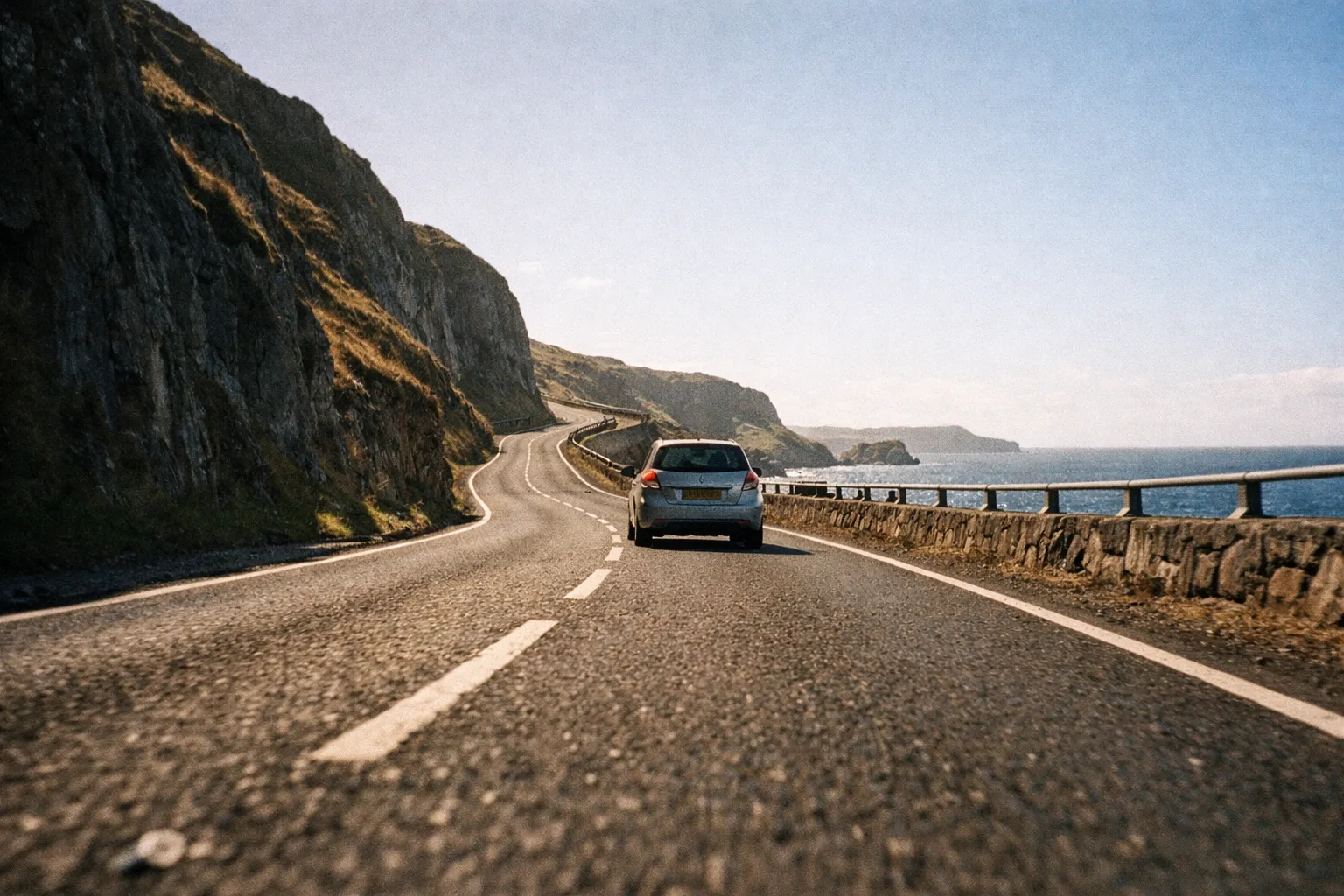
Key stops, roughly north to west:
- Carrickfergus Castle - a Norman stronghold just outside Belfast, a good first leg-stretch
- The Glens of Antrim - nine green valleys; Glenariff Forest Park has waterfall trails and costs only a modest car park fee, usually under $10 per car (2)
- Cushendun - a tiny coastal village with sea caves used as a Game of Thrones location
- Ballintoy Harbour - the fishing harbour that doubled as the Iron Islands on screen
- Carrick-a-Rede Rope Bridge - a 30-metre rope bridge strung across a chasm to a small island
- Giant’s Causeway - the basalt columns that anchor the whole route
- Portrush and Portstewart - resort towns with wide sandy beaches
The most common mistake is treating the route as a two- or three-hour drive. Stop at everything worth stopping at - Carrickfergus, Glenariff, Cushendun, Carrick-a-Rede, Ballintoy, Portrush, the Causeway - and you’re looking at 10 to 12 hours in a single day. (2) Do it in two or three days instead, basing yourself on the coast, and you’ll actually enjoy it.
I drove the full route over two and a half days in October, staying two nights in Portrush. That pace let me get to the Giant’s Causeway before the coach tours arrived and still have time for a slow lunch in Ballycastle. Trying to do it in one day would have been a waste.
Car rental runs about $45-80 per day with basic insurance; automatics and peak summer dates push that above $90. Fuel is expensive - the equivalent of $7-8 per US gallon - but the full 120-mile Causeway drive only burns around $20-30 of it. Budget for paid parking at nearly every major stop; it adds up to $10-25 a day if you’re not watching. (9)
If you’d rather not drive on the left, full-day guided tours from Belfast bundle the Giant’s Causeway, Carrick-a-Rede, the Dark Hedges, and Dunluce Castle for about $60-100 per person. (3)
Portrush and the beaches of County Antrim
Portrush Northern Ireland is the natural base for the western end of the Causeway Coast. It’s a resort town of roughly 7,000-8,000 residents in Antrim Northern Ireland, sitting on a peninsula with beaches on both sides. (1)(3) Stay two or three nights and you can cover the coastal highlights without backtracking.
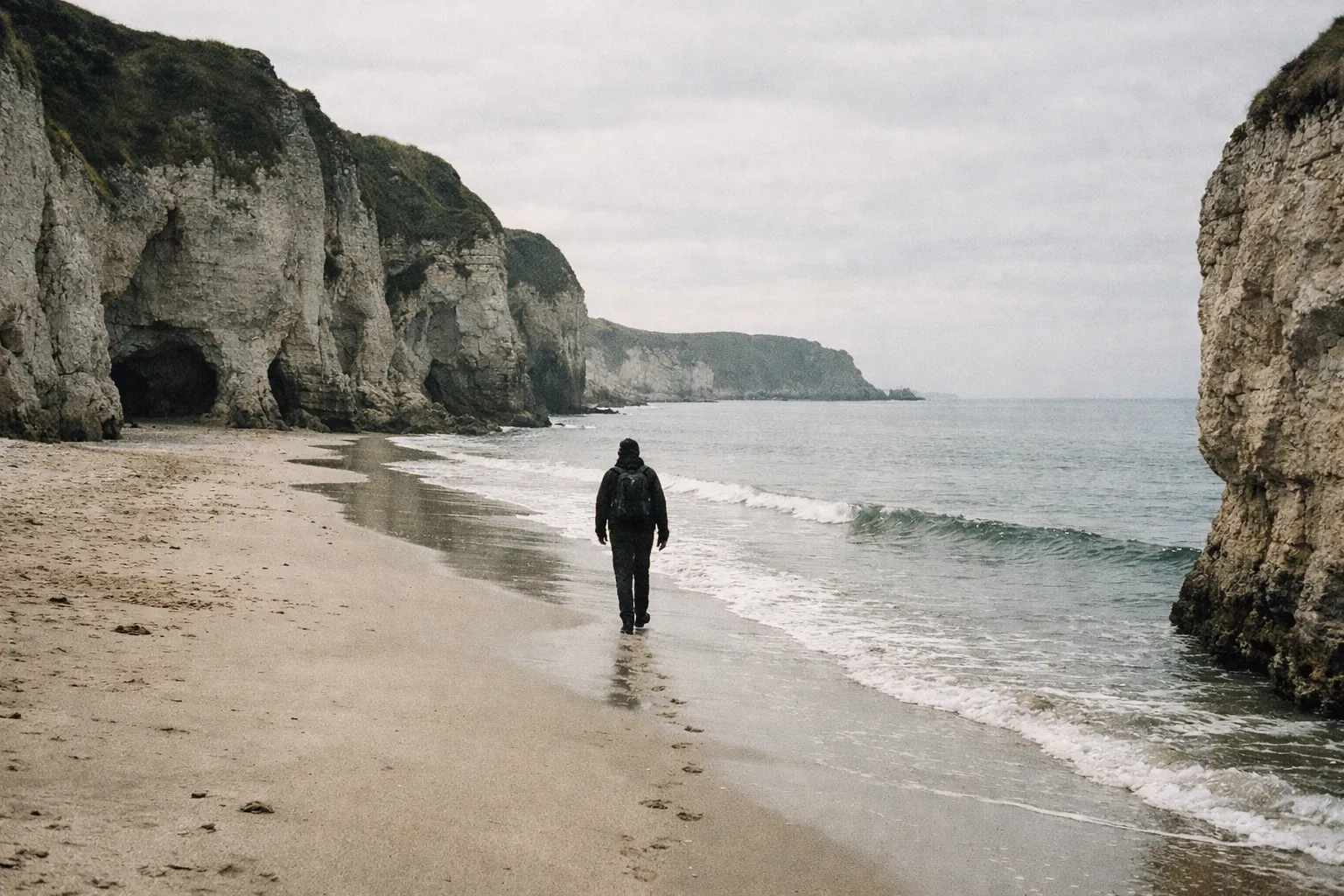
The best things to do in Portrush Northern Ireland:
- Royal Portrush Golf Club - a championship links course that has hosted The Open; even non-golfers rate the setting
- Whiterocks Beach - a stretch of white limestone cliffs and sand, good for a flexible weather day
- Portrush Harbour - small working harbour with boat trips
- Curry’s Fun Park - old-school seaside amusements, pay-per-ride at about $3-6 a go, with wristbands around $20-30 when available
- Dunluce Castle - dramatic clifftop ruins a short drive east, best at sunset
From Portrush, the Giant’s Causeway and Carrick-a-Rede are both about a 25-30 minute drive. (3) Portstewart, next door, has one of Northern Ireland’s finest strands - a two-mile beach you can drive onto.
Getting here without a car is straightforward: the train from Belfast takes roughly 1.5-2 hours, with return tickets around $15-25 booked in advance.
Timing tip: cluster your days smartly. Giant’s Causeway at sunrise (before the coach tours), Carrick-a-Rede mid-morning, Dunluce Castle at sunset, and Whiterocks Beach whenever the weather cooperates. It minimises both crowds and parking stress.
The Dark Hedges and Game of Thrones locations
The Dark Hedges in Northern Ireland is the beech-tree avenue you’ve seen a hundred times online - an intertwined tunnel of 200-year-old trees on the Bregagh Road in County Antrim, made globally famous as the Kingsroad in Game of Thrones.
Manage your expectations: it’s a 0.6-mile (1 km) stretch that takes 5 to 15 minutes to walk. (4) It’s a photo stop, not a half-day excursion. Pair it with nearby sites rather than blocking out hours. Parking is paid at the nearby Hedges Hotel, with only a few limited free spots that fill early.
Go at first light or in the evening. Between roughly 10:00 and 16:00 in summer, coach tours pack the lane and your photos will be full of strangers. (4) I arrived at 7:30am on a weekday in late September and had the avenue almost entirely to myself for about twenty minutes. By 9:00am, the first tour bus had pulled in.
Other filming locations worth building into a coastal day:
- Ballintoy Harbour - the Iron Islands
- Cushendun Caves - where Melisandre gave birth to the shadow
- Tollymore Forest Park - the Haunted Forest, in County Down near the Mournes (parking fee only)
- Murlough Nature Reserve - dune landscapes, low or no per-person cost beyond parking (5)
The full Game of Thrones Studio Tour at Banbridge is the deeper-dive option if you want sets, costumes, and props under one roof.
What it costs to visit and how to save
There are plenty of free things to do in Northern Ireland, which is what makes it work for tight budgets. Guides now count 17-plus free attractions in Belfast alone, and the coast adds beaches and forest trails that cost nothing beyond a parking ticket - making Northern Ireland roughly 30-40% cheaper per day than a comparable trip to Edinburgh or Dublin once you factor in the free museum and coastal access. Visitors crossing the border will find that hidden gems in Dublin offer a similarly rewarding mix of free and low-cost experiences worth planning around.
Budget ranges and major admission prices for NI attractions (Budget $80-120/day; Mid-range $150-250/day; Luxury $350-600+/day; Titanic Belfast about $28-35 per adult; Giant’s Causeway about $18-25 per adult; Carrick-a-Rede about $18-25 per adult).
In and around Belfast:
- The Maritime Mile - a self-guided waterfront walk past the shipyards and Titanic Quarter
- The Falls and Shankill murals - walk the mural routes yourself instead of paying $20-40 for a private tour
- Botanic Gardens - free entry to the gardens and the Victorian Palm House
- Ulster Museum - free permanent collections
- Cathedral Quarter street art
On the coast and beyond:
- Whiterocks, Portstewart, and Ballycastle beaches - open and free
- Giant’s Causeway stones - the columns themselves sit on a public right of way, so you can walk down for free if you park off-site and skip the visitor centre (9)
- Tollymore and Glenariff forest parks - small parking fees only
Traveling this way, a daily spend of $50-80 is realistic. (5)
The free-path approach to the Giant’s Causeway is worth knowing about. The visitor centre and its car park cost money; the basalt columns themselves do not. Park in Bushmills or at a nearby layby, walk the coastal path, and you get the same columns for the price of a parking ticket.
Northern Ireland isn’t cheap, but it’s manageable if you’re deliberate. Rough daily budgets per person:
- Budget (hostels, self-catering, mostly free sights): $80-120/day
- Mid-range (B&Bs, a few paid headline attractions, car for the coast): $150-250/day
- Luxury (boutique or castle hotels, private drivers, golf resorts near Royal Portrush): $350-600+/day (1)(3)
Approximate ticket prices for the big-ticket sights (converted from GBP at roughly £1 = $1.25-1.30):
- Titanic Belfast: about $28-35 per adult; family tickets $70-90
- Giant’s Causeway visitor centre and parking: about $18-25 per adult, $45-70 per family - though the stones themselves are free via the public path (9)
- Carrick-a-Rede Rope Bridge: about $18-25 per adult, and free to National Trust members
- Belfast to Giant’s Causeway day tours: commonly $60-90 (3)
The single biggest saving: National Trust membership. At around £80/year (roughly $100) for an adult, it grants free entry to Carrick-a-Rede and other Trust sites - meaning two adults visiting Carrick-a-Rede and one other Trust property already break even on the cost. Booking Carrick-a-Rede online is also essential in peak season - timed slots sell out hours ahead between June and September. (2)
All prices above are approximate. GBP conversion rates shift, and attraction pricing tends to creep up annually, so check directly before you book.
Newsletter sign-ups and special offers
This is where most travelers leave money on the table. Northern Ireland’s tourism boards and operators run email lists that regularly hand out discount codes worth 10-20%, early-bird festival announcements, and bundled packages.
Worth subscribing to before you book:
- Discover Northern Ireland - the national tourism board’s newsletter, with seasonal event alerts and deals (1)
- Causeway Coast & Glens - regional offers for the Antrim coast, festivals, and walking events (9)
- Titanic Belfast - combination tickets (for example bundled with the SS Nomadic or a city tour) are promoted through email and social channels, rewarding subscribers with the savings (8)
On the accommodation side, many local hotels and B&Bs run “book direct” email-only specials - free breakfast or $10-20 off nightly rates versus booking through a third-party site. Subscribe a few months ahead and you can lock in lower rates for peak dates. Sign up before you commit to anything; the codes only work if you have them before you book.
Frequently Asked Questions
- How many days do I need to see Northern Ireland?
- Northern Ireland visits range from 3-4 days for highlights to 10+ days for slow travel including hiking and lakelands.
- Is Northern Ireland friendly to American tourists?
- Yes, Northern Ireland is safe and welcoming. US tourists don't need a visa for stays up to six months, but Northern Ireland is part of the UK, so you do need a UK Electronic Travel Authorisation (ETA) - £16, applied for online before you fly, valid two years. Since 25 February 2026 it is strictly enforced: carriers will not board you without one, including on a bus or train up from the Republic of Ireland.
- What is the best month to visit Northern Ireland?
- September offers mild weather, fewer crowds, and festivals; May-June and early October are also good shoulder seasons.
- What are the top 5 tourist attractions in Northern Ireland?
- Top Northern Ireland sites include Titanic Belfast, Giant's Causeway, Carrick-a-Rede Rope Bridge, the Dark Hedges, and Derry's walls.
- Can I visit the Giant's Causeway for free?
- Yes, you can walk to the basalt columns via public paths if you park off-site, avoiding visitor centre fees.
- Are there guided tours if I don't want to drive the Causeway Coast?
- Full-day guided tours from Belfast cover major sites like Giant's Causeway and Carrick-a-Rede for about $60-100 per person.
- What tipping etiquette should I follow in Northern Ireland?
- Tip about 10% in sit-down restaurants; no tipping at pub bars, though rounding up is appreciated.
Plan around the Causeway, book Carrick-a-Rede early, and pack a rain jacket
Three things to take from this: give yourself at least 5 days if you want more than Belfast and the coast, build your itinerary around the Causeway Coastal Route with Portrush as a base, and book Carrick-a-Rede online before you arrive in summer. Sign up for the tourism board and hotel newsletters a couple of months out to catch the discount codes, carry a real waterproof, and treat the Dark Hedges as the quick photo stop it is.
Do that, and Northern Ireland delivers far more than its size suggests.