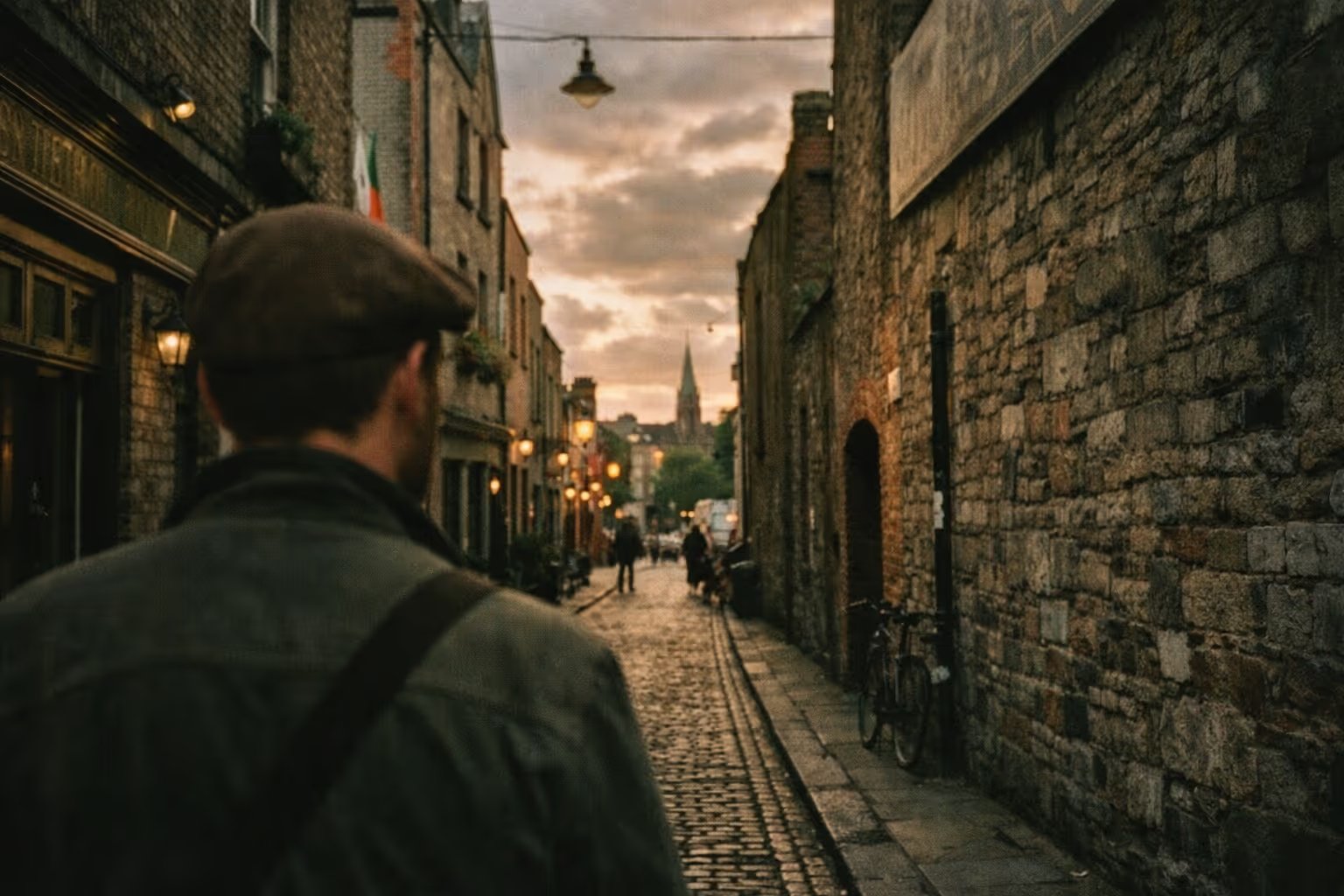
Hidden gems in Dublin are worth seeking out for a reason that has nothing to do with mystique: most of them are free or nearly so. Seven of the ten here come in under fifteen euros, from the quiet Iveagh Gardens tucked behind Georgian townhouses to a former reservoir basin locals still walk daily. The ones that cost money, like the 14 Henrietta Street tenement museum, sell out because the groups are tiny. Skip the obvious paid landmarks and this is the cheaper, better Dublin.
What counts as hidden gems in Dublin - and what doesn’t
Before jumping in, a quick note on what I mean by “hidden gems in Dublin” - the term often gets stretched too far. The guides ranking well for this topic tend to agree on a few points (2):
- Free or under €15 (≈USD $16) to enter - a hidden gem shouldn’t cost as much as the Guinness Storehouse.
- Lower visitor numbers than the big-ticket sights, either because it’s tucked away (a crypt, an old reservoir, a small library) or sits outside the usual tourist circuit.
- Still used by locals - a park where people walk their dogs, a cinema showing films Dubliners actually want to see.
By those standards, some famous spots don’t fit. Kilmainham Gaol is excellent, but with hundreds of visitors daily and advance sell-outs, it’s not quiet. The Guinness Storehouse is Ireland’s most-visited paid attraction. Both belong on your itinerary - just don’t lump them in with the “quiet corners.”
One honest caveat: a few spots below (Iveagh Gardens, Jameson Bow St.) have gained popularity online, so expect some crowds at peak times (2). Early mornings and weekday afternoons are your best bet to avoid them.
✓ Pros
- Affordable or free entry to most spots
- Less crowded than major tourist attractions
- Experiences favored by locals, offering genuine cultural insight
- Variety of parks, cultural sites, food neighborhoods, and unique tours
✗ Cons
- Some popular spots can get busy at peak times
- Certain guided tours require advance booking
- Not all attractions open daily or year-round
- Some experiences have higher price points (private tours, Vintage Tea Trips)
Quiet parks in Dublin: green space without elbowing crowds
St Stephen’s Green is lovely but busy. These three parks offer greenery minus the elbow room.
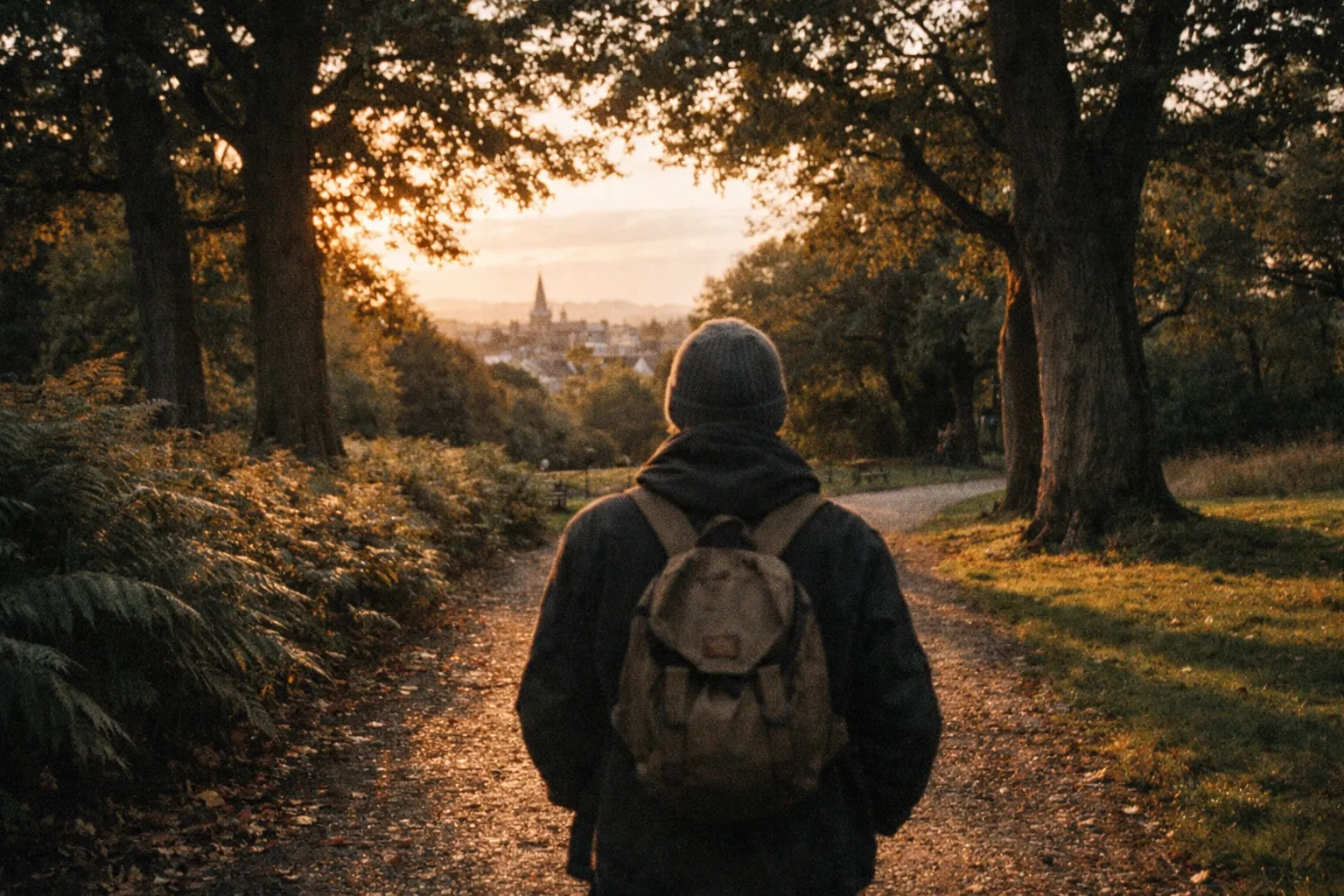
Iveagh Gardens hides behind the National Concert Hall, just a five-minute walk from Stephen’s Green, yet it’s a fraction as busy. It’s free to enter. You’ll find a sunken lawn, a cascade waterfall, a maze, and a rose garden, all shielded from traffic noise. Arrive before 10:00 and you’ll often have the winding paths to yourself (2). Grab a coffee nearby first - expect to pay €3-€4 (≈USD $3.20-$4.30) at cafés around Harcourt Street.
Blessington Street Basin in the north inner city is a former reservoir turned quiet park, ringed by water. Entry is free, it’s popular with locals, and genuinely peaceful during daylight hours. One heads-up: some locals say it feels less comfortable after dark, so treat it as a daytime stop.
National Botanic Gardens in Glasnevin is free and pairs well with the adjacent Glasnevin Cemetery for an underrated half-day walk. You’ll find restored Victorian glasshouses, a rose garden, and quiet lawns. For a proper local loop, combine the Botanic Gardens and cemetery with a pint at the Gravediggers pub next door - all in one compact area, well away from central-city crowds.
Culture without the queue: libraries, tenements, and indie cinema
You can spend a full day soaking up Dublin culture without standing in line for the big museums.
Marsh’s Library, beside St Patrick’s Cathedral, is Ireland’s oldest public library, opened in 1707. The reading rooms still have their original dark oak bookcases and creaky floors. Capacity is deliberately limited, so it stays hushed even when the city is packed (1)(9). Admission is about €5 (≈USD $5.40). Give yourself an hour and aim for mid-afternoon when the headline attractions are busiest.
Chester Beatty Library, inside Dublin Castle grounds, is free and holds one of Europe’s finest collections of manuscripts, prints, and religious texts - Egyptian papyri, illuminated Qurans, early Gospels (2). One catch: it is closed to the public from 15 June to the end of December 2026 (11), so keep it for a trip from January 2027 onward. It’s often overlooked in favor of the National Gallery but offers just as rich an experience. Budget 1-2 hours.
14 Henrietta Street is a tenement museum in a Georgian townhouse later subdivided into cramped flats housing dozens of families. The guided tour traces the building’s shift from wealth to overcrowded poverty, told through the lives of its residents. Tickets are €10 for adults, €8 concessions (≈USD $10.80 / $8.60). Tours run hourly from 10:00 to 16:00, Wednesday through Sunday only (8). Pre-booking is essential - it’s guided-tour-only with small groups and sells out. Note the Wednesday-to-Sunday schedule; if you arrive Monday or Tuesday, you’ll miss it.
Lighthouse Cinema in Smithfield is the arthouse alternative to multiplexes, showing new independent releases, world cinema, and repertory screenings. Standard adult tickets run €8.50-€10 (≈USD $9-$11) depending on the film and screening type. Pair a screening with a pre-show drink or bite in Smithfield, and you’ve turned a movie into a proper neighborhood evening, far from Temple Bar’s noise.
Immerse yourself in Dublin’s rich history and culture
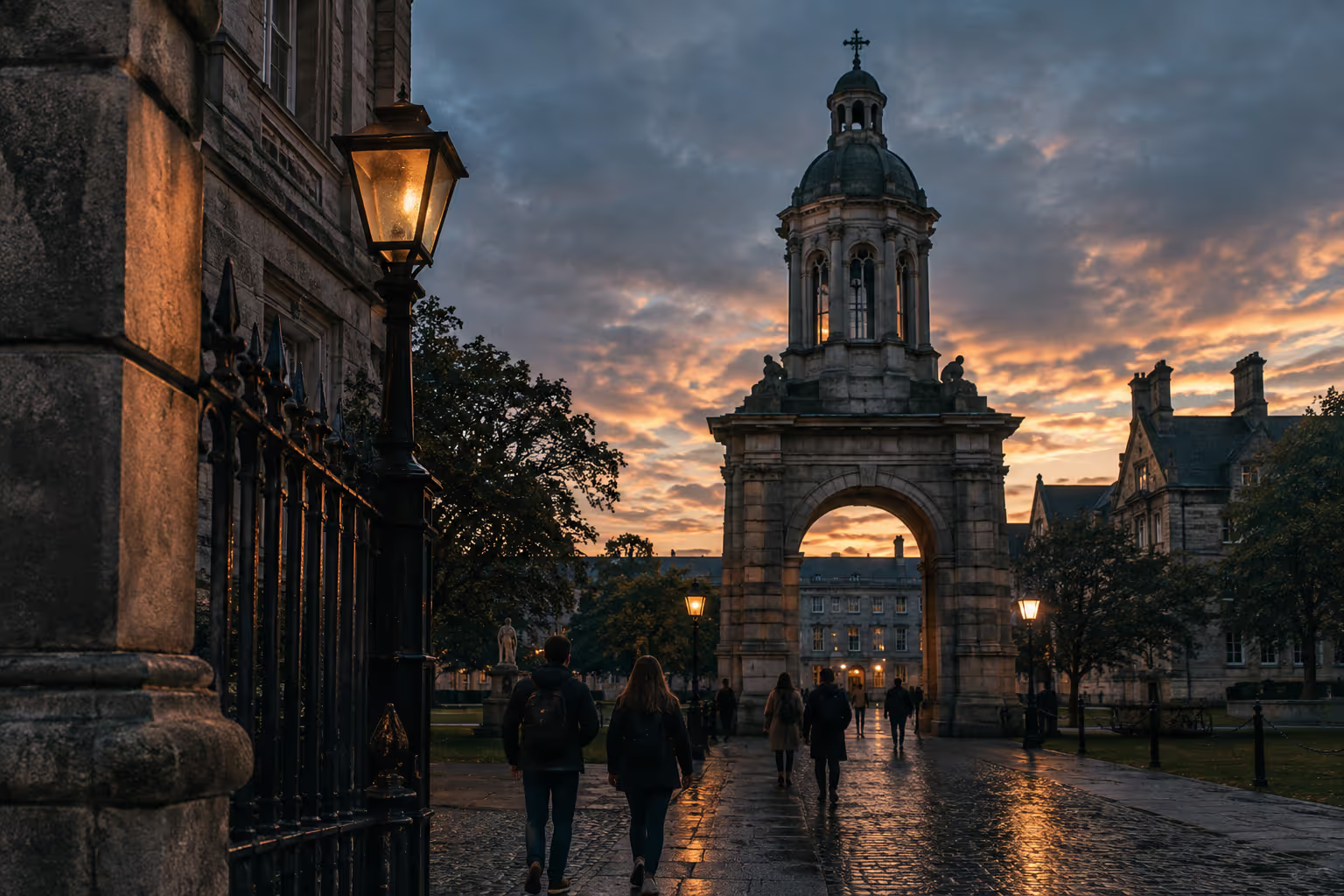
Dublin’s history is woven into the city’s fabric. Trinity College is where I started my exploration. Walking the cobblestone campus, I felt the weight of centuries. The highlight was the Book of Kells, an illuminated manuscript whose intricate details left me speechless.
For a deeper look at Ireland’s past, I recommend Kilmainham Gaol. This former prison turned museum offers a sobering look at the country’s struggle for independence. The guided tour is essential - book ahead, as same-day tickets are rare in summer.
No visit is complete without seeing Dublin’s cathedrals. St. Patrick’s Cathedral and Christ Church Cathedral showcase the city’s religious heritage. I was particularly moved by Evensong at Christ Church - the haunting melodies transcend faith.
For history buffs, the Little Museum of Dublin on St Stephen’s Green is a quirky spot. Its guided tours bring the city’s past to life through personal stories and artifacts donated by Dubliners. It’s a great way to get a feel for the city and its people.
Savor Dublin’s food scene beyond the tourist traps
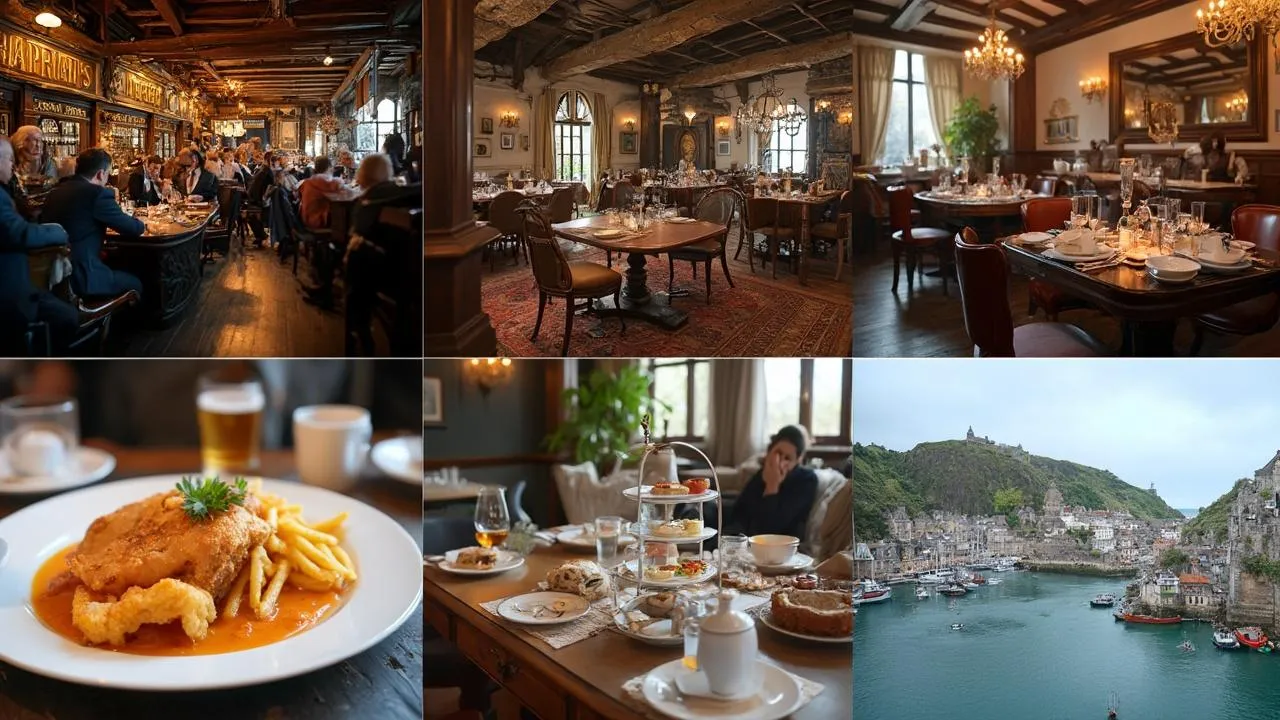
As a self-proclaimed foodie, I was glad to see Dublin’s dining has moved beyond pub grub. The best hidden gems Dublin food lives in neighborhoods many visitors miss, where prices haven’t been inflated by Temple Bar footfall.
Stoneybatter and Smithfield on the north side are my go-to areas for good food without the crowds (10). Stoneybatter runs on independent cafés, wine bars, and small restaurants along Manor Street and nearby. You’ll find spots like L. Mulligan Grocer for elevated pub fare and craft beer at Rascals close by. Across the city, locals swear by places like Shouk (Middle Eastern), Konkan (Indian coastal), Kopitiam (Malaysian), and Han Sung (Korean) - mid-range dinners cost around €20-€35 (≈USD $22-$38) per person. Arrive for weekday lunch rather than weekend dinner and you’ll avoid waiting.
One of my favorite Saturday mornings is the Temple Bar Food Market, held weekly. It’s a sensory overload - artisanal cheeses, freshly baked bread, and local produce. A good spot to sample Irish specialties and chat with producers - just get there early, before the tour groups arrive.
For a more upscale meal, Dublin delivers. I enjoyed dinner at Chapter One, a Michelin-starred restaurant showcasing modern Irish cooking. The tasting menu was a tour through Ireland’s finest ingredients, executed with precision.
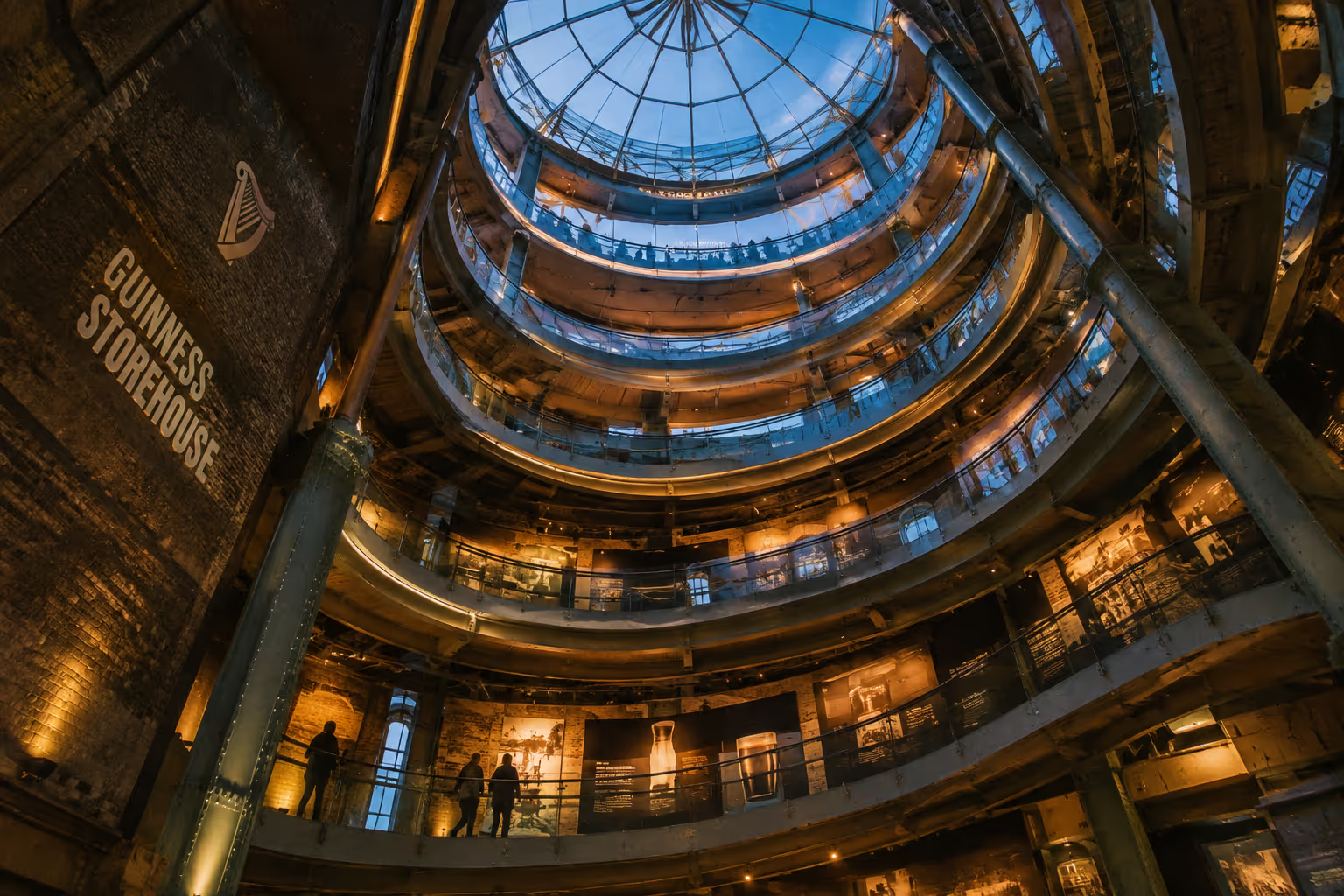
No visit to Dublin is complete without a pint of the black stuff. The Guinness Storehouse walks you through the history and brewing process of Ireland’s most famous export, ending with a pint poured perfectly at the Gravity Bar, which offers panoramic views of the city skyline. It’s not an overlooked spot - it’s the country’s busiest paid attraction - but it deserves its place.
Quick culinary must-tries:
- Traditional Irish stew at The Brazen Head, Ireland’s oldest pub
- Fish and chips at Leo Burdock’s, a Dublin institution
- Afternoon tea at The Merrion Hotel for a touch of elegance
- Whiskey tasting at the Jameson Distillery
- Fresh seafood in Howth, a fishing village 30 minutes out on the DART
Etiquette note: tipping in Dublin is more relaxed than in the US. Around 10% at sit-down restaurants if service isn’t included; no need to tip on a pint at the bar. In traditional pubs, order and pay at the bar unless table service is clearly offered.
Vintage Tea Trips: afternoon tea on a 1960s bus
For something genuinely different, Vintage Tea Trips serves afternoon tea aboard a restored vintage double-decker bus as it loops past Dublin’s landmarks. You get sandwiches, scones, and pastries with tea or a prosecco upgrade, plus running commentary on the city as you roll by.
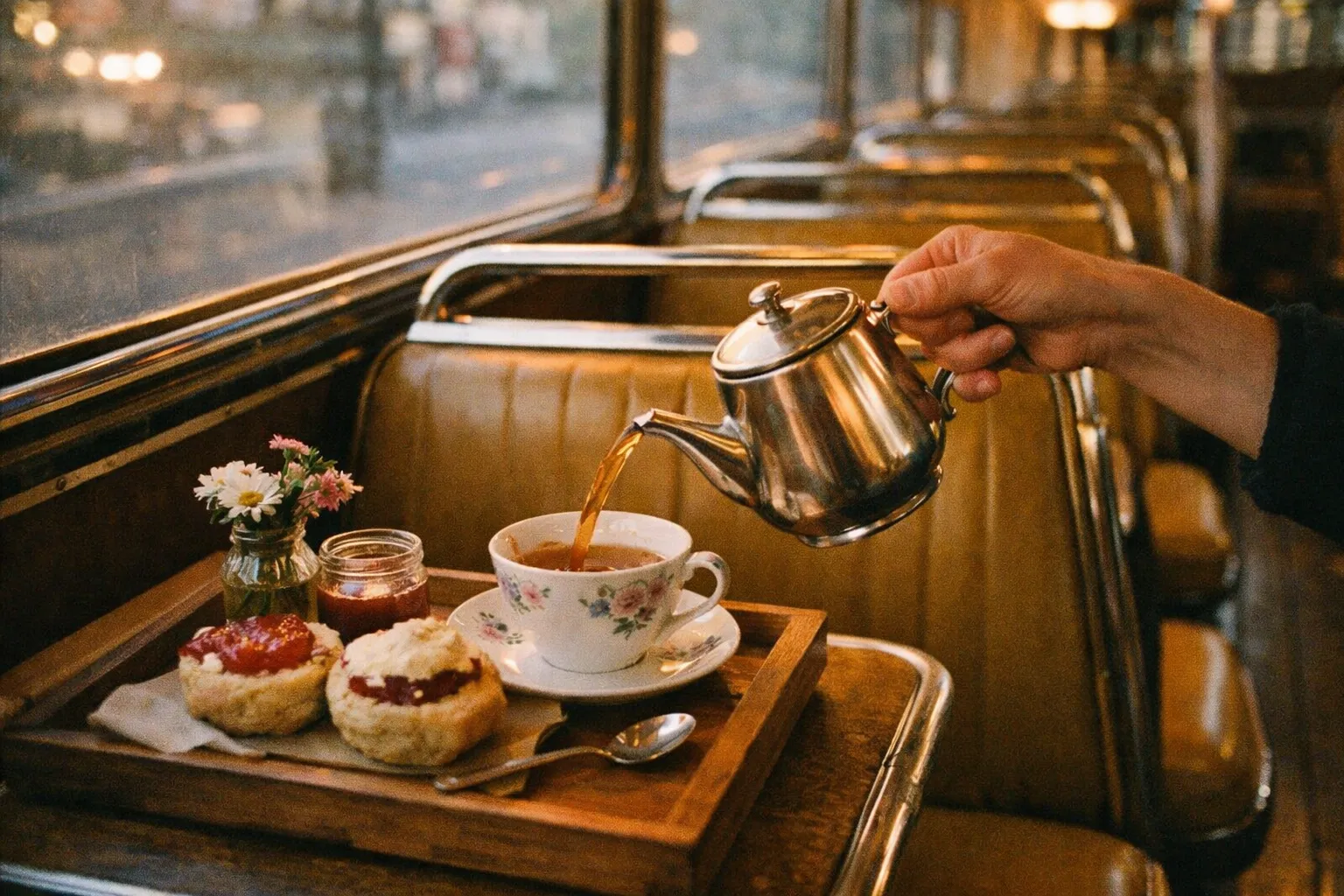
It’s well-reviewed - the main TripAdvisor listing shows a 4.8 out of 5 from over 2,400 reviews (9). Prices vary: standard afternoon tea runs around USD $71, premium options from about USD $101, and a shorter tasting-style trip costs roughly USD $28. Tours last 1.5 to 2 hours. Book 7-14 days ahead in peak season - these sell out, sometimes days in advance (3).
Jameson Distillery Bow St.: tastings and cocktail classes
The Jameson Distillery Bow St. in Smithfield is the original Jameson home, now a visitor center rather than a working distillery. The standard Bow St. Experience - a guided tour of the whiskey’s history and process, finishing with a comparative tasting - costs about €30-€40 (≈USD $32-$43) and takes 75-90 minutes (5). Beyond the basic tour, there are cocktail classes and premium tastings if you want to go deeper.
Opening hours extend to around 20:00-20:30 seasonally, making this a solid early-evening option (5). You’ll need photo ID for tastings - minimum age 18. It pairs well with the Lighthouse Cinema and Smithfield’s restaurants for a north-side night out.
See Dublin’s less obvious side on a private tour
If you’d rather have someone map out the quiet corners, small-group and private “hidden side” walks are growing in popularity (4)(10). A local guide takes you through lesser-known streets, canals, and parks - the Portobello and Grand Canal stretches, Stoneybatter’s back lanes, tucked-away basins - often adding stories you won’t find on plaques.
These tours run roughly €120-€250 (≈USD $130-$270) per group for 2-4 hours, sometimes including transport between neighborhoods (4). It’s not cheap, but split across a small group it’s reasonable. It works well as a day-one orientation: let the guide show you the quiet spots, then revisit your favorites solo. Book at least a week ahead in summer.
Discover Dublin’s literary and artistic corners
As a fan of literature and art, I found plenty to dig into. Dublin’s literary giants left their mark in unexpected places.
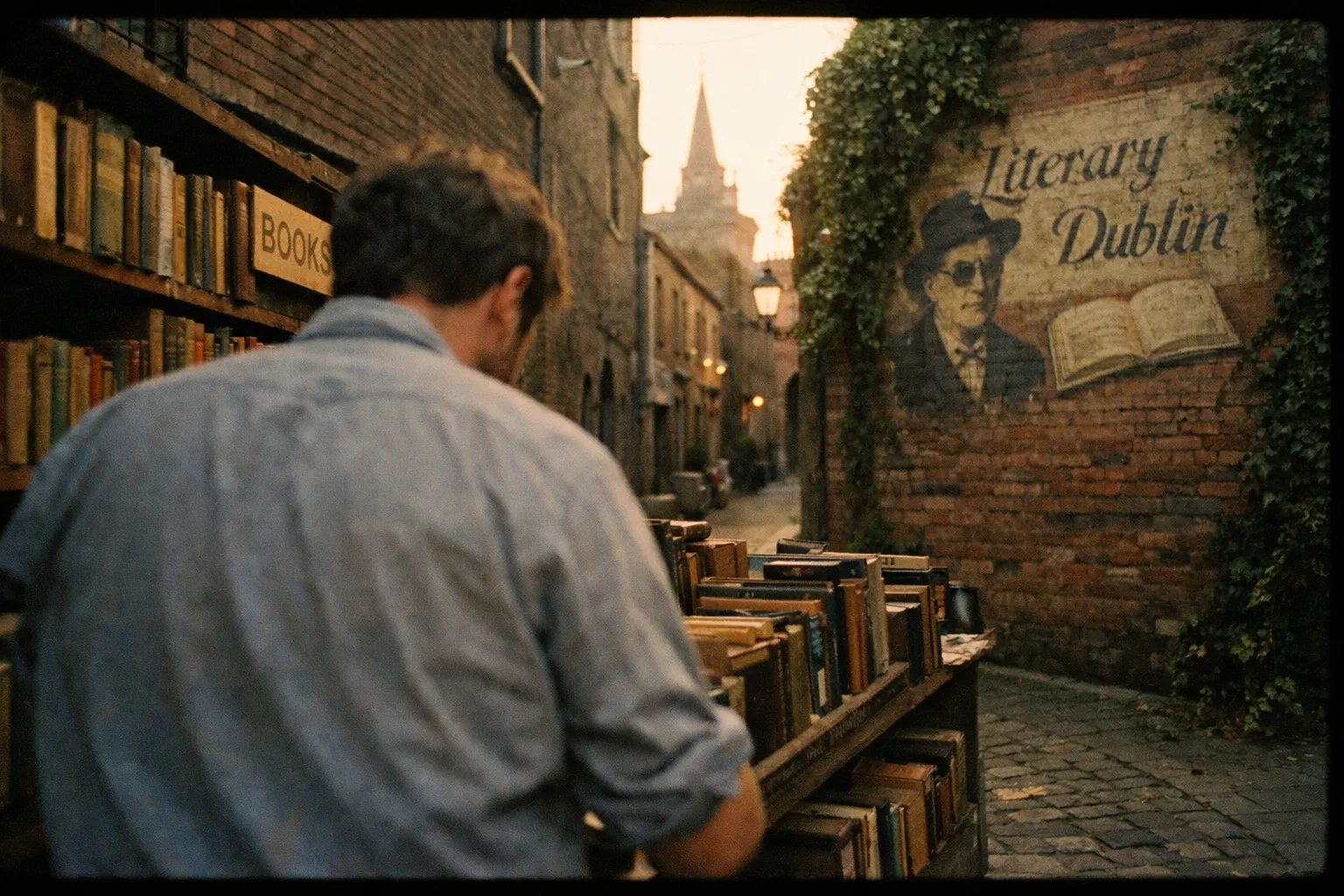
Marsh’s Library (already mentioned) is as much a literary pilgrimage as a quiet-culture stop. For art, the Hugh Lane Gallery near Parnell Square showcases modern and contemporary works by Irish and international artists - and it’s free. The highlight for me was Francis Bacon’s reconstructed London studio, rebuilt piece by piece, offering a rare glimpse into his creative chaos.
To experience Dublin’s literary side, try a Literary Pub Crawl. It combines two of Dublin’s loves: literature and pubs. As you move between historic watering holes, actor-guides perform passages from Joyce, Yeats, and Beckett. It’s a fun way to soak up literary heritage over a pint or two.
Literary and Artistic Spots in Dublin
| Dublin Writers Museum | National Gallery of Ireland | James Joyce Centre | Chester Beatty Library | |
|---|---|---|---|---|
| Description | Celebrates Ireland's literary heritage | Ireland's national art collection | Dedicated to Joyce's life and works | World-renowned manuscripts and art collection |
| Must-See | First editions of famous Irish works | Caravaggio's The Taking of Christ | Joyce's death mask and walking stick | Ancient Egyptian papyrus texts |
| Cost | Check current hours | Free | ≈€5 (≈USD $5.40) | Free (closed until end of December 2026) |
Dublin’s nightlife beyond Temple Bar
When the sun sets, Dublin changes gears. The nightlife ranges from traditional pubs to live music venues and speakeasy-style cocktail bars.
My pick is the historic pubs. John Mulligan’s, Bowes, The Long Hall, and Neary’s offer a proper Irish pub experience - dark wood, no music, just conversation and well-pulled pints. They’ve kept their character while newer bars chase trends nearby.
For music, skip Temple Bar and seek out traditional Irish sessions in quieter pubs. The Cobblestone in Smithfield is the one musicians recommend, with real sessions, not performances staged for tourists. Fiddles, tin whistles, bodhrán drums - locals and visitors tapping along. That’s where the music actually happens.
If you prefer cocktails, Dublin’s scene is strong, with speakeasy bars tucked behind unmarked doors serving carefully made drinks in small rooms. For whiskey, the Teeling Whiskey Distillery in the Liberties is a working distillery with a solid tour - a good alternative or complement to Jameson Bow St.
A quiet Dublin day: how to put it together
Most of the city-centre spots here sit within about 3 km of O’Connell Street, walkable or a short €2-€3 (≈USD $2.20-$3.20) bus ride (2). A realistic quiet day might look like this:
- Morning: Iveagh Gardens before 10:00, coffee nearby, then Marsh’s Library.
- Midday: Lunch in Stoneybatter or Smithfield.
- Afternoon: 14 Henrietta Street tour (pre-booked, Wed-Sun) or the Botanic Gardens + Glasnevin loop.
- Evening: Lighthouse Cinema screening or a Jameson Bow St. tasting, followed by dinner in Smithfield.
Don’t try to cram Jameson, 14 Henrietta Street, multiple parks, and Vintage Tea Trips into one day - the guided elements have fixed start times, and you’ll end up rushing (3)(8). Two relaxed days beat one frantic one.
A few practical notes: wear comfortable shoes - this route easily hits 10,000-15,000 steps. Pack a compact umbrella and waterproof layer; rain on any given day runs 30-50%. For outlying calm spots like Howth, Killiney Hill, or Dollymount Strand, take the DART - fares run €3-€5.50 (≈USD $3.20-$5.90) each way, about 30 minutes from central stations. And on photography: Marsh’s Library and 14 Henrietta Street have restrictions, so ask before shooting inside.
If Dublin leaves you wanting more of Ireland beyond the capital, the best cities to visit in Ireland include Galway and Cork, both well worth adding to your itinerary.
How to Plan a Quiet Day Exploring Dublin's Hidden Gems
10 hoursA suggested itinerary combining parks, culture, food, and evening options for a relaxed day.
- 1
Morning
Visit Iveagh Gardens before 10:00 to enjoy quiet paths, grab coffee nearby, then explore Marsh's Library.
- 2
Midday
Have lunch in Stoneybatter or Smithfield to experience local dining away from crowds.
- 3
Afternoon
Take the 14 Henrietta Street guided tour (Wed-Sun, pre-book) or stroll the Botanic Gardens and Glasnevin Cemetery loop.
- 4
Evening
Catch a screening at Lighthouse Cinema or join a Jameson Bow St. whiskey tasting, followed by dinner in Smithfield.
FAQs about Dublin’s lesser-known spots
Frequently Asked Questions
- Can I visit 14 Henrietta Street on any day of the week?
- No, tours run only Wednesday through Sunday and require pre-booking due to limited group sizes.
- Are photography restrictions common at Dublin's hidden gems?
- Yes, places like Marsh's Library and 14 Henrietta Street restrict photography; always ask before taking photos inside.
- Is tipping expected in Dublin pubs when ordering a pint?
- No tipping is needed on bar pints; tipping around 10% applies mainly at sit-down restaurants if service isn't included.
- How far in advance should I book experiences like Vintage Tea Trips or private tours?
- Book 7-14 days ahead during peak season to secure spots, as these experiences often sell out.
- Are the hidden gems mostly within walking distance in Dublin city centre?
- Yes, many gems like Iveagh Gardens and Marsh's Library lie within 3 km of O'Connell Street, walkable or a short bus ride.
- Can I combine a visit to the Botanic Gardens with other nearby attractions?
- Yes, pairing the Botanic Gardens with Glasnevin Cemetery and a pint at the Gravediggers pub makes a peaceful half-day loop.
- What's the best time to visit Iveagh Gardens to avoid crowds?
- Early mornings before 10:00 are usually quiet, letting you enjoy the gardens without many visitors.