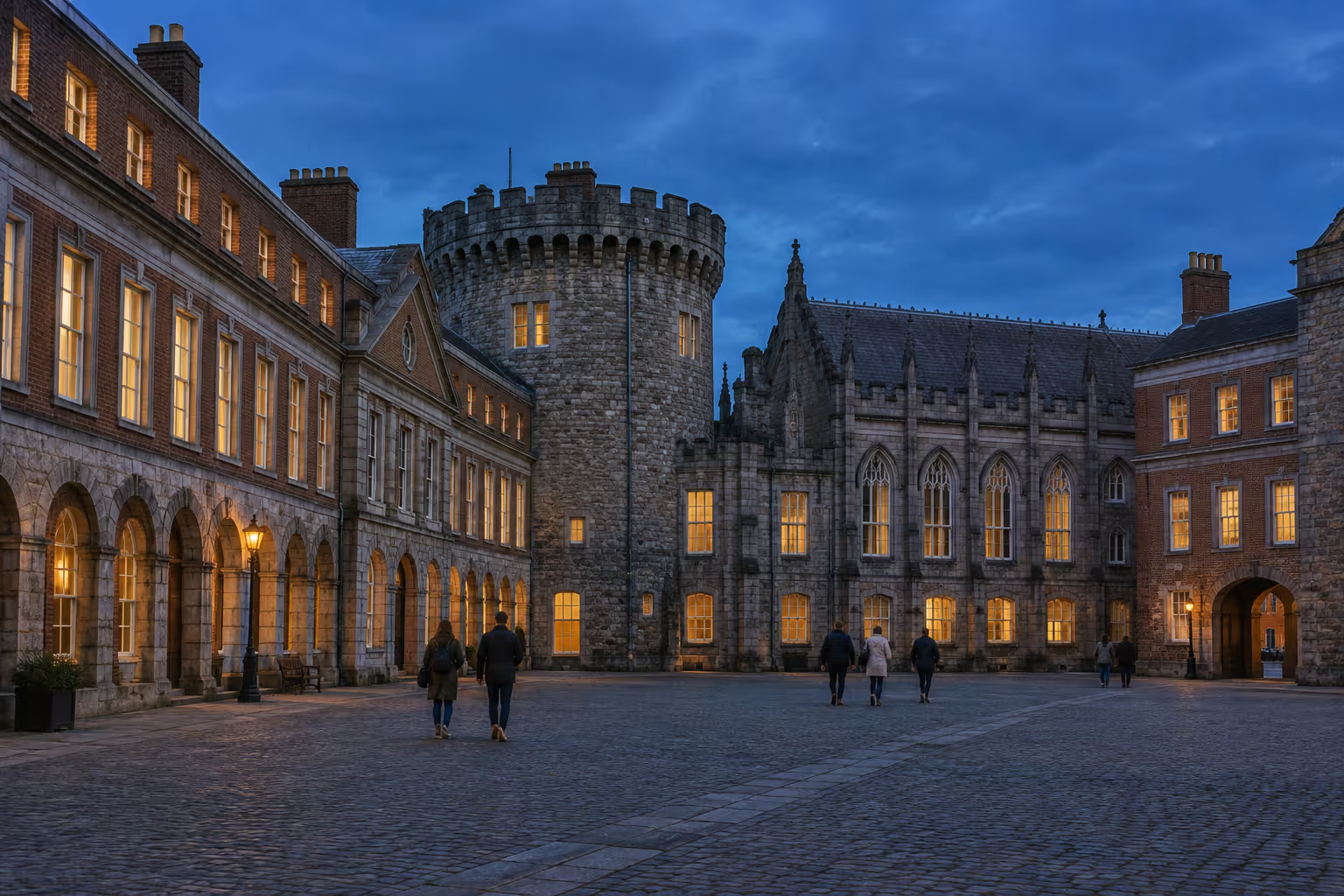
Things to do in Sligo cluster so tightly that you can hit Stone Age tombs, an Atlantic surf beach, and a flat-topped mountain out of a Yeats poem all within forty-five minutes of town. Knocknarea and the Carrowmore megalithic cemetery cover the ancient side, Strandhill the surf, and the Benbulben Loop the serious hiking at a solid four to five hours. On a wet day the Jack Yeats collection at The Model steps in. One well-planned day here does the work of three.
The Best Things to Do in Sligo: Exploring County Sligo, Sligo Town, Benbulben, and the Sligo Wild Atlantic Way
When planning your trip, the variety of things to do in Sligo makes it a standout destination. Sligo’s spot on the map is hard to beat. The town is about 40 miles from the Northern Ireland border and acts as the gateway to Ireland’s northwest.
Here’s what’s around you:
- Benbulben: A flat-topped peak rising 526 metres, part of the Dartry Range, often called Sligo’s “Table Mountain”
- Knocknarea: The hill crowned by the legendary Queen Maeve’s Cairn
- Atlantic Ocean: Rugged coastline with surf breaks that draw enthusiasts from afar
- Lough Gill: The lake that W.B. Yeats wove into his poetry
- Ox Mountains: A rugged range to the south offering quieter trails
Sligo’s place along the Sligo wild Atlantic Way coastal route makes it a practical starting point for exploring Ireland’s west coast. The 2026 Wild Atlantic Way itineraries now include Sligo as a key stop, routing through Strandhill and the county’s beaches as part of the northwest leg (4)(10).
The town itself is compact. With roughly 20,000 residents, it’s Ireland’s 12th largest urban area and the second largest in the West after Galway. Despite its modest size, County Sligo packs in natural and cultural sites that go well beyond what you’d expect.
Is Sligo worth a visit?
Short answer: yes, especially if you want dramatic Atlantic scenery without the crowds of Galway or Kerry. Benbulben holds a 4.7/5 rating from over 400 reviews, and Knocknarea matches that with nearly 700 reviews on Google Maps. Travel guides from 2025 to 2026 are increasingly naming County Sligo as one of Ireland’s underrated destinations, and off-season visitors find it quieter and cheaper than the better-known west coast counties (8).
What makes the case for Sligo is variety in a small area. From Sligo town, you can reach a surf beach, a Neolithic cemetery, a serious mountain hike, and a lake steeped in poetry - all within a 20 to 45-minute drive (1)(3). Few Irish counties offer that range packed so tightly.
The catch: if you only have a few hours and it’s pouring sideways (a real possibility on the Atlantic coast), you’ll want to focus on indoor options rather than pushing for a summit hike. Plan around the weather and Sligo will reward you.
Main attractions around Sligo
If you’re prioritizing for a first visit, these spots come up on nearly every list:
- Benbulben - The county’s signature peak, best seen on the Benbulben Loop or from the coast road near Drumcliffe
- Knocknarea - A 2-3 hour summit walk to Queen Maeve’s cairn, rated 4.7/5 from 694+ reviews
- Carrowmore Megalithic Cemetery - One of Ireland’s largest Stone Age burial grounds, 4.3/5 from 565+ reviews
- Strandhill - Surf beach and café strip on the Wild Atlantic Way (10)
- Mullaghmore - Fishing village with a headland drive and a reputation for big-wave surfing
- Lough Gill - Yeats’ lake, best explored by boat on the Rose of Innisfree
- Sligo Abbey - Medieval ruins in town, the easiest cultural stop
- The Model - Contemporary arts centre housing the Niland Collection of Jack B. Yeats works
Most of these sites sit outside the town centre, which is a common planning mistake - see the itineraries below for tips on grouping them efficiently.
Sligo’s layers of history and culture
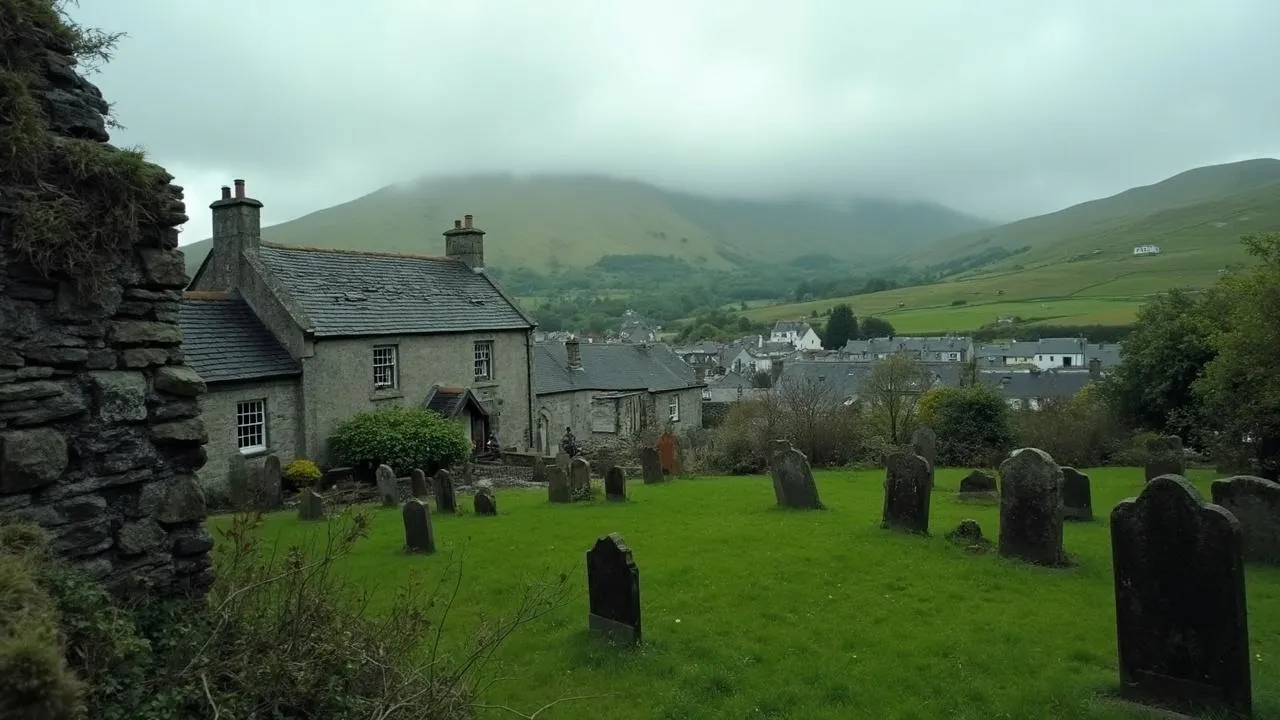
Sligo’s past runs deep. The county has roots stretching back to Neolithic times, with megalithic sites scattered across the landscape. Two stand out:
- Carrowkeel megalithic cairn complex: A remote site perched high in the Bricklieve Mountains
- Carrowmore Megalithic Cemetery: One of Europe’s largest and oldest megalithic cemeteries
These monuments predate the pyramids in some places. Standing among them shifts your sense of history and scale.
Sligo’s cultural significance doesn’t stop at prehistory. The town and its surroundings are closely tied to W.B. Yeats, who spent childhood summers here. The landscapes and legends weave through his poetry.
Take “The Lake Isle of Innisfree,” inspired by an island in Lough Gill. Stand on the shore in mist and the opening lines hit differently:
“I will arise and go now, and go to Innisfree,
And a small cabin build there, of clay and wattles made…”
The Yeats Building in town hosts a permanent exhibition on the poet’s life and work. His grave lies in the churchyard at Drumcliffe, with the epitaph he wrote himself, and Benbulben looming behind.
A quick etiquette note: at Drumcliffe and other working churches, keep voices low and dress casually but respectfully - it’s an active graveyard, not just a photo opportunity. In pubs hosting traditional music sessions, avoid talking over the musicians mid-tune; a nod or quiet clap between sets is the way to show appreciation.
Outdoor activities in Sligo’s natural playground
Sligo’s landscape delivers for hiking, surfing, and paddling. Here’s a quick rundown:
 Budget ranges for a day in Sligo: USD $80–$180 for a mid-range day, USD $40–$90 for a backpacker day, USD $3–$6 for parking, USD $50–$90 per person for guided hikes, and USD $6–$12 per adult for admission.
Outdoor Activities in Sligo
| Surfing | Hiking | Kayaking | Stand-up Paddleboarding | |
|---|---|---|---|---|
| Activity | Surfing | Hiking | Kayaking | Stand-up Paddleboarding |
| Location | Strandhill, Mullaghmore | Benbulben, Knocknarea | Lough Gill | Lough Gill |
| Difficulty | Beginner to Advanced | Moderate to Challenging | Beginner to Intermediate | Beginner |
Strandhill’s surf breaks attract visitors from across Europe. If you’re just starting out, book a lesson with a local surf school - you’ll likely catch your first white-water wave with Knocknarea visible behind you. Strandhill is flagged in the 2026 Wild Atlantic Way guides as a local favourite for combining surf lessons, café culture, and sunset walks in one tidy package (10).
If you prefer to stay dry, hiking trails around Benbulben offer wide-open views over the countryside and coast. But don’t be fooled - this mountain isn’t a casual stroll.
The Benbulben hike, done right
Benbulben looks approachable but demands respect. The guided loop runs about 10-12 km with 500 m of ascent over 4-5 hours, rated “standard” and suited to reasonably fit walkers (6). Gear up with:
- Waterproof hiking boots with ankle support
- Windproof, waterproof layers (the summit plateau is exposed; weather changes fast)
- Water, snacks, and a charged phone with an offline map
Guided hikes cost around USD $50-$90 per person (roughly €45-€85, early 2026 rates) (6). If you’re confident navigating hills, you can go self-guided - but check the forecast carefully. Mist on the plateau can make navigation tricky.
Pair Benbulben with the Gleniff Horseshoe loop on a separate day - both are substantial walks and deserve their own mornings (3)(6).
Walking holidays with Hillwalk Tours
If you want to hand off planning, luggage transfers, and accommodation, walking holidays are a smart option. Companies like Hillwalk Tours offer multi-county itineraries across Ireland, ranking hikes by difficulty and distance so you can pick what fits your pace.

For a Sligo-based trip, the idea is to use the town as a hub and radiate out: Benbulben and Gleniff Horseshoe to the north, Knocknarea and Carrowmore to the west, and gentler Ox Mountains and Lough Talt loops to the south. Modern walking sites provide GPX tracks, digital maps, and app integration for these routes - older guidebooks don’t (3). Download your tracks before heading out; mobile coverage dips on the hills.
Beyond the main sites: quieter corners of County Sligo
Most short lists stop with Benbulben and Strandhill, but County Sligo’s own “60 Things to do in Sligo” map runs much deeper. These lesser-known spots help you avoid the crowds (7):

- Tobernault Holy Well - a peaceful pilgrimage site near Lough Gill, quietly atmospheric
- Caves of Keash - limestone caves high on a hillside, with wide views over the plain
- Dolly’s Cottage - a preserved thatched cottage near Strandhill, one of the last in the area
- Aughris Head - a cliff walk with a pub at the trailhead, good for a short coastal loop timed with the tides
- Ballymote Castle - a ruined 14th-century Norman castle, free to explore
- Creevykeel Court Tomb - a well-preserved megalithic tomb just off the main road north
- The De Cuéllar Trail - follows the story of a Spanish Armada survivor along the north Sligo coast
The county map also lists niche experiences - seaweed tasting, wild alpaca visits, snorkelling, and outdoor yoga on Strandhill beach - most with USD $0-$12 admissions if there’s a fee (7). Cluster your stops by coastal zones (for example, Mullaghmore-Creevykeel-De Cuéllar Trail in the north) to save driving time.
Rainy-day and indoor options
The Atlantic weather isn’t always cooperative, and outdoor-only lists leave you stranded when it turns wet. Sligo offers some weatherproof alternatives:
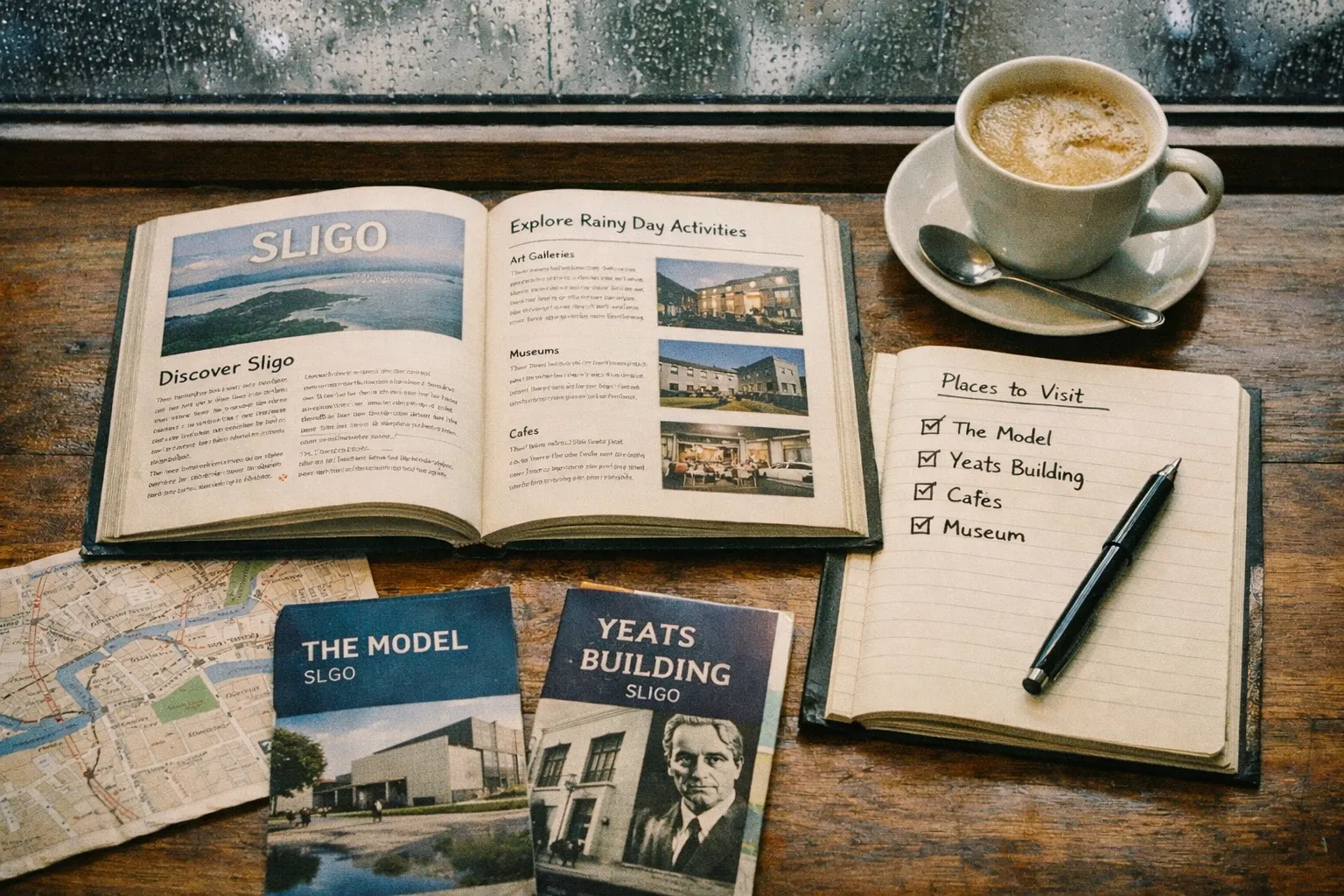
- The Model - contemporary arts centre with a strong focus on Jack B. Yeats
- Sligo County Museum - local history in town, often low or no admission
- The Yeats Building - exhibition on the poet’s life, easy to reach on foot
- Sligo Abbey - partly roofed medieval ruin you can explore even in drizzle; paid heritage sites nearby typically charge USD $6-$12 per adult
For groups looking for a non-weather-dependent challenge, the northwest has leaned into escape rooms. In November 2023, the region ran a themed “Cyber Escape Room” as part of a cyber-security awareness push, marketing itself as the North West’s escape-room hub. It’s a useful fallback for a wet afternoon with teens or a group.
Embracing Sligo’s artistic side
Sligo’s arts scene punches above its weight. Festivals throughout the year include:
- Sligo Live: folk, roots, and indie music
- Fleadh Cheoil: Ireland’s biggest traditional music festival when the town hosts it
Outside festival season, pubs carry the music. Spend an evening in a session and you’ll catch the real rhythm of the place - just mind the etiquette and don’t talk through the tunes.
Art lovers should make time for The Model, home to the Niland Collection of Jack B. Yeats works, the poet’s brother and a major painter. Smaller galleries like the Hamilton Gallery and Taylors Art Gallery round out the scene.
Sligo also had a moment on screen as a filming location for the TV adaptation of Normal People - you’ll recognize a few streets and stretches of coast as you walk around town.
What to do for a day when visiting Sligo
You can cover 3 to 5 sites in a day if you plan carefully, splitting time between Sligo town and the county highlights (1)(5). Here’s a realistic one-day route:
- Morning - Start in Sligo town: visit Sligo Abbey and either the Yeats Building or The Model, then take a riverside walk. Grab coffee before heading out.
- Midday - Drive 15 minutes to Knocknarea for the 2-3 hour summit walk to Queen Maeve’s cairn (3).
- Afternoon - Continue to Carrowmore Megalithic Cemetery to explore the Stone Age burial ground, or head straight to the coast.
- Evening - Finish at Strandhill for a beach walk, a surf session if time allows, and coastal dining as the sun sets (7)(10).
Don’t try to squeeze Benbulben, Mullaghmore, and Lough Gill into the same day - the hikes and drives make that unworkable in less than 10-12 hours. Pick coast or mountain, not both.
Two to three days based in Sligo on the Wild Atlantic Way
With more time, use Sligo town as your base and spread the itinerary:
- Day 1: Town sights, Knocknarea, Carrowmore, Strandhill
- Day 2: Benbulben Loop, Drumcliffe (Yeats’ grave), Mullaghmore headland
- Day 3: Gleniff Horseshoe loop or Ox Mountains trails, plus a boat trip on the Rose of Innisfree across Lough Gill (1)(7)
Sligo pairs naturally with neighbouring counties on a longer trip. Exploring Galway, Ireland’s vibrant cultural gem to the south, is a popular next stop for travellers working their way along the west coast. Further south still, discovering Connemara’s rugged landscape makes for a compelling extension if you have the time.
How to Spend Two to Three Days in Sligo
3 daysA suggested itinerary to explore Sligo's highlights and surroundings.
- 1
Day 1: Town and Nearby Sites
Explore Sligo town's cultural spots like The Model and Yeats Building, then hike Knocknarea and visit Carrowmore Megalithic Cemetery. End with Strandhill beach.
- 2
Day 2: Mountains and Coast
Hike the Benbulben Loop, visit Drumcliffe graveyard, and drive the Mullaghmore headland for coastal views and surfing.
- 3
Day 3: Hills and Lake
Choose between the Gleniff Horseshoe loop or Ox Mountains trails, then take a boat trip on Lough Gill aboard the Rose of Innisfree.
Getting to and around County Sligo
Sligo town is the county’s transport hub. It sits on the Dublin-Sligo rail line and has regular bus services, so arriving without a car is possible. But nearly all the main attractions lie outside the centre, so having a car makes exploring much easier.
Driving distances are short: Strandhill, Mullaghmore, Benbulben, and Carrowmore are all within 20-45 minutes (5)(3). Roads to trailheads and beaches can be narrow in spots - take your time.
Budget guidance, per person per day (early 2026):
- Mid-range day: USD $80-$180 - food ($25-$45), one paid attraction ($8-$12), one guided activity like a hike or boat trip ($50-$90), plus fuel or local transport ($15-$35)
- Backpacker day: USD $40-$90 - free hikes (Benbulben, Knocknarea), self-guided town sights, supermarket or low-cost meals
Knocknarea and Benbulben are free to access, though parking may cost around USD $3-$6. Tipping in Ireland is low-key: round up or leave 10% in sit-down restaurants, nothing expected at the bar. If you’re planning a broader Irish road trip, County Mayo sits just to the south of Sligo and offers similarly dramatic Wild Atlantic Way scenery with far fewer visitors than the more famous western counties.
Frequently Asked Questions
- Is Sligo suitable for travelers without a car?
- Sligo town is accessible by train and bus, but a car is recommended to reach most attractions outside the centre efficiently.
- What is the best time to visit Sligo for outdoor activities?
- Late spring to early autumn offers the best weather for hiking and surfing, though off-season is quieter and cheaper.
- Are there guided tours available for hiking Benbulben?
- Yes, guided Benbulben hikes cost about USD $50-$90 per person and include local expertise and safety.
- What should I wear when visiting Drumcliffe graveyard?
- Dress casually but respectfully, keep voices low, and treat it as an active churchyard rather than a tourist spot.
- Can I book surf lessons in Strandhill in advance?
- Yes, booking surf lessons ahead during summer is recommended to secure your spot with local surf schools.
- Are there indoor activities for rainy days in Sligo?
- Indoor options include The Model arts centre, Sligo County Museum, Yeats Building, and local escape rooms.
- Is tipping customary in Sligo restaurants and pubs?
- Tipping is low-key: round up or leave 10% in sit-down restaurants; no tipping is expected at the bar.