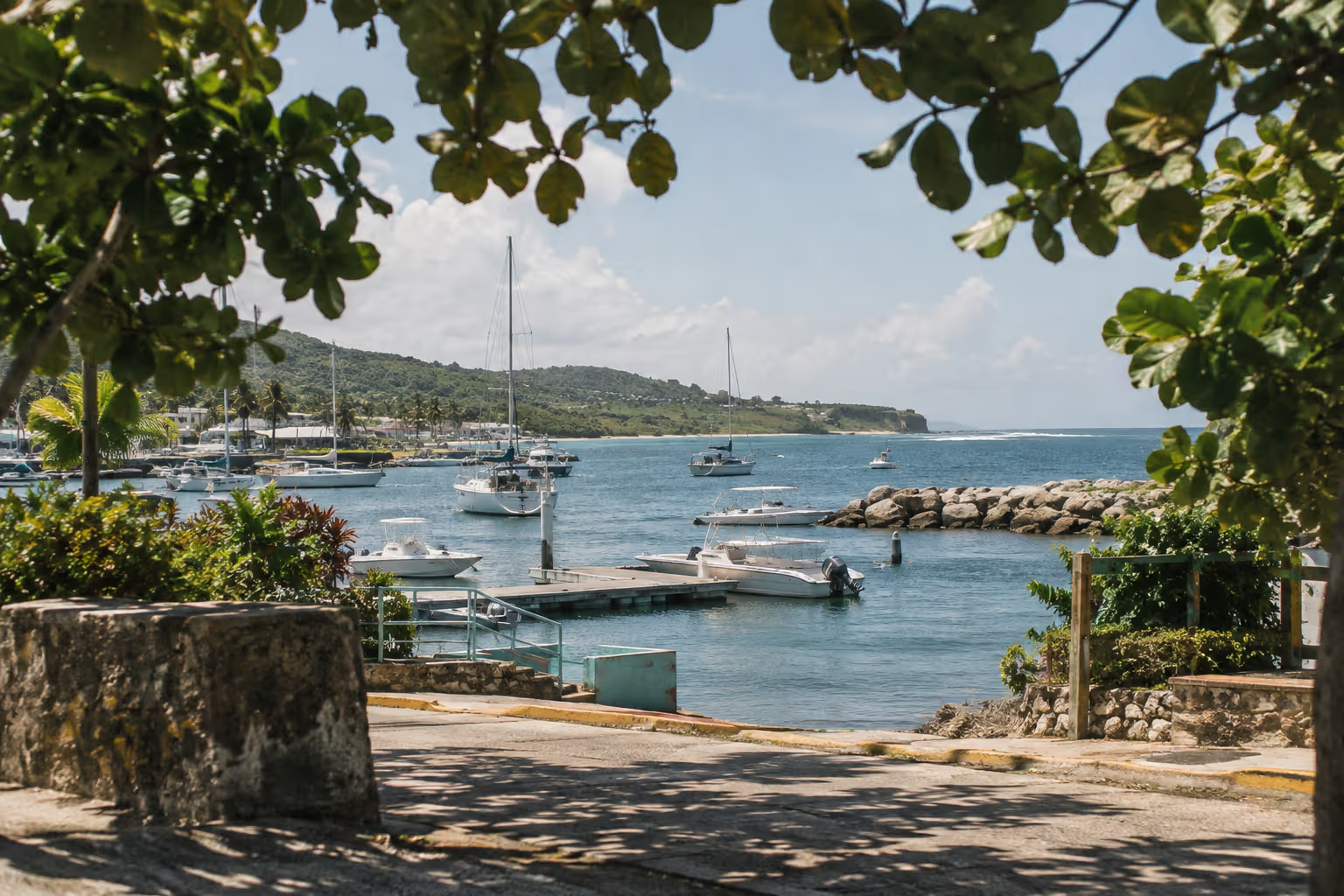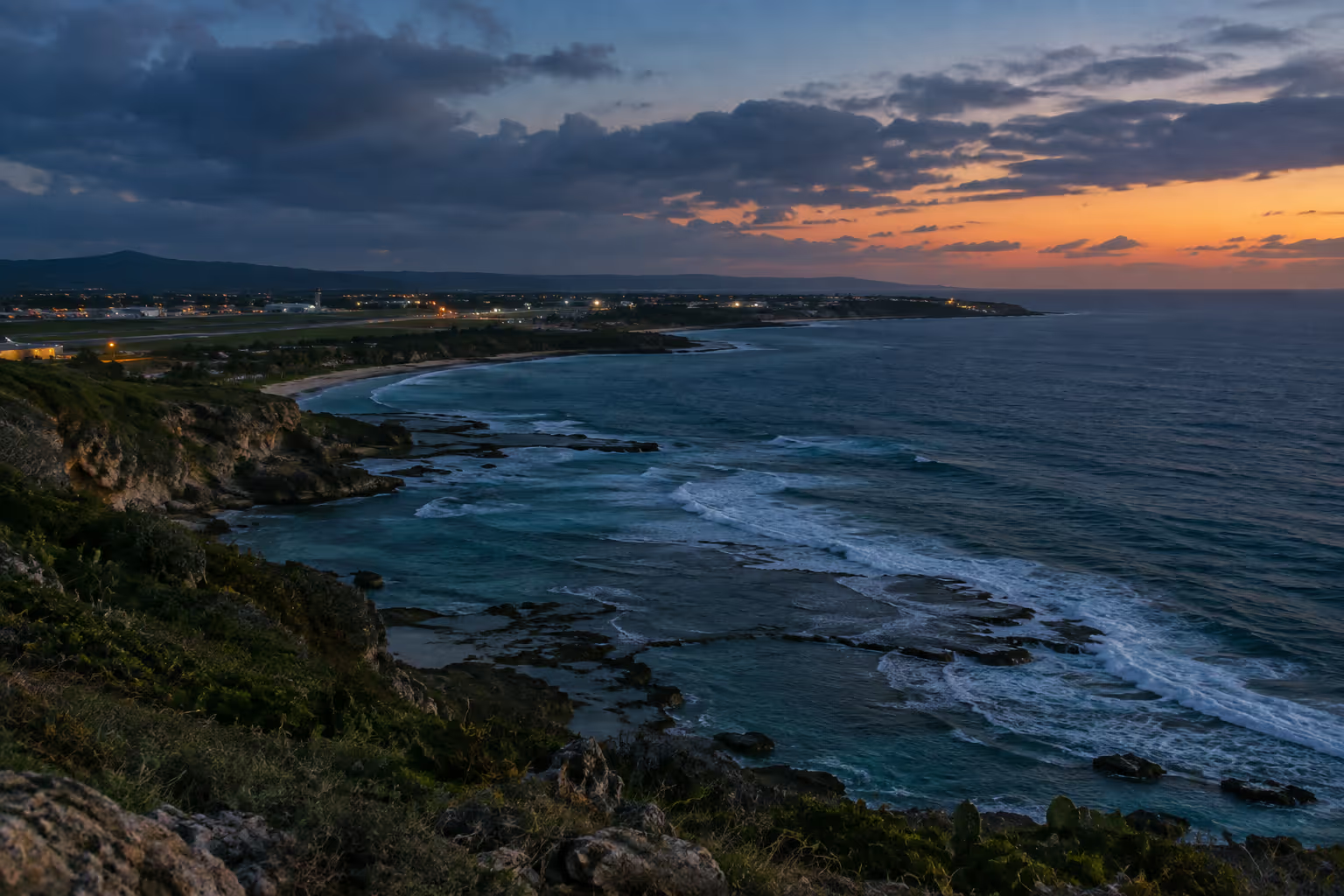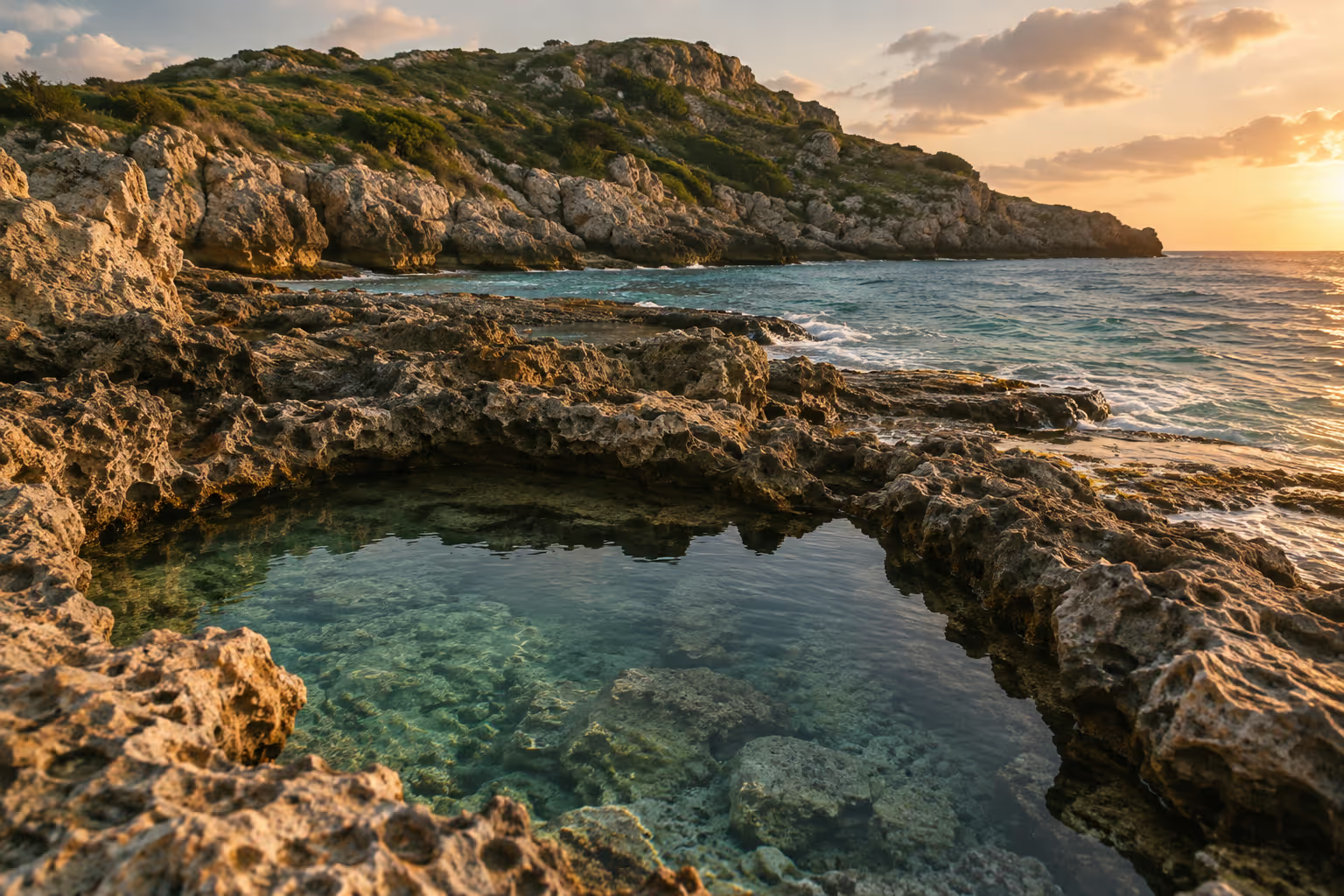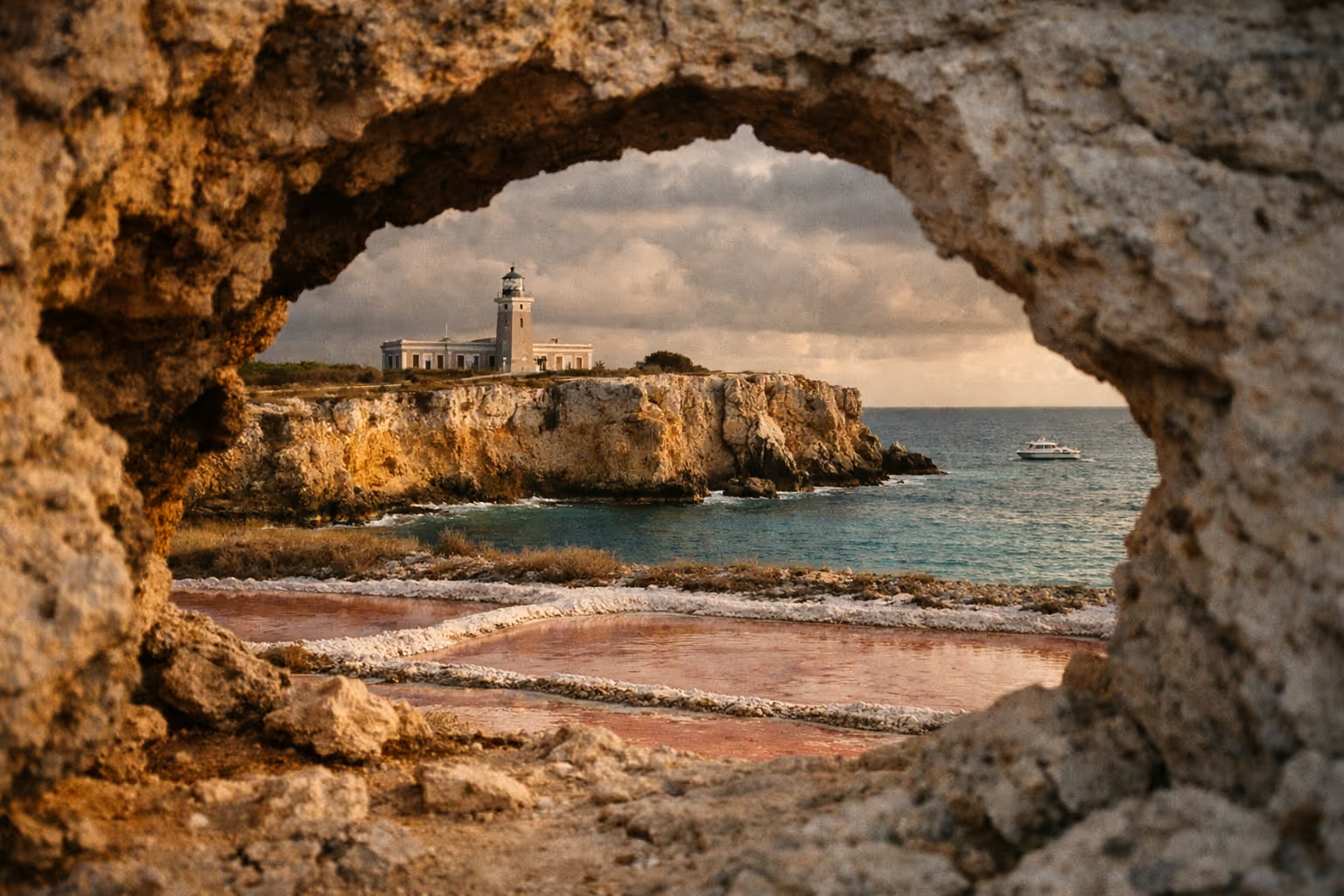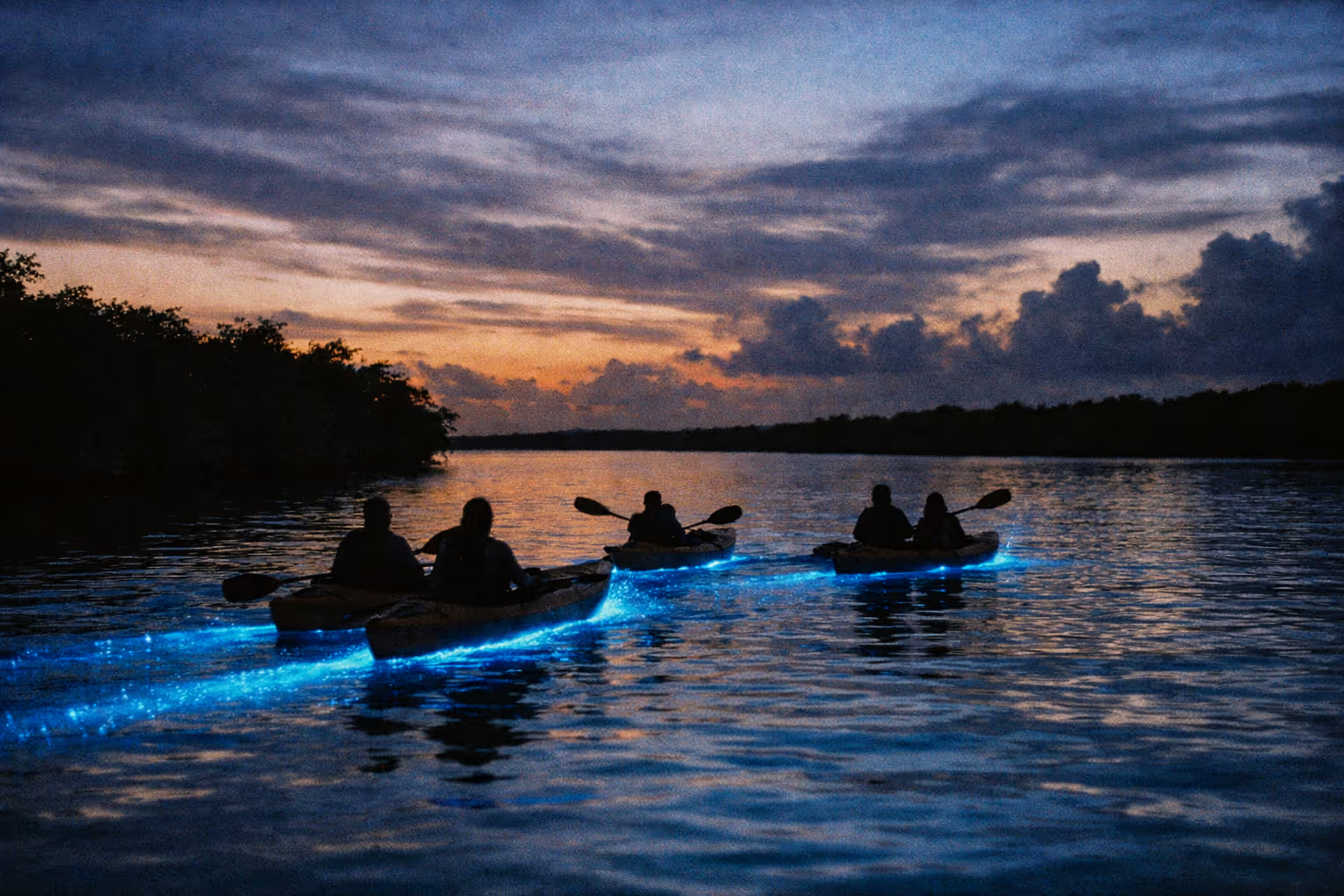
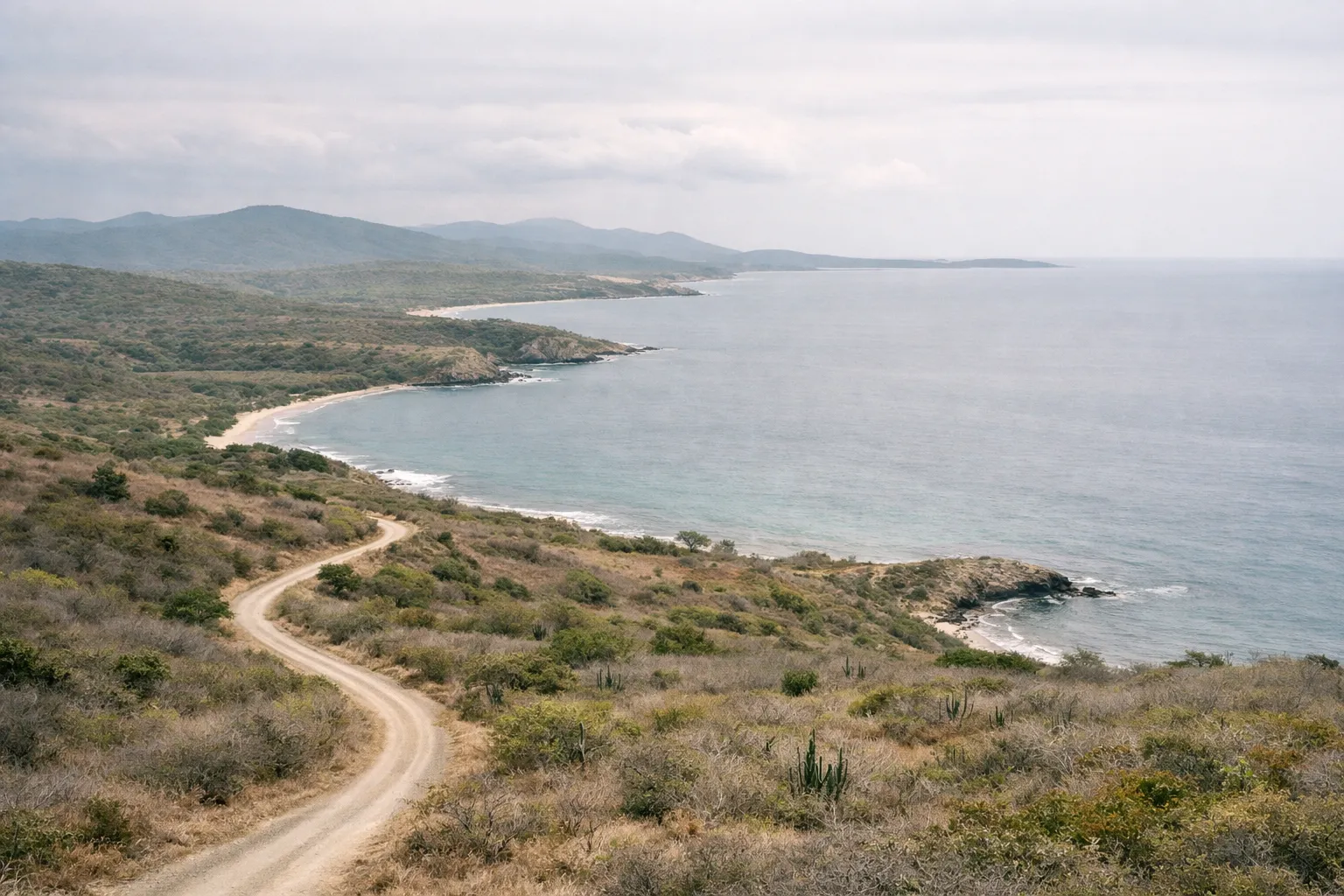
The ferry pulls away from Ceiba and Vieques comes into view: miles of largely undeveloped coastline, with a federal wildlife refuge that takes up a substantial portion of the island. The best things to do in Vieques cluster around three features you won’t find combined anywhere else in Puerto Rico - Mosquito Bay, ranked the brightest bioluminescent bay in the world; a string of refuge beaches at the end of unpaved roads; and horses that roam free across those roads without a fence in sight. This is a 2 to 4 day destination, not a day trip. The island has two towns - Isabel Segunda in the north, Esperanza in the south - and once you understand how to work around ferry schedules, moon phases, and rough roads, the rest falls into place.
✓ Pros
- Mosquito Bay is the brightest bioluminescent bay in the world - nothing else in the Caribbean comes close
- Beaches inside the wildlife refuge are genuinely uncrowded
- Free-roaming horses appear on roads and beaches with no tour required
- The island is compact, so drives between attractions are short
- Quieter and far less developed than mainland Puerto Rico
✗ Cons
- Ferry logistics require advance planning and schedule buffers
- Most refuge beaches need a high-clearance vehicle on unpaved roads
- Bio bay tours are night-only and moon-phase dependent - bad timing ruins the experience
- No swimming is allowed in Mosquito Bay, which surprises visitors expecting in-water access
- Remote beaches have zero facilities - you pack in everything, including water
Getting to Vieques and Getting Around Once You’re There
You reach Vieques by ferry from Ceiba or by small plane from San Juan, and once there you’ll need a rental car or Jeep because taxis don’t serve the refuge beaches. According to Discover Puerto Rico, the ferry from Ceiba takes roughly 30 to 45 minutes each way, and tickets on peak dates sell out well in advance. Small planes from San Juan run about 25 minutes using regional carriers out of Luis Muñoz Marín International Airport (SJU) and the smaller Isla Grande airport.
Build in a half-day buffer for the ferry regardless of which direction you’re traveling. This is not hypothetical - multiple 2025 trip reports document multi-hour waits, and weather can scramble the schedule with little notice. If you’re stringing together San Juan to Ceiba to Vieques, treat that as most of a travel day, not a morning errand.
On the island, a vehicle is essentially mandatory. Lonely Planet’s Vieques guide notes that visitors “almost always need a car” because many beaches and refuge areas sit at the end of unpaved roads with no public transport. Several of the best beaches - Playa La Chiva, Playa Caracas, Pata Prieta, Punta Arenas - lie inside the refuge on rough surfaces that standard sedans struggle with. A high-clearance vehicle isn’t a luxury; it’s the difference between reaching Punta Arenas and turning around.
Daylight navigation matters more than most guides admit. Roads are unlit, surfaces are rough, and horses stand in the road at dusk. Do your driving before dark.
Ferry vs. Flight: Which Makes More Sense
The ferry is slower, cheaper, and more scenic, but it demands advance booking and departs from Ceiba, about 45 minutes from San Juan. The plane is faster - roughly 25 minutes airborne - but costs more, offers limited seats, and cancels in bad weather.
The logic is straightforward. For a short trip where time matters and you can’t afford a lost half-day, fly. For a multi-day stay where you’ve already built in a buffer, take the ferry - the savings are real and the crossing is part of the experience. Whichever you choose, lock in your seats before you finalize anything else. Ferry tickets sell out; don’t treat that as a warning you’ll deal with later.
Mosquito Bay: How to Actually See the Bioluminescence
Mosquito Bay on Vieques is the brightest bioluminescent bay in the world, and it’s the single reason many travelers make the ferry trip. The Puerto Rico Tourism Company and Discover Puerto Rico both describe it that way, citing consistently high concentrations of dinoflagellates - single-celled organisms that emit light when the water is disturbed. Puerto Rico has three main bio bays: Mosquito Bay on Vieques, Laguna Grande in Fajardo, and La Parguera in Lajas. Mosquito Bay is singled out for exceptional brightness, thanks to its enclosed shape and salinity that concentrate the organisms.
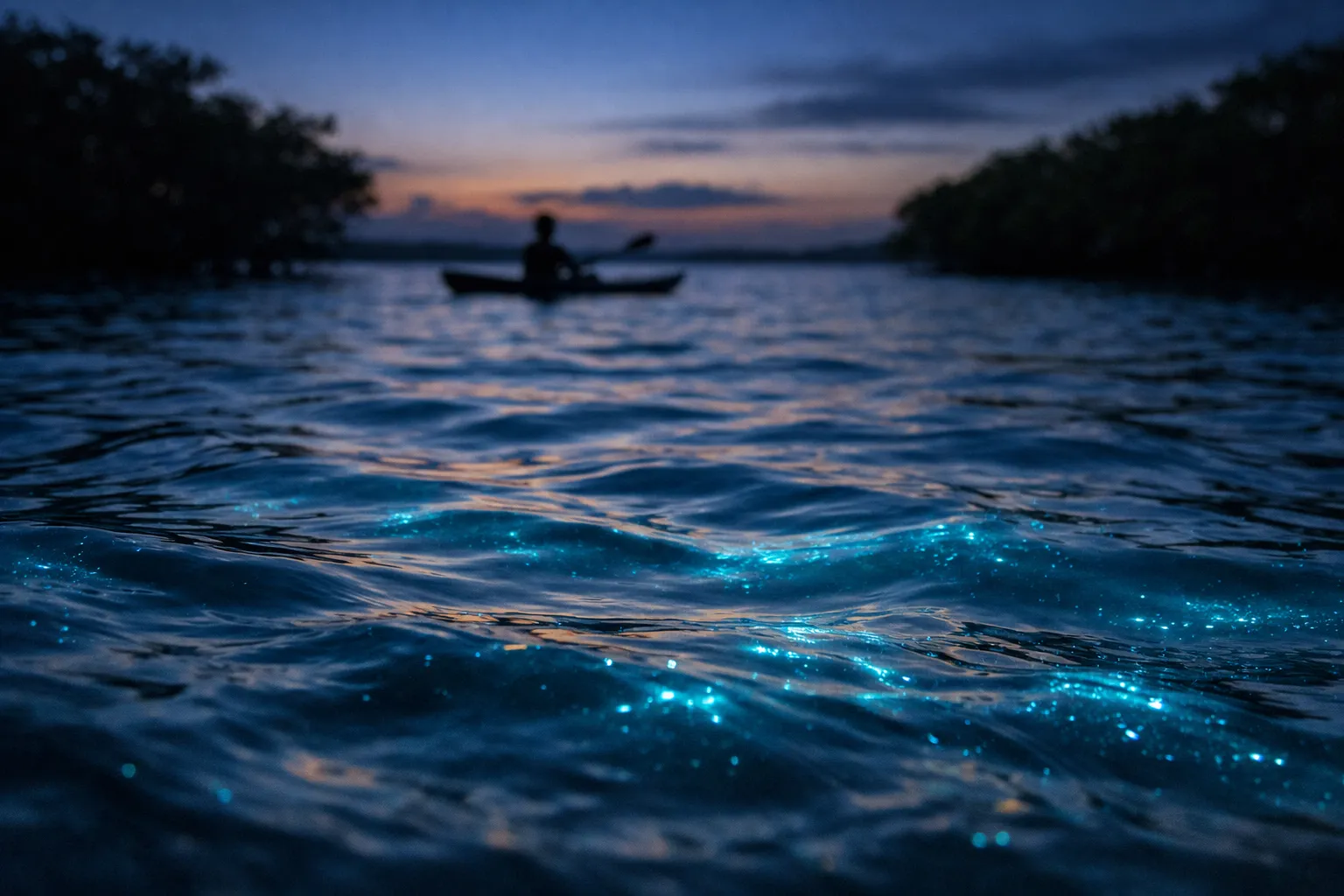
The no-swimming rule surprises people every season. You cannot swim in Mosquito Bay - current operator policy and conservation guidance prohibit it to protect the dinoflagellate population. Vieques Kayak states plainly that swimming is not allowed under current guidelines. If you read an older article promising a glowing dip, it’s out of date. The rule is firm and enforced.
Tours run in non-motorized kayaks, usually small groups in double kayaks with lifejackets, which makes the experience workable even for non-swimmers. Blue Caribe Kayaks notes their tours typically last around 1.5 to 2 hours, depart after sunset, and use clear-bottom kayaks to improve visibility, with departures timed to moon phases for maximum darkness. Operators frequently cited on the island include Vieques Kayak and Blue Caribe Kayaks.
Planning Around the Lunar Calendar
How to Plan Your Mosquito Bay Tour Around the Lunar Calendar
About 1 hourMaximize your chances of seeing the brightest bioluminescence by timing your tour correctly.
- 1
Check the lunar calendar before booking
Verify your travel dates against the lunar phases before reserving accommodation or tours.
- 2
Target the new moon for maximum darkness
Book your tour within a few days of the new moon to avoid light pollution from the moon.
- 3
Contact your chosen operator
Ask about brightness estimates by date to pick the best night for your tour.
- 4
Book the tour first
Secure your bio bay tour before arranging lodging to avoid scheduling conflicts.
- 5
Avoid light pollution during the tour
Keep phone screens off and skip flash photography to preserve the glow for everyone.
- 6
Arrive early at the launch point
Tours have small groups and strict timing around darkness; punctuality is essential.
Beyond the Bio Bay: Other Things to Do on Vieques
Beyond Mosquito Bay, the best things to do in Vieques center on snorkeling, horseback riding, hiking, kayaking mangrove channels, and exploring the two towns. Much of it costs nothing beyond gear and a tank of gas - which is part of the appeal.
Snorkeling splits into DIY and guided. Shore-accessible sites - Mosquito Pier, Punta Arenas, Pata Prieta, Playa La Chiva - reward confident swimmers who bring or rent their own gear. For reef sites you can’t reach from shore, Isla Nena Scuba runs guided boat dives and snorkel trips; a 2-tank shore dive runs $90 per person, and a 2-tank boat dive runs $120 per person. Common sightings across these spots include eagle rays, nurse sharks, sea turtles, pufferfish, and barracuda.
Horseback riding is a natural fit given the island’s equine reputation. Colon Horseback Riding advertises guided rides lasting around 1.5 to 2 hours, combining coastal routes and pastureland, described as beginner-friendly and suitable for children, often scheduled in the cooler late-afternoon hours. It’s a structured alternative to the free-roaming horses you’ll spot on your own.
For land-based nature, the Monte Pirata trail and the Puerto Ferro Lighthouse ruins give you something to do between beach days. Near the entrance to Mosquito Pier stands an estimated 375-year-old Ceiba tree, which the JourneyWoman feature on Vieques describes as a recognizable landmark for drivers heading to the pier. Combine the tree with a drive out onto Mosquito Pier itself for wide island views and shore snorkeling. Kayaking the mangrove channels is worth doing as a separate daytime activity, distinct from the night bio bay tour - same craft, entirely different experience.
Snorkeling: Where to Go and What to Expect
DIY snorkelers should bring or rent gear and focus on shore-accessible sites. Ranked by effort-to-payoff:
- Mosquito Pier: Drive the pier for panoramic views, then snorkel from shore. JourneyWoman calls it one of the island’s signature underwater spots, with sea turtles, eagle rays, and schools of tropical fish. Worth the detour.
- Punta Arenas: Rough access road, high-clearance advised. The best spot on the island for sea turtle encounters, thanks to nearby seagrass beds. Worth the effort if you have the right vehicle.
- Pata Prieta: Calm and clear, good for fish variety. Easier to reach than Punta Arenas, solid snorkeling without the drama.
- Playa La Chiva: Inside the refuge, with reliable snorkeling within swimming distance of shore. Skip if you’re already doing Punta Arenas on the same day - the payoff is similar and the drive back is long.
Conditions vary day to day. I’ve seen trip reports from 2025 describing the same snorkel spot changing dramatically between two consecutive days, with currents and visibility shifting based on wind direction. Check tide and wind forecasts, not just the calendar.
Esperanza and Isabel Segunda: What the Towns Actually Offer
Esperanza has the bohemian beach-town feel, the Malecón restaurant strip, and most of the water-tour operators within walking distance. It sits closer to the southern refuge beaches, which makes it the better base for short stays. Isabel Segunda is the practical hub - supermarkets, bakeries, the ferry terminal - plus the Punta Mulas Lighthouse ruins, worth a short stop for the coastal views.
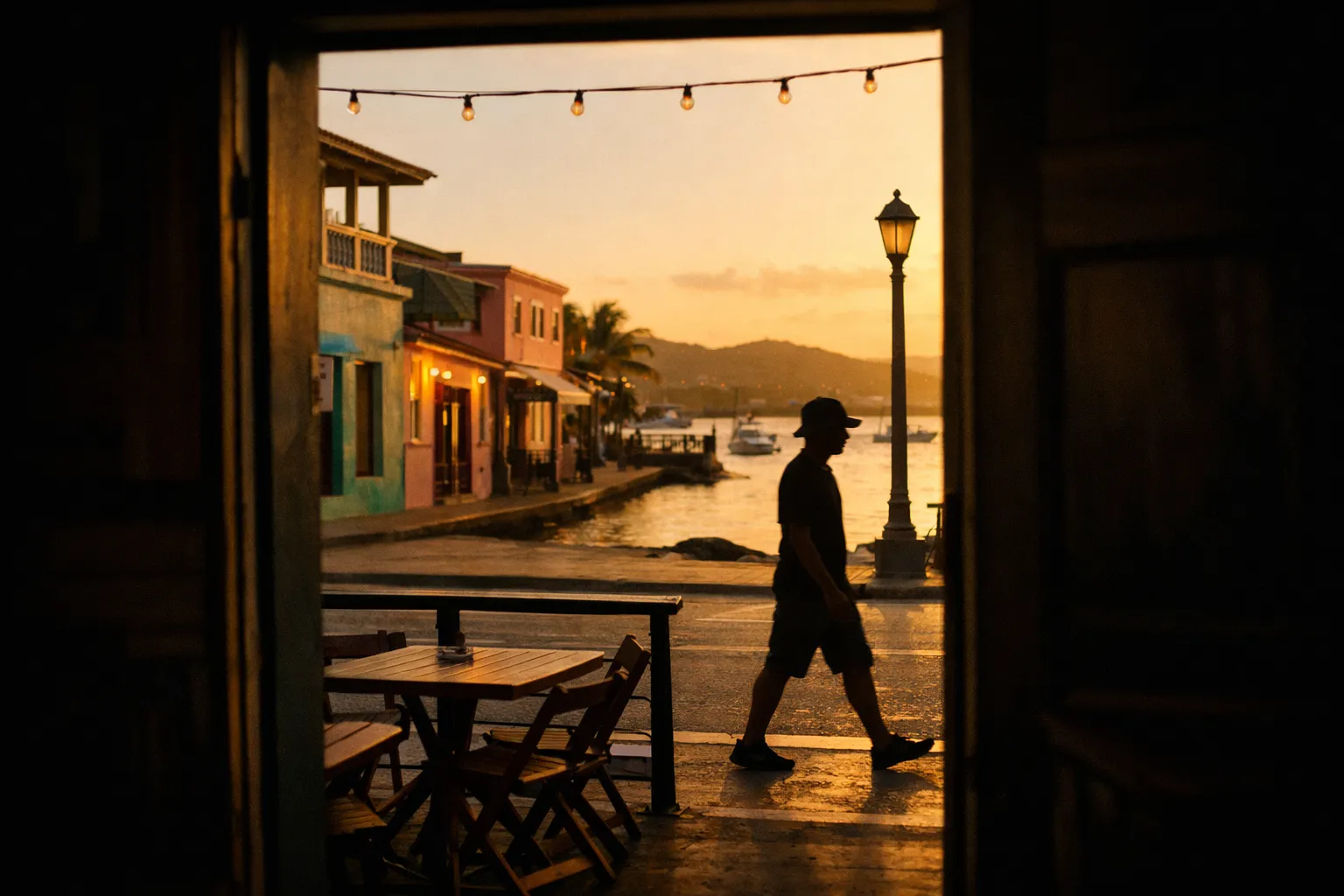
The natural Vieques rhythm ends the day in Esperanza: a sunset swim at a nearby beach, then dinner and a drink on the Malecón. No dress code, no rush.
Vieques Beaches: What Each One Is Actually Good For
The right Vieques beach depends on what you’re after. Facilities and easy access point to Sun Bay. Snorkeling points to Punta Arenas or Playa La Chiva. Unique scenery points to Playa Negra. Here’s how the major beaches stack up. For a broader look at best beaches in Puerto Rico beyond Vieques, the mainland and other islands offer their own standouts worth comparing.
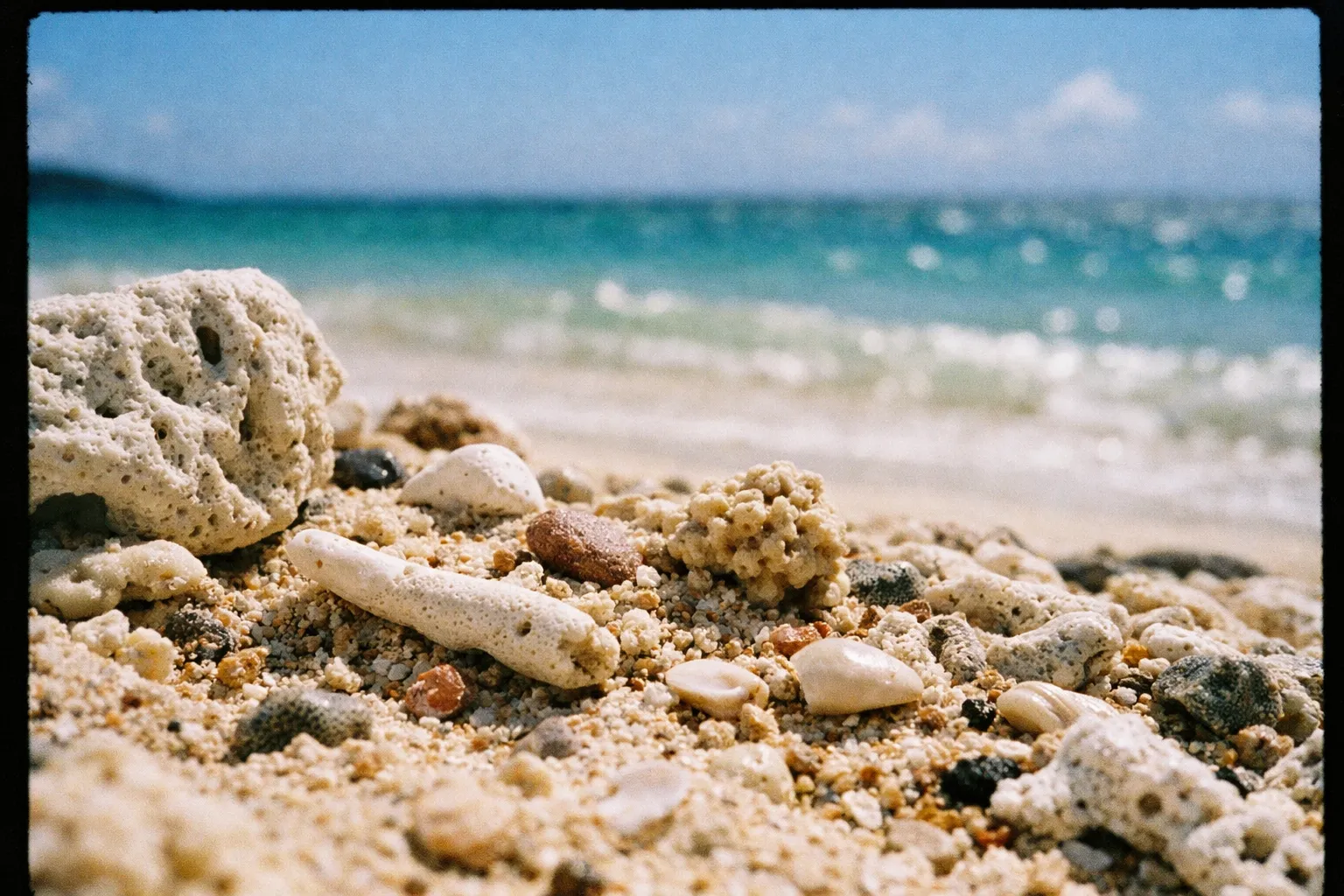
Vieques Beaches at a Glance
| Best for Families Sun Bay | Playa La Chiva (Blue Beach) | Playa Caracas (Red Beach) | Media Luna | Playa Negra | Punta Arenas | El Gallito / Gringo Beach | |
|---|---|---|---|---|---|---|---|
| Access | Paved, easy | Unpaved refuge road | Unpaved refuge road | Unpaved refuge road | Short forest hike required | Rough road, high-clearance advised | Paved, northern coast |
| Snorkeling | Moderate | Good | Good | Moderate | Limited | Excellent | Limited |
| Facilities | Yes (only one) | None | None | None | None | None | Minimal |
| Horses Likely | Yes | Possible | Possible | Possible | Unlikely | Unlikely | Unlikely |
| Best For | First-timers, families | Snorkeling, wide sand | Clear water, calm swimming | Calm water, horseshoe shape | Black volcanic sand, photography | Sea turtle snorkeling | Calm swimming, low effort |
The Horses: What “Wild” Actually Means
The horses of Vieques are free-roaming, not truly wild - they’ve lived on the island for generations and are accustomed to humans, but they are not tame and should never be treated as such. They appear on roads, on beaches, and throughout the refuge. The JourneyWoman feature reports that horses are frequently seen grazing and walking on Sun Bay Beach, especially in the morning and late afternoon, which makes Sun Bay the easiest place for casual sightings without leaving paved roads.
The rules are simple: keep your distance, don’t feed them, don’t approach. This applies on the road too, not just on the sand - a horse that associates cars with food becomes a hazard for everyone. For passive viewing, Sun Bay and the refuge roads during daylight drives are your best bet. For a structured ride, book with Colon Horseback Riding or a similar stable.
How to Spend 2 to 4 Days Exploring Vieques
A solid Vieques trip runs 2 to 4 nights, anchored by a bio bay tour on your darkest night and built outward from there. The gap most guides leave open is sequencing, so here’s the practical shape.
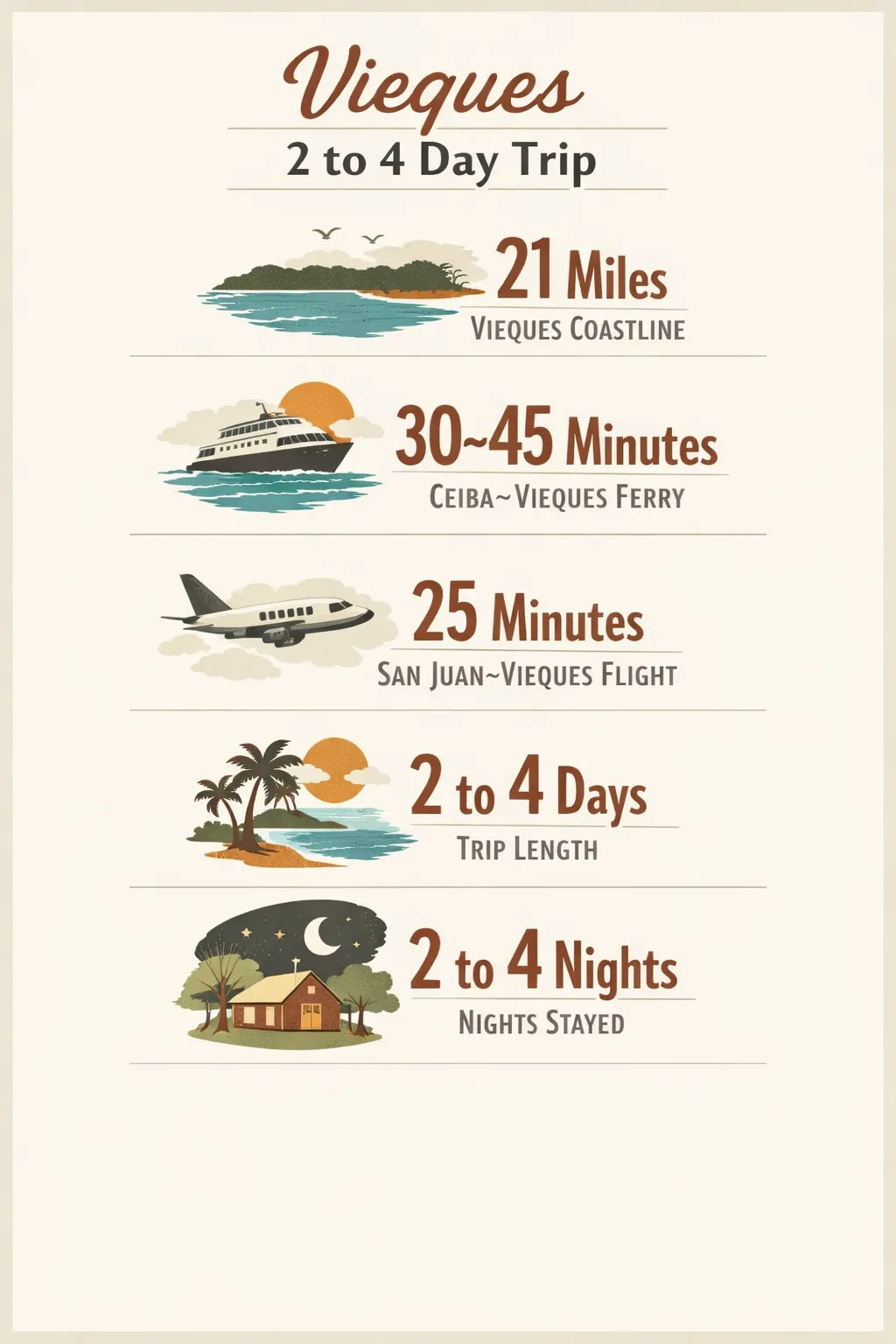 Data points showing coastline length, transport times, and recommended trip duration.
Day 1 is an arrival day. Absorb the ferry buffer, settle into Esperanza, and walk the Malecón in the evening to get oriented and eat your first proper meal. Don’t over-schedule it - you’ll be more tired than you expect.
Schedule the bio bay for your darkest night. Check the moon phase before you arrive - the Puerto Rico Tourism Company recommends planning Mosquito Bay visits around the new moon because full-moon periods sharply reduce visibility. This one fixed commitment shapes the rest of the trip.
Sequence the beaches from easy to hard. Start with Sun Bay - paved access, facilities, likely horses - then work outward to the refuge beaches as you get comfortable with the roads. Save Punta Arenas and Pata Prieta for a dedicated snorkel day once you’ve found your footing, and check the morning tide before committing.
If you’re only here for one day, you have to choose. The bio bay is night-only, so a day trip gets you beaches and nothing more. Plan accordingly rather than expecting to do it all.
One Day vs. Three Days: What You Can Realistically Cover
- One day (day trip): Sun Bay plus one refuge beach, with a Malecón lunch in Esperanza. The bio bay is off the table entirely.
- Two days: Add the bio bay on night one or two, moon-phase permitting, plus Playa La Chiva or Playa Caracas and shore snorkeling at Mosquito Pier.
- Three to four days: A full beach rotation, a dedicated Punta Arenas snorkel day, a horseback ride, town exploration in both Isabel Segunda and Esperanza, and the Monte Pirata hike if you have the energy.
What to Eat and Drink in Vieques
Yes, Vieques has food. The main dining strip is Esperanza’s Malecón, a walkable waterfront row of restaurants and bars. JourneyWoman describes it as a strip you can walk end to end in about 10 to 15 minutes, serving local seafood, Puerto Rican dishes, and casual drinks. It’s the default dinner and drinks zone after a day of beaches, with sunset views over the bay and no dress code required.
Isabel Segunda covers the everyday side. Discover Puerto Rico notes it holds most of the island’s practical services - supermarkets, bakeries, everyday eateries - which makes it the place to stock up before a refuge beach day. If you’re planning a longer Puerto Rico trip and want to compare what the island’s other destinations offer, the full range of things to do in Puerto Rico spans everything from rainforest hikes to city history.
Plan for the remote-beach reality. There are no food vendors or restaurants at the refuge beaches like Playa La Chiva and Playa Caracas. Pack water, snacks, and lunch for any full day inside the refuge, because once you’re on the dirt road, there’s nothing until you drive back to town. Then let the Malecón do its job in the evening.
What to Know Before You Go: Practical Notes and Common Mistakes
A handful of avoidable mistakes account for most disappointing Vieques trips.
Plan the bio bay around the moon. Booking on or near a full moon significantly diminishes the glow. Check the lunar calendar and target the new moon, then plan the trip around that night - not the other way around.
You cannot swim in Mosquito Bay. The Puerto Rico Tourism Company makes clear that swimming is no longer permitted; tours use kayaks to minimize ecological impact. Older articles say otherwise. They’re wrong.
Pack for remote beaches. The U.S. Fish & Wildlife Service notes that refuge lands are largely undeveloped with limited facilities. That means water, reef-safe sunscreen, food, and shade - there are no vendors and no bathrooms at most spots. Travelers who’ve also visited Flamenco Beach Culebra will recognize the same pack-everything discipline that applies to undeveloped island beaches.
Book the ferry before your accommodation. Discover Puerto Rico warns that ferry tickets can sell out weeks in advance during holidays and high season. Secure transport first so you don’t end up stranded on the mainland with a paid-for room across the water.
Don’t rent a standard sedan if you plan to reach Punta Arenas, Pata Prieta, or the deeper refuge roads. A high-clearance vehicle is the practical requirement, not a suggestion.
Respect the horses. Don’t feed them, don’t approach closely - on roads as much as on beaches. Lonely Planet’s guide flags free-roaming horses on unlit roads as a reason to avoid driving after dark.
Treat it as a 2 to 4 day trip minimum. The bio bay alone requires an overnight, and the ferry logistics punish anyone trying to compress it into a half-day.
Frequently Asked Questions
- Is it worth visiting Vieques, Puerto Rico?
- Yes, for travelers who want uncrowded beaches, genuine bioluminescence, and a slower pace than San Juan. Day-trippers miss the night-only bio bay.
- Why is Vieques so popular?
- It combines the world's brightest bioluminescent bay, a large federal wildlife refuge with undeveloped beaches, and free-roaming horses visible without tours.
- Does Vieques have food?
- Esperanza's Malecón offers local seafood and casual dining; Isabel Segunda has practical eateries. No food vendors exist at remote refuge beaches.
- How do tourists get around Vieques?
- Rental cars or Jeeps are essential; taxis don't reliably reach refuge beaches on unpaved roads. The island is small but roads are rough and unlit.
- Can you swim in Mosquito Bay?
- No. Swimming is prohibited to protect dinoflagellates. Tours use non-motorized kayaks and enforce this rule strictly, despite outdated online info.
- When is the best time to visit Vieques for the bio bay?
- Visit near the new moon for darkest nights and brightest glow. Full moons reduce visibility significantly; plan your trip around this date.
- How far in advance should I book the ferry?
- Book weeks ahead for peak dates and holidays. Ferry tickets sell out early, so secure your crossing before finalizing lodging or activities.
The Bottom Line
Vieques works best as a 2 to 4 night stay built around three fixed points: a bio bay tour on your darkest night, beach days rotating out from Sun Bay into the refuge, and a Jeep in the driveway to reach the roads that matter. The horses take care of themselves - they’ll show up on the road to Sun Bay whether you plan for them or not.
Two things require action before you go, and both sell out: the ferry from Ceiba and the Mosquito Bay tour timed to the new moon. Lock those in first, rent a high-clearance vehicle, pack water and food for the refuge beaches, and give the island at least two nights. Do that, and Vieques delivers what the mainland can’t.