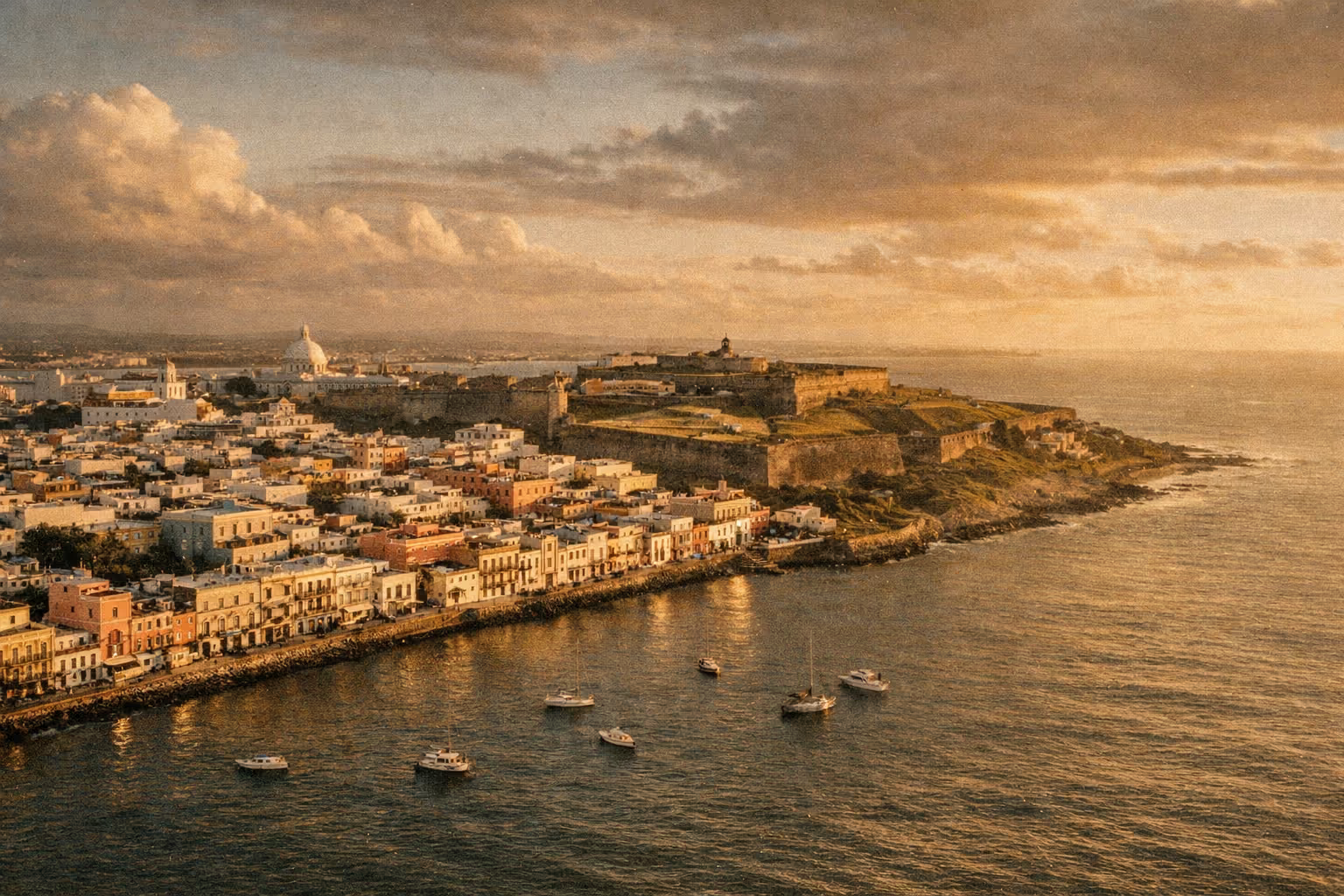
The things to do in San Juan Puerto Rico are close enough to walk, which is what most itineraries get wrong. Old San Juan’s two forts share a $10 ticket and reward an early start, before the 10 a.m. heat and cruise crowds. Three days handle the old city, a beach afternoon, and a night out; El Yunque needs its own fourth day and a reservation thirty days ahead. Base in Condado to swim, but mind the rip currents on the north coast all year.
11 Things to Do in San Juan, Puerto Rico
If you’re planning a trip and wondering about the best things to do in San Juan Puerto Rico, this list will help you prioritize your time. Ranked loosely by whether they’re worth rearranging your day for or safe to skip if you’re pressed for time, these activities showcase the highlights of this vibrant city.
Getting There, Best Timing, and What Most Guides Get Wrong
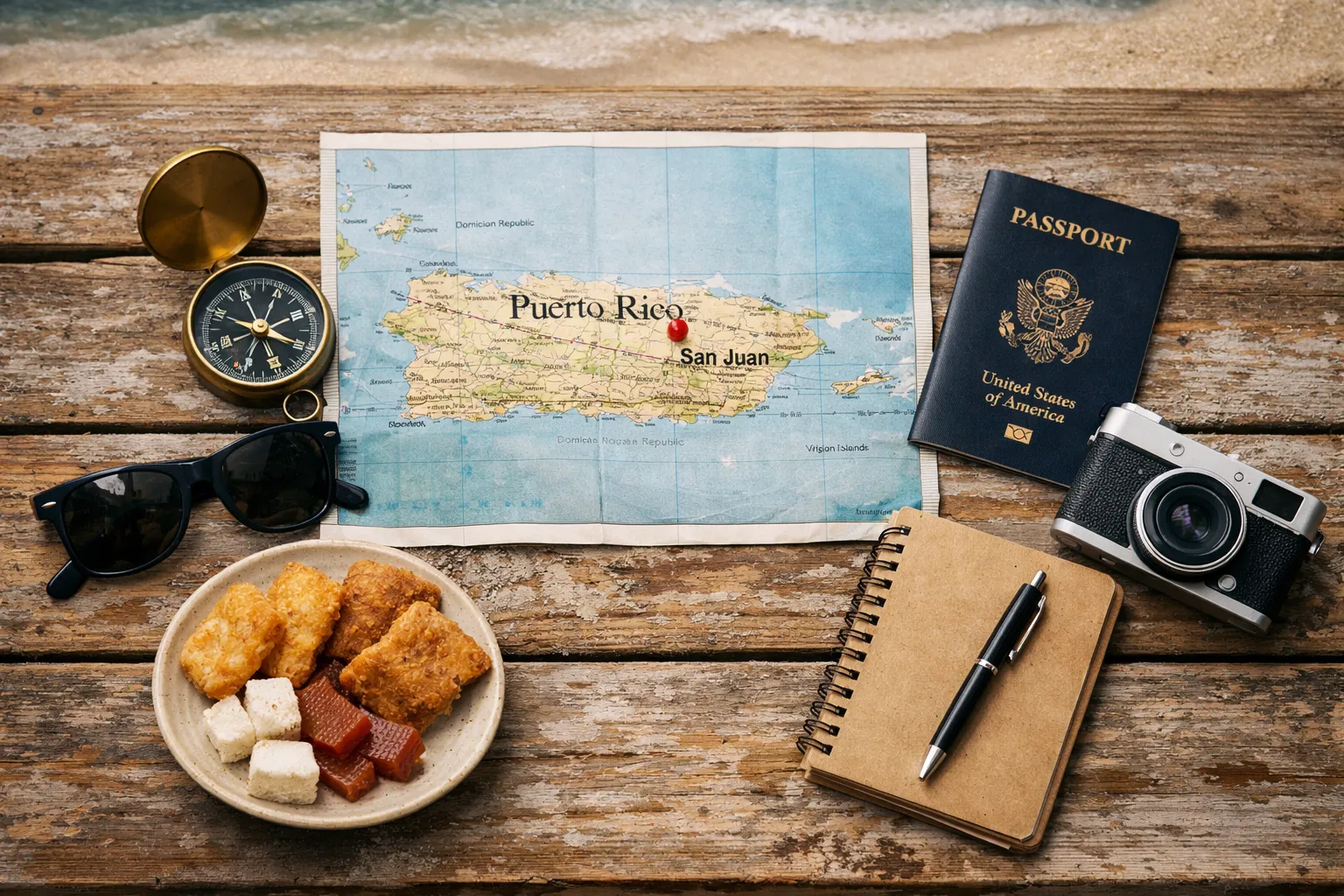
How to get there: Luis Muñoz Marín International Airport (SJU) is the main entry point - it sits in Isla Verde, about 20 minutes by taxi or rideshare from Condado and 30 minutes from Old San Juan. Nonstop flights from the U.S. East Coast run 3-4 hours; from the Midwest, 4-5 hours. Budget carriers (Spirit, Frontier, JetBlue) serve SJU from major hubs, and round-trip fares from the East Coast regularly land in the $150-300 range if you book 6-8 weeks out. No passport required for U.S. citizens - Puerto Rico is a U.S. territory.
Best month to visit: November through February. Humidity drops, temperatures stay in the mid-70s to low 80s°F, and the Atlantic hurricane season (June 1 - November 30) is either over or winding down. January and February are the sweet spot - crowds are manageable, rain is lighter, and the trade winds keep the coast comfortable. Avoid late August through October if you have flexibility; that’s peak hurricane exposure and the wettest stretch of the year.
Booking mechanics: El Yunque National Forest requires timed-entry reservations through recreation.gov - slots open 30 days in advance and sell out fast for weekends between December and April. The forts (El Morro and San Cristóbal) have not required advance reservations - one ticket covers both for 24 hours, bought at either entrance - but confirm both the ticketing rules and the hours at nps.gov/saju before you go, as federal holiday schedules affect access and entry policy can change between seasons. The Laguna Grande bio bay in Fajardo books out weeks ahead in winter - reserve your kayak tour before you leave home.
What most guides get wrong: They treat San Juan as a beach trip with some history bolted on. The city’s real draw is the density of things within walking distance of each other in Old San Juan - forts, food, architecture, nightlife - all in a compact grid. The beaches are good but not exceptional by Caribbean standards. If you’re coming purely for sand and water, there are quieter, less expensive options elsewhere on the island. Come for the city first; the beach is a bonus.
1. Castillo San Felipe del Morro (El Morro)
Worth rearranging your day for - this is the anchor of any San Juan trip. El Morro in San Juan is the six-level fortress guarding the mouth of San Juan Bay, and it’s the single most photographed spot in the city.
- Admission: $10 per adult (16+); children 15 and under enter free. The same ticket covers Castillo San Cristóbal.
- Hours: Generally 9:00 a.m. to 5:00 p.m., though the schedule shifts - verify same-day hours before you go.
- Payment: Cashless. Bring a card.
- Time needed: 1-2 hours for El Morro alone. Add another 1-2 hours if you also do San Cristóbal.
Go early morning or late afternoon. The fort is open, exposed, and involves stairs - the midday sun is brutal, and there’s no casual 10-minute version of this visit. Bring water.
2. Walk the streets of Old San Juan
Old San Juan attractions cluster within a walkable, hilly grid of blue cobblestone streets - the stones are old ballast bricks - and colonial buildings painted in every shade you can name. It’s a UNESCO World Heritage site and the walking is free. Build your route as a loop (fort to cemetery to the waterfront promenade) so you’re not backtracking up hills.
The city was founded in 1521 by Spanish colonists, making it one of the oldest European-established settlements in the Americas. Spanish, African, and Taíno influences show up everywhere - in the architecture, the food, the street names.
3. Visit the Puerto Rican flag street
Calle de la Fortaleza near La Fortaleza is strung with umbrellas and, at times, a canopy of Puerto Rican flags overhead. It’s the photo everyone takes home. Worth 15 minutes on your Old San Juan walk. Displays change, so don’t build your whole afternoon around one specific installation.
4. Eat lunch at Hotel El Convento
Hotel El Convento occupies a former 17th-century Carmelite convent across from the Catedral de San Juan Bautista. You don’t need to stay there to eat there - the courtyard restaurant is a solid midday stop that pulls you out of the sun. Order a proper sit-down lunch, then keep walking. Worth it if you want atmosphere with your meal; skip it if you’re on a bakery-and-tostones budget.
5. Get a mallorca at a local bakery
A mallorca is a soft, sweet, coiled roll dusted with powdered sugar - often split and pressed with ham and cheese for breakfast. It shows up in San Juan trip reports constantly, and for good reason. Save at least one meal for a local bakery or cafeteria and order one. It’s cheap, it’s everywhere, and it’s the most reliable low-cost win in the city’s food scene.
6. Walk past the Santa María Magdalena de Pazzis Cemetery
The Santa María Magdalena de Pazzis Cemetery sits on the oceanfront just outside El Morro’s walls, its white marble tombs set against the Atlantic surf. It’s a striking photo stop and takes only a few minutes as part of the fort-to-promenade loop. You view it best from the path above and along the walls.
7. Day trip to El Yunque
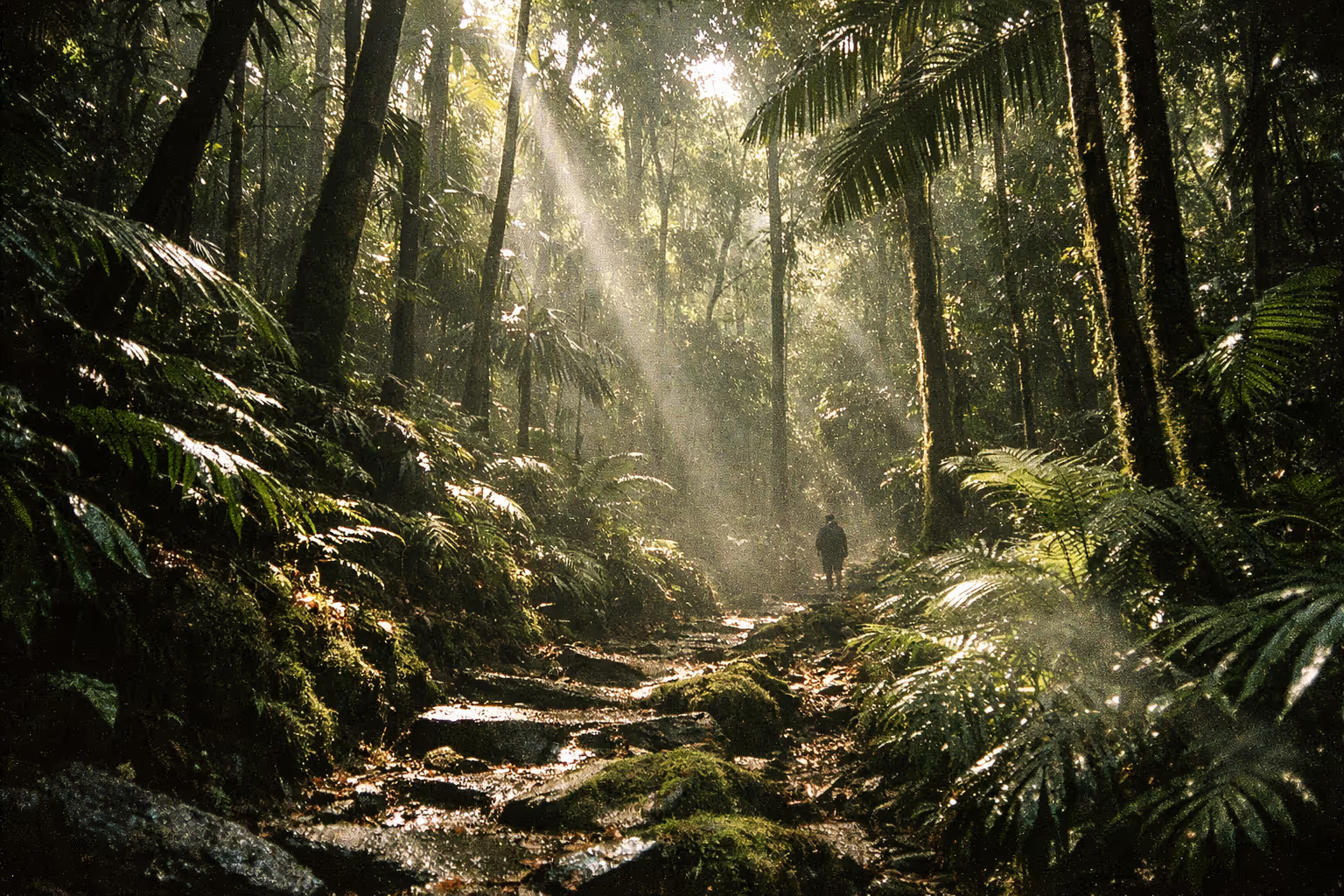
Worth the detour - but only if you have a fourth day. El Yunque National Forest is the only tropical rainforest in the U.S. National Forest System, about an hour east of San Juan. You can hike to waterfalls, swim in natural pools, and cover the main trails in a full day. Don’t try to squeeze it into a packed three-day city itinerary. It deserves its own slot.
8. Stay at the Condado Vanderbilt
If your trip leans luxury, the Condado Vanderbilt is the beachfront landmark in Condado - $250-500+/night before fees. It’s the property competitor itineraries mention most for oceanfront comfort with easy access to Old San Juan. If your budget is tighter, stay elsewhere in Condado or Isla Verde and walk to the beach.
9. Dinner and drinks in Condado
Condado’s dining strip stays active well after sunset, and it’s an easier evening base than Old San Juan if you want a mix of restaurants and beachfront bars in walking distance. Plan on a later schedule - kitchens and bars here run late.
10. A beach day
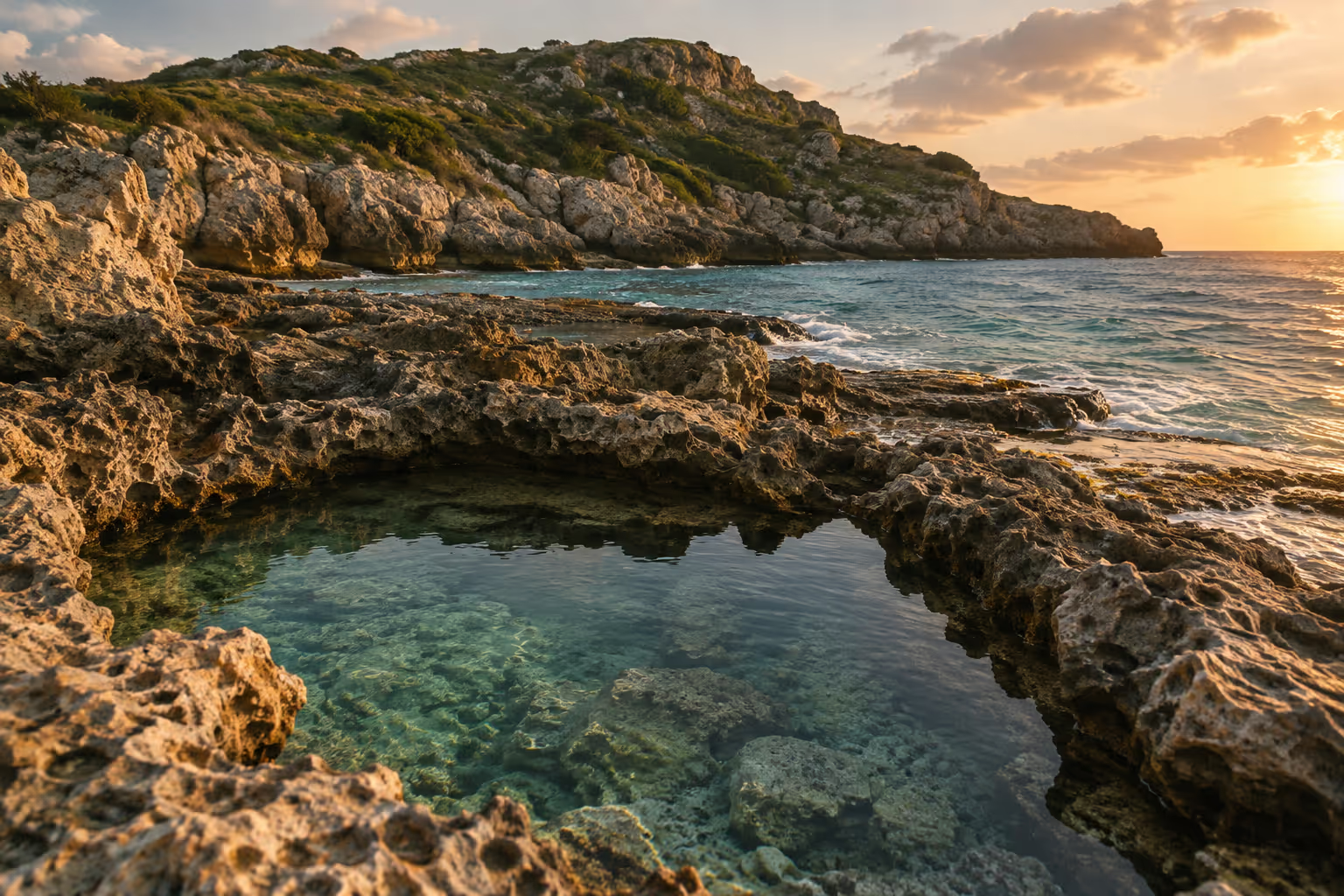
San Juan’s city beaches are the reason to base yourself outside the old town. Chair and umbrella rentals run about $18-25 at some beaches, though hotel frontage and beach clubs charge more. More on which beach to pick below.
11. Nightlife
Salsa, merengue, and reggaeton fill the streets and clubs after dark. Old San Juan has the best atmosphere; Condado, Miramar, and Isla Verde have the later, denser bar scenes. Use registered taxis or rideshare after dark rather than walking unfamiliar blocks.
The historical core: Old San Juan attractions
Old San Juan is where you should spend at least half a day. The narrow cobblestone streets and colonial buildings make the whole district feel like a set - but it’s a working neighborhood, not a theme park.
Two fortresses dominate the skyline: El Morro and San Cristóbal. Both are part of the San Juan National Historic Site, both were built to protect the city from invasion, and one $10 ticket covers both. El Morro overlooks the bay and the Atlantic; San Cristóbal, the larger of the two, sits on the eastern edge of the old city.
Beyond the forts, these are the old San Juan attractions worth your time:
- Paseo de la Princesa - the waterfront promenade below the city walls, best walked in the late afternoon
- Catedral de San Juan Bautista - one of the oldest cathedrals in the Americas
- Casa Blanca - built for Juan Ponce de León’s family
- La Fortaleza - the governor’s mansion, still in use
- Museum of the Americas - housed in the old military barracks
Sequence your walk as a single loop: El Morro first (early or late), then the cemetery along the wall, then down to Paseo de la Princesa. It minimizes backtracking on the hills.
I’ve done this loop in both directions - starting from Paseo de la Princesa and working uphill is harder work and not worth it. Go fort-first.
San Juan beaches: which one to pick
With a year-round average around 81°F (27°C), the water is warm every month. Warm doesn’t mean safe, though - rip currents are common on Puerto Rico’s coastal waters, and warnings matter most on the north and east coasts (4). Check the National Weather Service San Juan forecast and any rip-current statement before you head out, and pay attention to posted warnings and lifeguards (1)(4).
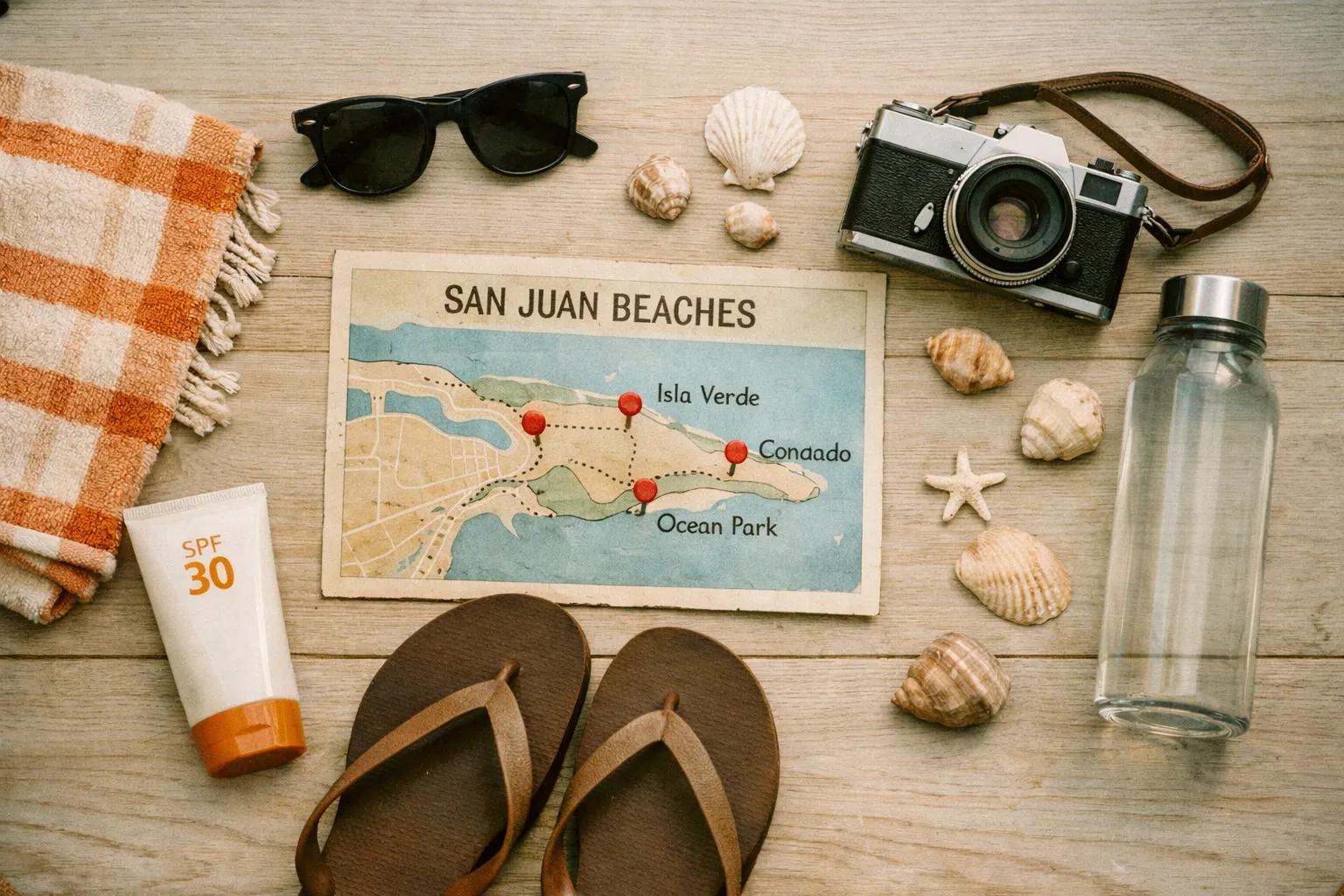
Here’s how the three main San Juan beaches compare:
San Juan Beaches Comparison
| Condado Beach | Ocean Park Beach | Isla Verde Beach | |
|---|---|---|---|
| Atmosphere | Lively, upscale | Relaxed, local | Resort-like, family-friendly |
| Activities | Swimming, sunbathing | Water sports, jogging | Jet skiing, parasailing |
| Nearby Amenities | Hotels, restaurants, shops | Beachfront cafes, guesthouses | Casinos, beach bars |
Condado Beach is the convenient choice - golden sand, turquoise water, and hotels and restaurants right behind it. Ocean Park is quieter and better for kitesurfing and paddleboarding; it also draws local joggers and picnickers at sunset. Isla Verde has the widest resort strip and the most family-oriented setup. In terms of crowd density, Condado runs roughly twice as busy as Ocean Park on a typical weekend afternoon - if you want elbow room, Ocean Park is the call. According to the Puerto Rico Tourism Company, Isla Verde’s beach corridor stretches about 3 miles, making it the longest continuous resort beach in the metro area. For a closer look at what this neighborhood offers beyond the sand, Isla Verde’s pristine beaches and vibrant culture are worth exploring before you book.
Pack reef-safe sunscreen, water, and footwear. Don’t assume every stretch is swimmable - check conditions first.
San Juan food scene: what to eat
The San Juan food scene reflects the same Spanish, African, and Taíno mix as the architecture. On a first trip, work these into your meals:
- Mofongo - mashed fried plantains with garlic and pork cracklings, often stuffed with meat or seafood
- Tostones - twice-fried green plantain slices
- Alcapurrias - fritters of green banana and taro filled with seasoned meat
- Lechón - slow-roasted pork
- Asopao - a thick rice-and-chicken soup
- Mallorca - the sweet breakfast roll worth building a morning around
A guided food tour or one nicer local dinner is a solid mid-range spend if you want to hit several of these in a day. And yes - the piña colada was reportedly invented at the Caribe Hilton in San Juan in 1954, a claim the hotel has maintained publicly for decades, so you may as well have one where it started.
San Juan nightlife and where to base yourself
San Juan nightlife splits by neighborhood, and where you sleep shapes your evenings more than any single venue. Old San Juan has the best street atmosphere - live music, salsa spilling out of doorways - but it leans historic rather than late-night party after midnight. For a denser bar and late-dinner scene, base yourself in Condado, Miramar, or Isla Verde.
Where to avoid staying in San Juan? The practical caution isn’t a specific “bad” zone so much as prioritizing walkability. Skip isolated, poorly lit, or far-outlying areas if nightlife and beach access are your priority. Traveler guidance consistently favors Old San Juan, Condado, and Isla Verde for visitors, and recommends registered taxis or rideshare over long walks on quiet streets after dark (1). Standard city precautions apply - nothing more dramatic than that.
For the classic beach-plus-history combo, sleep in Condado or Isla Verde and spend your mornings in Old San Juan. That gives you beachfront convenience and heritage access without splitting your time between two separate bases.
Beyond the city: day trips and natural wonders
San Juan works well as a base for the eastern half of the island. El Yunque is the obvious add-on (covered above), but two others are worth knowing about.
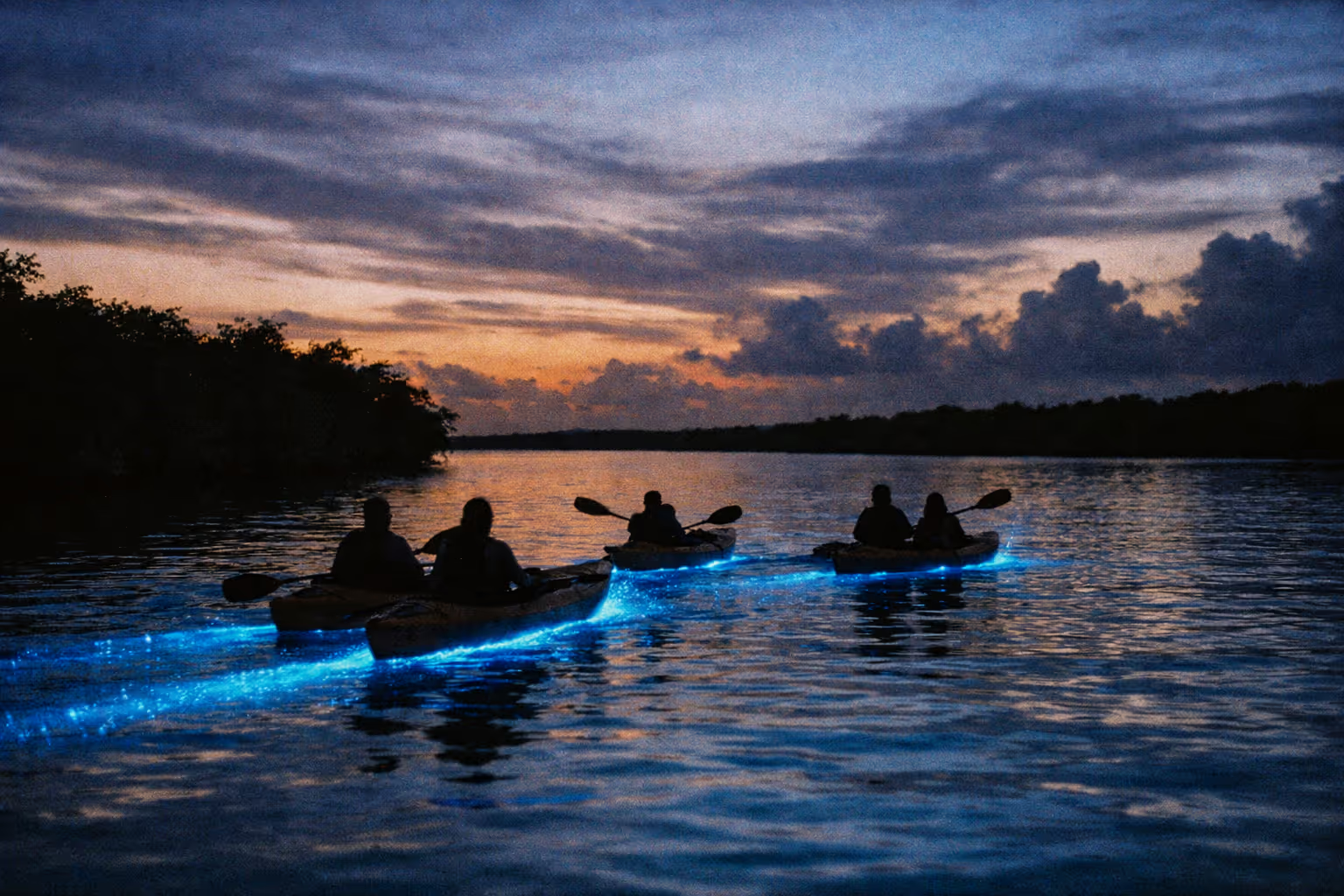
Bioluminescent bays. Kayaking a bio bay after dark - where microorganisms glow blue-green when the water is disturbed - is one of the more memorable things you can do near San Juan. The best bays (Laguna Grande in Fajardo, and the brighter ones in Vieques and Lajas) are a drive from the city, so plan a full evening, not a quick detour.
Bacardí distillery. Across the bay in Cataño, the distillery runs tours covering the history and production of the rum. It’s a short ferry or taxi hop and pairs well with a half-day when you’re not fort-walking.
If you’re weighing a broader island loop - the west coast, Ponce, the southern beaches - that’s a separate trip with its own logistics, and we cover it separately in our full Puerto Rico’s hidden treasures road-trip guide.
A practical three-day plan
3 days / roughly $255-435 per person excluding lodging
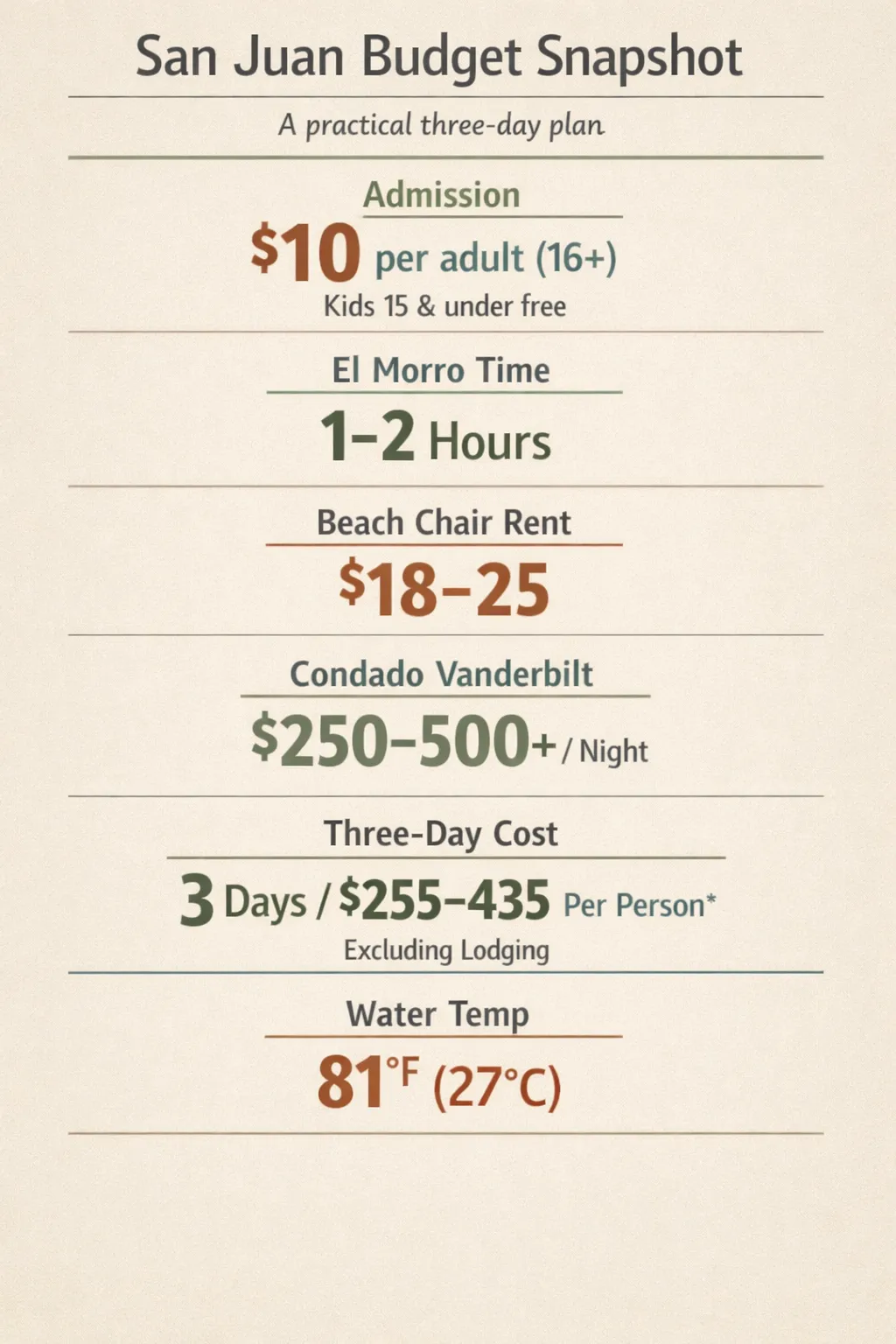 San Juan budget and weather snapshot: admission, fort time, beach gear, lodging range, a 3-day cost estimate, and water temperature.
Day 1 - Old San Juan. Start at El Morro before 10 a.m., walk the wall past the cemetery, then down to Paseo de la Princesa. Lunch at El Convento or a cafeteria mallorca. Afternoon for San Cristóbal and the flag street. Dinner and drinks in the old town.
Day 2 - Beach and food. Morning beach day in Condado or Ocean Park (check rip-current warnings first). Afternoon food tour or a long lunch working through mofongo and tostones. Nightlife in Condado or Isla Verde.
Day 3 - Your pick. Either a bio-bay kayak trip and Bacardí tour, or bank the day for El Yunque if you can stretch to a fourth night.
Book fort visits for cooler hours, keep a card on you for the cashless gates, and check the weather before every beach day. The National Weather Service San Juan office (weather.gov/sju) publishes daily rip-current outlooks - in 2026, that forecast is still the single biggest variable in a San Juan trip (4). Get the neighborhood right and the rest of the city falls into place.
Three-Day San Juan Itinerary
3 daysA practical plan covering key attractions, beach time, and optional day trips.
- 1
Day 1 - Old San Juan
Start at El Morro before 10 a.m., walk past the cemetery to Paseo de la Princesa. Lunch at El Convento or a bakery. Afternoon visit to San Cristóbal and the flag street. Dinner and drinks in Old San Juan.
- 2
Day 2 - Beach and Food
Morning beach time at Condado or Ocean Park (check rip-current warnings). Afternoon food tour or long lunch featuring mofongo and tostones. Nightlife in Condado or Isla Verde.
- 3
Day 3 - Optional Activities
Choose between a bio-bay kayak trip and Bacardí distillery tour, or reserve the day for El Yunque National Forest if you have a fourth night.
Frequently Asked Questions
- Is $1000 enough for a week in Puerto Rico?
- Yes, if you control lodging costs and avoid luxury hotels. Budget $85-145 daily excluding hotels for food and activities.
- How much is $1 in Puerto Rico?
- One U.S. dollar equals one Puerto Rican dollar; the U.S. dollar is the official currency in Puerto Rico.
- Is 3 days enough to explore Puerto Rico?
- Three days cover San Juan highlights only. Add days for El Yunque or other island regions.
- Where should you avoid staying in San Juan?
- Avoid isolated or poorly lit areas far from beaches and nightlife. Stick to Old San Juan, Condado, or Isla Verde.
- How long should I plan to visit El Morro?
- Plan 1-2 hours for El Morro alone, up to 4 hours including San Cristóbal. Visit early or late to avoid heat.
- Can I visit El Yunque as a day trip from San Juan?
- Yes, El Yunque is about an hour east and requires a full day for hiking and swimming.
- Are San Juan beaches safe for swimming year-round?
- Beaches are warm year-round but rip currents are common. Always check local warnings before swimming.