The best beaches in Puerto Rico sort themselves by coast, and picking the wrong one is how first-timers end up fighting surf they meant to swim in. The south and west (Cabo Rojo, Rincon) hold the calm water; north-coast strips like Condado look great but hide strong currents, so swim at Escambron or Pine Grove instead. Flamenco on Culebra is the famous one, but the ferry turns it into a full 8-to-12-hour day. Just three beaches on the island carry Blue Flag status.
Calm water vs. Atlantic surf: which coast has the best beaches in Puerto Rico?
 Key Puerto Rico beach figures: Flamenco annual visitors, municipal tax, ferry fees, and kiosks dining ranges.
If you’re looking for the best beaches in Puerto Rico, start here because it fixes most first-timer mistakes. The south and west coasts - Cabo Rojo, Lajas, and parts of Rincón - face the Caribbean and generally have the calmest, most swimmable water (6). The north coast (San Juan’s Condado and Ocean Park) faces the open Atlantic, which means bigger swell, stronger currents, and beaches better suited to lounging and people-watching than to swimming laps.
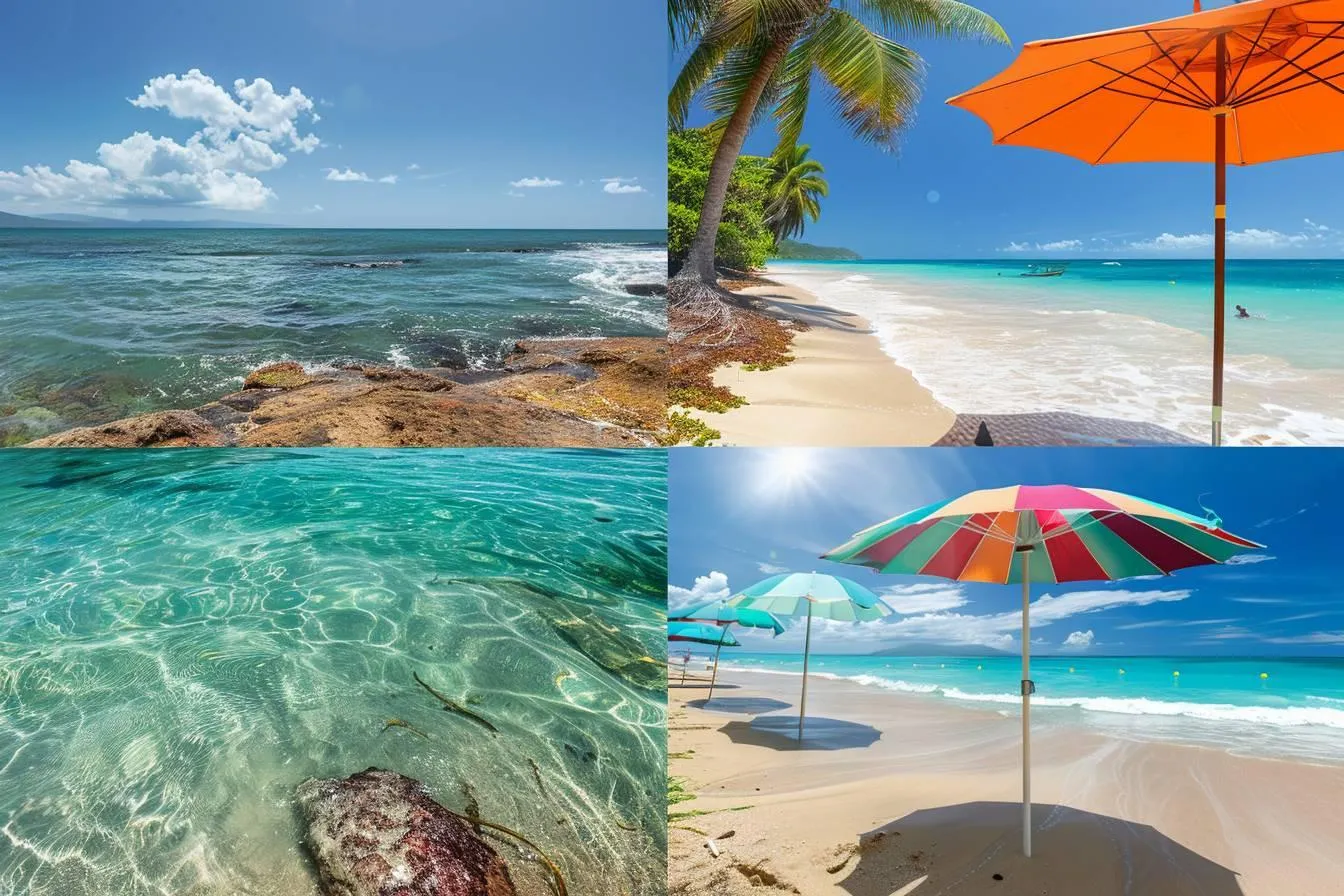
The east has the best of both: Culebra and Vieques sit in sheltered water and deliver the calm-lagoon look most people picture when they think Caribbean beach.
If you’re traveling with kids or nervous swimmers, build your plan around the south, west, or the offshore islands - and treat the north-coast city beaches as a supplement, not the main event. The single most common error I see is a family basing a week in Condado, expecting a swimming lagoon, and finding rough Atlantic water instead.
Beaches in Puerto Rico ranked by worth-the-detour
Not every beach earns the drive. Here’s how I’d prioritize them.
Worth building your trip around
Flamenco Beach, Culebra - This is the flagship. It ranked in the top 10 in North America on the 2026 “World’s 50 Best Beaches” list. The sand is fine and pale, the water is clear and calm, and there are lifeguards, restrooms, and food kiosks on site. There’s also a rusted WWII tank half-buried in the sand at the north end - a strange, photogenic relic that most visitors walk past twice before they notice it.
The catch: Flamenco draws roughly 600,000 visitors a year (8), so “secluded” it is not, especially on weekends and holidays. Getting here takes planning (see the ferry logistics below). If you do one remote-beach day on your trip, make it this one.
Crash Boat Beach, Aguadilla - On the northwest coast, Crash Boat Beach in Aguadilla is a local favorite for diving, snorkeling, and sunsets. The old wooden pier is the visual centerpiece, and its pilings attract fish, which makes for easy snorkeling on calm days. Conditions are often gentle enough for kids. It’s also a Spring Break hotspot, so expect crowds in March (4).
Pair it with a nearby stop: Montones Beach is a short drive, and the Gozalandia waterfalls are close enough for an afternoon. Go in the morning - the water is calmest and the pier gets good light.
Worth the detour if you have the time
Luquillo Beach (La Monserrate) - East of San Juan, Luquillo beach is the family default: calm water, palm shade, lifeguards, restrooms, and a long strip of food kiosks. Treat it as a foodie beach day. Arrive late morning, secure parking, and eat your way through two or three kiosks - mofongo, seafood platters, piña coladas. Kiosk entrées run roughly $12-$25 and cocktails $7-$12, with beachfront kiosk businesses reportedly selling for $200,000-$300,000 each (5), which tells you the food scene is competitive and mostly good.
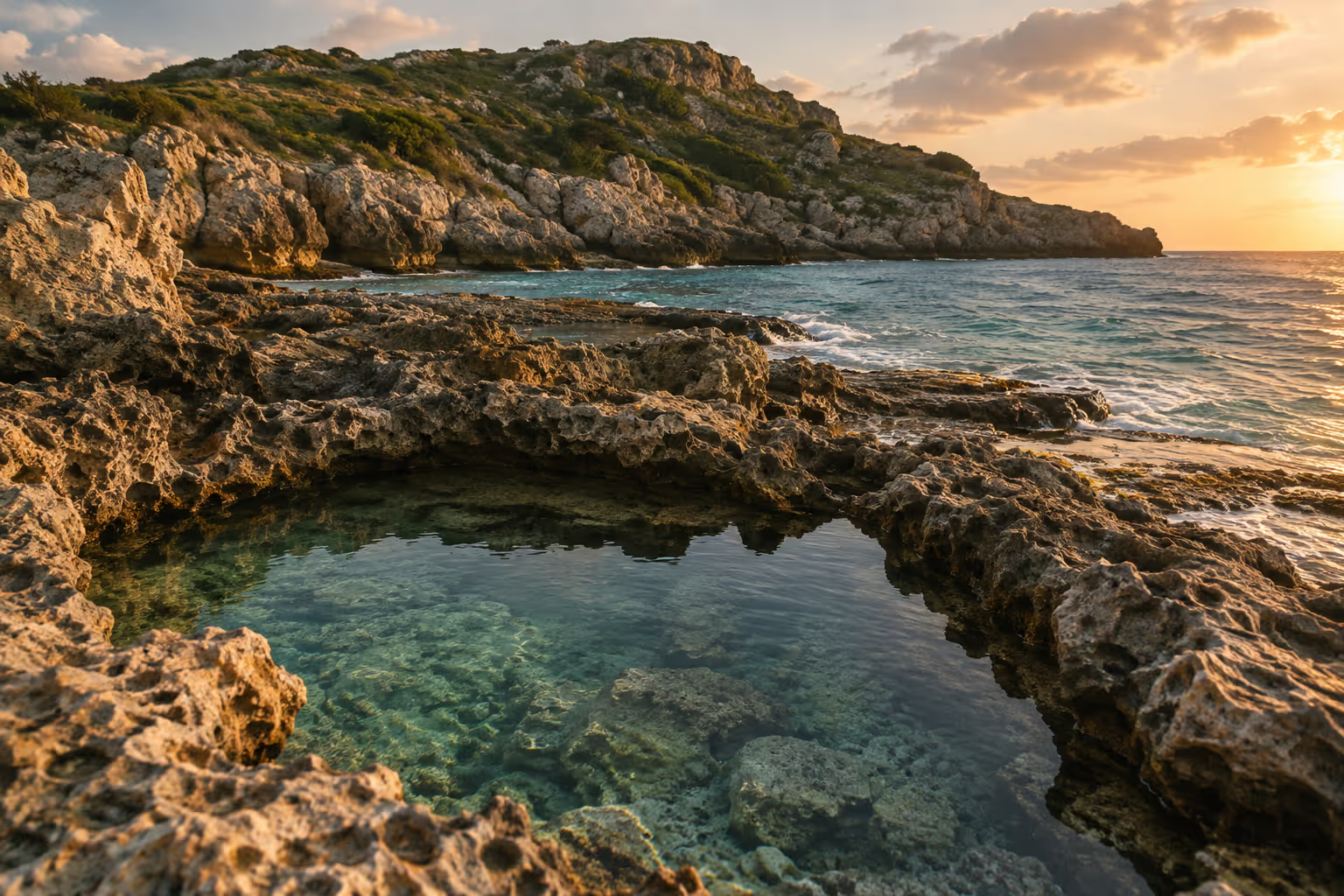
Mar Chiquita Beach, Manatí - A horseshoe cove on the north coast, protected by a rock wall that creates a natural swimming pool when the surf isn’t pounding through the gap. On a calm day it’s excellent. On a big-swell day, water surges through the opening and it becomes a scenic photo stop, not a swim. Amenities are limited - bring your own water and shade.
Isla Verde beach - Just east of Condado, Isla Verde beach is a two-mile urban stretch that won USA Today’s “Best Urban Beach” readers’ poll. It’s backed by resorts, restaurants, and water-sports operators. For swimming, aim for the Pine Grove section, which has easier entry than the wave-exposed stretches. Good for a 2-4 hour half day between other plans.
Seven Seas Beach, Fajardo - On the east coast near El Yunque, clear water and calm conditions make it a reliable snorkeling and family beach.
Skip if you’re short on time
Condado Beach, San Juan - I’ll be blunt: Condado Beach in San Juan is overrated as a swimming beach. The neighborhood is one of the safest in San Juan, with tourist police (2), and it’s a great base for walkable dining and nightlife 10-15 minutes from Old San Juan. But the main beach has strong currents, and 2026 visitor guidance now explicitly warns against general swimming there (9). Lifeguards typically work peak weekends roughly 10:00-17:00, with green/yellow/red flags marking conditions (2). Come for the sunset and the skyline shot, swim elsewhere.
Swimmable beaches: where to actually get in the water
If your priority is getting in the water safely, here’s the shortlist.
Calmest, most swimmable overall:
- Flamenco Beach (Culebra) - calm, clear, lifeguarded (1)
- Playa Caracas / La Chiva (Vieques) - sheltered, family-friendly (6)
- Combate Beach (Cabo Rojo) - shallow, calm
- Playa Buyé (Cabo Rojo) - calm and clear, less crowded
Best swim spots in San Juan: Skip open-ocean Condado and use these instead - Playita del Condado, Escambrón Beach, and Pine Grove Beach (Isla Verde) are all better protected and specifically recommended for swimming. Escambrón has a reef-sheltered cove that works well for beginners and snorkelers.
Three beaches hold Blue Flag certification for water quality, safety, and environmental management in the 2025-26 season: Balneario Puerto Nuevo (Vega Baja), Playa Palominos at the El Conquistador Hotel in Fajardo, and Punta Salinas (Pilote Beach, Toa Baja) (7). That’s it - three on the whole island. The certification is re-awarded each season from November 1, so check the current list if certified water quality is a deciding factor for you.
Whatever you pick, obey the flags. Rip currents can make an ordinarily calm north-coast beach dangerous after a swell, and swimming outside lifeguard hours or under a red flag is how people get in trouble here (7).
Island-hopping: Culebra and Vieques
The offshore islands hold the most consistently swimmable, best-looking beaches on the island - and they take the most logistics.
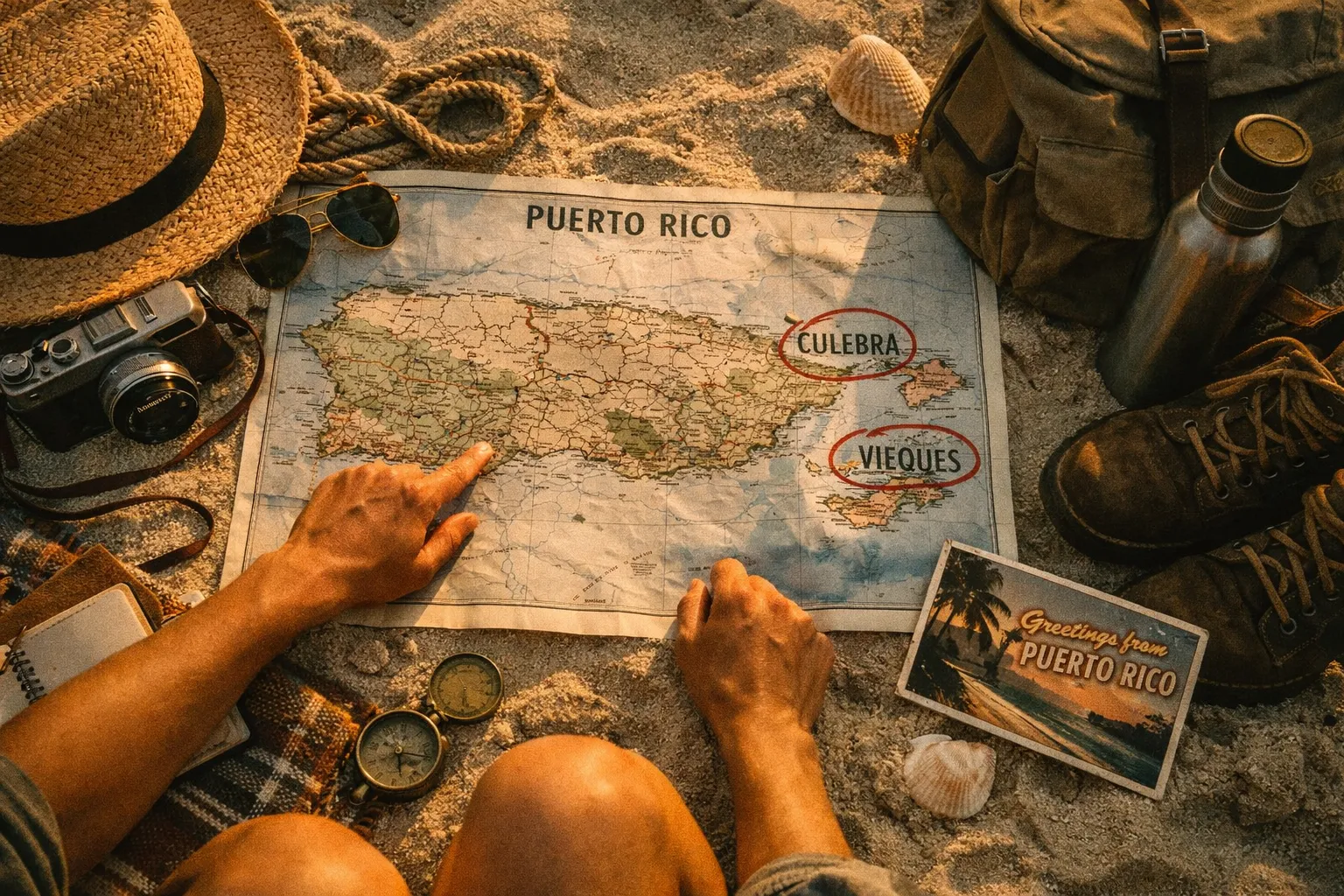
Culebra is home to Flamenco but also to quieter spots like Zoni Beach and Tortuga Beach, both good for snorkeling. Since January 2024, visitors pay a $2 municipal tax, which brings the total round-trip ferry passenger tax to about $6.50 per person (1), on top of the ferry ticket itself (commonly $5-$10 one way from Ceiba). Book the earliest morning ferry you can, or you’ll spend the day fighting queues and crowds.
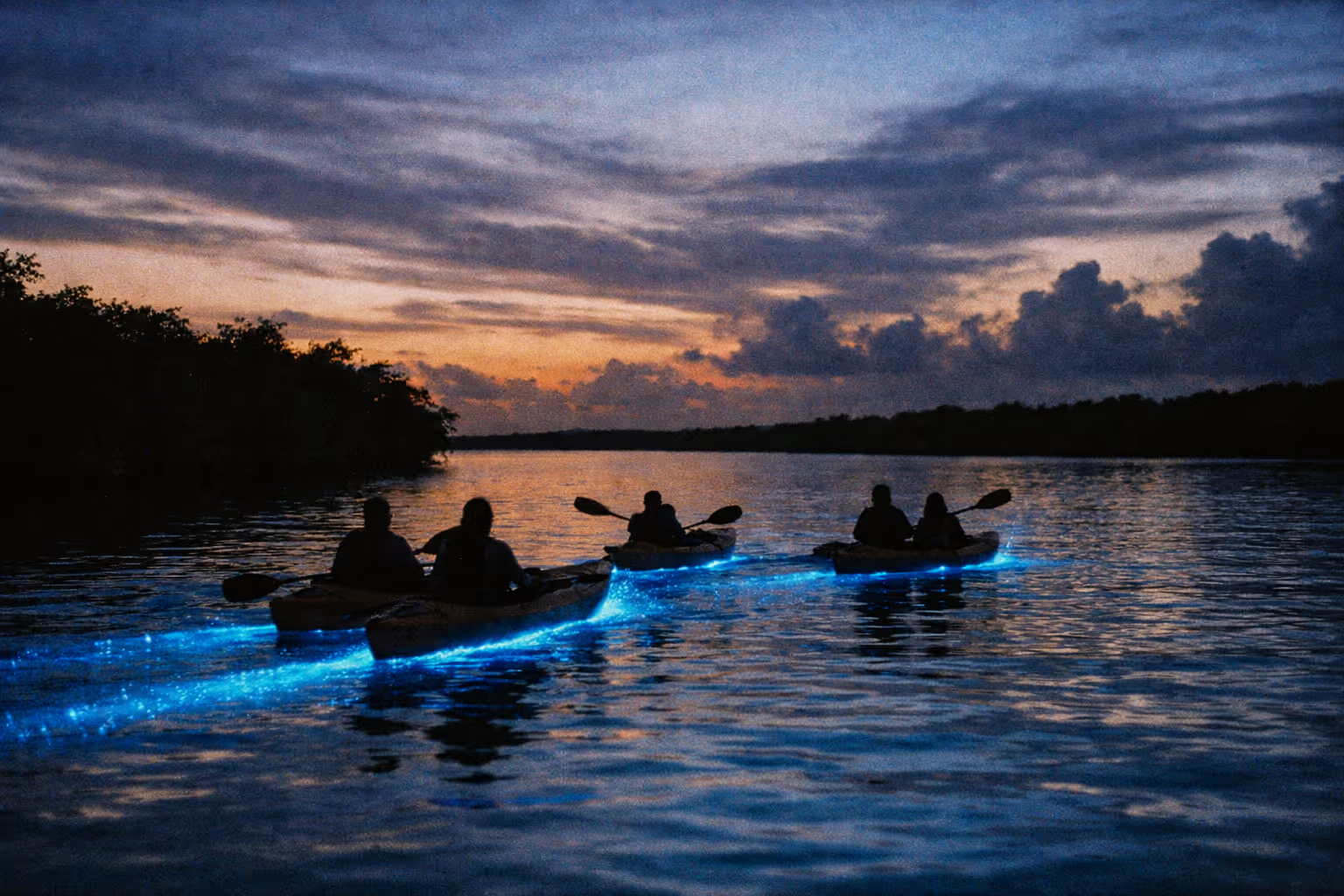
Vieques has Sun Bay Beach, a long golden crescent with calm water, plus Playa Caracas and La Chiva. The bigger draw is after dark: Mosquito Bay, one of the brightest bioluminescent bays in the world. A kayak tour on a moonless night is the way to see it.
For either island:
- Book ferry tickets in advance, especially in peak season and on weekends.
- Budget a full day (8-12 hours) including ferry and drive time - these are not half-day trips.
- Bring water, snacks, and sunscreen; amenities on the smaller beaches are thin.
- Consider staying overnight to avoid rushing the last ferry.
How to Plan a Day Trip to Culebra or Vieques
8-12 hoursStep-by-step logistics for visiting the offshore islands' beaches.
- 1
Book ferry tickets early
Reserve the earliest morning ferry to avoid crowds and secure your spot, especially in peak season.
- 2
Prepare for a full day
Budget 8-12 hours including ferry rides and driving; these are not half-day excursions.
- 3
Pack essentials
Bring water, snacks, sunscreen, and any needed beach gear as amenities are limited on smaller beaches.
- 4
Consider overnight stay
Stay overnight on the island to avoid rushing back for the last ferry and enjoy a more relaxed visit.
How to get there, what it costs, and what most guides get wrong
Getting there: All major US carriers fly nonstop to Luis Muñoz Marín International Airport (SJU) in San Juan. Flights from the East Coast run 3-4 hours; from the Midwest, 4-5 hours. No passport required for US citizens. Rental cars start around $40-$70/day - book early for peak weeks, since the island’s fleet is smaller than demand in winter. If you’re heading to Culebra or Vieques, drive to the Ceiba ferry terminal (about 45 minutes east of San Juan) and leave the car there; ferry tickets run $5-$10 one way per person.
Best month to visit: Mid-November through mid-April. The Caribbean side is at its calmest, hurricane season is over, and the trade winds keep temperatures in the low-to-mid 80s°F. January and February are the sweet spot - water clarity peaks, crowds are manageable outside holiday weekends, and ferry schedules run reliably. Avoid late August through October: hurricane risk is real, and several beach roads and ferry routes can shut down with little notice.
What most guides get wrong: They treat San Juan’s north-coast beaches - Condado, Ocean Park - as the destination, when they’re really just the most convenient. The Atlantic-facing shoreline has strong currents and regular swell. The genuinely swimmable, postcard-quality beaches are on the west coast (Crash Boat, Combate), the south (Cabo Rojo), and the offshore islands (Culebra, Vieques). If you base a week in Condado expecting lagoon-calm water, you’ll be disappointed. Use the city as a logistics hub, not a beach camp.
That choice of base is the one decision that shapes the whole week, so it’s worth comparing what’s actually available on each coast before locking anything in:

Hotels and guesthouses in Puerto Rico (Booking.com)
Search by town rather than by island: Rincón and Aguadilla for the west-coast beaches, Cabo Rojo for the south, and Condado only if you want San Juan itself.
Check prices on Booking.comWhat I wish I knew before going to Puerto Rico
The things that would have saved me time and money on my first trip:
-
Pick your coast before you book lodging. North-coast beaches (Condado, Ocean Park) are dramatic and urban; they are not calm swimming beaches. If you want lagoon-calm water, base yourself west (Aguadilla/Rincón), south (Cabo Rojo), or plan island days to Culebra/Vieques. Build at least one calm-water day into any itinerary - don’t assume every beach on a “best of” list is actually swimmable.
-
Flamenco is not a spontaneous trip. The ferry schedule, the $2 municipal tax (1), and the crowds all conspire against a lazy same-day plan. Reserve early, go early.
-
Urban beaches cost more than you think. Isla Verde and Condado hotels run roughly $150-$250/night - a promotional summer deal at ESJ Beach Hotel on Isla Verde advertised 3 days/2 nights from $359 total, or about $180/night with taxes (3). Meals near these beaches run $25-$40 per person. If you’re used to cheaper Caribbean islands, adjust your budget before you arrive.
-
Budget $30-$80 per person for a typical beach day at a major beach - parking ($5-$10), chair/umbrella rental ($10-$25), and food ($15-$40). Public beaches like Luquillo, Crash Boat, and Escambrón come in at the low end; resort-fronted stretches at the high end.
-
Only three beaches are Blue Flag certified (7). If certified water quality and lifeguard standards matter for your kids, that narrows the field to Puerto Nuevo (Vega Baja), Playa Palominos (Fajardo) and Punta Salinas (Toa Baja).
-
Set your phone’s text size larger before you go. Reading tide times, ferry schedules, weather, and flag conditions on a small font in direct sun is genuinely hard, especially past 40. Bump device text to medium-large (16-18 pt equivalent) and turn on high-contrast mode before you leave the hotel.
Which coast is the most scenic?
Honest answer: it depends what “pretty” means to you.
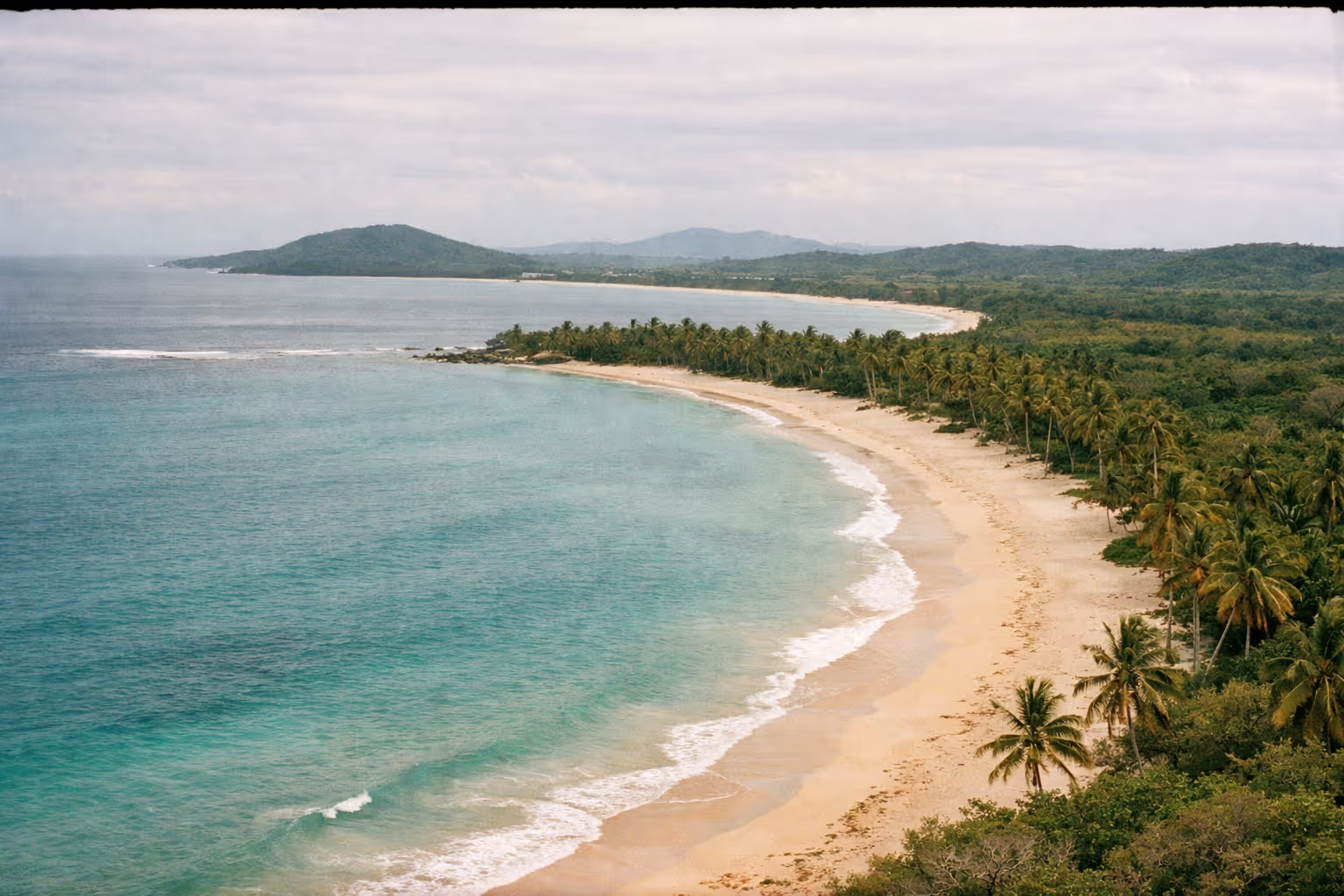
For the postcard version - pale sand, glassy turquoise, low development - the east (Culebra and Vieques) wins. Flamenco’s color and clarity are why it lands on world rankings. If uncrowded natural beauty is the goal, this is the side.
For dramatic scenery, the north coast delivers: Atlantic surf, cliffs, and the San Juan skyline as a backdrop. Photogenic, but not swim-friendly.
For calm, accessible Caribbean beaches without a ferry, the west and south coasts (Rincón, Cabo Rojo) hit the sweet spot - you get gentle water and easier logistics than the offshore islands. If you want to explore that part of the island further, Discover Rincon: Puerto Rico’s hidden surf paradise is worth a read before you plan your route.
If you only have time for one and you want the prettiest, go east to Culebra.
Puerto Rico’s beach culture
Beaches here are social spaces, not just scenery. One tradition worth joining is chinchorreo - beach-hopping with food and drinks along the way. Start at Ocean Park in San Juan, then work east toward Piñones, sampling frituras (fried snacks) from the roadside kiosks.
For local weekend energy, head to Balneario de Boquerón in Cabo Rojo, where families grill, play music, and settle in for the day. Puerto Ricans are welcoming, and it’s not unusual to end up chatting with the group next to you.
For golden-hour photos, the best light runs roughly 06:00-07:00 and 17:30-18:30 depending on season. The iconic frames: the rusted tank at Flamenco, the pier at Crash Boat, and the city skyline behind Condado at sunset. If you’re planning a longer stay and want to explore beyond the beaches, Puerto Rico’s hidden treasures cover a range of inland and coastal adventures worth adding to your itinerary.
Quick Comparison of Popular Puerto Rico Beaches
| Flamenco (Culebra) | Crash Boat (Aguadilla) | Luquillo | Mar Chiquita (Manatí) | Isla Verde (Pine Grove) | Condado (San Juan) | |
|---|---|---|---|---|---|---|
| Best For | Swimming, scenery | Snorkeling, sunsets | Food, families | Cove swimming, photos | Urban beach day | Sunset, nightlife |
| Amenities | Restrooms, kiosks, lifeguards | Parking, restaurants | Kiosks, restrooms, lifeguards | Limited | Resorts, water sports | Full urban |
| Crowd Level | High | Medium-High | Medium | Low | High | High |
| Swimmable? | ✓ | Usually (calm days) | ✓ | Calm days only | ✓ | ✗ |
Frequently Asked Questions
- What is the best time to visit Puerto Rico's beaches for calm water?
- The best months are typically late fall through spring when the Caribbean side is calmest and ferry schedules are less crowded.
- Are there any ferry booking tips for visiting Culebra or Vieques?
- Book ferry tickets as early as possible, especially for morning departures, to avoid sold-out trips and long lines.
- Can I swim safely at Condado Beach in San Juan?
- No, Condado has strong currents; safer swimming spots nearby include Playita del Condado and Escambrón Beach.
- How much should I budget for a day at a major Puerto Rico beach?
- Expect to spend $30-$80 per person for parking, chair rentals, and food at popular beaches.
- Are there any beaches with certified water quality in Puerto Rico?
- For the 2025-26 season, Balneario Puerto Nuevo (Vega Baja), Playa Palominos (Fajardo) and Punta Salinas / Pilote (Toa Baja) hold Blue Flag certification for water quality and safety. The award is renewed annually, so check the current list before you rely on it.
- Is it worth staying overnight on Culebra or Vieques?
- Yes, staying overnight avoids rushed ferry schedules and allows a more relaxed beach experience.
- What is chinchorreo and where can I experience it?
- Chinchorreo is beach-hopping with food and drinks; start at Ocean Park and head east toward Piñones for local snacks.
Bottom line
Match the coast to your goal and the rest falls into place. Base yourself where the water suits how you want to spend your days - east or west/south for calm swimming, north for city life and sunsets. Reserve the Culebra ferry early, build in one full-day trip to Flamenco or Vieques, and don’t waste a beach day fighting Condado’s currents when Escambrón is ten minutes away. If you’re still deciding where to stay, Puerto Rico’s top resorts for ultimate relaxation can help you match your accommodation to the right stretch of coastline. Do that, and Puerto Rico’s coastline delivers exactly what you came for.