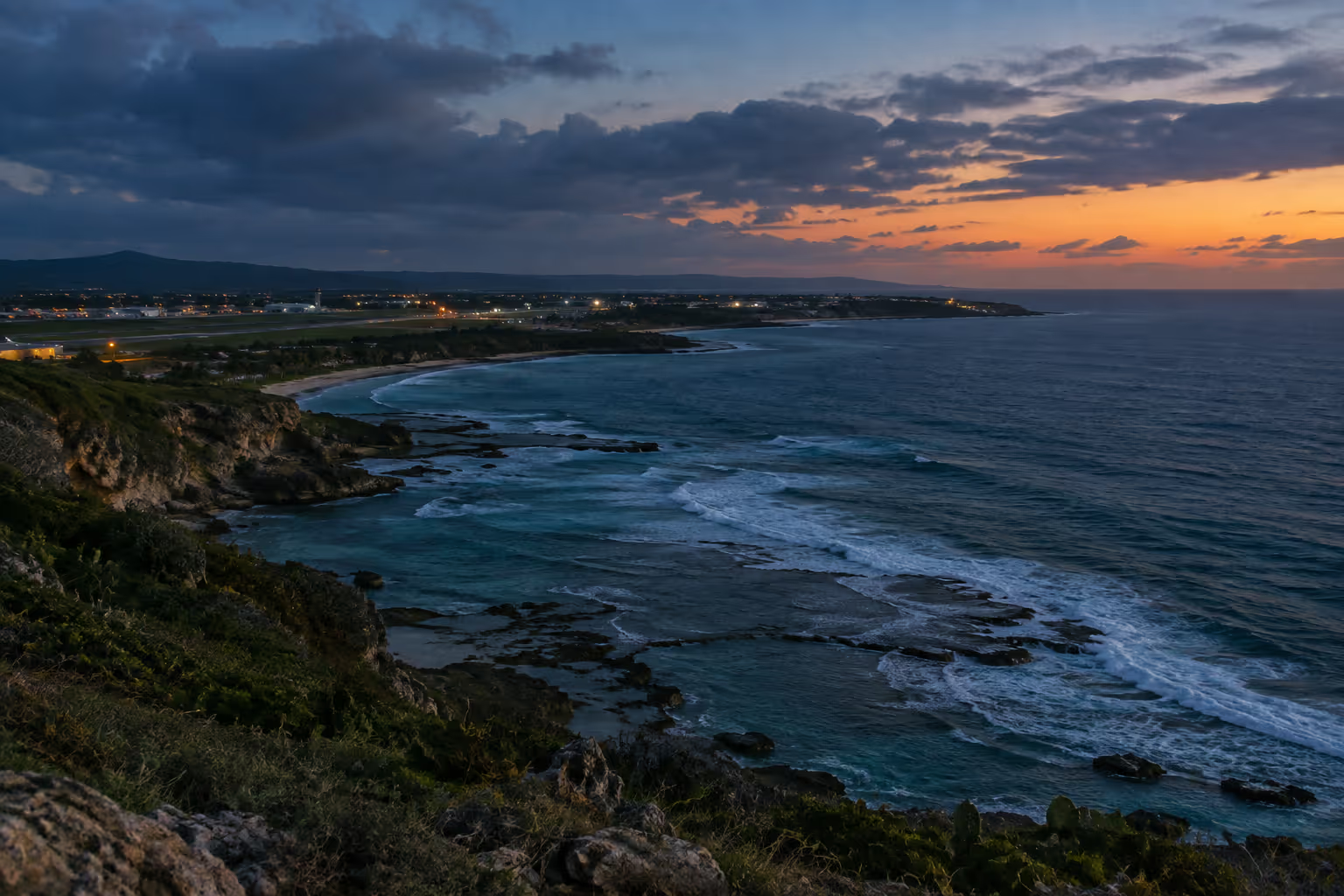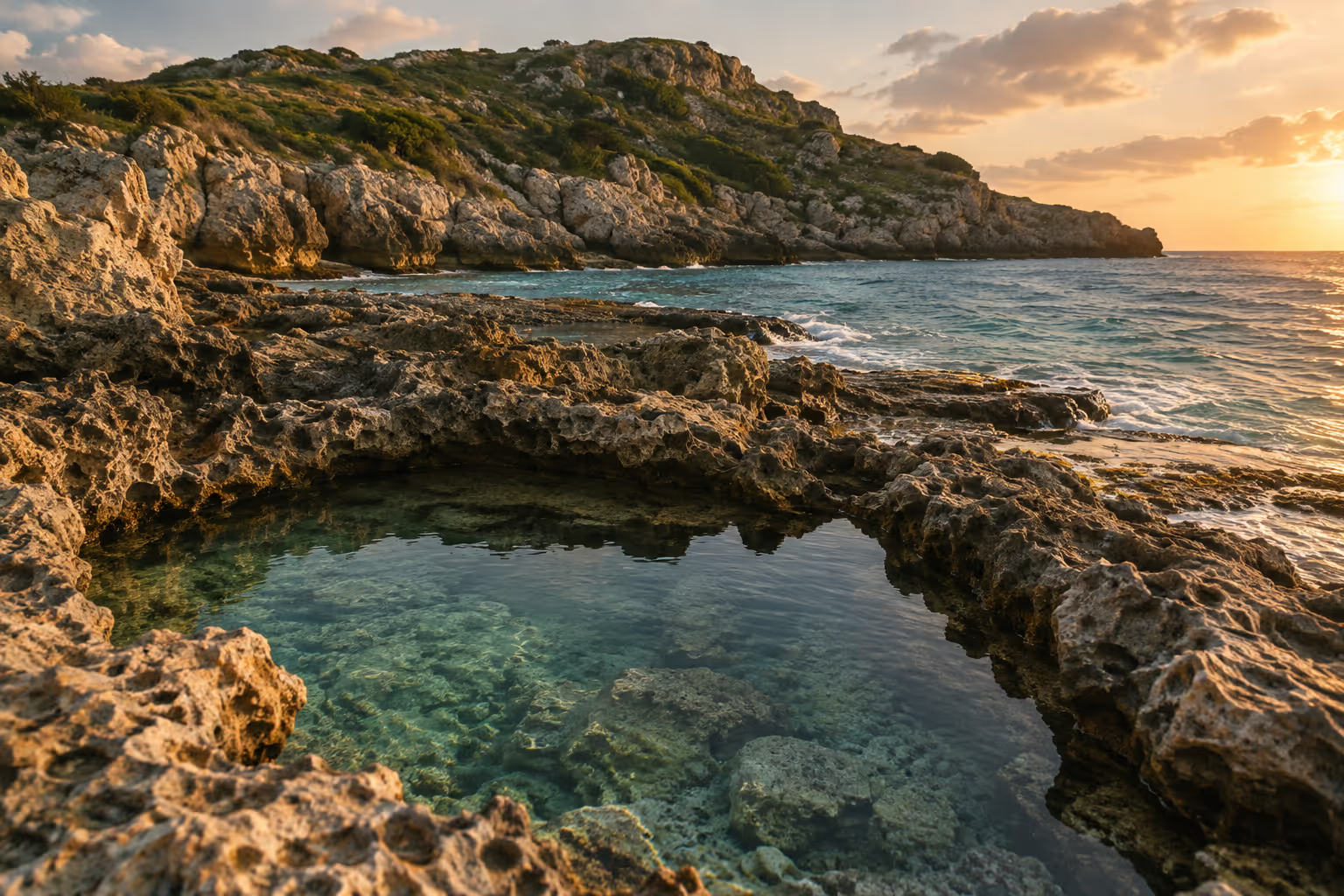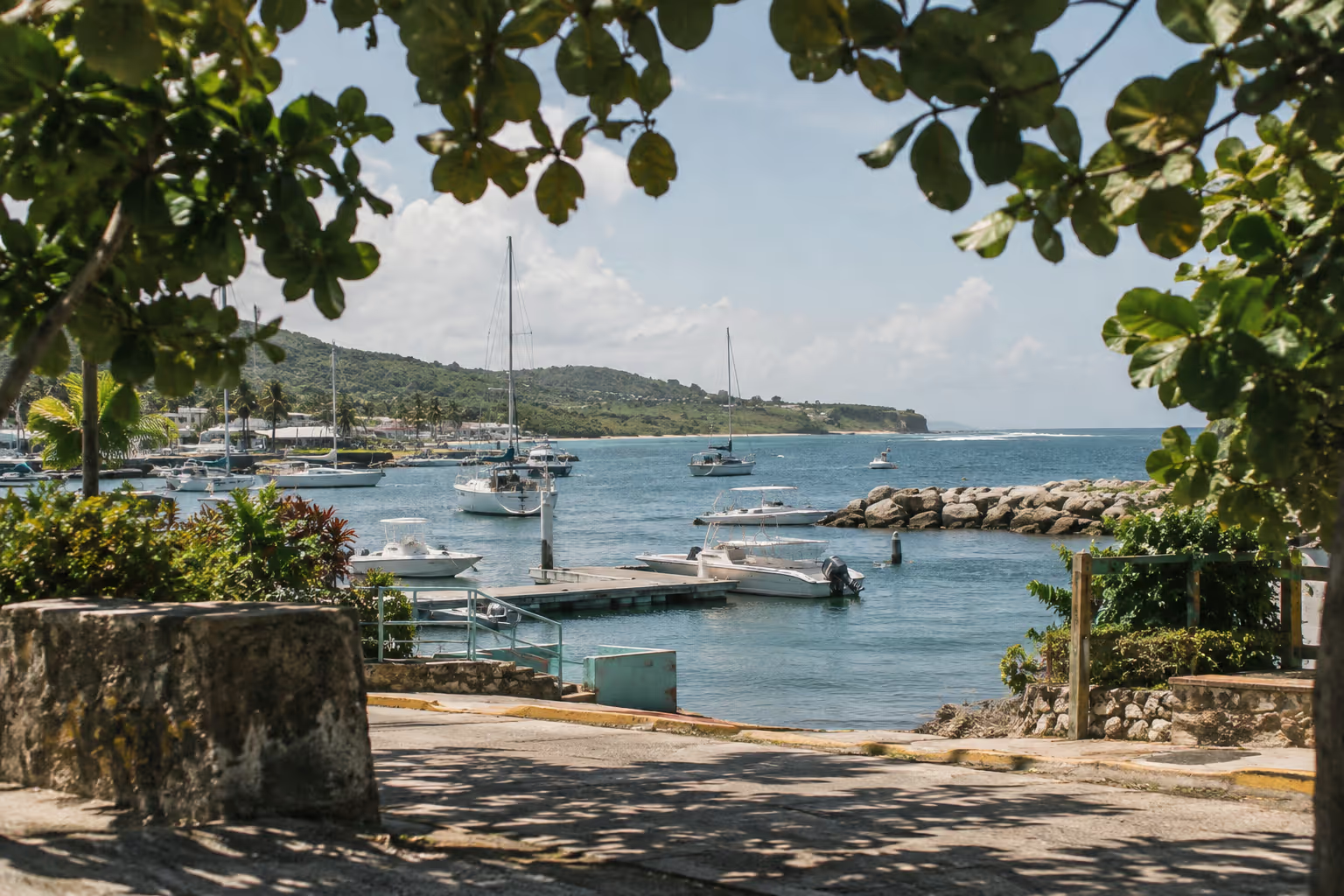
Most visitors fit the main things to do in Fajardo into two or three days. The list is short: a calm Blue Flag beach, boat trips to offshore cays, an after-dark kayak tour through a glowing lagoon, and a guided nature reserve on the northeast tip of the island. The one logistics trap is the ferry. The boats to Vieques and Culebra leave from Ceiba, the next town south, not from a Fajardo dock.
✓ Pros
- One base covers several different kinds of outings, so you can adjust plans around weather and energy.
- A mainland stay keeps you close to the Ceiba terminal without requiring an overnight on either island.
✗ Cons
- Most activities require a car or a ride to reach their launch point.
- Fixed schedules and operator rules can make last-minute planning difficult.
Things to Do in Fajardo, Puerto Rico: Where to Start
Fajardo, Puerto Rico, is a coastal town on the island’s eastern shore, north of Ceiba and east of Luquillo, best used as a base for beaches, cays, bio-bay tours and island day trips (5). It is not a sightseeing town in the colonial-streets sense. The marinas, the water and the reserves are the reason to come, and the town itself is where you sleep, eat seafood and arrange the next outing.
Getting there. Seven Seas Beach, on the Las Croabas side of Fajardo, is about one hour from San Juan by car (10). Most visitors drive from the San Juan area, so a rental car makes the most sense if you plan to mix beach days with the nature reserve, El Yunque and the Ceiba ferry terminal. Tour operators running bio-bay trips from San Juan also exist, which helps if you don’t want to drive the coast road after dark.
What the name means. Fajardo is a Spanish surname, not a common noun, so it doesn’t translate to an everyday word. The town was founded in 1772 as Santiago de Fajardo and carries the nickname La Metrópolis del Sol Naciente (5), which translates literally as “the metropolis of the rising sun.” The nickname fits the geography: Fajardo faces east, toward the Spanish Virgin Islands.
Who Fajardo suits. The town works well for two kinds of traveler:
- Day-trippers from San Juan who want one beach day, one boat trip or one bio-bay night without changing hotels.
- Island-hoppers who want a mainland base before or after Vieques and Culebra, with the Ceiba terminal a short drive south.
It suits travelers less well if you want a walkable town center with sights between meals. You will be driving between most of the activities below.
Is Fajardo worth visiting? Yes, if you plan around the water. Fajardo concentrates sailing, snorkeling, kayaking, diving and cay trips in one corner of the island (5), and few other bases put a swimmable public beach, a bioluminescent lagoon and a protected reserve within a short drive of each other. It is overrated as a place to wander without a plan. Show up without reservations on a Monday and you may find the reserve closed, the evening tours full, and no ferry in town.
The case for and against basing yourself here. On the plus side, you get an easy launch point for beaches, boat trips and the bio-bay, about an hour from San Juan, plus access to the Spanish Virgin Islands. On the minus side, the island ferries are not in town, the key sites need advance booking, and bio-bay departure times shift with the season.
Best time to go. If you want one window, aim for December or January. Both months fall inside the published winter schedule for Laguna Grande tours (7), and they sit in Fajardo’s drier December-to-April stretch, well clear of the June-to-November Atlantic hurricane season (5). The trade-off is peak-season demand, so book the reserve and the bio-bay before you book anything else.
How the activities rank if your time is short:
- Worth the detour: a Laguna Grande night kayak tour, a boat trip to Icacos, and a Vieques or Culebra day trip via Ceiba.
- Worth it with a spare half-day: a Cabezas de San Juan guided tour and a Seven Seas beach afternoon.
- Skip if short on time: El Yunque, which is a separate inland outing, and repeat beach days on the mainland when the cays are an option.
Fajardo Beaches Worth Your Time
Seven Seas Beach is the best pick among Fajardo beaches for a low-effort day: it sits in a protected bay with calm water and full facilities, and beach access itself is free, though the official lot typically charges a daily parking fee (10). If you only have an afternoon and no boat booking, this is where to go.
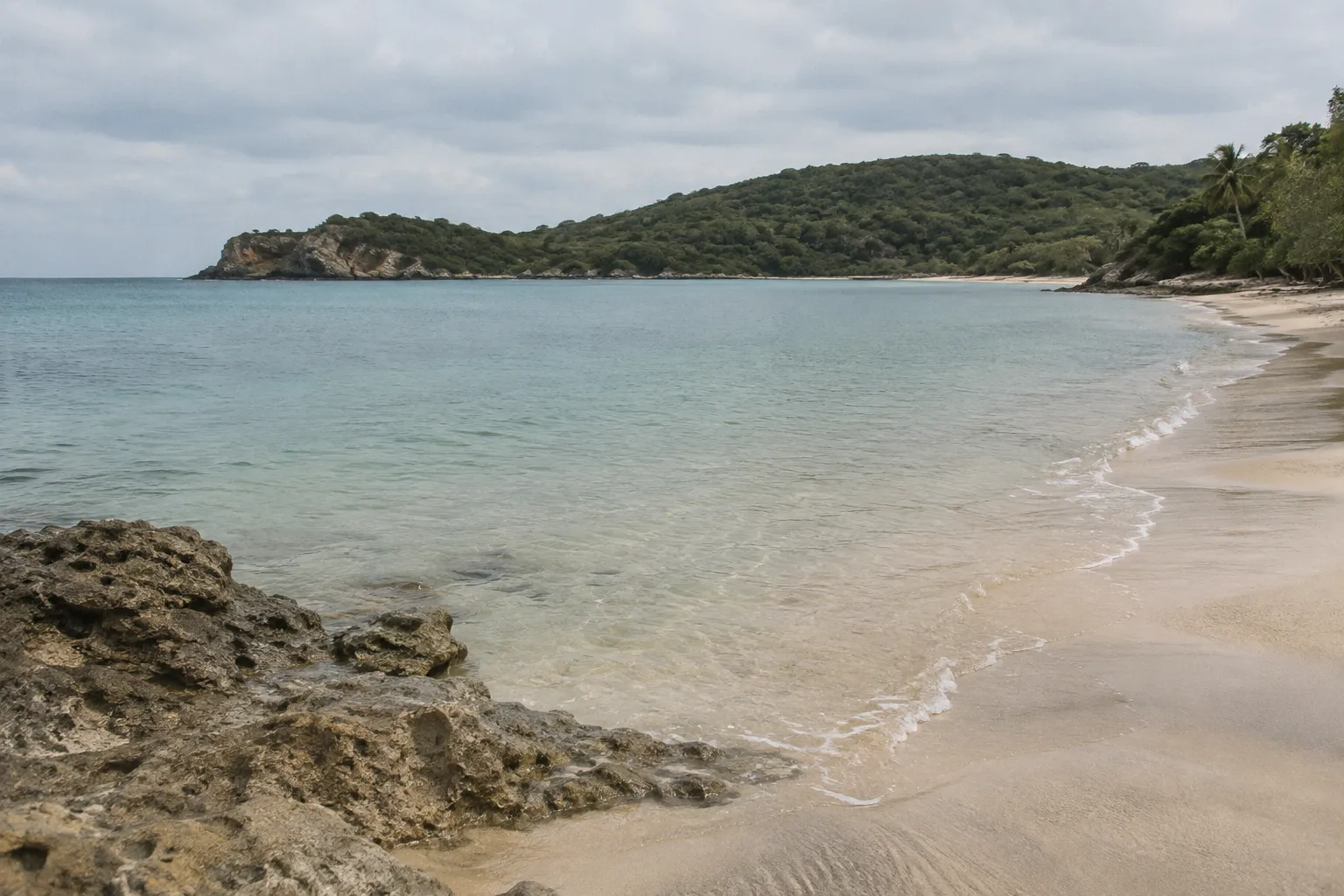
The beach faces a sheltered bay near Las Croabas, so the water is usually calmer than on the open Atlantic stretches farther west. The beach’s visitor FAQ describes the water as calm and clear and suitable for families, while noting that conditions vary with weather and ocean swell (10). Seven Seas also holds Blue Flag certification, which covers water quality, environmental management, visitor safety and amenities (10).
You can snorkel here without a boat. The FAQ lists Seven Seas as one of the better snorkeling beaches on the northeast coast, with tropical fish close to shore (10). Expect nearshore snorkeling, not a reef trip: it’s good for a mask-and-fins hour, but it won’t match what the cay boats reach.
Seven Seas Beach: Facilities and Access
Seven Seas has more on-site infrastructure than most beaches around Fajardo, which matters if you’re traveling with kids or older relatives. According to its visitor FAQ, the beach offers (10):
- Designated swimming areas
- Restrooms
- Showers
- Picnic areas
- Accessible beach facilities
- Lifeguards on duty (check the posted hours at the beach)
Beach access is free. The official lot charges a small daily parking fee (10), but no current figure is published, so carry some cash.
For food, you don’t need to pack a full cooler. Seafood restaurants, cafés and waterfront bars line Las Croabas and the rest of Fajardo (10), close enough to make lunch a short drive or a walk depending on where you park.
Other beach options. Every beach in Puerto Rico is public up to the high-tide line by law (10), so you can use any stretch of sand, even one fronted by a hotel. The trade-off is facilities: once you leave Seven Seas, expect fewer showers, restrooms and lifeguards. Luquillo, west of Fajardo (5), is the usual alternative on the drive back toward San Juan. The best sand in the Fajardo area is offshore, on the cays covered in the next section.
Who should skip the mainland beaches. If you have one beach day and can book a boat, spend it on Icacos instead. Seven Seas is the fallback for days when the boats aren’t running, you arrive too late to join a trip, or someone in your group doesn’t want to spend hours on a catamaran.
Boat Trips and Snorkeling at Icacos and Palomino
A boat trip to Icacos or Palomino is the step up from a Fajardo beach day: you trade the parking lot and showers for clearer water, reef snorkeling and sand reachable only by boat (5). Both cays sit off Fajardo’s coast and are among the most common day-trip destinations from its marinas (5).
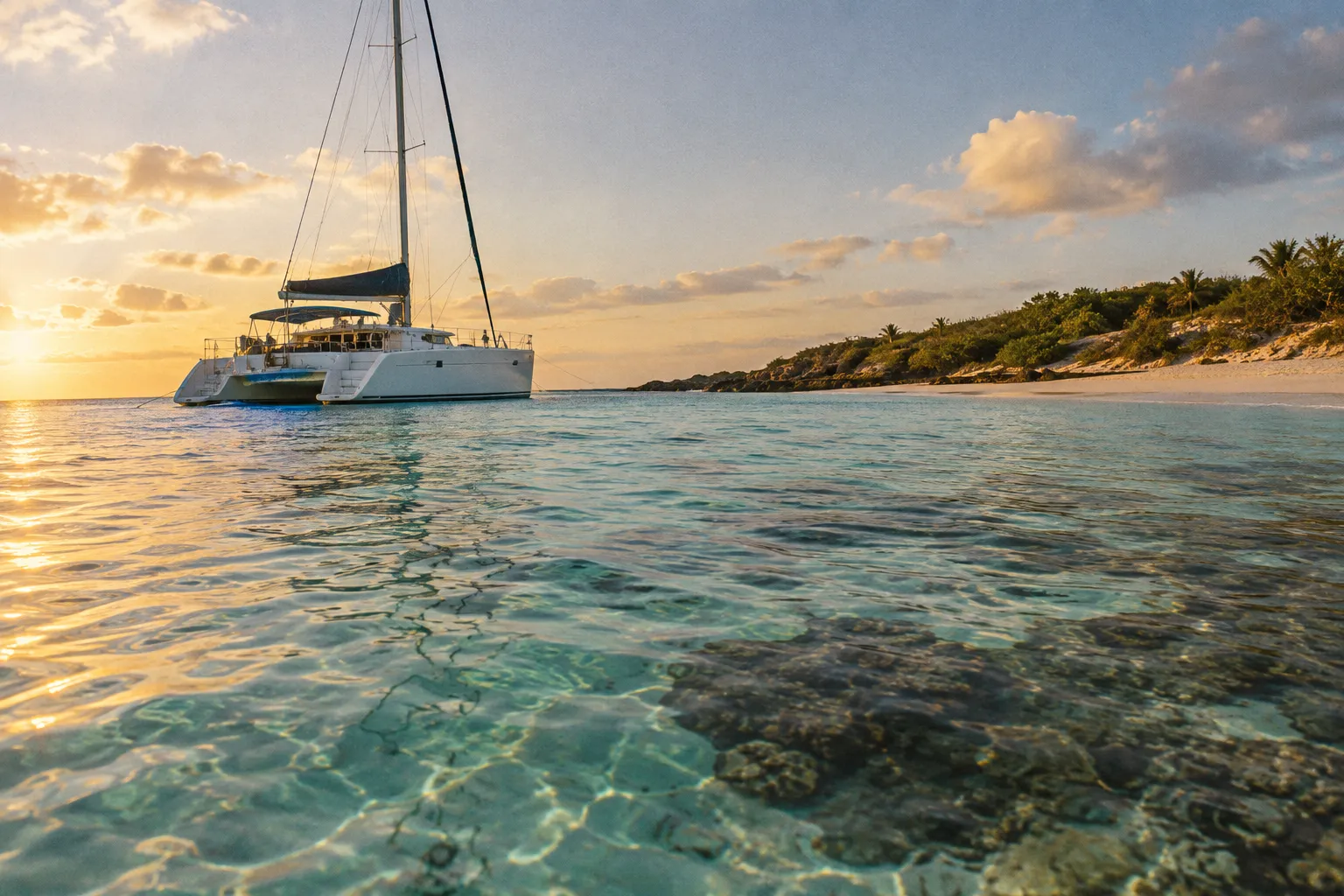
Icacos is an uninhabited cay and the usual target for catamaran day trips. Expect white sand, shallow turquoise water over sand and patch reef, and no services ashore. Whatever you need for the day, including water, shade and food, comes on the boat.
Palomino is the other cay that comes up in Fajardo excursion listings (5). Trips there follow a similar format: a boat ride out, time on the beach, and guided or self-led snorkeling.
What a typical excursion looks like. Most trips follow one pattern. You check in at a Fajardo marina, ride out on a catamaran or smaller boat, anchor off the cay, snorkel, spend time on the beach, and ride back. Operators bundle different extras, so before you book, confirm:
- Duration. Half-day and full-day formats both exist. The sourced research doesn’t fix a standard length, so check each listing.
- Snorkel gear. Whether masks, fins and flotation vests are included or extra.
- Food and drinks. Whether lunch is included, and whether you can bring your own.
- Departure marina. Fajardo has several marinas, so confirm which one before you drive.
- Weather policy. What happens if wind or swell cancels the trip.
No sourced price exists for Icacos or Palomino trips, so compare current listings directly. As a rough guide, a boat trip costs markedly more than a Seven Seas day, where entry is free and you pay only for parking.
Who should choose a boat trip over a public beach. Pick the cays if you’re a confident swimmer, want reef snorkeling instead of nearshore fish-spotting, and can give up most of a day. Stay on the mainland if anyone in your group gets seasick, has mobility limits that make boarding from a beach difficult, or needs restrooms and shade close at hand. Seven Seas covers those needs (10). An uninhabited cay doesn’t.
Scheduling tip. Put the boat trip early in your stay. Wind and sea conditions can cancel departures, and a day in hand lets you rebook instead of losing the outing.
Laguna Grande Bioluminescent Bay Kayak Tours
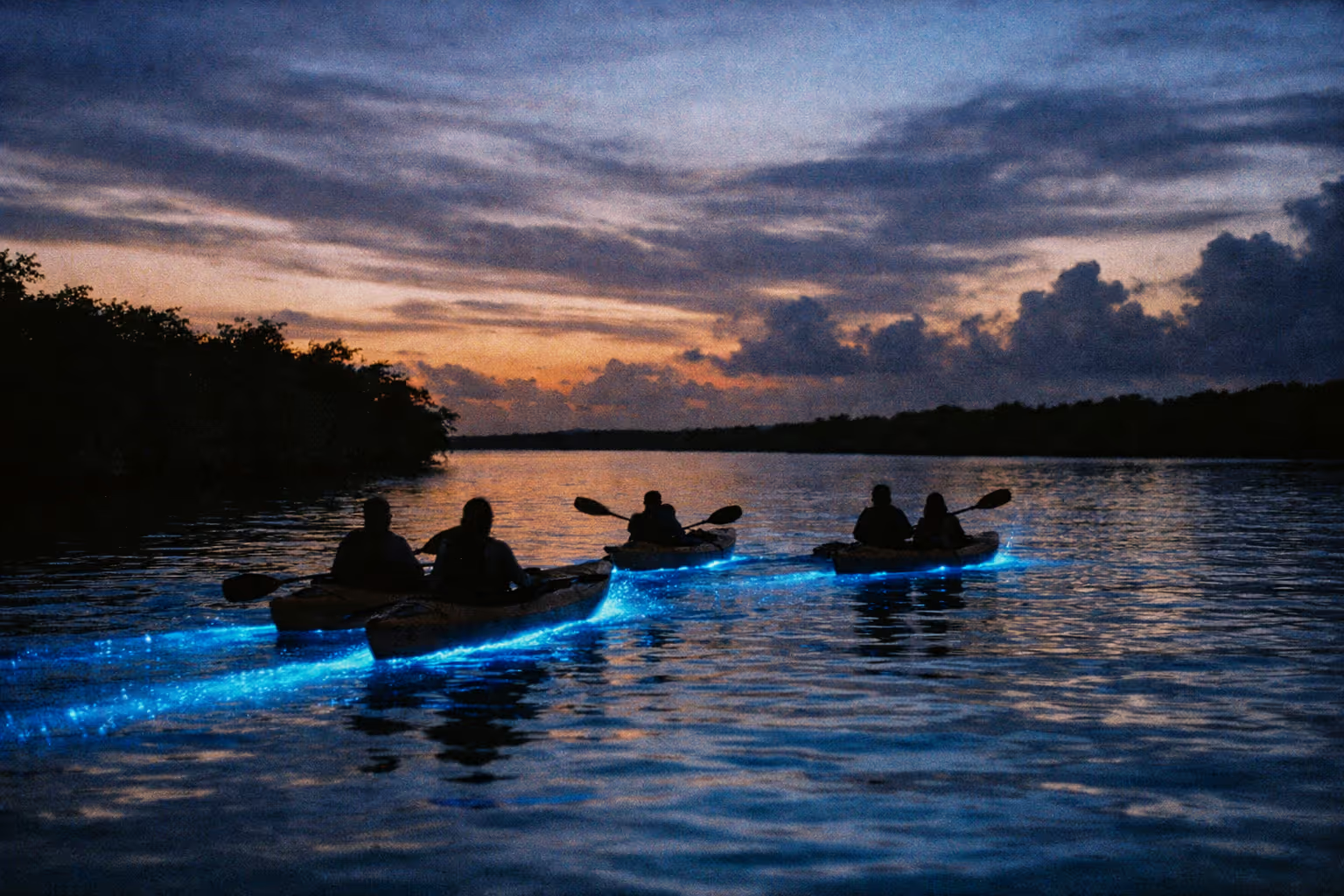
Yes, Fajardo has a bioluminescent bay: Laguna Grande, a lagoon where guided kayak tours run after dark through mangrove channels to see the water light up as you paddle (7)(5). It is the main night activity in Fajardo and the one most visitors plan their stay around.
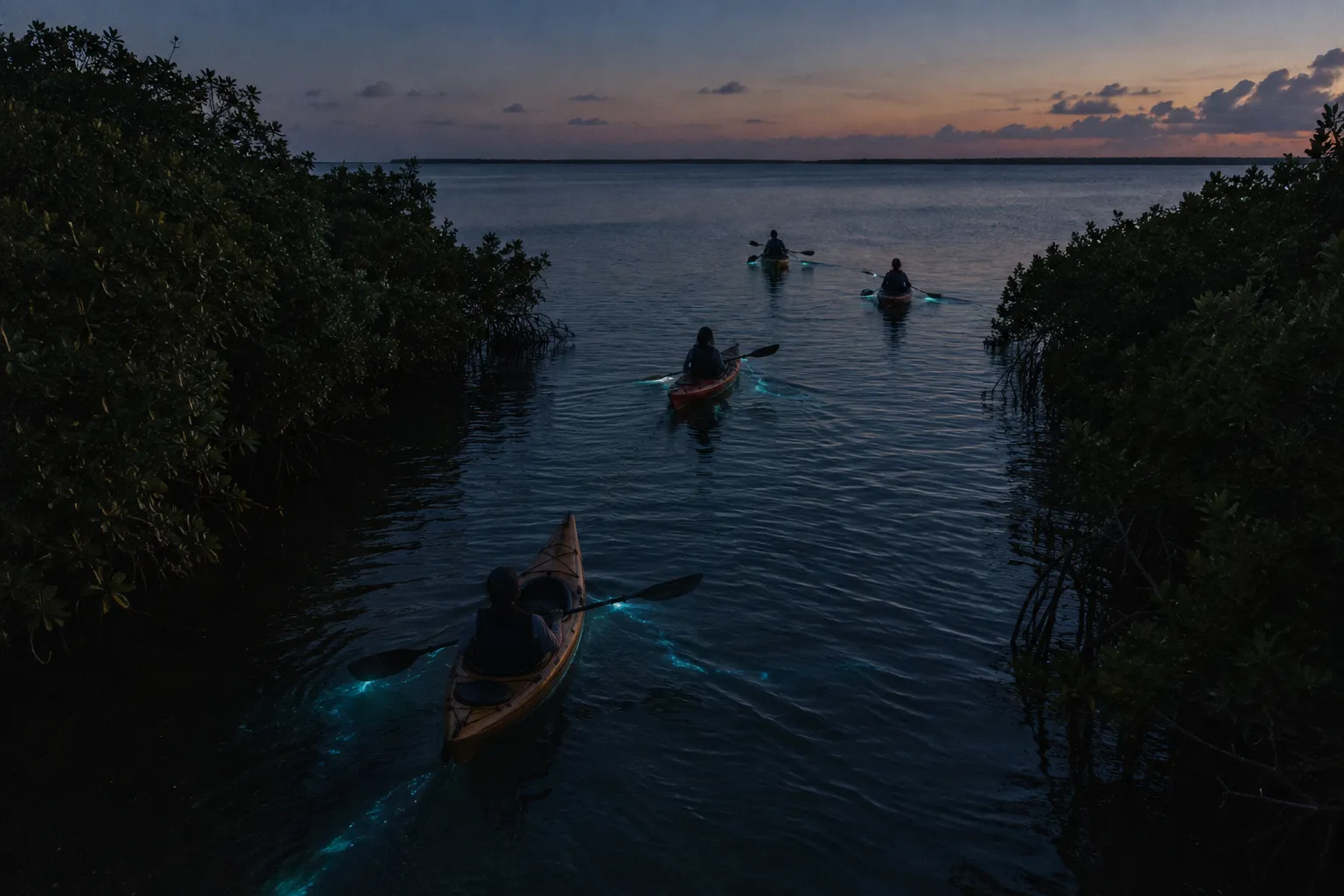
The tour format. You check in, get a short briefing, launch from shore in a kayak (usually a tandem), and paddle in a guided line through narrow mangrove channels into the open lagoon. One Fajardo tour listing notes that tarps are used to improve visibility of the glow (7). The darkness is the point, so don’t expect daylight scenery on this trip. Bring a dry bag or a waterproof phone pouch, and wear clothes you don’t mind soaking.
According to the biobaypuertorico.org booking guide, Laguna Grande tours operate Monday to Saturday (7). Plan around that if your Fajardo nights include a Sunday.
Health, age and weight rules vary by operator. There is no single standard. One listed Fajardo tour sets a minimum age of 6, and the same booking guide says pregnant women and people with back or heart conditions or recent surgery are generally not permitted on kayak tours (7). Other operators set different age, weight and health limits, so read the exact provider’s rules before you pay, especially if you’re bringing children or anyone with back, heart or mobility issues. Paddling the channels takes steady effort, and you can’t easily turn around mid-route.
Laguna Grande isn’t Puerto Rico’s only bio bay. Vieques has Mosquito Bay, which one booking site describes as the world’s brightest bioluminescent bay (7). If you’re already spending a night on Vieques, that’s a separate option. If you’re based in Fajardo, Laguna Grande is the one within a short drive.
Free cancellation. The bio-bay booking platform at biobaypuertorico.org advertises free cancellation up to 24 hours before the tour (7). Cancellation terms differ between operators and resellers, so check the fine print on the listing you use.
Picking a Departure Time by Season
Laguna Grande departure times depend on the season, not a fixed clock time, so check the schedule for your dates before you plan dinner around a tour. As of October 2026, the biobaypuertorico.org booking guide lists these check-in times (7):
- Winter (October to January): 5:45 p.m. and 8:00 p.m.
- Summer (May to July): 6:30 p.m. and 8:45 p.m.
The listing doesn’t publish slots for February to April or August to September, so confirm with your operator if you’re traveling then.
Early vs late slot. The early slot in each season gets you back for a late dinner and suits families with kids. The later slot (8:00 p.m. in winter, 8:45 p.m. in summer) means paddling in full darkness, which makes the glow easier to see, but you’ll finish late, and that matters if you have an early ferry from Ceiba the next morning.
Booking mechanics. Arrive at least 30 minutes before your scheduled departure. The booking site treats late arrivals as no-shows and doesn’t refund them (7). With evening traffic around Fajardo and the San Juan corridor, leave more margin than the map suggests.
Cabezas de San Juan Nature Reserve
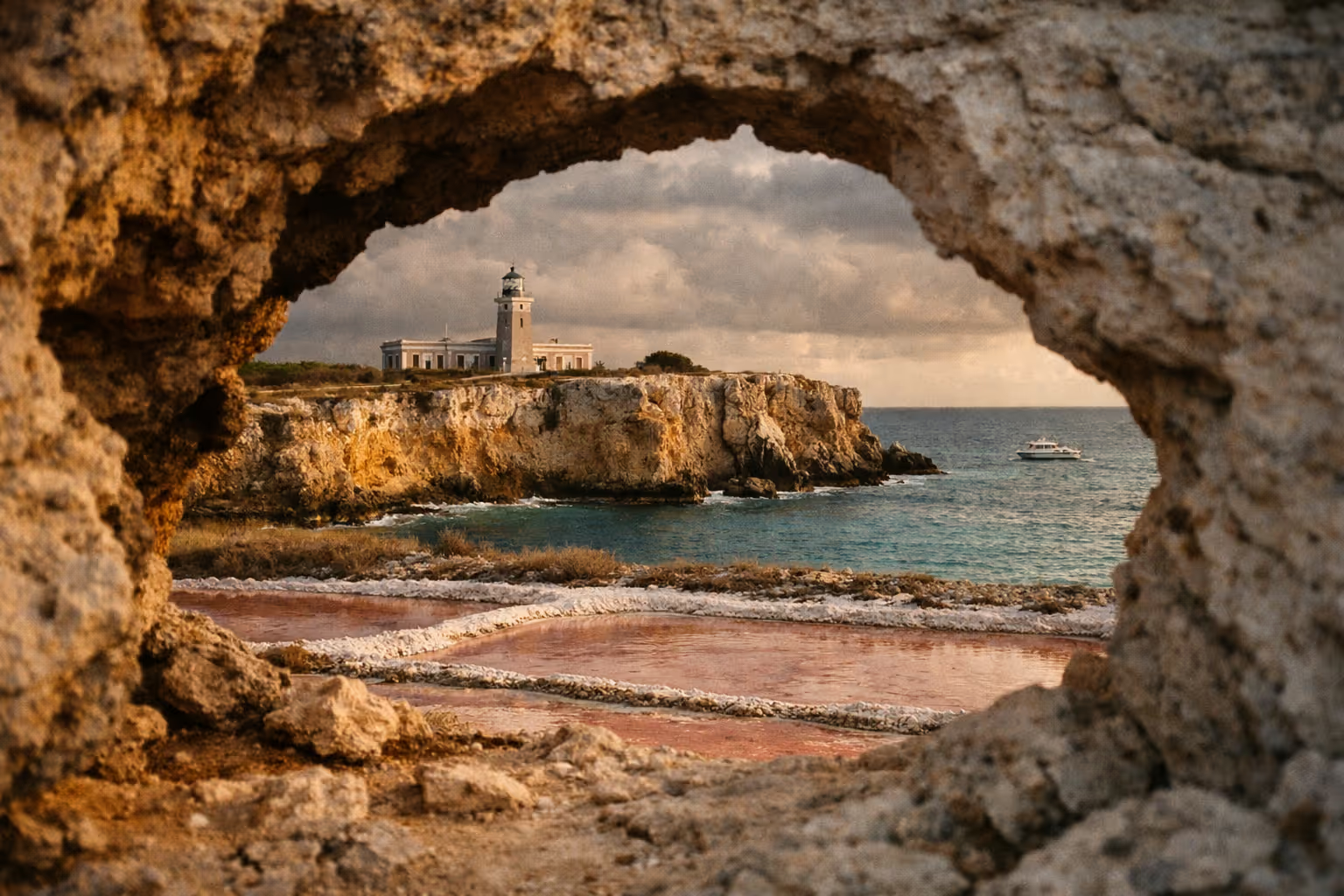
Cabezas de San Juan Nature Reserve is a reservation-only, guided visit on Fajardo’s northeast tip, with standard tours lasting 2.5 hours (14). Don’t plan it as a walk-in stop. Visits run as guided interpretive tours, and you book a timed slot through the reserve’s reservation system (14).
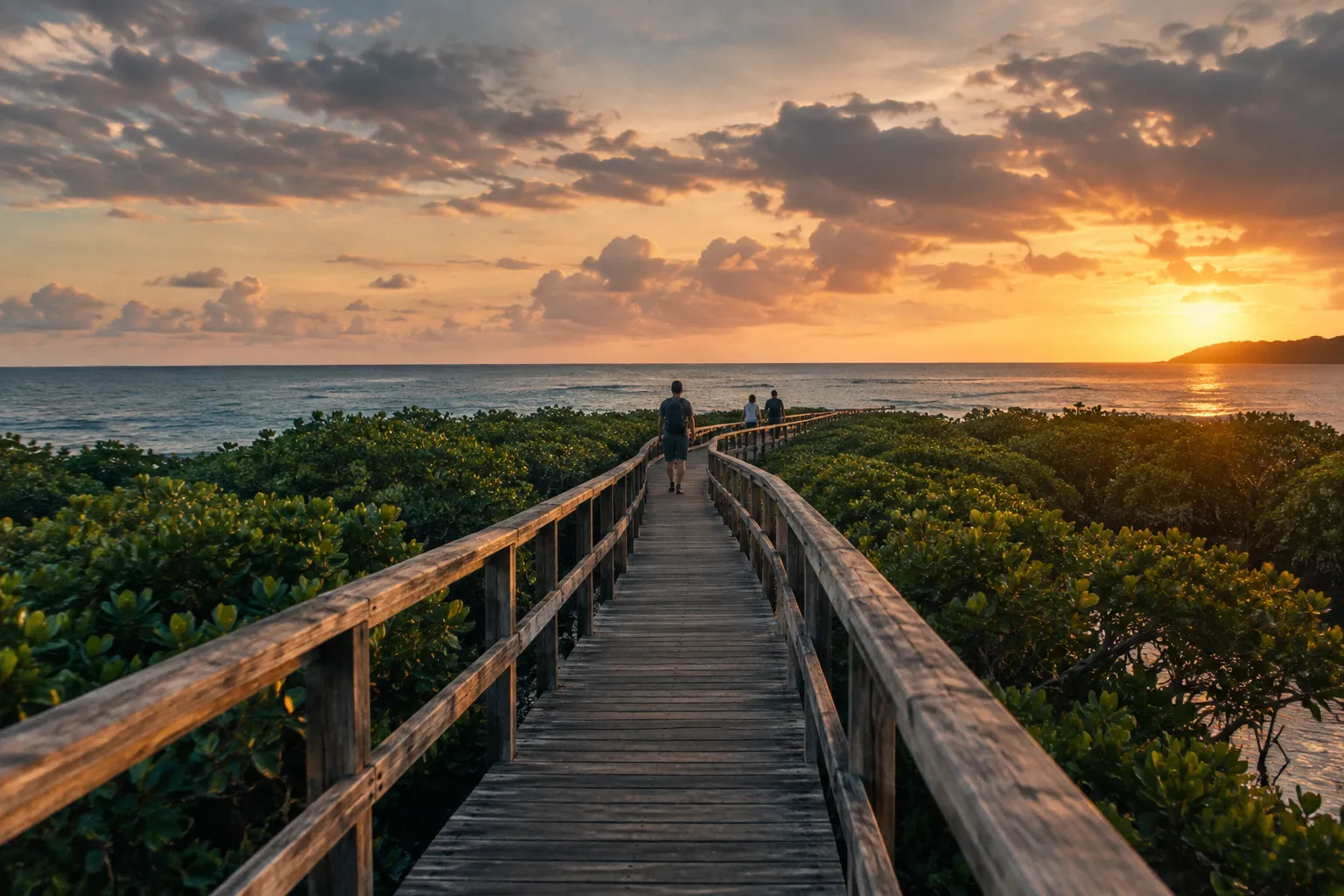
What you see. The reserve covers marine and terrestrial ecosystems, and the tour explains their role in coastal protection and water purification, along with the community effort that preserved the site (14). The anchor is the historic Cabezas de San Juan Lighthouse, tied to Puerto Rico’s navigation history (14). For a first-time visitor, it’s the best single stop for understanding the coastal landscape you’ve been swimming and paddling in.
What to bring. The reserve is run by Para la Naturaleza (14), and visitors explore it along a network of trails and boardwalks (5). The reservation page asks for closed shoes, a reusable bottle, sunglasses, sunscreen and a hat (14). A daytime visit doesn’t replace a bio-bay paddle at Laguna Grande, which only makes sense after dark.
Tour days. A Puerto Rico travel guide lists the reserve as open to the public Wednesday through Sunday (5), and as of October 2026 the reservation calendar shows 2.5-hour tours at 9:00 a.m. and 2:00 p.m., Thursday to Sunday (14). Since Laguna Grande tours run Monday to Saturday (7), a Sunday suits Cabezas but not the bio-bay, and a Monday or Tuesday suits only the bio-bay. If your Fajardo stay is short, check the calendar for your dates first.
Booking ahead. Book Cabezas before you lock in your other Fajardo plans. The booking page shows timed 2.5-hour slots, and individual dates fill (14). As of October 2026, it lists tickets at $15 per person, or $11 for seniors and students (14). A sensible order is to reserve Cabezas first, then fit the bio-bay and boat trip around it.
Groups. Groups larger than 20 people need to contact the reserve directly instead of booking online, by phone at 787-722-5882 or by email at info@paralanaturaleza.org (14). Reservations are also handled at 787-722-5882 (14).
Who should skip it. If you have one day in Fajardo and came for the water, a boat trip to Icacos is the better use of it. Cabezas earns its place on a second or third day, or on a morning when wind keeps the boats in port.
El Yunque from Fajardo: Is It Worth the Detour?
El Yunque from Fajardo is about a 20-minute drive, according to one El Yunque travel guide (16), which makes the rainforest an easy half-day add-on but a separate inland outing, not part of Fajardo’s beach and boat scene. Treat it as its own trip with its own logistics.
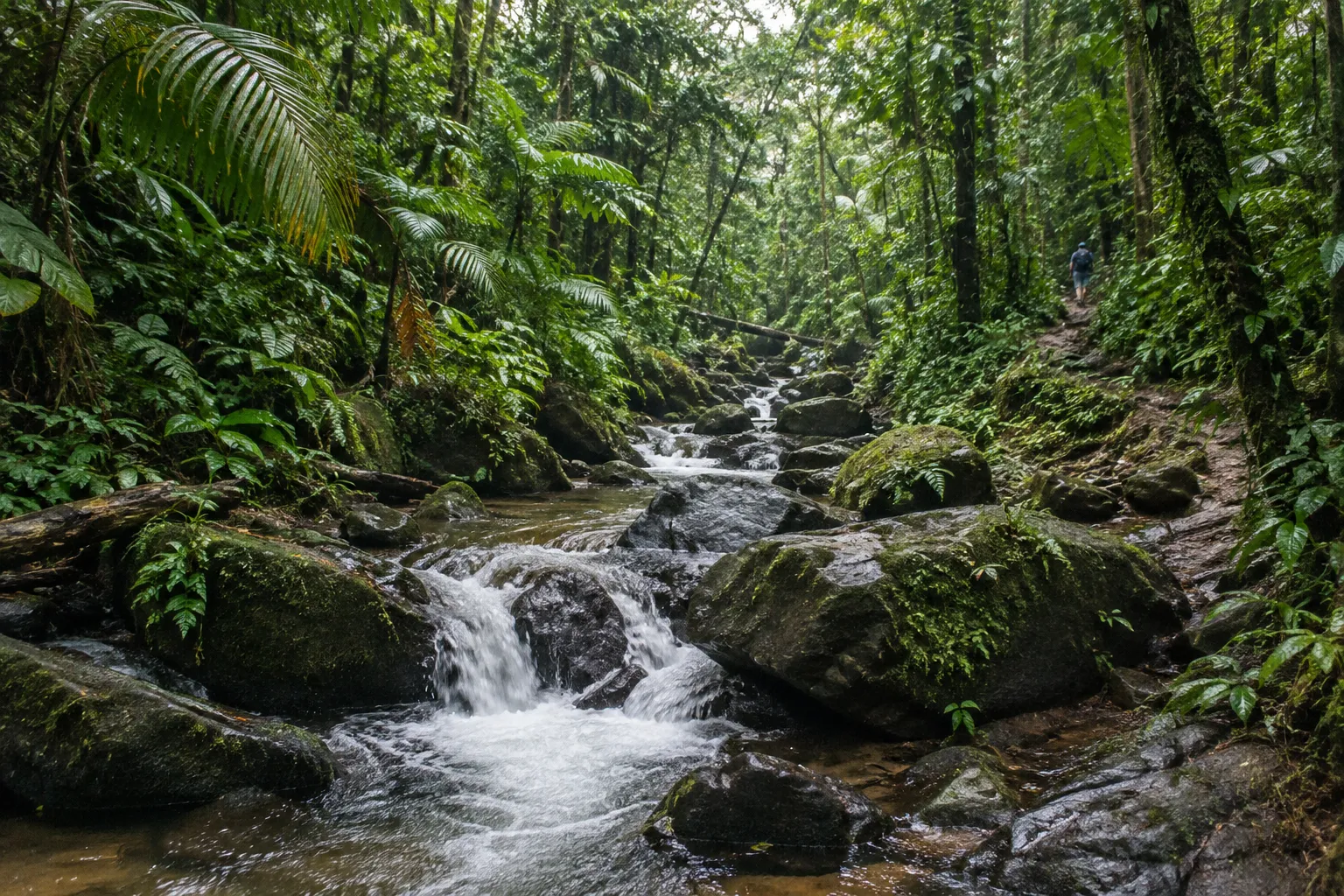
What El Yunque is and isn’t. El Yunque is a rainforest in the mountains west of Fajardo: trails, waterfalls, river pools and forest cover, with cooler air and frequent rain. Fajardo’s activities are coastal and water-based. Combining the two in one day is possible, since you can hike in the morning and swim at Seven Seas in the afternoon (16), but they draw on different gear. Bring trail shoes and a rain layer for El Yunque, and a swimsuit and reef-friendly sunscreen for the coast.
Can you hike and swim there? Yes. Hiking trails and river pools are the main draws. Conditions on trails and at swimming spots change with rainfall, so follow posted closures and rangers’ instructions on the day.
Entry rules. Access rules for the PR-191 recreational corridor change with the season. As of October 2026, one El Yunque travel guide says peak-season entry (December to April and holidays) requires a $2-per-person reservation on recreation.gov, with time slots that fill up (16). The Forest Service’s own notice is the reference, so check it before you drive. In practice:
- Arrive early. The same guide suggests arriving before 9 a.m. to beat the crowds at La Mina Falls (16).
- Check the current notice before you drive. Rules have changed before.
- Don’t assume a section open last year is open now.
Is it worth the detour? It depends on how long you have:
- Two days or fewer in Fajardo: skip El Yunque. A boat trip, a bio-bay night and a beach day fill the time, and the rainforest deserves more than a rushed stop.
- Three days or more: add it as a morning outing, before the afternoon crowds and parking pressure, and back in time for an evening Laguna Grande slot.
- Staying in San Juan instead: El Yunque fits on the drive out to Fajardo, which makes it a natural stop on a combined east-coast day.
El Yunque gets a full guide of its own, and that’s where trail-by-trail planning belongs. For a Fajardo trip, the only decision is whether it earns one of your mornings.
Day Trips to Vieques and Culebra: The Ferry from Ceiba
The ferries to Vieques and Culebra leave from Ceiba, not Fajardo: Puerto Rico Ferry runs both routes from the Ceiba terminal, a short drive south of Fajardo (4)(5). Older articles and travel forums still describe a “Fajardo ferry,” and Culebra and Vieques routinely appear in lists of Fajardo day trips (5), which reinforces the assumption. If you drive to a Fajardo marina expecting to board the island ferry, you’ll miss your departure. Set your GPS to the Ceiba terminal.
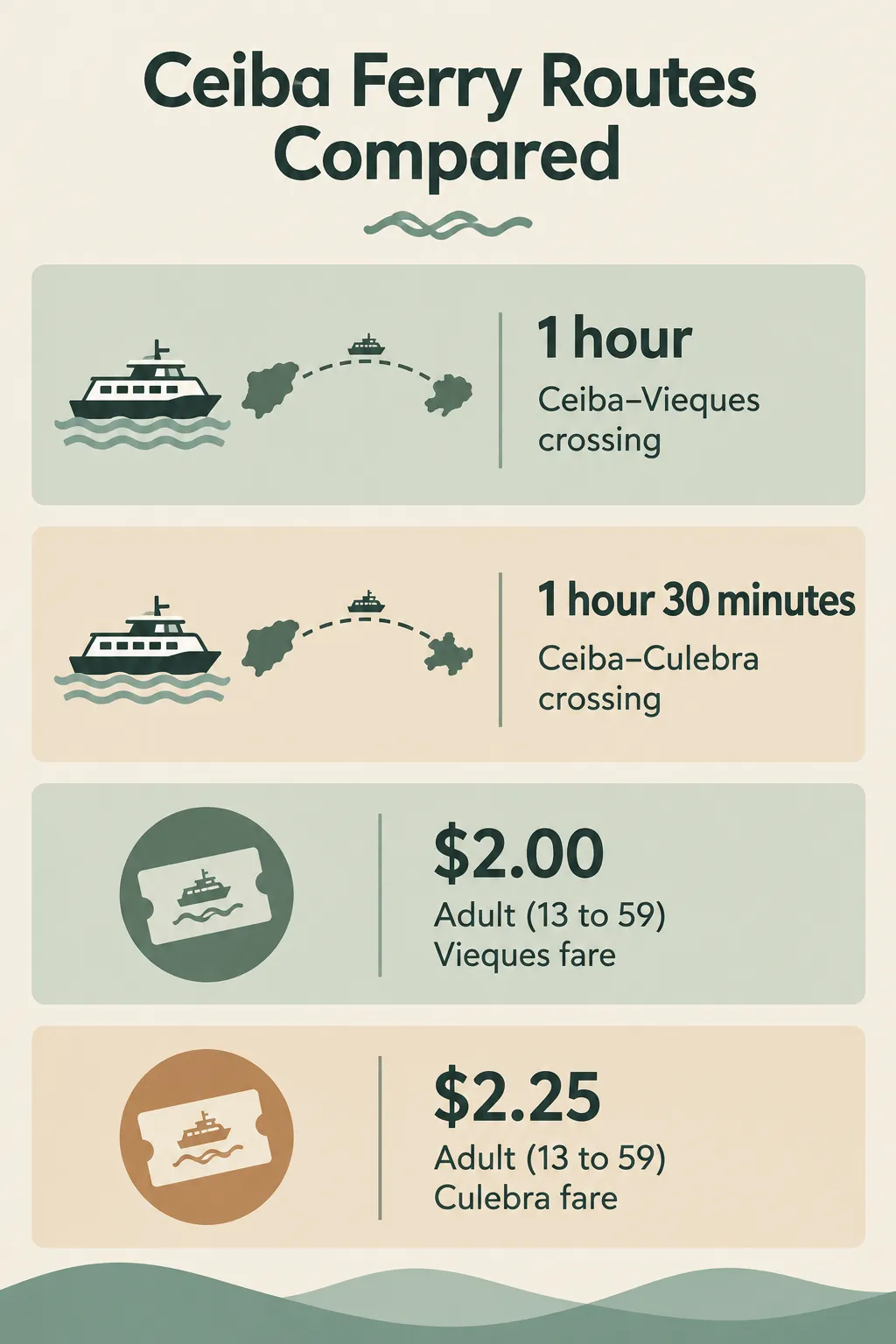 As of October 2026, Puerto Rico Ferry lists adult one-way fares of $2.00 from Ceiba to Vieques and $2.25 to Culebra; crossings take 1 hour and 1 hour 30 minutes, respectively.
Vieques vs Culebra: Which Crossing Fits Your Day
The Ceiba to Vieques crossing takes 1 hour, and Ceiba to Culebra takes 1 hour 30 minutes (4). That difference shapes the day:
- Vieques suits a tighter schedule. Two 1-hour crossings leave more time on the island, and the shorter ride matters if anyone gets seasick.
- Culebra needs more travel buffer. Two 1-hour-30-minute crossings add up quickly. Choose Culebra if its beaches are the reason for your trip and you can accept a long day, or consider staying a night.
On top of the crossing itself, budget time for the drive from Fajardo to Ceiba, arriving early at the terminal, and getting around on the island (taxis or rentals on the far side). A ferry day trip isn’t a half-day outing.
Where is the prettiest place in Puerto Rico? It’s a matter of opinion, but Culebra’s beaches come up often in that conversation, which is part of why travelers accept the longer crossing. The full island-wide answer belongs in a broader Puerto Rico guide. From Fajardo, the practical point is that Culebra is reachable as a day trip if you start early.
Combining Cabezas de San Juan with a ferry day. It’s possible, but tight. A 2.5-hour Cabezas tour plus a round-trip Ceiba to Vieques crossing commits at least 4.5 hours to activities and crossings alone (14)(4). That’s before the drives between the reserve, Ceiba and Fajardo, terminal waiting time, or anything you do on Vieques. Because Cabezas tours start at 9:00 a.m. or 2:00 p.m. (14), the realistic version is an early ferry out, a short stay on Vieques, a return crossing, and the 2:00 p.m. Cabezas slot. Most visitors are better off splitting these into two days. With Culebra, the combination is harder still.
Booking Tickets and Checking Schedules
Buy Ceiba ferry tickets through Puerto Rico Ferry, and check the official route schedule close to your departure date (4). The operator’s City Experiences app handles ticket purchases and storage, schedules, service alerts and real-time vessel tracking (4). Download it before you leave home, since mobile signal at a busy terminal isn’t something to count on.
Fares. As of October 2026, Puerto Rico Ferry’s official fare page lists these one-way passenger fares (6):
- Adults (13 to 59), Ceiba to Vieques: $2.00
- Adults (13 to 59), Ceiba to Culebra: $2.25
- Children (4 to 12) and adults (60 to 74), either route: $1.00
Babies (0 to 3) and seniors 75 and older travel free, but their tickets must be collected at the port ticket window with photo ID (6). Fares differ by route and can change, so check the official page before you travel. The operator also runs a resident registry for discounted fares, which doesn’t apply to visitors (4).
Bags and beach gear. One small carry-on bag per passenger is included. Beach chairs, coolers, umbrellas and other extra items need separate item tickets. The official fare page notes that these charges cover bringing your own items aboard and are not rentals (6). If you’re planning a full beach day on the island, either pack light or budget for item tickets.
Fajardo-Area Day Trips at a Glance
| Seven Seas beach day | Icacos or Palomino boat trip | Laguna Grande bio-bay tour | Cabezas de San Juan tour | Ceiba to Vieques ferry | Ceiba to Culebra ferry | |
|---|---|---|---|---|---|---|
| Time commitment | As long as you like | Half or full day | Evening outing | 2.5 hours | 1 hour each way | 1 hour 30 minutes each way |
| Reservation or ticket | No reservation | Book with an operator | Book with an operator | Timed reservation | Puerto Rico Ferry ticket | Puerto Rico Ferry ticket |
| Departure point | Las Croabas, Fajardo | Fajardo marina | Laguna Grande, Fajardo | Cabezas de San Juan, Fajardo | Ceiba | Ceiba |
Frequently Asked Questions
- Is Fajardo, Puerto Rico worth visiting?
- Fajardo is worth a stop if you want several water-based outings from one mainland base; it is a poor fit for travelers seeking a walkable historic center.
- Is there a bioluminescent bay in Fajardo?
- Yes. Laguna Grande is Fajardo's bioluminescent lagoon, and visitors see its glow on guided kayak tours through mangrove channels.
- What does Fajardo mean in Spanish?
- Fajardo is a Spanish surname, not an everyday Spanish word with a direct translation.
- Where is the prettiest place in Puerto Rico?
- There is no objective single prettiest place in Puerto Rico; Culebra is a common choice for beach scenery, while the island's landscapes vary widely.
- Can children join Fajardo bio-bay kayak tours?
- Some operators accept children from age six, but age, health and weight limits vary by tour, so check the exact operator's rules before booking.
- Do Fajardo-area tours include transportation?
- Many tours expect visitors to reach the marina or launch point themselves; check the listing for transport from San Juan or another pickup location.
- Which Fajardo activities offer free cancellation?
- Cancellation terms are set by each operator or booking platform, so check the specific listing's deadline and refund conditions before paying.
- Can you take a ferry from Fajardo to Culebra?
- No. The Culebra ferry departs from Ceiba, so plan to reach that terminal separately from Fajardo.
Planning Your Fajardo Days
Fajardo rewards a mix-and-match approach. Keep the close-to-town options flexible: Seven Seas when you want an easy day, a boat to Icacos when the sea is calm, and Laguna Grande on any evening from Monday to Saturday. Book the fixed-time pieces first: Cabezas de San Juan, the bio-bay slot for your season, and Ceiba ferry tickets if you’re heading to Vieques or Culebra. Then build the rest of the trip around them.
Before you go, confirm three things with each operator directly: current Puerto Rico Ferry schedules and fares in the app, the Cabezas reservation calendar, and your bio-bay provider’s age, health and arrival rules. And set your ferry-day GPS to Ceiba, not Fajardo.