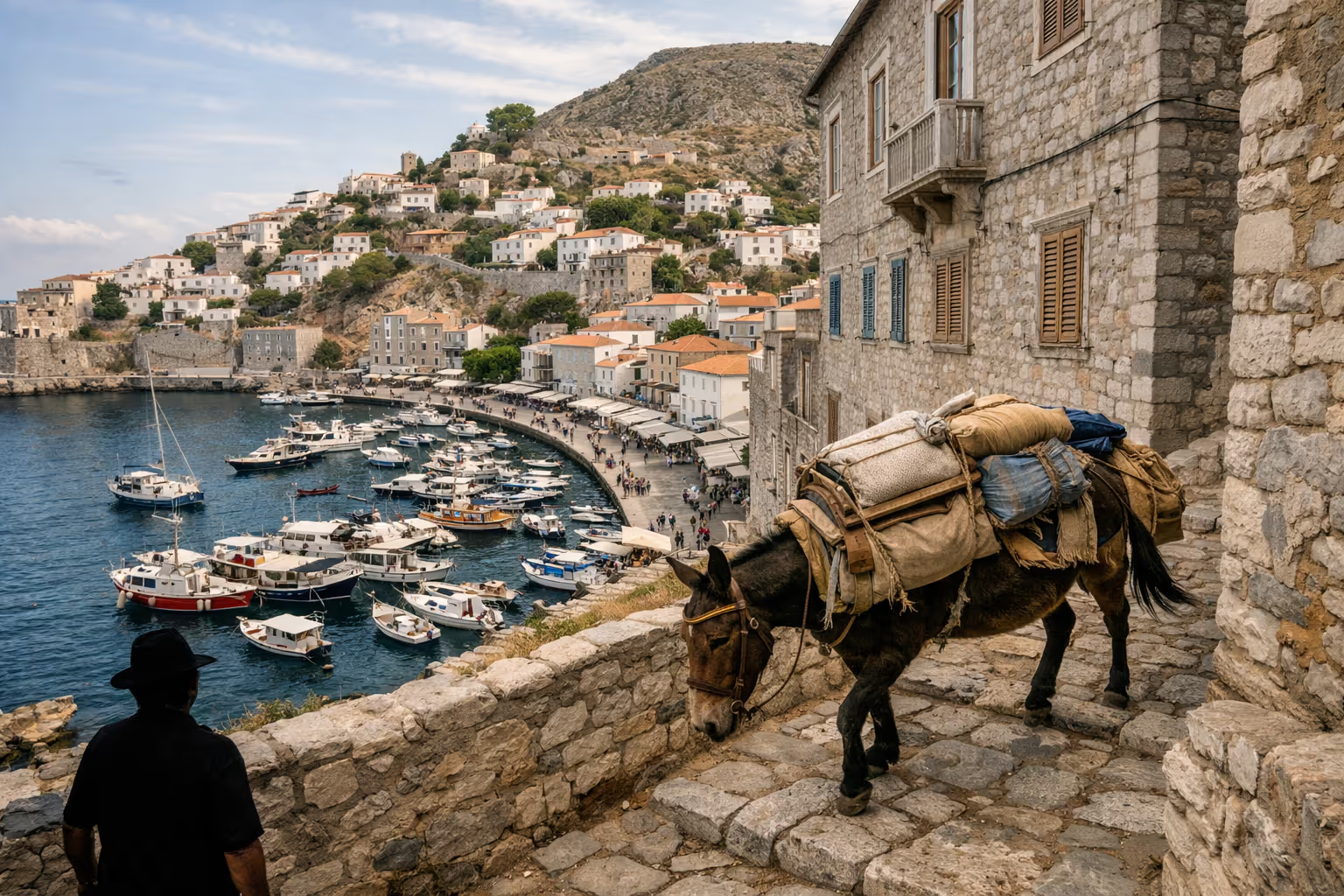
The first thing you notice on Hydra is what you don’t hear. No engine idling, no scooter whine, no horn. Instead: hooves on stone, the slap of water against fishing hulls, and a donkey hauling a refrigerator up a stepped lane while its handler clicks his tongue. Among the Greek islands of the Saronic Gulf, Hydra is the one that made a choice in the 1950s and stuck with it: no cars, no motorbikes, no bicycles, no e-bikes (1)(10). Fast ferries from Piraeus cover the crossing in 1 hour 5 minutes at best and about 1 hour 37 minutes on average (5), which makes it one of the most practical day trips out of Athens and, if you have the time, a place that rewards staying the night.
The infrastructure won’t let you rush. That’s the whole point, and it’s what this guide is built around.
✓ Pros
- Genuinely car-free: no traffic noise, no exhaust
- About 65 to 100 min from Piraeus, an easy day trip from Athens
- Preserved 18th-century harbor architecture
- Compact and walkable, with no rental vehicle needed
- Quieter after day-trip ferries depart
- Works as a day trip or overnight stay
✗ Cons
- Steep terrain with many steps; hard work in summer heat
- No sandy beaches near the harbor; rocky swimming only
- ATMs can run dry in peak season
- No airport; ferry-only access
- Donkey porter logistics require planning for heavy luggage
- Limited options for travelers with mobility constraints
What Hydra Is Actually Like
Hydra island Greece is a compact, roughly 50-square-kilometer island (2) built around a single horseshoe harbor, where stone mansions rise up steep hillsides in an amphitheater layout and every practical task happens on foot or by animal. It’s not a beach island. It’s a walking-and-swimming island with serious architectural character, and that distinction shapes everything about a visit.
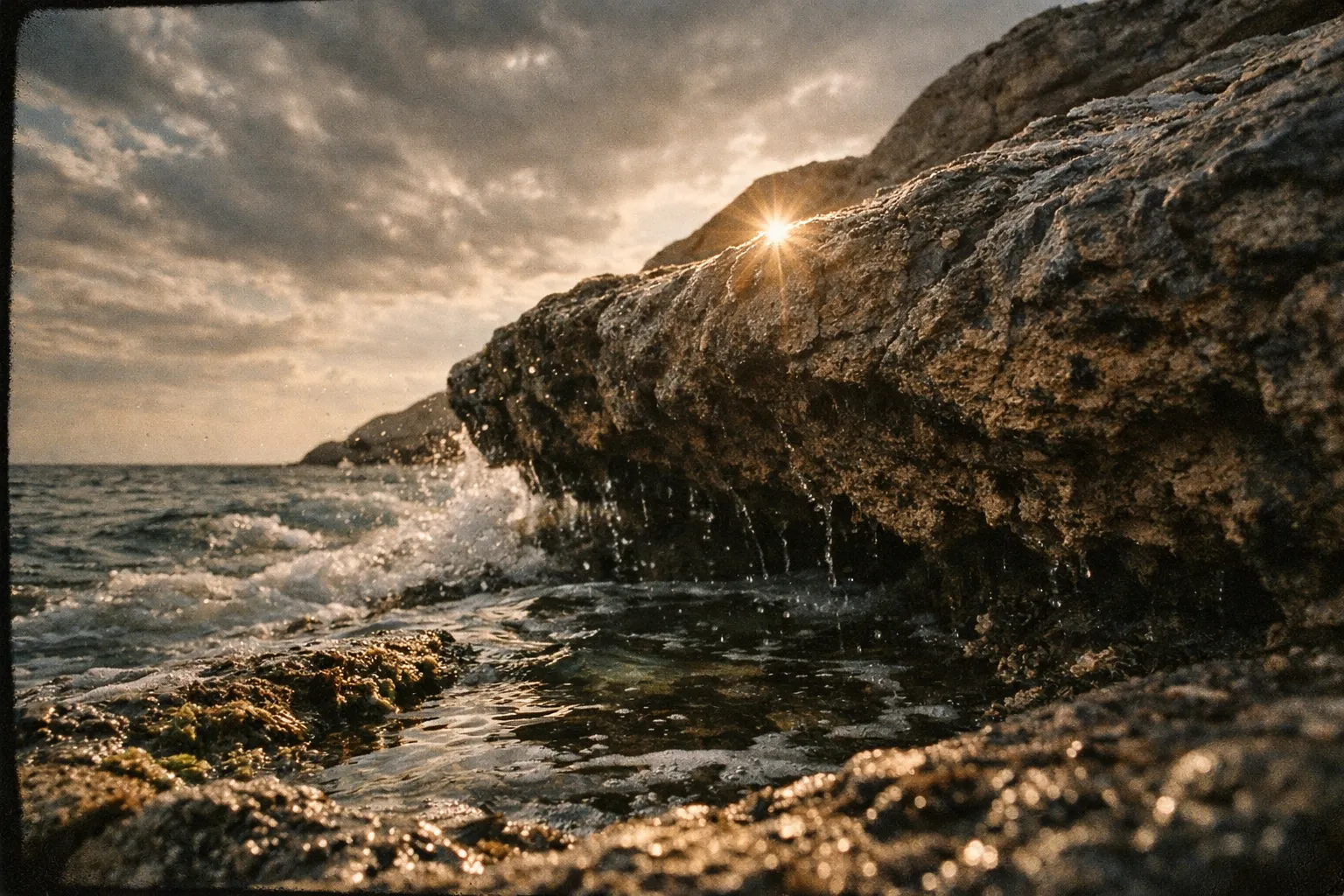
When people ask whether Hydra is a good Greek island to visit, the honest answer is: yes, if you want atmosphere over amenities. If your ideal day is a long taverna lunch and sand between your toes, Spetses or Aegina fit better. If you’d rather wander cobblestone lanes, swim off a rock ledge, and watch working boats come and go, this is the island. For a broader look at how Hydra stacks up against other options, the Greek Islands by Traveler Type guide covers the full range of island personalities across the Saronic, Ionian, and Cyclades groups.
Its reputation also rests on the arts. Leonard Cohen bought a house here in the 1960s, and the island hosted Sophia Loren for filming in the 1950s; that creative community never fully left, and it gives Hydra a different register from its resort-minded neighbors (1).
The 1950s Vehicle Ban and What It Actually Means for Visitors
A presidential decree in the 1950s banned wheeled vehicles to protect the island’s architecture, and it still holds: no cars, no motorbikes, no scooters, no bicycles, with rubbish trucks the only motorized exception (1). Hydra is, in the plainest terms, fully car-free (1).
In practice, transport runs on muscle and water. Horses, mules, donkeys and water taxis are the island’s entire public transport system (10), and they do the load-carrying work of the island: luggage, groceries, building materials. Water taxis handle the coast. Your own feet handle the rest. If you arrive expecting to rent a scooter to reach a beach, you’ll be stuck; plan around walking and boats instead.
Hydra’s Harbor: What You See When the Ferry Docks
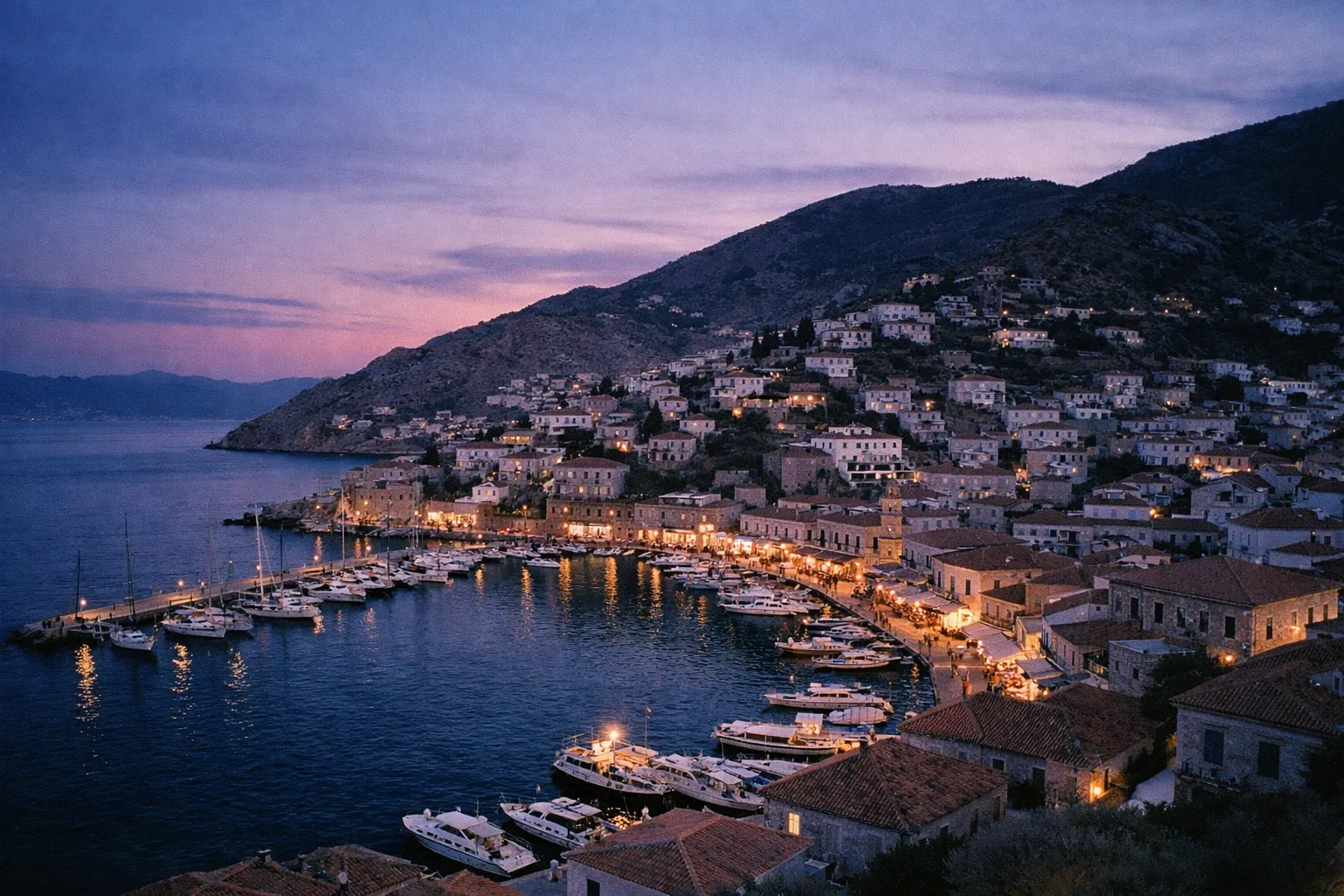
The ferry pulls into Hydra Port, a harbor shaped like a horseshoe, ringed by 18th-century captains’ mansions in grey stone, with cafes and fishing boats along the waterfront and lanes climbing steeply behind them (1). The layout is enclosed and cinematic: hills rise on three sides, so the whole port reads like a stone amphitheater facing the water.
Most of what you’ll want in the main town sits within a 15- to 20-minute walk of where you step off the boat. The flat waterfront strip is the easy part. Everything above it involves steps.
How to Get to Hydra from Athens and Piraeus
You get to Hydra by ferry from Piraeus and no other way: there is no airport on the island, and car ferries don’t serve it (8). High-speed catamarans and hydrofoils cover the crossing in 1 hour 5 minutes at their quickest and about 1 hour 37 minutes on average (5); the slowest departures stretch a little over 2 hours, depending on how many islands they call at on the way (8).
Everyone arrives as a foot passenger, because you can’t bring a vehicle, so pack light or plan for a mule at the other end (8). Fares start at around €40 one way, and returns can be found cheaper (8).
If you’re combining islands rather than heading straight back to Athens, the Saronic ferry network connects Hydra to Poros, Spetses, and Aegina, so a multi-island loop is workable without returning to Piraeus each time.
Direct Sailings vs. Island-Hopping Ones: Times and Trade-offs
There is no slow-boat option to weigh up here: the route is served exclusively by high-speed vessels, with up to 12 crossings a day across the operators (8). What varies is how many islands your boat calls at first. The quickest sailing takes 1 hour 5 minutes; the average across all departures is about 1 hour 37 minutes (5), and the longest run a little over 2 hours (8).
Tickets start at around €40, with cheaper returns available (8). For a day trip, check the actual duration of the departure you’re booking rather than the headline “90 minutes”. An hour of difference each way is two hours of island time.
Getting from Athens City Center to Piraeus Port
From central Athens, the Metro Blue Line runs directly to Piraeus in roughly 35 to 40 minutes. From the Piraeus metro station it’s a short walk to the ferry gates, though Piraeus is a large port, so give yourself buffer time to find the correct departure gate, which is printed on your ticket. For the earliest sailings, factor the metro’s first-train timing into your morning; a taxi is the fallback if you’re cutting it close.
Direct vs. Multi-Stop Sailings to Hydra
| Best for day trips Direct sailing | Multi-stop sailing | |
|---|---|---|
| Travel Time | From 1h 05m | Up to just over 2h |
| Approx. One-Way Cost | From about €40 | From about €40 |
| Frequency | Up to 12 crossings a day, all operators | Part of the same 12 daily crossings |
| Best For | Day-trippers, early arrivals | Overnight stays, flexible schedules |
Planning a Hydra Day Trip from Athens
A hydra day trip from Athens works because the fast ferry is short and the early departures are genuinely early: day-trip itineraries typically leave Piraeus around 08:30 (2), which puts you on the island by mid-morning with six to seven hours before an evening return.
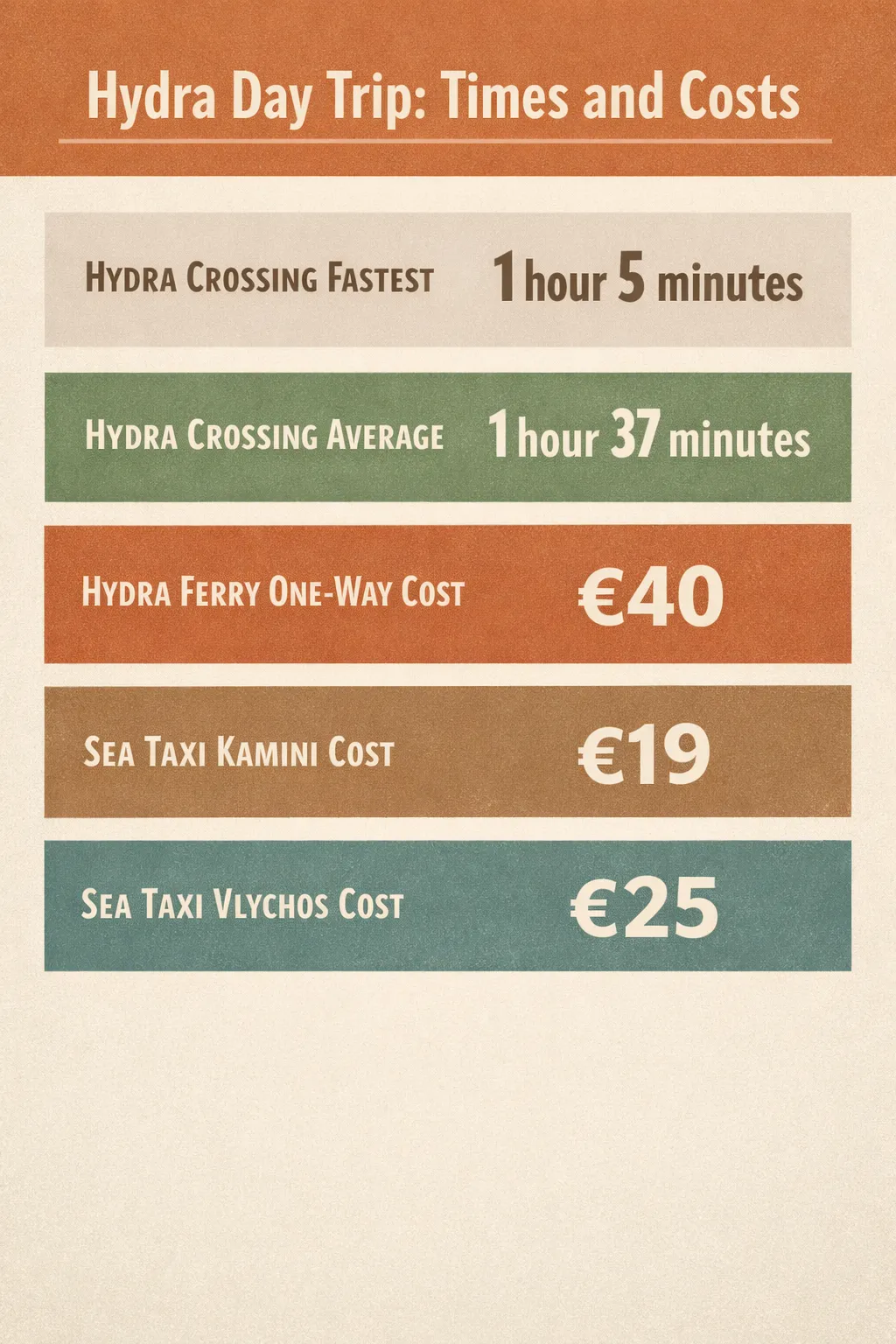 Hydra by the numbers: the fastest crossing runs 1h 05m against a 1h 37m average, tickets start around €40, and the sea taxi is €19 to Kamini or €25 to Vlychos, per boat.
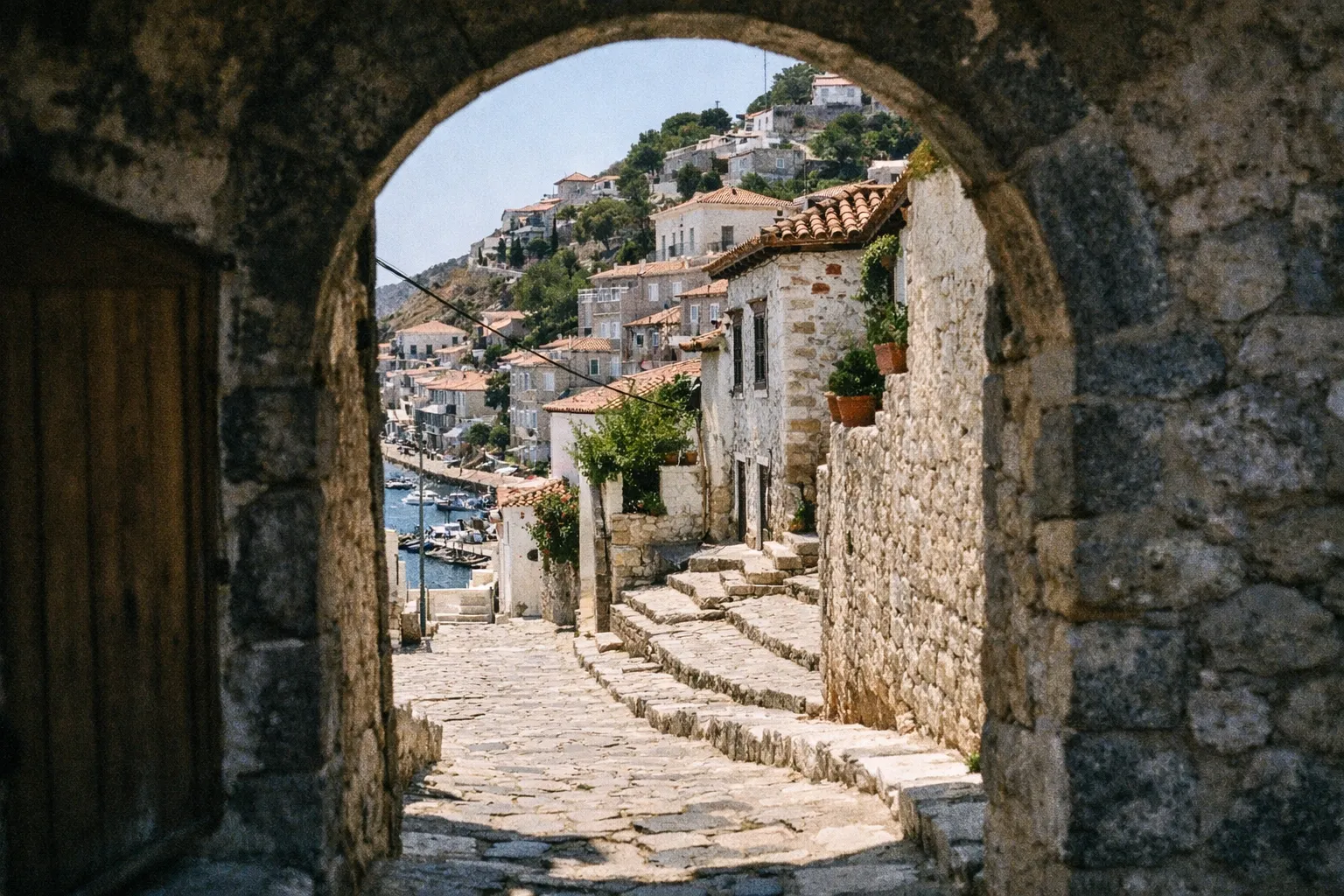
Here’s a realistic shape for the day, close to the one Athens day-trip operators run: a morning departure around 08:30, on the island by 10:00, and the return boat around 18:00 (2). Walk the harbor while it’s still cool, swim off the rocks near town, then take the coastal path to Kamini, about 20 minutes each way (2). Have lunch at a waterfront taverna, spend the hot early afternoon in the shade or exploring the backstreets, and catch a return ferry in the late afternoon or early evening.
What you can’t fit in a single day without rushing: Vlychos beyond Kamini, a climb to the Profitis Ilias monastery, or a water-taxi run to a remote cove and back. Those reward an overnight stay.
A few things that make or break a day trip:
- Take the early ferry, not the late-morning one. A late arrival compresses your time and drops you into the midday heat.
- Bring cash. There are very few ATMs on a car-free island of about 2,000 people (10), and a queue of day-trippers empties them fast in peak season.
- Wear real shoes with grip, not flip-flops. The lanes are cobbled, stepped, and uneven (1).
How to Structure a Hydra Day Trip from Athens
About 10 hoursStep-by-step timing guide for a realistic day trip itinerary
- 1
Morning Transit
07:00: take the Metro Blue Line from Athens to Piraeus, then walk to ferry gate.
- 2
Ferry Departure
08:30: board the fast ferry to Hydra.
- 3
Arrival and Morning Exploration
10:00: arrive in Hydra and walk the harbor before the heat rises.
- 4
Swimming
10:30: swim off the rock platforms near the harbor.
- 5
Coastal Walk
11:30: walk to Kamini, about 20 minutes each way.
- 6
Lunch
13:00: eat at a waterfront taverna.
- 7
Afternoon Leisure
14:30-16:30: explore backstreets, viewpoints, and relax.
- 8
Return Ferry
18:00: take the ferry back to Piraeus.
Day Trip vs. Overnight Stay: What Changes
A day trip covers the harbor, a swim, a short coastal walk, and a meal: the core of the island, honestly done. An overnight unlocks the rest: the walk out past Kamini to Vlychos, the climb to a hillside monastery, a water-taxi beach excursion, and the evening atmosphere after the day boats leave, when the waterfront quiets and shifts to a more local rhythm (7). If the car-free calm is the reason you’re coming, that evening window is when you actually feel it.
Things to Do in Hydra: Walking, Swimming, and Getting Around
The core things to do in Hydra are walking the harbor and lanes, swimming off the rocks, and taking a coastal path or water taxi along the shore. There’s no driving, no organized resort circuit: just movement on foot and by boat.
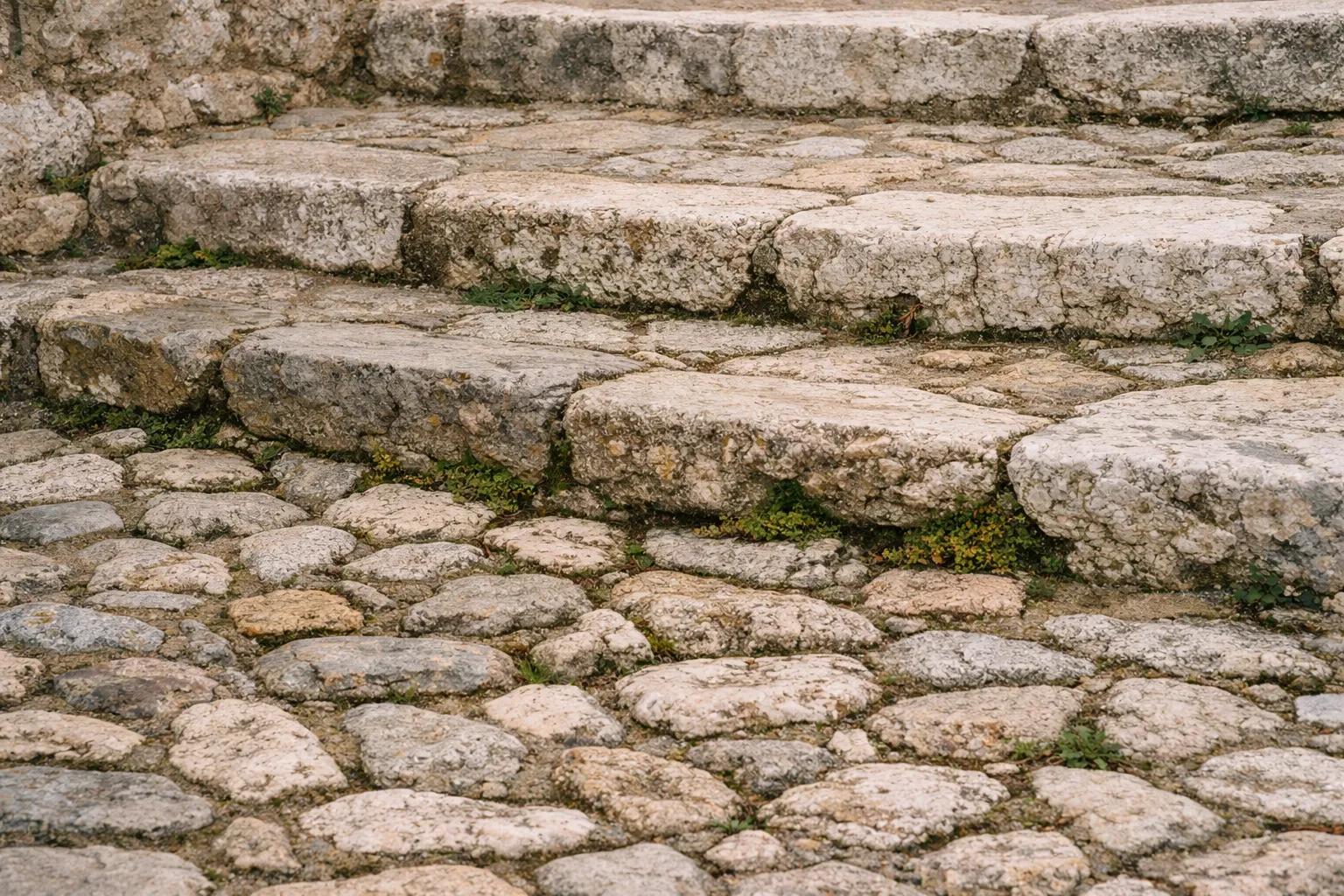
Start with the town itself. The cobblestone lanes and stepped alleys climb the hillside behind the port, past captains’ mansions, some open as museums, to viewpoints that look back down over the harbor. Getting a little lost in the backstreets is part of it. The Leonard Cohen connection lives here too: his former house sits in the neighborhood near the harbor, with no formal museum, just the streets he walked and the community he was part of (1).
The Coastal Walk: Hydra Town to Kamini and Vlychos
The walk from Hydra Town to Kamini takes about 20 minutes at an easy pace along the coast (2). It’s the island’s best low-effort walk, mostly following the shoreline with the water on one side.
Carrying on to Vlychos brings the total to a 30-to-40-minute coastal walk from town (2). Underfoot you’ll find a mix of paved and rougher stone path, so grip matters. Do this walk in the early morning or late afternoon: the route is exposed, and midday summer sun on it is punishing. Kamini is a small settlement with a tiny harbor of its own; Vlychos is quieter still, with a pebble beach.
I’ve done this walk in both directions at different times of day, and the difference is stark. Mid-morning in July, the stone path radiates heat and there’s no shade. Before 09:00, it’s a genuinely pleasant walk. Timing is everything here.
Swimming on Hydra: Rocky Platforms vs. Boat-Access Beaches
Swimming near Hydra Town happens off rock platforms and ladders built into the shoreline just outside the main harbor: no sand, clean water, and no travel required. Spilia and Hydroneta are both about 5 minutes on foot from the harbor (2). This is a genuine part of a one-day visit; you can swim within a short walk of where the ferry drops you.
For sand or more seclusion, you take a water taxi to coves further along the coast. The choice is simple: if you just want a dip between harbor wandering, use the rocks near town. If a proper beach is non-negotiable, budget for a water taxi, and know that Hydra will never be a sandy-beach island the way Spetses is.
Water Taxis: How They Work and What They Cost
Here is the part most guides get wrong: sea taxis charge per boat, not per person, on a fixed tariff that is the same for every operator, and one boat takes up to 8 passengers (11). From Hydra Port that means about €19 to Kamini, €25 to Vlychos beach (€27 to its harbour), €25 to Mandraki and €40 to Palamida (11). Split four ways, a run to Vlychos is a little over €6 a head; alone, you pay the whole €25.
Two things worth knowing before you step aboard: after dark the tariff rises by up to 50%, and excess luggage adds €5 (11). They moor at the east corner of the harbour, and there’s a free phone there to call one if none is waiting (11). Confirm the destination before you set off.
Mules are the other half of the system, and they price the same way, per animal rather than per head. Luggage transport runs €10 in Zone A to €20 per mule in Zone B, and a mule carries two suitcases plus hand luggage. A short 15-minute ride around town is €15 per mule, and only one person rides (12). Worth remembering: the mules are the island’s freight system first and foremost, not a fairground attraction. Treat them as working animals.
Where to Stay in Hydra: Neighborhoods, Logistics, and What to Expect
Deciding where to stay in Hydra comes down to one thing most islands don’t force on you: there are no cars, so your distance from the harbor is measured in steps and climbs, not minutes in a taxi. Nearly all accommodation is in Hydra Town, within walking distance of the harbor, restaurants, and the ferry dock.

Here’s the luggage reality. Muleteers meet the ferries and carry bags up to your accommodation: this is the standard system, not a luxury flourish. It is priced by zone rather than by bag, €10 in Zone A up to €20 per mule further out, and one mule takes two suitcases plus hand luggage (12), so a couple travelling together usually pays once. You’ll find them in the east corner of the harbour (12). If you’re rolling a hard suitcase, it will not roll on these lanes; a mule is how it gets uphill.
Accommodation types run from boutique hotels inside restored 18th-century stone mansions to smaller guesthouses on the hillside slopes and a handful of larger hotels near the waterfront.
Staying in Hydra Town: Harbor-Adjacent vs. Hillside
Harbor-adjacent lodging is the most convenient, steps from restaurants and the dock, but the waterfront is noisier during the day when ferries arrive and day-trippers fill the cafes. Hillside places sit higher up: quieter, with better views over Hydra Port, but every arrival and departure means climbing steps with your bags, and in July and August that climb is hot work (1).
One etiquette note worth knowing before you arrive: dress modestly if you plan to visit any of the island’s churches or the Profitis Ilias monastery. Covered shoulders and knees are expected, and the monks at the monastery have turned visitors away for ignoring this. It’s a short climb and worth doing; just pack a light layer or a sarong.
The trade-off is genuine. If you value quiet and views and don’t mind the stairs, go up the hill. If you’re carrying much or want convenience, stay low.
Kamini and Vlychos: Quieter Alternatives to the Main Town
Kamini and Vlychos are smaller, calmer settlements reachable on foot or by water taxi, and they offer a more local feel than the main harbor (2). Fewer places to stay, but that’s the appeal: you’re away from the day-trip crush and closer to the coastal walking.
For an overnight guest specifically wanting to avoid the peak-season harbor traffic, these are worth considering. Just factor in that you’re a walk or a short boat ride from the main town’s restaurants and ferry dock.
One honest flag before you book anywhere: Hydra’s stepped, hillside terrain makes it genuinely difficult for travelers with significant mobility constraints (1). The flat waterfront is manageable, but most accommodation and all the coastal walks involve real climbing.
Practical Tips for Visiting Hydra: Cash, Shoes, and Timing
Get three things right, cash, shoes and timing, and Hydra runs smoothly. Get them wrong and you’ll spend the day frustrated.
On the question of whether Hydra is expensive: it skews mid-range to above-average by Greek island standards. Waterfront tavernas and boutique mansion hotels push costs up, but a day-tripper can manage on a moderate budget: ferry, a taverna lunch, and maybe a sea taxi is the main spend. It’s not cheap, but it’s not Mykonos either. If you’re weighing up where to spend your island budget, the Greek Islands Cyclades guide is useful context for how Hydra’s costs compare to the more resort-heavy Cyclades.
Heat management matters more than people expect. Midday in July and August is brutal on the exposed harbor and hillside paths, so schedule your walking for early morning or after 17:00 (1). Book ferries ahead in peak season, especially the early departures that make day trips work (2).
For a day trip, pack: cash, water, sunscreen, a light layer for the ferry, sturdy shoes, and a small bag. Leave the rolling suitcase behind, because it does not work on cobblestones and steps.
Money on Hydra: What Takes Cards, What Needs Cash
Carry enough euros to cover your whole visit: several of the services you’ll actually use run on cash (2), and the island’s small ATM count can’t always keep up with peak-season demand. Water taxis, donkey porters, and smaller tavernas may not take cards. Larger hotels and restaurants generally do, but don’t rely on plastic for the informal stuff. Arrive with a cash buffer, especially in July and August.
Best Time to Visit Hydra: Season and Time of Day
Shoulder season, May to June and September to October, is the sweet spot: warm enough to swim, thinner crowds, and gentler heat for walking. July and August are hottest and busiest, with the heaviest day-tripper traffic in the harbor.
Within any single day, timing is everything. Mornings before the day boats arrive and evenings after they leave are when the island is quietest and coolest. If you’re staying overnight, that evening window is the payoff: the harbor empties out and shifts to a slower, more local pace (7).
Hydra vs. Other Saronic Islands: How It Compares
The Saronic Gulf islands (Aegina, Poros, Hydra, and Spetses) are all reachable from Piraeus, but they deliver meaningfully different experiences, and Hydra is the only one that is fully car-free (1). That single fact is its biggest differentiator, along with the most preserved architecture in the group.
Here’s how they compare:
- Aegina is the quickest, about 40 minutes from Piraeus against Hydra’s 90 (2). It has cars, and it’s known for pistachios and the Temple of Aphaia. Good for a fast half-day, but less atmospheric than Hydra, and it does have sandy beaches near town.
- Poros sits about 2 hours out, has cars, and has more of a low-key local resort feel. Pleasant, but less distinctive than Hydra, with sandy beaches near the main town.
- Hydra runs from 1 hour 5 minutes to a little over 2 hours from Piraeus depending on the sailing (5)(8), is fully car-free, and is the pick for atmosphere, walking, and architecture. Swimming is rocky, not sandy.
- Spetses is roughly 2.5 hours away and only partially car-free, since horse-drawn carriages and bicycles are allowed, and cars are restricted rather than banned outright (1). It has more beaches than Hydra.
For a multi-island trip, Hydra slots neatly into a Piraeus-Aegina-Poros-Hydra-Spetses circuit (or the reverse), with ferries linking the islands so you don’t have to backtrack to Athens between them. If you can only do one and want the car-free character, Hydra is the clear choice. If sandy beaches drive the decision, look at Spetses or Aegina.
Saronic Islands at a Glance
| Aegina | Poros | Car-Free Hydra | Spetses | |
|---|---|---|---|---|
| Ferry from Piraeus | about 40 minutes | about 2 hours | about 90-100 min | about 2.5 hours |
| Car-free? | No | No | Yes (fully) | Partial |
| Best For | Quick day trip, ancient temple | Local resort feel | Atmosphere, walking, architecture | Beaches, cycling, horse carriages |
| Sandy Beaches Near Town? | Yes | Yes | No (rocky) | Yes |
Frequently Asked Questions
Frequently Asked Questions
- Is Hydra a good Greek island to visit?
- Yes, particularly if you want atmosphere, architecture, and a genuinely car-free environment rather than a beach resort. It rewards an overnight stay and is a distinctive day trip from Athens.
- How long is a ferry ride from Athens to Hydra?
- The route is served only by high-speed boats: 1h 05m at best, about 1h 37m on average, and a little over 2 hours on the slowest departures. Ferry is the only way in; there is no airport.
- Is Hydra an expensive island?
- Hydra skews mid-range to above-average for Greek islands. Waterfront dining and boutique hotels raise costs, but day-trippers can manage moderately. Bring cash; ATMs run dry in peak season.
- What is Hydra Island famous for?
- Hydra is famous for its complete ban on motor vehicles since the 1950s. Transport runs on donkeys, mules, water taxis, and walking. The 18th-century stone captains' mansions define its harbor.
- Can you swim near Hydra Town without taking a water taxi?
- Yes. Rock platforms and ladders near the harbor allow swimming without travel. For sandy or secluded beaches, water taxis reach coves in 5-20 minutes. Fares are per boat, not per person, for up to 8 passengers - about €19 to €25 depending on the cove, split among the group.
- Is Hydra accessible for travelers with limited mobility?
- No. The town is steep with many steps and uneven cobblestones. No motor vehicles assist, and donkeys carry loads, not passengers. The flat waterfront is manageable but most areas involve climbing.
- Do you need to book the ferry to Hydra in advance?
- Yes, in July and August especially for early morning departures. Peak-season ferries fill up. Shoulder seasons are more forgiving but booking ahead is still recommended.
Before You Book
The real decision is day trip or overnight. A day trip, early fast ferry out and evening ferry back, covers the harbor, a rocky swim, the walk to Kamini, and a taverna lunch, which is a fair account of what the island offers. An overnight adds the quiet evening harbor, the longer walks to Vlychos and the monastery, and the water-taxi coves.
Choose based on three things: how you feel about steps and steep lanes, whether rocky swimming is fine or you need sand, and whether a car-free island is the draw or just a novelty to you.
Whichever you pick, three things make or break the trip: book the early ferry, arrive with cash, and wear real shoes. Get those right and Hydra takes care of the rest.