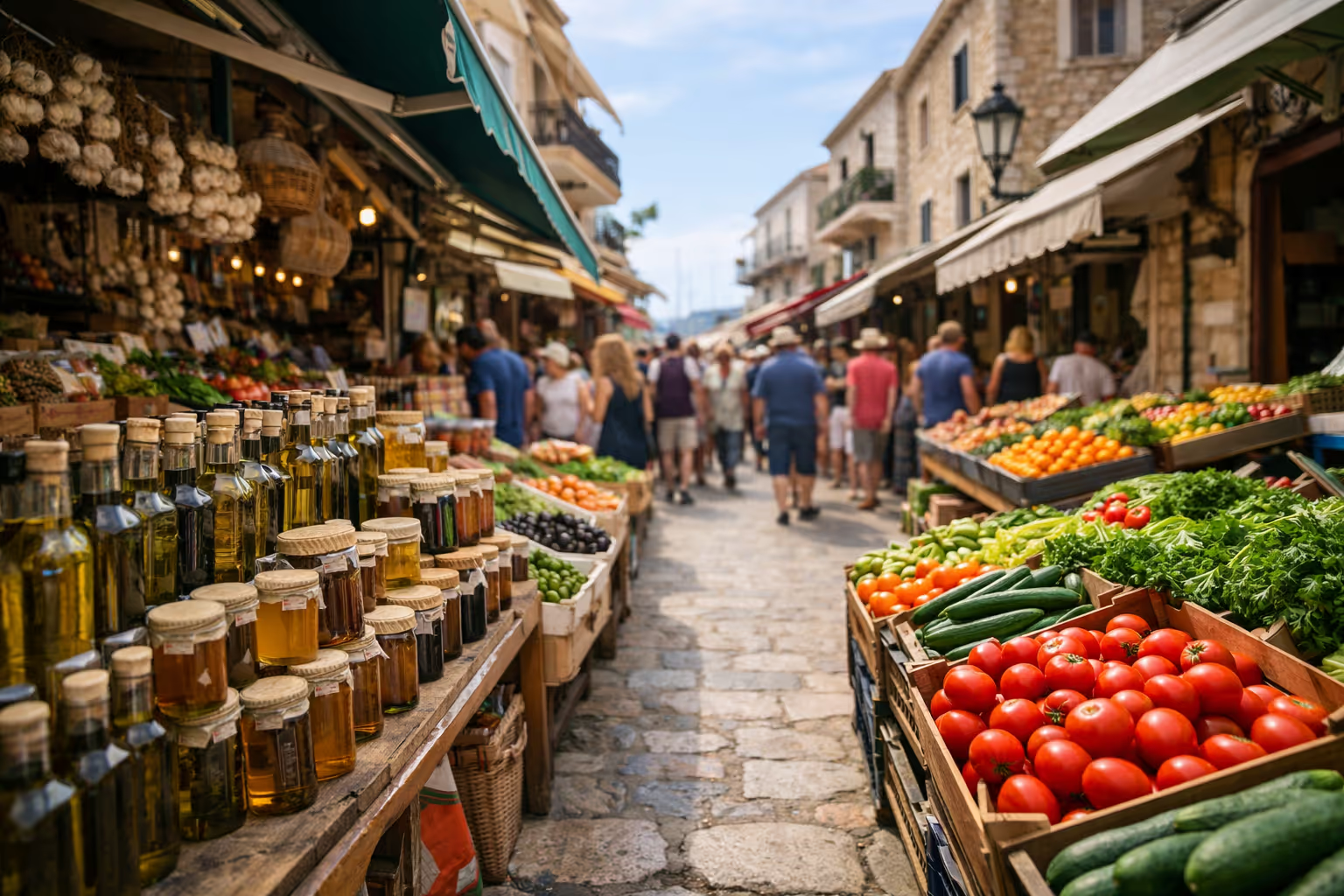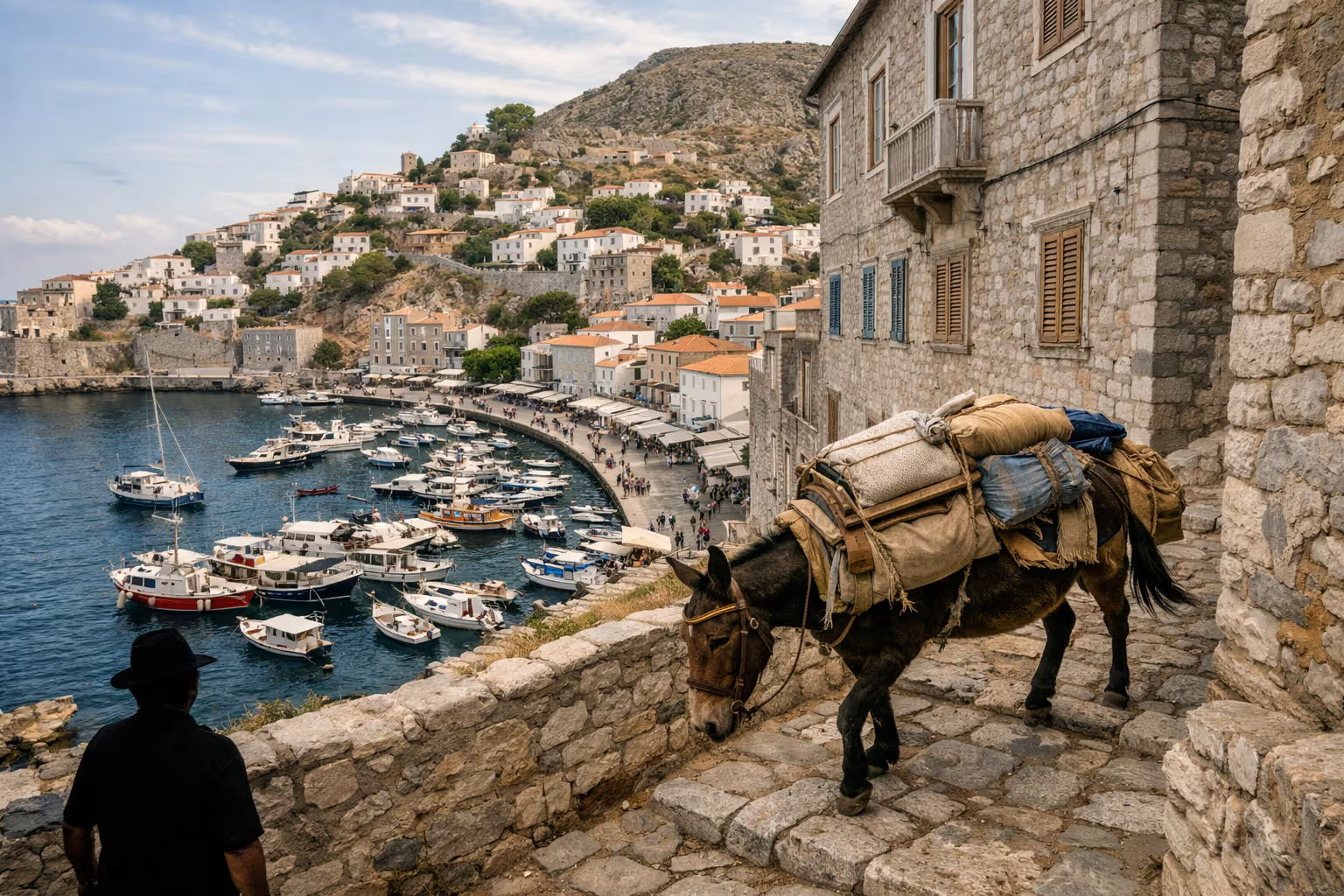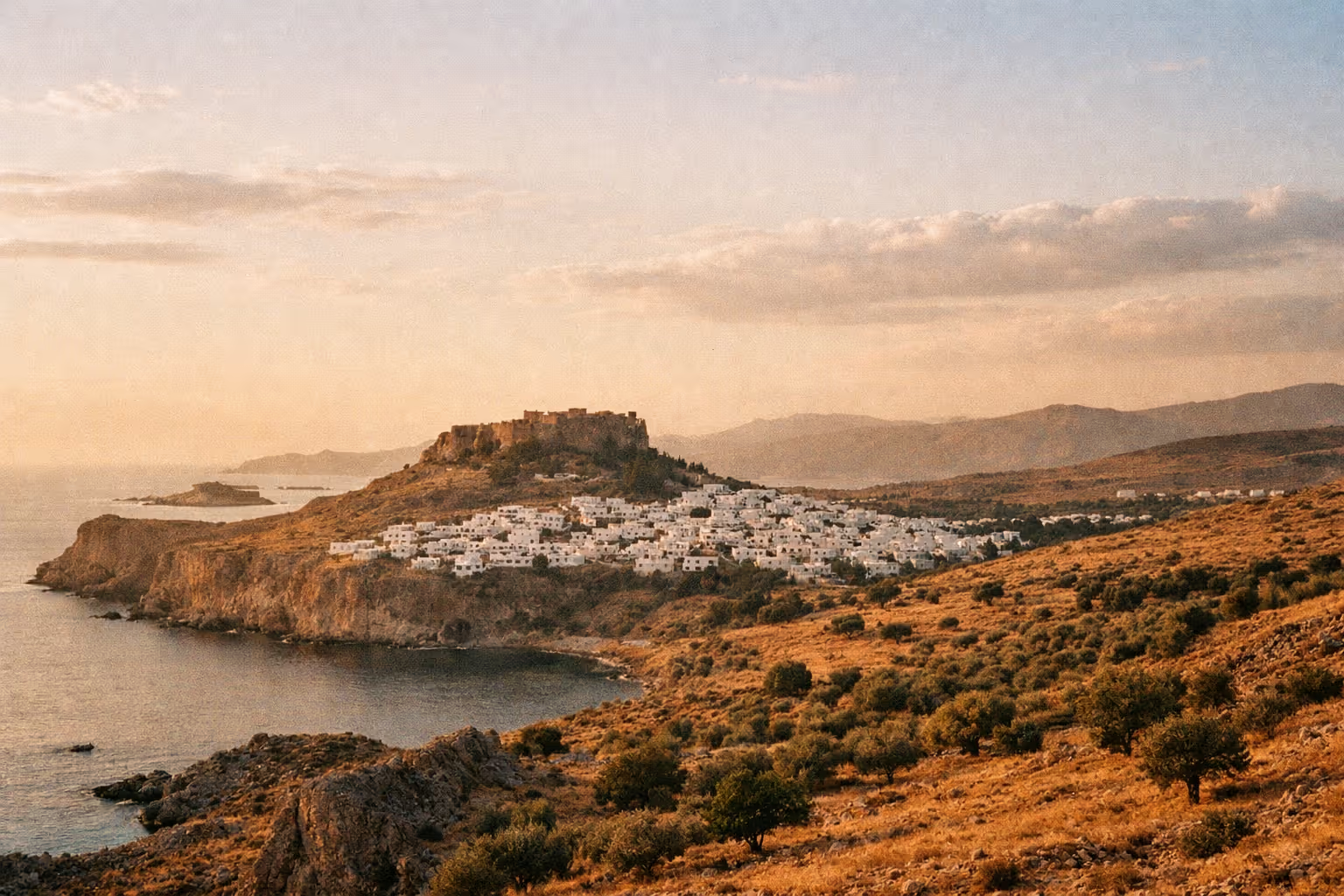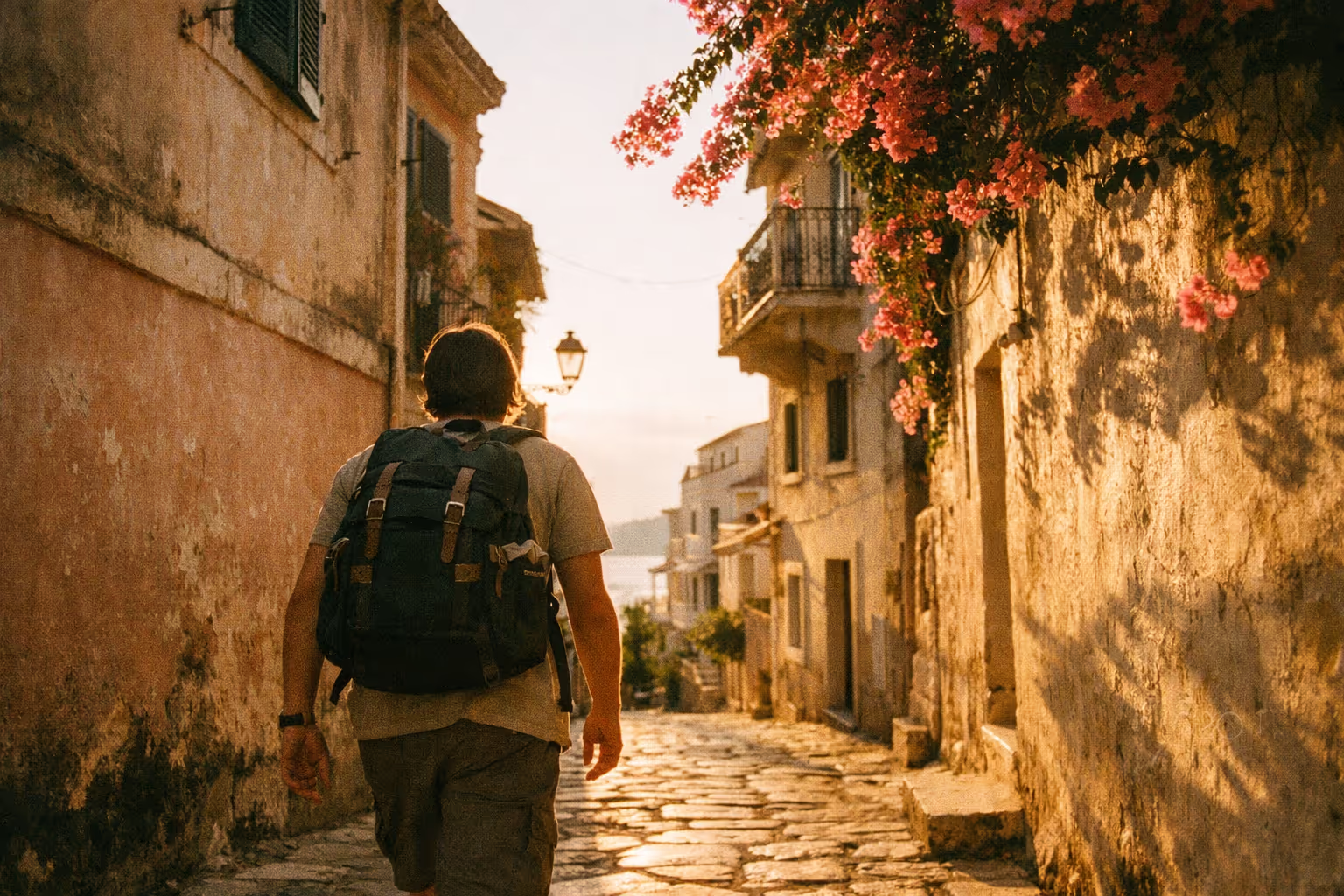
Things to do in Corfu center on its UNESCO-listed Old Town, two Venetian fortresses and the French-built Liston arcade, all walkable in a half-day. Beyond the walls, the sea-cave boat tours at Paleokastritsa are the signature outing, around 20 euros, best in late May or September for clear water and short queues. Corfu runs noticeably cheaper than Mykonos or Santorini, closer to $200 a day mid-range. Just time the Old Town for before 11 a.m. or after 6 p.m., since the cruise ships flood it midday.
A quick overview of things to do in Corfu
If you’re wondering about things to do in Corfu, the island offers a rich mix of experiences that go beyond its beautiful beaches. Situated off Greece’s northwest coast, close enough to Albania that on a clear day you can see the mainland across the strait, Corfu has a population of around 102,000 (municipality figure; regional estimates run higher) and draws a significant volume of summer visitors - consistently ranking it among the busier Ionian islands, though precise annual totals vary by source and season. Despite that, it stays cheaper than Mykonos or Santorini: midrange hotels run $80-150 per night and a main course at a taverna sits around $15-25 (6). For context, a comparable midrange hotel night in Mykonos in the same period typically starts at $200-300, making Corfu a noticeably more budget-friendly base for island-hopping in the Ionian.
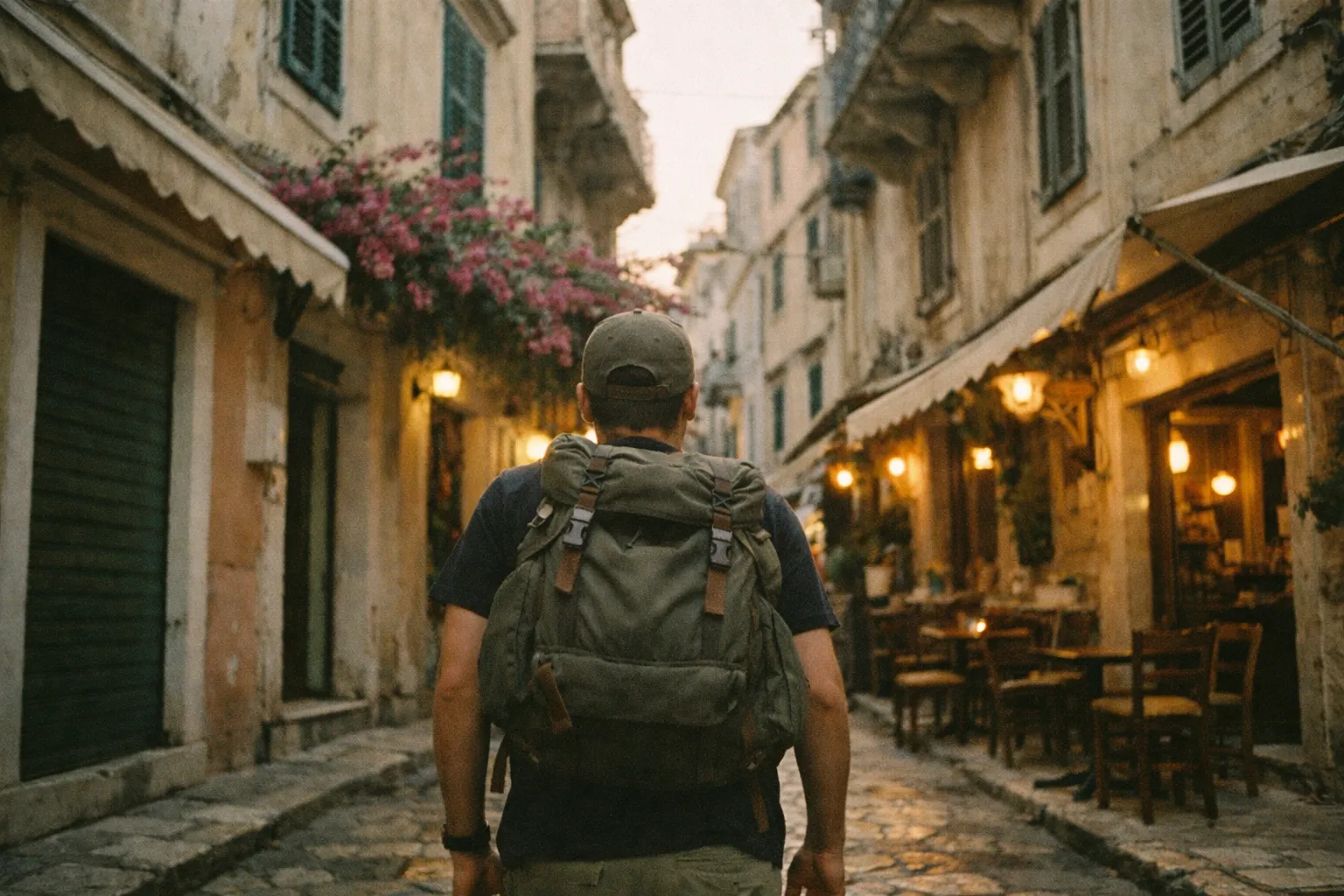
Here’s how I’d frame a trip depending on what you’re after:
- Beach-focused travelers: 3-7 days, with at least 1 full day in Corfu Town, 1-2 days at Paleokastritsa, and 1 day on the northern coast for Porto Timoni and Cape Drastis.
- Culture-focused travelers: 2-4 days covers the Old Town, Achilleion Palace, Mon Repos, and a village or two.
Corfu is best known for its Corfu Old town - the arcaded Liston, the two Venetian fortresses, and a warren of streets that feel more like Puglia than the Aegean - plus its unusually lush landscape and its blend of Greek and Italian food. If someone asks what Corfu is famous for, that’s the short answer.
✓ Pros
- Rich Venetian and European cultural heritage visible in architecture and cuisine
- Lush, green landscape contrasting with typical Greek islands
- Varied beaches from organized resorts to secluded bays accessible only by foot
- More affordable than popular islands like Mykonos or Santorini
✗ Cons
- Popular spots can get crowded in peak summer, especially Corfu Old Town and Paleokastritsa
- Some older resort areas and rural roads show signs of neglect
- Public transport schedules thin out off-season, making car rental almost necessary
Discovering Corfu’s history and culture
Corfu’s history is as layered as a well-prepared pastitsada (spiced pasta with meat sauce), the island’s signature dish. When I wandered through Corfu Old town - inscribed on the UNESCO World Heritage list in 2007 for its Venetian fortifications and urban ensemble (2) - what struck me most was how thoroughly the Venetian centuries shaped everything. The narrow, winding streets and imposing forts tell of an era when Corfu held out against Ottoman sieges, and that story is still visible in the stone.
One afternoon a local guide walked me through the island’s succession of rulers. The Venetians left the most visible mark, but the French built the Liston, and the British ran the island for half a century in the 1800s. That mix produced a Corfiot identity distinct from the rest of Greece:
- Philharmonic bands and choral societies that still perform on holidays
- A kitchen that borrows heavily from Italy - pasta, garlic, and wine-based sauces
- Kumquat liqueur, a bright orange spirit made from a fruit brought over during the British period and produced almost nowhere else in Greece
For history and culture, don’t skip these three:
- The Old Fortress and New Fortress, both with small entry fees - the range reported by visitors runs approximately €3-6 (about $3-6.50), though official pricing can shift by season and is worth confirming at the ticket gate before you go - and panoramic views over the town and sea (10)
- The Achilleion Palace, built for Empress Elisabeth of Austria, a short drive south of town
- Liston and Spianada Square, the French-built arcade and the largest square in the Balkans, best experienced over an evening coffee
Add Mon Repos Palace and the Casa Parlante museum (tickets usually €5-10 / about $5-11) if you want a fuller half-day of history (10). A guided Old Town walking tour runs $25-50 per person and is worth it for the layers you’d otherwise miss (10).
Top highlights worth building a trip around
If you only have a few days, this is the shortlist I’d build a trip around - a mix of town, coast, and viewpoints.
- Corfu Old Town on foot. Start at the Old Fortress early, then wind through the streets to the New Fortress, finishing with a coffee under the Liston arcades. A half-day is plenty.
- Paleokastritsa. More on this below - it deserves at least half a day.
- Achilleion Palace. Neoclassical palace and gardens with sea views, about 20 minutes from town.
- Angelokastro. A ruined Byzantine fortress on a cliff above Paleokastritsa, with sweeping coastal views. Pair it with the beach in one 6-8 hour day to avoid backtracking, which saves €10-20 in driving (1)(4).
- Kassiopi. A northern fishing village with a small Venetian castle and clear views across to Albania.
- Kaiser’s Throne (Pantokrator viewpoint). One of the best sunset spots on the island - arrive 1-2 hours before dusk to scout it.
- Old Perithia. An abandoned-then-revived mountain village with a handful of tavernas, tucked below Mount Pantokrator.
A word on realistic pacing: plenty of visitors try to cram Paleokastritsa, Angelokastro, Porto Timoni, and Cape Drastis into a single day. With driving, hiking, and beach time, that’s a 10-12 hour slog(4). Pick two clusters and slow down.
Corfu’s beaches and coastal escapes
Corfu’s coastline is where the island earns its reputation, and its beaches range from organized resort strips to bays you hike into with no facilities at all. Summer sea temperatures reach 77-79°F (25-26°C) in July and August (3).
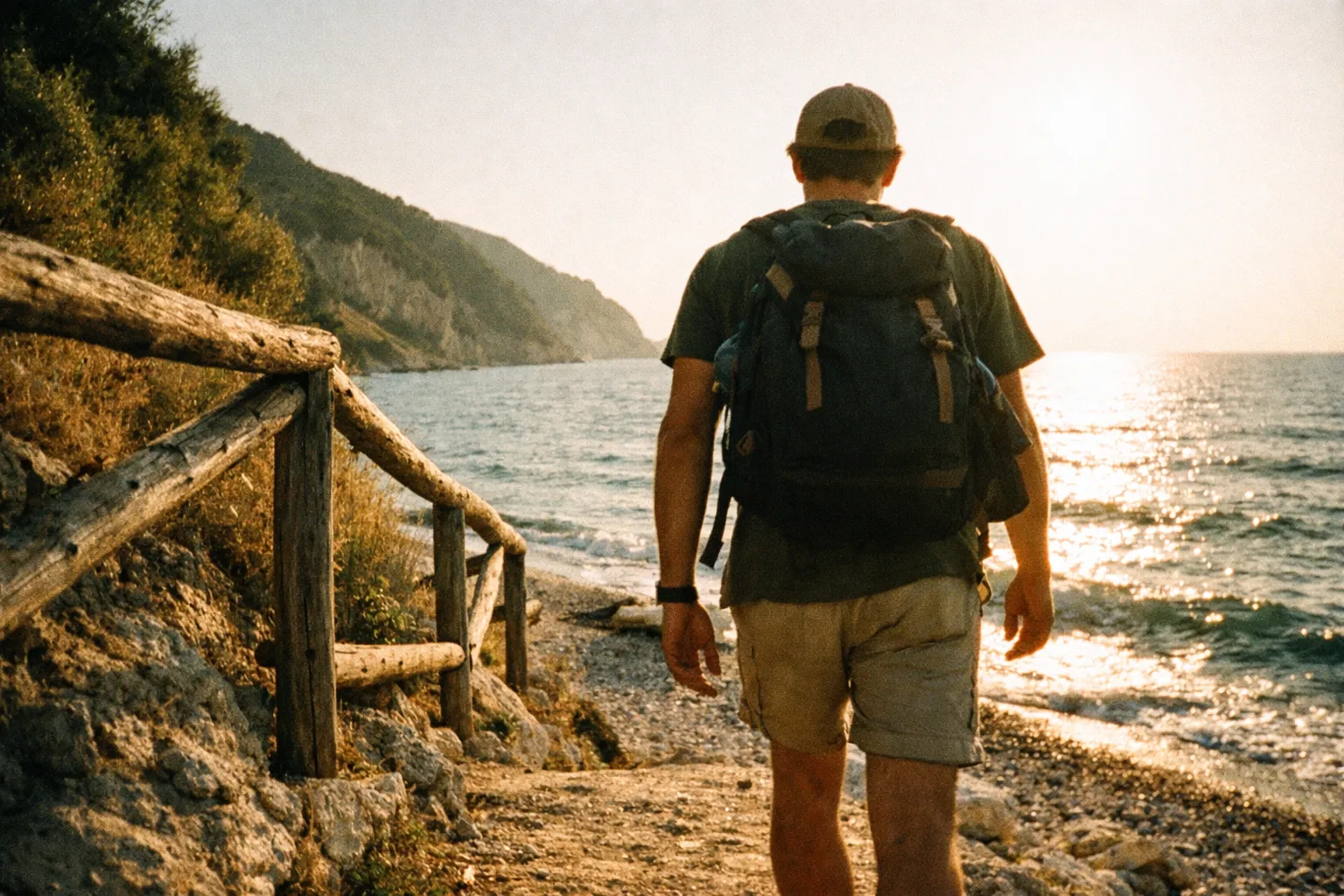
Popular Beaches in Corfu
| Paleokastritsa | Sidari | Porto Timoni | Avlaki | Chalikounas | |
|---|---|---|---|---|---|
| Highlights | Clear water, green cliffs, sea caves reached by boat | The Canal d'Amour sandstone formations | Twin bays reached only on foot; no facilities | Quiet and unspoiled, good for water sports | Long sandy beach popular with kitesurfers |
Paleokastritsa is the one most people build a day around. Six small bays fan out below olive-covered hills, and the water in the coves is startlingly clear. Rent a pedal boat or SUP for around €10 (about $10.70) per hour near Ampelaki Beach, or take a cave boat tour for €15-25 (4). For the clearest water and calmest seas, aim for late May-June or early September, when it’s warm (72-79°F / 22-26°C) but far less crowded than midsummer (3)(4).
For quieter finds:
- Porto Timoni, a set of twin bays on the west coast, is a 20-30 minute hike down with no shade, water, or facilities. Bring your own supplies and budget 2-4 hours to swim and explore (1)(7).
- Cape Drastis in the north has dramatic white cliffs and coves best seen at sunset; combine it with a self-drive loop of the north coast (1)(7).
Where to stay in Corfu Town
Basing yourself in Corfu town Greece puts the Old Town, the forts, and the seafront within walking distance. It’s the choice I’d make for a first visit, and I’ve never regretted it.
A few neighborhoods to weigh:
- Inside the Old Town. Boutique properties like the Bella Venezia Hotel (rated about 4.7/5 across 1,600+ reviews, from $100-150 per night) give you cobblestone access to Liston, Spianada, and both fortresses (6)(10). Trade-off: streets can be noisy in summer and parking is a headache.
- Garitsa Bay / Mon Repos. The seafront stretch south of the center, with hotels such as Mon Repos Palace (about 4.4/5, 2,000+ reviews, $90-140 per night) offering sea views and a quieter promenade, still within a 10-minute walk of the action (6).
- Outskirts guesthouses and apartments. Smaller properties on the edge of the Old Town run $70-90 per night and suit travelers who want lower prices and calmer nights. I picked an apartment slightly outside the center on one trip - reliable Wi-Fi, no street noise, no regrets.
Corfu Town’s hotel scene leans boutique and midrange rather than mega-resort, with dozens of options from $68 upward and review scores clustering around 4.4-4.8/5 (6).
What and where to eat in Corfu
Corfu’s kitchen is the most Italian in Greece, and its three signature dishes are worth seeking out:
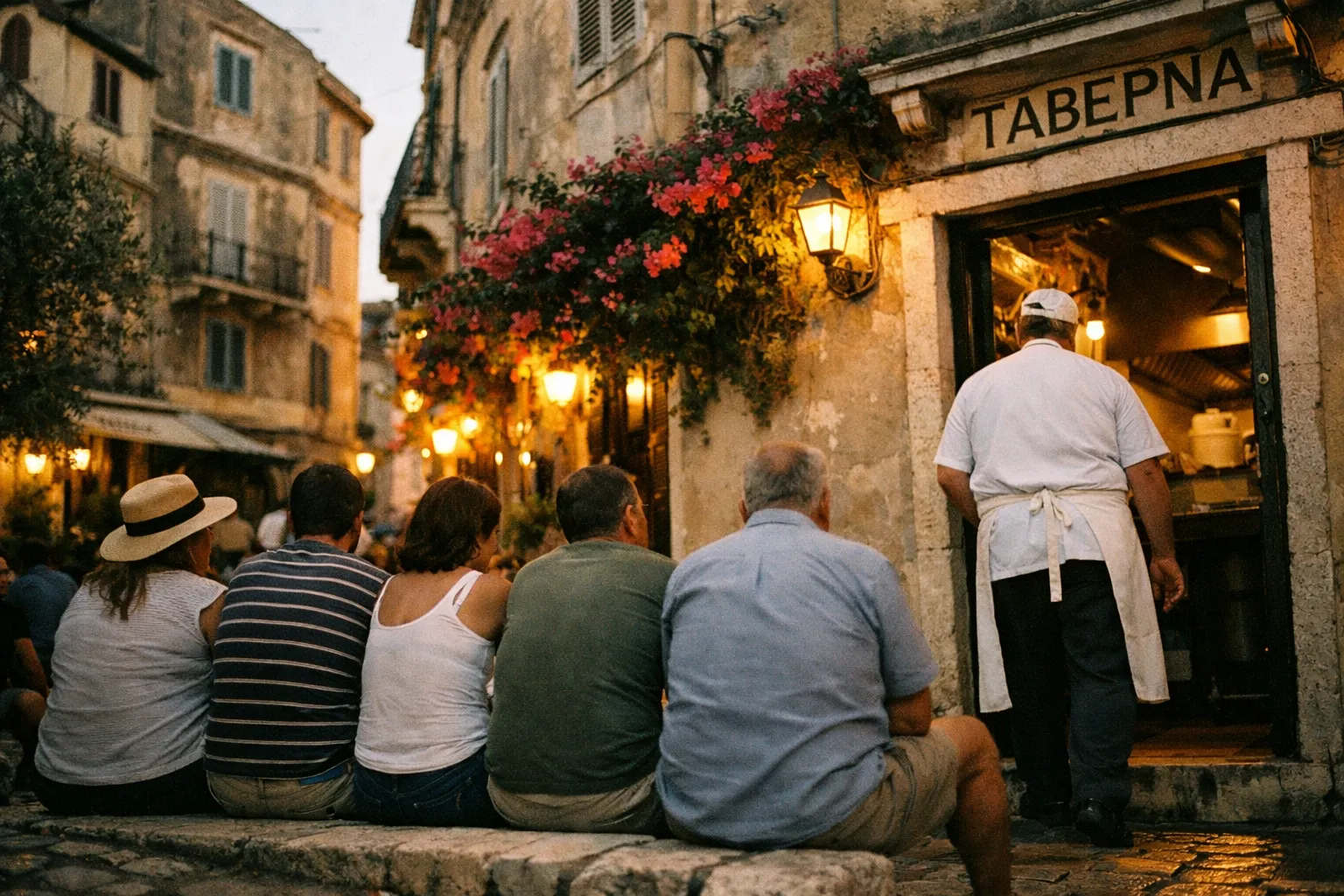
- Pastitsada - spiced pasta with slow-cooked beef or rooster
- Sofrito - thin veal in a garlic, white wine, and parsley sauce
- Bourdeto - fish stewed in a spicy red pepper and tomato sauce
Expect mains at Old Town and Paleokastritsa tavernas to run €12-20 (about $13-21). For cheaper meals while sightseeing, gyros in pita is around €5 (about $5.40) and a gyros plate about €12 (about $12.90). Beer runs roughly €4 (about $4.30) and a fish dinner around €20 (about $21.50) in tourist zones. Prices in these areas have crept up 5-10% versus pre-2020 levels.
The practical move: in Corfu Town, duck off the waterfront into the lanes around Guilford Street and N. Theotoki Street; in Paleokastritsa, the tavernas set back from the main beach road near the monastery car park consistently undercut the seafront by €2-5 per main. From my own meals and forum reports, you’ll find similar quality with mains €2-5 cheaper, bringing a full dinner with wine down to €18-22 instead of €25-30. Mix a couple of taverna dinners with gyros or bakery lunches and you can keep daily food costs under €25.
Don’t leave without a shot of kumquat liqueur. It’s genuinely a Corfu-only taste.
Etiquette note: tipping in Greece is modest. Rounding up or leaving 5-10% at a sit-down taverna is normal and appreciated, not expected. Service is unhurried on purpose - flag your waiter when you’re ready for the bill rather than waiting for it to arrive.
Getting to Corfu and getting around
Athens to Corfu Greece is the route most first-timers ask about, and you have two realistic options. If you’re planning a broader Greek itinerary, the top things to do in Athens are worth building in before or after your time on the island.
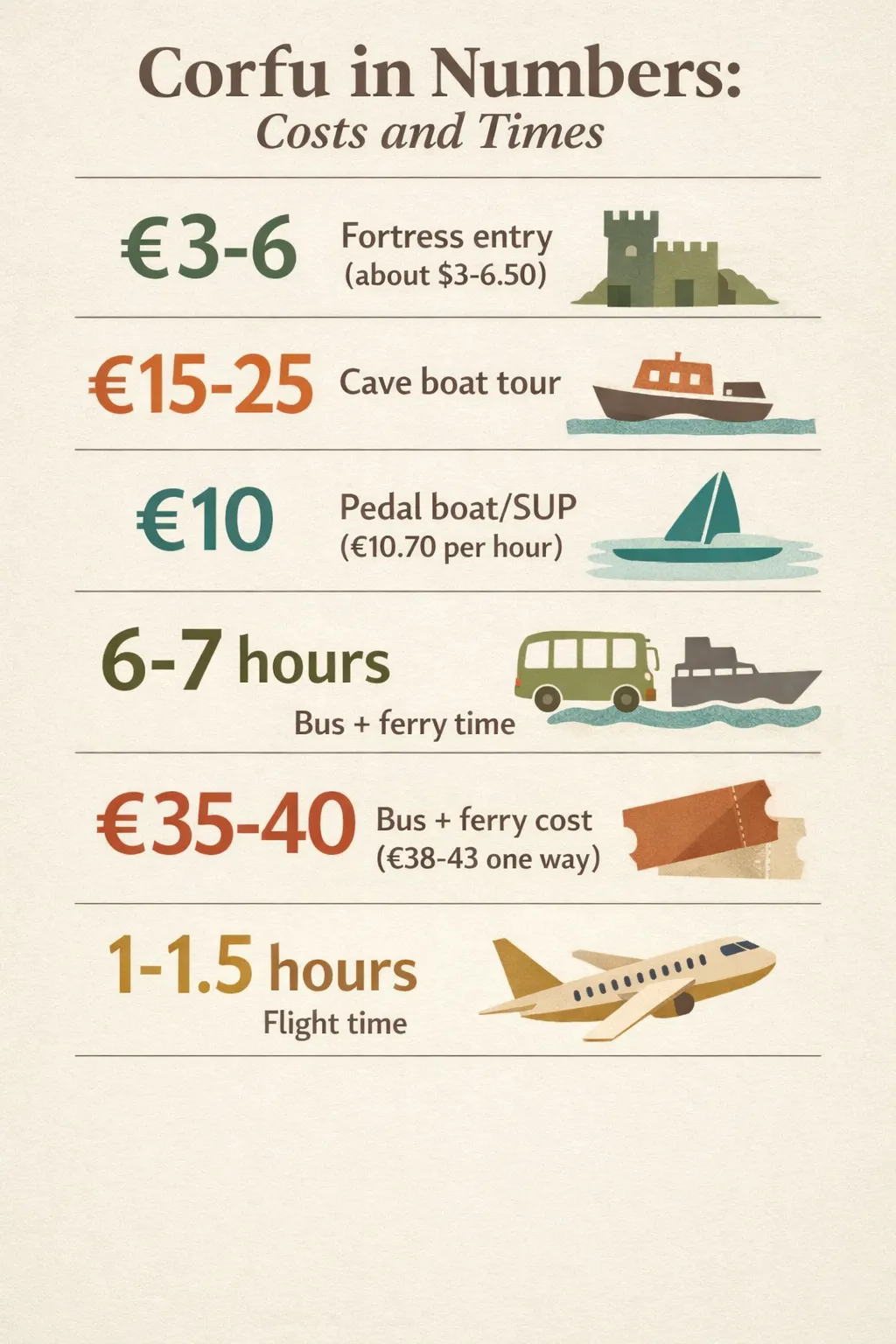 A snapshot of Corfu travel costs and times for 2026: fortress entries €3-6; Paleokastritsa cave tours €15-25; ferry €35-40; flight 1-1.5 hours; midrange hotels $80-150 per night.
Budget: bus and ferry. The combined KTEL bus to Igoumenitsa plus the Igoumenitsa-Corfu ferry covers roughly 470 km (290 miles) and takes 6-7 hours door to door, costing €35-40 (about $38-43) one way (5). A slower bus routing can push the bus leg to around 8 hours with ferry tickets near €30 (about $32). It’s long, but the ferry crossing itself is scenic.
Faster: flying. Corfu International Airport (CFU) connects to Athens and major European hubs. Athens flights run about 1-1.5 hours and typically $60-200 one way in high season depending on airline and date.
Once you’re on the island:
- Car rental is the way to reach the good stuff - figure €30-50 (about $32-54) per day in summer.
- Scooters run €20-30 (about $21-32) per day.
- Public buses between Corfu Town and the resorts are reliable and cheap at around €2-4 (about $2-4.30) per ride, though schedules thin out off-season.
Corfu weather and when to visit
Corfu’s weather is Mediterranean but wetter than the Aegean islands - that’s why the island is so green. The hottest month is July, with average highs near 89°F (31.7°C), and the wettest stretch runs November through January, when highs sit at 50-59°F (10-15°C) with frequent rain (3).
Here’s how the seasons break down:
- May-June: warm days, calm seas, thinner crowds - my pick for beaches with the clearest water.
- July-August: hottest and busiest, ideal for a lively beach atmosphere but crowded midday around Liston when cruise ships are in.
- September-October: still warm enough to swim early in the window, great for hiking and viewpoints when highs stay 68-79°F (20-26°C) and rain is moderate (3).
- November-January: cool and rainy; many resort businesses close, and swimming is off the table.
For hiking Angelokastro, Kaiser’s Throne, or the trail down to Cape Drastis, the shoulder seasons of April-June or September-October are the sweet spot (3). In peak summer, visit the Old Town between 8-11 a.m. or after 6 p.m. to dodge both the worst heat and the cruise crowds.
How to skip the crowds
Beyond the resort strips, a few places reward the extra effort:
- Old Perithia, the mountain village mentioned earlier, where a handful of restored tavernas serve lunch under the plane trees.
- The hill villages of the interior, where cafés still run at the pace of the people who live there - worth a slow afternoon drive rather than a checklist stop.
- Angelokastro at opening time, before the tour groups arrive, when you get the cliff-top ruins nearly to yourself.
The crowd-avoidance rule is simple: popular beaches like Paleokastritsa in the early morning, Old Town squares in the late evening. Most group excursions depart between 9 a.m. and 4 p.m., so the edges of the day are quiet. Book Paleokastritsa cave and day-sailing tours a few days ahead in July-August - on calm-sea days they sell out, and last-minute prices run €5-10 higher (4).
Frequently Asked Questions
- Is it safe to hike to Porto Timoni and Cape Drastis?
- Yes, but bring water and sun protection as there is no shade or facilities along the trails.
- Can I use credit cards everywhere on Corfu?
- No, many small tavernas, village cafés, and beach spots prefer cash payments.
- When is the best time to visit Corfu for hiking?
- April to June and September to October offer ideal weather for hiking with mild temperatures and fewer crowds.
- Are guided tours worth it in Corfu Old Town?
- Yes, guided walking tours reveal historical layers and stories you might miss exploring alone.
- How crowded does Corfu get during peak season?
- July and August are busiest, especially mid-day in Corfu Old Town and popular beaches, with cruise ship arrivals adding to crowds.
- What is the tipping etiquette in Corfu?
- Rounding up or leaving 5-10% at sit-down tavernas is appreciated but not expected.
Final things to know before you go
A few practical realities to bake into your plan:
- Budget honestly. Shoestring travelers can do Corfu on $55-90 per day (cheap room, gyros, buses, one activity). Midrange runs $165-280 per day with a hotel, restaurant meals, a rental car, and a couple of paid activities.
- Don’t over-schedule. Two attraction clusters per day is realistic; four is a recipe for spending your holiday in a rental car.
- Book boat tours early in July and August.
- Bring cash for small tavernas, village cafés, and beach spots - cards aren’t universal outside town.
- Carry water and sun cover for the hike-in beaches like Porto Timoni; there’s no shade and nowhere to buy anything.
Corfu rewards travelers who treat it as more than a beach resort. Spend a morning in the Old Town, an afternoon in a Paleokastritsa cove, and a sunset at Kaiser’s Throne, and you’ll understand why the island holds onto people the way it held onto me - greener, older, and stranger than the postcard version of Greece.