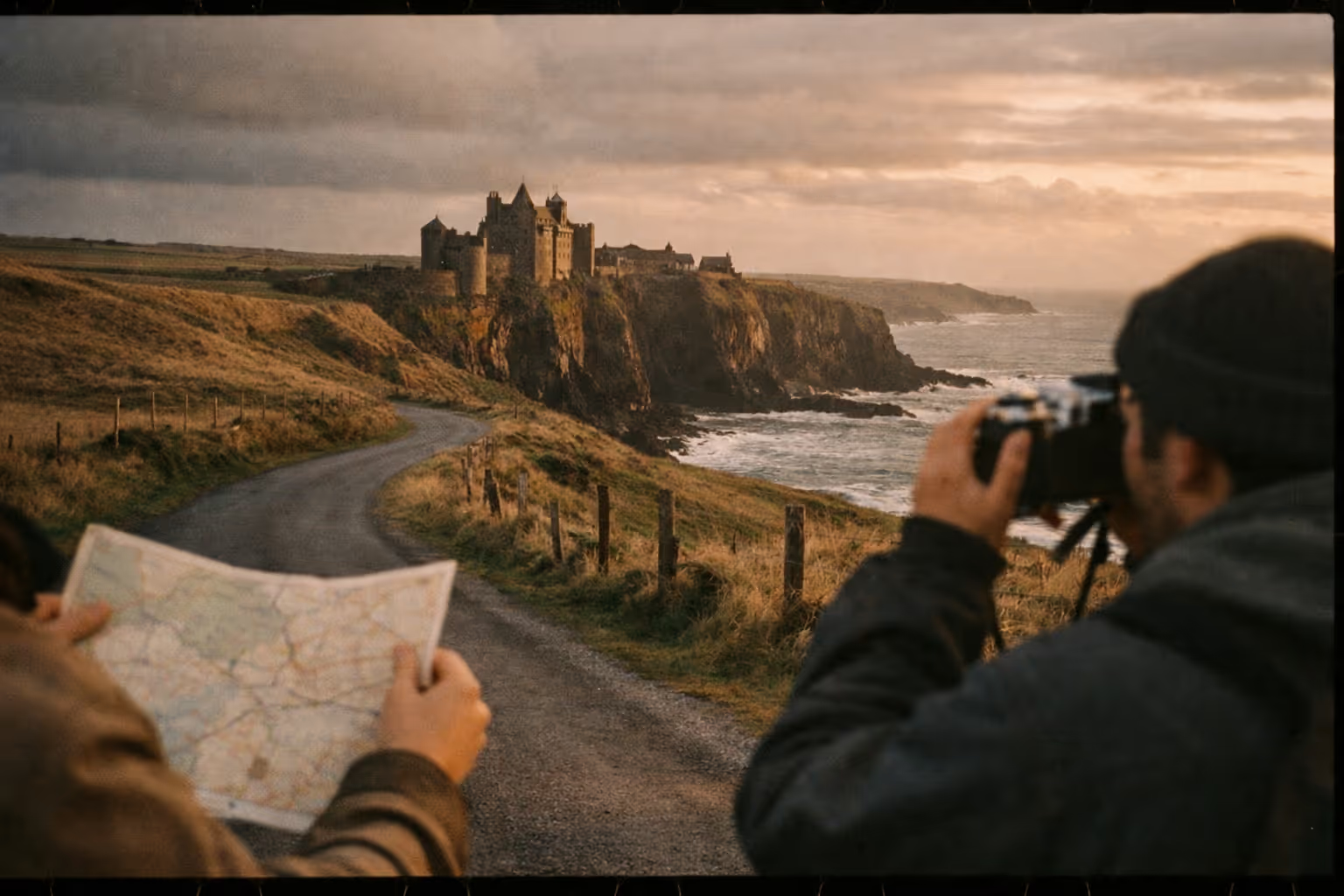
Castles in Ireland come in the tens of thousands, which means the real question is not whether to see one but how you want to. You can tour famous fortresses like Blarney in Cork for around 24 euros, or sleep inside history at a castle hotel for 200 to 300 euros a night, booked months ahead. The north adds accessible stops like Carrickfergus. Whichever you pick, pack proper shoes and a rain jacket, because the stone stairs are steep, wet, and older than your grandmother’s grandmother.
Unveiling the legacy and variety of castles in Ireland
Ireland’s landscape holds an estimated 30,000 castle and fortification sites (1)(9). That figure covers everything from intact Norman fortresses to tower houses to the mossy stumps of walls you’ll pass in a field without a second glance. The density is among the highest in Europe, which explains why castles anchor so much of Irish cultural tourism - and why any serious trip to the country involves at least a few of them.
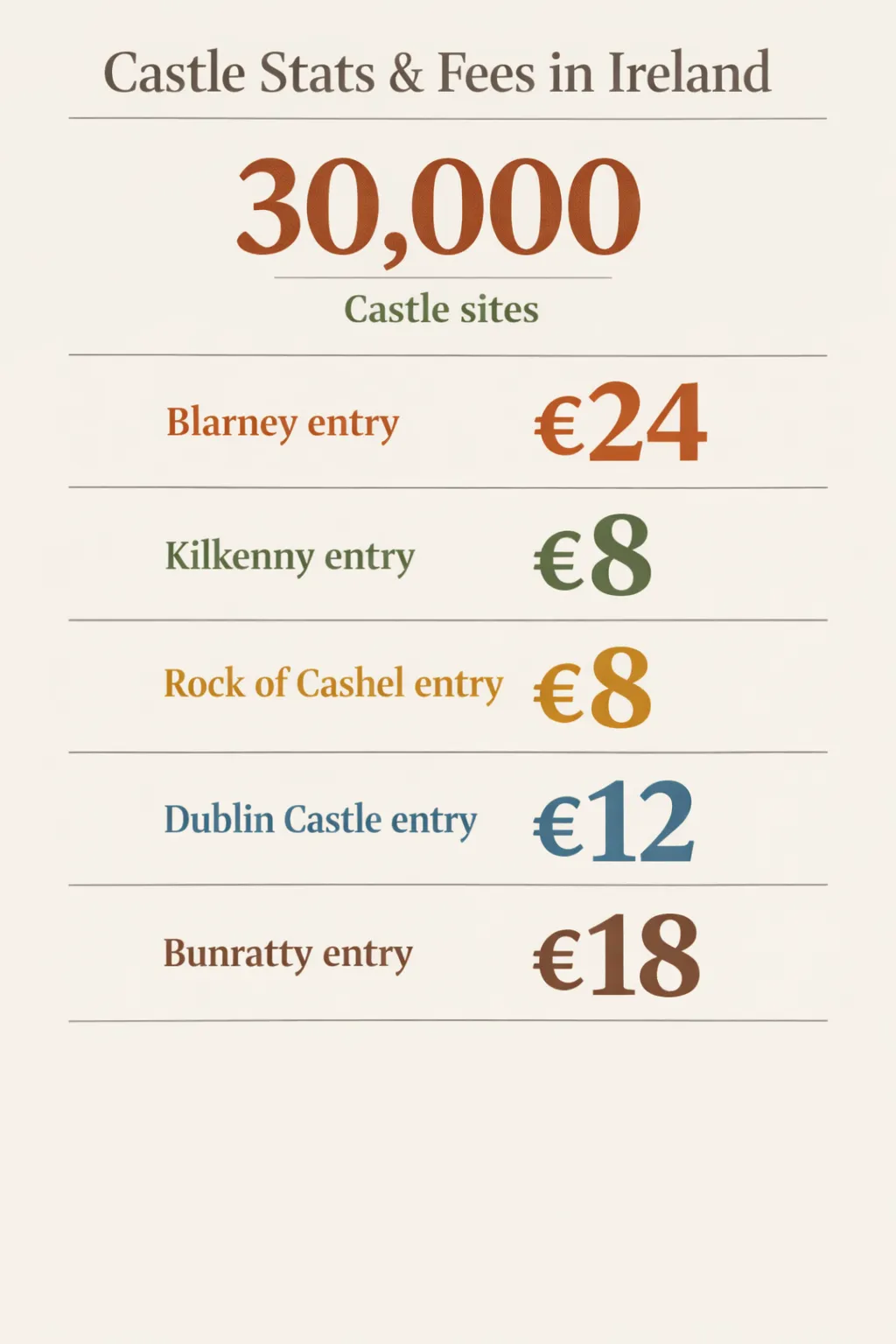 Ireland hosts about 30,000 castle sites; sample major-site entries include Blarney at €24, Kilkenny at €8, Rock of Cashel at €8, Dublin Castle at €12, and Bunratty Castle at €18.
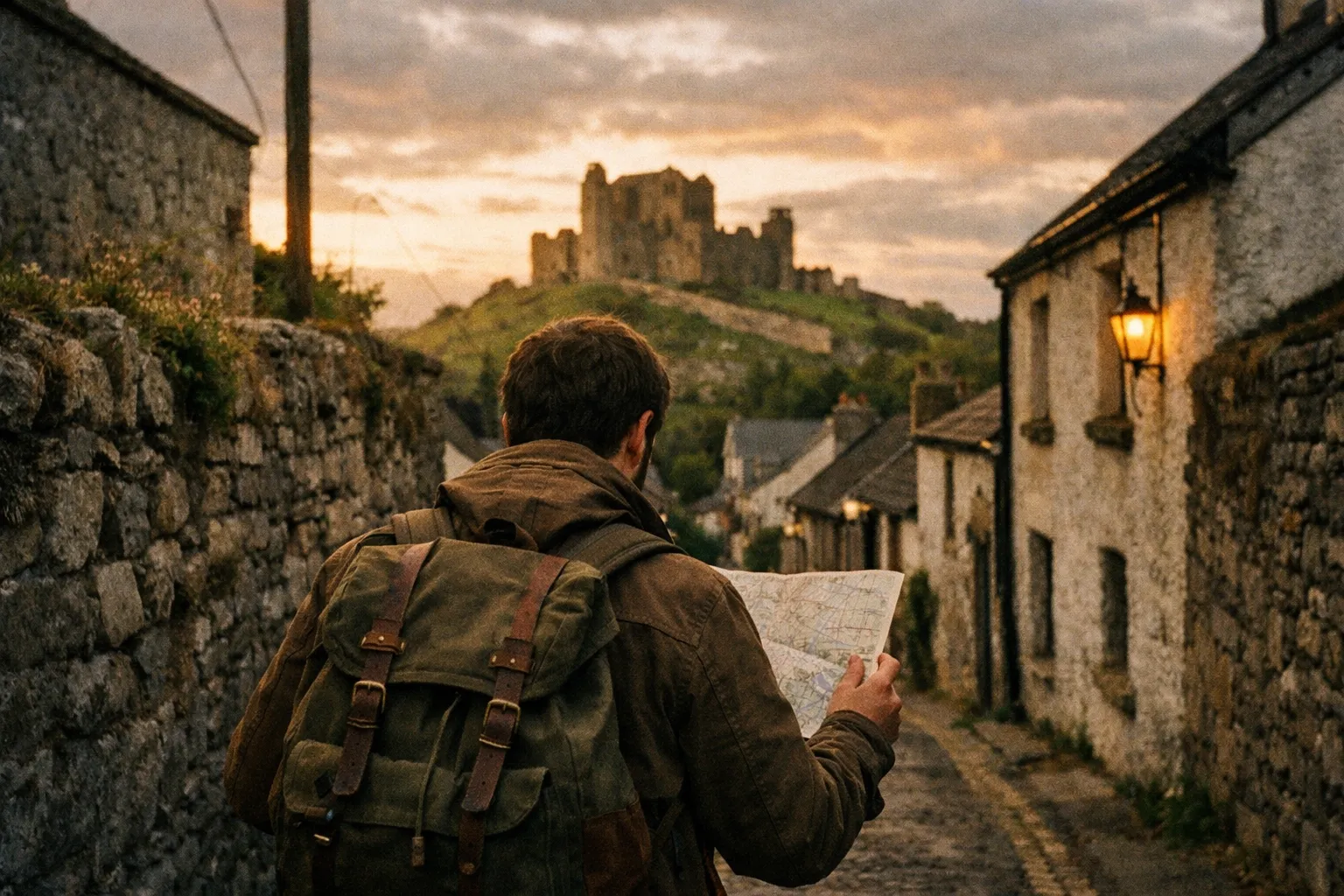
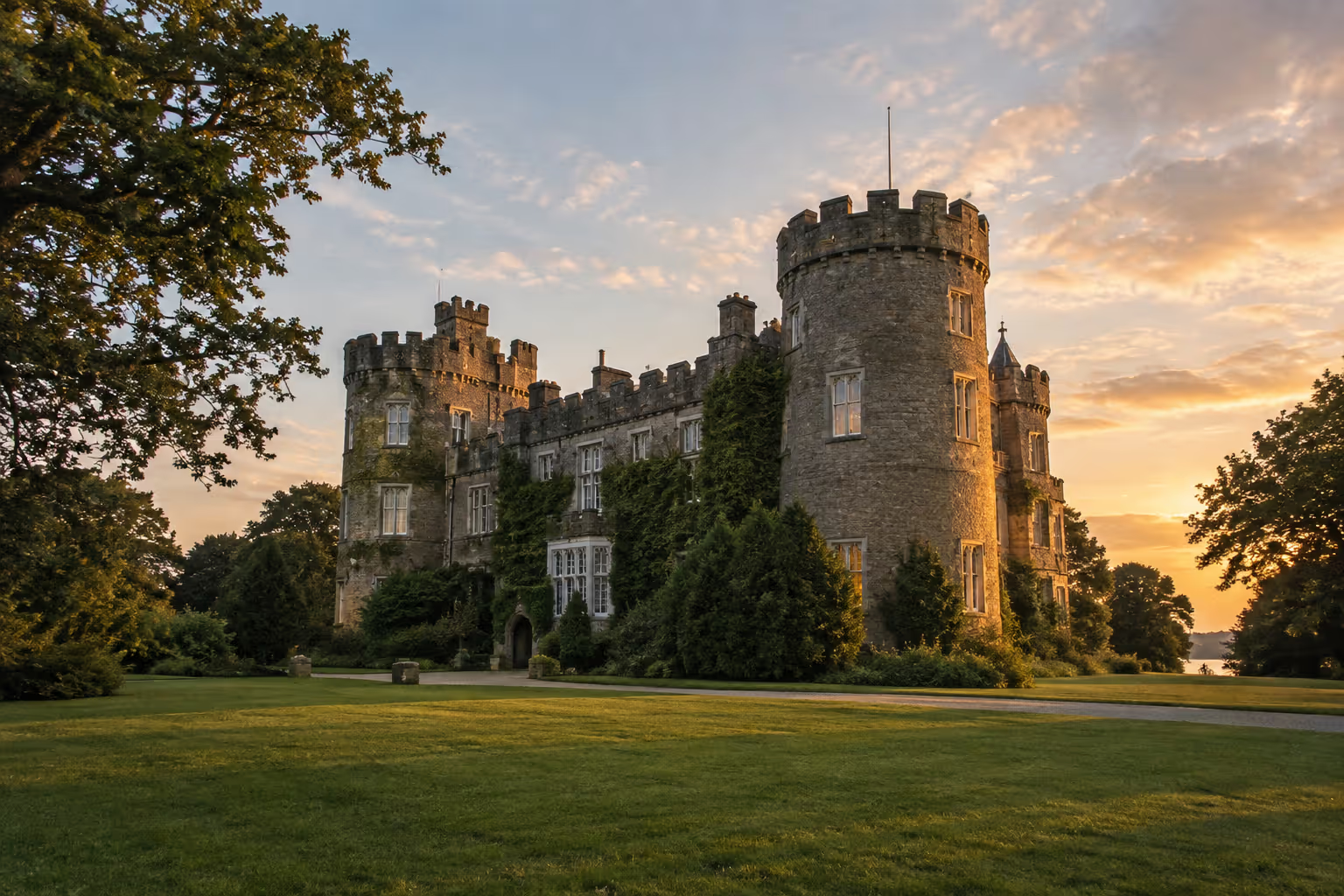
During my last visit, I was struck by how different these structures are from each other. The range runs from compact medieval tower houses to sprawling Norman fortresses with defensive walls you could drive a cart through. Many sit on high ground or along the coast, which tells you something about why they were built where they were.
The main types you’ll encounter:
- Norman castles: Large fortresses with thick walls and substantial keeps, built after the 1169 invasion
- Tower houses: Compact, vertical residences for nobility - over 7,000 Anglo-Norman examples survive
- Gothic revival castles: 19th-century romantic interpretations of medieval architecture, often built by wealthy landowners who wanted the aesthetic without the siege
- Ruins: Atmospheric remains of once-mighty strongholds, often free to explore
Many sites now run interactive exhibits and augmented reality experiences. These aren’t gimmicks - they genuinely help, especially at ruins where the original context isn’t obvious from the stones alone.
How many castles are in Ireland?
The number people quote most often is around 30,000 castle or fortified sites across the island, a figure Irish tourism and history sources consistently cite (1)(9). That count includes intact castles, restored estates, tower houses, and the countless ruins slumping into fields you’ll pass without stopping. If you were planning to “see them all,” recalibrate. Even the headline sites number in the dozens, and a realistic 5-7 day trip covers maybe five to eight properly.
✓ Pros
- Extremely high density of castles offers diverse historical experiences
- Variety of castle types from Norman fortresses to Gothic revival estates
- Many sites feature interactive exhibits and augmented reality
- Castle hotels provide immersive overnight stays
✗ Cons
- Visiting all castles is unrealistic due to sheer number
- Some castles require advance booking or have seasonal hours
- Castle ownership involves high maintenance and legal restrictions
- Weather can be grey and wet, affecting outdoor exploration
The most famous castle in Ireland
If one castle carries the country’s reputation abroad, it’s Blarney Castle in County Cork. Built in its current form in 1446, it draws travelers for the Blarney Stone - the block of limestone set into the battlements that, by legend, grants the “gift of the gab” to anyone who kisses it. It consistently tops visitor-ranked lists and family-travel guides as the most popular castle in the country (1)(5), with more than 7,900 Tripadvisor reviews on record (5).
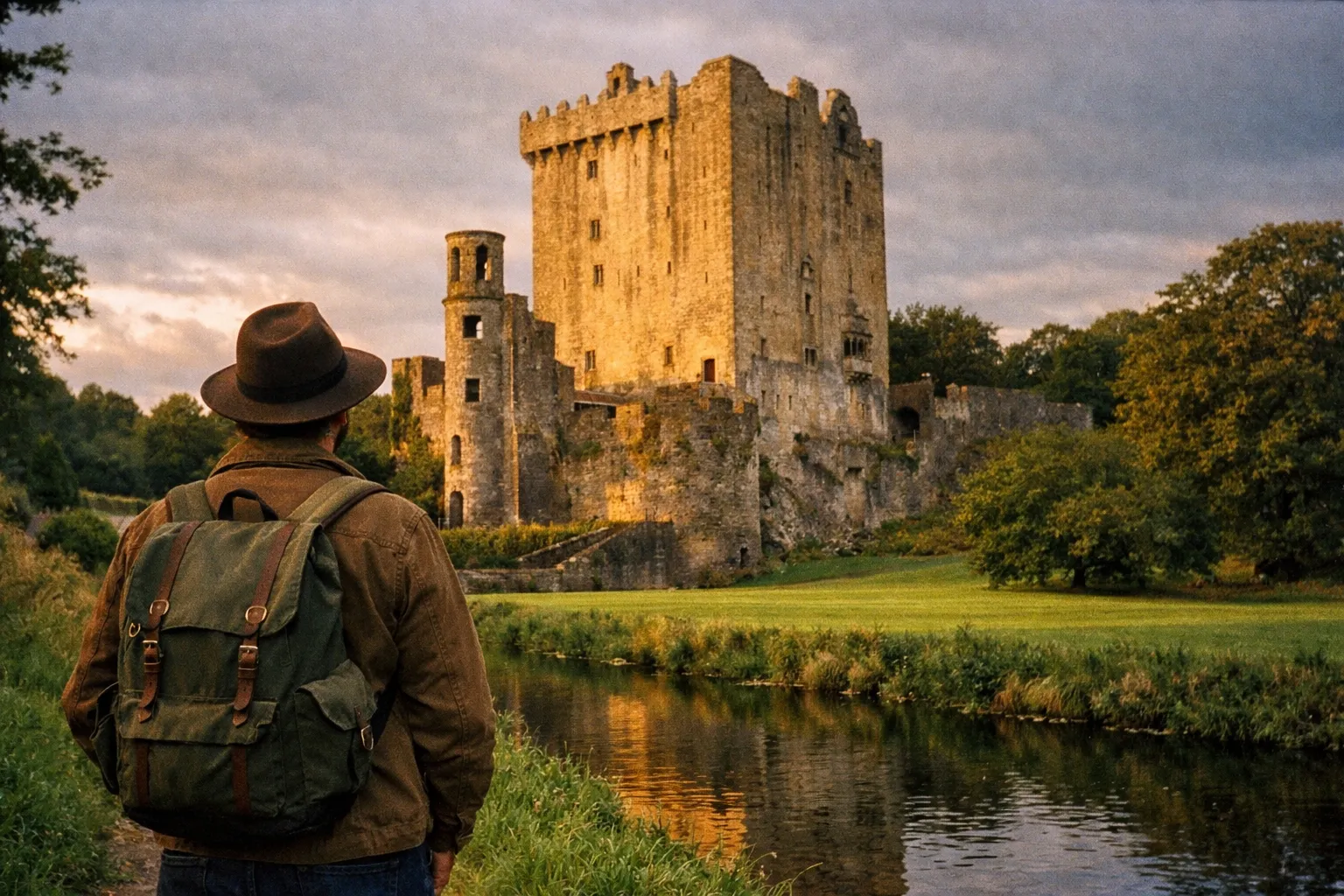
Kissing the Stone means lying back and leaning your head down over a gap in the parapet while someone holds your legs. It’s less dignified than the postcards suggest. But the castle earns its crowds regardless of the Stone - the grounds are the real draw. Budget 2-3 hours to see the keep, kiss the Stone if you must, and wander the gardens, including the Poison Garden with its cheerfully labeled toxic plants and the Rock Close with its druidic stones and mossy stairways.
Entry runs roughly €24 (≈USD 26) per adult, with family tickets available. Go early. By late morning in summer the queue for the Stone snakes down the stairwell, and there’s no fast track.
Must-visit castles for your Irish adventure
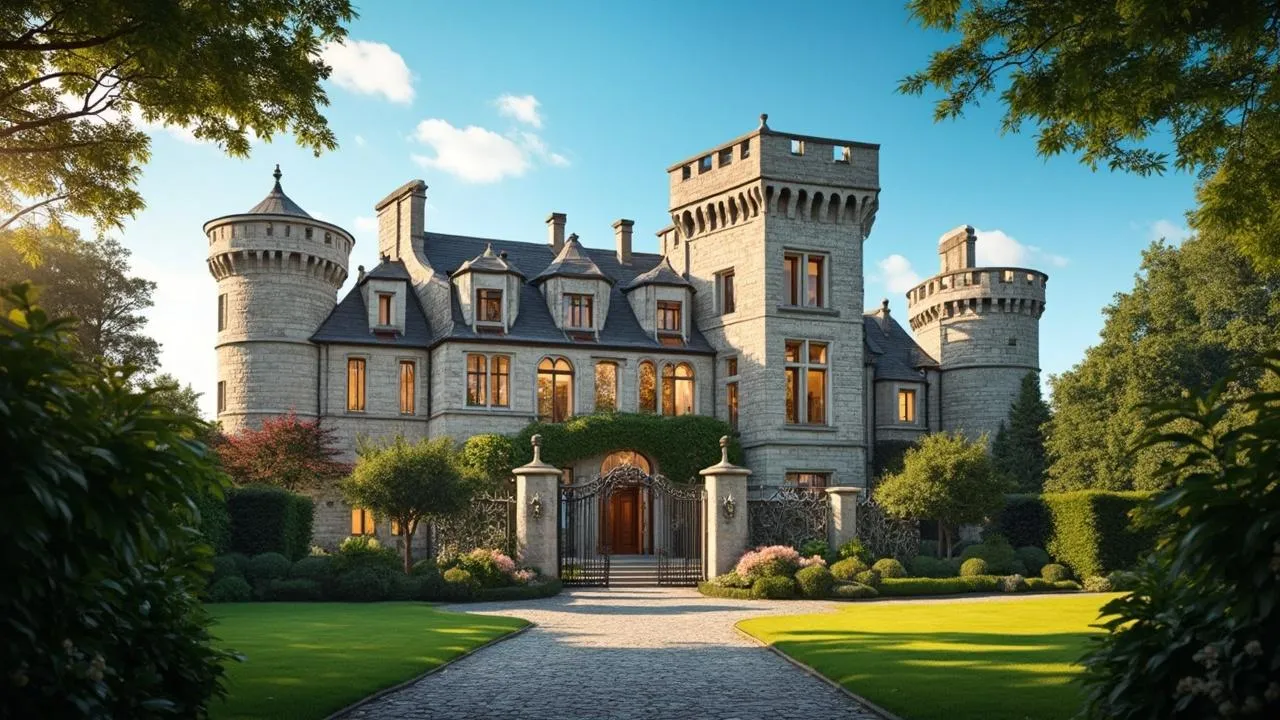
Plenty of castles are worth your time, but a handful stand out for historical weight, architecture, and what they actually offer beyond a walk-through. These are the ones I’d send a friend to.
Key Castles to Visit in Ireland
| Blarney Castle | Kilkenny Castle | Rock of Cashel | Dublin Castle | Bunratty Castle | Ashford Castle | |
|---|---|---|---|---|---|---|
| Location | Cork | Kilkenny | Tipperary | Dublin | Clare | Mayo |
| Entry (Adult, approx.) | €24 / USD 26 | €8 / USD 9 | €8 / USD 9 | €12 / USD 13 | €18 / USD 20 | Hotel guests / tours |
| Notable Features | Blarney Stone, Poison Garden, Rock Close | Norman architecture, picture gallery, parkland | Medieval complex on a limestone outcrop | City-center location, State Apartments | Restored tower house, folk park, banquets | Luxury hotel, falconry school |
Prices are early-2026 estimates; check current rates before you go, as several sites adjust seasonally.
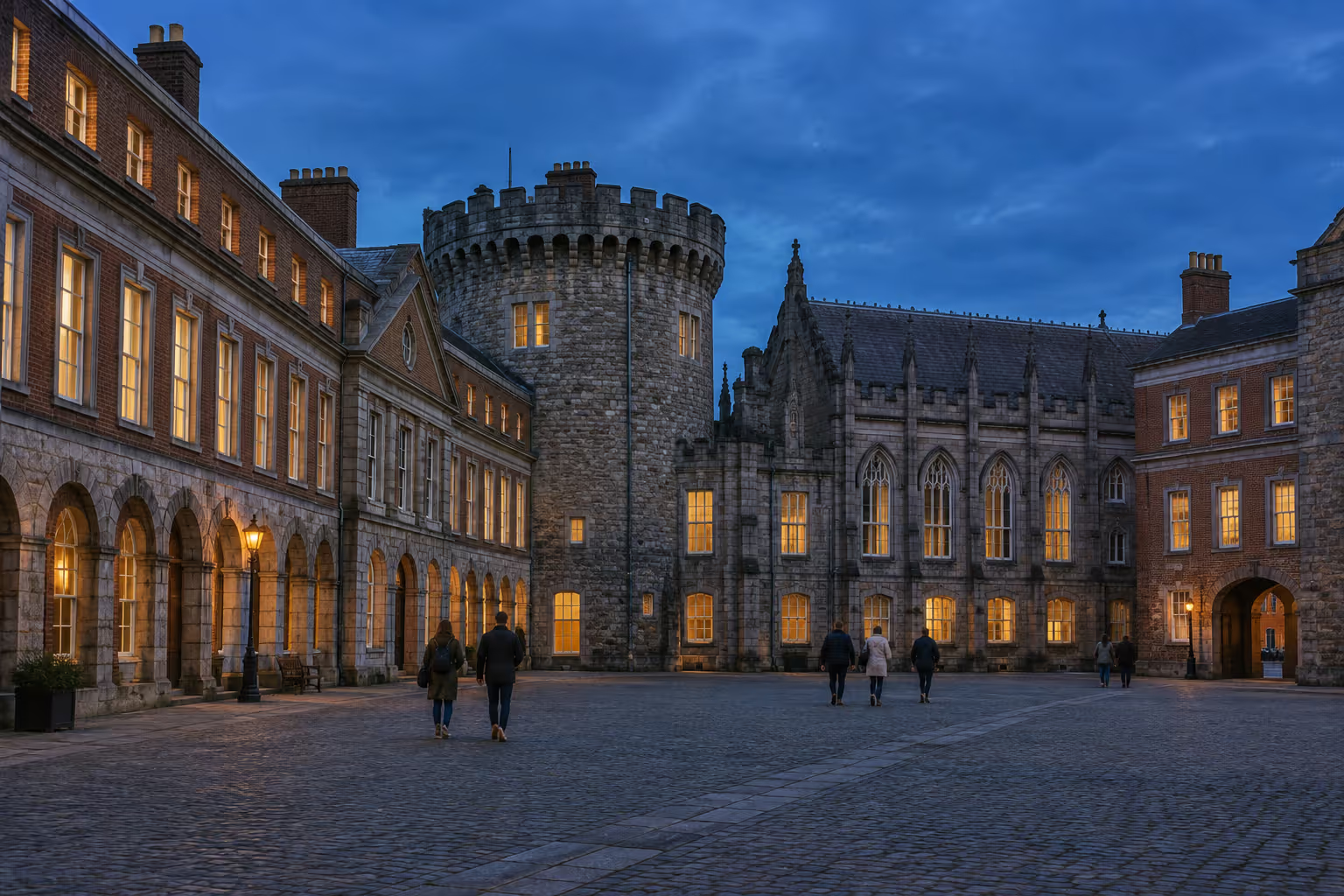
Kilkenny Castle deserves more attention than it usually gets. This Norman stronghold sits in the middle of one of Ireland’s most walkable medieval towns, and its restored picture gallery and 50 acres of parkland make it an easy half-day. At around €8 (≈USD 9), it’s also one of the best-value major castles in the country. Kilkenny works well as a base for reaching Cahir Castle and the Rock of Cashel on day trips (5).
The Rock of Cashel in Tipperary is the one that stops you in your tracks. A cluster of medieval buildings - a round tower, a Gothic cathedral, a Romanesque chapel - perched on a limestone outcrop above the plain. It’s less a single castle than a fortified ecclesiastical complex, and it photographs extraordinarily well in low light. I’ve been there twice and both times I stayed longer than planned.
One of my most memorable afternoons was at Bunratty Castle in County Clare. This 15th-century tower house gives a clear window into medieval life, and the folk park alongside it recreates 19th-century village streets with costumed interpreters who actually know their history. I spent hours there trying my hand at traditional crafts and ended up staying for the evening banquet, which I hadn’t planned on.
Castles in south Ireland worth exploring
The south of the country packs some of the best castles in Ireland into a compact, drivable region. Base yourself in Cork city or Killarney town and you can string together Blarney Castle, Cahir Castle, and the Rock of Cashel over three or four days, with wilder ruins as bonus stops (2). If you want a broader sense of what the region offers beyond its fortifications, Discover Munster covers the culture and natural beauty that fills the gaps between castle stops.
- Cahir Castle (Co. Tipperary): One of Ireland’s largest and best-preserved castles, with intact defensive features and a keep you can climb. Frequently recommended for families thanks to its interactive displays and manageable layout.
- Rock of Cashel (Co. Tipperary): See above - an unmissable stop 20 minutes from Cahir.
- Dunlough Castle (West Cork): A ruined 15th-century tower house on the Mizen Peninsula, set beside a black lake with cliffs dropping to the Atlantic. Remote, free, and worth the drive if you want drama over polish.
- Blarney Castle (Co. Cork): The anchor of any southern route.
The scenic, less-accessible sites like Dunlough require a rental car - budget €40-€70/day (≈USD 45-77) plus fuel. Organized day tours run €60-€120 (≈USD 66-132) per person but tie you to their schedule, which is a real constraint when you’re the kind of person who wants to linger.
Castles around Belfast and the North
Republic-focused guides tend to skip Northern Ireland, which is a mistake. The castles in Belfast Ireland and across the north round out any all-island trip, and they’re easy to reach from the city.
Belfast Castle sits on the slopes of Cave Hill overlooking the city. It’s a 19th-century Scottish Baronial mansion rather than a medieval fortress, but the grounds are free to enter and the view over Belfast Lough is worth the short trip up. Carrickfergus Castle, a genuine Norman stronghold on the shore just north of the city, is one of the best-preserved in Ireland - expect ticketed entry under €10 (≈USD 11) per adult.
Elsewhere in Northern Ireland, Hillsborough Castle and Gardens, Enniskillen Castle, Kinbane Castle, and Glenarm Castle all feature among the region’s top castle attractions. Kinbane pairs particularly well with a drive along the Causeway Coastal Route, where you can string castle ruins together with the natural landmarks.
For a Belfast-based break, give yourself one or two days. Hit Belfast Castle and Carrickfergus, then break up the heritage with the city’s food scene - spots like Maggie Mays, Madame Pho, Yardbird, and Zen come up again and again from people who actually live there (6).
Etiquette note for the north: In the Cave Hill neighborhood where Belfast Castle sits, tipping runs around 10-15% in restaurants, the same as the Republic, and it’s normal to leave nothing extra for a pint at the bar. Don’t overthink it.
Staying overnight: castle hotels worth booking
Yes - and it’s one of the better ways to experience them. There are dozens of castles in Ireland hotels, from restored Norman keeps to grand estates, where you can book a room and wake up inside the walls.
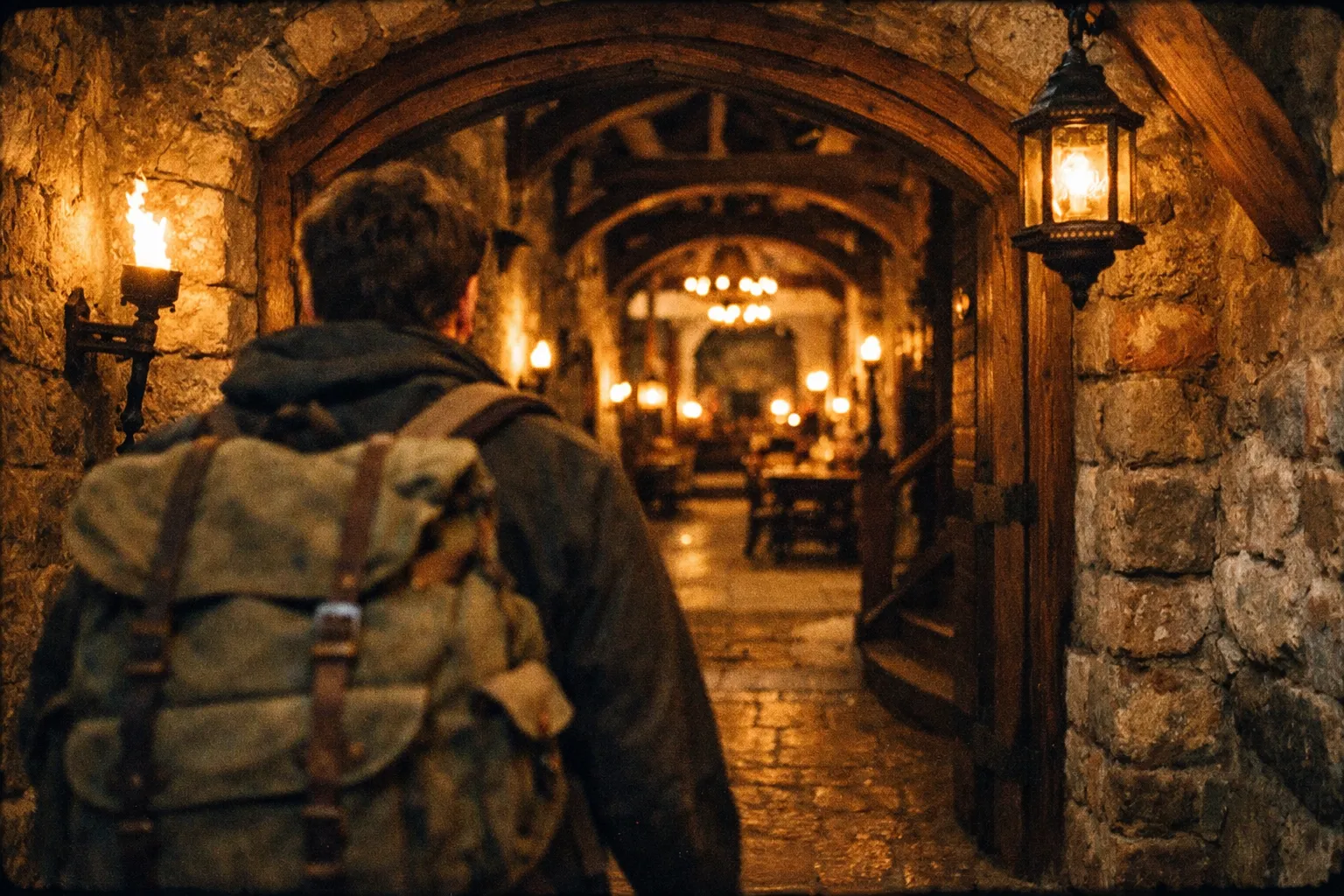
For the full treatment, Ashford Castle in Mayo and Dromoland Castle in Clare set the standard. During my stay at Ashford I took a falconry lesson - walking the grounds with a hawk on my glove, watching it return on command. It’s the kind of experience that connects you to something centuries old without feeling like a theme park.
If you want to stay in castles in Ireland without a luxury budget, the options are broader than you’d think:
- Ballynahinch Castle near Galway sits on a river on the west coast and gets singled out regularly as a “real life castle” experience (8). A March 2026 feature underlined its popularity for exactly that.
- Ballyseede Castle (Kerry), Kilkea Castle (Kildare), Kilronan Castle (Roscommon), Lough Rynn Castle (Leitrim), and Clontarf Castle (Dublin) all run as hotels at more accessible rates.
- Huntington Castle offers atmospheric stays on a working estate.
What it costs to stay in a castle
Mid-range castle hotels typically run €220-€350 (≈USD 240-385) per room per night on a bed-and-breakfast basis (3). Luxury estates near Galway or in Munster climb to €400-€700 (≈USD 440-770) per night(9).
The move is to go off-season. Affordable castle hotel roundups published in March 2026 highlight promotional rates occasionally under €180 (≈USD 200) per night in the November-to-March window - savings of 20-40% versus the €350+ you’ll pay in peak summer. Whichever end you’re aiming for, book 3-6 months ahead for high summer or holiday weekends. The most popular properties sell out months in advance, and expecting a last-minute deal in July is how you end up in a roadside Travelodge instead (3).
Buying a castle: the for-sale market
Fell hard enough that you want to own one? The market for castles for sale in Ireland is small but genuinely active. Fewer than 200 castle-type properties trade nationally, which makes this a scarcity game.
A specialist agency benchmarks a “typical” Irish castle property of around 647 m² at an asking price near €2,000,000 (≈USD 2.2M). Real listings span a wide range:
- Geashill Castle (Co. Offaly): listed at €650,000 (≈USD 715,000) - toward the entry level (4).
- A major estate in Cloughjordan, Co. Tipperary: marketed at €7,000,000 (≈USD 7.7M) for a landmark property (4).
If seven figures feels steep, the 7,000-plus surviving Anglo-Norman tower houses offer a cheaper way in. Smaller footprint, but expect substantial renovation work - these are entry-level for buyers who accept the trade-off. Whatever the price, agencies stress the same prerequisites: specialist structural surveys and heritage-planning consultations before you sign anything. A castle is a building with legal protections and maintenance costs that dwarf the purchase price, and skipping that homework is how people lose money.
Beyond the stones: experiencing castle culture
Visiting Irish castles isn’t only about the architecture. Many sites layer experiences on top that are worth planning around:
- Medieval banquets: Bunratty and a handful of others serve period feasts with music and mead - book ahead, as these sell out
- Ghost tours: Leap Castle in County Offaly is famously considered one of Ireland’s most haunted
- Archery and falconry: Try your hand at medieval pastimes; Ashford’s falconry school is the standout
- Gardens and nature walks: Blarney’s Poison Garden and Kilkenny’s parkland reward a slow wander
- Photography: Ancient stone against open landscape is endlessly shootable
I’ve found Irish castles offer relentless material for photography - the interplay of light and shadow on old stone, the contrast between built structures and the surrounding land. That said, respect any photography restrictions inside, where flash and tripods are often banned.
One of my favorite mornings was a sunrise session at Ross Castle in Killarney. Watching the early light move across Lough Leane with the castle’s silhouette in the foreground - that’s the kind of moment that keeps me planning the next trip. The enchanting beauty of Dingle is only a short drive from Killarney, and pairing the two makes for a memorable few days on the southwest coast.
Planning your castle-hopping adventure around Ireland
A few things I’ve learned the hard way about planning a route through the castles in Ireland:
- Choose a region. Focus on one area to avoid burning your trip on motorway driving. The south (Cork/Killarney base), the southeast (Kilkenny base), and the north (Belfast base) each hold enough to fill several days.
- Mix it up. Combine well-preserved castles with atmospheric ruins for variety - all polished keeps blur together after a while.
- Check opening times. Many castles run seasonal hours or require advance booking, especially the smaller ones.
- Pack for weather. Comfortable shoes and rain-ready layers are non-negotiable. Castle stairs are steep, worn, and often wet.
- Talk to the staff. Castle guides and nearby residents hold the stories that don’t make the plaques.
A realistic classic route - Dublin Castle, Kilkenny Castle, Rock of Cashel, Bunratty Castle, and Blarney Castle - runs 5-7 days. Budget roughly USD 800-1,200 for accommodation and USD 150-250 in entry fees across the trip (2)(5)(7). If you’re building a wider itinerary around this, the best cities to visit in Ireland covers how to move between Dublin, Galway, and Cork efficiently, which maps neatly onto a castle-hopping route.
Download offline maps and castle information to your phone before you set out. Rural coverage is patchy, and several sites offer audio guides and AR features through their own apps that are worth grabbing on hotel wifi first.
Resist the urge to cram. Some of my best memories come from sitting in a castle courtyard with nothing particular to do, letting the hours go. Five castles you actually experienced beat twelve you photographed from the car park.
What are the drawbacks of living in Ireland?
Enough travelers fall for the country on a castle trip that they start googling property listings on the flight home - so it’s worth a reality check. Ireland is a wonderful place to visit and a costly place to live.
The headline issue is cost. Housing is expensive and supply is tight, particularly in Dublin and the larger cities. Taxes bite early: income above roughly the €44,000 threshold is taxed at the higher rate, which compresses take-home pay faster than newcomers expect. The national minimum wage sits at €13.50 per hour as of 1 January 2025, and the average annual wage runs about €52,000 - decent numbers, but they stretch thin against rents, private healthcare, and general living costs.
For anyone eyeing a castle purchase or a long stay to renovate one, factor those pressures in honestly. The romance of owning a tower house evaporates against a €2M-plus price tag, ongoing heritage-compliant maintenance, and the same high cost of living everyone else faces (8). Weather is the other quiet drawback - mild but grey and wet for much of the year, which is atmospheric on a week’s holiday and wearing over a decade.
None of this should stop you visiting. It’s simply the difference between loving a place for two weeks and committing to it for life.
Frequently Asked Questions
- What is the most famous castle in Ireland?
- Blarney Castle in County Cork is the most famous, known for the Blarney Stone and high visitor numbers.
- How many castles are in Ireland?
- There are around 30,000 castle and fortification sites, including intact castles, tower houses, and ruins.
- Can you stay at castles in Ireland?
- Yes, dozens operate as hotels with prices typically €200-€300 per night; booking months ahead is advised.
- What are the drawbacks of living in Ireland?
- High housing costs, income tax thresholds, expensive healthcare, and grey, wet weather are key drawbacks.
- Are there interactive experiences at Irish castles?
- Many castles offer interactive exhibits and augmented reality to enhance understanding of the sites.
- Is tipping customary in Northern Ireland?
- Tipping runs around 10-15% in restaurants, similar to the Republic; no extra tip is expected for bar pints.
- What should I pack for castle visits in Ireland?
- Bring comfortable shoes and rain-ready layers; castle stairs are often steep, worn, and wet.