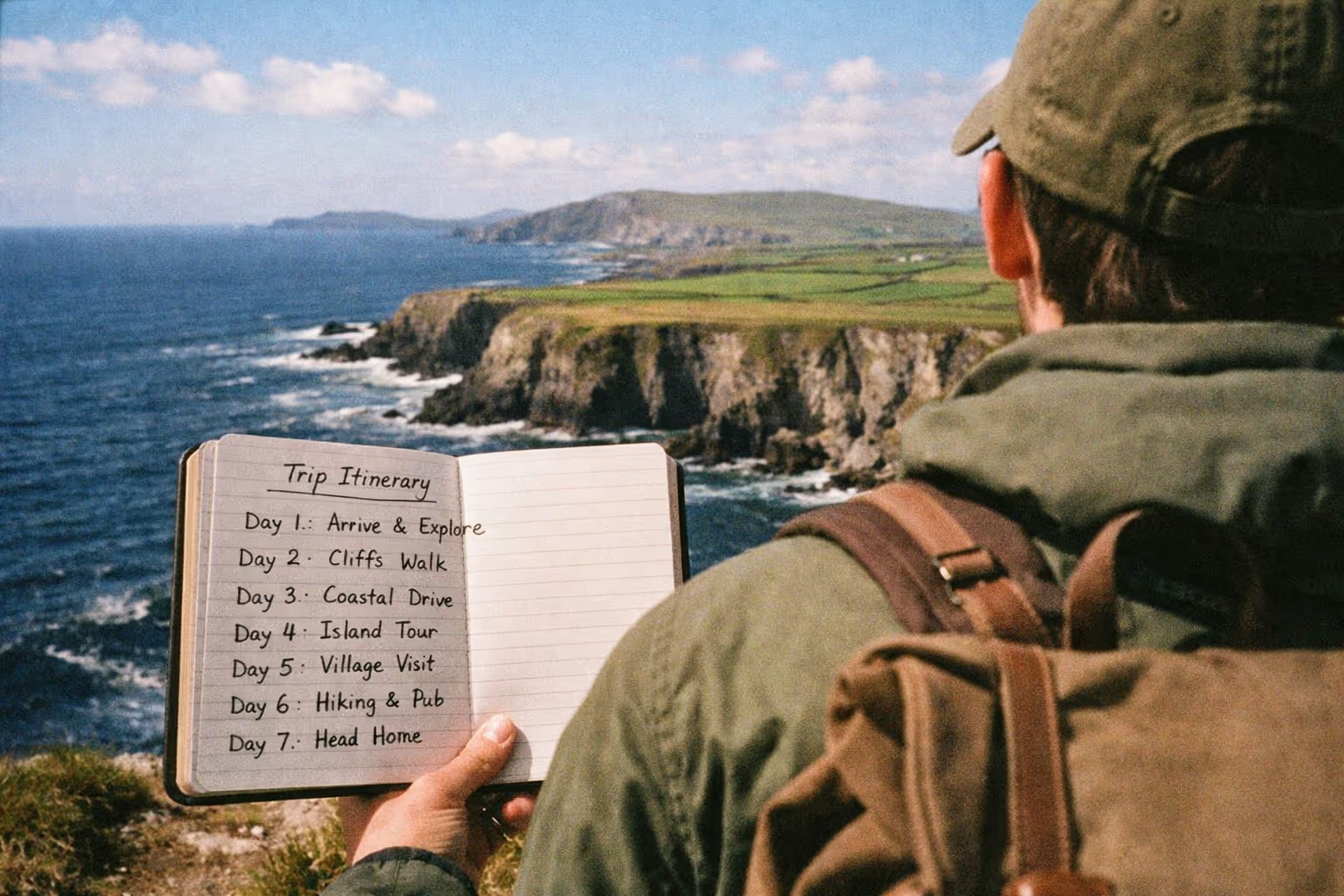
Things to do in Ireland run well past the postcard shortlist of the Cliffs of Moher and the Book of Kells. A good week balances those classics against stranger stops, a hike to the heart-shaped Lough Ouler, the underground Marble Arch Caves, and a generous layer of free ones like Dublin’s national museums and Belfast’s markets. One rule for a cross-border trip: euros in the Republic, pounds in the North. Blend the famous, the odd, and the free, and a single week goes far.
Things to Do in Ireland: Natural Wonders That Don’t Quit
Among the things to do in Ireland, the coastline and greenery stand out as unforgettable highlights. The Cliffs of Moher are the obvious starting point.
When I stood at the edge, looking out over the Atlantic, the drop of more than 700 feet hit me in a way photos can’t. The views stretch endlessly. Plan for 2-3 hours on site. If you’re doing a day trip from Dublin, expect a long haul: 10-12 hours total with around 2.5-3 hours driving each way, depending on traffic. For a fresh take, try the boat cruise that passes beneath the cliffs from Doolin harbor. It’s less crowded and gives you a different sense of scale.
Up north, the Giant’s Causeway is another natural oddity worth your time.
Thousands of interlocking basalt columns make a landscape that looks almost engineered. Walking among the hexagonal stones felt like being on a movie set. 2026 marks 40 years since it became a UNESCO World Heritage site, so expect some extra storytelling at the visitor center.
For a deeper dive into nature, Killarney National Park is hard to beat. It covers 10,236 hectares of mountains, lakes, woodlands, and waterfalls, meaning you can spend days here without repeating yourself (2).
During my visit, I made sure to see:
- Ross Castle, a 15th-century fortress on Lough Leane’s edge in Killarney town
- Muckross House, a Victorian mansion with gardens that invite slow wandering in Muckross
- Torc Waterfall, tucked in dense woodland and perfect for a short hike near Killarney
For something more demanding, climbing Croagh Patrick in County Mayo is a challenge with a payoff. The summit views are wide and rewarding, and you’ll be following the footsteps of pilgrims who’ve made this climb for centuries.
One practical tip: Ireland’s best views often come with narrow roads and slow traffic - expect to share the road with tractors - and plan extra time on drives, especially along the Wild Atlantic Way. Rushing here is a mistake.
Dive into Ireland’s Layered History and Culture
Ireland’s history is visible everywhere, and there are plenty of places where you can trace it firsthand.
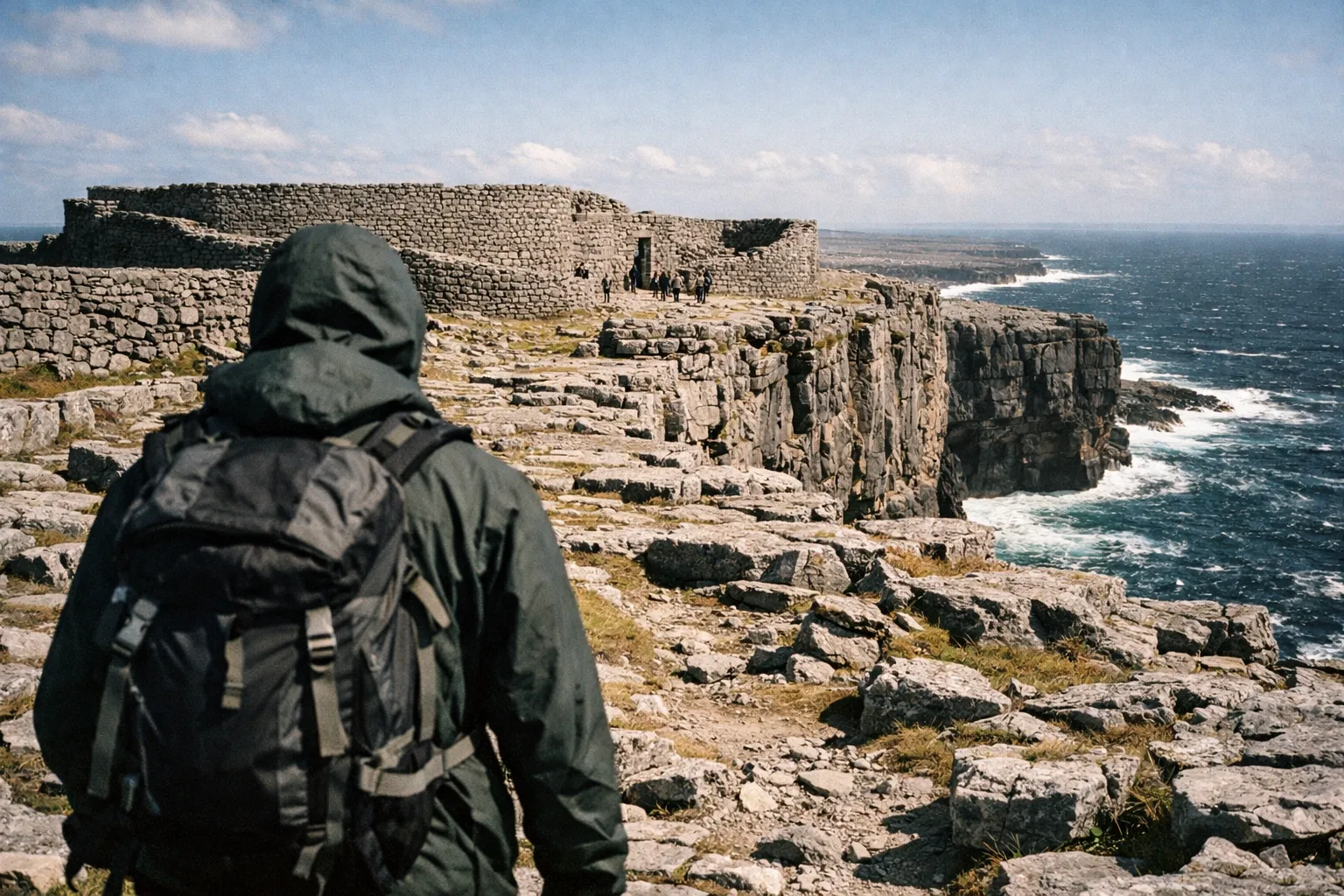
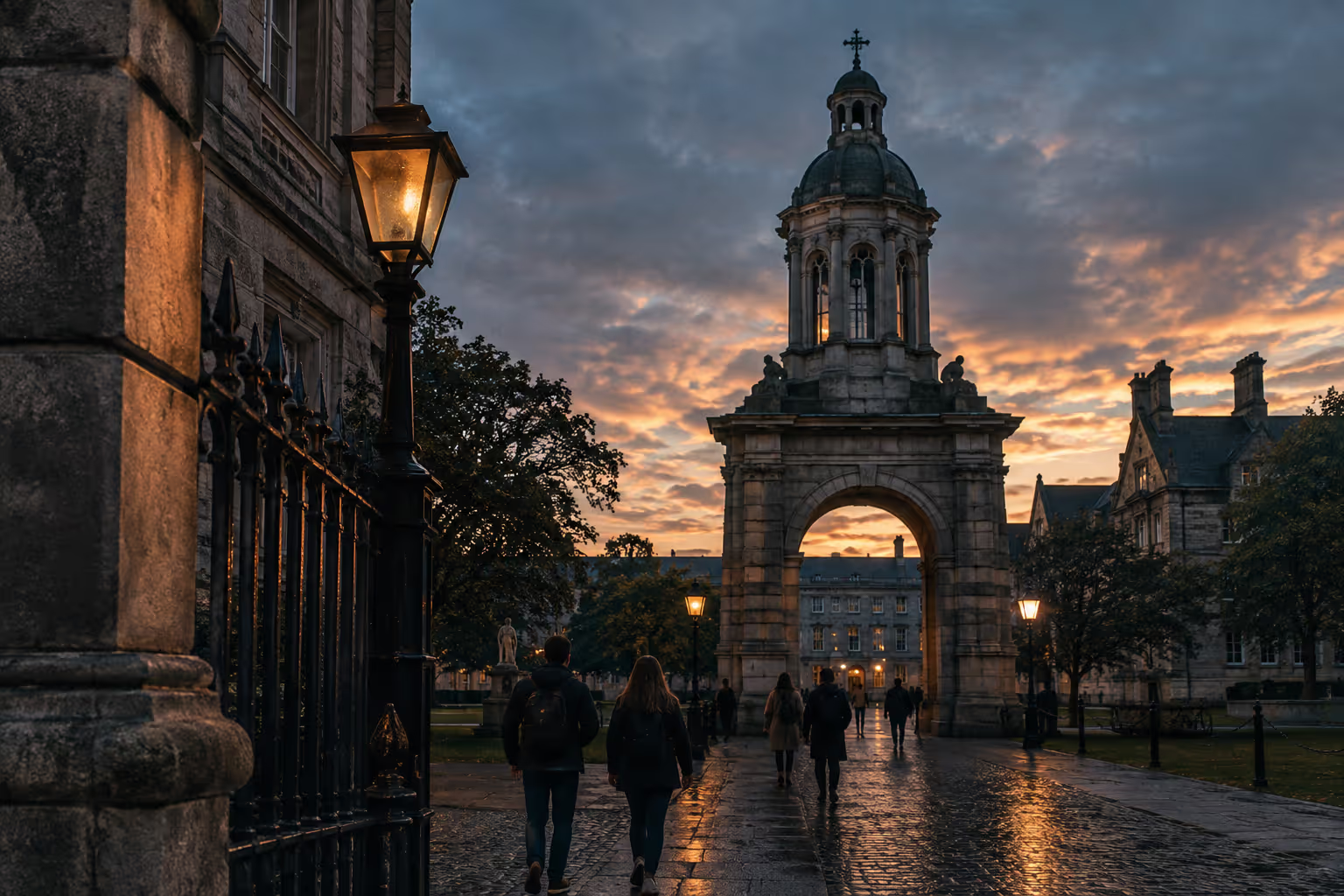
Dublin is a good starting point. The Trinity College area in the city center - specifically the streets around College Green and Nassau Street - balances modern energy with centuries-old stories.
At Trinity College, I spent an hour with the Book of Kells, a 9th-century illuminated manuscript that’s as delicate as it is detailed (1). The Long Room library, with its towering shelves of old books, felt like stepping into a film set.
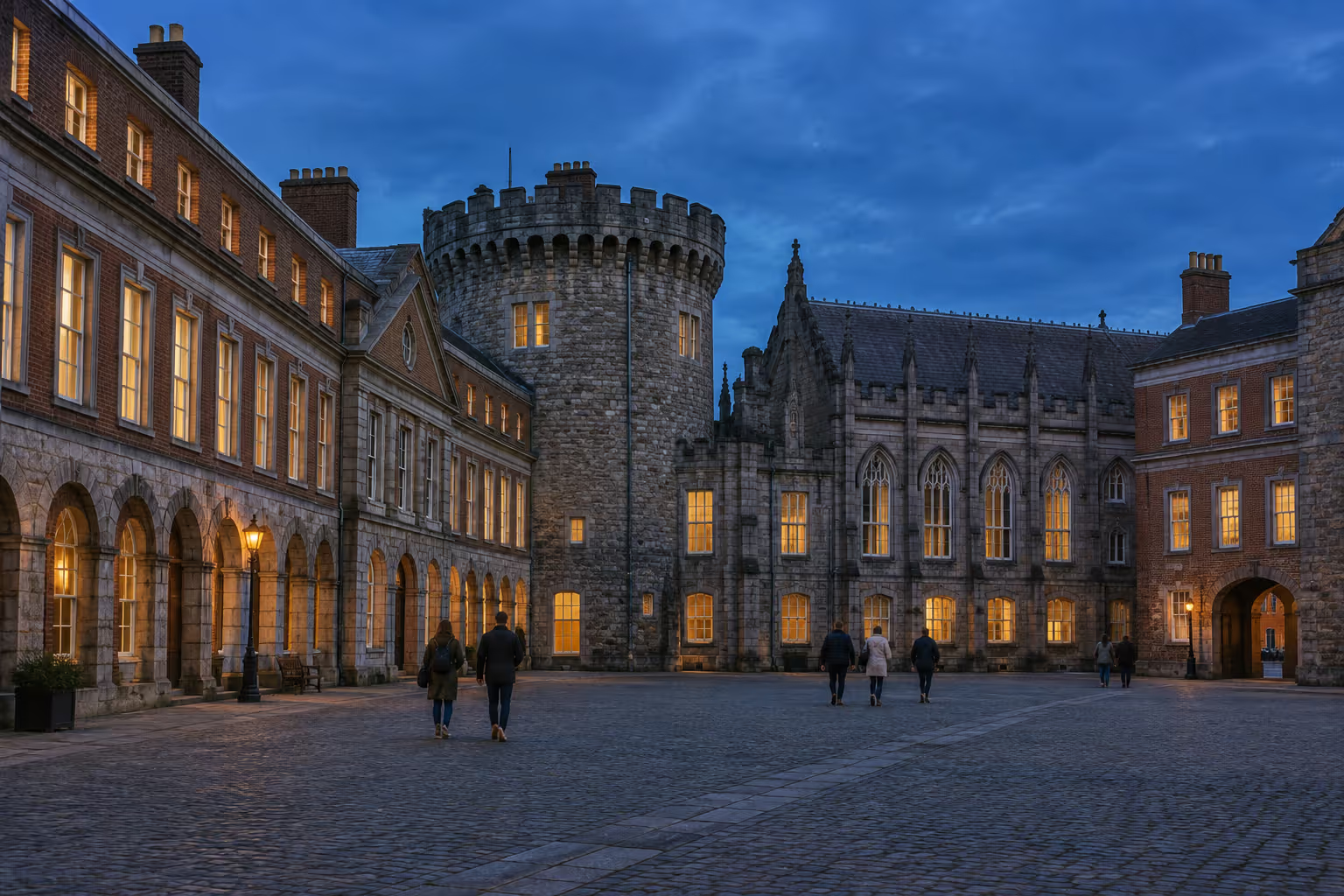
Another sobering stop is Kilmainham Gaol, a former prison where many figures of Ireland’s struggle for independence were held. The guided tour brings their stories to life and gives context to the country’s complex past.
If you want to go further back in time, Newgrange in County Meath predates the Egyptian pyramids and Stonehenge. Standing inside the burial chamber during the winter solstice light show is something I won’t forget.
Here’s a quick glance at some key sites:
Key Historical Sites in Ireland
| Trinity College | Kilmainham Gaol | Newgrange | Rock of Cashel | |
|---|---|---|---|---|
| Location | Dublin | Dublin | County Meath | County Tipperary |
| Historical Period | 16th century | 18th-20th century | Neolithic (3200 BC) | 12th-13th century |
Some tips for 2025-2026:
- Book Dublin’s popular sites early in peak season (June-September). Kilmainham Gaol often sells out.
- If you’re crossing into Northern Ireland, remember the currency changes (more on that below).
- When rain hits, use free museums as anchors rather than losing a day. Dublin’s national museums don’t charge admission (2) and are genuinely worth your time.
Taste Ireland’s Food and Hospitality Beyond the Clichés
No trip to Ireland feels complete without sampling the food and soaking up the hospitality.
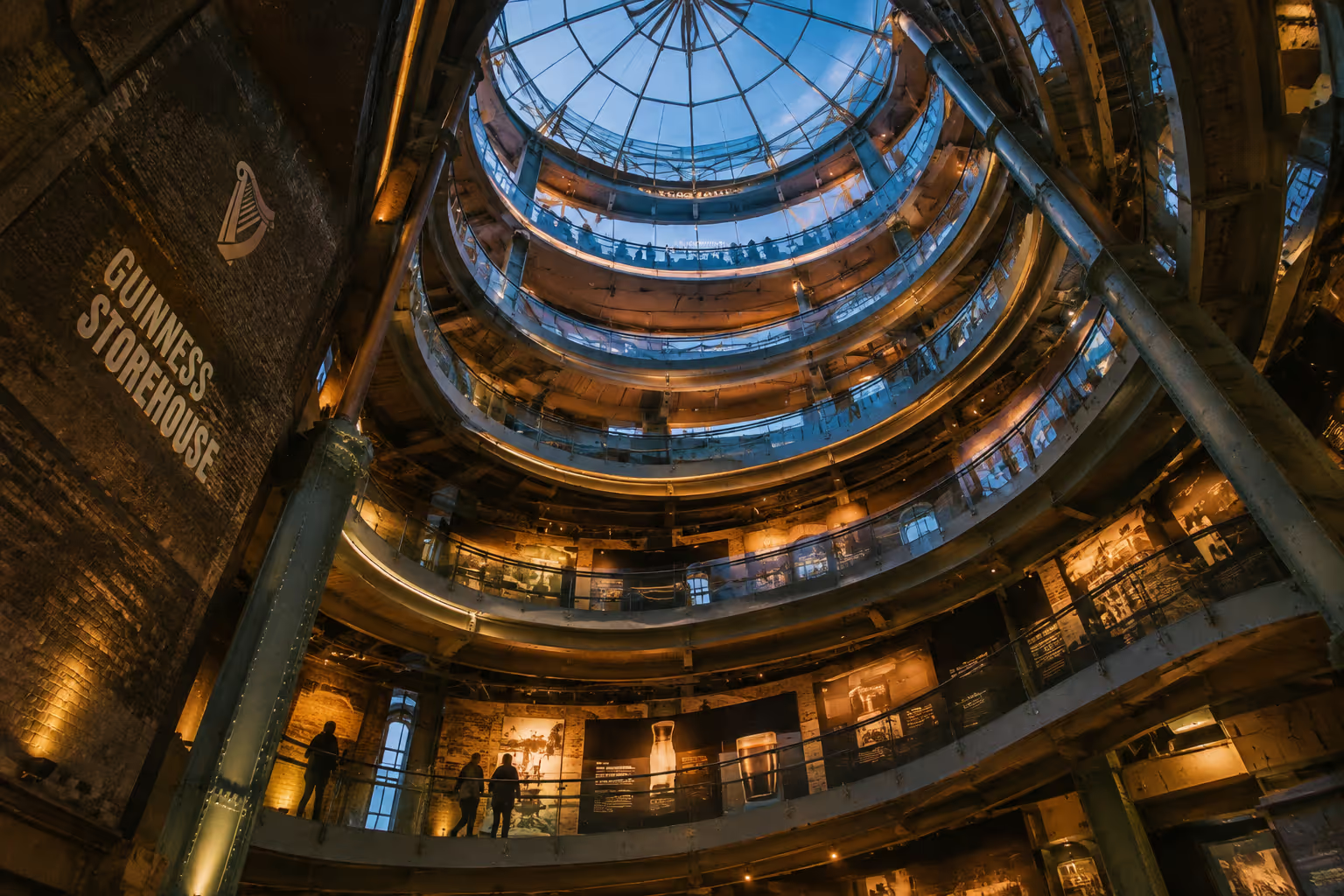
One highlight was the Guinness Storehouse in Dublin. The tour walks you through the brewing process and ends with a pint in the Gravity Bar, which has sweeping views of the city. Tickets usually run €26-30 (about $30-$33 USD) in 2025-2026, depending on when you go (1).
Whiskey fans should head to the Old Bushmills Distillery in Northern Ireland. It’s the oldest licensed whiskey distillery in the world, and the tasting at the end is a nice way to warm up on a chilly day.
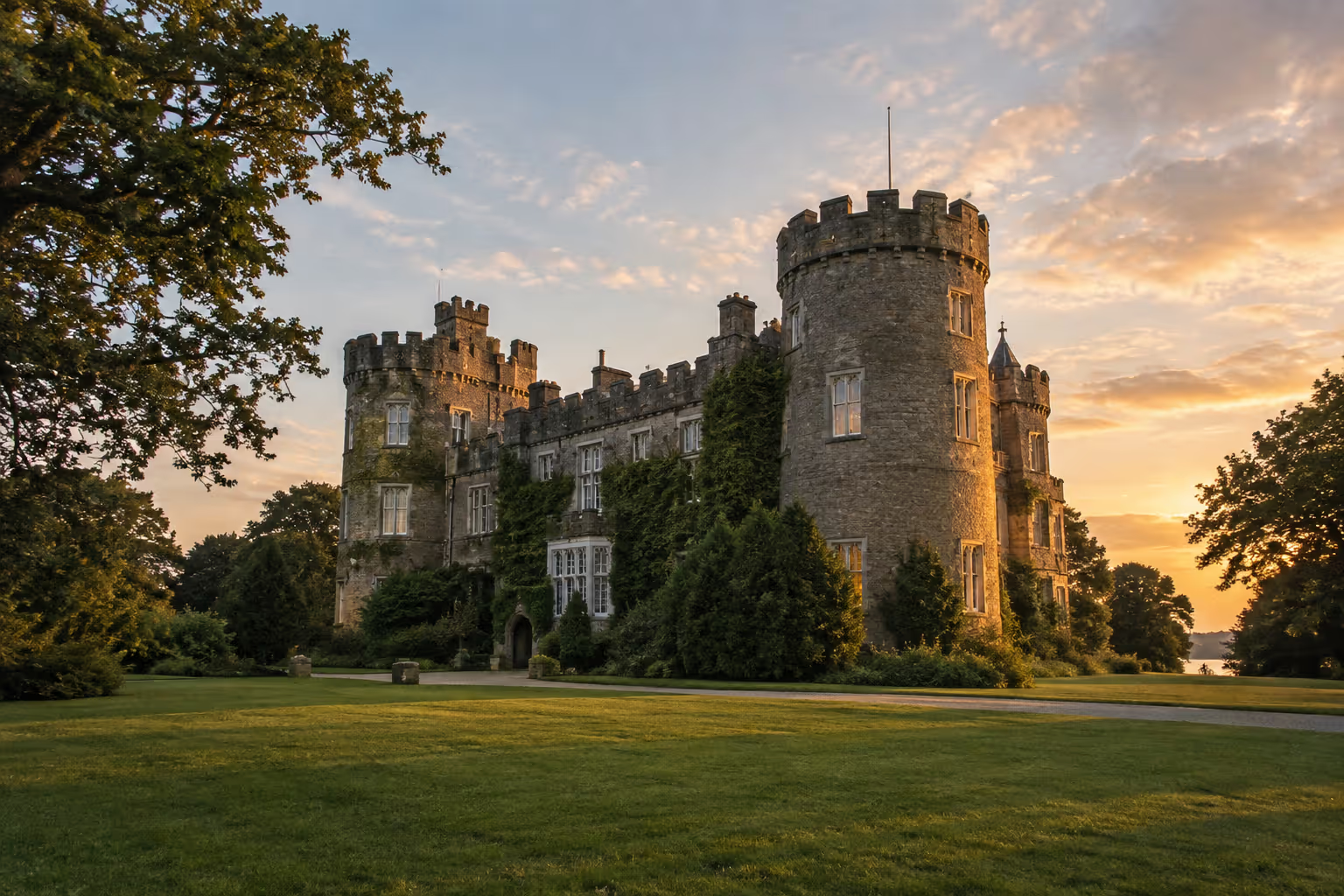
For a night that feels like stepping into another era, try a castle hotel stay. I spent a night at Dromoland Castle, where the combination of historic grandeur and modern comforts felt like a different world.
If you want something more down-to-earth, find a traditional music session in a pub. In Doolin, County Clare, I spent an evening tapping along to jigs and reels played by locals. The atmosphere was friendly, unpretentious, and felt like being invited into someone’s home.
A quick etiquette note: during pub sessions, don’t talk over the musicians or treat it like a performance staged for tourists. If you sit near the players, order promptly, keep your phone away, and never ask for requests - the musicians choose their own sets. Respect the space as if you were a guest in someone’s living room. Also, tipping is not expected but appreciated if you want to show gratitude.
✓ Pros
- Ireland's compact size makes it easy to combine nature, history, and culture in one trip
- Rich variety of landscapes from cliffs to dark-sky reserves
- Strong pub music culture offers immersive social experiences
✗ Cons
- Narrow roads and slow traffic can extend travel times unexpectedly
- Popular sites require early booking in peak season
- Currency differences between Republic and Northern Ireland can complicate budgeting
Essential Hits for First-Timers: the Ireland Bucket List
If you want the best things to do in Ireland without overcomplicating your plan, focus on a handful of anchor experiences and add smaller stops that suit your interests - whether that’s hiking, history, food, or music. These spots keep showing up in current guides and 2026 itineraries (1) for good reason.
1) Cliffs of Moher (County Clare)
They’re on every list for a reason. Stay nearby in Doolin or Lahinch if you can, and visit early or late to avoid the busiest times.
2) Dublin’s key sights: Trinity College + Guinness Storehouse
Do these on separate days if possible. Your feet and attention won’t thank you otherwise.
3) Ring of Kerry (County Kerry)
This scenic loop takes a full day - expect 8-10 hours with stops (7). Start early and slow down. The viewpoints and short walks are what make it worthwhile.
4) Giant’s Causeway + Causeway Coast (County Antrim, Northern Ireland)
Pair the Causeway with other coastal stops nearby so it feels like a day of variety, not just a long drive for some rocks.
5) Blarney Castle & Gardens (County Cork)
If you want the classic “kiss the Blarney Stone” moment, this is it. Adult tickets generally cost €22-25 (about $24-$28 USD) in 2025-2026 (9). The gardens are more expansive than you might expect - don’t rush it. The castle is located just outside Blarney village, about 8 km from Cork city center.
If you’re trying to keep things sane with a week to spend, this list also helps you prioritize. Start here, then layer in regions.
Big Views, Small Efforts: the Coolest Corners of Ireland
Not every cool thing involves a serious hike or a multi-day trek. The coolest things to do in Ireland often combine manageable effort with a good payoff, especially on the west coast.
Here are a few that consistently deliver:
- Drive a stretch of the Wild Atlantic Way - The official route is about 2,500 km from Donegal to Kinsale (3). You don’t have to do the whole thing; picking a section in Donegal, Connemara, Clare, Kerry, or West Cork will give you the essence.
- Stargaze at Kerry International Dark-Sky Reserve - Plan around a new moon for the best views. It’s the kind of night that resets your brain after city days.
- See the Cliffs of Moher from a boat - The cliffs are iconic from above, but the sea perspective adds a new scale.
- Hike Croagh Patrick (if your knees agree) - It’s a proper climb, and weather changes fast.
- Try surfing or take a beginner lesson on the Atlantic - July is prime time, with long days and plenty of tour options (7). Watching surfers from the beach also makes for a relaxing afternoon.
If you want to avoid burnout, balance one “effort” day (hike or drive) with a more relaxed day (city or museum). Ireland punishes overambitious plans.
Unusual Things to Do in Ireland That Still Feel Irish
If you’ve ticked off Dublin, the Cliffs, and a Kerry day, these unusual things to do in Ireland help you make the trip your own. They’re not obscure just for the sake of it - more like places and experiences that don’t always get top billing.
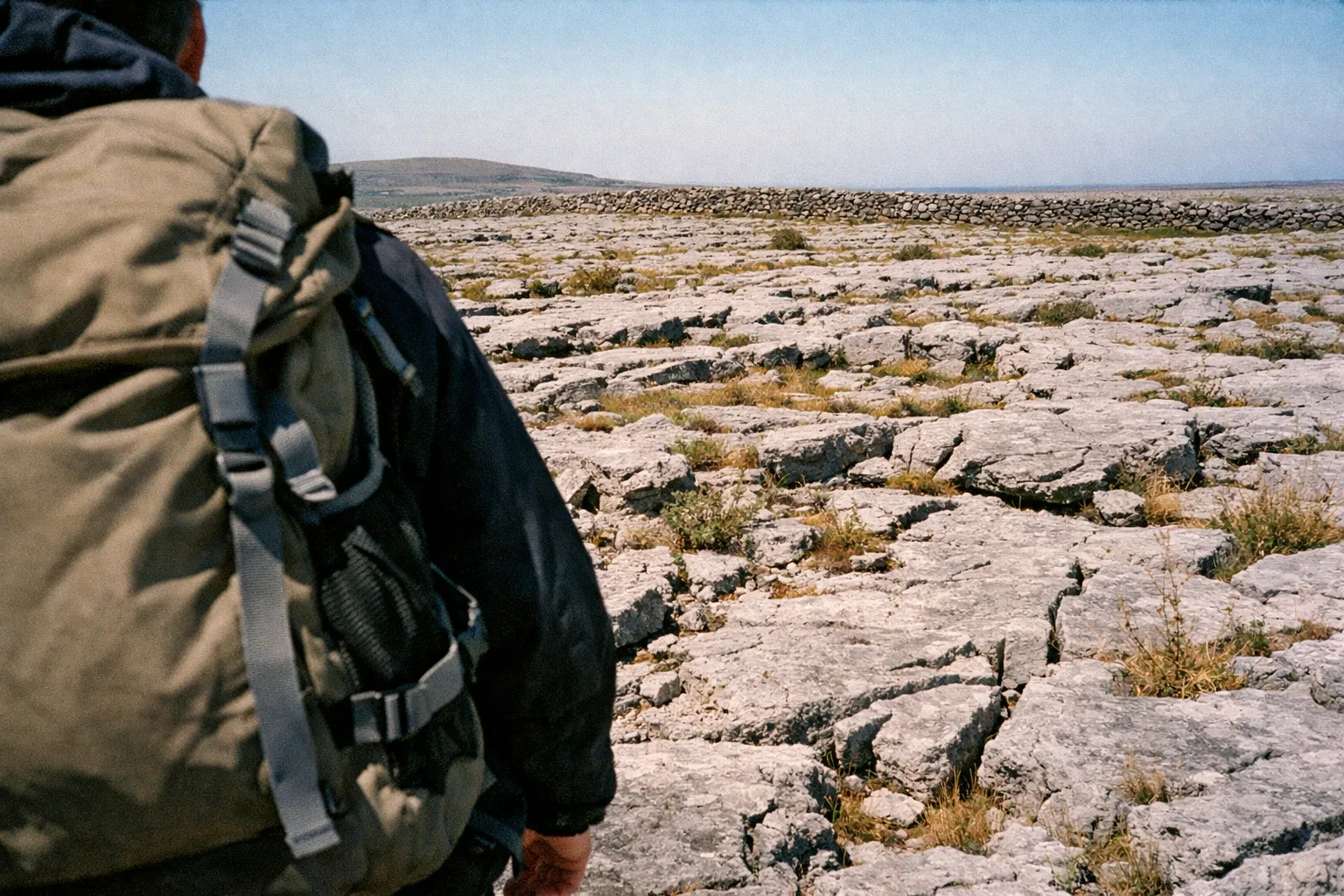
Swap the Ring of Kerry for the Beara Peninsula
Beara offers the southwest coast vibe - sea views, small villages, winding roads - with fewer tour buses. It’s often recommended as a quieter alternative.
Hike to Lough Ouler, the heart-shaped lake near Glendalough
Yes, it really is heart-shaped from above. This hike is a quieter “wow” spot when Glendalough’s main trails get busy. Good footwear is a must; it’s not a stroll.
Go underground at Marble Arch Caves (County Fermanagh, Northern Ireland)
This is a solid wildcard day: underground rivers, dramatic chambers, and a weather-proof plan if rain arrives as usual.
Drive the Torr Head Scenic Route (only if you’re confident behind the wheel)
Heads-up: the road is narrow and exposed, and not a place to practice left-side driving in bad weather. If that sounds stressful, skip it - no need to force a thrill.
Spend a night chasing dark skies
Kerry’s Dark-Sky Reserve is the headline, but the key is planning one night around darkness, not dinner. New-moon nights are best.
Free Stops Across Ireland That Don’t Feel Like Filler
The free things to do in Ireland make it easier to stretch your budget - especially if you pair one paid attraction a day with several no-cost stops.
In Dublin: a rainy-day plan built around free national museums
Ireland makes this easy. The National Museum of Ireland sites in Dublin - Natural History, Archaeology, and Decorative Arts & History - don’t charge admission (2). The National Gallery of Ireland is another solid choice for a couple of hours (2).
A practical approach: save paid tickets (Guinness, Book of Kells, Kilmainham) for your best weather days, and use museums as backup when the sky turns grey.
Parks and walks that cost nothing
- Phoenix Park (Dublin) - one of Europe’s largest urban parks at 707 hectares, stretching from Castleknock to Chapelizod - is perfect for a decompressing walk or cycle.
- Killarney National Park offers lakeshore strolls and viewpoints without an entry fee; you only pay for parking or some attractions depending on where you stop. The trail from Muckross House to Torc Waterfall is free and takes about 45 minutes return.
Markets to browse for free (and snack if you want)
In Belfast, St George’s Market on May Street in the city center is a classic Friday or Saturday morning stop with free entry - you only pay for what you eat or buy (2). Even a coffee and a wander through the Victorian hall give you a solid read on the city.
Coastal viewpoints and beaches
Ireland’s generosity with scenery means many of its best moments are simple pull-offs, short trails, or beaches where your only cost might be parking and whatever you brought to eat.
A Realistic 7-Day Plan for a Week in Ireland
People looking for things to do in Ireland for a week want to see a lot without spending the whole time in the car. The good news: most updated itineraries agree that seven days is enough to cover highlights without feeling rushed, as long as you focus on a couple of regions rather than the entire island (5).
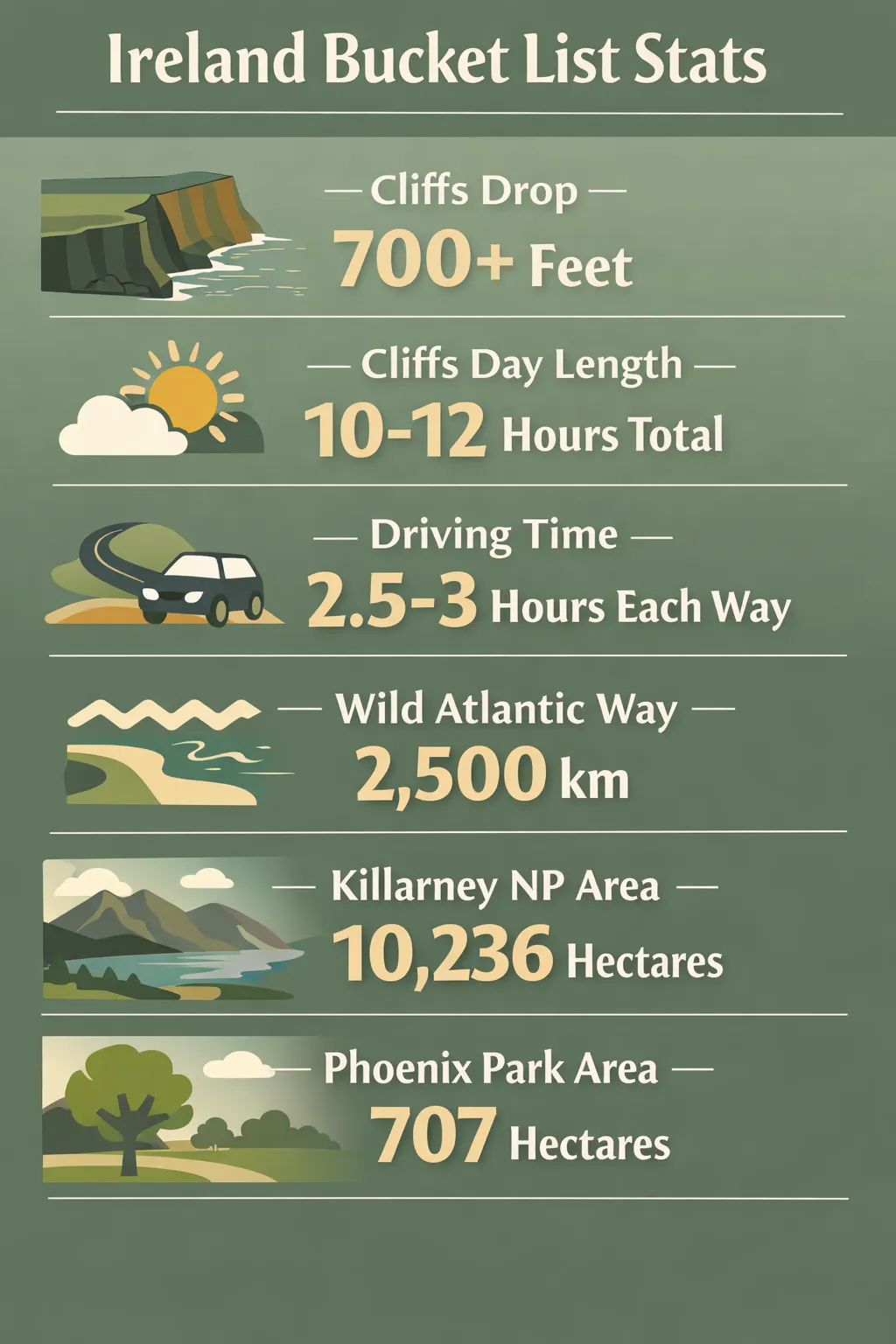 Core numbers: more than 700 feet drop at Cliffs of Moher; 10-12 hours total day trips; 2.5-3 hours driving each way; 2,500 km Wild Atlantic Way; 10,236 hectares Killarney National Park; 707 hectares Phoenix Park.
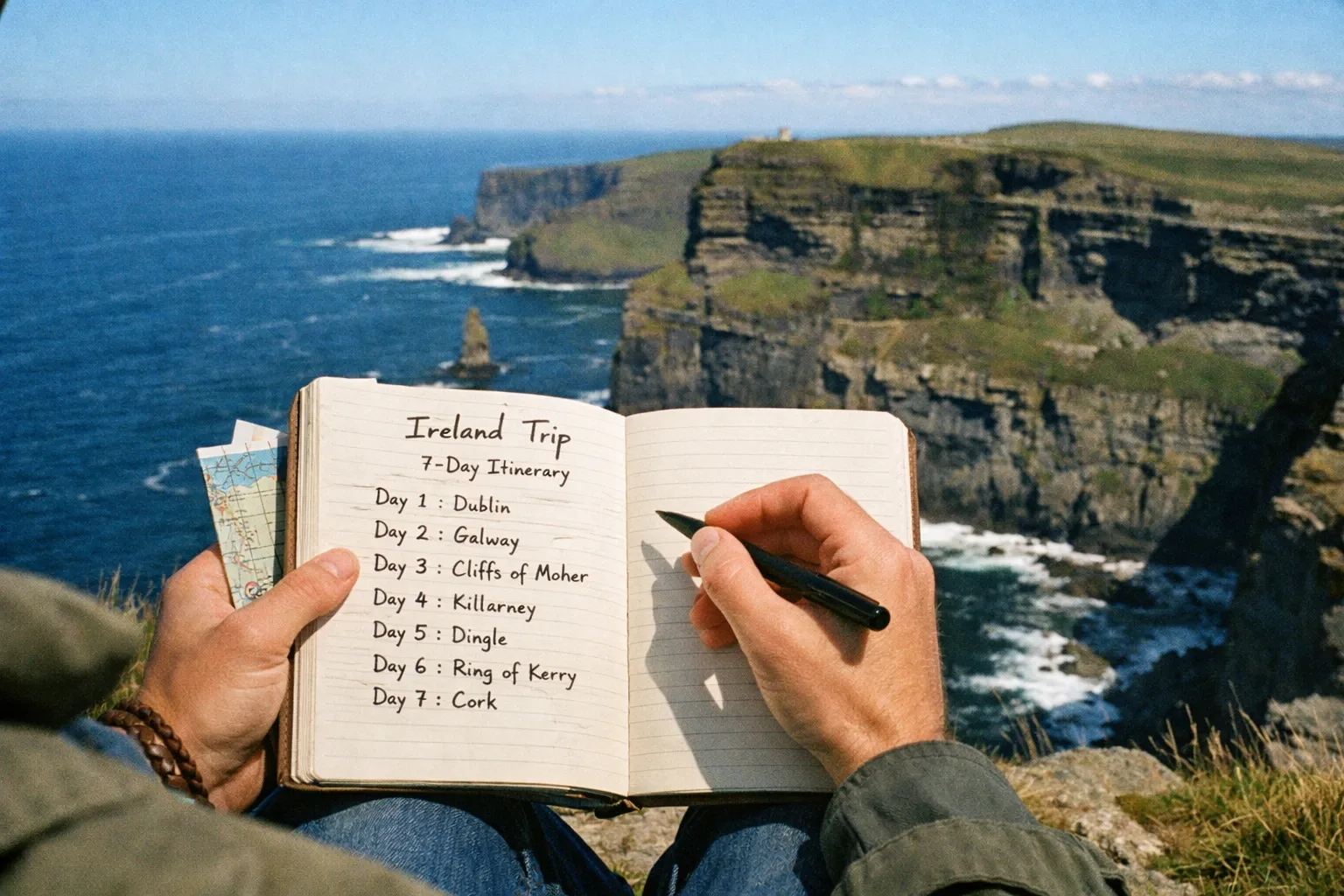
Here’s a framework that fits how most first-timers actually move around.
7-Day Ireland Itinerary Options
7 daysThree practical week-long itineraries covering different regions and interests.
- 1
Option A: Dublin + West (Clare/Galway) + a Kerry day
Days 1-2 in Dublin for Trinity College, Guinness Storehouse, and a free museum. Day 3 travel to Clare with an overnight. Day 4 Cliffs of Moher and Doolin music. Day 5 Galway base. Day 6 Ring of Kerry or Killarney National Park. Day 7 return toward Dublin or fly out from Shannon/Cork.
- 2
Option B: Dublin + Northern Ireland (Belfast/Causeway Coast)
2-3 days in Dublin for major sights. 1-2 days in Belfast for museums, food, and Titanic Belfast. Causeway Coast day trip for Giant's Causeway and nearby coastline. Note currency difference with pound sterling in Northern Ireland.
- 3
Option C: Dublin + Southwest (Cork/Kerry)
2-3 days in Dublin. Base in Cork or Killarney. Visit Blarney Castle & Gardens. Explore Ring of Kerry and/or Killarney National Park.
Money, currency, and handling US dollars
This detail trips up many first-timers.
- The Republic of Ireland uses the euro (EUR) (4).
- Northern Ireland uses pound sterling (GBP) (4).
- US dollars aren’t accepted for everyday purchases - plan to use cards or carry euros/pounds (4).
Ireland is very card-friendly, with tap-to-pay common (4). Still, I carry some cash for:
- rural cafés
- small pubs
- taxis in smaller towns
- small admissions or parking where card readers can be unreliable
If crossing the border (Donegal to Derry, Dublin to Belfast), your easiest move is:
- pay by card whenever possible, and
- withdraw a small amount of local currency from ATMs on each side as needed.
Frequently Asked Questions
- What are the top 5 things to do in Ireland?
- Top five are Cliffs of Moher, Trinity College & Book of Kells, Guinness Storehouse, Ring of Kerry, and Giant's Causeway.
- What should you not miss in Ireland?
- Don't miss a big coast view, a Dublin culture day, a scenic full-day drive or tour, and a proper pub music session.
- Is 3 days in Ireland enough?
- Three days covers Dublin well but not the whole country; pick one close day trip if limited on time.
- Can I use US dollars in Ireland?
- No, US dollars aren't accepted for everyday purchases; use euros in the Republic and pounds in Northern Ireland.
- How should I handle currency when crossing between Republic and Northern Ireland?
- Pay by card when possible and withdraw small amounts of local currency from ATMs on each side as needed.
- Are there free things to do in Ireland worth visiting?
- Yes, free national museums in Dublin, parks like Phoenix Park, and markets such as St George's Market in Belfast offer value.
- What's the best way to avoid crowds at popular sites?
- Visit early or late in the day and book tickets in advance during peak season to avoid crowds.
What Actually Matters When You Plan Your Trip
If you want a trip that feels full without being frantic, pick:
- 2-3 “big” anchors (Dublin + Cliffs + one scenic drive),
- 2-3 “small” wins (free museums, markets, short hikes, pub sessions),
- and 1 wildcard from the unusual things to do in Ireland list (Beara Peninsula, dark-sky night, Marble Arch Caves).
Book time-sensitive tickets early, keep driving days realistic, and don’t count on using US dollars once you land. That’s how you turn a generic list of things to do in Ireland into a week that actually works on the ground.