The best things to do in Athens Greece start with beating the crowds, not checking off ruins. Hit the Acropolis at its 8 a.m. opening or in the last two hours, when the tour groups and midday heat thin out. Plenty is free: Lycabettus or Philopappos Hill for the view, the Benaki Museum on Thursdays, street art in Psirri. The city wakes up for dinner, so save Gazi and a rooftop cocktail for after 10 p.m. Three days covers the essentials, four if you add a day trip.
Things to do in Athens Greece: A City Steeped in History and Culture
When considering things to do in Athens Greece, you step into one of the world’s oldest continuously inhabited cities - founded over 3,400 years ago - where history and culture are layered visibly throughout the urban landscape. This is a place where democracy was argued into existence, philosophy became a discipline, and the architecture still tells that story in stone. Exploring Athens reveals civilizations stacked on top of each other in ways that take a few days to start reading properly.
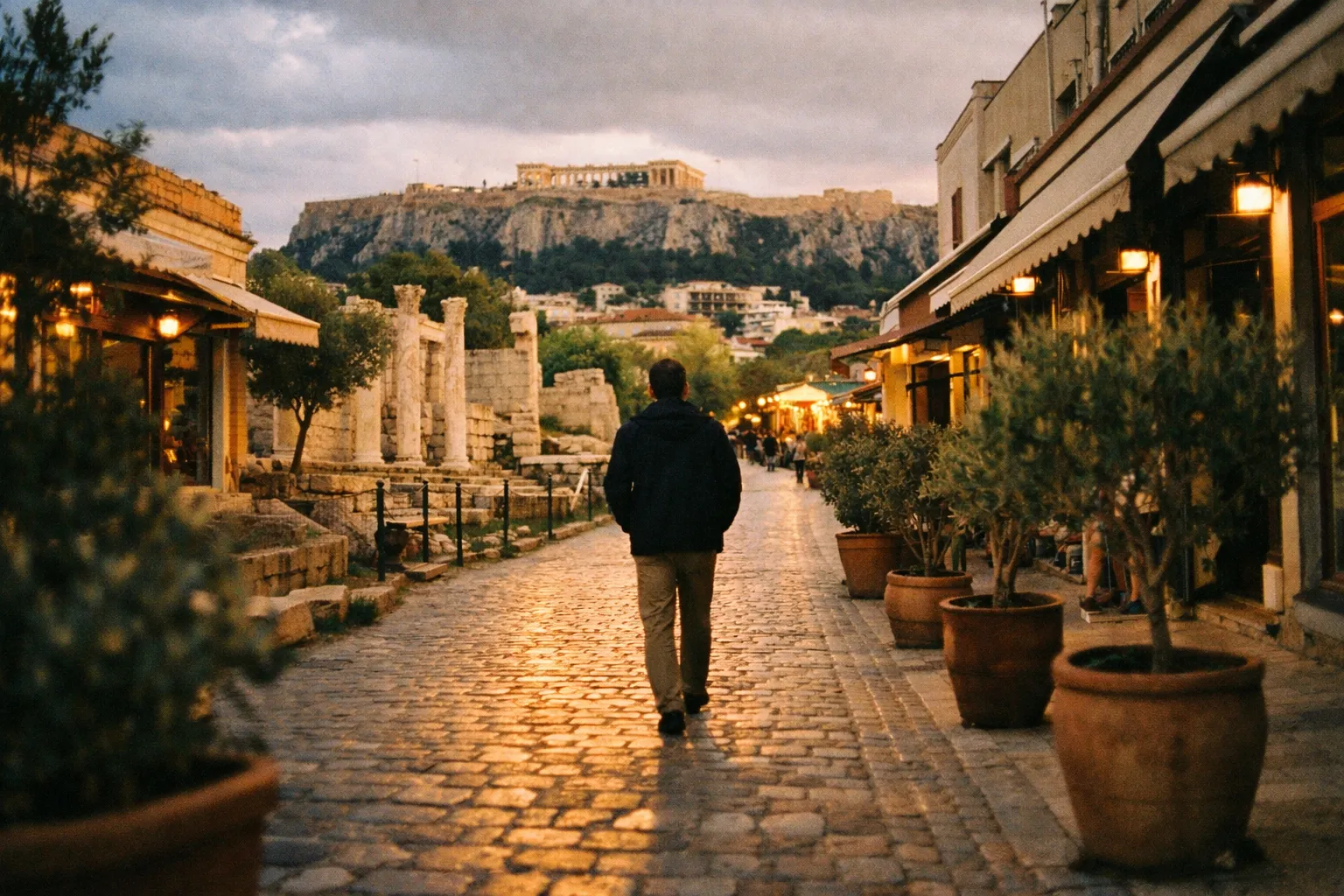
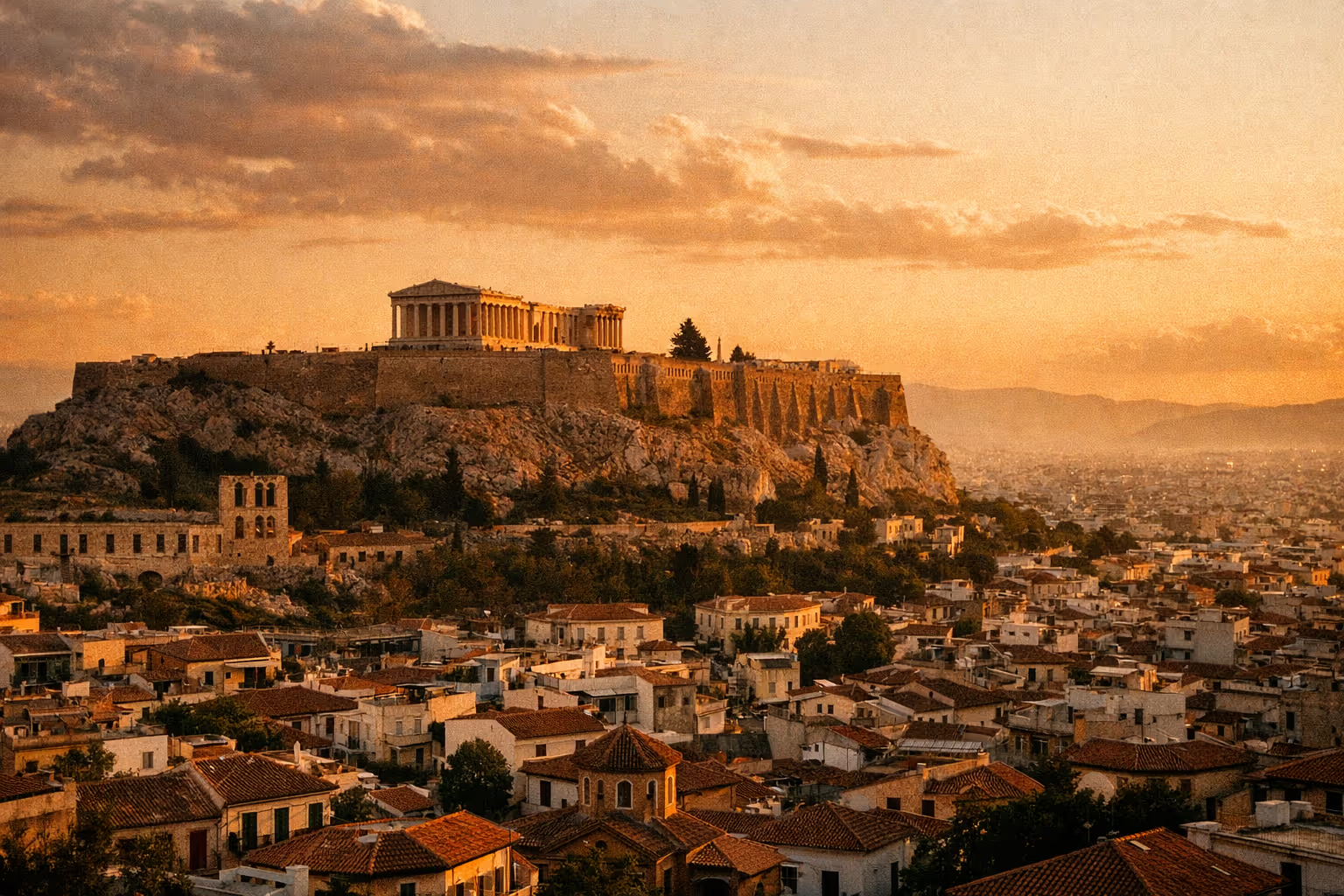
The Acropolis is the obvious centerpiece, and it earns the attention. I’ll be honest: I expected to find it slightly overrun and slightly disappointing, the way famous things sometimes are. I was wrong. The first time I climbed those steps - early morning, before the tour groups arrived - the Parthenon stopped me mid-stride. The columns, the scale, the fact that it’s still standing after 2,500 years. The archaeological site typically opens 08:00-20:00 in summer, with last entry roughly 30-60 minutes before closing (8). Go at opening or in the final two hours of the afternoon. Midday in July and August is brutal - temperatures above 32°C (90°F) and marble that turns slick underfoot.
Athens runs deeper than its ruins, though. The city has:
- World-class museums like the Acropolis Museum and the National Archaeological Museum
- Theaters showing both classical Greek plays and contemporary productions
- A live music scene that ranges from bouzouki (Greek lute) to electronic
- Art galleries covering antiquities and current Greek work
One of the evenings I keep coming back to mentally: an outdoor concert at the Odeon of Herodes Atticus. A Roman-era theater, music under the stars, the illuminated Acropolis rising behind the stage. It’s the kind of night that recalibrates what a summer evening can look like.
✓ Pros
- Rich layers of history visible in architecture and ruins
- Compact city center with many key sites within walking distance
- Vibrant cultural life including theaters, music, and galleries
- Free and low-cost activities available
✗ Cons
- Summer heat can be intense, especially midday
- Pickpocketing reported in crowded tourist areas
- Late dining hours may require adjustment
The top 10 must-see spots and experiences in the city
If you’re working with limited time and need to hit the essentials, these are the top 10 things to do in Athens, Greece. Nearly all of them sit within about 3-4 km of each other in the center, which makes Athens a genuinely rewarding city to cover on foot.
- The Acropolis and the Parthenon - non-negotiable. Best seen early morning or late afternoon.
- The Acropolis Museum - the glass-floored galleries hold sculptures pulled from the site above, displayed at the same orientation as the temples themselves.
- The Ancient Agora - the marketplace where Socrates argued and democracy took shape, anchored by the remarkably intact Temple of Hephaestus.
- The Temple of Olympian Zeus (Olympieion) - 15 towering columns survive of what was once the largest temple in Greece.
- Syntagma Square and the Changing of the Guard - the Evzones in their pleated uniforms perform a slow, ceremonial change every hour on the hour outside Parliament.
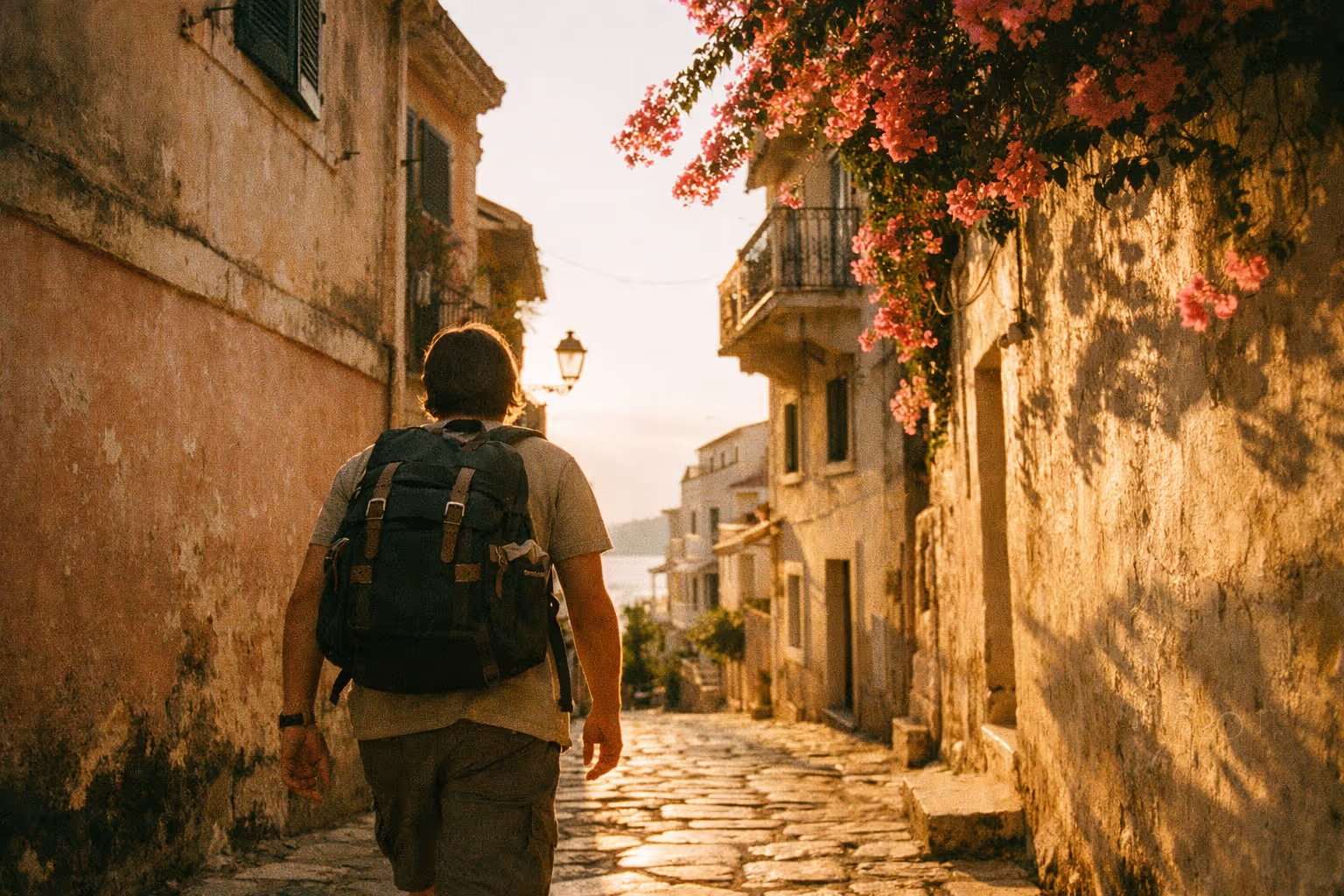
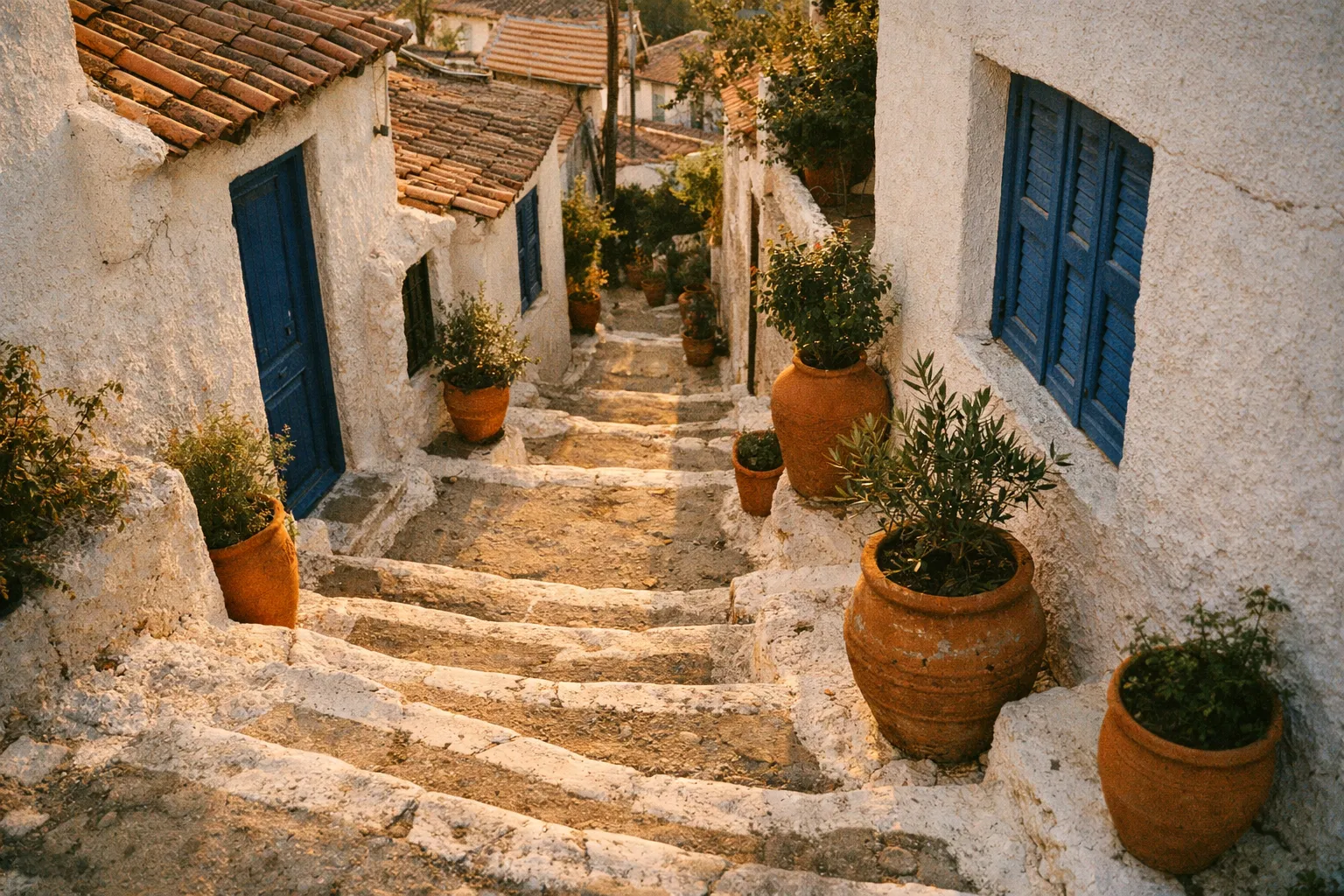
- Plaka and Anafiotika - the old town’s stepped lanes and the tiny Cycladic-style island quarter tucked beneath the Acropolis.
- Monastiraki Flea Market - a warren of antiques, records, and Greek souvenirs.
- The National Archaeological Museum - the country’s finest collection of antiquities, north of the center.
- Lycabettus or Philopappos Hill - the two best free viewpoints in the city.
- The Panathenaic Stadium - the marble stadium that hosted the first modern Olympics in 1896.
A multi-site ticket covering the Acropolis, Ancient Agora, Roman Agora, Temple of Olympian Zeus, and several other archaeological sites is available - pricing and bundling have changed in recent seasons, so check the official Greek Ministry of Culture site before you book. Individual site tickets ranged from €10-€20 (≈ USD 11-22) depending on the site. If you’re staying two days or more and plan to visit several sites, it pays for itself quickly. Book online for peak season (June-September) to skip the ticket queue and lock in an entry slot (2)(8).
The Acropolis Museum charges around €10-€15 (≈ USD 11-17) for a standard adult ticket depending on season (2)(9). In summer (April 1-October 31) it runs 09:00-17:00 on Monday and 09:00-20:00 Tuesday-Sunday, with late Friday hours that make it easy to fold a museum visit into an evening(9). Guided Acropolis and Parthenon walking tours run roughly USD 40-60 per person for 2-3 hours and consistently score 4.8-4.9 out of 5 across thousands of reviews on the major booking platforms (8).
Making the most of a single day: a tight but workable itinerary
Maybe you’re island-hopping and Athens is a layover. Maybe the itinerary just didn’t allow for more. Here’s how to handle what to do in Athens in one day without collapsing by dinner. Budget 8-10 hours and expect to walk 10-15 km - real shoes, a hat, and water are not optional.
- Morning (2-3 hours): Start at the Acropolis right at opening, 08:00, before the tour groups and the heat. Work through the Propylaea, the Parthenon, the Erechtheion, and the Temple of Athena Nike.
- Late morning (2 hours): Walk down to the Acropolis Museum. The sculptures make far more sense once you’ve seen where they came from.
- Midday (1-2 hours): Lunch and a wander through Plaka and Anafiotika - the whitewashed island-style pocket of houses climbing the Acropolis’ north slope.
- Afternoon (1 hour): Loop past the Ancient Agora or Syntagma Square for the Changing of the Guard.
- Sunset (1-2 hours): Climb Philopappos Hill for the best free Acropolis view in the city, or Lycabettus for the wider panorama.
You’ll skip the secondary museums and any real shopping. That’s the trade-off. Don’t try to cram four or five major sites plus multiple museums into a single day - that’s the classic first-timer mistake, and it turns a genuinely interesting city into a blur of aching feet (6).
Free activities and sights to enjoy around Athens
You can build a solid day here without spending much. Athens is generous with free things to do in Athens, Greece, and if you prioritize no-entry options you can keep activity costs under USD 50 a day - often well under.
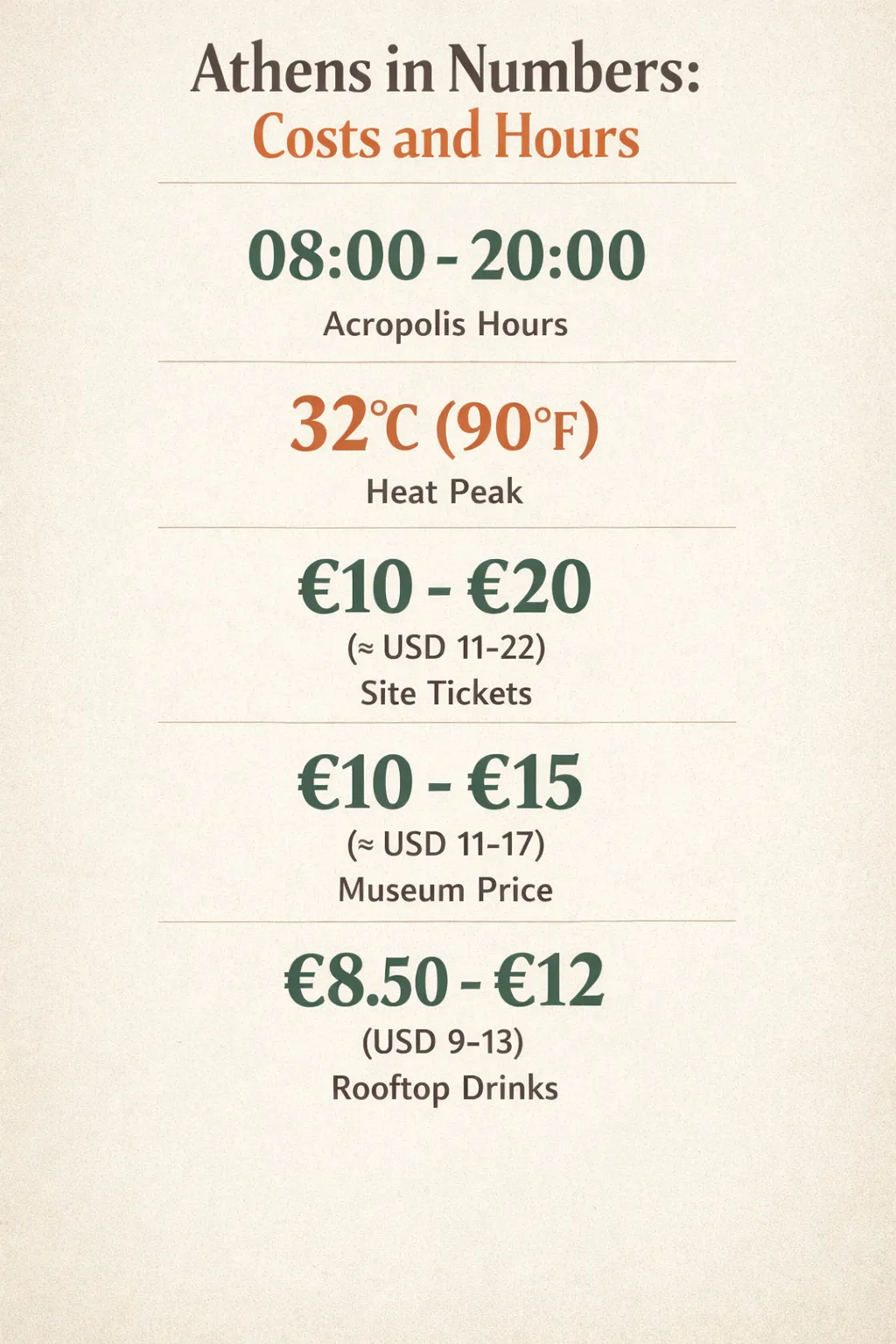 Athens planning snapshot: Acropolis hours 08:00-20:00; site tickets €10-€20 (≈ USD 11-22); Acropolis Museum €10-€15 (≈ USD 11-17); rooftop cocktails €8.50-€12 (USD 9-13); heat up to 32°C (90°F).
- Lycabettus Hill (about 277 m) and Philopappos Hill (about 147 m) are both free and deliver the best panoramas in the city.
- Free walking tours run 2-2.5 hours on a tip-based model, covering a 2,500-year sweep of the city. Suggested tips run €10-€15 (USD 11-17) per person, and taking one early in your trip orients you for everything that follows.
- Free museum days make a real dent. The Benaki Museum of Greek Culture offers free admission every Thursday, and the National Historical and Ethnological Museum is free on Sundays - that’s USD 10-15 saved per visit.
- Street art corridors in Psirri, Kerameikos, and Exarchia turn a walk into a rolling gallery of murals. Worth doing even if you’re not particularly into street art.
- The National Gardens behind Parliament are shaded, free, and a genuine reprieve from the heat.
- “This is Athens - City Festival” programming has expanded to over 250 free-entry events in May - concerts, tours, and street parties across the city (3).
The only cost baked into most of these is a metro or bus fare of about €1-1.40 (USD 1.10-1.60) per ride.
Fun and unique experiences to explore in Athens
Beyond the ruins, there’s a whole layer of the city built around eating late, browsing well, and finding the odd corners. Some of the more fun things to do in Athens, Greece - and a few genuinely unique things to do in Athens, Greece that don’t appear on every list:
- Open-air cinema at Cine Paris in Plaka, where films screen against a backdrop of the floodlit Acropolis. Tickets are modest, usually under USD 10-15, and screenings start around 21:00-22:00 in summer. I went on a Wednesday in late June and the place was maybe two-thirds full - relaxed, no jostling for seats.
- The Industrial Gas Museum in Gazi, set inside a former gasworks, runs free tours monthly. An unexpected slice of industrial heritage among all the antiquity (3).
- Shopping in Koukaki and Kolonaki. Boutiques like ERE Athens carry Greek ceramics, textiles, and organic Aegean products - a different category entirely from the generic souvenir stands around Monastiraki (1).
- The Happy Train, a small train that loops from near Syntagma - low-effort, kid-friendly, useful when little legs give out. Usually under €10 per person.
- Rooftop sunset with the Parthenon in view at bars like Couleur Locale or Attic Urban Rooftop (more on those below).
Families do well here. Guides count 14-plus kid-friendly activities, from the National Gardens to the Hellenic Children’s Museum, and kids under 18 are often free at the major museums (10). Keep museum stints to 60-90 minutes and lean on the shaded options to avoid meltdowns on the hot archaeological sites.
Nightlife and evening options: what to do after dark
Athens comes alive after dark, and the local rhythm takes some adjustment. Greeks dine late - restaurants and nightlife areas don’t really hit their stride until 20:00-22:00 - so if you show up hungry at 18:00 expecting a full room, you’ll be eating alone in a half-empty taverna (7). Here’s how to plan things to do in Athens, Greece at night:
- Rooftop bars with Acropolis views. Couleur Locale and Attic Urban Rooftop are the standouts. Cocktails run about €8.50-€12 (USD 9-13), and arriving 30-60 minutes before sunset gives you a real shot at a front-row table without a reservation(5).
- Gazi and Psirri nightlife. Bars in these neighborhoods start filling after 22:00 and keep going into the early hours (4).
- Late museum hours. The Acropolis Museum’s Friday evening opening lets you fold culture into the front end of a night out (2)(9).
- Open-air cinema at Cine Paris, for a slower evening.
- Structured night walks and Psirri bar crawls cut the navigation stress and give you local context for a modest tip or fee.
A night of bar-hopping plus a cinema ticket will likely run USD 30-60, not counting dinner (4). One safety note worth flagging: keep bags zipped and phones tucked away around crowded squares like Syntagma and Monastiraki, and on the metro. Pickpocketing is the most common issue travelers report, and solo travelers - especially women - should stay alert after dark.
Exploring Athens’ neighborhoods
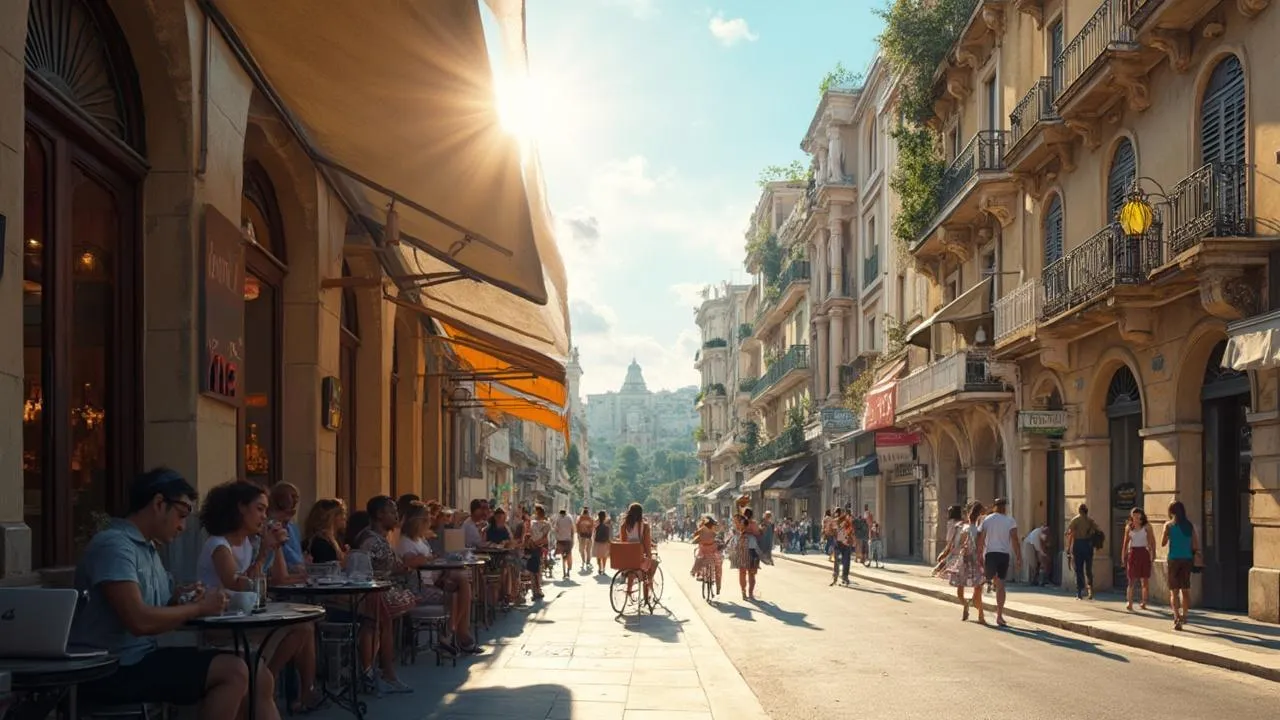
Athens is a city of distinct neighborhoods, and each one has a different character. The easiest way to understand them is to walk between a few.
Athens Neighborhoods at a Glance
| Plaka | Monastiraki | Kolonaki | Exarchia | Koukaki | |
|---|---|---|---|---|---|
| Known for | The old town's stepped lanes | Flea market, street food | Upscale shopping, cafes | Alternative scene, street art | Design shops, quiet cafes |
| Worth doing | Stroll the narrow streets, eat at a family taverna | Browse the market, grab souvlaki from a street vendor | People-watch at a chic cafe, visit the Benaki Museum | Walk the murals, browse indie bookshops | Shop Greek ceramics, coffee at a literary café |
I spent a morning in Monastiraki on my first visit, then came back to Koukaki on my third day and found it a completely different pace - quieter streets, better coffee, shops that actually stock things worth buying. The contrast between the two is a good example of how much Athens varies by neighborhood, even across short distances.
For anyone working remotely, Athens holds up well as a base. The co-working scene has grown, and cafes in Kolonaki tend to have reliable Wi-Fi and enough ambient noise to stay focused without being overwhelming.
Savoring the flavors of Athens
Greek food runs far deeper than gyros and Greek salad - though both are excellent and both are worth eating properly at least once.
Traditional tavernas are where I’d send anyone first. The format is built for a long, unhurried meal: start with mezedes (small shared plates) like dolmades (stuffed grape leaves) and saganaki (fried cheese), then move to moussaka or grilled octopus. Order too much. That’s the point.
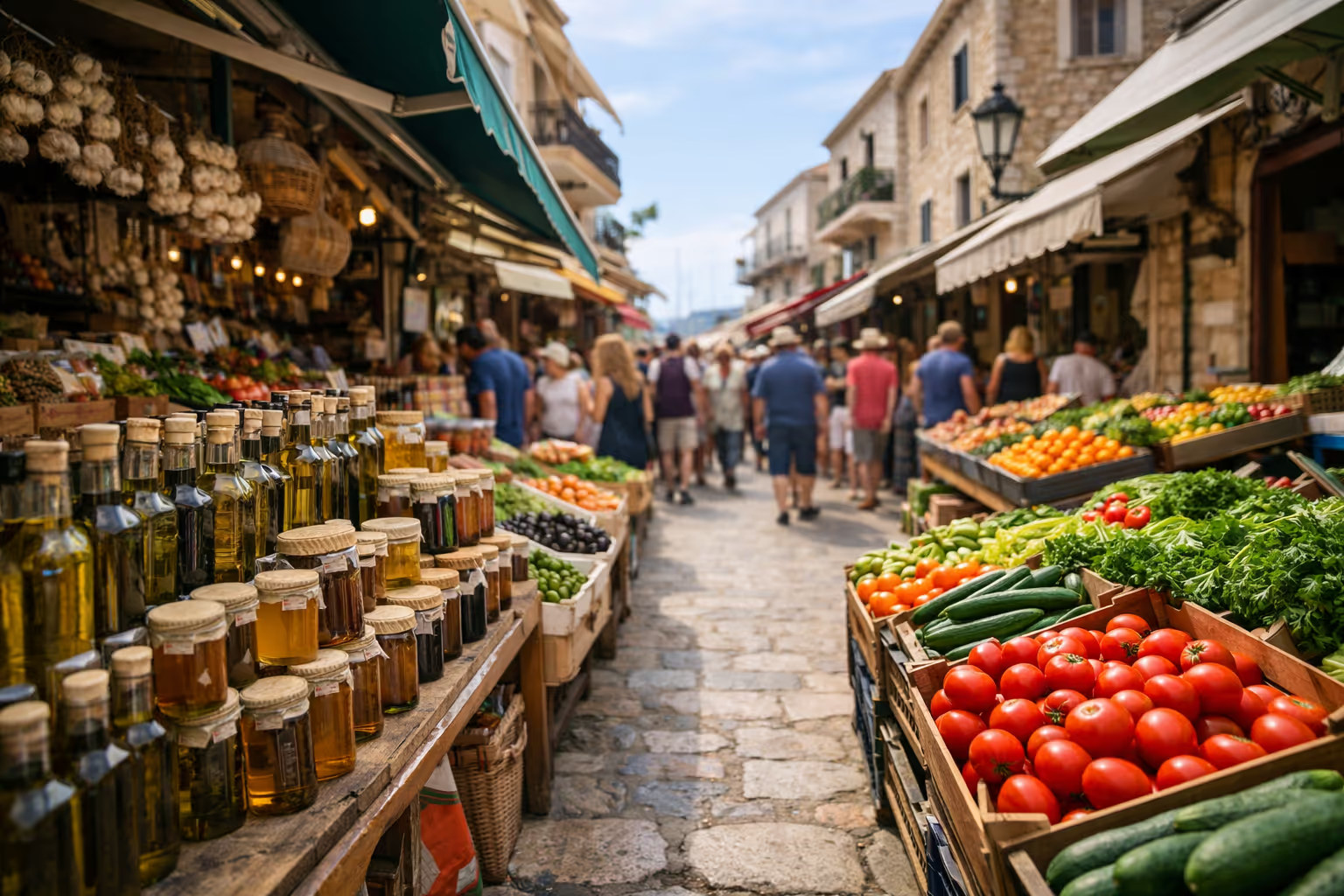
Street food is a different category. A souvlaki from a good stand near Monastiraki costs almost nothing and is frequently better than a sit-down meal somewhere else. A koulouri (sesame bread ring) from a cart is breakfast for under a euro. The modern Greek restaurant scene in Gazi and Psirri is worth exploring too - inventive takes on traditional dishes, usually with a wine list that goes beyond the obvious.
One etiquette note: tipping in Greece is modest and appreciated rather than mandatory. Rounding up or leaving 5-10% at a taverna is standard. If a service charge is already included, there’s no need to add more on top. The large American-style tip reads as out of place here.
Beyond the city limits
Athens works well as a base for the wider region. Day trips I’ve taken and would do again:
- Delphi: The ancient oracle’s sanctuary in the mountains - one of the most atmospheric sites in Greece, and worth the drive.
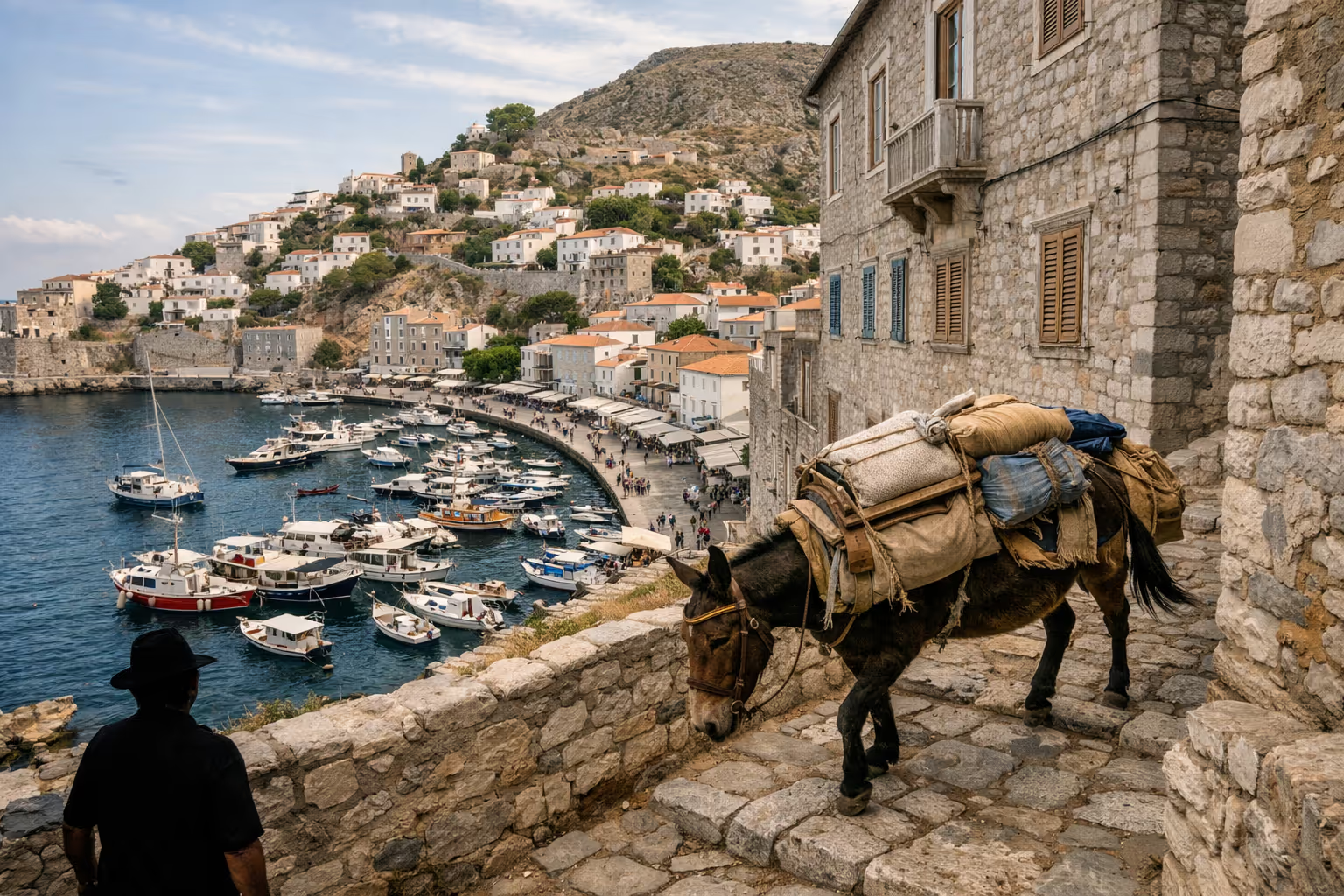
- Hydra: A car-free island of stone mansions and quiet harbor light. The ferry from Piraeus takes about 90 minutes.
- Aegina: A short ferry ride, good for beaches and the island’s famous pistachios.
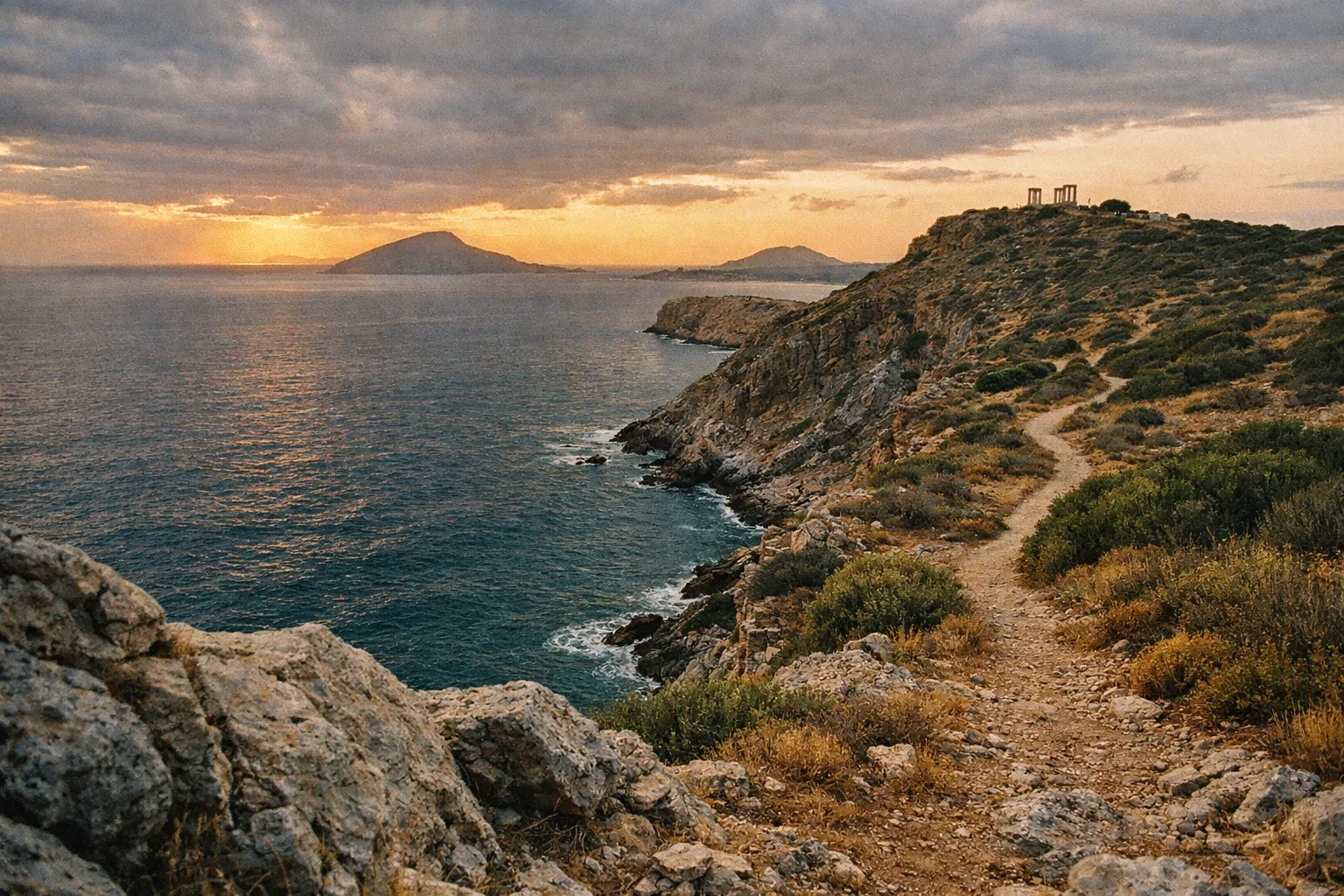
- Sounion: The Temple of Poseidon on a cliff at the tip of the Attica peninsula. Time it for sunset.
Each reveals a different face of Greece - the rugged interior, the Aegean islands, the coast. None of them require more than a day. If your travels extend beyond Athens, Greece’s cities offer a mix of ancient ruins, modern neighborhoods, and distinct local character worth exploring further.
How many days do you need in Athens?
Is 3 days long enough in Athens? Yes - three days is a realistic minimum for more than just the highlights, and most guides treat it as a solid, if not exhaustive, stay (5)(6). A workable three-day breakdown:
- Day 1: The major antiquities - Acropolis, Acropolis Museum, Ancient Agora, Temple of Olympian Zeus.
- Day 2: Museums (the National Archaeological Museum, EMST for contemporary art) plus neighborhood time in Psirri, Exarchia, or Koukaki.
- Day 3: A day trip or coastal escape - Sounion, Aegina, or the Athenian Riviera.
Several major travel platforms describe four days as the sweet spot - enough for the ancient landmarks, modern galleries, design shops, and a full day trip without rushing (6). Many island-hopping travelers stop for just 1-2 days, which works if you’re strategic, but you’ll be choosing highlights over depth (6). Planning the best time to visit Greece can make a real difference to how much you fit in and how comfortable the experience is.
Frequently Asked Questions
- What are the best times to visit the Acropolis to avoid crowds and heat?
- The best times are early morning at opening or late afternoon to avoid crowds and the midday heat above 32°C (90°F).
- Are there any free museums or days to visit museums in Athens?
- Yes, the Benaki Museum is free on Thursdays and the National Historical and Ethnological Museum is free on Sundays.
- Is tipping mandatory in Athens restaurants?
- Tipping is modest and appreciated but not mandatory; typically 5-10% rounding up is standard at tavernas.
- What safety precautions should solo travelers take at night in Athens?
- Keep bags zipped and phones out of sight around crowded squares and on the metro to avoid pickpocketing.
- Can you recommend kid-friendly activities in Athens?
- Athens offers 14+ kid-friendly activities including the National Gardens and the Hellenic Children's Museum, with free museum entry for under 18s.
- How late do locals usually dine and go out in Athens?
- Locals typically start dinner after 20:00 and nightlife areas fill after 22:00, reflecting a later daily rhythm.
- What is the best neighborhood for boutique shopping and quiet cafes?
- Koukaki is known for design shops and quiet cafes, offering a calmer pace compared to central tourist areas.
Athens rewards travelers who work with its rhythm rather than against it. Early starts at the ancient sites, long afternoons in the shade, dinner when the locals eat, and later nights than you’re probably used to. Book your Acropolis ticket online before you arrive, pack real walking shoes, give yourself at least three days, and don’t show up at a restaurant at 18:00. Do those four things and the city opens up considerably beyond the postcard version.