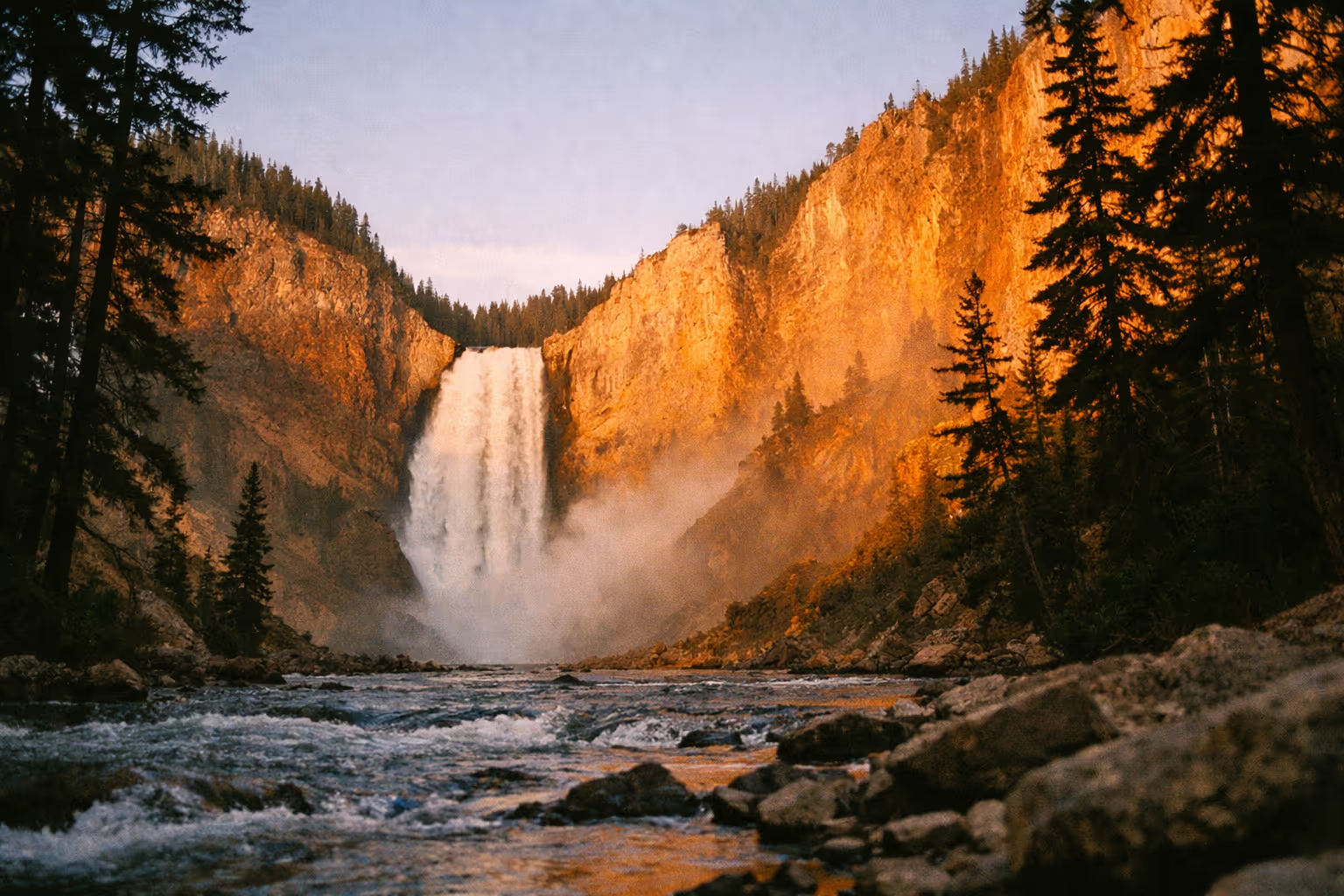
Yellowstone holds more than 10,000 hydrothermal features and over 500 geysers, the largest concentration of active geysers on Earth (4). That fact is impressive until you realize the park covers about 2.2 million acres, and most first-timers show up with no realistic sense of how far apart the highlights actually sit. The best things to do in Yellowstone fall into three main categories - geysers, wildlife, and canyons - and organizing your trip around those, rather than a random checklist, is what keeps you out of the car and in front of the scenery. One warning before you plan anything: some marquee areas have active closures in 2026, so checking current conditions with the National Park Service before you go is not optional.
✓ Pros
- Unmatched concentration of geysers and hydrothermal features
- World-class wildlife viewing (bison, wolves, grizzlies) in accessible valleys
- Diverse activity range: boardwalks to backcountry, summer to winter
- Multiple hubs allow efficient basecamping by zone
- September offers lighter crowds + elk rut wildlife activity
✗ Cons
- Massive scale - underestimating drive times is the #1 mistake
- Peak-season crowds at Old Faithful and Grand Prismatic are significant
- Some marquee areas (Biscuit Basin) closed in 2026 - plans can be derailed
- Bear spray, permits, and thermal-area rules add planning overhead
- Rapidly changing mountain weather demands layering and preparation
Things to Do in Yellowstone: How to Approach 2.2 Million Acres
Yellowstone National Park covers about 2,219,791 acres - roughly 3,468 square miles, larger than Rhode Island or Delaware - which is exactly why underestimating drive times wrecks so many itineraries. The park stretches roughly 63 miles north to south and 54 miles east to west. The connective tissue is the Grand Loop Road, a figure-eight of about 140 to 142 miles linking nearly every major attraction. Driving the full loop without stopping takes around four hours at typical park speeds of 25 to 45 mph. With sightseeing stops, it realistically eats a full day.
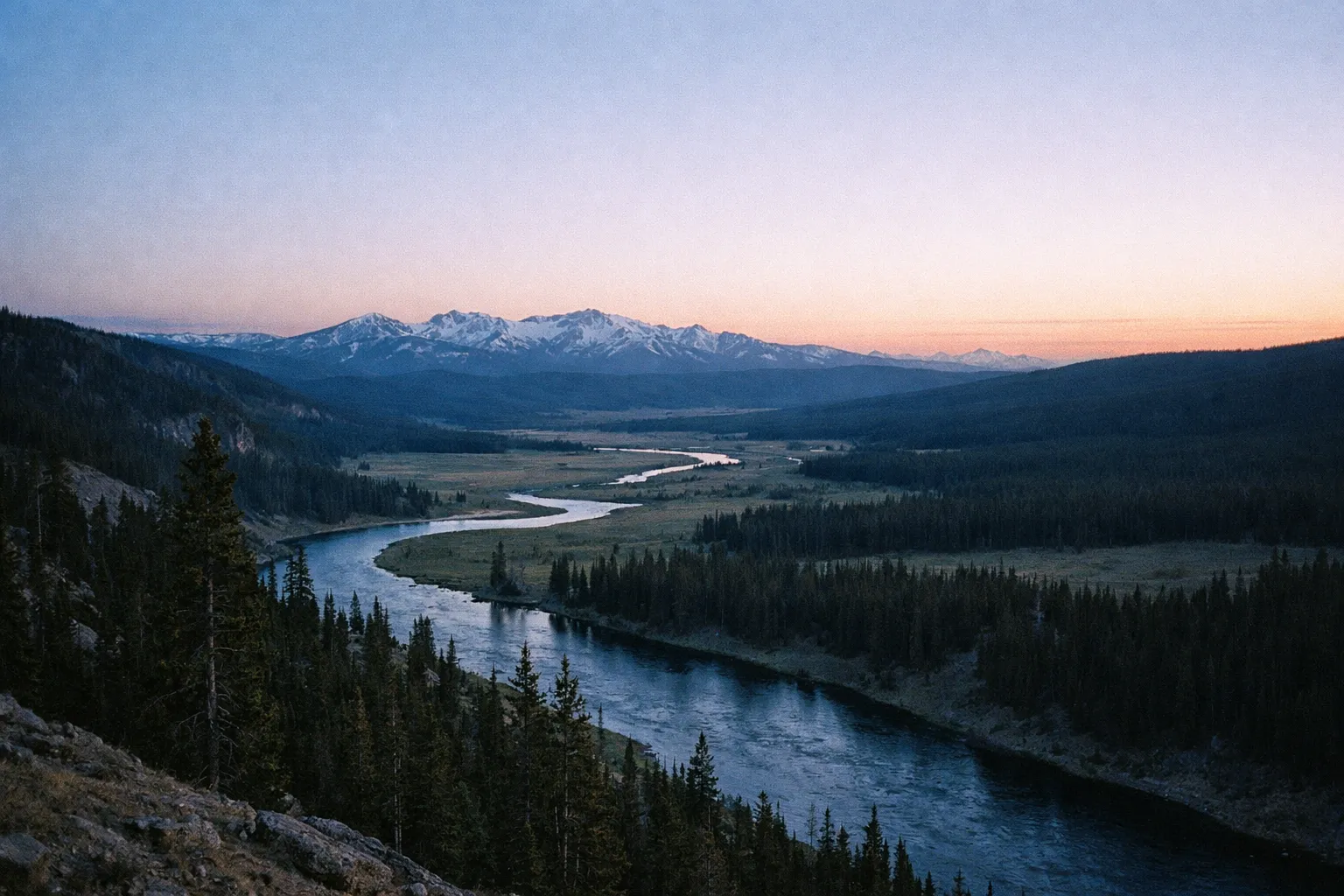
Yellowstone spans 2,219,791 acres (3,468 sq mi) and stretches 63 by 54 miles, with Yellowstone Lake covering 132 sq mi and reaching 400 feet deep.
Between major hubs, plan on 45 to 90 minutes each way. That math is the whole planning problem in one sentence.
Most people explore by private vehicle, which is by far the most flexible option. Guided wildlife tours run by park concessioners are worth considering if you want a naturalist finding the animals for you, and bikes are allowed on select roads and trails. Whatever your method, check the NPS current-conditions page daily - construction and closures shift drive times without warning.
The case for at least four days
Two days is the absolute floor: you can hit Old Faithful, one wildlife valley, and the Grand Canyon of the Yellowstone, but you’ll feel every mile of it. National-park trip planners generally recommend at least four days to cover the main zones - Old Faithful, Canyon, Mammoth, Norris, and Lake - without constant backtracking. Four to five days lets you work one zone per day, which is the difference between watching wildlife at dawn and sprinting to a parking lot before it fills.
Picking your basecamp by zone
The park organizes around a handful of primary hubs, and choosing one by priority cuts your daily driving sharply. Canyon Village sits centrally and gives efficient access to both canyon rim drives, Hayden Valley (about 15 to 20 minutes south), and the Mount Washburn trailhead - the best all-around base for a first trip. Stay in the Old Faithful area if geysers are your focus. Mammoth Hot Springs is the logical base for the north park and Lamar Valley wildlife, and it’s the one hub open to cars year-round.
Geysers and Hot Springs: The Core of Any Yellowstone Visit
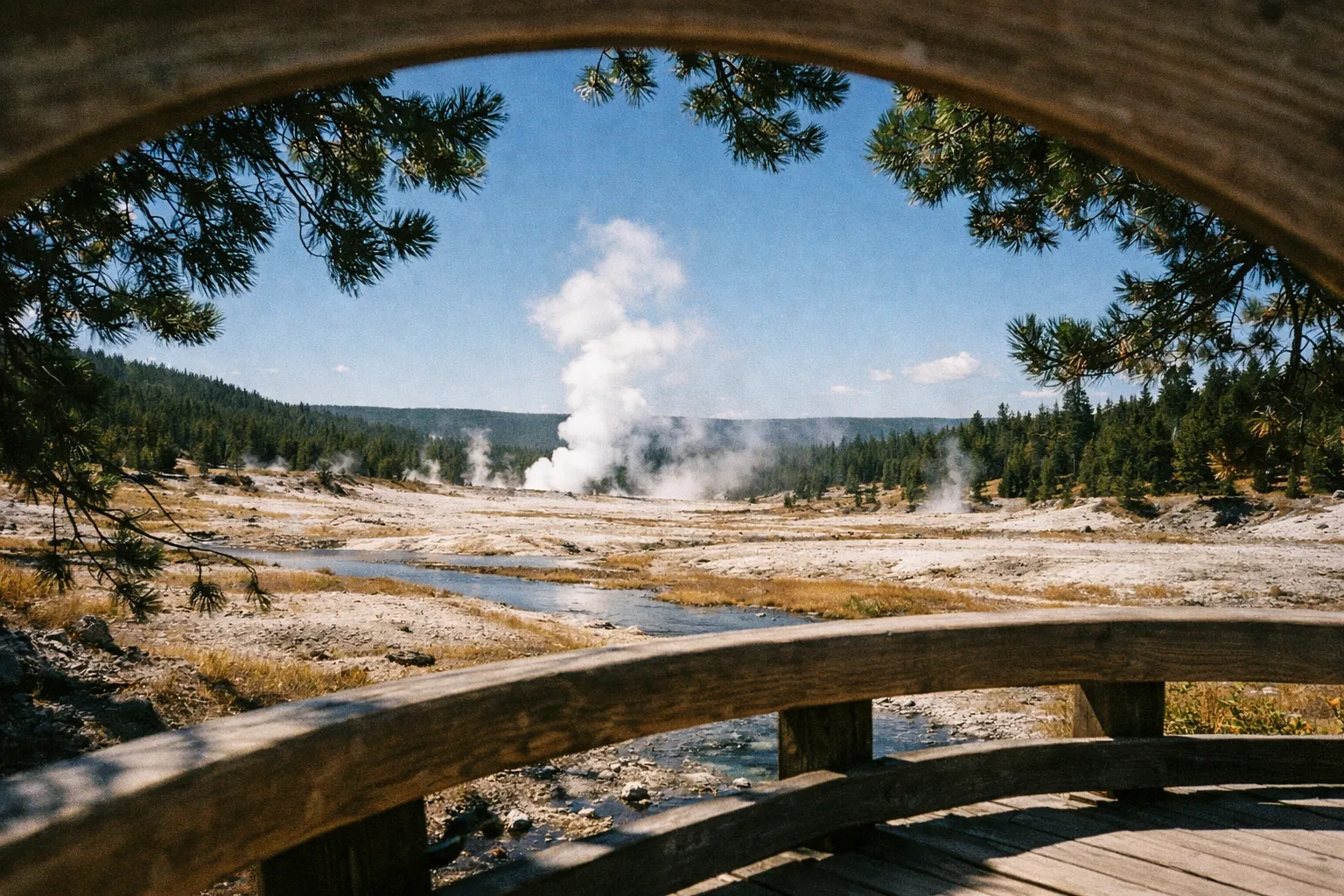
Yellowstone’s hydrothermal features are its defining draw, and the Upper Geyser Basin alone holds one of the highest densities of geysers anywhere in the world within about one square mile (4). If you see nothing else, see the geysers. Here’s how the major basins compare.
Yellowstone's Major Thermal Areas at a Glance
| Upper Geyser Basin | Midway Geyser Basin | Norris Geyser Basin | Fountain Paint Pot | Biscuit Basin | Mammoth Hot Springs | |
|---|---|---|---|---|---|---|
| Key Feature(s) | Old Faithful, Castle, Grand, Riverside | Grand Prismatic Spring | Steamboat Geyser (world's tallest) | All 4 hydrothermal types | Black Opal, Sapphire pools | Travertine terraces |
| Access | Boardwalk + trail | Boardwalk; overlook via trail | Boardwalk loop | Boardwalk loop | Boardwalk | Boardwalk + Upper Terrace Drive |
| Difficulty | Easy | Easy-Moderate | Easy | Easy | Easy | Easy |
| Best Time | Early morning or after 18:00 | Morning light | Variable - check eruption history | Any time | N/A | Morning |
| 2026 Status | Open | Open | Open | Open | Closed 2026 | Open year-round |
Upper Geyser Basin is home to Old Faithful plus Castle, Grand, Daisy, and Riverside, all reached by an easy boardwalk-and-trail network; go early morning or after 18:00 to dodge the crowds. Midway Geyser Basin holds Grand Prismatic Spring - easy-to-moderate access, best in morning light. Norris Geyser Basin, an easy boardwalk loop, contains Steamboat Geyser and is worth timing around eruption history. Fountain Paint Pot is an easy loop good at any hour. Biscuit Basin, normally an easy boardwalk to Black Opal and Sapphire pools, remains closed for the 2026 season following the July 2024 hydrothermal explosion (7). Mammoth Hot Springs, with its travertine terraces, is easy and open year-round, best in the morning.
A safety note that isn’t optional: boardwalks exist because the crust around thermal features is thin and the water often exceeds 170°F (77°C). Stepping off has caused serious burns and fatalities. Stay on the marked routes.
Old Faithful and the Upper Geyser Basin
Old Faithful erupts roughly every 60 to 110 minutes, and rangers post predicted eruption times for Old Faithful, Castle, Grand, Daisy, and Riverside on a prediction board at the Old Faithful Visitor Education Center (4). Use it - don’t guess and don’t stand around for an hour on faith. Walk the full boardwalk loop rather than watching a single eruption and leaving; the basin’s smaller geysers are the real payoff.
For a quieter alternative, the Lone Star Geyser Trail runs about 4.8 miles round trip along an old roadbed following the Firehole River, and it’s open to bikes as well as hikers (4). Flat, scenic, and far less crowded than the main boardwalk. I’ve done both on the same morning - the contrast in crowd levels is significant enough that I’d send anyone who wants the geyser experience without the parking-lot chaos straight to Lone Star first.
Grand Prismatic and Midway Geyser Basin
The boardwalk at Midway takes you alongside Grand Prismatic Spring, but the color that makes it famous only reads from above. The Grand Prismatic Overlook Trail, reached via a 1.2-mile round-trip walk from the Fairy Falls trailhead, gives the higher-angle view that the boardwalk can’t. Plan it as a separate stop of about 30 extra minutes, not an afterthought. It’s the difference between a good photo and the photo.
Norris Geyser Basin and Steamboat Geyser
Norris is Yellowstone’s hottest and most dynamic geyser basin, with vent activity and water chemistry that shift constantly (3). Its headline feature is Steamboat Geyser, the world’s tallest active geyser, capable of major eruptions reaching 300 to 400 feet (3). Those eruptions are unpredictable, so check recent eruption history before you build a day around catching one - most visitors won’t, and that’s fine. The basin itself, with its stark, steaming terrain, is worth the boardwalk loop regardless.
Fountain Paint Pot and Firehole Lake Drive
The Fountain Paint Pot trail is a short boardwalk loop of roughly half a mile that packs all four hydrothermal types - hot springs, geysers, mudpots, and fumaroles - into one compact walk. It’s the single best introduction to what makes the park geologically strange, and it’s genuinely accessible for families and limited-mobility visitors. Pair it with the nearby Firehole Lake Drive as an add-on to a geyser-focused day.
Wildlife Viewing: Lamar Valley, Hayden Valley, and Beyond
Yellowstone supports the largest concentration of wildlife in the lower 48 states, and Lamar Valley is one of the best places in the contiguous U.S. to see wild wolves, bison, and elk. Wildlife is the park’s second pillar, and timing matters more than luck.
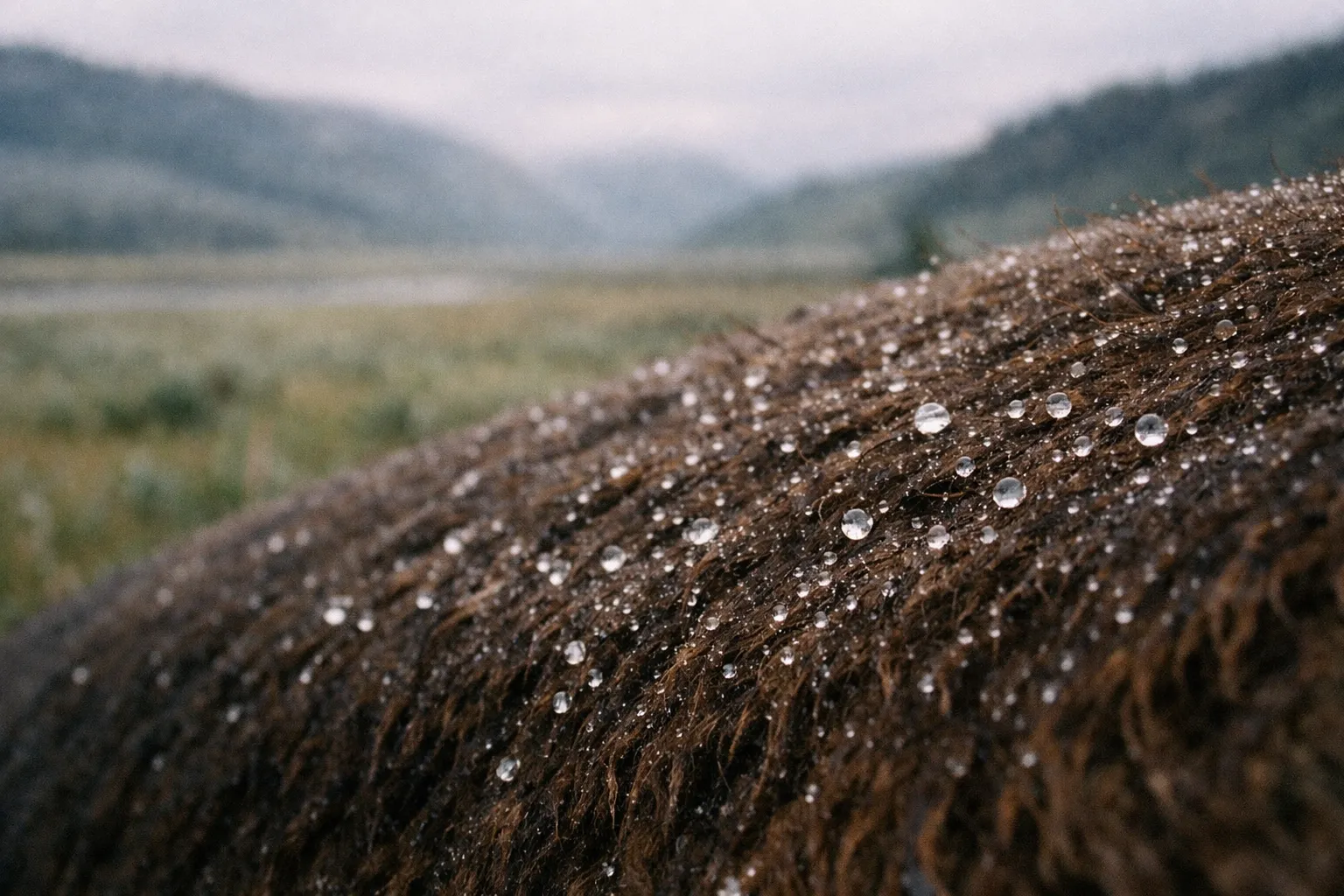
Worth the detour: Lamar Valley at dawn (06:00 to 09:00) for wolves, bison, and elk - this is the premier wolf-watching ground in the lower 48, and no other stop in the park delivers the same density of large predators in a single morning. Hayden Valley, closer to Canyon Village, is a close second for bison and early-morning grizzly odds and is easier to stack with a canyon afternoon. Worth it if you have time: Blacktail Plateau Drive, a 6-mile one-way unpaved road between Mammoth and Tower Junction, moves slower and carries less traffic, making it good for pronghorn and smaller mammals; high-clearance vehicles are recommended. Skip if short on time: roadside pullouts along the main Grand Loop between Madison and Norris - bison sightings happen, but the valley views and predator odds don’t compare to Lamar or Hayden.
The safety rules are NPS regulations, not suggestions: stay at least 100 yards (91 m) from bears and wolves, and 25 yards (23 m) from bison, elk, and other large animals (3). Bison have injured more people in Yellowstone than any other animal. They’re fast and unpredictable - give them the space.
Lamar Valley: dawn timing and what to bring
Bring binoculars (10x minimum), layered clothing for cold mornings that warm fast, and patience. Wolves are often distant specks even with optics, which is why serious watchers carry spotting scopes. Park at the designated pullouts along the valley road and scan the treelines and ridges. Guided concessioner tours depart around 05:00 to 06:00 for Lamar, run 4 to 6 hours with naturalist guides and scopes, and are worth it for first-timers who want help locating animals within the distance rules.
I ran Lamar at dawn on a September morning - the rut was on, and there were three bull elk bugling within earshot of the pullout. No wolves that day, but the valley was active enough that nobody in the group felt shortchanged.
Hayden Valley and the Canyon area
Basing at Canyon Village lets you stack a wildlife morning with a canyon afternoon. Hayden Valley’s main pullouts sit about 10 miles - 15 to 20 minutes - from Canyon Village. Do dawn in the valley for bison and grizzly, then swing north to the rim drives once the light gets flat and the animals bed down. September adds the elk rut here too, with bugling bulls at dawn - a legitimate reason to time a whole trip around the month.
The Grand Canyon of the Yellowstone: Rim Drives and Waterfall Trails
The Grand Canyon of the Yellowstone runs about 20 miles long and up to 1,200 feet deep, carved by the Yellowstone River through hydrothermally altered rhyolite whose yellow walls gave the park its name. The canyon is the third pillar, and its two waterfalls anchor the viewpoints.
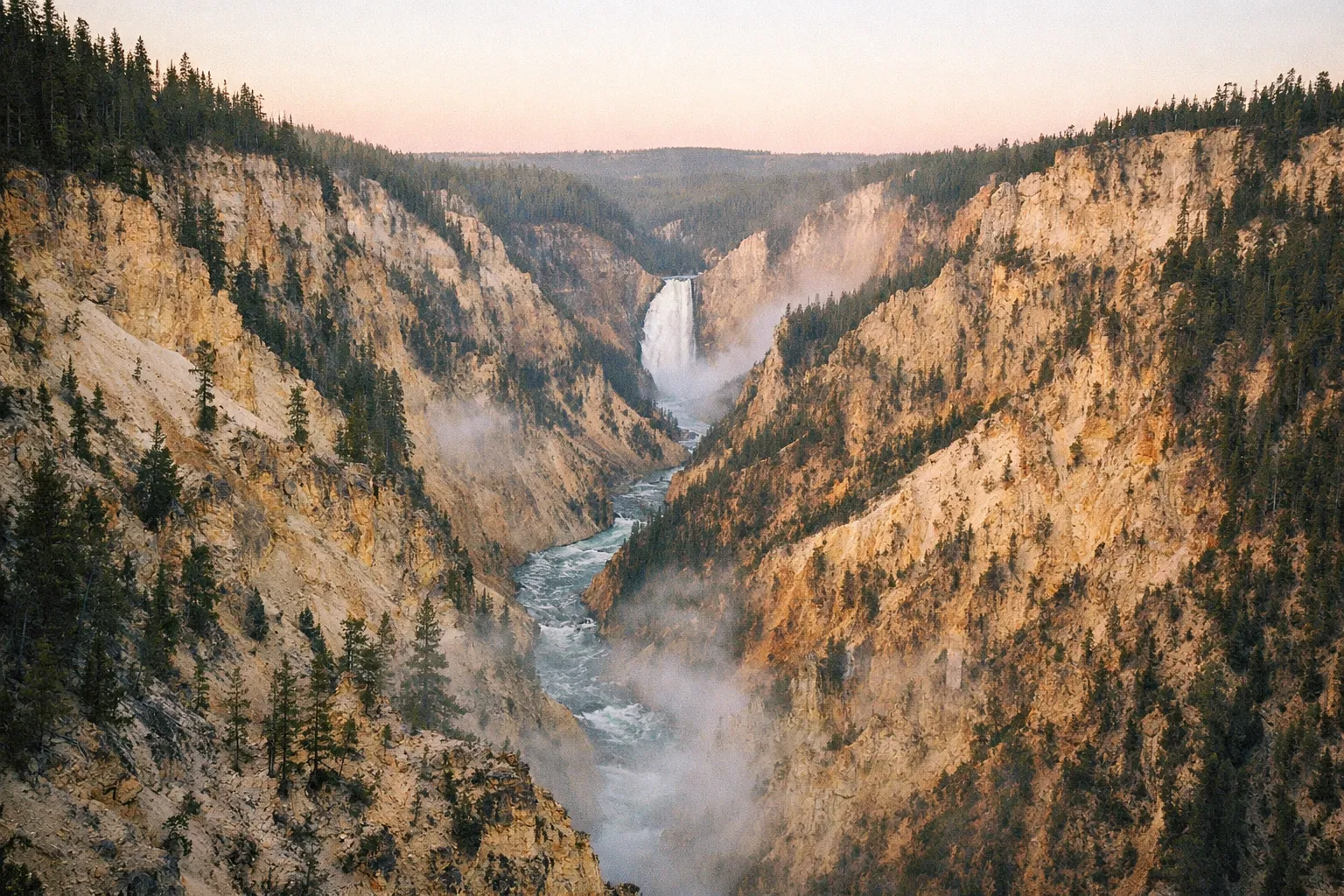
Lower Falls drops about 308 feet - nearly twice the height of Niagara’s roughly 167 feet. Upper Falls measures about 109 feet. Both are easily viewed from short walks off the North and South Rim Drives. Look, too, for Silver Cord Cascade, a ribbon waterfall of nearly 1,200 feet spilling down the opposite canyon wall - one of the tallest cascades in the park and easy to miss if you’re not watching for it.
North Rim Drive viewpoints
The North Rim Drive strings together Lookout Point, Grand View, and Inspiration Point. Worth the detour: Lookout Point for the classic head-on Lower Falls view, then the Brink of the Lower Falls trail - it descends steeply to the canyon edge where you stand right at the lip of the 308-foot drop, short in distance but a demanding climb back out. If you only walk one North Rim trail, make it that one. Skip if short on time: Grand View and Inspiration Point are pleasant but add distance without significantly changing what you see; Lookout Point covers the essential angle.
South Rim Drive and Artist Point
Worth the detour: Artist Point, the most photographed viewpoint in the park - it frames Lower Falls against the full sweep of the canyon, and the light is best early before the crowds build by mid-morning. Uncle Tom’s Trail, when open, descends about 300 metal steps to a mid-canyon platform near the base of Lower Falls; it’s short but rated strenuous, subject to periodic closures, so check status before counting on it. Worth it if you have time: scanning the opposite canyon wall from South Rim points for Silver Cord Cascade - nearly 1,200 feet of ribbon waterfall that most visitors walk right past because they’re looking down instead of across.
Mammoth Hot Springs: Terraces, History, and the North Park
Mammoth Hot Springs is a large complex of travertine terraces formed as hot water dissolves calcium carbonate from limestone, and it looks like nothing else in the park. Deposition happens so fast that terrace shapes and colors visibly shift over months as water channels move. Come back in a year and the formations won’t be quite the same.
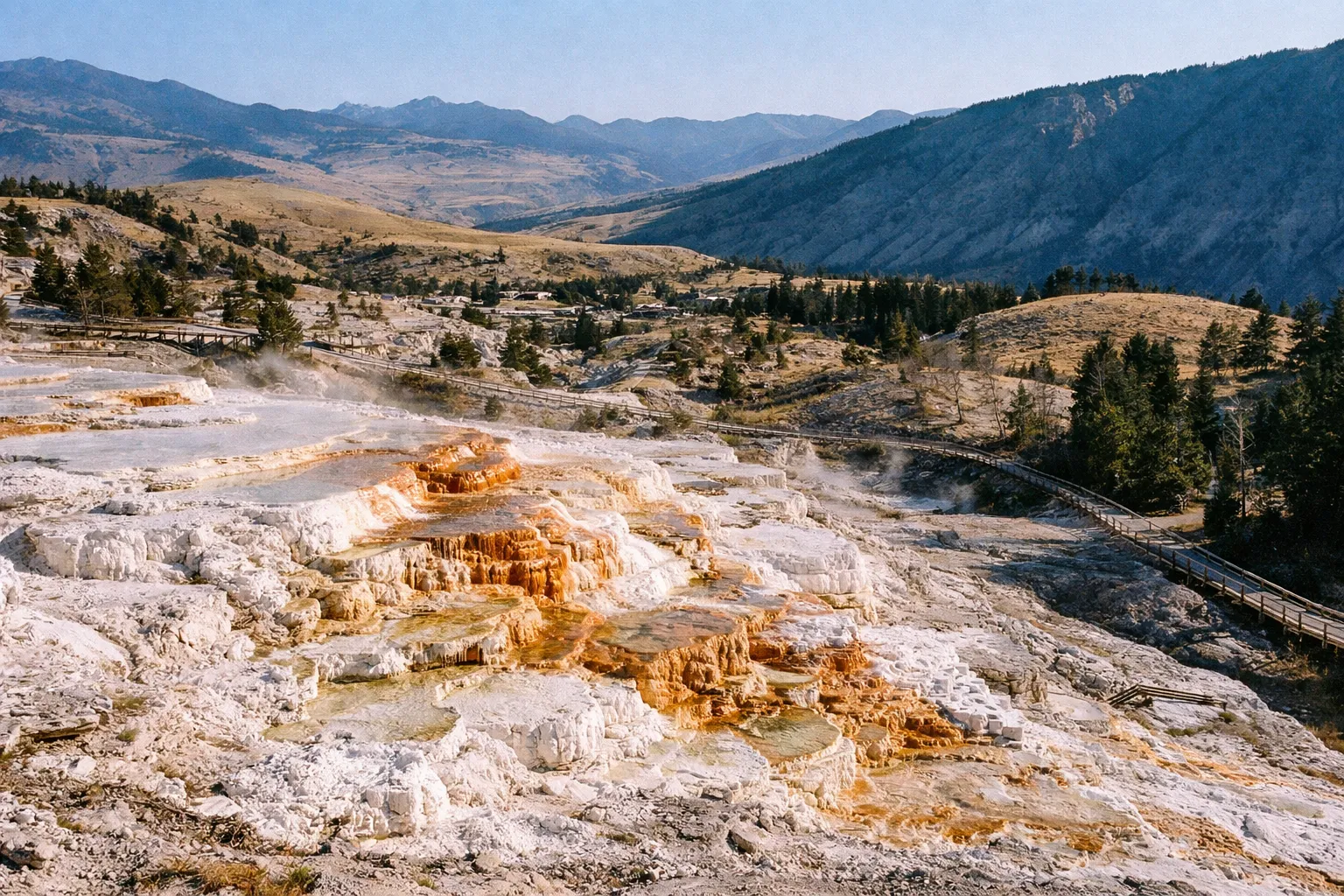
The Upper and Lower Terraces are linked by boardwalks, and the Upper Terrace Drive is a one-way vehicle loop that lets visitors with limited mobility see the upper formations without a climb. Morning light works best on the white and orange travertine.
Mammoth is also the practical hub for the north park. The North Entrance at Gardiner, Montana, and the Mammoth area are the only parts of Yellowstone open to wheeled vehicles year-round, which makes it the base for winter and shoulder-season visitors arriving by car (2). Elk routinely wander the village grounds - keep your distance; the 25-yard rule applies here too. Historically, Fort Yellowstone served as the U.S. Army’s administrative base for the park from 1886 to 1918, and many of its buildings still function as park headquarters, giving the developed village a layer of context most geyser basins lack.
Hiking in Yellowstone: From Boardwalk Loops to Backcountry Trails
Yellowstone maintains more than 900 to 1,100 miles of trails, ranging from paved boardwalks under a mile to multi-day backcountry routes, plus over 300 designated backcountry campsites that all require overnight permits. There’s a hike for every fitness level, and the tiers below sort them honestly.
Easy hikes and boardwalk loops
Worth the detour for any visitor: the Upper Geyser Basin loop, the roughly half-mile Fountain Paint Pot loop, and the Mammoth terrace boardwalks - all under two miles, genuinely engaging for kids, and delivering the park’s signature features close up. Start here if you’re traveling with children or short on time. None demand real fitness.
Moderate day hikes worth the effort
Worth the detour: the Grand Prismatic Overlook via the Fairy Falls trailhead - a short climb that gives the aerial spring view the boardwalk can’t, and it’s the difference between a good photo and the photo (6). The Lone Star Geyser Trail (about 4.8 miles round trip, following the Firehole River, open to bikes) is flat enough for older kids on wheels and ends at a frequently erupting geyser (4). Worth it if you have time: Mystic Falls, near Old Faithful, makes a solid moderate half-day without a full-day commitment.
Strenuous hikes and backcountry basics
Worth the detour if you have the legs for it: Mount Washburn from Dunraven Pass - about 6.2 miles round trip with roughly 1,400 feet of gain, and 360-degree summit views that reach the Grand Tetons on clear days. It’s consistently rated among the best day hikes in the park. Skip if short on time: multi-day backcountry routes require permits and bear canisters, and the logistics overhead isn’t worth it unless you have five-plus days and specific backcountry goals.
Bear spray is non-negotiable on any trail beyond the boardwalks. Carry it accessible - in a holster, not buried in your pack - and know how to deploy it before you need it. NPS guidance is explicit: hike in groups of three or more and make noise on blind corners and in dense brush to avoid surprising a bear.
Yellowstone Lake and Water-Based Activities
Yellowstone Lake is the largest high-elevation lake in North America, covering about 132 square miles with over 140 miles of shoreline, a maximum depth beyond 400 feet, and an elevation near 7,733 feet - which keeps the water cold even in midsummer. Swimming is limited to specific areas, and hypothermia is a real risk elsewhere.
From Bridge Bay Marina you can rent a motorboat, book a guided fishing charter, or take a scenic cruise aboard the MV Lake Queen II, a roughly one-hour trip interpreted by a concessioner guide covering the lake’s geology, history, and wildlife. Fishing anywhere in the park requires a Yellowstone-specific permit, separate from any state license, and native Yellowstone cutthroat trout are subject to special rules including catch-and-release in designated areas.
All watercraft - motorized and non-motorized, including kayaks and canoes - require a park boat permit, and some shoreline areas close seasonally to protect nesting birds. One geologic detail worth knowing: the lake’s hydrothermal activity extends underwater, with active vents on the lake floor, which is part of what makes it so unusual.
Winter in Yellowstone: A Completely Different Park
Most interior park roads close to private vehicles from early November through late April, and winter access to areas like Old Faithful and Canyon comes primarily via commercial snowcoach and guided snowmobile trips under a limited-entry program (2). This is a genuinely different park, and not one for unsupported first-timers.
The Steam, Stars, and Winter Soundscapes tours combine geothermal steam, low light pollution for stargazing, and the acoustic hush of a snow-covered landscape into an experience summer visits can’t match. Wildlife shifts too: bison congregate near thermal areas for warmth, and wolves stand out against the snow - many wildlife photographers consider January and February in Lamar Valley the best wolf-watching of the year.
Groomed cross-country ski and snowshoe trails run near Mammoth, Old Faithful, and Canyon, and ranger-led snowshoe walks depart from selected visitor centers, usually about two hours and requiring only basic fitness. Mammoth and the North Entrance road to Gardiner stay open to cars year-round, so Mammoth is the base for independent winter visitors. On clear nights away from the village, the interior offers some of the park’s darkest skies and strongest Milky Way visibility.
When to Visit Yellowstone: Crowds, Wildlife, and Weather by Season
The best month to visit Yellowstone for most people is September - lighter crowds than summer, the elk rut in full swing, and most facilities still open. Here’s the honest seasonal breakdown.
Summer (June to August) is peak season, with all roads and facilities open. July often records over 900,000 recreational visitors, which is why Old Faithful and Grand Prismatic parking lots fill by mid-morning. It’s viable but crowded; book lodging six-plus months out.
September is the practical sweet spot. Crowds drop noticeably, the elk rut is at its peak in Lamar and Hayden Valleys with bulls bugling and competing for harems, and most facilities remain open. Late September can bring early snow to high-elevation trails, so watch the forecast.
Spring (April to May) is unpredictable. Some main roads - especially high-elevation segments - stay closed into late April or May due to snow, even as wildlife activity picks up with newborn bison calves and increased bear sightings (2). Check road-opening schedules before you commit.
Winter (November to April) requires snowcoach or snowmobile access for most of the park, draws far fewer visitors, and is best for wolf watching and night skies - but it’s not suited to first-timers without guided support.
On entrances: the West Entrance near West Yellowstone is the busiest in summer and congests badly at peak hours (2). For Mammoth and Lamar Valley access, the North Entrance at Gardiner and the Northeast Entrance near Cooke City are cleaner options.
A 4-Day Yellowstone Itinerary: One Zone Per Day
This four-day framework works one zone per day to minimize backtracking. Treat it as a starting point, not a schedule - eruption times, wildlife activity, and road conditions all demand real-time adjustments.
4-Day Yellowstone Itinerary
4 daysA practical framework to cover major zones with minimal backtracking
- 1
Day 1 - Old Faithful and the geyser basins
Arrive early at the Upper Geyser Basin and check the eruption prediction board first thing. Walk the full boardwalk loop, then spend the afternoon at Midway Geyser Basin, including the 1.2-mile Grand Prismatic Overlook trail for the aerial view. Add the Fountain Paint Pot loop if time allows. Base in the Old Faithful area.
- 2
Day 2 - Mammoth Hot Springs and Lamar Valley
For the best wildlife odds, run Lamar at dawn via the Northeast Entrance Road, which passes straight through the valley, then hit the Mammoth terraces mid-morning. Take Blacktail Plateau Drive on the return for a quieter wildlife stretch.
- 3
Day 3 - Grand Canyon of the Yellowstone and Hayden Valley
Start at dawn in Hayden Valley for bison and grizzly - about 10 miles from Canyon Village. Mid-morning, drive the North Rim (Lookout Point, Brink of the Lower Falls), then the South Rim and Artist Point. Base at Canyon Village.
- 4
Day 4 - Norris Geyser Basin and Mount Washburn (or Yellowstone Lake)
Spend the morning at Norris, checking Steamboat activity. Then either hike Mount Washburn from Dunraven Pass, or drive south to Lake Village for a one-hour cruise on the MV Lake Queen II from Bridge Bay Marina. Depart via whichever entrance fits your onward travel.
Safety, Permits, and Practical Planning
The NPS is unambiguous: visitors must stay on boardwalks and designated trails in thermal areas, because the ground can be thin and break, and the water often exceeds 170°F (77°C). Multiple serious burns and fatalities have come from stepping off marked routes. This is the rule that determines whether your trip stays a trip.
Bear safety. Carry bear spray on every trail beyond the boardwalks, know how to use it before you need it, hike in groups of three or more, and make noise on blind corners. Studies show bear spray significantly reduces injuries in close encounters when deployed correctly.
Wildlife distances. Stay 100 yards from bears and wolves, and 25 yards from bison, elk, and other large mammals (3). Bison cause more injuries than any other animal in the park - watch from pullouts, not the road.
Permits. Backcountry camping requires a permit from a backcountry office or visitor center; fishing requires a Yellowstone-specific permit separate from state licenses; and winter snowmobile use is regulated through either a non-commercial guided permit or a commercial tour system.
Current closures. As of the 2026 season, Biscuit Basin remains closed following the July 2024 hydrothermal explosion, with Sapphire Pool and adjacent pools inaccessible (7). Always check the NPS Yellowstone “Current Conditions” page before finalizing any itinerary built around a specific thermal feature.
Gear. Bear spray (rentable at park entrance areas if you don’t own one), layered clothing for temperature swings, sturdy footwear, sun protection at elevation, and enough water for any hike over two miles.
Frequently Asked Questions
- What should you not miss in Yellowstone?
- Old Faithful and the Upper Geyser Basin boardwalk, Grand Prismatic Spring (from the overlook, not just the boardwalk), Artist Point in the Grand Canyon of the Yellowstone, and a dawn drive through either Lamar or Hayden Valley for wildlife. If you only have two days, those four cover the park's defining experiences.
- How many days do you need in Yellowstone?
- Two days is the absolute minimum to see geysers, one wildlife area, and the canyon - but you'll feel rushed. Four to five days lets you cover each major zone without backtracking or skipping significant areas. Most experienced visitors recommend four days as the practical sweet spot.
- What is the best month to visit Yellowstone?
- September. Crowds drop noticeably from the summer peak, the elk rut makes wildlife viewing in Lamar and Hayden Valleys exceptionally active, and most facilities remain open. June and July are viable but expect full parking lots at marquee sites by 09:00. April and May offer great wildlife but some roads are still closed from winter.
- What to do in Yellowstone in 4 days?
- Day 1: Old Faithful and geyser basins. Day 2: Mammoth Hot Springs and Lamar Valley. Day 3: Grand Canyon of the Yellowstone and Hayden Valley. Day 4: Norris Geyser Basin and either Mount Washburn or Yellowstone Lake. See the full itinerary section above for specifics.
- Is Biscuit Basin open in 2026?
- No. The National Park Service confirms Biscuit Basin remains closed for the 2026 season following the July 2024 hydrothermal explosion, with no reopening date announced. Black Diamond, Black Opal, and Sapphire pools are inaccessible. Check the NPS Yellowstone website for the most current closure information before your trip.
- Do I need bear spray in Yellowstone?
- Yes, for any trail beyond the paved boardwalks. Carry it in an accessible holster - not buried in your pack - and know how to deploy it before you hit the trail. Bear spray can be rented at park entrance areas if you don't own one.
- Can you do Yellowstone with kids?
- Absolutely. The boardwalk loops at Old Faithful, Fountain Paint Pot, and Mammoth are engaging for children and require minimal physical effort. The Lone Star Geyser trail is flat enough for older kids on bikes. Wildlife viewing from the car in Lamar Valley works well for all ages.
How to Get to Yellowstone
Yellowstone has five entrances, and which one you use shapes your first day significantly. The West Entrance near West Yellowstone, Montana, is the busiest and the most direct route to the geyser basins - expect congestion in July and August. The North Entrance at Gardiner, Montana, is the only entrance open to wheeled vehicles year-round and puts you at Mammoth Hot Springs within minutes of the gate. The Northeast Entrance near Cooke City is the cleanest approach for Lamar Valley wildlife and stays open later into fall than most. The South Entrance connects from Grand Teton National Park via US-89/191/287 and is the natural route if you’re combining both parks. The East Entrance, off US-20 from Cody, Wyoming, is the least congested in summer and works well for Yellowstone Lake and Canyon.
The nearest commercial airports are Jackson Hole (JAC), about 60 miles south of the South Entrance; Bozeman Yellowstone International (BZN), roughly 90 miles from the North Entrance; and Cody Regional (COD), about 52 miles from the East Entrance. There is no public transit into the park. You need a car - full stop. Rental availability at all three airports tightens sharply from June through August, so book well ahead of your trip.
One thing most guides get wrong: they treat Yellowstone as a geyser park with wildlife on the side. The wildlife - particularly wolves and grizzlies in Lamar and Hayden Valleys - is genuinely world-class and requires a completely different schedule than the thermal features. Geysers reward midday visits when you’re already there; wildlife demands a 05:30 alarm and a specific valley. If you plan both on the same day without accounting for that, you’ll miss one of them. Build separate mornings for wildlife and separate afternoons for geysers, and the park makes a lot more sense.
Booking mechanics: Yellowstone does not currently require a timed-entry reservation for most areas, but that can change - check the NPS reservation page (recreation.gov) before your trip. Lodging inside the park books out months in advance; Xanterra, the primary concessioner, opens reservations for the following year on May 1. Backcountry permits are available in person at backcountry offices starting the day before your trip, or up to 48 hours in advance. High-elevation roads including Dunraven Pass (to the Mount Washburn trailhead) typically open in late May but can stay closed into early June after heavy snow years - the NPS posts road-opening dates at nps.gov/yell/planyourvisit/parkroads.htm, and those dates are the ones to check before you build a day around that trailhead.
Before You Go
Yellowstone punishes spontaneity more than almost any park I’ve covered. Its scale and the 2026 closures mean that showing up without a framework leads to wasted drive time and missed windows - the animals are gone by mid-morning, the parking lot is full, the basin you planned around is roped off. Nail down three decisions before you leave: how many days you have (four minimum for full coverage), which entrance and basecamp fit your priorities, and which specific areas you need to confirm are open. Then do one last thing the week before you travel - check the NPS Yellowstone current-conditions page. Thermal features and road status change faster than any guide can track, and that single page is what stands between a smooth trip and a scrapped plan.