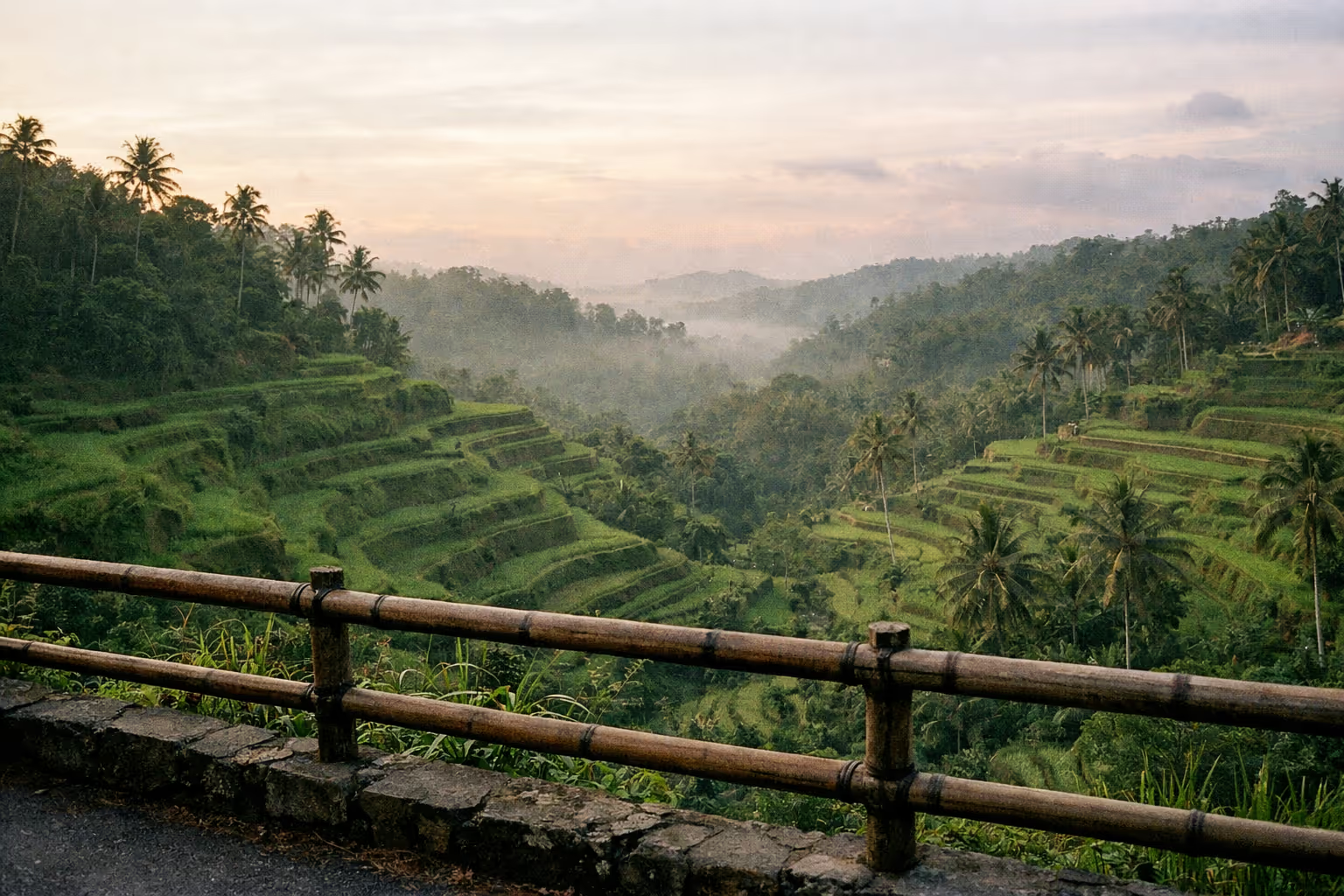
By 9 AM, the main trail at the Tegallalang Rice Terraces has more selfie sticks than rice farmers. That’s the reality you need to accept before planning your visit: the terraces are genuinely impressive - a steep-sided green valley about 9 to 10 km north of Ubud - but when you go and how you approach the site will decide if you leave satisfied or stuck in a queue behind tour groups. The subak irrigation system that shaped these slopes dates back to the 9th century and sits within Bali’s UNESCO-recognized subak cultural landscape, so you’re looking at working farmland, not just a scenic backdrop. This guide walks you through the gates, the fees, what to wear, and how to time your visit so you catch the fields when they’re actually green.
✓ Pros
- Steep valley terraces with a verticality you won't find in Bali's wider rice fields
- Very close to Ubud - easy to add as a half-day trip, 20 to 30 minutes each way
- The subak irrigation system is still active, giving the place cultural depth beyond the scenery
- Café viewpoints let visitors with limited mobility enjoy the view without hiking
- Early-morning light on the valley walls is genuinely worth the early wake-up
✗ Cons
- Crowded after 9 AM; mid-morning feels more like waiting in line than wandering
- Multiple gates and extra fees can catch you off guard
- Swings, ziplines, and photo frames dominate the main trail
- Paths get steep and slippery after rain - flip-flops are a liability
- Post-harvest periods leave brown, patchy fields that disappoint if you don't check the cycle first
What the Tegallalang Rice Terraces Actually Are
The Tegallalang Rice Terraces are a series of steep, layered paddies in Tegallalang village, Gianyar Regency, about 9 to 10 km north of Ubud in central Bali. They sit along Jalan Raya Tegallalang, right off the main ridge road, making them one of the closest major rice terrace viewpoints to Ubud. Locals call the valley Ceking Rice Terrace. At roughly 600 meters (1,970 feet) elevation, it enjoys a cooler microclimate and frequent rains that keep the slopes reliably green.
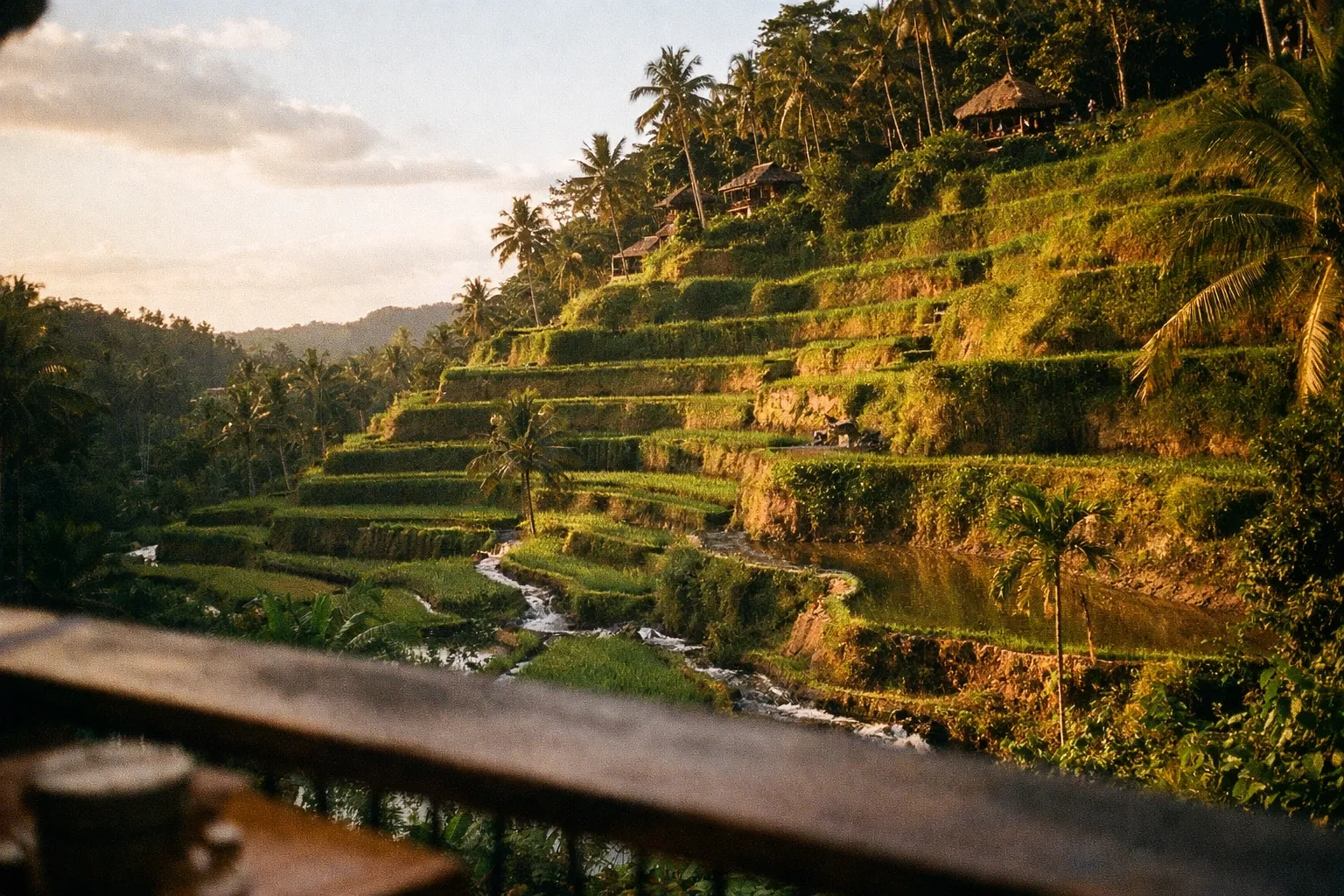
What sets Tegallalang apart is its shape. The valley is narrow with steep sides, so the paddies stack up as dramatic “green steps” rather than the broad, gentle slopes you’ll see at Jatiluwih. That verticality is exactly why it became one of the most photographed rice fields in the world - the whole valley reads as a layered composition from the roadside.
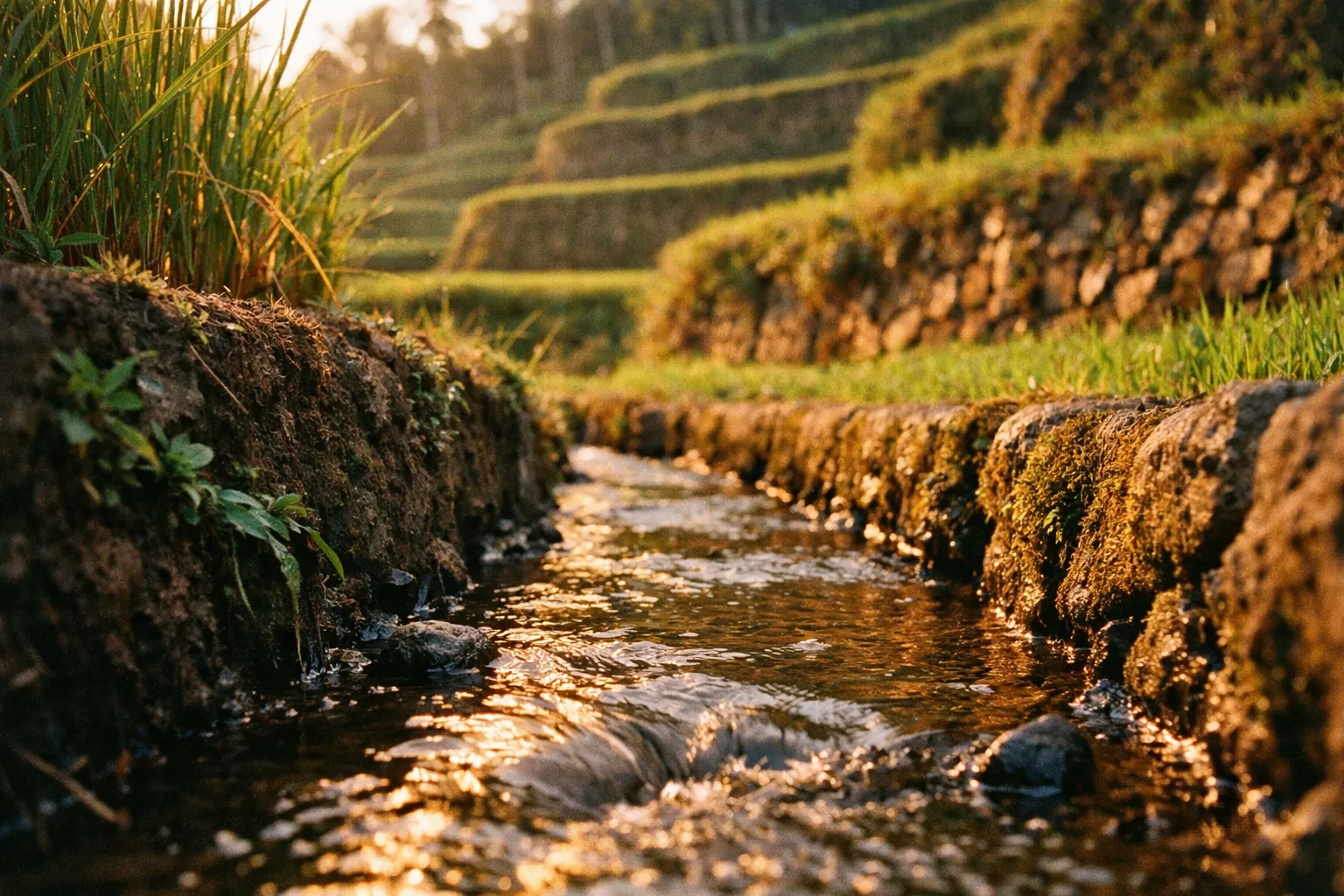
Beneath the scenery lies the subak system, a cooperative water-management network dating back to the 9th century. According to UNESCO, subak associations are community-based, democratic groups that distribute water through shared canals, dams, and coordinated schedules. This keeps multiple landowners’ paddies within one watershed irrigated in sequence. Tegallalang sits within the Pakerisan watershed area covered by the “Cultural Landscape of Bali Province” World Heritage listing from 2012, though the terraces themselves aren’t one of the five formally named component sites - that distinction belongs to places like Jatiluwih and the Tirta Empul/Gunung Kawi temple complex nearby. The key takeaway: this is living farmland, not a museum. The irrigation channels you cross are still doing their job.
One thing to keep in mind: what you see depends entirely on the rice cycle. The terraces shift between intense green (mid-growth), reflective flooded water (freshly planted), and brown stubble (post-harvest). More on that below - this is the single biggest factor in whether your visit delivers.
Entrance Fees, Gates, and What You’ll Actually Pay
The main Ceking gate charges IDR 25,000 per person, cash only, but there’s no single entrance. Several independent gates and interior booths each control their own paths. This multi-gate setup is the detail most guides skip, and it’s the most common way visitors get caught off guard.
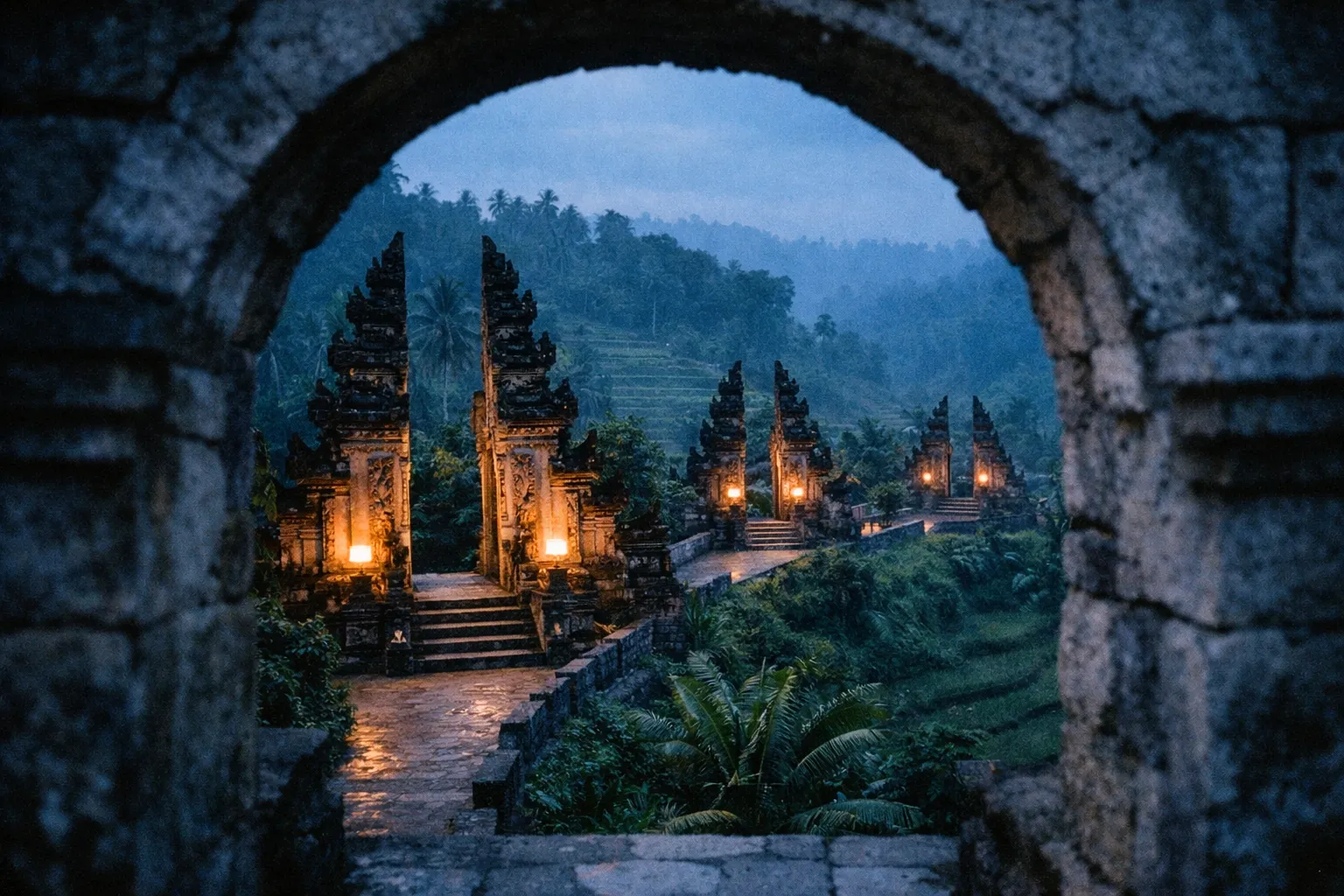
The official Tegallalang fees page confirms general admission to the main walking paths and viewpoints is IDR 25,000 per person, payable in cash at official booths - no card terminals anywhere on site (4). Recent guides from 2025 and 2026 line up with that figure, including parking in some cases (8)(5).
Here’s the gate-by-gate reality from current sources:
- Ceking (main gate): IDR 25,000 per person, confirmed through 2025 and 2026; parking included at some booths. This is the busiest area with the most infrastructure and photo spots.
- Pakudui: IDR 10,000 per person (January 2023; verify locally as it may have changed). A quieter alternate area.
- Uma Ceking: IDR 50,000 per person (January 2023). A premium viewpoint section with dedicated café-style infrastructure.
- Abian Desa and smaller family gates: IDR 10,000 to 25,000 per person (May 2026). Quietest paths, cheapest, but less maintained.
- Interior donation booths: IDR 15,000 to 20,000 at various points inside the terraces (July 2025). Ohana Agency notes additional small donations of IDR 10,000 to 20,000 to farmers maintaining the paths (1)(5).
- Parking: IDR 5,000 for scooters, IDR 10,000 for cars (July 2025).
The cash-only rule is not a minor detail. No gate, booth, or stall accepts cards. The official site states all payments must be in Indonesian rupiah cash (4). Carry small notes - 5,000 and 10,000 IDR bills are recommended - and ignore unofficial attendants in parking lots (4).
Plan for IDR 50,000 to 100,000 per person for a full visit, including one or two photo-spot activities. Add more if you want the zipline.
The photo-spot add-ons: swings, ziplines, and frames
The swings, platforms, and frames are commercial extras managed by individual landowners, each charging their own fee on top of your entrance ticket. Bali Holiday Secrets reports charges of IDR 10,000 to 50,000 for various swings and deeper-access paths (1). Ohana Agency’s 2026 guide lists seven popular photo spots - jungle swings, heart frames, viewing platforms - each with fees typically between IDR 10,000 and 50,000 (5). The iconic swing is the most popular, and after 9 AM you’ll queue for it. Early morning is the only realistic window for a clean shot.
Tegallalang Rice Terraces Entrance Fees by Gate
| Ceking (Main Gate) | Pakudui | Uma Ceking | Abian Desa & Family Gates | |
|---|---|---|---|---|
| Fee per Person (IDR) | 25,000 | 10,000 | 50,000 | 10,000-25,000 |
| What's Included | Main paths, viewpoints, some parking | Quieter alternate paths | Premium viewpoint, café infrastructure | Quiet paths, less maintained |
| Crowd Level | High after 9 AM | Low | Moderate | Low |
| Best For | Full tourist experience, swings, photo spots | Visitors seeking less crowded areas | Café-style viewing, premium experience | Budget visitors, authentic experience |
Getting to Tegallalang from Ubud
The Tegallalang Rice Terraces lie 9 to 10 km north of Ubud center on Jalan Raya Tegallalang, a 20 to 30 minute ride by scooter or car in normal traffic. From south Bali or the Kuta/airport area, expect 44 to 48 km and a 1 to 1.5 hour drive depending on congestion.
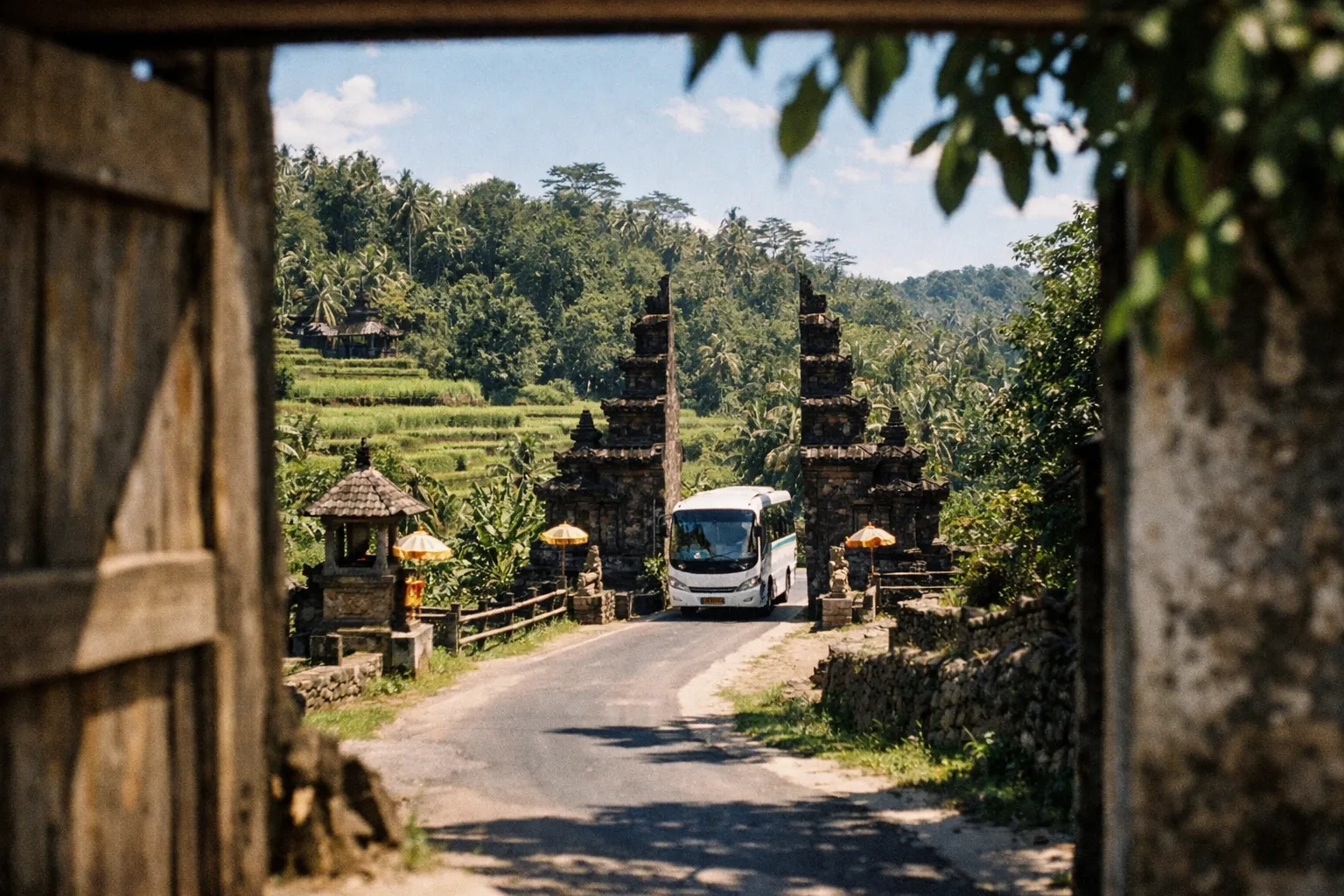
Scooter is the most practical way from Ubud. The road is paved and straightforward, and there are paid parking lots near the main viewpoints (IDR 5,000 for scooters). If you’re riding in, use one of the smaller parking areas slightly off the main road to avoid the busiest drop-off zones.
Private driver makes sense if you’re combining the terraces with other stops. A full Ubud-area circuit driver typically costs US$40 to 60 per day, reasonable if you’re chaining Tegallalang with Tirta Empul, Kintamani, or a waterfall run.
Organized tours exist as bundled day trips from Ubud and south Bali. Thrillophilia lists 6-hour Tegallalang tours that combine the terraces with other Ubud-area stops (admission around US$21 for packaged excursions). Convenient - but these usually arrive mid-morning, right when crowds peak. If you book a tour, ask exactly what time it reaches the terraces and push for the earliest slot.
There’s no direct public bus. Bemo or shared transport isn’t realistic for most visitors, so plan on scooter, driver, or tour.
Best Time to Visit the Tegallalang Rice Terraces
Early morning, roughly 6:00 to 8:30 AM, is the clear choice for visiting Tegallalang. The soft side-lighting on the valley walls, near-empty trails, and cooler temperatures make the early alarm worthwhile. Official hours are 7:00 AM to 6:00 PM, but the site is accessible “at any time,” meaning sunrise visits before the booths open are physically possible. Ticket counters are often unmanned at sunrise, and Pejujoy reports that arriving before 7 to 8 AM might mean no one is monitoring the entrance - making an early visit effectively free at some gates.
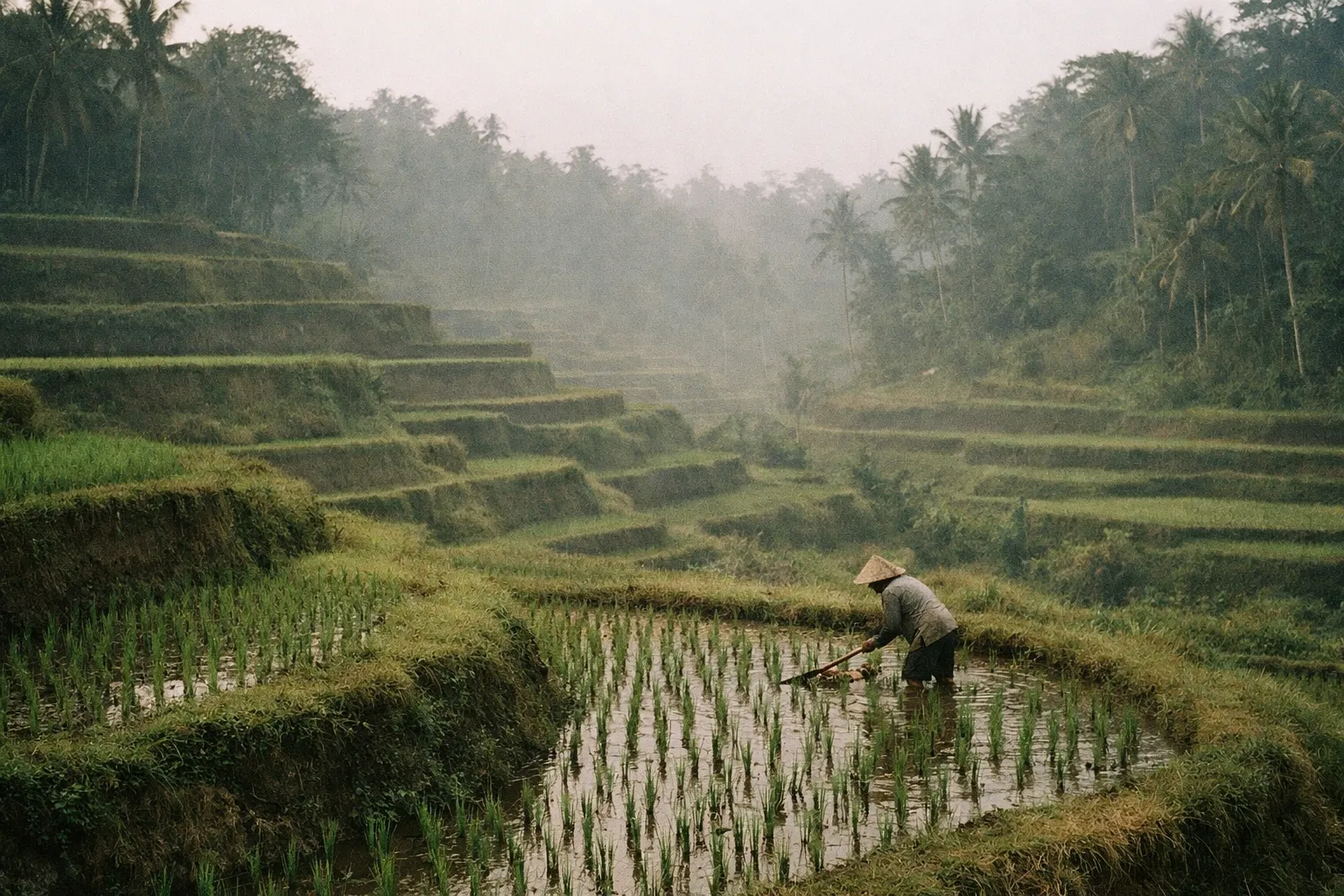
Late afternoon (around 4:30 to 5:30 PM) is the second-best window: golden-hour light, fewer tour buses, but watch for cloud cover and muddy paths after afternoon rain.
Mid-day is the time to avoid. Harsh light, the biggest crowds, and the most aggressive photo-spot upselling. TripAdvisor reviews consistently describe mid-morning as crowded, with tour groups and long lines for swings and ziplines.
The seasonal picture is where most guides get vague, so here’s the breakdown:
- March to May: Pre-harvest. Paddies are full and intensely green - often cited as peak visual condition.
- September to October: A second pre-harvest window with similar conditions.
- June to August: Dry season. Reliable weather, but fields may be at various growth stages - still green, but not always at peak.
- November to February: Wet season. Frequent afternoon rain and slippery paths, but terraces can be lush and morning mist filling the valley can be atmospheric for photography.
- Immediately post-harvest: Brown, bare fields. The single biggest disappointment for visitors who didn’t check the cycle.
The practical move: ask your accommodation or a local driver about the current growth stage before you commit to a date. It’s a 30-second question that determines whether you see green terraces or brown stubble.
Reading the rice cycle: green vs. brown vs. flooded
Tegallalang cycles through three visual states. Freshly planted paddies hold reflective standing water with young green shoots - striking in the right light. Mid-growth, a few weeks to a couple of months in, shows the intense wall-to-wall green most people picture. This peaks in the pre-harvest windows of March to May and September to October. Post-harvest leaves brown stubble and bare mud until replanting. Because landowners plant on staggered schedules, you’ll often see a patchwork of all three - but a valley caught entirely post-harvest is the one to avoid.
Navigating the Terraces: Gates, Paths, and How Long You’ll Need
A viewpoint-only visit takes 30 to 60 minutes, while a full valley walk with multiple descents runs 2 to 3 hours. Most independent visitors spend 1 to 2 hours total. Match your plan to your time and fitness:
- Viewpoint-only (30 to 60 min): Stick near the roadside cafés and main platforms. Accessible for most visitors, including those with limited mobility.
- Short loop walk (60 to 90 min): Descend one or two terrace levels, cross a few irrigation channels, and return by a different path.
- Full valley exploration (2 to 3 hours): Multiple ascents and descents across narrow bunds and bridges. Physically demanding, steep, and uneven.
The gate you choose shapes the experience. Ceking is the busiest, with the most infrastructure and photo spots - best if you want the full tourist experience including swings. Abian Desa is less crowded, with better chances of farmer interaction and cleaner photography without crowds. Uma Ceking charges a premium but offers dedicated viewpoint infrastructure, good for café-style viewing. The smaller family gates are quietest and cheapest, but the paths may be less maintained.
Path conditions deserve a real warning - not a caveat. The trails are dirt and stone, with narrow ridges and steep stairs that get slippery after rain. TripAdvisor reviews often warn about steep, slick footing after rain. Entrance is paid at small local posts along the ridge, so expect checkpoints as you go.
The café viewpoint option: sitting above it all
If knees or balance are a concern, terrace-edge cafés offer a legitimate way to experience the valley without hiking. Several cafés provide seated views with food and drinks right on the terrace edge. Be aware that some have minimum-spend policies in exchange for the view, so plan to order something rather than expecting a free table.
Tegallalang pairs naturally with a Kintamani or Mount Batur morning - do the sunrise hike, then stop at the terraces around 7 to 8 AM on the way back south, before the coaches arrive. Tirta Empul temple is also nearby, about 10 minutes away.
How to Navigate Your First Visit to Tegallalang Rice Terraces
2 hoursStep-by-step guide to making the most of your first visit
- 1
Arrive early
Get there before 8 AM and park at a smaller lot off the main road to avoid crowds.
- 2
Choose your gate
Pick Ceking for the full tourist experience or Abian Desa for quieter paths.
- 3
Pay the gate fee
Bring cash to pay at the gate and be prepared for interior checkpoints.
- 4
Explore the terraces
Descend to your chosen depth, sticking to established paths and avoiding crop bunds.
- 5
Relax at a café viewpoint
Finish with a drink at a terrace-edge café before the crowds arrive.
What to Wear and Bring to Tegallalang
Footwear is the most important decision. Wear closed-toe shoes with grip - trail runners or strapped hiking sandals - if you plan to go below the viewpoint level. Flip-flops are genuinely dangerous on wet clay. This isn’t overcautious advice; TripAdvisor reviewers repeatedly warn of steep, slippery, muddy paths after rain.
Other essentials:
- Clothing: Lightweight, quick-dry fabrics. No dress code at the terraces, but bring a sarong if you’re pairing the visit with a temple like Tirta Empul.
- Sun protection: The exposed ridges at 600 m can get surprisingly hot, especially June through September. Hat, sunscreen, sunglasses.
- Rain layer: A light packable jacket or poncho is worth carrying. Afternoon rain comes fast in the wet season and makes paths much more treacherous. Pejujoy flags common afternoon showers.
- Cash: Small denominations of IDR (5,000 to 20,000 notes). You’ll need it at the gate, for parking, and interior booths - none take cards.
- Water: Bring your own. Warung prices are fine, but having a bottle means you don’t have to stop at the first stall.
- Camera gear: A wide-angle lens captures the valley scale; an ND filter helps with mid-morning brightness. If you’re considering a drone, check the rules first (more below) - it’s not a casual decision here.
Photography at Tegallalang: Spots, Swings, and What to Expect
The most photographed spot is the wooden swing suspended over the valley. It’s separately ticketed, usually IDR 10,000 to 50,000, and swamped with queues after 9 AM. Early morning is the only time you’ll get a clean shot without other visitors in frame. The Manduls travel blog sums it up bluntly: visit early or don’t bother if you want landscape shots without crowds.
The zipline crosses the valley and is a genuine activity rather than just a photo prop - worth it if you want an aerial perspective. Heart frames, “Love Bali” signs, and platform viewpoints are scattered around the main Ceking area, each managed by landowners charging small fees. The concentration of these props gives the main trail a theme-park feel.
If you want the terraces without the props, use the Abian Desa gate or side paths that lead away from the swing clusters. The real subject is the valley itself - the geometry of the irrigation channels, the farmers working the paddies, the morning mist. Several guides note these side paths are better for immersive landscapes without people in the frame.
For timing: 6 to 8 AM offers soft light and empty paths; late afternoon has golden-hour color but carries a risk of clouds.
A word on drones. Indonesian aviation regulations apply, and local restrictions exist near populated areas. Enforcement is inconsistent, but confiscation is a documented risk. Check current DGCA Indonesia guidelines and ask locally before flying. Practically, mid-morning crowds make drone flying difficult anyway.
Respecting the Terraces: Farmer Etiquette and the Subak System
These terraces are working farmland, not a park. Farmers’ livelihoods depend on the integrity of the bunds and irrigation channels you walk around. Treat the place accordingly. The etiquette here is clear: avoid walking on narrow crop bunds or entering flooded paddies, as young rice plants are easily damaged.
Stick to the established stone or concrete paths. Don’t step onto the narrow crop bunds between paddies, and don’t cross flooded fields. According to UNESCO, water in the subak system is distributed through shared canals and weirs managed by local associations. Disrupting a channel affects multiple farmers downstream - even accidental damage has consequences beyond your photo.
Photography etiquette matters too. Ask before photographing farmers up close; a nod and a smile go a long way. Don’t block working paths.
The entrance and donation fees go to landowners and the local community. Bali Holiday Secrets describes interior donations of IDR 15,000 to 20,000 as community contributions that help maintain the terraces - not scams to dodge. Paying them, even the small ones, is the right call. The UNESCO listing recognizes subak as a living cultural system, and treating it as such is the difference between a good visit and a damaging one.
Tegallalang vs. Jatiluwih: Choosing the Right Rice Terrace for Your Trip
Tegallalang is steep, dramatic, close to Ubud, and heavily touristed. Jatiluwih is broad, panoramic, quieter, and further away - both worth doing if your schedule allows. The core difference is scale and effort.
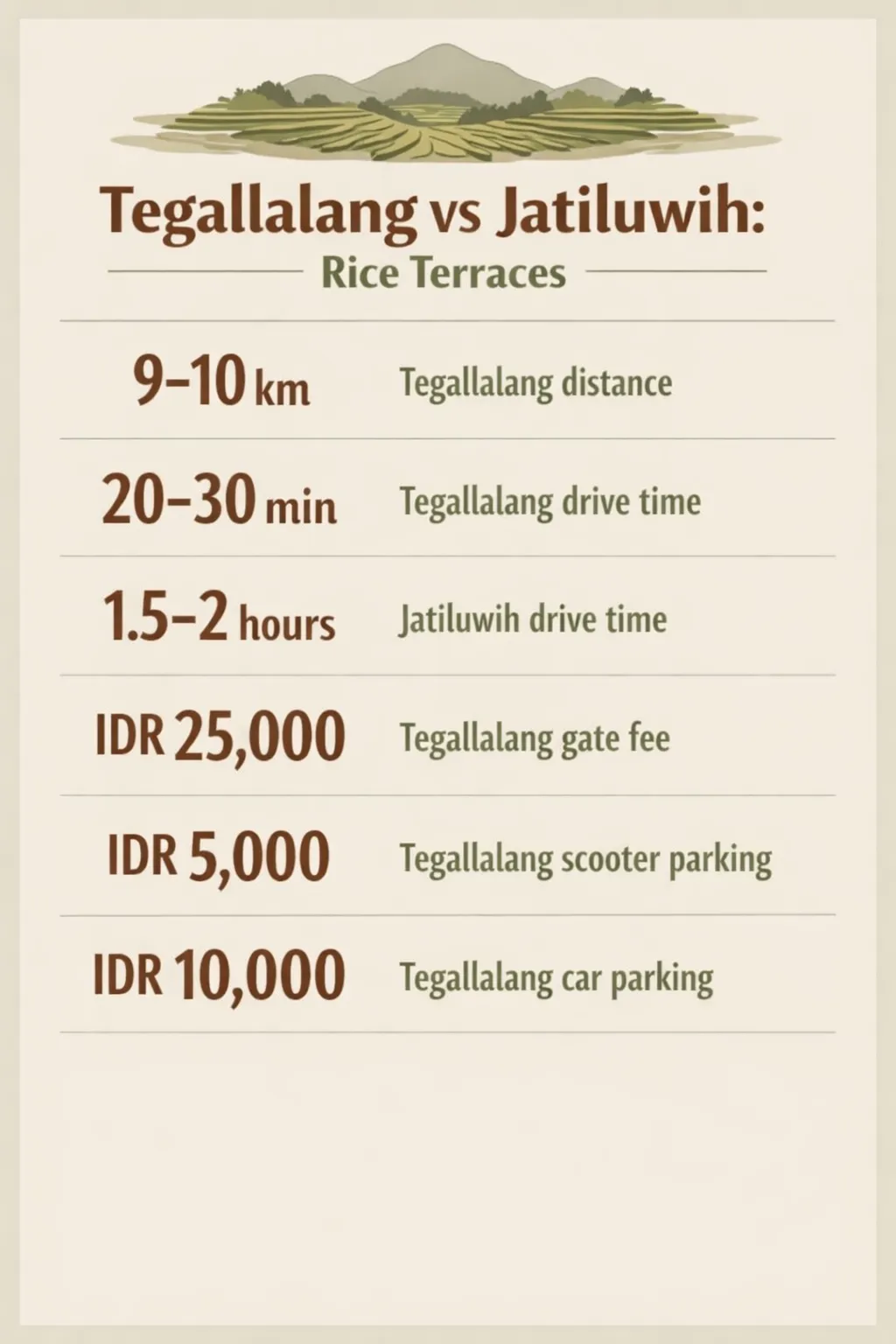 Tegallalang is 9-10 km from Ubud with a 20-30 minute drive and a gate fee of IDR 25,000; Jatiluwih drive time is 1.5-2 hours with a separate entry fee.
Tegallalang is a narrow, dramatic valley within the broader UNESCO-recognized cultural landscape, 20 to 30 minutes from Ubud. Jatiluwih sits in west Bali on Mount Batukaru’s slopes, with extensive rolling terraces and far fewer crowds. UNESCO formally recognizes Jatiluwih for its panoramic subak-managed rice fields, while Tegallalang is a dramatic but smaller valley within the same framework. Jatiluwih is about 1.5 to 2 hours from Ubud versus 30 minutes to Tegallalang, which makes Jatiluwih a dedicated day trip and Tegallalang a half-day add-on.
Here’s how they compare:
Tegallalang vs. Jatiluwih Rice Terraces
| Tegallalang | Jatiluwih | |
|---|---|---|
| Distance from Ubud | 9-10 km | 1.5-2 hours |
| Drive Time | 20-30 min | 1.5-2 hours |
| Crowd Level | Heavy after 9 AM | Quiet |
| Scenery Type | Steep dramatic valley steps | Broad rolling panorama |
| Entry Fee | IDR 25,000 + add-ons | Separate fee |
| Best For | Half-day, dramatic photography, swings/cafés | Full day, crowd-free walking, temple pairing |
| Physical Demand | Steep, uneven below viewpoint | Gentle, walkable trails |
| UNESCO Status | Within the recognized landscape, not a named component | Officially named UNESCO component |
If you’re based in Ubud for three or more nights, do both. If you only have one morning, Tegallalang is the practical choice - just go early.
Common Mistakes That Ruin the Visit
Arriving after 9 or 10 AM. This is the easiest mistake to avoid. Coaches from south Bali arrive mid-morning, and the main Ceking path turns into a slow-moving queue. TripAdvisor reviews describe exactly this: a line of tourists instead of a peaceful walk.
Wearing flip-flops. The paths are steep, the clay gets slick after rain, and a slip on a terrace edge is serious. Closed-toe shoes with grip are non-negotiable below the viewpoint level.
Assuming one gate, one fee. Budget IDR 50,000 to 100,000 per person including interior checkpoints and a photo spot or two. Being caught without cash at interior booths is a real problem since no one takes cards.
Visiting post-harvest without checking the cycle. Brown fields are a real letdown. Pejujoy recommends checking current rice growth stages with your accommodation - 30 seconds that can save the trip.
Walking on crop bunds. It damages the terraces and farmers’ livelihoods. Stick to paths.
Flying a drone without checking regulations. Indonesian aviation rules apply; enforcement is unpredictable; confiscation is a real risk.
Treating it as a quick photo stop. The terraces reward a slower pace - the subak channels, the farmers, the valley light - but only if you spend more than 20 minutes.
Frequently Asked Questions
- Do I need to book tickets in advance?
- No advance booking is required; entry fees are paid in cash at gate booths on arrival.
- Are there any restrictions on drone use at Tegallalang?
- Drone use is regulated with local restrictions; enforcement varies and confiscation is a risk.
- Can I visit Tegallalang outside official opening hours?
- Yes, the terraces are accessible before official hours, but ticket booths may be unmanned.
- Is it possible to avoid the crowds at Tegallalang?
- Arriving before 8 AM is the best way to avoid crowds and enjoy quieter paths.
- Are there facilities for visitors with limited mobility?
- Yes, café viewpoints near the main road offer terrace views without hiking.
- What should I do if I want to combine Tegallalang with other sites?
- Book a private driver or scooter and pair with Tirta Empul or Kintamani for efficient touring.
Before You Go
The Tegallalang Rice Terraces are worth the trip north from Ubud - but only if you treat timing as non-negotiable. Three decisions decide whether your visit works: go before 8:30 AM, wear shoes with grip, and check the rice cycle with your driver or accommodation before locking in a date. Get those right and you’ll have a steep green valley mostly to yourself. Get them wrong and you’ll be queuing behind a tour group for a swing photo in brown stubble.
The practical next step: book a driver or set your scooter alarm early, and pair the terraces with Tirta Empul, ten minutes away, on the same morning. That way the drive north earns its keep before the crowds arrive from the south.