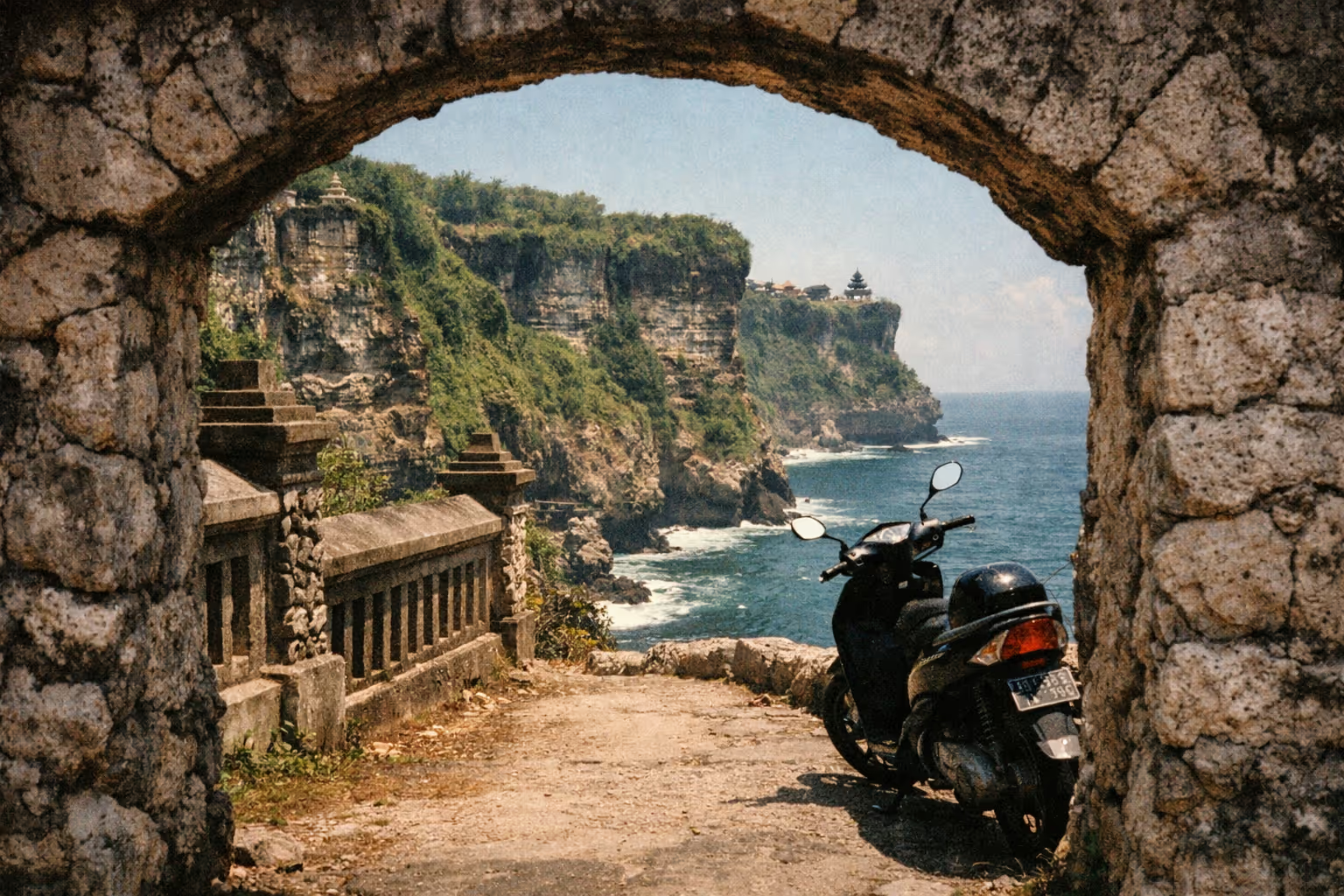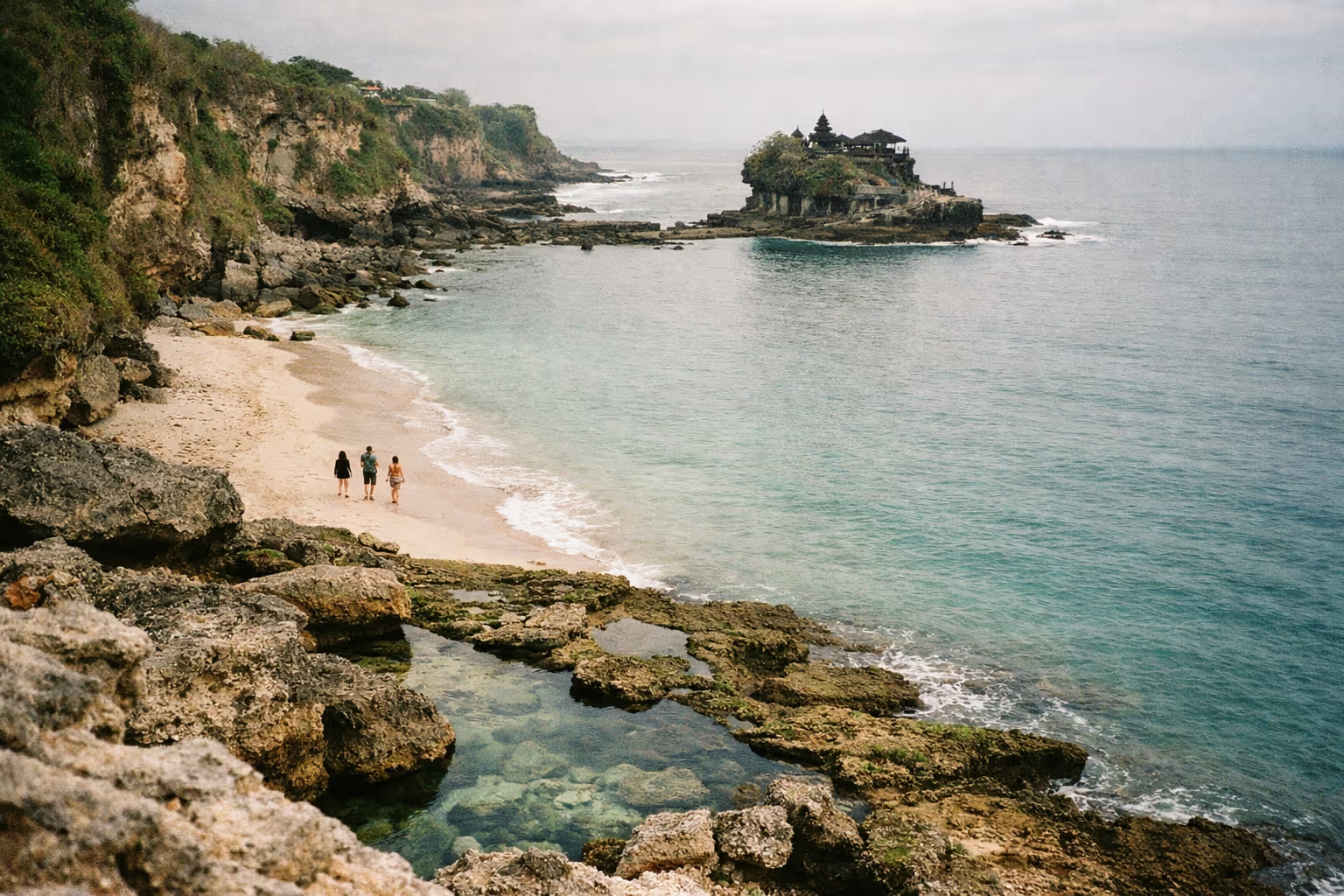
The best beaches for swimming in Bali are a short list: really just Nusa Dua, Sanur, and Jimbaran, each calmed by a reef or a sheltered bay. Kuta, most Uluwatu and Bukit coves, and the famous Nusa Penida spots are for photos, not swimming, with rips up to 1.5 meters a second. If one catches you, do not fight it; float, swim parallel 20 to 50 meters, then ride the breaking waves back in. And never snorkel the Gili Islands with an operator who skips the current briefing.
The Best Beaches for Swimming in Bali: Calm Waters, Safety Tips, and Where to Go
When looking for the best beaches for swimming in Bali, three names come up again and again in safety-focused guides: Nusa Dua, Sanur, and Jimbaran Bay (4)(5). What they share is geography - an offshore reef or a sheltered bay that absorbs wave energy before it reaches the shore.
Nusa Dua Beach is the one most consistently ranked as both the safest and the cleanest swimming option in Bali (6)(7). An offshore reef knocks down the swell, leaving lagoon-like water that stays shallow well out from shore. The beach is backed by managed resort frontage, which means the sand near the water is kept clean and there’s usually staff around. It’s the closest thing Bali has to a stress-free swim for families and weak swimmers.
Sanur Beach is the other top beginner pick. The water is gentle, the entry is shallow across long stretches, and a reef sits offshore to break the surf (8)(9)(10). The shoreline runs for several kilometers, so even on busy days you can walk to a quieter section. I’ve been here twice in the early morning - the water is genuinely calm before the midday wind picks up, and it’s the kind of beach where you can actually relax rather than stay alert.
Jimbaran Bay rounds out the calm-water shortlist. The curve of the bay shelters it from the worst of the swell, and the entry is forgiving. It’s a solid intermediate choice and an easy one if you’re staying near the airport or Uluwatu side of the peninsula.
For a slightly more adventurous swim on a good day, Padang Padang and Melasti can be gentle when conditions cooperate - but both sit on exposed coast, so check the water before trusting it.
Etiquette note: Many Bali beaches are working spaces for local fishermen and ceremony grounds. If you see offerings (small woven baskets with flowers and incense) on the sand, step around them - don’t kick through them. Topless or nude swimming is not acceptable on public beaches here.
✓ Pros
- Several beaches offer calm, reef-protected swimming ideal for families and weak swimmers
- Managed resort areas like Nusa Dua maintain cleanliness and safety
- Early morning swims benefit from calmer wind and wave conditions
✗ Cons
- Many popular surf beaches have strong rip currents and are unsafe for casual swimming
- Exposed coasts like Bukit Peninsula and Nusa Penida are mostly unsuitable for swimming
- Lifeguard coverage is inconsistent across Bali's beaches
Safety Considerations for Swimming in Bali: How to Read Conditions and Stay Safe
The same beach can be safe at 7 a.m. and dangerous by noon. Bali’s swimming risk depends on swell, tide, wind, and whether anyone’s watching the water - not on the beach’s reputation.
A few rules that hold across the island:
- Swim early. Arrive before 9:00 a.m. Morning wind and wave conditions are usually calmer and clearer, especially in the dry season from roughly April through October.
- Walk the shore first. Spend 5-10 minutes watching the water before you get in. Look for foam lines moving seaward, channels of darker water, or swimmers being pushed sideways.
- Swim between the flags. Where a lifeguard system is present, this is the single most useful safety rule. Red flags mean stay out. Many Bali beaches have no active lifeguards at all, so your own assessment matters.
- Know your limits. Safer swimming assumes you can swim at least 100 meters continuously and you’re comfortable in mild surf.
If you’re unsure, ask a local operator whether a beach is better for swimming, snorkeling, or just sightseeing. Bali beaches often specialize by condition, and the person renting loungers usually knows that morning’s water better than any guidebook.
Understanding Rip Currents and Strong Waves on Bali’s Coast
Bali rip currents are the thing that catches people off guard most often - not because they’re invisible, but because swimmers don’t know what to look for until it’s too late.
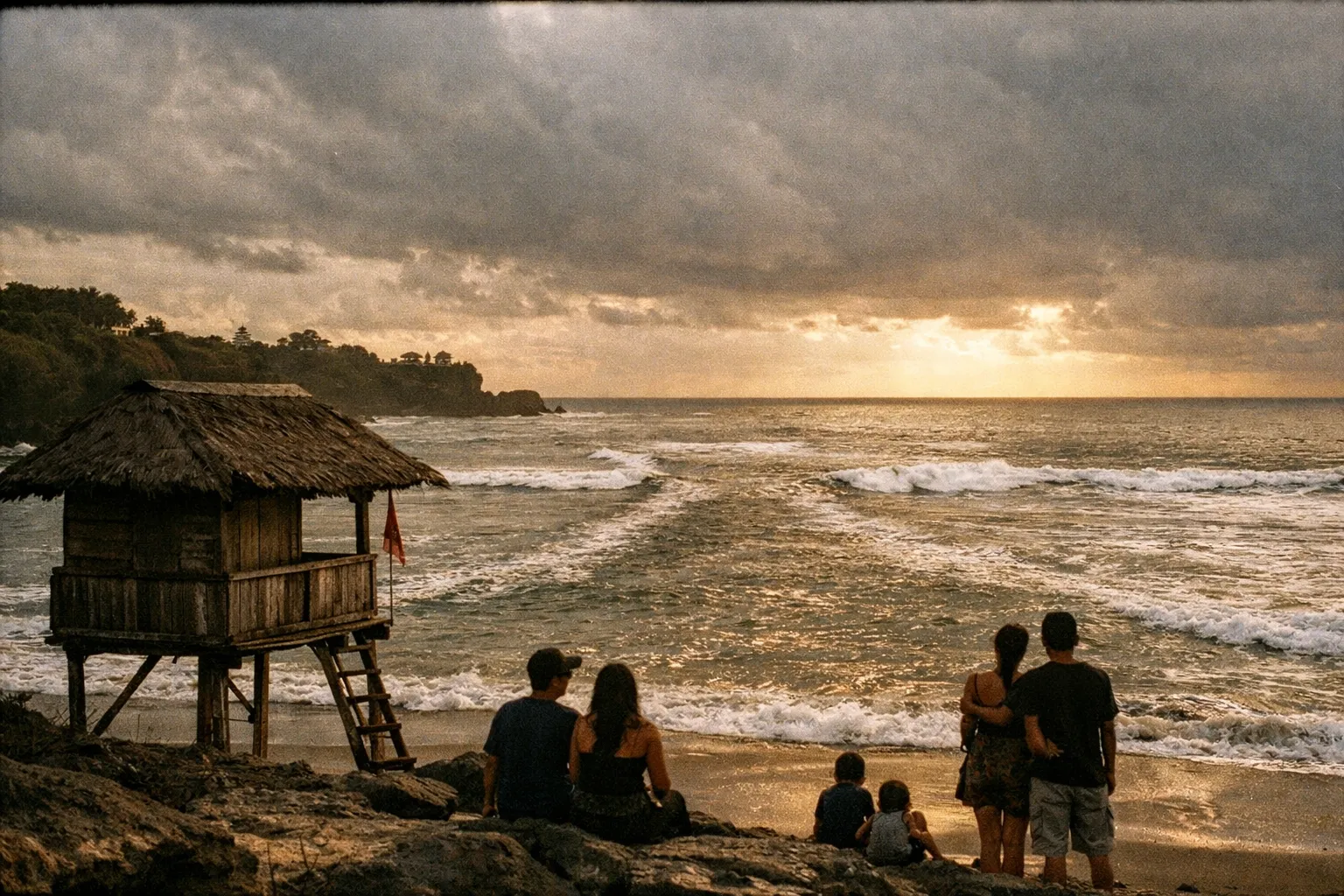
Rip currents are narrow, fast-moving belts of water traveling seaward from near the shore. They can form at any beach with breaking waves, which describes most of Bali’s west and south coasts. The visual cues are consistent: a gap in the wave pattern, a darker or calmer-looking strip of water, or foam and seaweed moving steadily out to sea. That calm strip is the trap - flat water often marks the channel where the current is flowing offshore.
The numbers are worth knowing. Rip channels can be 10-30 meters wide and move at speeds of 0.5 to 1.5 meters per second - faster than most recreational swimmers can sustain for any distance, which is exactly why fighting one directly fails. According to the Australian Surf Life Saving Association, even the lower end of that range is enough to exhaust an untrained swimmer within minutes.
If caught in a rip current:
- Don’t panic and don’t swim straight back toward the beach. You’ll exhaust yourself against water moving faster than you can swim.
- Float and conserve energy. Rips pull you out, not under.
- Swim parallel to the shore - about 20 to 50 meters - until you’re clear of the current’s grip.
- Then angle back toward the beach at the breaking waves, which help push you in.
Strong waves, while enticing for surfers, carry their own risks. They can break more powerfully than expected, leading to wipe-outs or collisions. Bali’s beaches range widely in wave size and strength, so choose a spot that matches your experience. Kuta Beach, despite its fame, is not a primary swimming beach in safety-focused guides - it’s exposed to rip currents, especially during larger swells and changing tides.
I’ve watched people wade confidently into Kuta on what looked like a calm afternoon and get knocked sideways within minutes. The beach looks approachable. It isn’t, not for casual swimmers.
Snorkeling Safety in Bali and the Gili Islands: Current Awareness and Precautions
The reefs off Bali and the nearby Gili Islands draw snorkelers for the turtles, coral, and clear water - but snorkeling safety Bali is a different problem from beach swimming, and the variable that catches people out is current, not visibility.
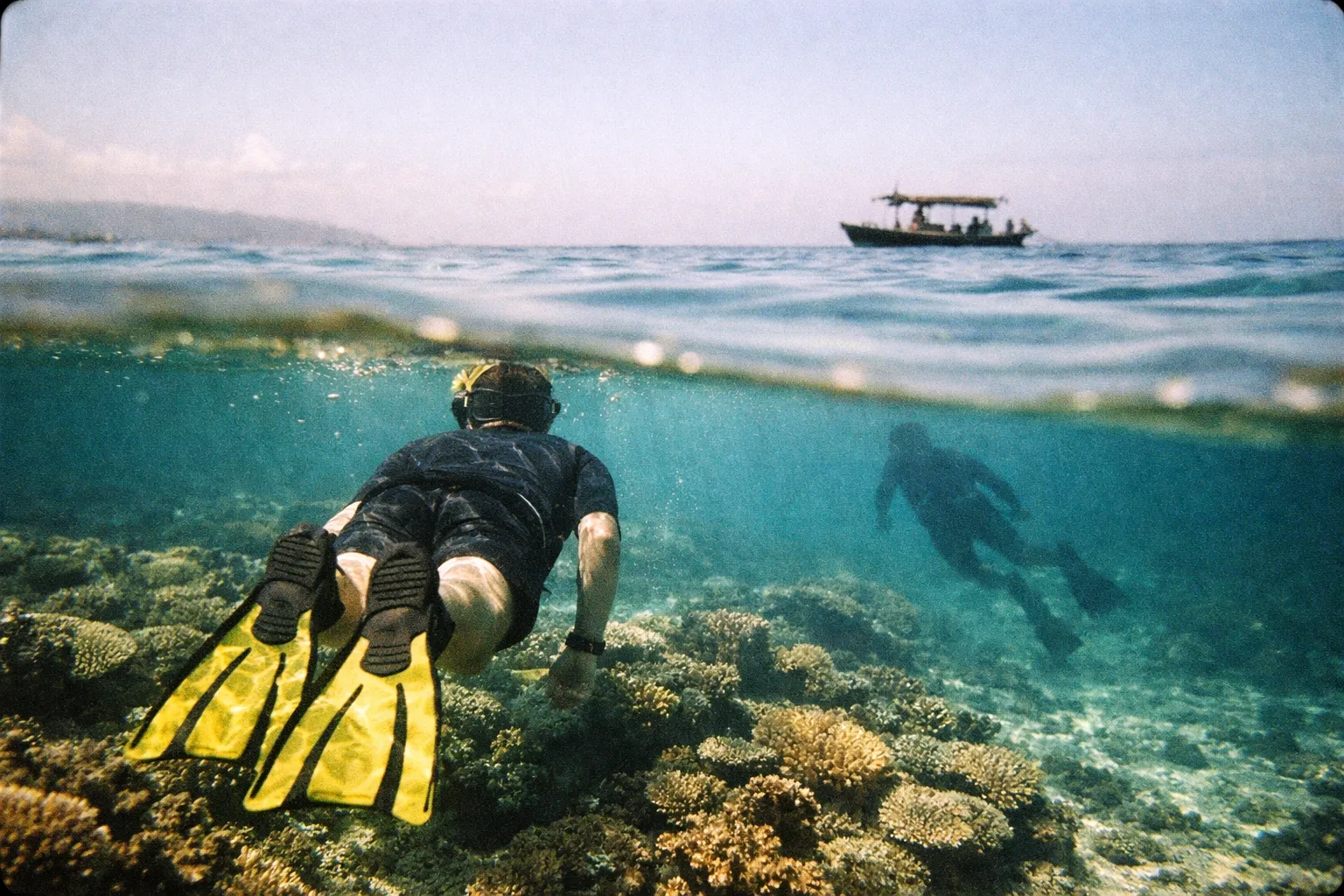
Around the Gili Islands reefs, currents can be strong and unpredictable. The water can look inviting from shore and still carry enough force to push a weak swimmer well off their intended route. Tides shift the picture materially within a single morning. This is the most common snorkeling mistake here - overestimating your ability because the surface looks calm.
Practical snorkeling rules:
- Choose a boat operator that gives a current briefing and supplies flotation aids. This matters more than which mask brand you rent. A guide who knows that day’s tides is worth more than any gear upgrade.
- Stay close to shore when the current feels strong, and don’t snorkel alone in unfamiliar water.
- Wear a life jacket or buoyancy aid if you’re a weak swimmer. Several Gili operators explicitly recommend it.
- Bring water shoes if you’re entering over coral or reef rock near shore.
The Gili Meno statues - a submerged ring of human figures sitting a few meters down off Gili Meno - are a popular snorkel and free-dive spot. The site itself is shallow and accessible, but the swim out crosses open water where currents run, so go with a guide or by boat tour rather than striking out from the beach on your own.
Bukit Peninsula and Uluwatu Beaches: Dramatic Views but Mostly Unsuitable for Swimming
The Bukit Peninsula south of the airport holds Bali’s most dramatic coastline - limestone cliffs, white sand coves, and the surf breaks that made the island famous. The Uluwatu beaches are spectacular and almost entirely the wrong choice for a casual swim.
Most of these coves sit at the base of cliffs, reached by steep stairs, and face open ocean with powerful breaks and reef bottoms. They’re surf territory and sightseeing territory - not calm-swim territory. If you want to get in the water on this side of the island, Jimbaran Bay is your safe bet, and Padang Padang can work on a flat day, but treat the rest as views to admire rather than pools to wade into.
Surf etiquette matters here, because these breaks are crowded and governed by unwritten rules: give way to the surfer closest to the peak, never drop in on someone else’s wave, and watch a spot for a session before paddling out. On one visit to a quieter Bukit break, I spent the first day just watching from the cliff and talking with the local surfers before getting in the water. It told me more about the spot’s dynamics than any forecast, and it’s the kind of respect that earns you a place in the lineup.
Nusa Penida Beaches: Photogenic Spots with Swimming Conditions to Check Carefully
Across the strait from southeast Bali, Nusa Penida holds the island’s most-photographed coastline. Almost all of it is sightseeing-first.
Kelingking Beach - the T-Rex-shaped headland - is one of Indonesia’s most recognizable views. The beach itself sits at the bottom of a punishingly steep, partly hand-built staircase, and the water below is exposed and surge-prone. The descent is the real hazard; many visitors photograph it from the clifftop and never go down. Current Nusa Penida safety guidance treats Kelingking as a viewpoint - the water is not considered safe for swimming, and most operators advise against entering it at all.
Broken Beach and Angel’s Billabong are a pair of natural rock formations a short walk apart. Broken Beach is a circular cove with a natural arch - beautiful, but it’s a viewpoint, not a swim. Angel’s Billabong is a natural infinity pool carved into the rock that fills at certain tides. It looks swimmable, but the seaward edge drops into open ocean and surge has swept visitors out at high tide - local safety guidance now treats it as a no-swim zone. Admire it from the rock shelf and keep well back from the open edge.
Crystal Bay is the closest thing Penida has to a swimmable, snorkel-friendly beach, with calmer water and good visibility on a good day. It’s the spot to prioritize if you want to actually get in the water - but currents here still shift with the tide, so check conditions and stay within the sheltered section.
Diamond Beach, Atuh Beach, and the Thousand Island Viewpoint sit on the eastern side. Diamond Beach is the dramatic one - white sand, limestone pinnacles, a steep carved staircase down. Atuh Beach next door is calmer and more protected, making it the better swim of the two. The Thousand Island Viewpoint above them is purely for the panorama. As with Kelingking, the staircases are the genuine risk; go down with proper footwear and don’t attempt them in the rain.
A Swim-Safety Matrix for Bali Beaches: Matching Your Activity to the Right Spot
Rather than one generic list of the best beaches for swimming in Bali, here’s how the main spots sort by what you actually want to do.
Swim Safety and Best Use for Bali Beaches
| Top Pick Nusa Dua | Sanur | Jimbaran Bay | Padang Padang | Crystal Bay (Penida) | Atuh Beach (Penida) | Kuta | Kelingking / Angel's Billabong / Broken Beach | Gili Islands reefs | |
|---|---|---|---|---|---|---|---|---|---|
| Best For | Beginners, families | Beginners, families | Intermediate swimmers | Intermediate, calm days only | Snorkeling, calm-day swimming | Sightseeing + sheltered swim | Surf, sunsets, lessons | Sightseeing only | Snorkeling with a guide |
| Swim Safety | High - reef-protected lagoon | High - sheltered, shallow entry | Moderate-high - bay-sheltered | Variable - exposed coast | Moderate - tide-dependent | Moderate | Low - rip-current prone | Low - exposed, surge-prone, no-swim guidance | Variable - strong currents |
| Notes | Cleanest managed shoreline; calmest overall | Long beach; swim before midday wind | Easy entry; good south-peninsula option | Fine when flat, surf otherwise | Best swim on Nusa Penida (check current) | Calmer than neighboring Diamond Beach | Not a primary swim beach | Treated as viewpoints by local safety authorities - do not swim | Use a briefed operator |
What It Costs and What to Pack for a Bali Beach Day
Access to most public beaches is $0, but budget $10-30 USD for parking, sun loungers, drinks, or basic facilities at higher-traffic beaches. Prices shift with season and weekends.
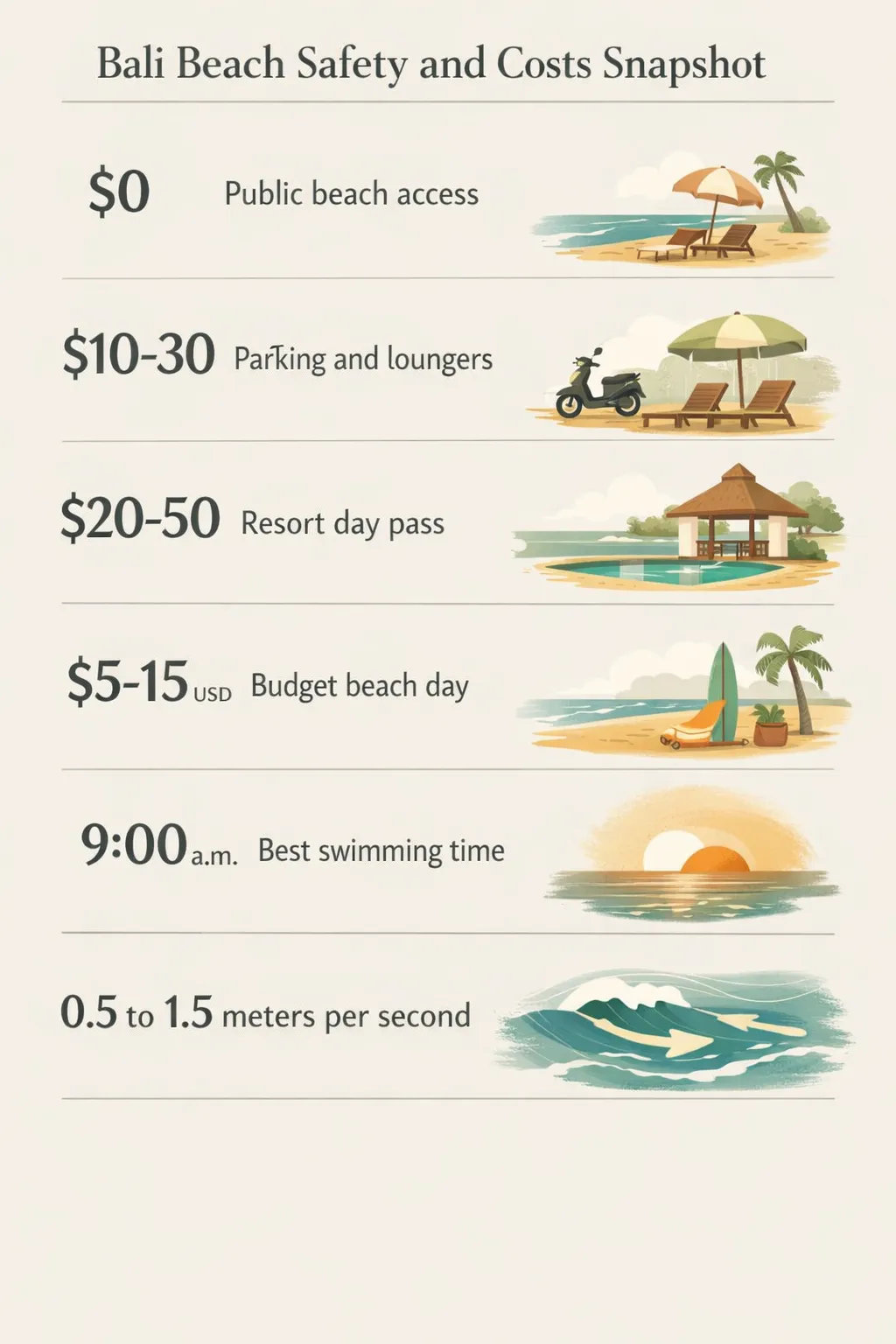 Key costs and safety stats for Bali beaches: public access $0, parking $10-30 USD, resort day pass $20-50 USD, budget beach day $5-15 USD, best swimming time before 9:00 a.m., and rip currents at 0.5 to 1.5 meters per second.
If you want a controlled swim day - managed shoreline, on-site staff, calmer water - a resort or beach club day pass starting around $20-50 USD is worth considering, especially at Nusa Dua or near Jimbaran. For families and non-swimmers, that buys real peace of mind. On a tight budget, bring your own towel and water and you can keep a beach day to $5-15 USD by skipping loungers.
What to actually pack:
- Reef-safe sunscreen - better for the coral and now expected at many snorkel sites
- Water shoes - essential where coral or reef rock sits near shore
- Dry bag for phone and valuables
- Polarized sunglasses - they help you read rip channels and surface texture
- A whistle if you’re snorkeling off a boat
- A life jacket or buoyancy aid for weak swimmers, especially around the Gili Islands
Respecting Marine Life and the Coastal Environment in Bali
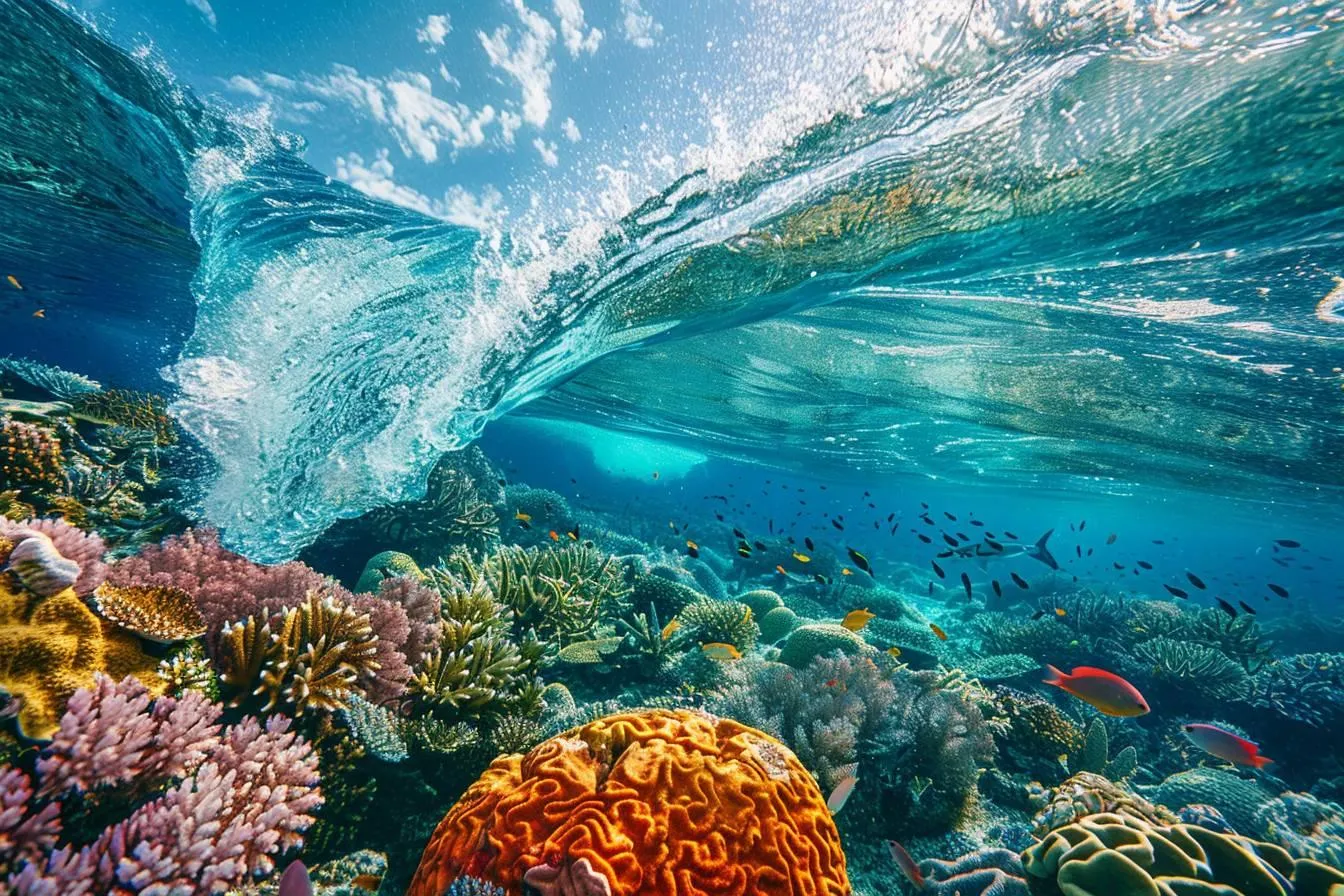
The waters around Bali hold real biodiversity - coral reefs, manta rays, the occasional sea turtle. Interacting with these creatures should be done with care.

When surfing or snorkeling, keep a safe distance from marine animals and never touch coral or other sea life - human contact does lasting damage, and stepping on coral both kills it and cuts your feet. I once watched a group of snorkelers redirect their entire route to avoid disturbing a sea turtle feeding near the reef. It was a small thing, but it’s the right instinct.
Beyond the individual swim, beach clean-ups and cutting plastic use matter here. Bali’s beaches collect a startling amount of plastic during the wet-season swells, and the difference between a clean beach and a littered one often comes down to who’s been picking it up that week. Sanur’s plastic problem is a useful reminder of how quickly conditions can shift on even the calmest stretches of coastline.
Frequently Asked Questions
- Are all Bali beaches safe for swimming?
- No, only reef-protected and sheltered beaches like Nusa Dua, Sanur, and Jimbaran Bay are reliably safe for swimming.
- What should I do if caught in a rip current in Bali?
- Float to conserve energy, swim parallel to shore to escape the current, then angle back toward the beach with the waves.
- Is snorkeling in the Gili Islands safe without a guide?
- No, strong and unpredictable currents make guided snorkeling with current briefings essential around the Gili Islands.
- Can I swim at the famous Kelingking Beach on Nusa Penida?
- Swimming at Kelingking is not recommended - current safety guidance treats it as a viewpoint only. Most visitors photograph it from the clifftop and do not descend to the water.
- What local etiquette should I follow on Bali beaches?
- Avoid stepping on offerings in the sand and do not swim topless or nude on public beaches.
- When is the best time of day to swim safely in Bali?
- Early mornings before 9 a.m. offer the calmest water and safest swimming conditions.
- Are there lifeguards on Bali beaches?
- Lifeguard coverage is limited; always swim between flags where present and assess conditions carefully.
Before You Go: Choosing Your Bali Beach and Staying Safe in the Water
Pick your beach for what you actually want from the day, not for its Instagram fame. If you want to swim, point yourself at Nusa Dua, Sanur, or Jimbaran Bay, go early, and watch the water for ten minutes before you get in. If you want the dramatic clifftop coves of the Bukit and Nusa Penida, plan them as viewpoints with a careful staircase descent - and only swim where the conditions clearly allow it.
Learn the rip-current escape: float, swim parallel, then angle back in. Respect the surf lineups and the reef. Those two things, more than anything else, are what separate a good day at the water from a bad one. For a broader look at staying safe across the island - from scooters to petty theft - our full Bali safety guide covers the full picture beyond the beach.