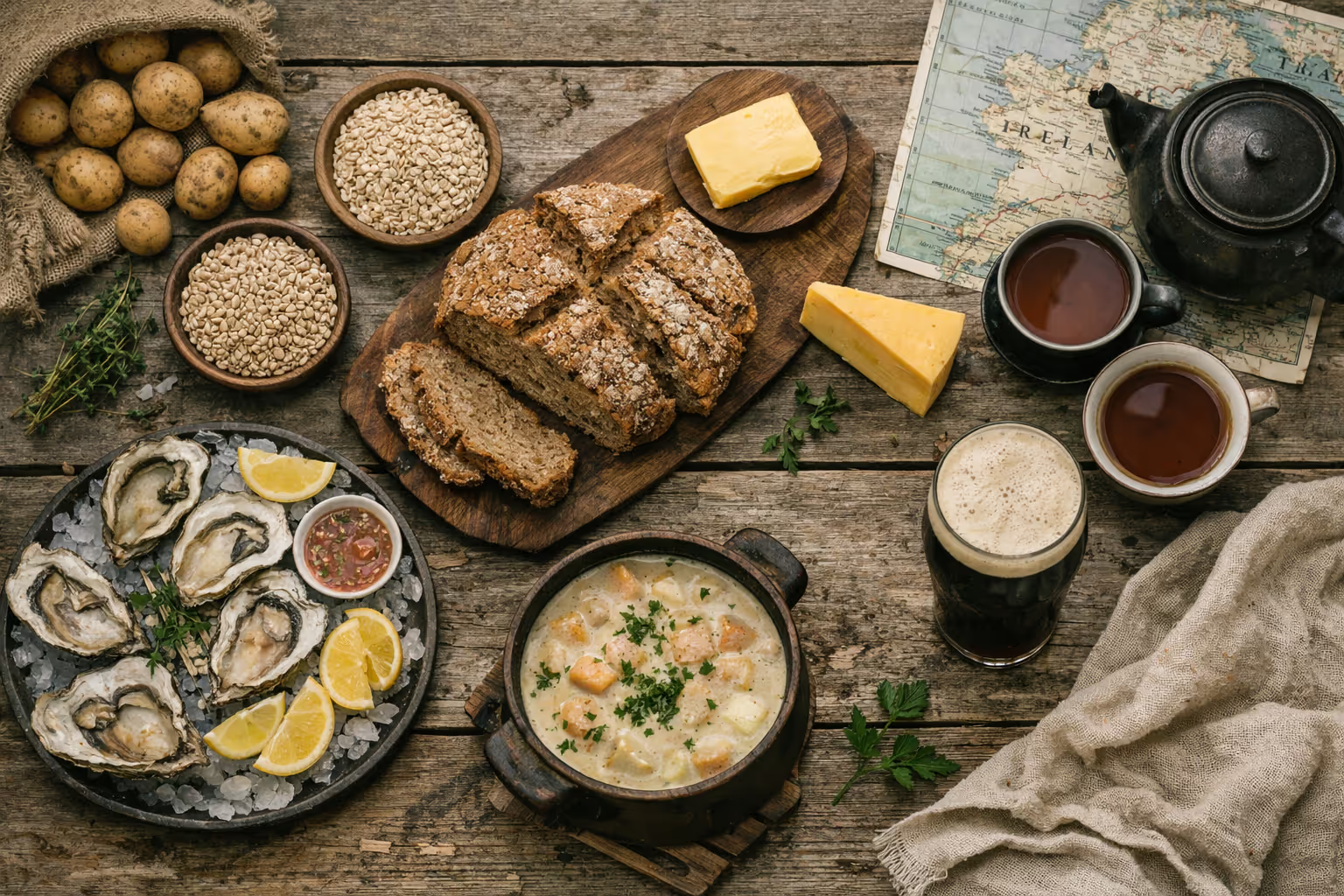
Traditional Irish food is not the corned beef and cabbage you were sold; that plate is an Irish-American invention, and the real St. Patrick’s Day meal in Ireland is boiled bacon and cabbage. What you actually want is Irish stew, the lamb-and-potato national dish, and a full Irish breakfast hearty enough to replace two meals on a touring day. Save room for barmbrack or sticky toffee pudding. And chase the gastropubs, not the tourist-zone Irish pubs, if you want colcannon and chowder done properly.
A journey through Ireland’s culinary history and traditional Irish food
Ireland’s food culture is deeply rooted in its history, with influences spanning centuries. The potato, which became a staple in the 18th and 19th centuries, played a central role in shaping traditional Irish food as we know it. The devastating potato famine of 1845-1849 left a permanent mark on Irish society and food traditions - one that still shapes how the Irish talk about food today.
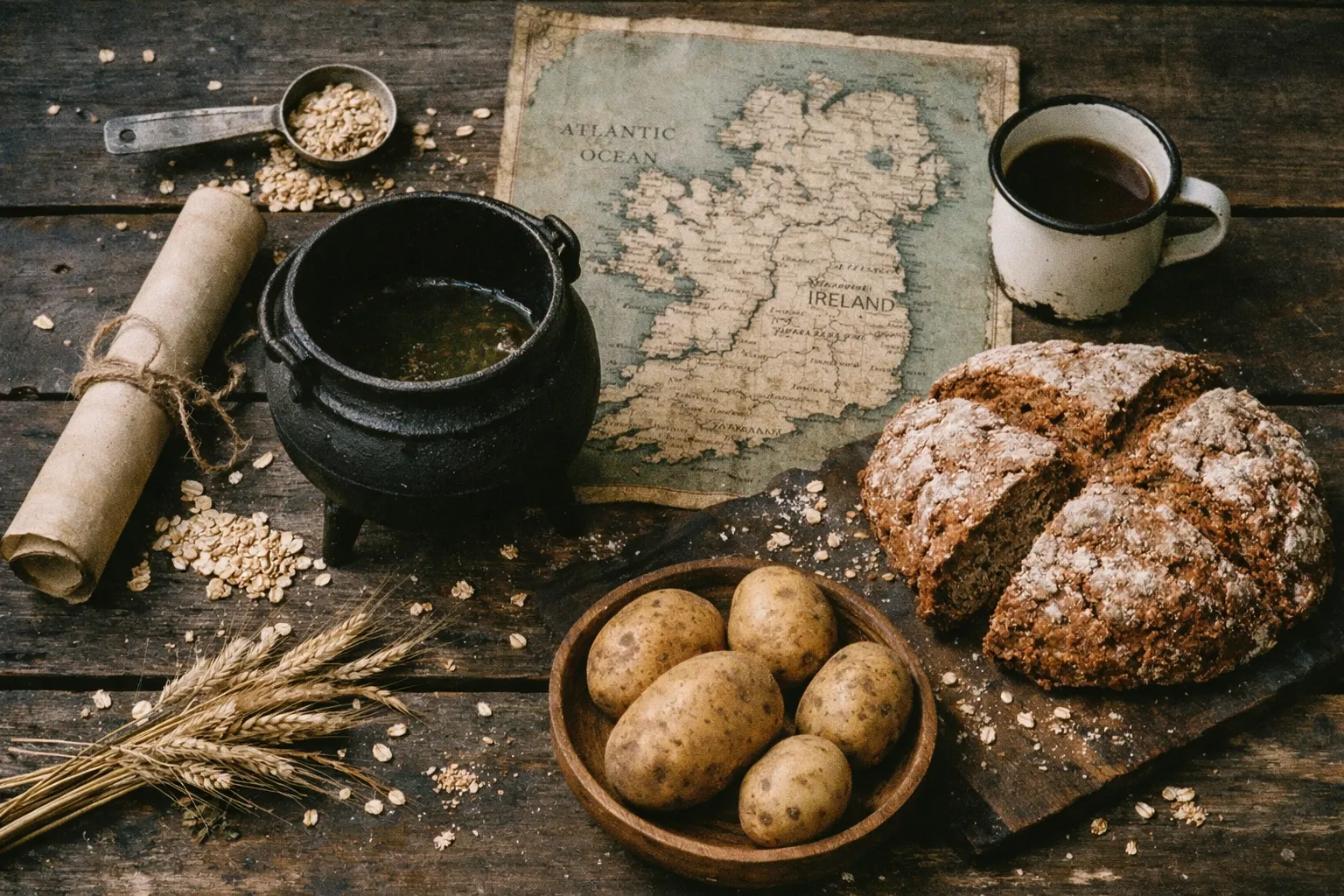
Before the potato took over, grains like oats, barley, and wheat were the foundation of the Irish diet. Oatmeal porridge, a dish I’ve grown genuinely fond of during my travels, has been a breakfast staple for generations. The Norman invasion in the 12th century introduced new foods and cooking techniques, adding another layer to an already evolving culinary landscape.
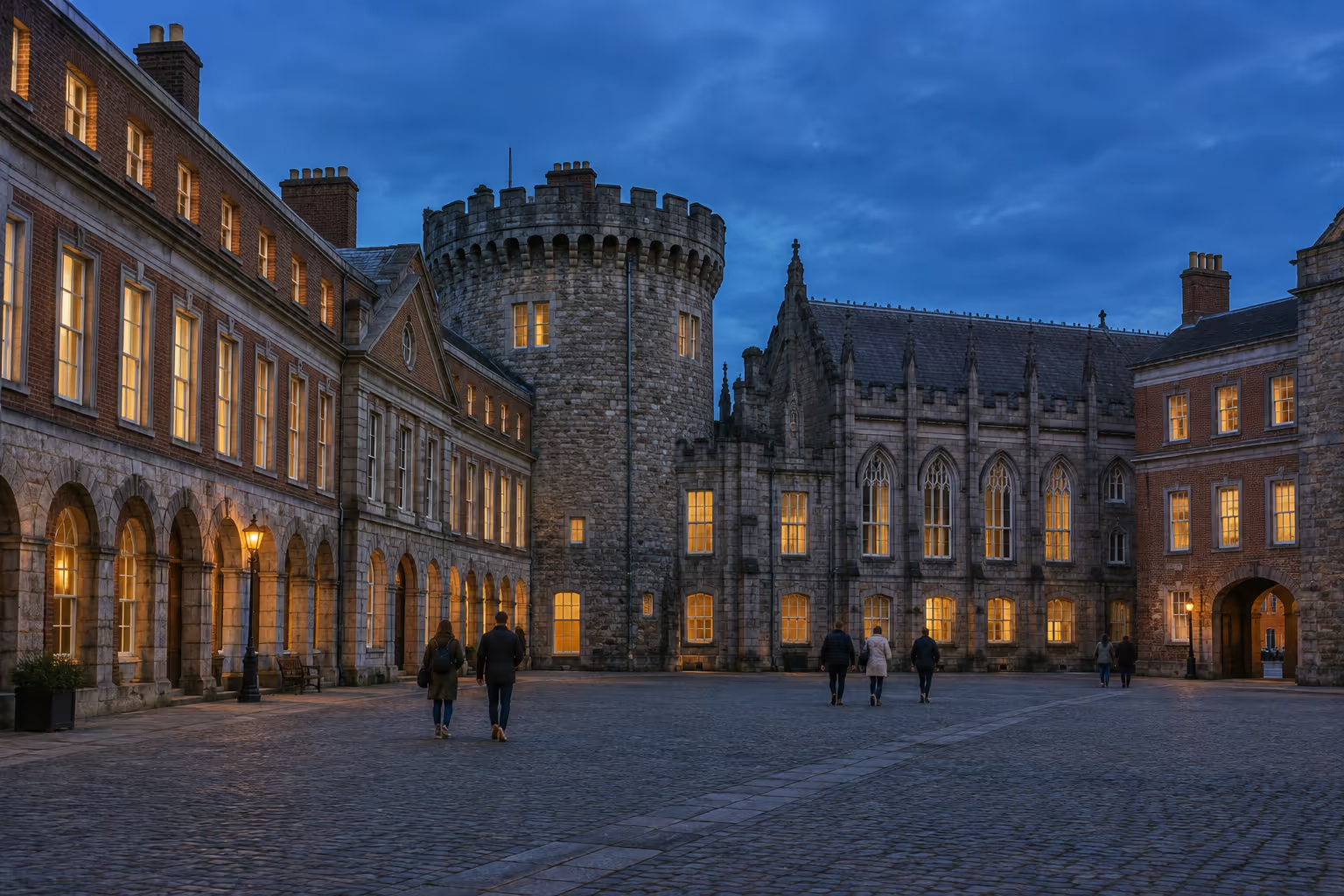
Medieval Irish cuisine was also shaped by social class in ways that feel surprisingly modern. Certain ingredients were restricted to the upper tiers of society, creating a hierarchy of flavors you can still trace in the historical record. Walking through Ireland’s castles and ancient sites, it’s not hard to imagine the kind of feasts that once happened inside those walls.
Traditional cooking methods included boiling in cauldrons, roasting meat on spits, and baking in stone ovens. These techniques, combined with the country’s abundant natural resources, laid the groundwork for the hearty, filling dishes that still define Irish cooking today.
✓ Pros
- Rich historical roots shaping diverse traditional dishes
- Emphasis on fresh, locally sourced ingredients
- Strong revival of Irish culinary traditions in gastropubs
✗ Cons
- Some traditional dishes are more common in home cooking than restaurants
- Touristy spots may offer diluted versions of classics
The top 10 Irish dishes to try
If you only have a week and one appetite, these are the dishes worth prioritizing. Most Irish and international food guides converge on roughly the same list, and I’ve eaten my way through all of them more than once (1)(2).
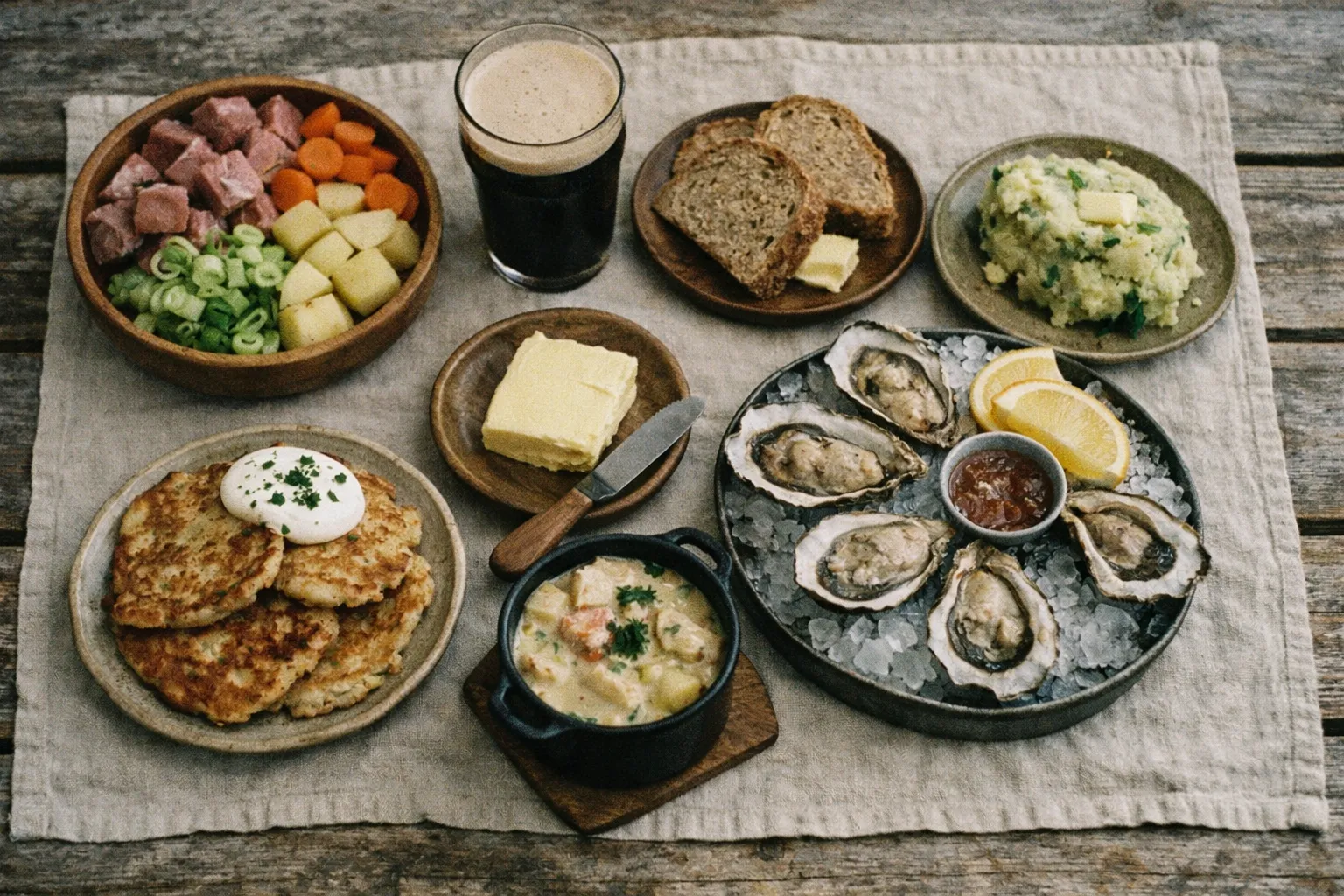
- Irish stew - Lamb or mutton simmered slowly with potatoes, carrots, and onions. Widely named Ireland’s national dish. The mutton version is richer and needs 2-3 hours to break down properly.
- Soda bread - Dense brown wholemeal bread leavened with buttermilk and baking soda, no yeast required. Some guides call it a national dish in its own right (2).
- Full Irish breakfast - Eggs, rashers, sausages, black and white pudding, fried potato or boxty (a potato pancake), grilled tomato, beans, and toast. Built to carry you through most of a touring day.
- Colcannon - Mashed potatoes folded with cabbage or kale and a generous amount of butter.
- Champ - Mashed potatoes with scallions (spring onions) - creamier and sharper than colcannon.
- Boxty - A potato pancake made from both grated raw and mashed potato, a staple of the northern breakfast plate.
- Bacon and cabbage - Boiled bacon joint served with cabbage. This, not corned beef, is the traditional plate (more on that in the St. Patrick’s Day section).
- Seafood chowder - A cream-based soup packed with local fish and shellfish, best along the west coast.
- Fish and chips - Battered fresh fish with thick-cut chips, an essential casual meal, especially in coastal towns.
- Barmbrack - A currant-studded loaf tied to Halloween, often baked with small trinkets inside to tell your fortune (3).
Within the gastropub segment specifically, traditional Irish cuisine holds about 62.4% of that sector’s food value in 2025 (4) - making it the dominant category within gastropubs, though the broader casual dining market is more varied. These dishes aren’t museum pieces. They’re what people actually order.
What is the national dish of Ireland?
Irish stew is the national dish of Ireland. Travel and recipe guides have said so for at least two decades, and it holds up: lamb or mutton, potatoes, onions, and carrots, simmered low and slow until the meat gives way (5)(6).
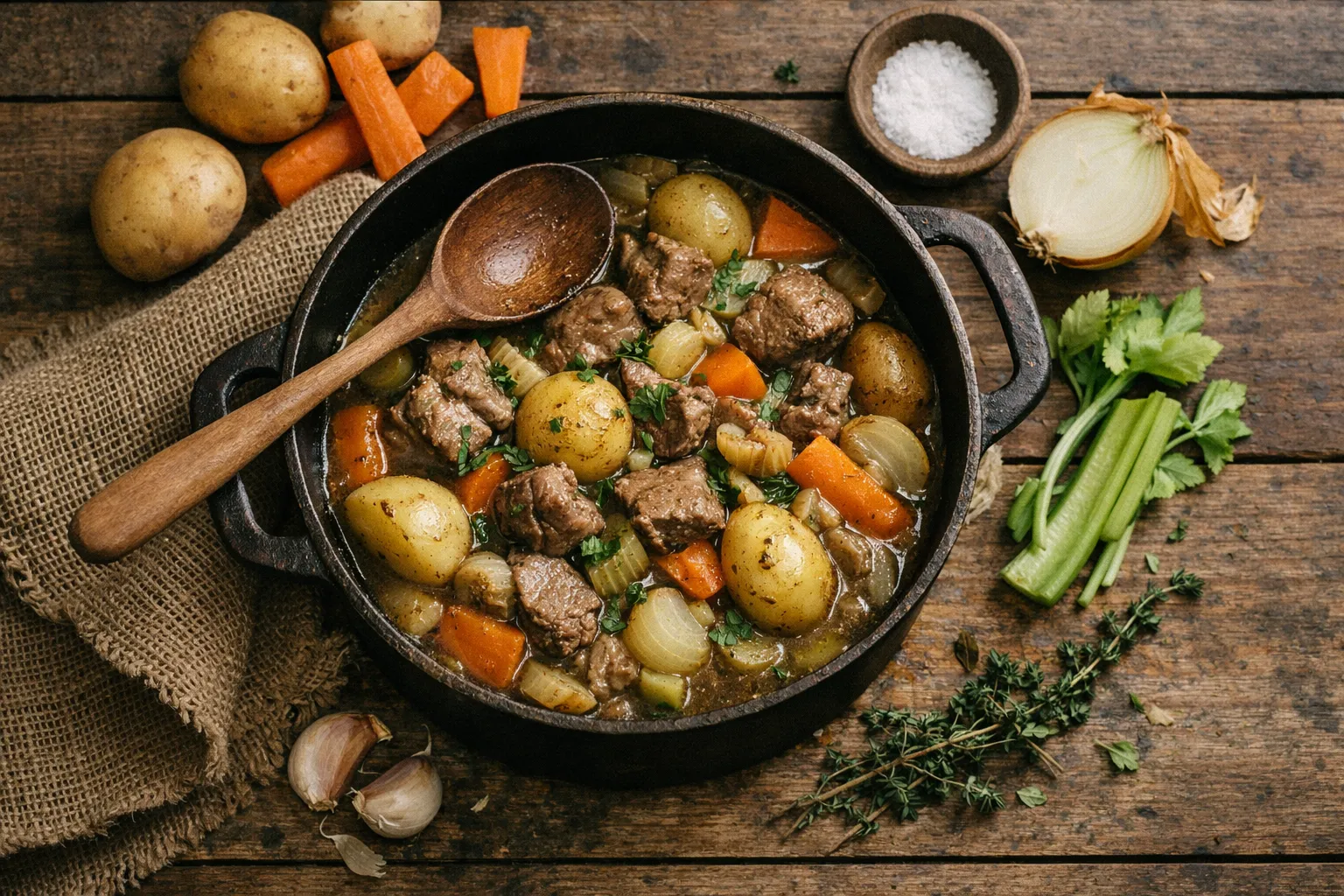
A word of nuance, because it trips people up. “National dish” is a cultural designation, not a legal one, so you’ll occasionally see soda bread described the same way (7). Both are correct in the loose sense that both are deeply woven into Irish home cooking. If you need the single answer for a pub quiz, it’s Irish stew. If you want the honest answer, Ireland’s food identity rests on a handful of staples rather than one.
The original stew used mutton - older, tougher sheep meat that needs long cooking and rewards it with deeper flavor. Modern versions lean on lamb because it’s more available and cooks faster. Purists guard the short ingredient list fiercely: no carrots for some, no thickening flour for others. I’ve stopped arguing and just eat whatever the kitchen puts in front of me.
Ireland’s signature foods beyond the national dish
If the national dish is a single answer, Ireland’s signature foods are a cluster. The items that show up again and again across culinary guides are Irish stew, soda bread, the full Irish breakfast, Irish butter, farmhouse cheddar and other artisan cheeses, oysters (especially from Galway and Sligo), and barmbrack (8)(9).
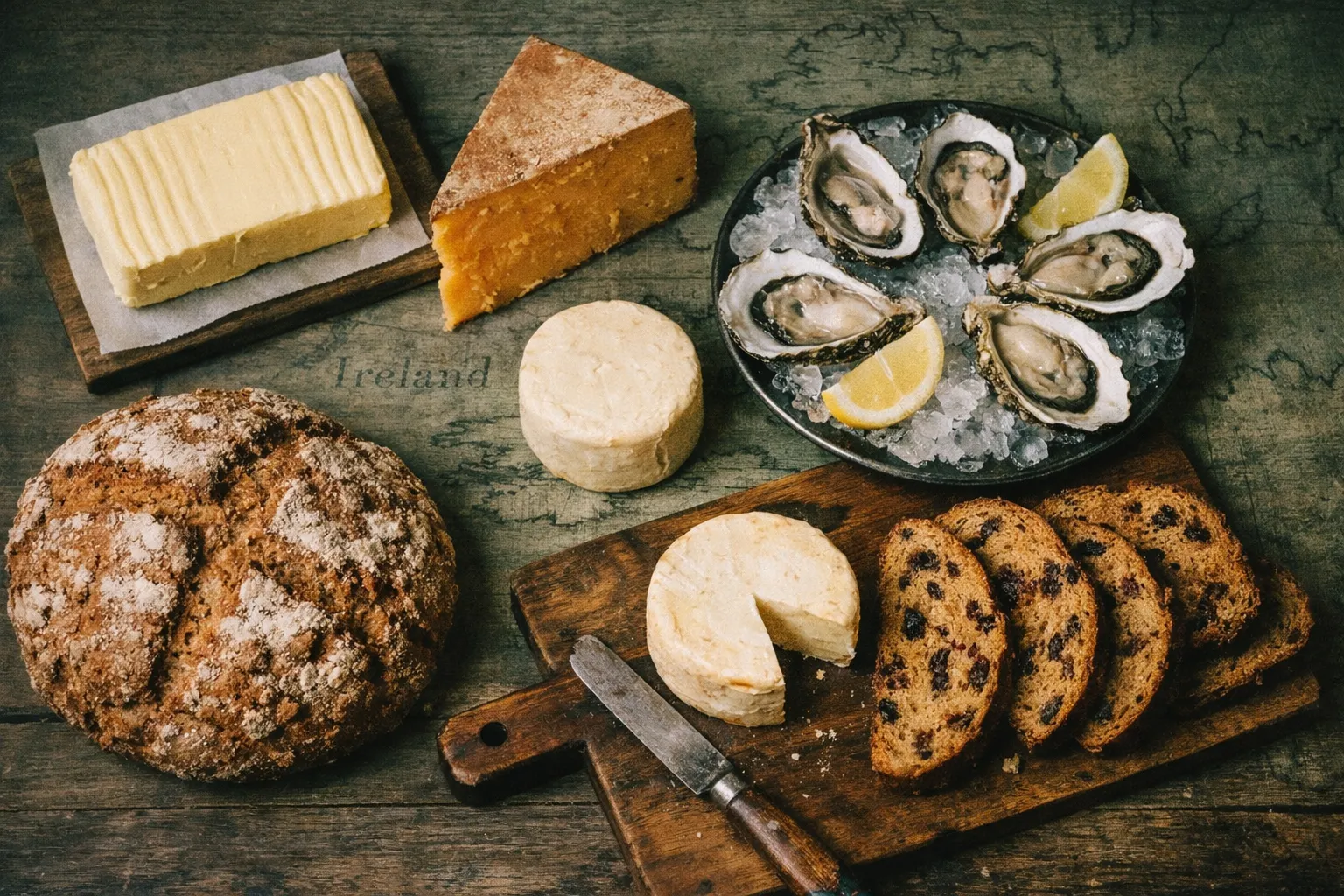
Two of those deserve a mention because they’re less obvious than stew and breakfast:
Irish butter and dairy. Ireland’s pasture-based dairy is a genuine national strength - the Irish butter market alone was valued around USD 991 million in 2025 and is projected to keep growing (10). You taste the difference in everything from soda bread to shortbread. Look for high-fat, European-style butter (around 82% fat) if you’re cooking these dishes at home.
Oysters. Galway and Sligo oysters come up repeatedly as standout coastal experiences. Pair them with a stout or an Irish whiskey and you’ve got the terroir on a plate.
Savoring Ireland’s traditional flavors
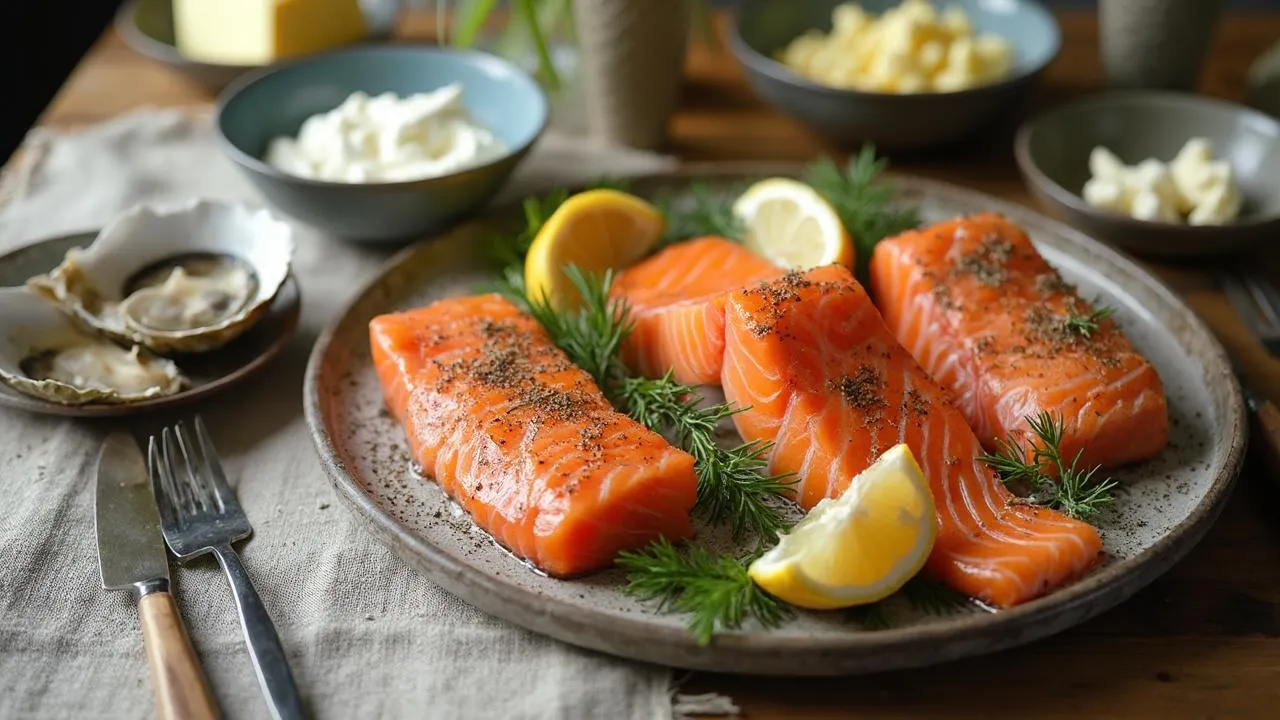
A few of the dishes that have left the deepest impression on me during my time eating across Ireland:
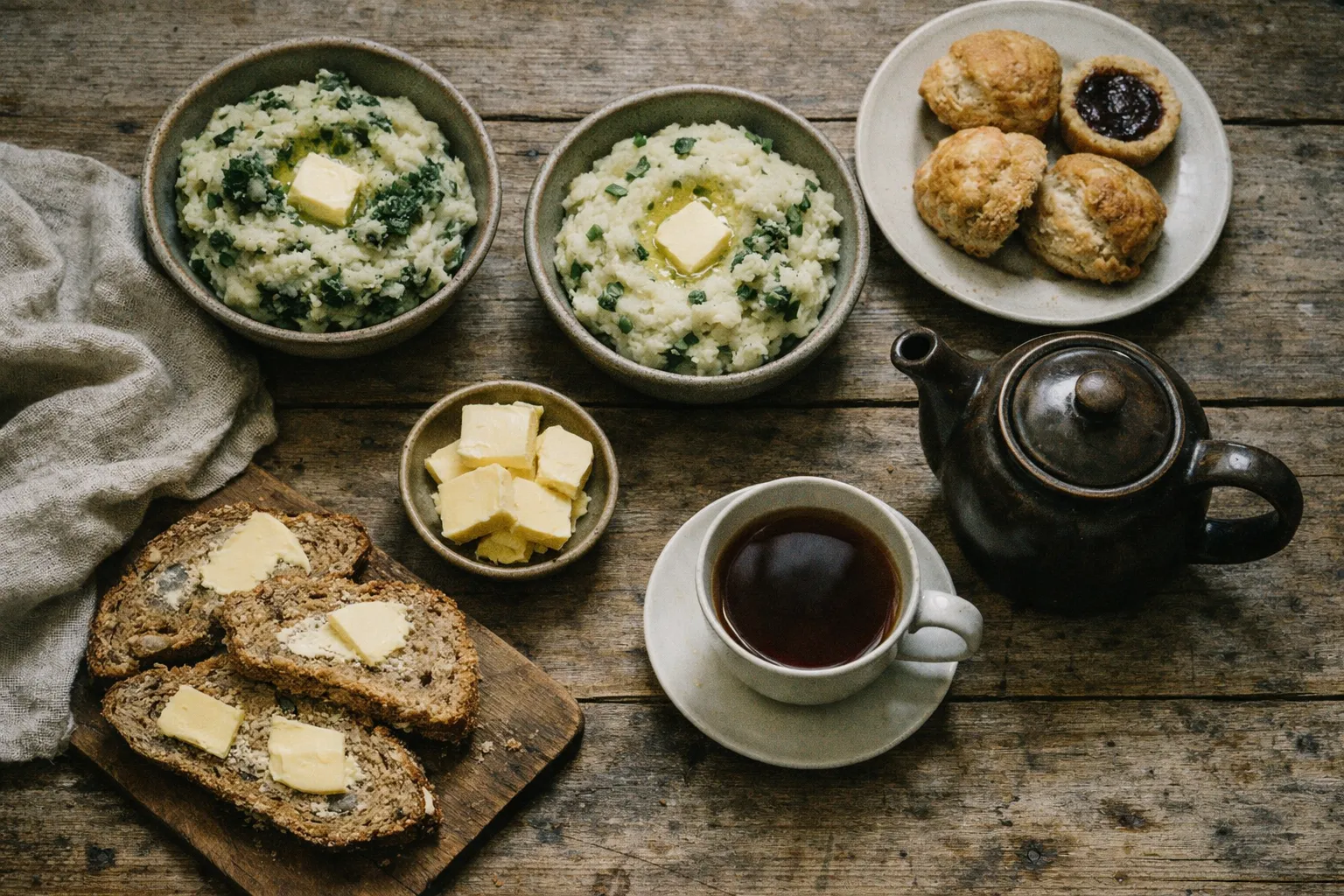
Soda bread is a staple in Irish households - dense, crusty, and the perfect thing alongside a bowl of soup or stew. I learned to bake my own version during a cooking class near the English Market on Princes Street in Cork, and the fact that it requires no yeast and no proving makes it one of the more forgiving things you can attempt in a kitchen.
Irish stew earns its reputation through patience rather than complexity. The slow-cooking process lets the flavors develop properly, and a bowl on a cold evening in the west of Ireland is hard to argue with.
Colcannon and champ are both potato-based and both better than they sound on paper. Colcannon combines mashed potatoes with cabbage or kale; champ uses spring onions. Both are creamy and frequently served as sides, though I’ve eaten a bowl of champ as a meal and had no regrets.
Here’s a quick reference for some traditional Irish dishes and their main ingredients:
Traditional Irish Dishes and Main Ingredients
| Boxty | Coddle | Black and white pudding | Bacon and cabbage | |
|---|---|---|---|---|
| Main Ingredients | Grated raw potato, mashed potato, flour | Sausage, bacon, potatoes, onions | Pork blood (black), pork fat (white), oatmeal | Boiled bacon, cabbage |
One thing worth knowing before you plan your eating: the most traditional dishes - shepherd’s pie, coddle, homemade apple crumble - are often home food rather than restaurant standards. If you only eat in heavily touristed spots, you’ll miss some of them. Gastropubs and country inns are your best bet for finding these on a menu, since traditional Irish cuisine makes up the bulk of what they serve.
Ireland’s emphasis on fresh, locally-sourced ingredients runs through all of it. From salmon and oysters to farm-fresh dairy, the quality of the raw material is what makes simple dishes work.
Appetizers and small plates in Irish cuisine
Starters in Ireland tend to be honest and unfussy - seafood-forward on the coast, potato-forward everywhere else. Among the traditional Irish food appetizers worth ordering:
- Cockles and mussels - Immortalized in “Molly Malone” and still a coastal staple, usually steamed simply with white wine, garlic, and butter.
- Oysters on the half shell - Galway and Sligo oysters especially. Order them plain with lemon before you dress them up with anything else.
- Seafood chowder - Often the best-value starter on a west-coast menu; a good bowl at spots like Hooked on Henry Street in Galway or the Pantry and Corkscrew in Westport doubles as a light lunch.
- A slice of soda bread with Irish butter - Not glamorous, but the butter alone justifies it.
- Smoked salmon - Home-smoked salmon appears on menus across the country, served with brown bread and a wedge of lemon.
For something completely casual, the Tayto sandwich - cheese-and-onion crisps between two slices of buttered white bread - is a genuine snack-culture touchstone and costs roughly EUR 2-3 (about USD 2-3) to assemble yourself (as of 2025). It’s not restaurant food, but ask any Irish person about it and watch their face.
What’s actually on a full Irish breakfast plate
The full Irish breakfast is less a meal than a strategy. Get one on a heavy touring day and you can often skip lunch entirely - the caloric density is the point, and it can quietly save you USD 10-20 in extra meals.
A standard plate includes:
- Rashers - Irish back bacon, meatier than American streaky bacon.
- Bangers - Pork sausages.
- Black and white pudding - Blood sausage (black) and a fat-and-oatmeal sausage (white). Don’t skip the black pudding because of the name. It’s savory, well-spiced, and one of the best parts of the plate. Visitors who avoid it on principle end up with an incomplete breakfast.
- Fried or grilled eggs
- Grilled tomato and sometimes mushrooms
- Baked beans
- Fried potato or boxty, plus toast or brown soda bread
In Northern Ireland the same plate is called an Ulster fry, and it swaps in soda farls (a soft, griddle-cooked bread) and potato bread cooked in the pan. Expect to pay USD 12-20 at a mid-range café or hotel, and note that a full Irish is frequently included in B&B rates.
Etiquette note: at a B&B, breakfast is usually served within a set window rather than on demand. Ask your host the night before what time the kitchen opens. Don’t wander down at 10:30 expecting it to still be running.
Desserts and sweets
Ask what sweets Ireland is known for and you’ll get a warm, dairy-heavy answer. Traditional Irish food desserts lean on butter, cream, dried fruit, and tart apples rather than anything delicate or architectural.
- Barmbrack - The Halloween loaf, studded with currants and baked with small charms inside; whatever object you find in your slice supposedly foretells your year.
- Irish apple cake - Made with tart apples like Granny Smiths, dense and lightly spiced, often served warm with custard.
- Sticky toffee pudding - Not exclusively Irish, but tourists routinely name it the best dessert they had in Ireland, drenched in toffee sauce.
- Trifle - Layered custard, sponge soaked in sherry or juice, fruit, and whipped cream.
- Irish shortbread - Just butter, flour, and sugar, which is exactly why the quality of the butter matters so much.
- Yellowman (Yellaman) - A brittle honeycomb candy strongly associated with Northern Ireland, worth seeking on regional bakery menus.
A dessert portion in a casual restaurant or café generally runs USD 6-10 (as of 2025). Timing helps: visit around Halloween for barmbrack made the traditional way, and around Easter for hot cross buns in the bakeries.
St. Patrick’s Day celebrations
Here’s the correction that surprises most first-time visitors: the corned beef and cabbage served across American St. Patrick’s Day menus is an Irish-American invention. In Ireland, the traditional plate is bacon and cabbage - a boiled bacon joint with cabbage and often a parsley sauce. Corned beef became the substitute among Irish immigrants in the United States, where it was cheaper and more available.
If you want to build genuinely traditional Irish food for St. Patrick’s Day, skip the corned beef and lean into:
- Bacon and cabbage as the centerpiece
- Irish stew for a crowd
- Soda bread on the table
- Colcannon or champ as sides
- Trifle or apple cake to finish
There’s no rule against the green desserts and Irish-American classics - plenty of families outside Ireland grew up on them, and that tradition is real too. Just know the difference so you can choose deliberately rather than by default.
Etiquette note: if you’re in Ireland on March 17, the day is more parade-and-pub than fixed sit-down dinner. Restaurants and pubs book up fast, so reserve ahead if you want a proper meal rather than a jostle at the bar.
Recipes to try at home
You don’t need to be in Ireland to eat Irish. Several of these dishes are genuinely beginner-friendly, and the ingredient lists are short. A few starting points, from easiest up:
Soda bread (beginner, 45-60 minutes). Flour, buttermilk, baking soda, salt. No yeast, no rising, no proving. Cut a deep cross in the top before baking - the traditional explanation is to “let the fairies out,” the practical one is that it helps the dense loaf cook through.
Colcannon or champ (beginner, 30-45 minutes). Boil and mash potatoes, fold in cooked cabbage or kale (colcannon) or chopped scallions (champ), and use more butter than feels reasonable.
Irish stew (advanced by patience, not skill). You’ll want 1-2 lb (0.45-0.9 kg) of lamb or mutton, plus potatoes, carrots, onions, and celery. Brown the meat, then simmer 1.5-3 hours until it’s tender - mutton needs the longer end. Grass-fed Irish or European lamb makes a real difference in flavor.
Barmbrack (weekend project). An enriched yeast loaf with dried fruit, total time often 2-3 hours including rising, plus whatever charms you want to hide inside.
The single biggest lever for quality in traditional Irish food recipes is dairy. Use Irish butter or a high-fat European-style butter (around 82% fat) for the breads, shortbread, and apple cake - the texture and flavor difference is not subtle.
Cooked at home from supermarket ingredients, a portion of stew or colcannon lands around USD 3-5 - a reminder that traditional Irish food was, at its heart, resourceful home cooking.
How to Cook Traditional Irish Stew
3 hoursA step-by-step guide to making Irish stew with lamb or mutton.
- 1
Prepare ingredients
Gather 1-2 lb of lamb or mutton, potatoes, carrots, onions, and celery. Brown the meat in a pot.
- 2
Simmer the stew
Add vegetables and enough water or stock to cover. Simmer gently for 1.5 to 3 hours until meat is tender.
- 3
Season and serve
Adjust seasoning with salt and pepper. Serve hot with soda bread or potatoes.
Raising a glass to Ireland’s traditional beverages
No serious exploration of Irish cuisine skips the drinks. I’ve thoroughly enjoyed sampling Ireland’s famous brews across the country, particularly the rich, velvety stouts like Guinness. The art of pouring a proper pint is a skill I’ve yet to master, but watching skilled bartenders demonstrate it - the two-stage pour, the settling pause, the final top-off - is worth paying attention to.
Irish whiskey is another story worth following. From smooth blends to peaty single malts, the range of flavors is genuinely impressive. I’ve visited several distilleries during my travels, and the history behind the spirit is as interesting as the drink itself.
Etiquette note on pints: a properly poured Guinness comes in two stages with a settling pause in between, and the bartender will let it rest before topping it off. Don’t rush them. A hurried pour produces a bad pint, and locals will notice.
Tea holds its own place in Irish culture, and not just as a backup option. The ritual of afternoon tea, which gained popularity in the 19th century, is still widely practiced. There’s something genuinely calming about sitting down to a steaming cup of Irish breakfast tea alongside a slice of freshly baked soda bread - it’s one of those combinations that makes sense the moment you try it.
The evolving landscape of Irish cuisine
In recent years, I’ve watched a real shift in Ireland’s culinary scene. Traditional dishes remain beloved staples, but there’s been a clear revival of interest in Irish ingredients and cooking techniques, with chefs across the country putting considered modern twists on classic recipes.
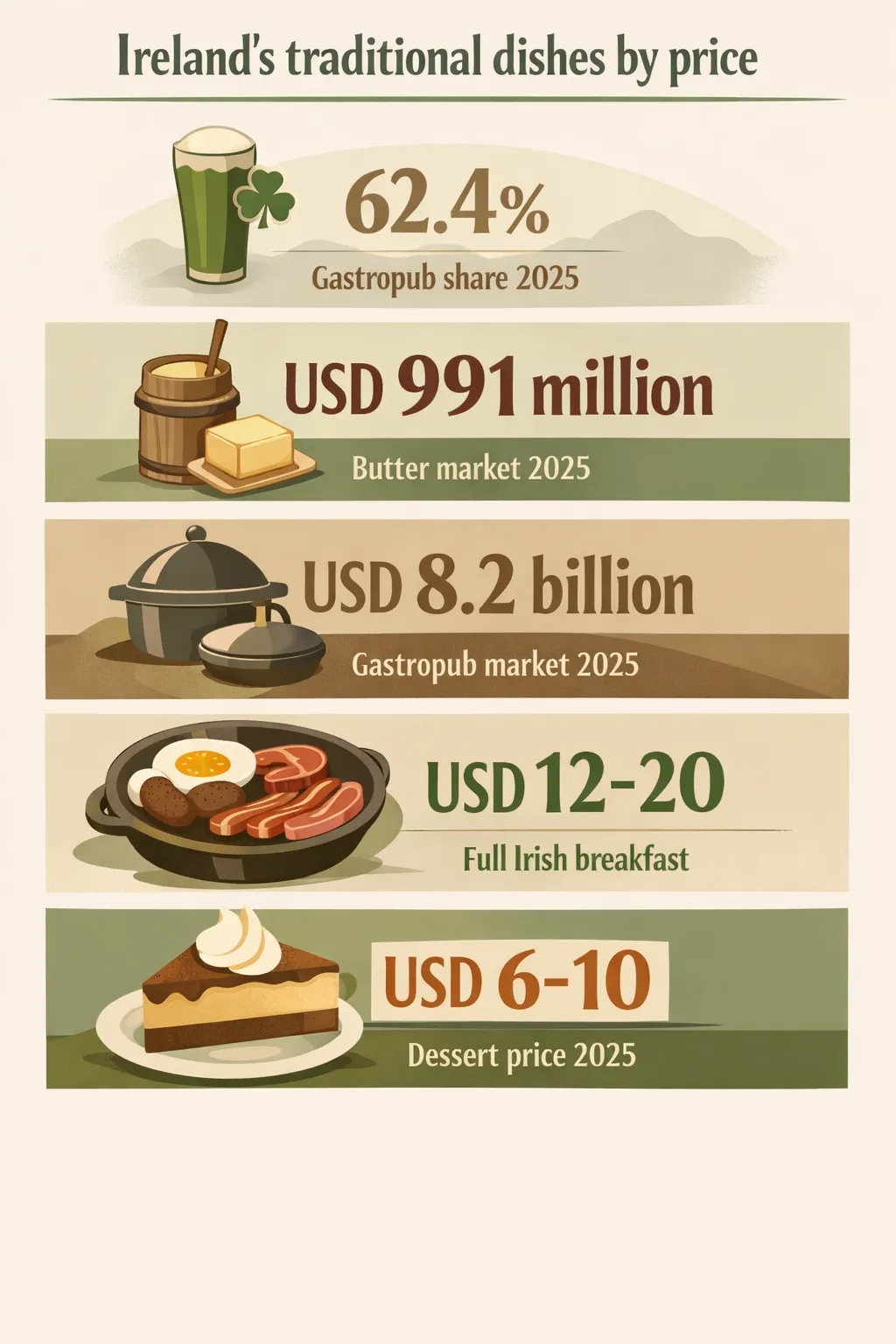 Snapshot of 2025 data: gastropub share 62.4%; butter market USD 991 million; gastropub market USD 8.2 billion; full Irish breakfast USD 12-20; desserts USD 6-10.
This revival has a commercial spine to it. The Irish gastropub market - the sector doing most of the reinvention - was valued at USD 8.2 billion in 2025 and is projected to reach USD 11.4 billion by 2034, growing at a 5.3% annual rate. What’s driving that is elevated versions of exactly the dishes above: colcannon with farmhouse cheddar, boxty plated as a small course, chowder built from named local catch. Ireland’s national Food and Drink Strategy (2018-2023) deliberately positioned local food as a tourism driver over its five-year horizon, and you can taste the result on menus.
Some of the trends I keep running into:
- Farm-to-table dining that names the farm
- Foraging-influenced menus using wild herbs and plants
- Craft beer and artisanal spirit pairings
- Seafood dishes built around Ireland’s coastal catch
- Vegetarian and vegan takes on traditional Irish recipes
A practical takeaway: if you want tradition executed well rather than dumbed down for tourists, choose a well-reviewed gastropub over a generic “Irish pub” in a tourist zone. Gastropubs specifically frame these dishes as elevated cooking, so your odds of a properly made colcannon or chowder go up considerably.
What an Irish food menu and budget look like
Building an Irish food menu for a day of eating is straightforward once you know the price bands. Ireland’s food prices run roughly 12% above the EU average, and a benchmark of EUR 130/day (about USD 140-145) comfortably covers food for a visitor. That figure sounds high until you realize a full Irish can replace two meals.
Typical costs (as of 2025):
- Full Irish breakfast: USD 12-20, often included in B&B rates
- Pub main (stew, bacon and cabbage, fish and chips): USD 18-28 in cities, USD 15-22 in rural areas
- Dessert (apple cake, sticky toffee pudding, barmbrack): USD 6-10
- Tasting menu at a destination gastropub reworking Irish classics: roughly USD 70-120 per person
Etiquette note on tipping: in Irish pubs, you generally don’t tip for drinks at the bar. In sit-down restaurants, 10-15% is standard, and some places add a service charge to larger tables - check the bill before you double up.
A sample one-day Irish food menu I’d actually recommend: a full Irish breakfast (skip a big lunch), oysters or seafood chowder as a late-afternoon snack, then Irish stew or bacon and cabbage with soda bread for dinner, and sticky toffee pudding to close. Budget around EUR 45-65 (USD 48-70) for that day if you eat in mid-range pubs rather than tasting-menu territory.
Frequently Asked Questions
- Can I find traditional Irish dishes like shepherd's pie easily in restaurants?
- Shepherd's pie and similar dishes are often home-cooked and less common on restaurant menus, especially in tourist-heavy areas.
- What is the best way to experience Irish oysters?
- Try oysters from Galway or Sligo raw with lemon, paired with stout or Irish whiskey for a true coastal experience.
- Are there vegetarian options in traditional Irish cuisine?
- Modern gastropubs increasingly offer vegetarian and vegan takes on traditional dishes, reflecting evolving culinary trends.
- Is tipping customary in Irish pubs?
- Tipping is not expected for drinks at the bar but is standard at 10-15% in sit-down restaurants; check for service charges on large tables.
- When is the best time to try barmbrack?
- Barmbrack is traditionally eaten around Halloween, when bakeries bake it with charms inside for fortune-telling.
- How should I time my meals when visiting Ireland?
- A full Irish breakfast can replace lunch, so plan lighter meals later to avoid overeating and save on costs.
- What should I know about St. Patrick's Day dining in Ireland?
- March 17 is more about parades and pubs; restaurants book early, so reserve ahead for a sit-down meal.
Plan your eating before you go
Ireland rewards a little planning. Book a proper meal ahead if you’re traveling around St. Patrick’s Day, time your dessert stops to the calendar if you want barmbrack made the traditional way, and don’t waste a full Irish by ordering lunch on top of it.
Steer toward gastropubs and country inns for traditional dishes done well. Seek out Galway and Sligo oysters on the coast. Budget closer to EUR 130 a day than you’d guess from EU averages.
Then order the black pudding. That’s the one dish most people talk themselves out of and regret skipping.