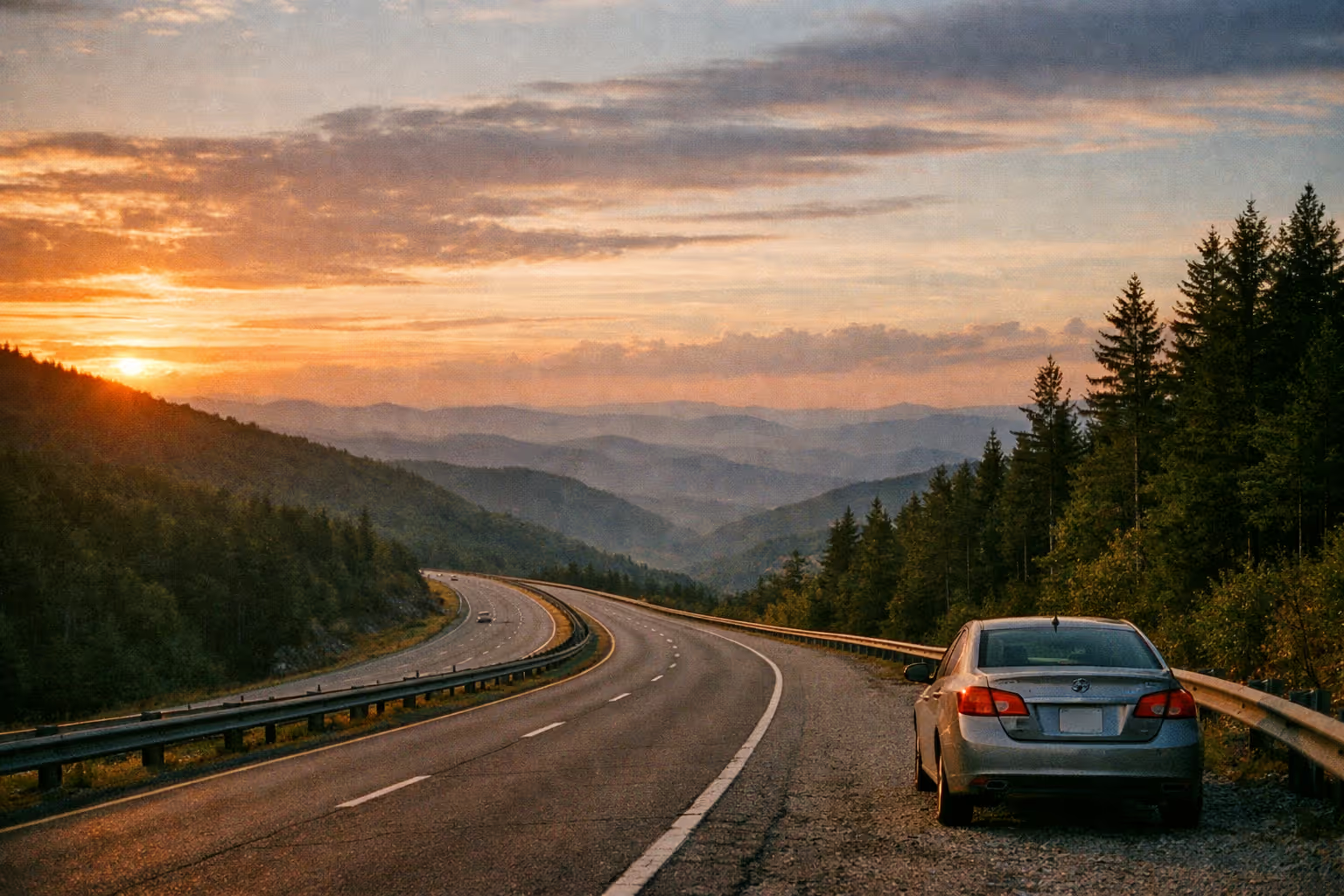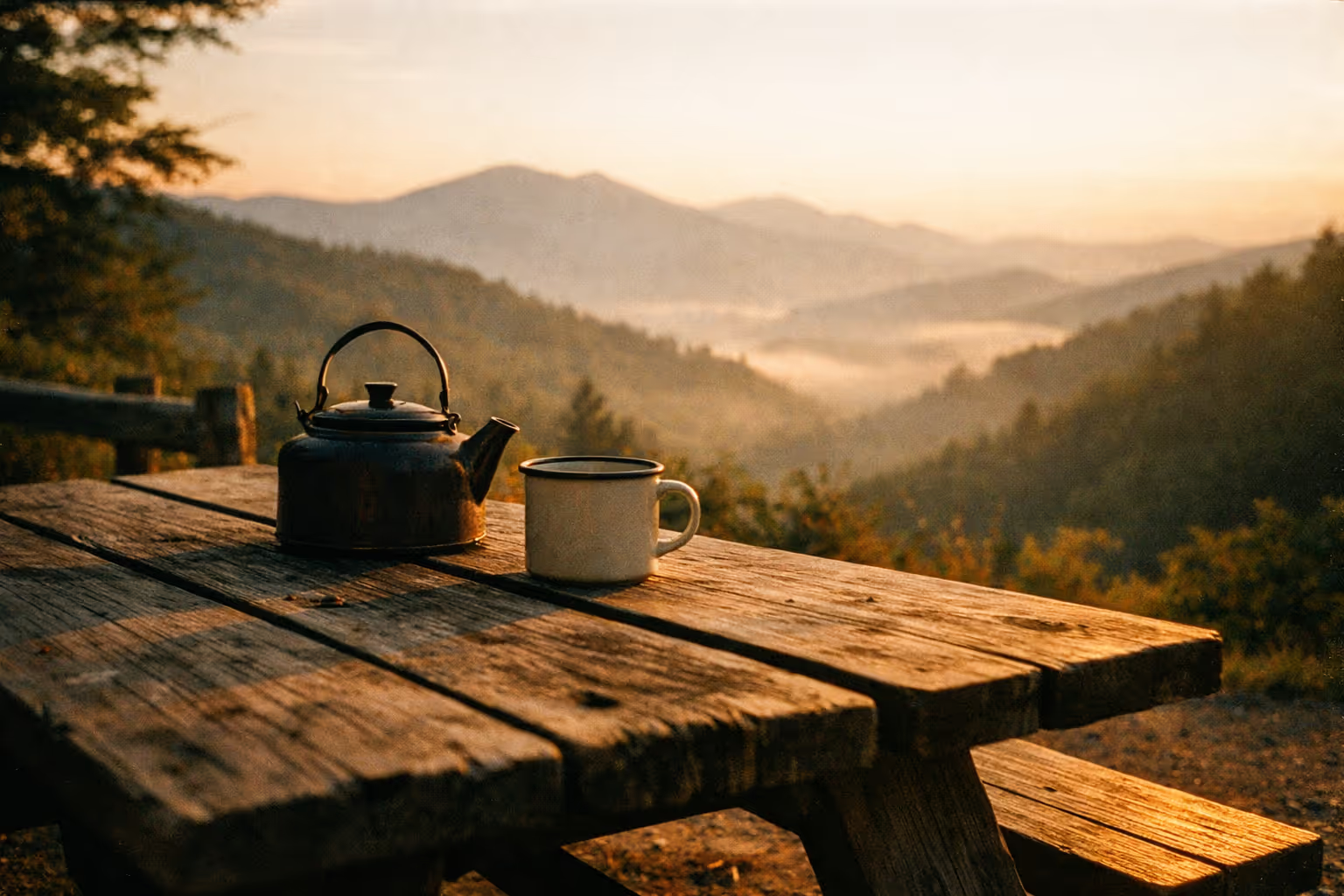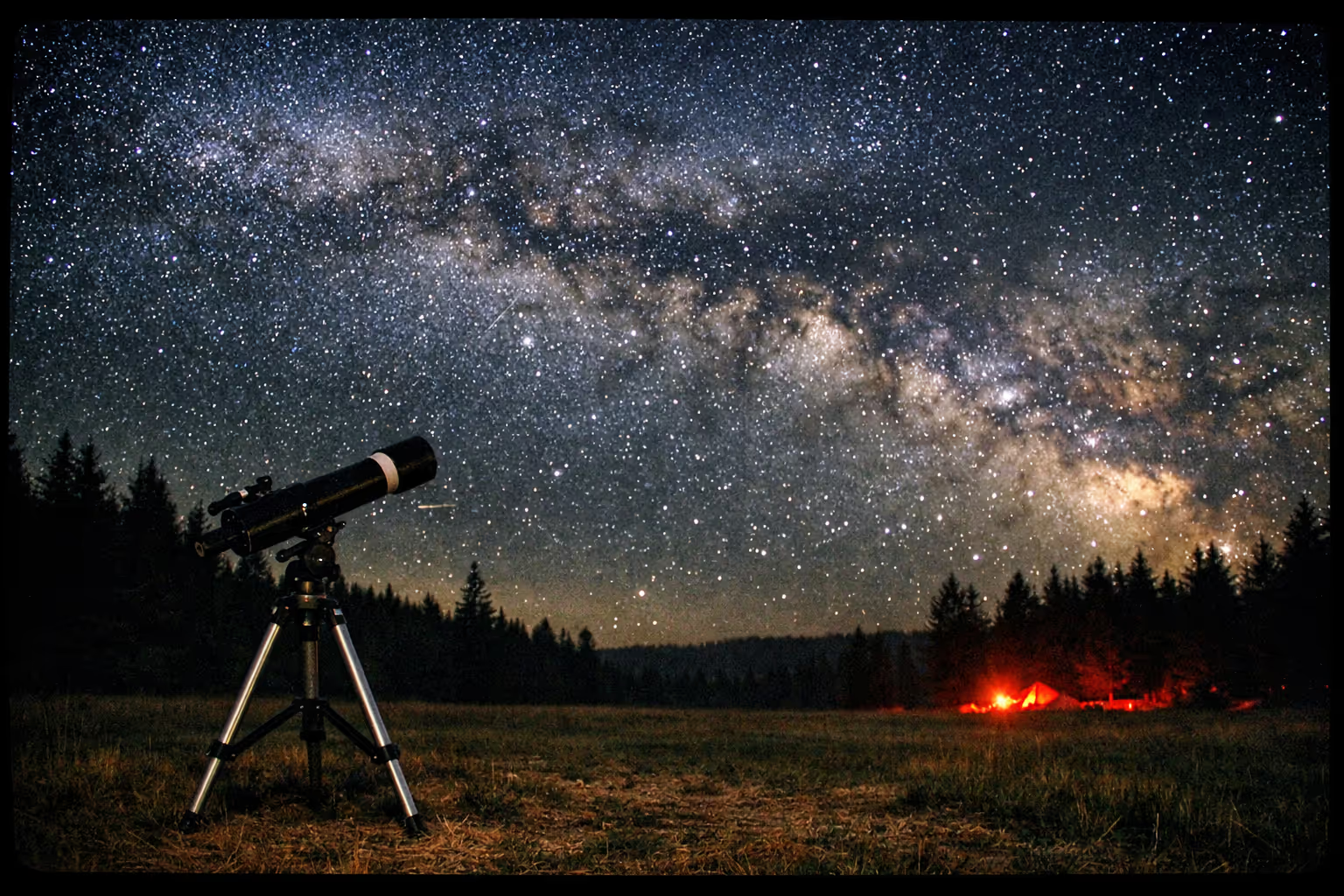
Camping at Cherry Springs State Park is less about the campsite than about protecting the darkest sky on the East Coast. There are exactly 30 rustic sites, no showers, no flush toilets, and after dusk a hard rule: red light only, because one open car door or green laser wrecks everyone’s night vision. The good weekends, near a new moon from May to September, book almost a year out. Here is what the park requires, and how to actually get a spot.
Is there camping at Cherry Springs State Park?
Yes. Camping at Cherry Springs State Park centers on a Rustic Campground with 30 non-electric sites open from the second Friday in April through the last weekend in October (3). Each site comes with a picnic table, fire ring, and lantern hanger. There’s potable water, non-flush restrooms, and a sanitary dump station on-site. No electric hookups, no flush toilets, no campground showers.
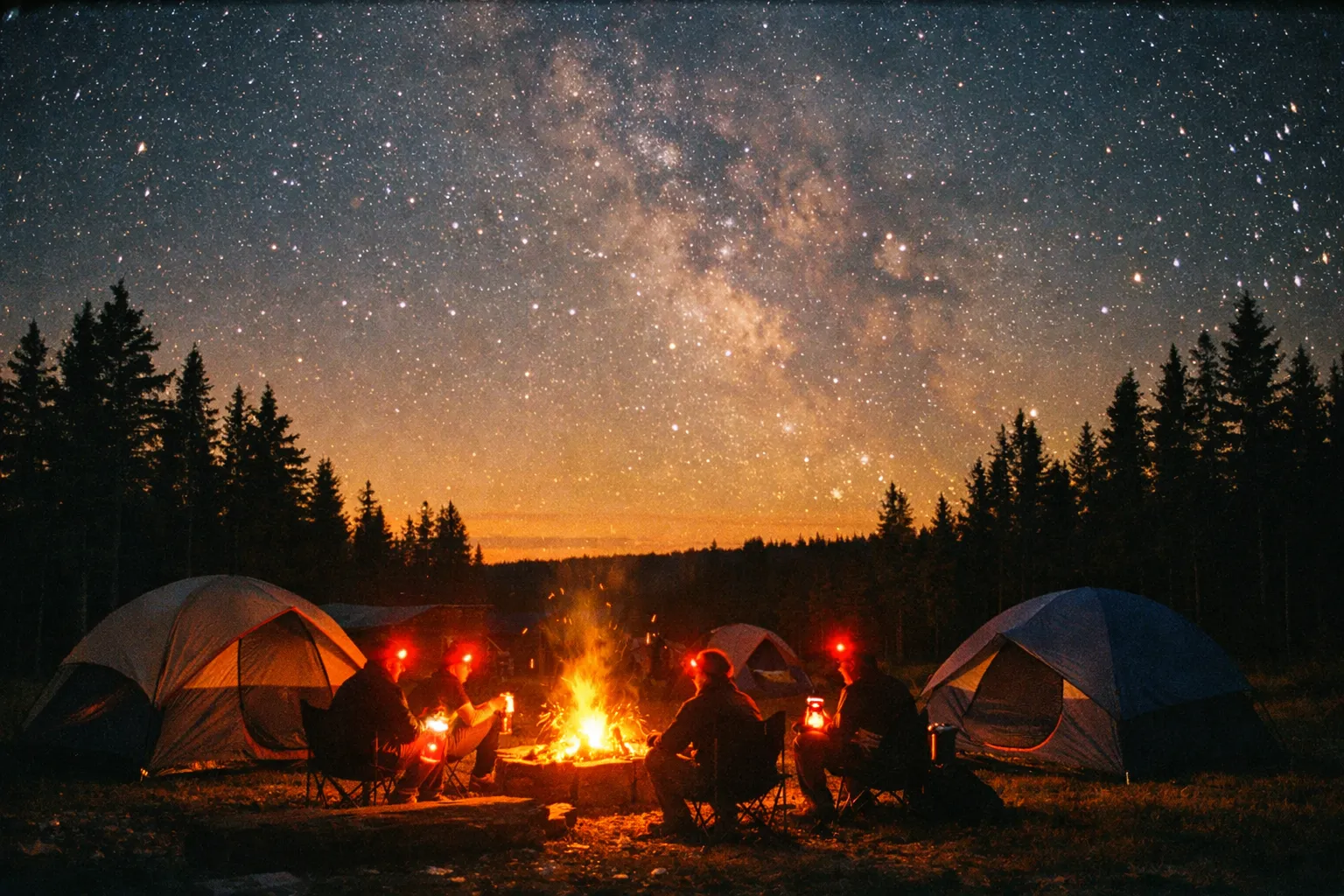
A second overnight option, the Overnight Astronomy Observation Field, is open all night to registered users and is designed for serious observers - telescope users, astrophotographers, people who want to stay up until dawn without disturbing campground neighbors. Lighting rules there are even stricter than at the rustic campground, and campfires are not allowed (3).
A third area, the Night Sky Public Viewing Area, is open to anyone for short visits. Pennsylvania DCNR specifies “a few hours or less,” and overnight stays are not permitted there (4). Don’t confuse it with the camping areas; older blog posts routinely blur the three together.
Pennsylvania state parks don’t charge an entrance fee, but reservation fees apply for any overnight site (1).
Rustic Campground vs Astronomy Field vs Public Viewing Area
This is the single most confusing thing about Cherry Springs, and most guides skip it entirely.
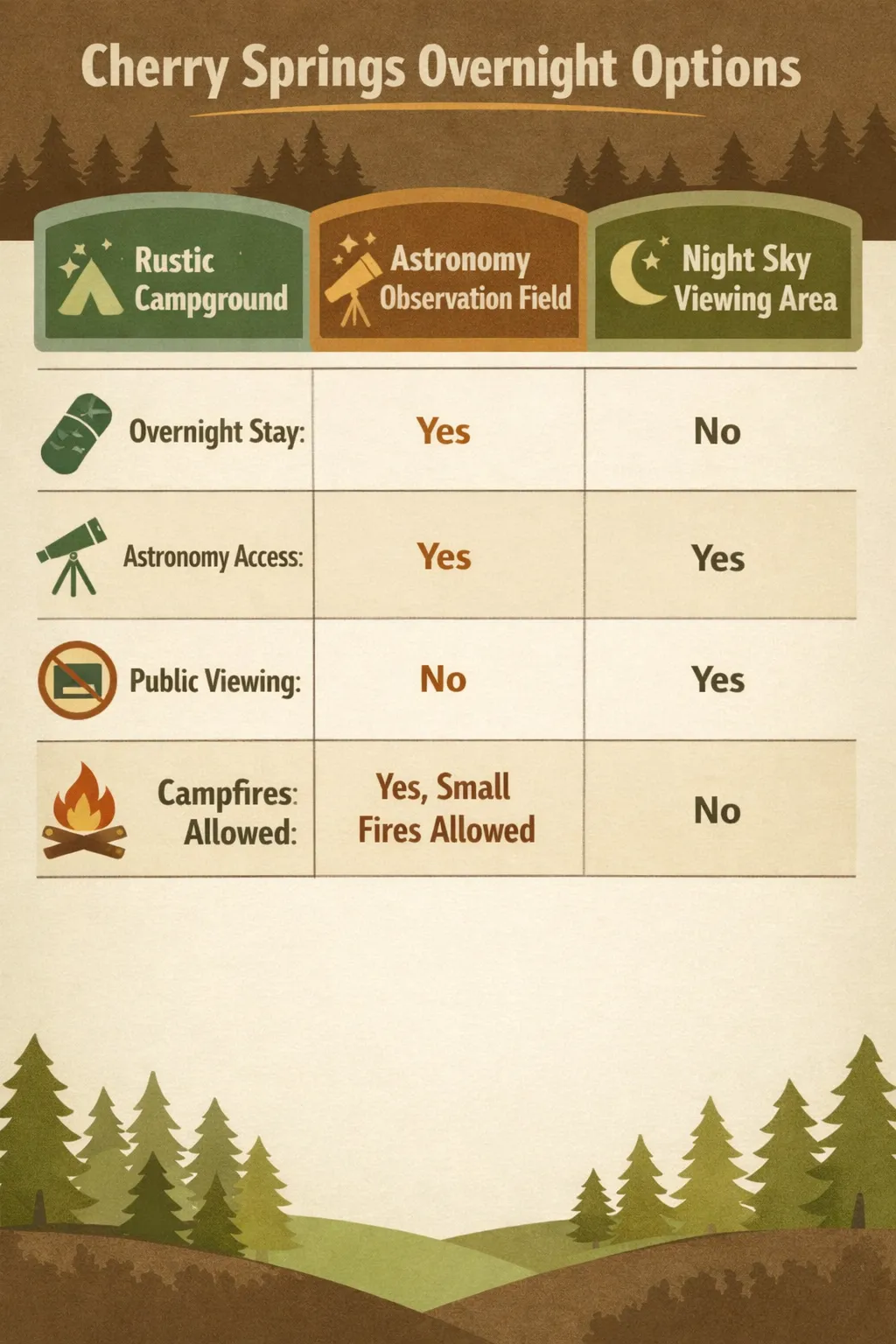 Cherry Springs offers three overnight options-Rustic Campground, Overnight Astronomy Observation Field, and Public Viewing Area-with 30 rustic sites, an 11-month booking window, and a focus on new-moon weekends from May through September, peaking with the Perseids in mid-August.
Cherry Springs Overnight Options
| Most Popular Rustic Campground | Overnight Astronomy Observation Field | Night Sky Public Viewing Area | |
|---|---|---|---|
| Best For | Tent campers, small RVs, families | Telescope users, astrophotographers | Day-trippers, casual visitors |
| Overnight Allowed | Yes | Yes | No |
| Lighting Rules | Strict dark-sky (red light only) | No white light, very strict | Standard dark-sky |
| Campfires Allowed | Yes, small fires allowed | No | No |
| Registration Required | Yes | Yes, via DCNR astronomy page | No |
If you’re not sure which one fits, default to the Rustic Campground. It’s the right call for 90% of visitors.
What does FF mean in camping?
If you’ve seen “FF” while scrolling campground listings, it’s not a Cherry Springs designation. In general campground shorthand, FF most commonly stands for “family-friendly” - sites or campgrounds flagged as suitable for kids, with quieter hours and amenities like playgrounds. Some booking platforms also use FF for “first come, first served,” and a few use it as a site-number prefix. Check the legend on the specific platform you’re using.
Cherry Springs doesn’t use FF as an official label. All 30 rustic sites are reservable through ReserveAmerica up to 11 months in advance (2), so don’t show up expecting walk-up availability on a meteor-shower weekend.
What is the darkest spot in Pennsylvania?
Cherry Springs is widely cited as the darkest location in Pennsylvania and one of the darkest in the eastern United States. The park sits on the Allegheny Plateau, well away from any significant light dome - the nearest sizable town is Coudersport, about 15 miles north, and the surrounding 262,000 acres of state forest act as a buffer. On a clear, moonless night, you can see the Milky Way’s structure with the naked eye, including dust lanes and the Andromeda Galaxy.
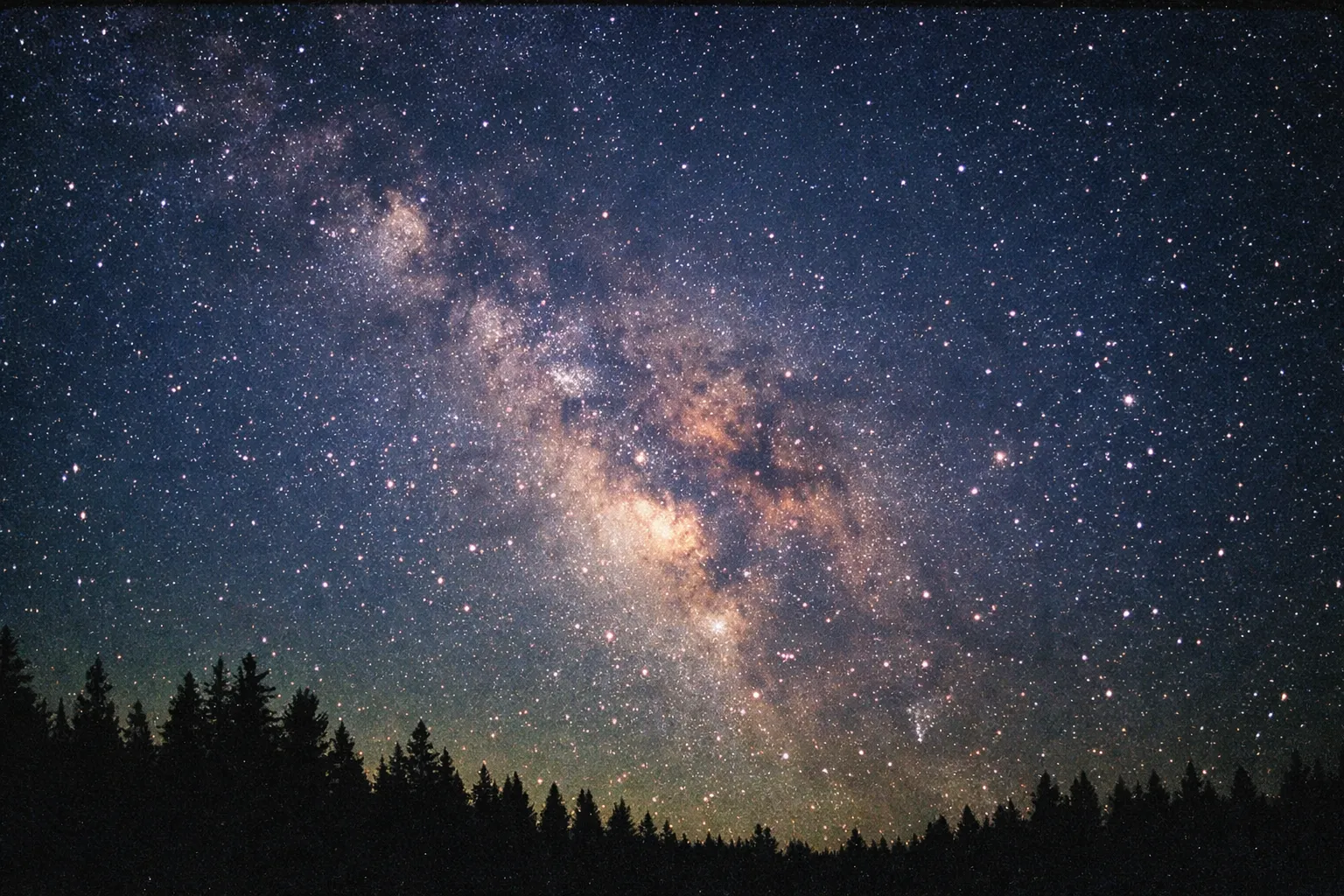
“Darkest” is a slightly fuzzy claim because measurements vary by season, humidity, and method - SQM readings versus Bortle scale estimates. But no other site in Pennsylvania consistently ranks above Cherry Springs in dark-sky surveys. The official park site (5) and DCNR pages both lean on this reputation, and visitor reports on forums like Cloudy Nights back it up (6).
Does Cherry Springs campground have showers?
No. The DCNR stay page lists restrooms, potable water, and a sanitary dump station - not showers. This trips up a lot of first-time visitors. Older blog posts mention “upper” and “lower” campgrounds with modern shower facilities, which doesn’t match the current park layout.
If you need a shower during your stay, the options are limited:
- Drive into Coudersport (about 15 miles) and use a commercial campground or truck stop with day-use showers - call ahead to confirm
- Book one night at a nearby commercial campground with hookups and showers, then move to Cherry Springs for the dark-sky night
- For 1-2 night trips, most visitors skip showers entirely. Bring baby wipes.
- Call the park office at 814-435-1037 before your trip to confirm current nearby options (4)
Plan around this before you arrive. Don’t expect a hot shower at midnight.
Booking, fees, and reservation windows
Reservations open 11 months in advance through ReserveAmerica (2). For high-demand dates - Perseid meteor shower in August, new-moon weekends in summer, any clear Saturday in July - set a calendar reminder for the exact day reservations open. With only 30 sites, peak weekends sell out within hours.
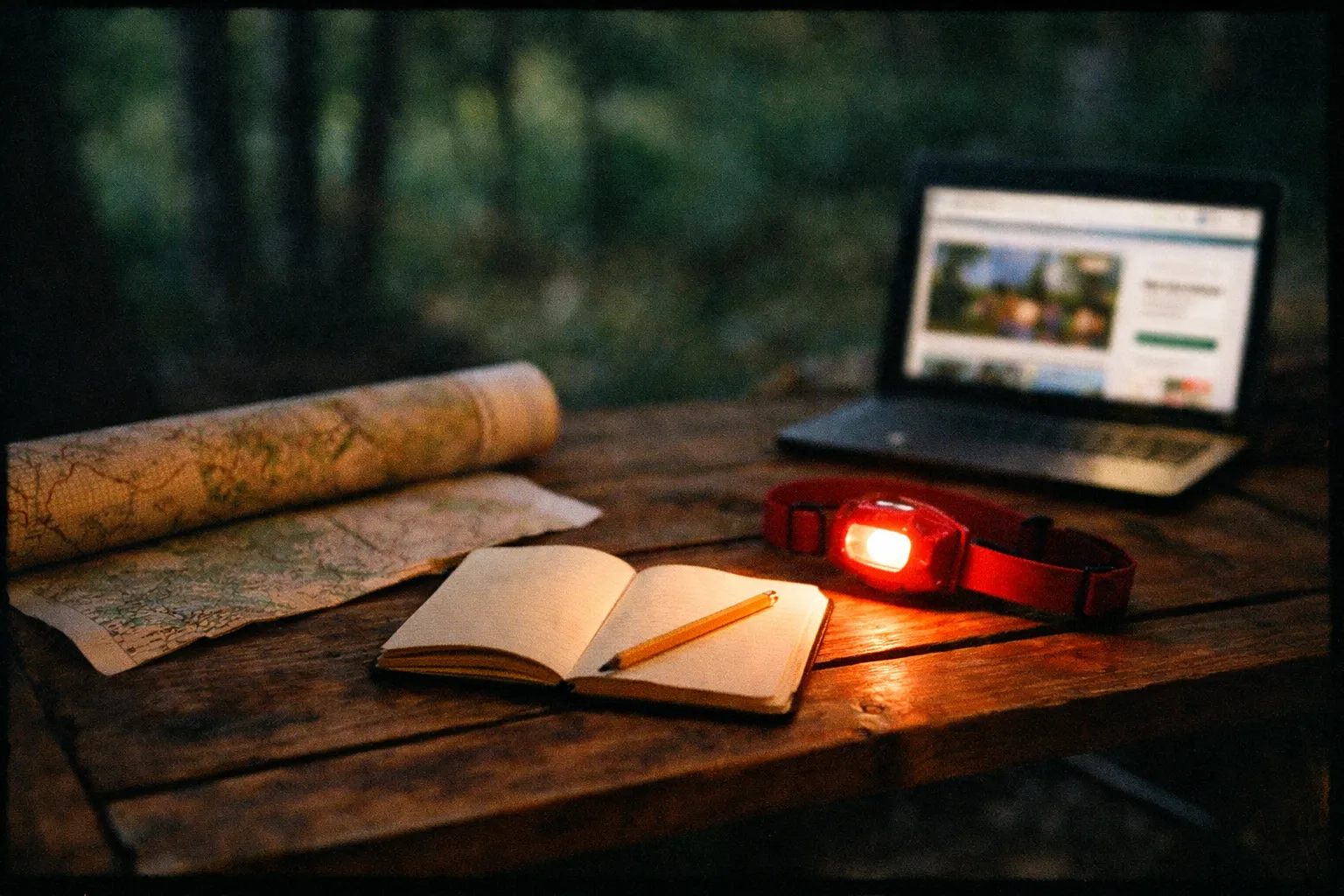
What most guides get wrong about Cherry Springs: people assume they can wing it. You can’t. The booking math is brutal - 30 sites, one of the most-promoted dark-sky destinations on the East Coast, and a season that runs roughly April through October. Last-minute trips work only midweek or in shoulder months.
Reservation fee structure (verify current rates on ReserveAmerica before booking):
- Non-electric rustic site: roughly $20-$30/night for PA residents, slightly higher for non-residents
- Reservation transaction fee added per booking
- One site = one family unit or up to five unrelated persons (2)
The campground is shown open through October 31, 2026, with the booking window currently extending into April 2027 (2). Perseid nights - peak around August 11-13 - are the hardest to get: the sites go roughly eleven months out, so a 2027 Perseid stay means booking around September 2026.
Getting there and where the park sits
Cherry Springs is in north-central Pennsylvania at approximately 41.65981, -77.82125 (2). The official address is 4639 Cherry Springs Road, Coudersport, PA 16915 (4).
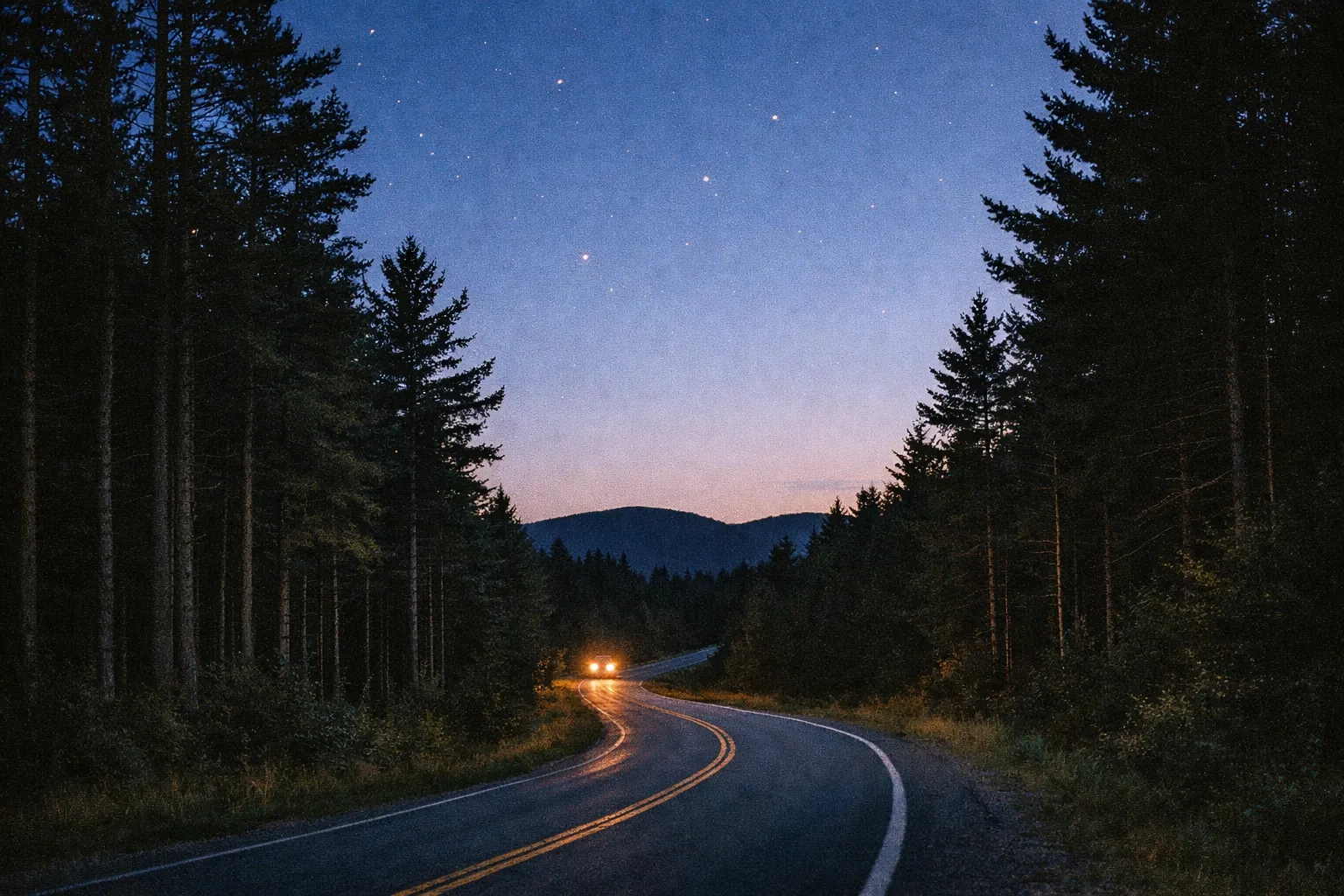
Drive times from major points:
- Pittsburgh: 4.5-5.5 hours via I-80 east to PA Route 44 north
- Philadelphia: 6.5+ hours via I-80 west to PA Route 44 north
- Harrisburg: 4-4.5 hours
- Erie: about 2.5 hours
- State College: about 2 hours
- Buffalo/Rochester, NY: 3-3.5 hours
From the Philadelphia end those six and a half hours only make sense for a clear-sky weekend; for a shorter outing, Okehocking Preserve is 30 minutes west of the city, with easy trails and leashed dogs allowed.
From I-80, take exit 215 (PA-144) or exit 199 (PA-477), then connect to PA-44 north. The last 30-40 miles wind through forest and small towns. Gas up in Coudersport, Galeton, or Renovo before the final stretch - cell service is spotty for the last hour of the drive and often unreliable inside the park itself. DCNR provides a free local-use phone at the camper check-in station for this reason (4).
The nearest hospital is UPMC Cole, 1001 East Second Street, Coudersport (814-274-9300) (4). Worth noting before you head into a place without reliable cell service.
Best time to visit (and why)
Worth the detour: New-moon weekends from May through September. Skies are warmer, nights are still long enough for serious observing, and the Milky Way core is up. The Perseid meteor shower in mid-August is the marquee event - book early.
Solid choice: Late September through mid-October. Crowds thin out, fall colors bracket the campground, and the air is drier - less atmospheric moisture means better seeing. Bring a 20°F sleeping bag; nights drop fast.
Skip if short on time: April and late October. The campground is open, but the weather is unpredictable, and a cloudy weekend at Cherry Springs is just a cold weekend in the woods. The campground closes for the season after the last weekend in October (3).
Avoid: Full-moon weekends, no matter the month. A full moon at Cherry Springs washes out the sky almost as badly as suburban light pollution. Check a lunar calendar before you book.
I camped here in mid-September a few years back during a clear new-moon weekend. Overnight temps dropped to 38°F, the Milky Way was overhead by 9 p.m., and by 1 a.m. the campground was nearly silent except for the click of camera shutters. Worth the long drive from Pittsburgh.
What to pack for non-electric rustic camping
Cherry Springs rewards over-preparing. The non-electric rustic setup means you carry your own power, light, and warmth.
Lighting - the most important category:
- Red-light headlamp (not just a regular headlamp with a red mode you forget to switch to - get one with a dedicated red LED)
- Red film or red gel to cover phone flashlights
- A small red lantern for the campsite
- Skip the bright Coleman lantern. It will make you unpopular fast.
Power:
- Power bank for phone (10,000+ mAh)
- Spare batteries for headlamps and cameras
- No CPAP-friendly hookups, so bring a deep-cycle battery setup if you depend on one
Sleep:
- 20°F bag for spring/fall, 30°F for peak summer
- Closed-cell foam pad under your inflatable pad - the ground is cold even in July
- Tent footprint (dew is heavy at this elevation)
Cooking and food:
- Cooler with block ice (lasts longer than cubes)
- Camp stove and fuel - fire rings exist, but cooking over wood is slow
- Bear-aware food storage: keep food in your vehicle, not your tent
Observing extras:
- Tripod and intervalometer if you’re shooting astrophotography (more useful for beginners than a telescope)
- Star chart app set to red-screen mode
- Folding chair that reclines - your neck will thank you
Skip the green laser pointer. Prohibited at all times in Pennsylvania state parks, and they ruin neighbors’ night vision.
Dark-sky etiquette and park rules
This is the part most first-time visitors underestimate. At a normal campground, leaving your dome light on is harmless. At Cherry Springs, it’s the equivalent of blasting music at 2 a.m. The whole point of the park is the absence of light, and one careless camper can ruin observing for everyone within sight.
The non-negotiables:
- White lights off after dusk. Red light only.
- Shield vehicle interior lights - tape over them or unscrew the bulbs before arriving
- Park facing away from the campground so headlights don’t sweep across sites if you leave at night
- Keep campfires small (3)
- No green laser pointers
- No pets in the rustic campground, astronomy field, or viewing area
- No alcohol (Pennsylvania state park rule, enforced)
- Quiet hours observed strictly - many campers stay up observing and sleep during the day
The unwritten rules:
Arrive before sunset whenever possible. Setting up a tent in the dark with a red headlamp is genuinely hard. If you need to drive out before dawn, scout the route in daylight first. Don’t open camper doors with interior lights on - turn them off first. And if you’re new to dark-sky etiquette, ask a neighbor. People here are generally happy to explain.
Things to do during the day
Cherry Springs is a night park, but you’re not going to sleep 16 hours a day. Daytime options range from short walks at the park itself to longer hikes in the surrounding state forest.
Worth the detour:
- Susquehannock Trail System - 85 miles of backpacking and hiking loops accessible from the park area (4). You can do a 4-6 mile day section without committing to the full loop.
- Pennsylvania Lumber Museum - about 15 minutes west on US-6, worth a 1-2 hour stop on a rainy afternoon
- Pine Creek Gorge (“PA Grand Canyon”) - about an hour south, worth a half-day if you have a non-observing morning free
Solid choice:
- Patterson State Park - about 5 miles away (1), small and undeveloped, good for a quick walk
- Lyman Run State Park - swimming and a lake, useful if you want a midday cooldown
- Driving the back roads of Potter County. Sparse traffic, decent scenery, plenty of pull-offs.
Skip if short on time:
- The town of Coudersport itself. It’s a service stop, not a destination.
Nearby options when Cherry Springs is full
If you can’t get a Cherry Springs site, these are the closest realistic alternatives. None are as dark, but several let you drive in for night viewing.
- Lyman Run State Park - about 20 minutes away, has electric sites and showers
- Ole Bull State Park - about 30 minutes south on PA-144, full-service campground
- Sinnemahoning State Park - about 45 minutes, larger and better for RVs
- Patterson State Park - primitive, very close, but limited facilities
- Commercial campgrounds around Coudersport - variable quality, but several have hookups and showers
The play here: book a hookup site at one of these, drive into Cherry Springs at sunset, observe until you’re tired, drive back. It’s a 15-45 minute drive each way depending on which park you pick. Not ideal, but workable.
Common mistakes to avoid
- Showing up without a reservation on a clear weekend. 30 sites. Do the math.
- Bringing a big RV expecting hookups. Non-electric only. Verify pad size on ReserveAmerica before bringing anything over 25 feet.
- Underestimating cold. July nights routinely drop into the 50s. Spring and fall into the 30s.
- Confusing the public viewing area with the campground. You can’t sleep at the viewing area (4).
- White light at night. Every veteran observer in the campground will notice. Don’t be that person.
- Counting on cell service. Download maps offline and tell someone your itinerary before you leave.
- Planning around the full moon. Check a lunar calendar before you book.
- Expecting showers. They’re not there. Plan accordingly.
Frequently Asked Questions
- Can I reserve the Overnight Astronomy Observation Field without camping experience?
- Yes, but you must follow the strict registration process on the DCNR astronomy page and adhere to the no white light and no campfire rules. It's best suited for experienced observers.
- Are there any alternatives if I can't get a site at Cherry Springs?
- Nearby state parks like Lyman Run, Ole Bull, and Sinnemahoning offer campgrounds with hookups and showers. You can camp there and drive into Cherry Springs for night viewing.
- Is cell phone service available inside Cherry Springs State Park?
- Cell service is spotty to nonexistent inside the park, especially during the last hour of the drive. Plan to download maps offline and inform someone of your itinerary.
- What should I do if I need to set up camp after dark?
- Arrive before sunset whenever possible. Setting up a tent with only red light is challenging. If you must arrive late, scout the area during daylight and use a dedicated red LED headlamp.
- Can I bring pets to Cherry Springs State Park camping areas?
- No. Pets are prohibited in all overnight and viewing areas to protect the dark-sky environment and wildlife.
- Are green laser pointers allowed at Cherry Springs?
- No. Green laser pointers are prohibited in Pennsylvania state parks at all times because they disrupt night vision and disturb other visitors.
- How cold does it get at night during the prime camping months?
- Temperatures can drop into the 30s during spring and fall, and even summer nights can fall into the 50s. Pack accordingly with a sleeping bag rated for 20°F or lower.
Bottom line
Camping at Cherry Springs State Park works if you treat it as a specialized trip, not a casual weekend in the woods. Book 11 months out for peak dates, pack like you’re going off-grid, bring red light only, and time your visit around a new moon. Skip it on full-moon weekends, and skip it if you need showers, hookups, or reliable cell service. Get those four things right and you’ll see a sky that almost no one east of the Mississippi gets to see anymore.