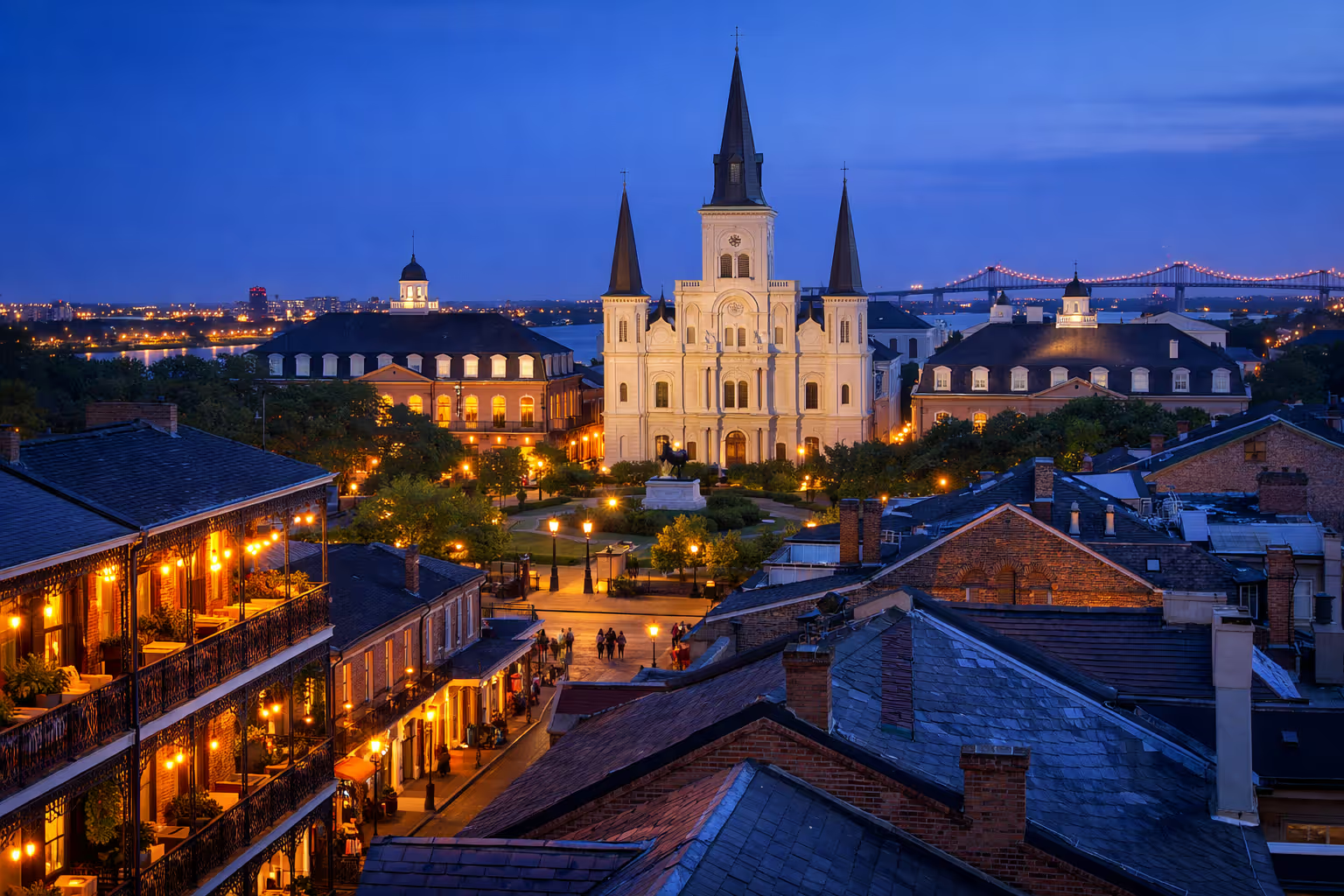
The typical visitor spends about 2.5 days in New Orleans, yet the city drew 19.08 million visitors in 2024 (1). With so many things to do in New Orleans and so little time, this guide focuses on a few key experiences rather than an overwhelming list. Three stand out for a first or repeat visit - exploring the French Quarter on foot, catching live jazz done right, and getting out on the water for a bayou tour. Bourbon Street is only a small part of the picture, and treating it as the main event is the fastest way to waste an evening.
✓ Pros
- Three distinct, high-quality experience types (history, music, nature) within a compact geography
- Many core French Quarter attractions are free or low-cost
- Live jazz is accessible at multiple price points, including free street performances
- Bayou/swamp tours are half-day commitments - easy to slot into a short trip
- Spring and fall offer genuinely good weather for outdoor activities
✗ Cons
- Summer heat and humidity make outdoor activities (especially bayou tours) uncomfortable
- Carnival and major festivals can make the French Quarter nearly impassable
- Preservation Hall and popular venues require early arrival and patience with lines
- Bourbon Street's reputation draws crowds that can overwhelm first-timers expecting a music experience
- Museum hours are daytime-only - night-only visitors miss key cultural sites
Things to Do in New Orleans: Where to Start If You Have 2-3 Days
The average visitor stays about 2.5 days, making it realistic to do a few things well rather than many things half-done. Road Genius reports tourists spend 2.48 days on average (4), and Hotelagio rounds it to 2.5 (5) - either way, most trips revolve around a long weekend. That constraint helps you structure your time.
The three pillars are straightforward. The French Quarter takes half to a full day on foot. Live jazz fits into one or two evenings. A bayou or swamp tour takes half to a full day, depending on whether you add a plantation visit. With tight planning, all three fit into 48 hours. Seventy-two hours gives breathing room and a third day for the Garden District, Frenchmen Street, or more museums.
Timing matters more than most first-timers expect. AAA recommends late winter and spring for the classic New Orleans experience, while Fora Travel points out summer is quietest and cheapest, mainly because of heat, humidity, and storm risk. Spring (March through May) and fall (September through November) are the sweet spots. Summer works if you start early.
Budget-wise, some of the best experiences cost nothing. Jackson Square, cathedral entry, riverfront walks, and weekend street jazz are free. Expect to spend more on food and tipping than on admission.
A Practical 2-Day Framework
Day 1 is all about the Quarter. Start at Jackson Square before crowds build, grab beignets at Café du Monde, then spend late morning on Royal Street. In the afternoon, pick one or two museums. Wrap the day with a traditional jazz set at Preservation Hall. Day 2 takes you out of the city: a morning bayou tour, an optional plantation visit in the afternoon, then a contemporary jazz night on Frenchmen Street. Two days, three pillars, no rush if you get an early start.
A Practical 3-Day Framework
Add a third day and the pace eases up. Keep Days 1 and 2 the same, then spend Day 3 walking the Garden District, doing a self-guided architecture tour, revisiting the French Market, or hitting museums you missed. The official New Orleans tourism site treats three days as a standard city break, mixing French Quarter time, neighborhood walks in Tremé or Bywater, and at least one Frenchmen Street night. Three days cover the essentials without feeling like a sprint.
The French Quarter on Foot: What’s Worth Your Time
Jackson Square and St. Louis Cathedral are the natural starting points - free to enter, rich in history, and easy to walk around. Jackson Square is open daily from 8 a.m. to 7 p.m. in daylight-saving months (to 6 p.m. in winter), with no ticket needed. The cathedral welcomes visitors daily from 9:30 a.m. to 4 p.m., last entry at 3:45 p.m., and general sightseeing is free. I went on a November morning when the light was soft and the crowd was thin - perfect for a slow look.
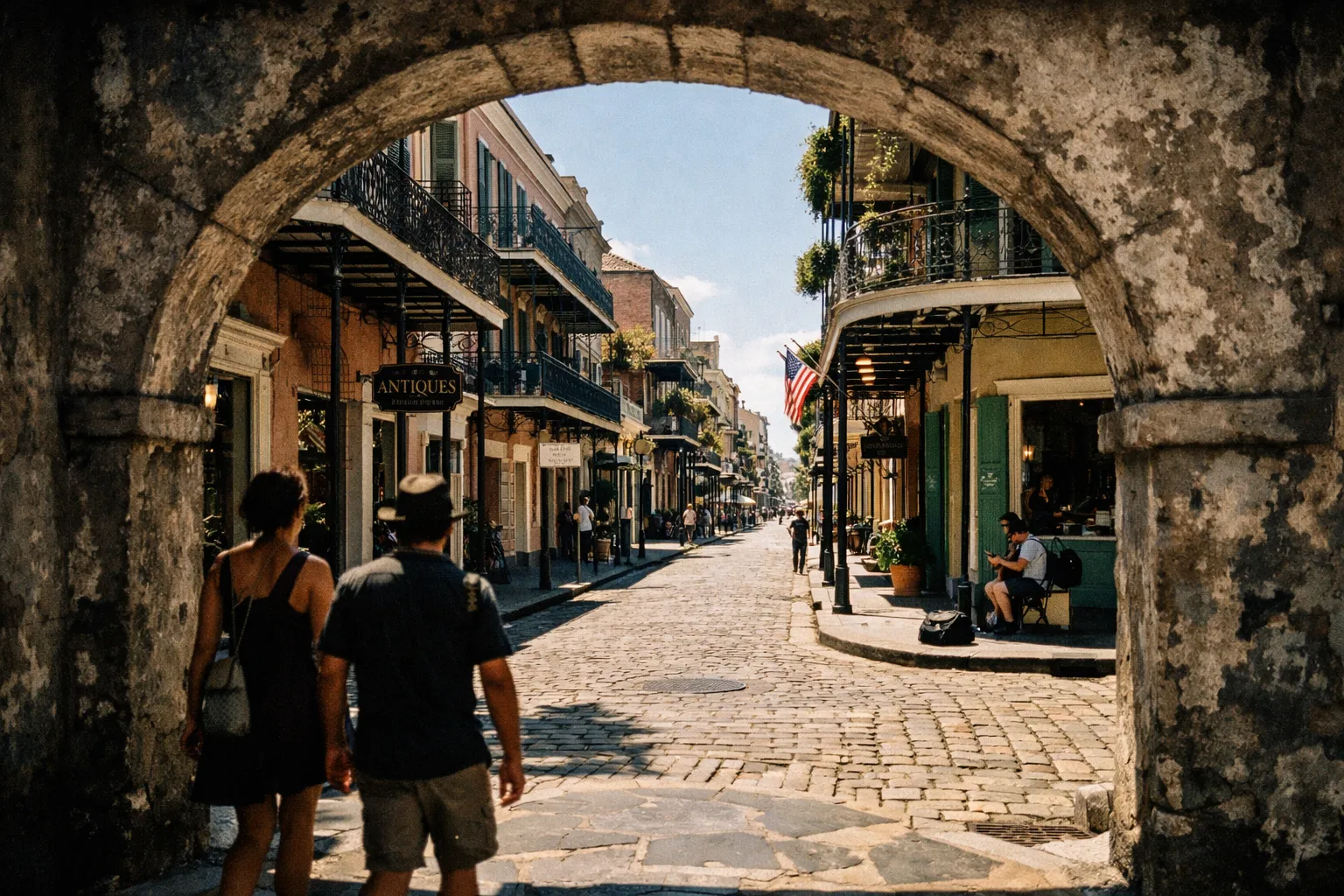
Royal Street is where the Quarter earns its reputation. On weekend afternoons, the street often closes to traffic and fills with street performers and spontaneous jazz - one of the best free experiences in the city. Halfway along, the Historic New Orleans Collection at 520 Royal Street offers free admission to all permanent exhibitions (tickets are for entry management only), open Tuesday through Sunday. It’s a reliable low-cost cultural stop and a good escape from the afternoon sun.
Café du Monde is touristy, but skipping it is a mistake. The beignets and café au lait are worth the line, which moves faster than it looks. Outdoor seating keeps the energy lively.
For a free loop, walk the Moonwalk promenade and Woldenberg Riverfront Park along the Mississippi. Both are open, walkable, and often host outdoor jazz - good for an early morning or late afternoon stretch. The French Market pairs naturally with this walk; it’s open year-round, with retail shops running 10 a.m. to 6 p.m. and farmers’ and flea markets from 9 a.m. to 6 p.m. Browsing costs nothing.
A note on tipping: street musicians, tarot readers, and artists around Jackson Square and Royal Street work for tips. Performances are free to watch, but carry small bills - a dollar or two per musician is a reasonable gesture, though no fixed norm is published.
History-Focused Stops in the Quarter
If history is your angle, prioritize the Cabildo and the Presbytère, both Louisiana State Museum sites with modest admission, open Tuesday through Sunday 9 a.m. to 4 p.m., last tickets at 3:30 p.m. The Ursuline Convent, dating to 1745, is the oldest surviving French colonial structure in the Mississippi Valley. For shorter, quirky stops, the Pharmacy Museum and the New Orleans Historic Voodoo Museum offer distinctive stories without taking much time. The Historic New Orleans Collection also offers a free interactive self-guided walking map, useful for finding historic buildings beyond the main sites.
What to Skip (or Approach Carefully)
Bourbon Street is worth a single walk-through for context, and that’s about it. It’s a bar strip, not a music destination, and the real jazz happens elsewhere. If music and culture are your focus, Royal Street and Frenchmen Street offer much more depth per block. Walk Bourbon once to take the temperature, then go find the actual music.
Live Jazz in New Orleans: Venues That Actually Deliver
The best jazz plan pairs one traditional set at Preservation Hall with one relaxed evening on Frenchmen Street - covering both historical and contemporary ends. New Orleans jazz isn’t background noise, and treating it like that leads to disappointment, especially at a listening venue like Preservation Hall.
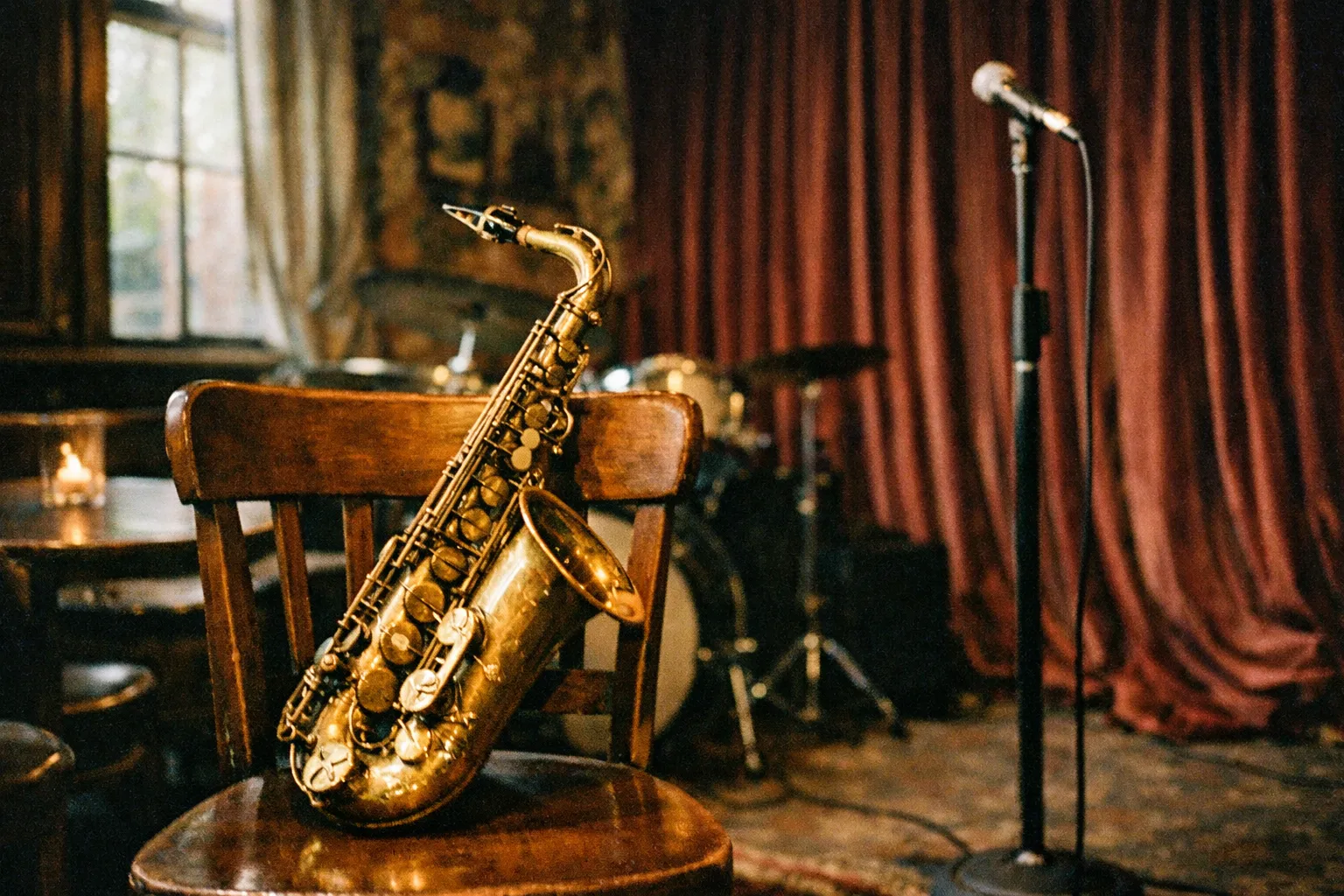
Preservation Hall is the city’s most storied jazz venue in the French Quarter. It runs like a concert, not a bar. Sets last about 45 minutes, capacity is around 100, and standard prices are $25 for standing, $40 for general admission seated, and $50 for first-row seats. All ages are welcome. AAA notes the hall seats only a few reserved guests; most stand shoulder-to-shoulder. Doors open about an hour before shows, and the evening runs roughly 5 p.m. to 9:30 p.m. There’s no table service - the acoustic intimacy is the draw. I attended a show last April and found the closeness to the horns unforgettable.
Frenchmen Street is the other half of the picture: a concentrated live music corridor just outside the Quarter. Clubs like Snug Harbor Jazz Bistro lean toward modern and contemporary jazz, pairing music with dinner. Snug Harbor Jazz Bistro runs shows into the late evening, with cover charges that vary by concert - check the venue’s current listings before you go. It’s a full-evening venue, not a quick stop, and the lower-pressure vibe suits couples well.
Don’t overlook the free option. Royal Street on weekend afternoons and the riverfront near the French Market often host outdoor jazz with no cover and no reservations. Just show up.
Jazz Venue Comparison
| Preservation Hall (French Quarter) | Snug Harbor / Frenchmen Street clubs | Royal Street / Riverfront (outdoor, free) | |
|---|---|---|---|
| Venue / Location | French Quarter | Frenchmen Street | Royal Street and riverfront |
| Music Style | Traditional, acoustic jazz | Modern and contemporary jazz | Traditional and street-style jazz |
| Cost | $25 to $50 depending on seating | Cover varies by concert - check venue listings | Free |
| Atmosphere | Stripped-down, historic listening room | Relaxed full-evening venue | Open, casual atmosphere |
| Best For | Purists wanting canonical New Orleans jazz | Couples or anyone wanting a relaxed evening | Budget travelers and spontaneous listening |
| Arrival Tip | Arrive 30 to 60 minutes early on busy nights | Reserve a table if you want dinner with the set | Come on weekend afternoons when Royal Street closes |
Bayou and Swamp Tours: Getting Out of the City
A bayou tour is the third pillar, taking you beyond the French Quarter into cypress-tupelo swamp. The wildlife draws are alligators, wading birds, and the swamp itself. Tours run on airboats or flat-bottomed boats, with alligator sightings close to guaranteed. It’s one of the better family-friendly activities here, alongside the Audubon Zoo and Aquarium.

Here’s where most guides go quiet: nearly all tours include coach or van pickup from central New Orleans or the French Quarter. Cajun Pride Swamp Tours runs about 1.5 hours on the water, with hotel pickups 60 to 90 minutes before, making the total door-to-door time about 3 to 5 hours. TripAdvisor’s “New Orleans Swamp and Bayou Boat Tour with Transportation” shows about 5 hours total, 2 hours on the boat, and pickups 60 to 90 minutes before departure. Cajun Encounters’ Honey Island Swamp tour offers 1 hour 45 minutes to 2 hours on water, with a 20 to 30-minute drive from the city. Budget half a day, not two hours.
Seasonality is non-negotiable. Spring and fall are comfortable. Summer mid-afternoon tours are hot, humid, and buggy - unpleasant. If you visit in summer, book a morning tour. Operators and reviews all say the same.
On boats: airboats cover more ground and feel more dramatic; flat-bottomed boats are quieter and better for spotting wildlife. Ask which type the operator uses before booking - it changes the experience.
Combining a Plantation Tour with a Swamp Excursion
Many operators pair a plantation visit with a swamp tour in a full-day itinerary, a logical use of a day in a three-day trip. Viator’s combo of Whitney Plantation with an airboat swamp tour runs about 8.5 hours, with hotel pickup around 8 a.m. These combos typically last 7 to 8.5 hours door-to-door. Plantation tours carry significant historical weight around slavery; Whitney Plantation focuses on that history. Prepare for it emotionally, not just logistically.
Practical Booking Notes
Book ahead for spring and fall, when demand peaks. Summer has more availability but less comfort. Confirm pickup location and total door-to-door duration before you commit - “1.5 hours on the water” is not your total time. Most tours depart from central New Orleans or the French Quarter, which keeps logistics simple if you’re staying nearby.
Free and Low-Cost Experiences Worth Prioritizing
One surprise about New Orleans on a budget is how much of the core is free - Jackson Square, St. Louis Cathedral entry, French Market browsing, Royal Street strolls, and riverfront parks. Visitors often over-budget for admission and under-budget for food and tipping. Jackson Square entry is always free with no tickets, making it a cost-free anchor for a first visit.
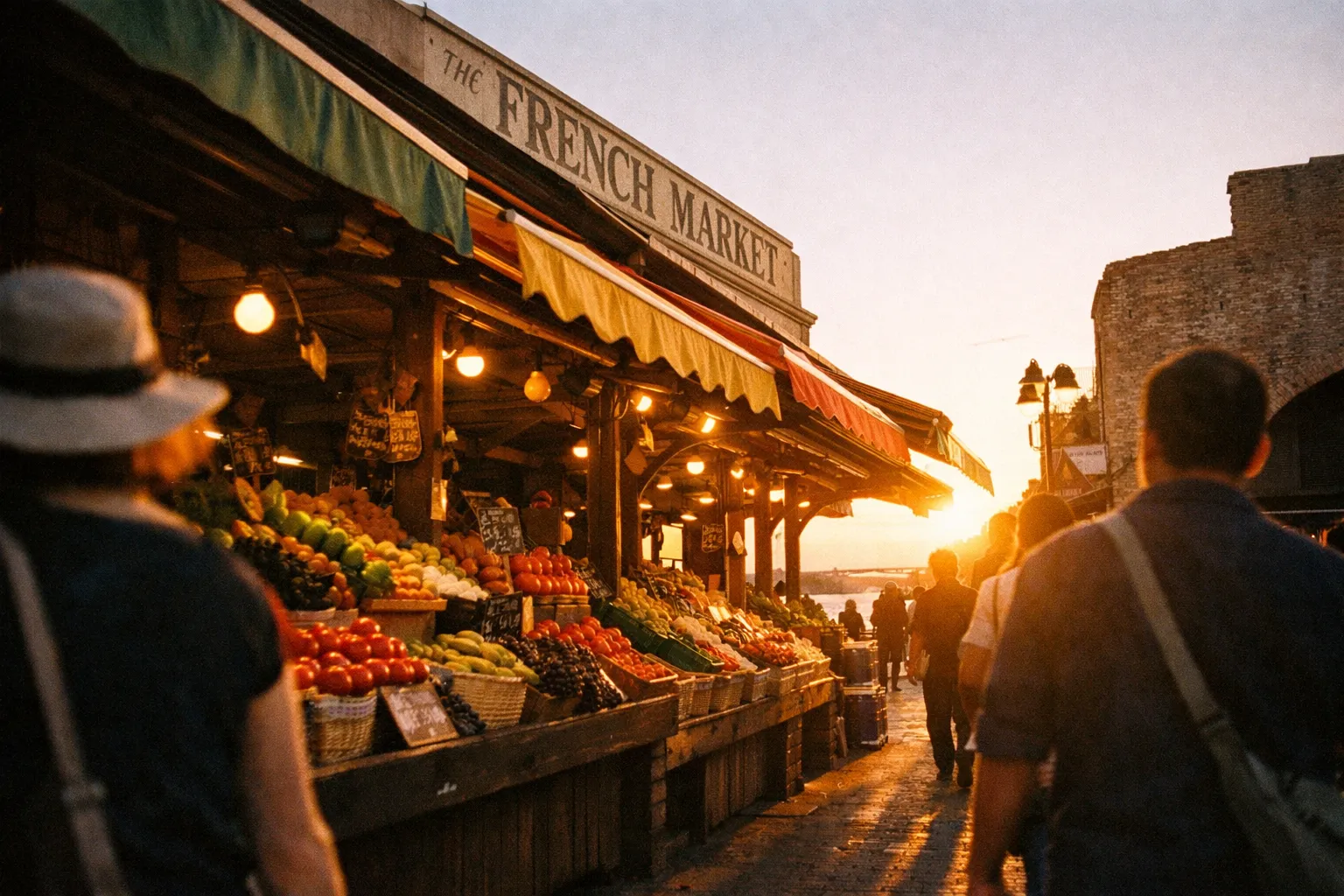
The Historic New Orleans Collection at 520 Royal Street keeps all permanent exhibits free, open Tuesday through Saturday 9:30 a.m. to 4:30 p.m. and Sunday 10:30 a.m. to 4:30 p.m. Outdoor jazz on Royal Street weekends, riverfront near the French Market, and Woldenberg Park comes with no cover charge. The Collection’s “French Quarter Tours” app offers self-guided walking routes - themes like “Music,” “Bourbon and Beyond,” and “Lower Quarter” - making a DIY historic walk effectively free aside from your mobile data.
If your timing matches, the French Quarter Festival in mid-to-late April offers free music stages across Woldenberg Park, Jackson Square, the JAX Brewery lot, and the New Orleans Jazz Museum, with local food vendors throughout. Live jazz and local acts, no tickets. Visiting just before or after can mean lower hotel occupancy with some leftover festival energy.
One reminder: carry small bills. Tipping street performers is the social contract - a dollar or two per musician is a reasonable baseline.
Festivals and Timing: When the City Changes Everything
March through May and September through November offer the best weather and manageable crowds. Hotel occupancy data shows it - 58.9% in July 2024 versus 75.6% in October 2024 (5). Fall demand is stronger for good reason: milder temperatures, lower humidity, and a full festival calendar. AAA recommends late winter and spring for the “quintessential” experience. Fora Travel flags summer, especially August, as hot, rainy, and hurricane-prone.
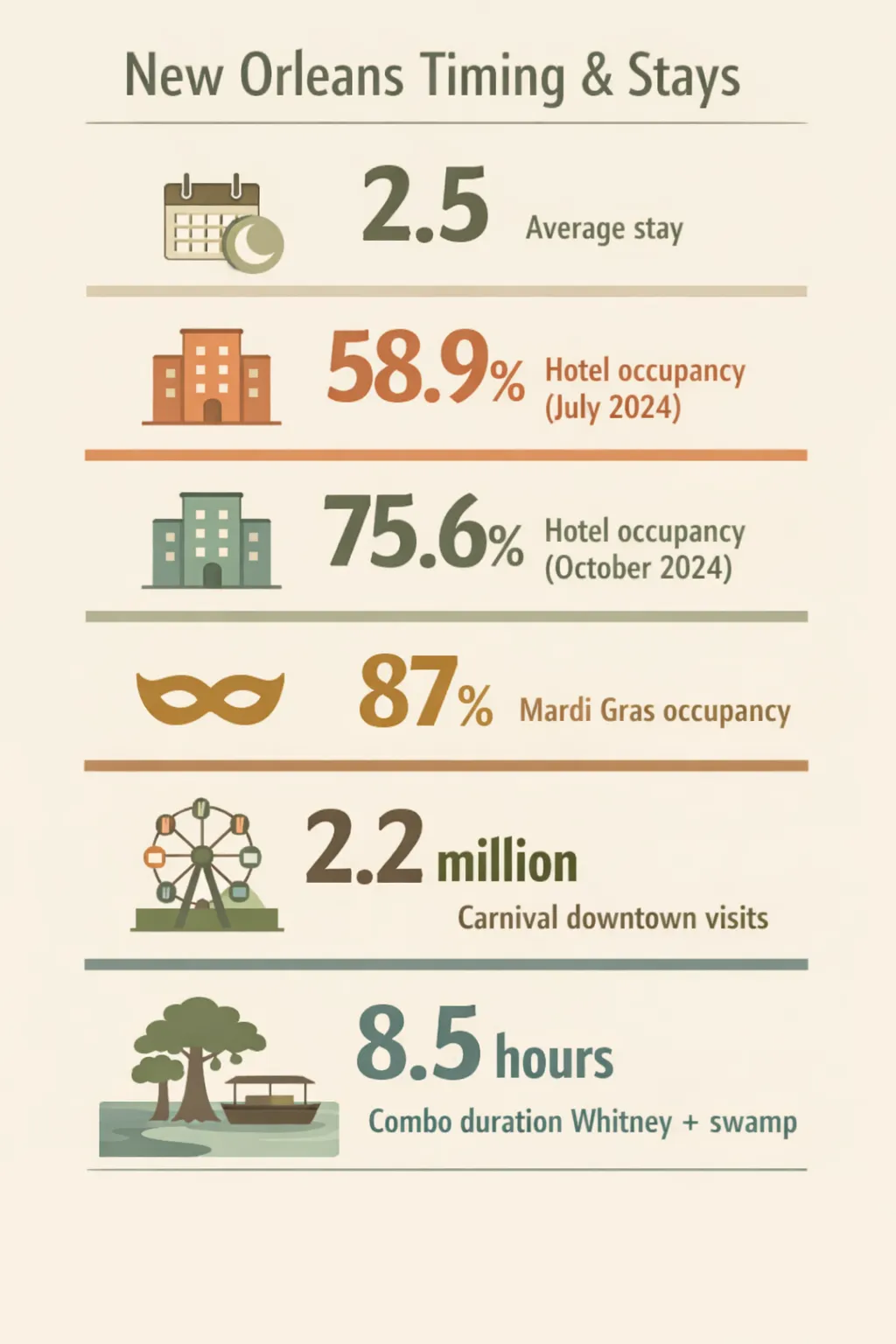 2.5 days average stay; July hotel occupancy 58.9%, October 75.6%; Mardi Gras occupancy 87%; Carnival downtown visits 2.2 million; Whitney Plantation + swamp combo runs 8.5 hours.
Mardi Gras changes everything. According to New Orleans & Company, downtown and French Quarter hotel occupancy hits the mid-to-high 90% range during Carnival. Roughly 26,000 downtown and Quarter hotel rooms averaged nearly 87% occupancy during Mardi Gras 2025. Carnival draws 2.2 million visits downtown across two weeks (8). French Quarter access becomes genuinely difficult - expect multi-hour congestion around Jackson Square and Bourbon Street. It’s not a reason to avoid the city, but it demands a different plan.
French Quarter Festival in mid-April is a lower-key alternative. Local coverage of the 2026 lineup confirms over 20 stages with free outdoor music and food vendors. It’s beloved locally, less internationally famous than Mardi Gras, translating to shorter lines and lower hotel rates.
Other events like Satchmo SummerFest, Southern Decadence, Tennessee Williams Festival, Tales of the Cocktail, and New Year’s Eve each draw a distinct crowd and shift the city’s character. Summer’s softer occupancy means better rates, but the heat is real - do bayou tours and walking tours early.
Practical Mistakes That Cost You Time (and Enjoyment)
A few avoidable mistakes account for most wasted New Orleans days. Keep these in mind:
-
Assuming Bourbon Street is the jazz scene. It’s not. The real music lives on Royal Street and Frenchmen Street. Build your music nights there and treat Bourbon as a one-time walk-through.
-
Visiting the French Quarter only at night. Museums close by late afternoon. The Cabildo, Presbytère, and Jazz Museum all stop admitting visitors by 3:30 or 4 p.m. Night-only visitors miss the city’s core history.
-
Treating Preservation Hall like a bar. It’s a concert venue with short 45-minute sets and limited capacity. Arriving late or expecting table service leads to frustration.
-
Booking a mid-afternoon bayou tour in July. Heat, humidity, and bugs make this miserable. Morning departures are much better in summer.
-
Underestimating wait times during peak events. During Carnival or French Quarter Festival, Jackson Square and Bourbon Street can be nearly impassable. Build in buffer time or reroute to avoid missing reservations.
How to Spend 3 Days in New Orleans: A Workable Itinerary
How to Spend 3 Days in New Orleans
3 daysA practical step-by-step itinerary covering the French Quarter, jazz, bayou tours, and local neighborhoods.
- 1
Day 1 Morning
Start at Jackson Square and St. Louis Cathedral before 9 a.m. to beat crowds and heat. Walk to Café du Monde for beignets. Stroll the Moonwalk along the Mississippi.
- 2
Day 1 Midday
Browse Royal Street and visit the Historic New Orleans Collection - free permanent exhibits and air conditioning. Lunch in the Quarter.
- 3
Day 1 Afternoon
Choose one or two museums - the Cabildo, Presbytère, or Pharmacy Museum. All close by late afternoon.
- 4
Day 1 Evening
Preservation Hall for a traditional jazz set. Arrive 30 to 60 minutes early to get in.
- 5
Day 2 Full Day
Bayou or swamp tour with a morning departure (half-day door-to-door), plus an optional plantation visit in the afternoon. Return for dinner.
- 6
Day 2 Evening
Frenchmen Street for contemporary jazz - Snug Harbor or similar. Dinner and music in the same venue.
- 7
Day 3 Morning
Garden District walk or self-guided architecture tour using the Historic New Orleans Collection map.
- 8
Day 3 Afternoon
French Market, riverfront park, and any missed museums. If it's a weekend, Royal Street closes to traffic in the afternoon - good timing for street performers.
- 9
Day 3 Evening
Flexible - another Frenchmen Street night, a festival event, or a quieter dinner in the Quarter.
Frequently Asked Questions About Visiting New Orleans
Frequently Asked Questions
- What should I not miss in New Orleans?
- Jackson Square, St. Louis Cathedral, at least one live jazz performance, and a bayou or swamp tour are essential. The French Market and riverfront walk are free and worth an hour.
- What is the #1 attraction in New Orleans, Louisiana?
- Jackson Square and the French Quarter are the city's anchor attraction - free, historically dense, and walkable. Preservation Hall is the most iconic indoor experience.
- What to do with 3 days in New Orleans?
- Day 1: French Quarter walk, museums, Preservation Hall. Day 2: Bayou or swamp tour, plantation visit, Frenchmen Street night. Day 3: Garden District, French Market, second jazz night.
- What to do for the first time in New Orleans?
- Start in the French Quarter with Jackson Square, St. Louis Cathedral, Café du Monde, and Royal Street. Book Preservation Hall ahead. Do a bayou tour. Avoid treating Bourbon Street as the main event.
- When is the best time to visit New Orleans?
- March through May and September through November offer milder temperatures, lower humidity, and festivals. Summer is cheaper but hot and stormy. Mardi Gras is extremely crowded.
- Are bayou tours worth it in New Orleans?
- Yes, if booked for morning departures in spring or fall. Alligator sightings are nearly guaranteed. Door-to-door time runs 3 to 5 hours for half-day tours.
- Is Preservation Hall worth the wait?
- Yes. The acoustic intimacy and historic atmosphere are unique. Arrive 30 to 60 minutes early on busy nights. Sets last about 45 minutes with no table service.
- What are the best free things to do in New Orleans?
- Jackson Square, St. Louis Cathedral, French Market browsing, Woldenberg Riverfront Park, Royal Street weekend afternoons, and the Historic New Orleans Collection's permanent exhibits.
The Bottom Line
Remember the number that opened this: 2.5 days is the average stay, and it’s enough. Enough to walk the French Quarter properly, catch live jazz twice, and get out on the water for a bayou tour. You don’t need a 25-item checklist. You need three good decisions and the discipline to skip the filler.
The biggest mistake first-timers make is spending too much time on Bourbon Street and too little on everything else. Avoid that, and your trip plans itself. If you have flexibility, pick spring or fall. Book Preservation Hall and your bayou tour before you arrive, since both fill up. Then let the French Quarter fill in the gaps. That’s your strategy. Go.