Skip to content
Outbound Lynx
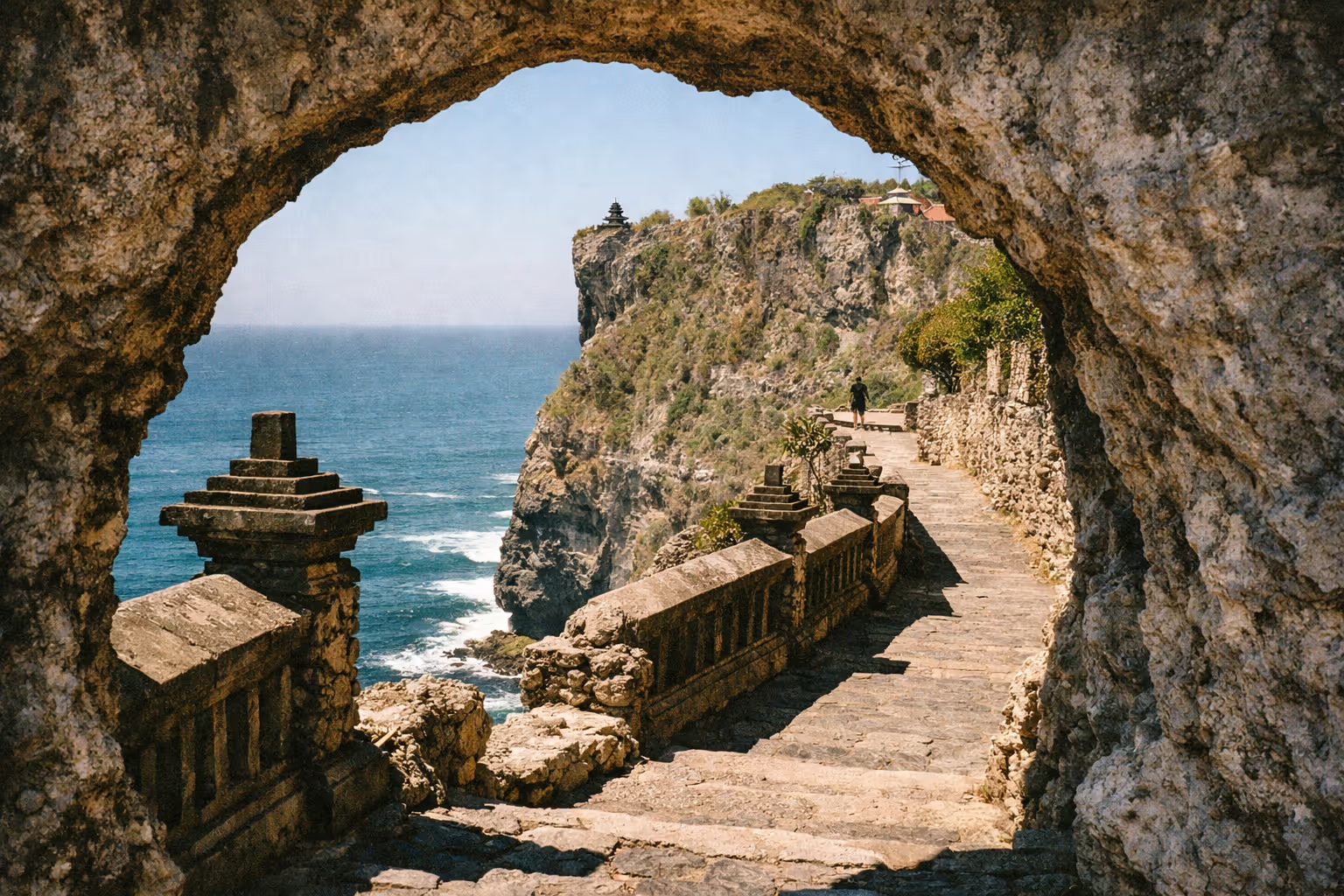
Stone pathway and railing along the cliff at Uluwatu Temple overlooking the sea in Bali.

Uluwatu Bali Weather, Temple, Cliffs & Surf Guide

The kecak drums start just as the sun drops toward the Indian Ocean, and a hundred men chanting in unison carry the sound across the cliff. That’s the moment most people come to Uluwatu Bali for - but the practical reality is this: Uluwatu Bali rewards travelers who plan around it and punishes anyone who shows up late or in the wrong season. This guide covers the temple, the cliffs, the beaches, and the surf, plus the logistics that connect them, because in Uluwatu everything is spread out and nothing is walkable.

Uluwatu is a distinct corner of Bali with a specific character: cliff-edged, surf-driven, quieter than the north. It suits some travelers better than others, and this guide is honest about which.

Pros

  • World-class reef surf with consistent April-October swell
  • Dramatic clifftop temple and sunset views without Seminyak-level crowds
  • More laid-back, spread-out feel than Canggu or Kuta
  • Cliff villas and beach clubs with genuine ocean views
  • Multiple distinct beaches within scooter range

Cons

  • Distances between spots are deceptive - walking is impractical, scooter or ride-hail required
  • Surf is advanced reef-break; not beginner territory
  • Wet season (mid-December to mid-February) brings rain, wind, and dance cancellations
  • Fewer restaurants and markets than north Bali resort areas
  • Temple opening hours vary across sources; conflicting info online

What Uluwatu Bali Actually Is and Where It Sits on the Map

Uluwatu sits at the southwestern tip of Bali’s Bukit Peninsula, roughly 30 to 60 minutes from Ngurah Rai International Airport depending on traffic. This is limestone country - steep cliffs, white-sand coves reached by stairs, and an open-ocean coastline that faces the Indian Ocean head-on.

The area’s character is surf-focused and comparatively quiet. Compared with Canggu or Seminyak, you’ll find fewer bars and night markets and more cafes and clifftop beach clubs (1)(3). People come for the water and the views, not the scene.

Uluwatu spreads along a few kilometers of winding road, and the neighborhoods each feel slightly different. Bingin leans surfer-casual with warungs at the base of a steep staircase. Padang Padang centers on a small, popular cove. “Central” Uluwatu, closer to the temple, holds most of the bigger villas and beach clubs. The key draws that anchor the rest of this guide are Pura Luhur Uluwatu temple, the kecak fire dance, the reef breaks, and the cliff beaches.

One practical point that shapes everything: a Uluwatu Bali map on Google Maps is essential here. Distances look short on screen, but the roads wind along the cliffs and the spots are not walkable between. Download the Bali region for offline use before you arrive, and save pins for your accommodation, the temple, and the beach access points. You will use them constantly.

Pura Luhur Uluwatu Temple: Tickets, Timing & the Kecak Fire Dance

Pura Luhur Uluwatu is the area’s primary cultural draw: a sea temple perched roughly 70 meters (230 ft) above the ocean on a steep limestone cliff, and one of Bali’s six key directional temples in Bali (4)(10). The timing of your visit matters more than almost anything else you’ll plan here.

Uluwatu temple hours, entry fee and dance timings data visualized as key stats Temple hours 07:00-19:00; entry 60,000 IDR; dance start 18:00; tickets 150,000 IDR; airport drive 30 to 60 minutes; nasi campur 25,000 to 40,000 IDR.

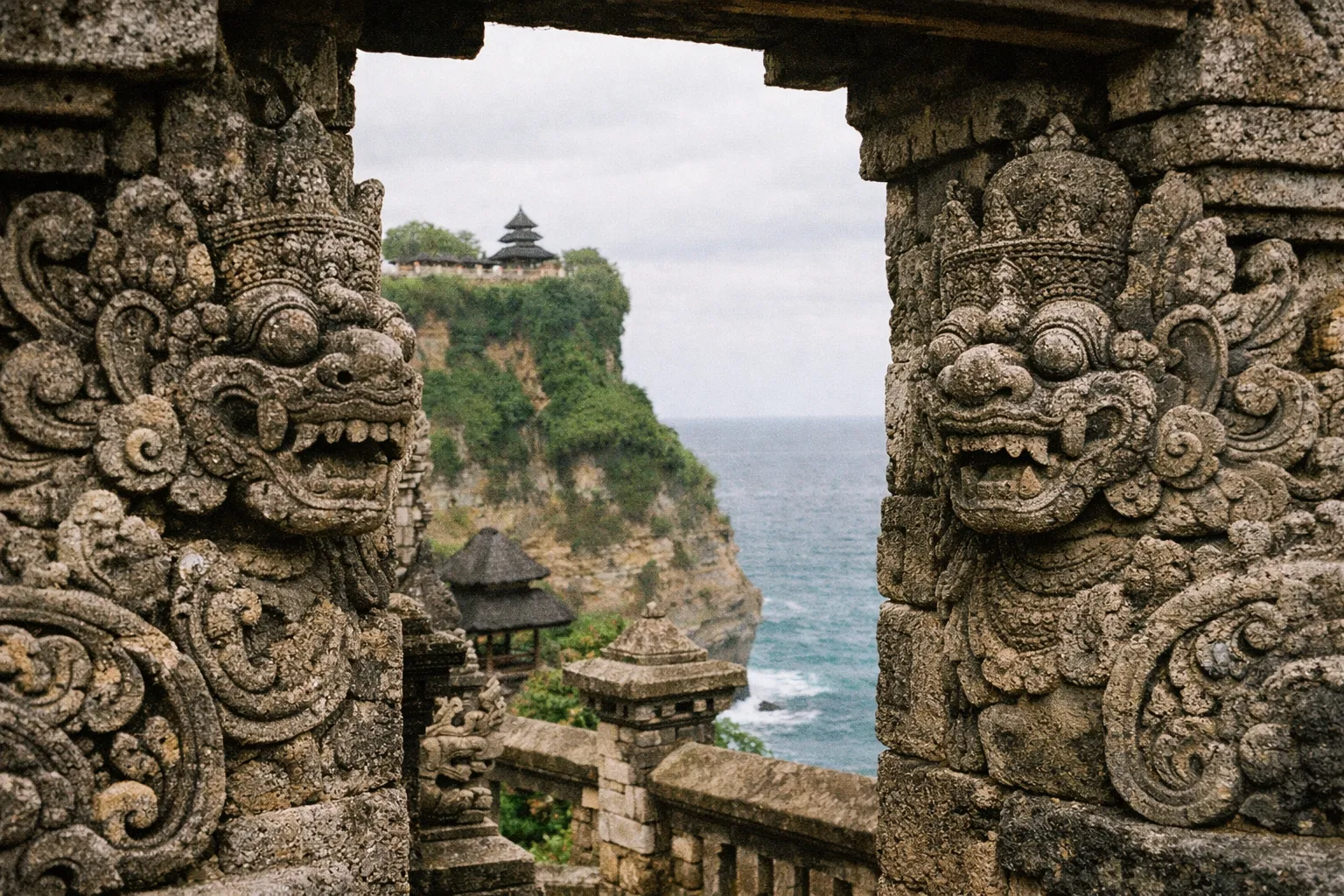
Stone carvings at Uluwatu Temple overlook dramatic cliffs above the ocean in Bali.

According to Uluwatu Temple’s official site, the grounds are open daily from 07:00 to 19:00, with adult international entry at 60,000 IDR, sarong and sash included (4). Cross-check this before you go: many third-party tourism sites still list 09:00 to 20:00 or different fees, and those pages lag behind the direct temple information (9). Trust the official source over the aggregators.

The kecak fire dance runs in the evening, with the main performance beginning at 18:00 (6). Some sources note two shows - 18:00 to 19:00 and 19:00 to 20:00 - suggesting expanded capacity in recent seasons. Tickets run around 150,000 IDR per person (6). Per the official temple guidance, arrive by 16:30 to secure seats before tickets sell out around 17:00. In high season, book a day or two ahead if you can.

The monkey warning is not optional advice. The temple grounds host a resident troop that will take glasses, phones, hats, and anything loosely attached (10). Secure everything before you walk through the gate - tuck sunglasses into a zipped bag, keep your phone in hand or pocketed. Visitors who ignore this lose gear every single day.

A wet-season caveat worth taking seriously: heavy rain between November and April can force the evening kecak dance to be cancelled or relocated (4). The heaviest disruption falls December through February, but April still sees enough rain to make a same-day confirmation worthwhile. If you’re visiting in those months, confirm on the day rather than assuming the show is on. Plan 1.5 to 3 hours total for the grounds, sunset, and dance combined (4).

Morning vs. Afternoon: Which Visit Works for You

A morning visit between 07:00 and 10:00 gives you a quieter temple, better light for photography, and a more genuine worship atmosphere - but no dance (9). The afternoon delivers sunset and kecak, at the cost of crowds and the need to arrive early for seating.

If you’re combining the temple with a beach day, do the beach first. The dance timing makes the late-afternoon temple visit the natural anchor of your day. Hit a beach in the morning, eat a warung lunch, then work your way to the temple by 16:30.

The Beaches Worth the Climb Down

Melasti Beach is the standout of the Uluwatu-area beaches because it’s reached by road rather than a long cliff descent, which makes it a practical swimming choice on calm days. White sand, clearer water than the surf coves, and more open space - it’s the one to prioritize if you want an actual beach day rather than a surf-spectating session. For more guidance on best beaches for swimming in Bali, the calm-water options across the island are worth comparing before you commit to a base.

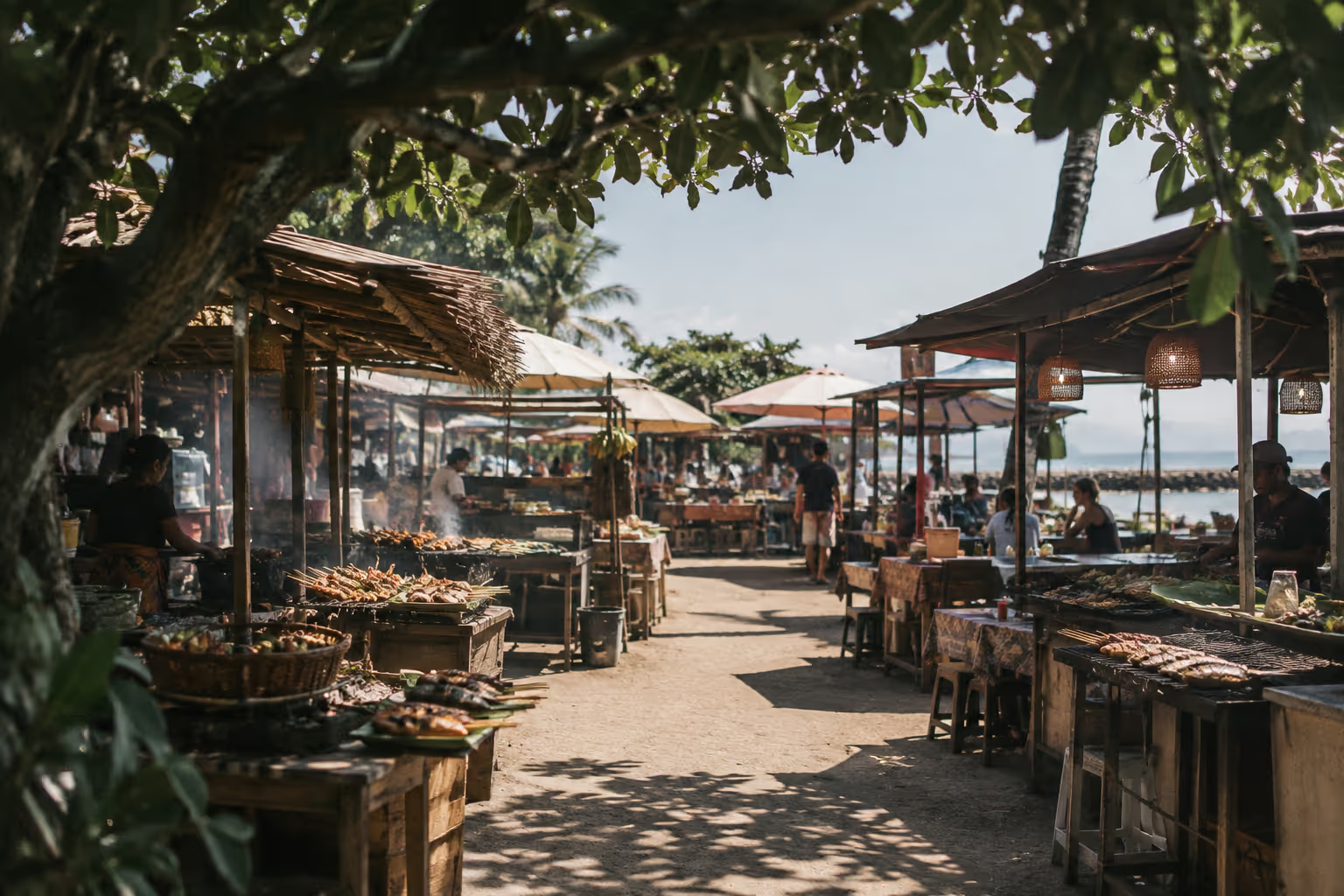
Beachside market stalls with fruit baskets and cooking pots near cliffs at sunset.

The others each ask for a climb and reward it differently. Padang Padang is a small, scenic cove with steep access and strong surf appeal, which is why it draws both day-trippers and surfers, and it can get crowded fast. Bingin sits at the bottom of a steep staircase and feels quieter, with warungs clustered at the base of the cliff - a favorite of surfers staying in the area. Thomas Beach has a steeper, less-known access path and lower foot traffic, so it’s the pick if you want space.

Karang Boma Cliff isn’t a beach at all - it’s a clifftop viewpoint that’s grown popular for sunset photography without the temple crowds. Plan it as an alternative to the temple sunset or an add-on to a beach afternoon.

One practical caution that applies to nearly all of them: most Uluwatu beaches require descending steep cliff stairs. Factor that into your plans if you’re traveling with young children or have mobility limitations, and wear shoes you can actually walk down stairs in. Flip-flops on wet limestone are a bad idea. These are also exposed, open-ocean beaches - swimming conditions vary, and the Bukit coast is known for strong currents. Melasti and Padang Padang can be gentle on good days, but check the water before you commit.

Melasti, Bingin, Padang Padang & Thomas Beach: Quick Comparison

Uluwatu Beaches at a Glance

Melasti Padang Padang Bingin Thomas Beach Karang Boma Cliff
Access Difficulty Easy (road access, no stairs) Steep stairs Steep stairs Steep, less-known path Clifftop viewpoint
Crowd Level Moderate to busy Crowded, especially midday Quieter than Padang Padang Low foot traffic Growing but lower crowd
Best For Swimming, open space, family-friendly Scenic day trips, surf watching Surfers, laid-back beach afternoons Space and quiet Sunset photography
Surf? No Yes Yes No No
Notes Most practical beach day option Advanced surf break, photogenic but tight space Warungs at base for cheap food Worth the effort if avoiding crowds Free alternative to temple sunset

Surfing at Uluwatu: Breaks, Skill Levels & the Best Months to Paddle Out

The Uluwatu main reef break is a powerful, world-class advanced wave with shallow reef and steep takeoffs, and it is not beginner territory. Peak mean wave heights reach roughly 2.0 to 2.2 m (6.5 to 7.2 ft) in June through August, and the break is heavily dominated by ground swell rather than short-period wind swell - part of what makes it consistent but also demanding.

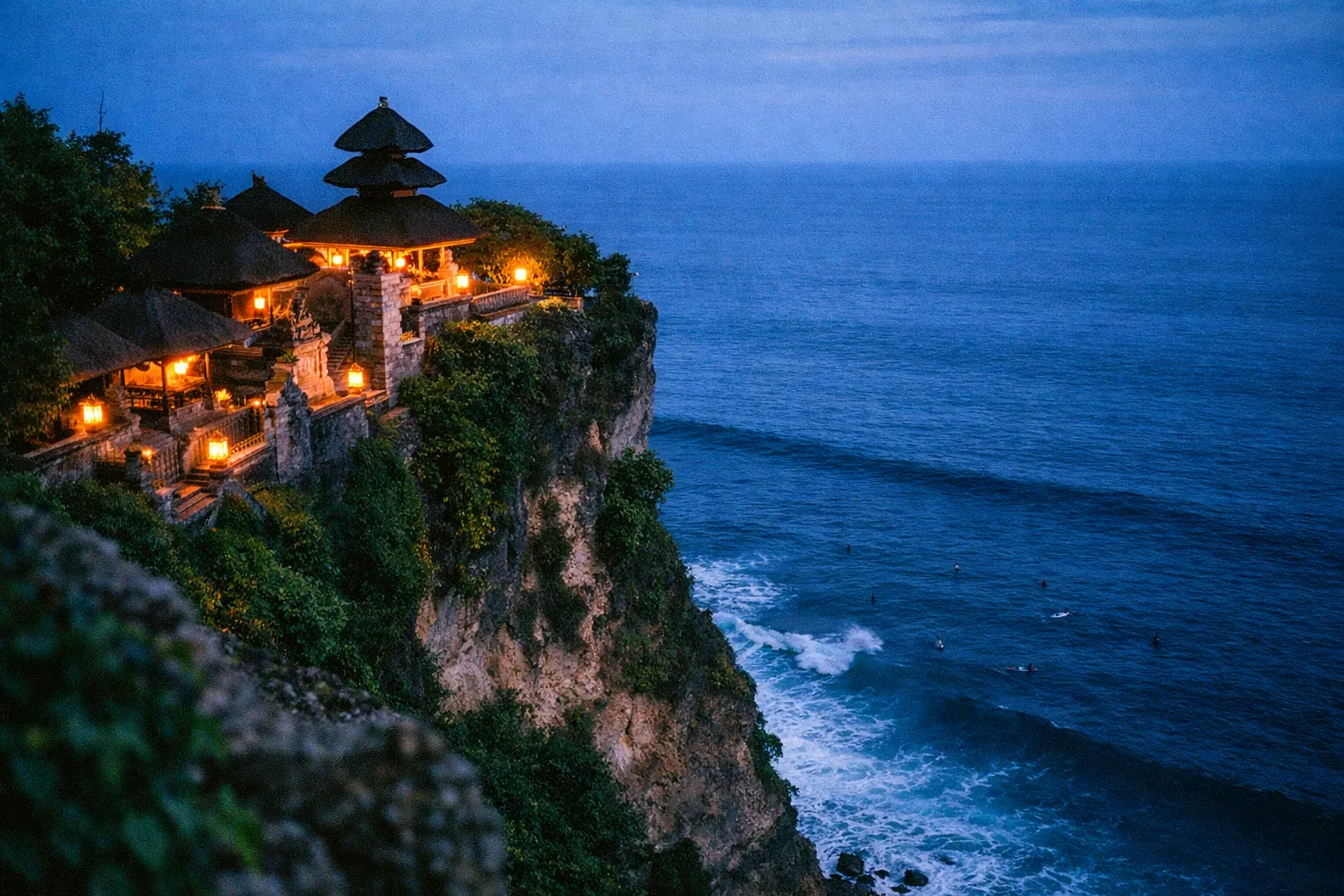
Uluwatu Temple perched on a cliff above the ocean with surfers visible in the waves below.

The neighboring breaks are no gentler. Padang Padang throws advanced barrels at its main break, though the inside sections are more forgiving for confident intermediates. Bingin is marginally more accessible than the Uluwatu main peak but is still a reef break that requires real experience. If you have to ask whether you’re ready for these, you aren’t.

Beginners should not attempt any of these. Uluwatu, Padang Padang, and Bingin are explicitly not recommended for first lessons - shallow coral, strong rips, and steep drops make them unforgiving. Route yourself to more forgiving breaks elsewhere on the Bukit or in Canggu, and come back to Uluwatu when your pop-up and turns are automatic.

Tide matters as much as swell. These reef breaks generally want mid-to-high tide windows for reef safety, so check daily tide charts on a surf report before you paddle out. The month you travel sets the swell; the tide on the day decides whether it’s surfable and safe.

Uluwatu Surf by Month: Swell, Wind & What to Expect

Uluwatu Surf by Month

April May June July August September October November
Average Swell Height Solid Building 2.0-2.2 m Peak size Peak size Easing about 1.8 m Good
Good Wind Days (%) 51% Good 21-31% Low Low Improving 74% Good
Overall Rating Good all-round Good Powerful but messy Crowded, inconsistent winds Crowded, inconsistent winds Strong balance Best all-round Decent
Best For Advanced surfers Advanced surfers Advanced only Advanced only Advanced only Advanced Advanced Advanced

Intermediate and Beginner Options Near Uluwatu

If you’re still progressing, don’t force Uluwatu. Dreamland Beach on the Bukit Peninsula has more forgiving waves suited to improving surfers. Jimbaran Bay, a sheltered curve on the peninsula’s east side, has calmer water and beginner lessons available. Both are a short scooter ride from central Uluwatu, so you can stay in the area and still surf within your ability. For genuine first-timers, the wide, forgiving beach breaks at Kuta, Legian, or Canggu’s Batu Bolong are the standard recommendation.

Best Time to Visit Uluwatu: Season by Season

The dry season, April through October, is the best window for Uluwatu, with May through September the sweet spot for beaches and temple visits (1)(2). Lower humidity, manageable rain, and reliable sunsets make this the window when the cliffs and coves actually look the way the photos promise.

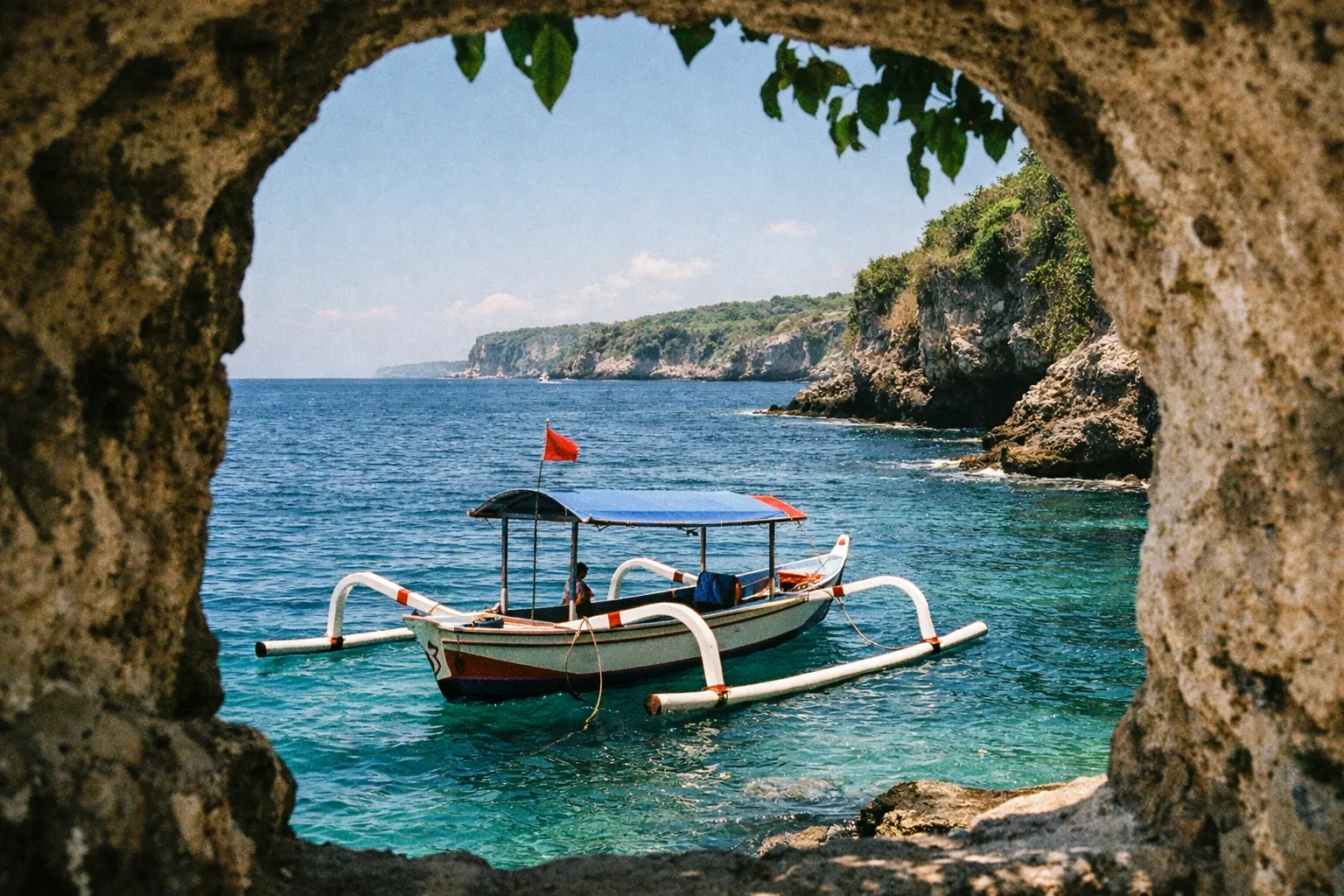
A traditional Balinese fishing boat floats near rocky cliffs and clear blue water on the coastline.

For surf specifically, April, September, October, and November edge out the peak dry-season months because of their better wind-to-swell ratio, and October stands out as the top all-round surf month. It’s a genuine split: the best beach-and-temple months and the best surf months overlap but aren’t identical.

The wet season runs November through April, with the heaviest disruption from mid-December to mid-February - the months repeatedly flagged as the worst for Uluwatu (1)(4). Heavy rain and wind can cancel or relocate the evening kecak dance, and the cliff viewpoints lose their drama under overcast skies (4)(6). Temperatures stay warm year-round, with highs around 27 to 29°C (81 to 84°F), so the issue is never cold - it’s rain and wind.

Is it rainy season in Bali right now? Bali’s wet season runs November through April. Outside those months, expect mostly dry days with the occasional afternoon shower even in the dry season. Conditions vary year to year, so check a current forecast before you travel rather than trusting the calendar alone.

The worst month for Uluwatu is January, with early February close behind - highest rainfall, strongest winds, and the highest chance of dance cancellations. If a dramatic clifftop sunset and the kecak dance are your reasons for coming, these are the weeks to avoid.

On budget: wet-season accommodation rates drop 30 to 50% off high-season pricing, and the shoulder months - April, early May, late September, October, November - offer good conditions at lower prices than the July-August peak. Early May and late September are particularly strong value windows.

Month-by-Month Quick Reference for Uluwatu

Uluwatu Month-by-Month Travel Conditions

April May June-August September October November December-March
Weather Dry season begins Dry Dry and busy Dry Dry Transition Wet season
Rain Risk Low Low Low Low Low Occasional High
Surf Conditions Good Excellent Biggest but windier Clean Top surf month Still good Variable
Crowds Moderate Moderate High Easing Moderate Moderate Low
Verdict Strong all-rounder One of the best months Great for spectating swell, less clean for surfing Excellent value and conditions Best overall for surfers Decent - watch forecast Avoid mid-Dec to mid-Feb if temple sunset is priority

Getting to Uluwatu and Getting Around Once You’re There

Getting to Uluwatu is easiest by car or scooter, not public transit, because the area sprawls across cliffs and winding roads with no direct bus service. Plan transport for every move you make here.

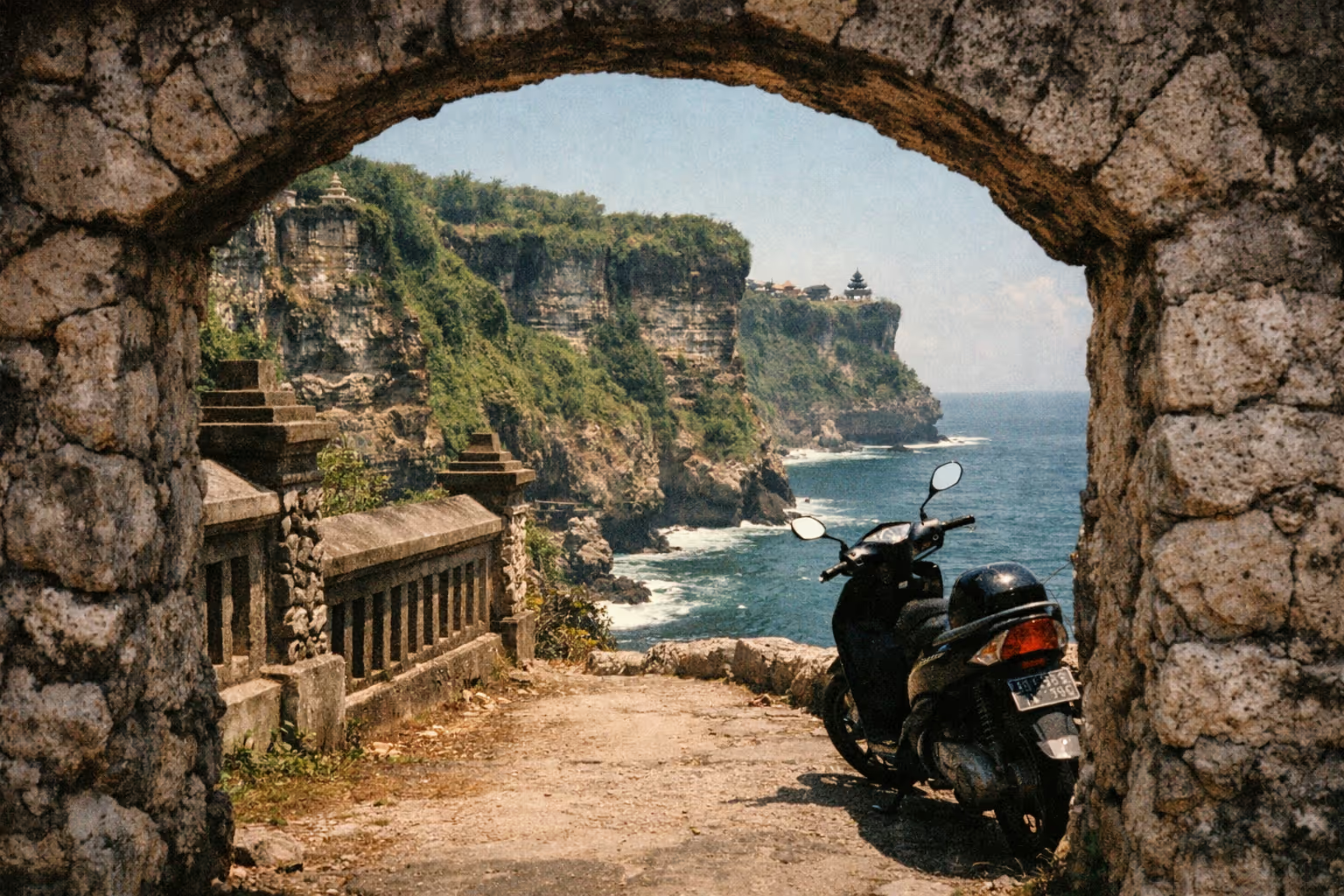
People ride scooters along a coastal road with dramatic cliffs and ocean views near Uluwatu, Bali.

From the airport, the drive runs roughly 30 to 60 minutes depending on traffic, and a one-way cab fare comes to approximately 300,000 IDR. Grab and Gojek are available from the airport, and a pre-booked transfer is often the least stressful option after a long flight.

From central Bali - Canggu or Seminyak - ride-hail apps typically run 300,000 to 400,000 IDR one way, per March 2025 reporting (2). A private driver for a full day is a common alternative if you want to combine the trip with stops along the way.

For getting around once you’re there, scooter rental is the most practical choice, running 70,000 to 100,000 IDR per day (1). A few non-negotiables: an International Driving Permit is required, helmets are mandatory, and police checks for riders without proper documentation are common. If you’re not confident on two wheels on winding cliff roads, don’t start here.

Grab and Gojek work as a backup for longer trips or rainy days when scootering loses its appeal, though some spots have pickup restrictions and you may need to walk a short distance to meet your driver. Walking between spots is not realistic - the main strip runs several kilometers and the beaches are down cliff stairs. Staying in Bingin, Padang Padang, or central Uluwatu minimizes your scooter time and keeps you close to beaches and dining (1).

Where to Stay, Eat & Spend Time in Uluwatu

Accommodation on the Uluwatu and Bukit side spans a broad range. Budget guesthouses and homestays start around US$10-15 per night, with a private room including bathroom and AC typically under US$20, per Bali.com. Luxury cliff villas and high-end properties average US$150-350 per night at the top end. For a fuller picture of what each Bali accommodation types category actually delivers at these price points, it’s worth reviewing the breakdown before you book. Basing yourself in Bingin or Padang Padang keeps you close to the beaches and warungs without needing a scooter for every meal.

Alila villas Uluwatu Bali is the area’s flagship luxury property - a clifftop position with an infinity pool over the Indian Ocean, and a useful benchmark for the top end of what Uluwatu offers. It comes up often in the context of an Uluwatu Bali wedding too: the clifftop setting and the quality of the villas make this stretch of coast a genuine draw for ceremonies, and Alila Villas Uluwatu is frequently cited as a venue. That’s context for the area’s upscale appeal more than a booking recommendation, but if a cliff-edge ceremony is the goal, this is why people come here specifically.

On food, the warungs are the clear best value. A nasi campur runs around 25,000 to 40,000 IDR, one of the cleanest budget markers in the area. The clifftop beach clubs and cafes - including spots like Suka Espresso - charge considerably more. Uluwatu Bali restaurants span the full range, from warung rice plates to cliff-edge dining, and the spread-out geography means you’ll scooter to dinner rather than wander to it. Plan where you’re eating before you head out.

A massage in Uluwatu Bali is available at most mid-range hotels and standalone spas. Rates are noticeably cheaper than the Seminyak equivalents - check the spa menu at your accommodation or a nearby standalone spa for current pricing. It’s an easy add to a rest day between surf sessions.

Beach Clubs and Sunset Bars Worth the Minimum Spend

Single Fin is the long-running institution here, especially its Sunday sessions, when the clifftop crowd becomes part of the attraction. If you do one paid sunset in Uluwatu, this is the one worth planning around.

Be aware of the minimum-spend culture at the beach clubs - a daybed or table often carries a per-person minimum. If you’d rather skip that, Karang Boma Cliff is the free alternative for a sunset without any spend at all, and the warungs at the base of the beaches offer low-cost drinks with your feet closer to the sand.

How to Spend a Day (or Two) in Uluwatu: Practical Itineraries

Uluwatu is worth 2 to 4 nights for most travelers. A single day works as a day trip from Seminyak or Canggu, but it feels rushed - you’ll spend too much of it in a car. If you’re building a longer trip around the island, a Bali itinerary that bases at Ubud, South Bali, and Nusa Penida without backtracking is a practical framework to work from.

One day: Start with a morning beach - Melasti for swimming and space, or Bingin if you want the surfer-warung vibe. Break for a warung lunch, then scooter to Karang Boma Cliff for the late afternoon light. Arrive at Uluwatu Temple by 16:30 to secure seating, watch the kecak dance at 18:00, and finish with dinner near the temple area.

Two days: Run day one as above. On day two, add a surf session or spectating at the Uluwatu main reef, a quieter afternoon at Thomas Beach, and a beach club sunset at Single Fin. If you’re staying multiple nights, Jimbaran Bay is about 20 minutes north and makes a strong seafood dinner detour.

Surf-focused two days: Do an early-morning surf check both days - reef conditions are tide-sensitive, so the dawn check tells you whether it’s worth suiting up. Session at Padang Padang or Bingin when the tide is right, rest or run a tide-dependent second session in the afternoon, and keep the temple evening as your anchor. If you want to extend the adventure beyond the Bukit, Bali adventure activities like white-water rafting and volcano treks are easy to add from a South Bali base.

How to Plan Your Uluwatu Temple Visit

1.5 to 3 hours

Avoid common mistakes and secure the best experience at Uluwatu Temple and the kecak dance.

  1. 1

    Decide your visit window

    Choose morning (07:00-10:00) for quiet photography or afternoon (arrive 16:30) for sunset plus the kecak dance.

  2. 2

    Book kecak dance tickets

    Reserve tickets 1-2 days ahead in high season (around 150,000 IDR per person).

  3. 3

    Confirm opening hours

    Check the official temple website before traveling; third-party sites often have outdated hours.

  4. 4

    Bring or wear a sarong and sash

    These are provided at entry and included with your ticket.

  5. 5

    Secure all loose items

    Put away glasses, phone, hats before entering the monkey-inhabited grounds.

  6. 6

    Confirm dance availability in wet season

    If visiting November-March, call ahead to ensure the dance is running that evening.

Frequently Asked Questions

What's the best time to visit Uluwatu?
May-September suits beaches and temple visits; April, October, and November offer the best surf wind-to-swell ratio. Avoid mid-December to mid-February due to rain and dance cancellations.
Is it rainy season in Bali right now?
Bali's wet season runs November through April. Outside those months expect mostly dry days with occasional afternoon showers. Check current forecasts before traveling.
What's the worst month to visit Uluwatu or Bali generally?
January and early February bring the heaviest rain, strongest winds, and most likely disruptions to outdoor activities including the kecak dance.
Is Uluwatu worth visiting?
Yes, if you seek cliffs, surf, and a slower pace. The temple at sunset with the kecak dance is a highlight. It's not suited for nightlife or easy beach access.
Can beginners surf at Uluwatu?
No. Uluwatu and nearby breaks are advanced reef waves with strong currents and shallow coral. Beginners should choose Kuta, Legian, or Canggu for lessons.
What should I watch out for at Uluwatu Temple?
The resident monkeys will take loose items like glasses and phones. Secure everything before entering. Also confirm opening hours on the official site.
How do I get from Bali airport to Uluwatu?
By car or ride-hail, about 30-60 minutes depending on traffic. Metered cabs or pre-booked transfers cost around 300,000 IDR one way. No direct public bus.
Do I need a sarong to enter Uluwatu Temple?
Yes, sarong and sash are mandatory and usually included with your entry ticket or available at the gate.

Uluwatu is for surfers, sunset-chasers, and travelers who want cliff views and a slower pace - and who don’t mind organizing transport around every plan. It’s not for people chasing nightlife, learning to surf, or expecting easy beach access. And it’s a poor bet in January, when the rain and wind undo most of what makes the place worth the trip.

If the kecak dance is on your list, one thing separates a great Uluwatu evening from a frustrating one: arrive at the temple by 16:30 and book your ticket the day before. Everything else here you can improvise. That, you shouldn’t.


Sources

  1. stephmylifetravel.com stephmylifetravel.com
  2. The BEST of ULUWATU 2025 | Best Beaches, food & Local Tips! - YouTube youtube.com
  3. Uluwatu is a paradise! See our guide and why we will be back! 2cupsoftravel.com
  4. Uluwatu Temple Hours & Fees uluwatutemple.org
  5. expedia.com expedia.com
  6. Horarios y tarifas de Templo de Uluwatu uluwatutemple.org
  7. tripadvisor.com tripadvisor.com
  8. Timings For Uluwatu Temple traveltriangle.com
  9. Uluwatu Temple wanderlog.com
New guides, straight to your inbox