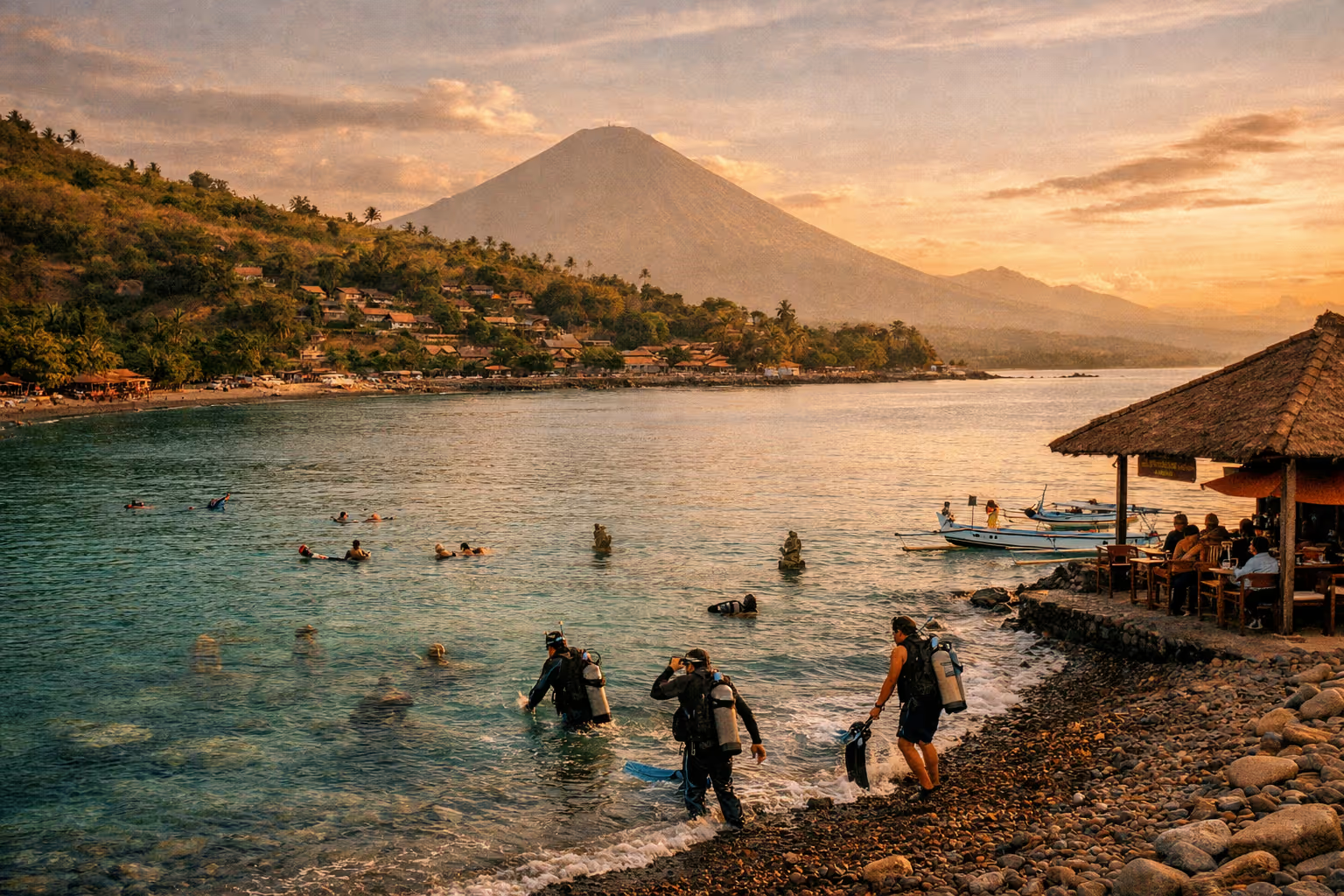
Diving in Amed Bali works best for exactly the divers most operators wish they saw more of: newly certified ones. Most reefs here sit between 5 and 18 meters, calm bays like Jemeluk give you an easy beach entry, and a fun dive with tank and guide runs about 26 to 28 dollars. The big draw, the USAT Liberty wreck up the coast at Tulamben, rewards a sunrise start. Here is how the sites, costs, and timing sort out before you book.
Is Amed Bali good for diving?
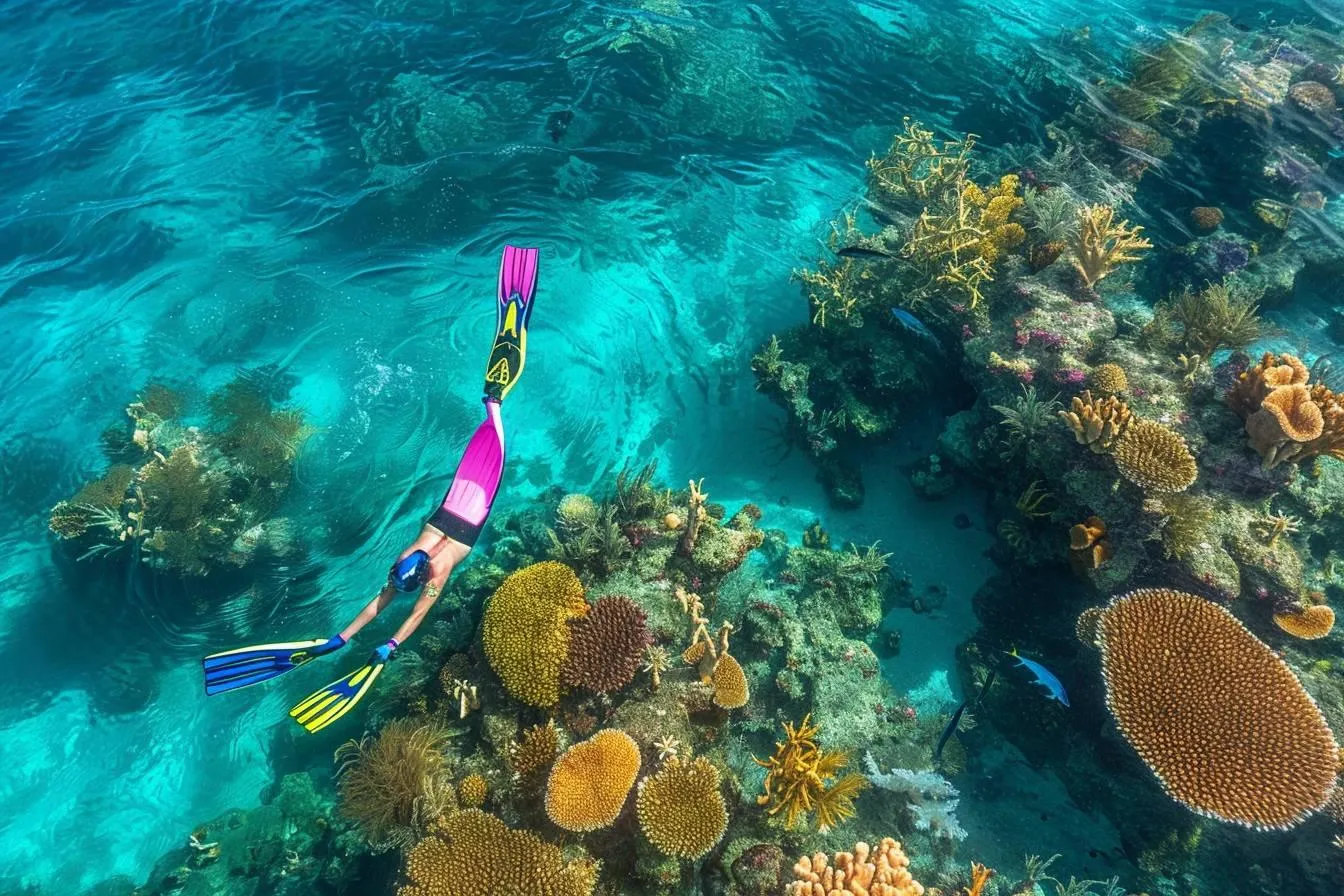
Short answer: yes, especially if you’re newly certified, still learning, or travelling with non-divers. Diving in Amed Bali is ideal because most of its reefs sit between 5 and 18 metres, which means an Open Water certification covers nearly everything. Currents are mild in the sheltered bays - Jemeluk in particular - entries are from beach or pebble shore rather than rolling boats, and the water is warm enough year-round that a 3mm shorty is all you need (1).
What Amed gives you that bigger dive destinations don’t:
- Multiple dives per day without boat fatigue. Tanks travel by pickup truck to the entry point. Three to four dives in a day is realistic and not exhausting.
- Macro density. Ghost Bay, Lipah’s outer reef, and the muck patches around Jemeluk are full of nudibranchs, frogfish, ghost pipefish, and crustaceans.
- Turtles in the shallows. Green turtles feed at 5-10 m in Jemeluk and Lipah. You’ll often see them while snorkeling, no tank required (2).
- PADI 5-Star operators running small groups (typically 1:2 to 1:4 guide ratios), with at least one shop - Amed White Sand Divers on Lipah Beach - flagging a long safety record and multi-language instruction (6).
Where Amed underdelivers: if you’re chasing one specific epic dive, the local wreck won’t satisfy you. Amed’s Japanese Shipwreck is small - around 20 m long, sitting in 5-10 m of water (2). It’s charming and beginner-friendly. It is not the Liberty.
Dive sites worth your tank in Amed
The coastline from Melasti in the north to Banyuning at the south end packs in a surprising spread of dive types - wall, drift, wreck, muck, artificial reef - within roughly 10 km (2). I’ve done most of these sites across two separate trips and the variety still surprised me on the second visit.
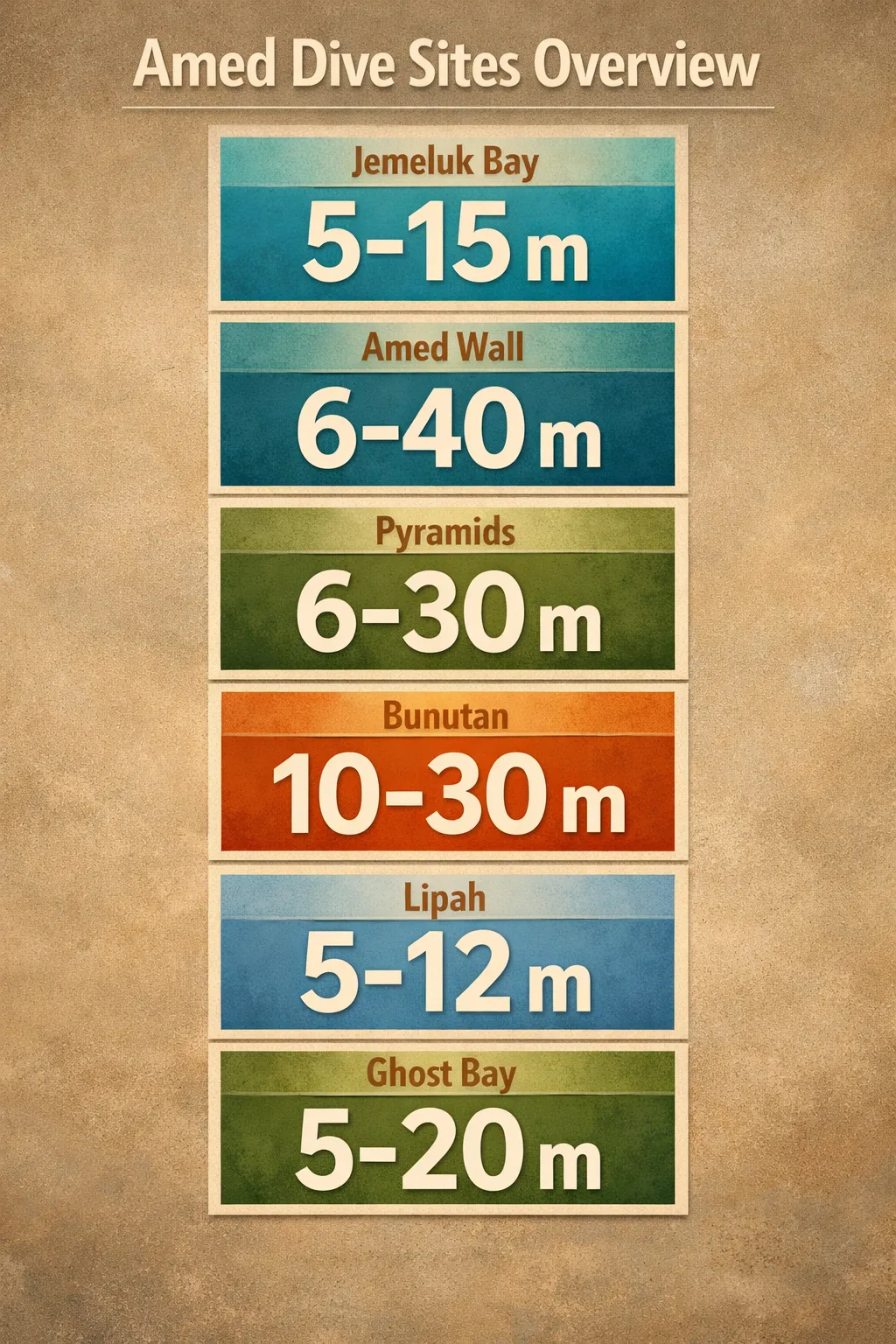 Dive-site depths across six Amed locations range from 5 to 40 meters (Jemeluk Bay 5-15 m; Amed Wall 6-40 m; Pyramids 6-30 m; Bunutan 10-30 m; Lipah 5-12 m; Ghost Bay 5-20 m).
Jemeluk Bay and the underwater temple
Jemeluk is Amed’s beginner anchor. The bay is protected, the slope is gentle, and somewhere in the middle sit a cluster of submerged Balinese-style statues and a small temple structure at 5-15 m - a check-dive favourite and one of the bay’s most photographed features. Enter from the central beach, swim out, descend on the slope. There’s almost always a turtle.
Amed Wall
A short swim from Jemeluk Beach. The wall drops from about 6 m to over 40, though most dives stay in the 12-25 m range. Soft corals, gorgonians, schools of fusiliers, and the occasional eagle ray cruising the blue. Good in the morning for light.
The Pyramids
Artificial concrete pyramid structures dropped in the early 2000s to support reef regeneration - they’ve worked. The site now functions as both a reef dive and a moderate drift, with the current usually pushing south. Depth 6-30 m. A solid AOW-level site for practicing drift technique with your guide deploying an SMB at the end.
Bunutan
Further south, deeper, and currentier. Bunutan is where you go after you’ve done Pyramids twice and want a bigger drift. Schooling jacks, batfish, and decent chances at reef sharks at depth. Not a first-day-out-of-the-pool site.
Lipah Bay
Lipah is mellow reef and turtle territory, plus easy access to the Japanese Wreck just offshore. The wreck itself is small enough to circle in fifteen minutes, but it’s encrusted with soft coral and surrounded by glassfish clouds - strong for photographers shooting wide on a dive light.
Ghost Bay
Black-sand muck site near Amed proper. Underwhelming-looking on entry, extraordinary once you slow down and start scanning. Frogfish, mimic octopus, harlequin shrimp, mantis shrimp. Best at dusk or as a night dive - bring a red focus light.
Amed Dive Sites Overview
| Jemeluk Bay & Underwater Temple | Amed Wall | Pyramids | Bunutan | Lipah & Japanese Wreck | Ghost Bay | |
|---|---|---|---|---|---|---|
| Depth | 5-15 m | 6-40 m | 6-30 m | 10-30 m | 5-12 m | 5-20 m |
| Type | Reef, statues | Wall | Artificial reef, drift | Drift | Wreck, reef | Muck, night |
| Recommended Level | All | Open Water+ | Open Water - Advanced Open Water | Advanced Open Water | All | Open Water+ |
The USAT Liberty wreck dive in Tulamben
If you’re driving to Amed, plan at least one day in Tulamben - it’s 30-40 minutes north along the coast road (5).
The USAT Liberty wreck dive is the headline. A 120-metre WWII U.S. Army cargo ship, torpedoed by a Japanese submarine in 1942, beached at Tulamben for emergency repairs, and finally pushed off the beach into the sea by the 1963 eruption of Mount Agung. It now lies parallel to shore, the bow sitting around 5 m down and the stern reaching 30 m, on a black volcanic sand slope (5).
You walk in from the beach. The wreck is maybe 25 m offshore. That’s the entire logistics conversation.
The Liberty is covered in soft coral, sea fans, and sponges, and it crawls with marine life - bumphead parrotfish at dawn, schooling jacks mid-morning, garden eels on the sand around the stern, and macro critters tucked into every cranny. When I dived it at 6:15 am on a November morning, there were maybe four other divers on the whole wreck. By 9:30, the day-trippers from south Bali had arrived and it was a different experience entirely. Most divers do it two or three times across a day: early morning for the bumpheads and clear water before the crowd arrives, late afternoon for golden light, night dive for Spanish dancers and bioluminescence.
Other Tulamben sites worth the drive:
- Drop-Off - wall dive immediately east of the Liberty, dropping to 70 m, with excellent fish life in the 15-25 m range.
- Coral Garden - shallow reef west of the wreck, full of cleaning stations and turtles, ideal as a second dive.
- Seraya Secrets - pure macro site about 10 minutes further north, the kind of place underwater photographers schedule entire trips around.
Tulamben vs Amed: which base is right for you
This is the comparison everyone asks about, and “Tulamben is better” is too blunt to be useful.
Choose Tulamben if you’re a dedicated diver, you want to dive the Liberty multiple times across consecutive days, you don’t care about restaurants or sunset views, and you’re happy in a small village built almost entirely around dive resorts (5). Most accommodation is on the beach, you can roll out of bed and be on the wreck in twenty minutes, and the food scene is functional rather than interesting.
Choose Amed if you’re travelling with non-divers, you want a mix of diving, snorkeling, scootering, and East Bali sightseeing, and you’d rather come back to a bay with warungs (small local restaurants), cafés, sunset bars, and ocean views over Mount Agung. The diving is excellent but slightly less iconic - no single site rivals the Liberty. You’re trading peak diving for a more rounded trip (2)(5).
Choose Amed and day-trip Tulamben if you want both, which is what most travellers end up doing. The 30-40 minute drive is short enough that dive shops in Amed routinely run Tulamben mornings: pickup at 5:30 am, two dives on the Liberty, back to Amed by lunch. Use this amed travel guide section to plan which base suits your trip before you book accommodation.
How to reach Amed and Tulamben
Everyone flies into Ngurah Rai International Airport (DPS) in Denpasar (1). From there:
- Private car transfer to Amed: 2.5-3 hours along the east coast. Expect IDR 550,000-950,000 (roughly USD 35-60) one way, depending on the operator and vehicle. Most dive shops can arrange this and many will deduct it from your dive package.
- Private transfer DPS to Tulamben: roughly 3 hours in light traffic.
- Scooter from Amed to Tulamben: 30-40 minutes on a well-paved coastal road. Rental is IDR 70,000-100,000/day (USD 5-7).
- Bali Perama bus or shared shuttle: cheapest option (around USD 10-15) but slow, with limited daily departures.
One practical note: don’t land at DPS in the evening and try to drive to Amed in the dark. The road has rough sections, blind corners, and stray dogs. Either spend a night in Sanur or Ubud and leave at dawn, or book a flight that lands before 2 pm. I’ve done the evening drive once. Once was enough.
Once you’re in Amed, most dive centres offer free pick-up within the Amed area (6). This matters because Amed is strung out over 10 km - you can stay in any bay along the coast and still dive with any operator, picked up at your hotel and dropped at the entry point. Accommodation choice is about view and comfort, not proximity to a specific dive shop.
How to Reach Amed and Tulamben from Ngurah Rai International Airport
Up to 3 hoursStep-by-step travel options from Denpasar airport to Amed and Tulamben.
- 1
Private Car Transfer to Amed
Book a private car for a 2.5-3 hour drive along the east coast. Costs range from IDR 550,000-950,000 (USD 35-60). Many dive shops arrange this and may deduct it from your dive package.
- 2
Private Transfer to Tulamben
Expect roughly a 3-hour drive in light traffic. Similar arrangements to Amed apply.
- 3
Scooter Rental
Rent a scooter in Amed for IDR 70,000-100,000/day (USD 5-7) to ride the 20-30 minute coastal road to Tulamben.
- 4
Public Transport
Take the Bali Perama bus or shared shuttle for the cheapest option (~USD 10-15), but note limited daily departures and slower travel times.
What it costs to dive in Amed
Pricing has settled into a fairly consistent range across reputable operators. For reference, Dive Concepts Amed currently lists (8):
- Fun dive (certified, shore): IDR 400,000 per dive (~USD 26-28), tank, weights, and guide included.
- Discover Scuba Diving (no certification): IDR 950,000 (~USD 62-66).
- PADI Open Water course: IDR 4,250,000 (~USD 280-295).
- PADI Advanced Open Water: IDR 3,950,000 (~USD 260-275).
Tulamben day trips from Amed typically add USD 5-15 per diver for transport. Night dives usually run IDR 500,000-600,000.
Reference month: May 2025. Bali pricing has been creeping up year-on-year, so check the operator’s current rate sheet before booking.
A budget day looks like: USD 60-70 for two dives, USD 15 for a guesthouse, USD 12 for three warung meals. A mid-range day with a beachfront bungalow, three dives, and a proper dinner runs USD 130-170.
Amed snorkeling for non-divers
Amed snorkeling is genuinely good - not a consolation prize for people who don’t dive. The reefs sit so shallow that a mask and fins cover most of the same marine life a diver sees, including the Japanese Wreck, which lies in 5-10 m of water and is reachable from Lipah Beach in a short swim.
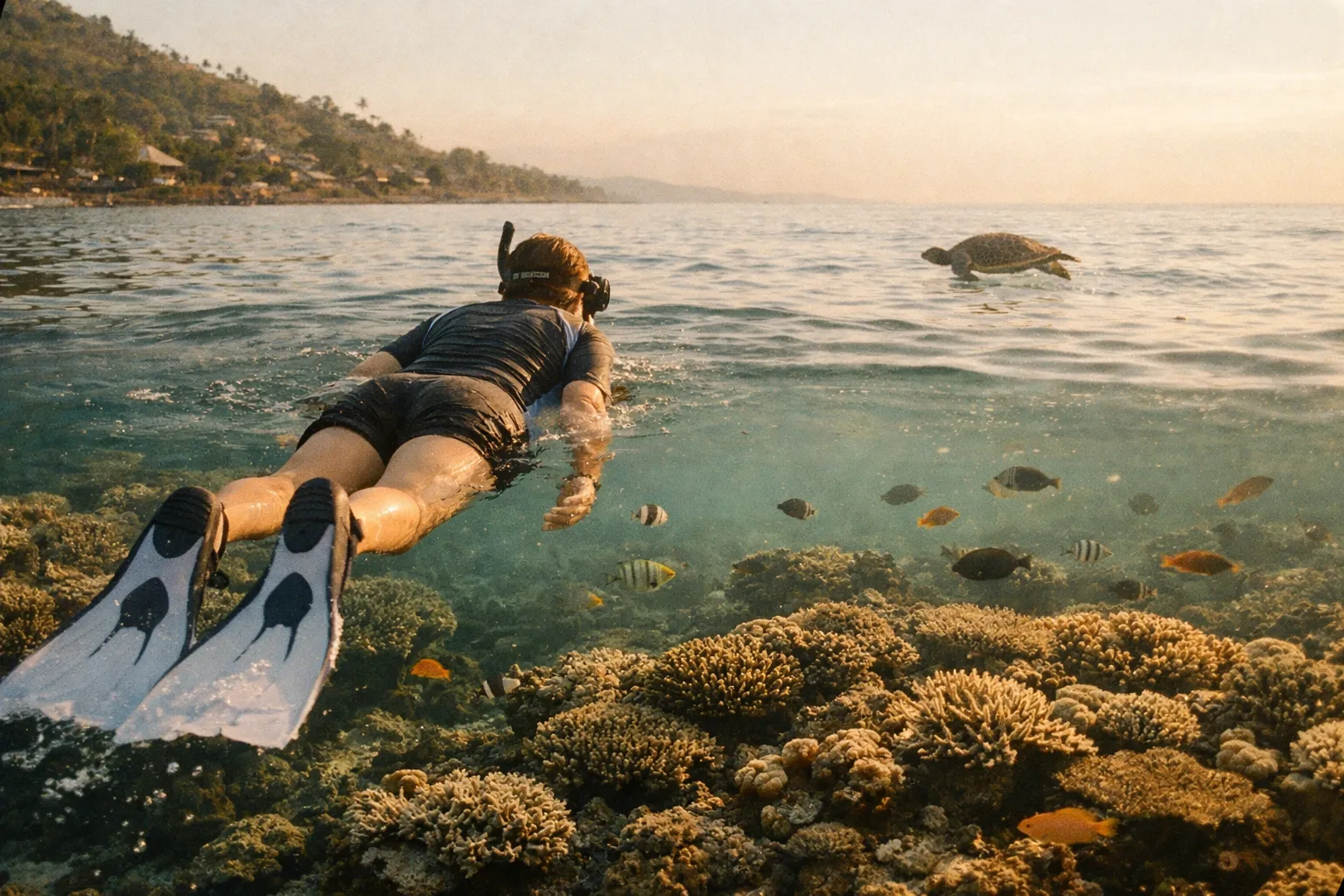
Best snorkel spots, north to south:
- Jemeluk Bay - the underwater statues sit at 5-15 m. The shallower ones are visible from the surface in good viz. Turtles cruise the shallows almost daily.
- Pyramids - the artificial reef structures are at 6-10 m and clearly visible from the surface. Strong reef fish density.
- Lipah / Japanese Wreck - wreck at 5-10 m, easy swim from shore, glassfish clouds and soft coral.
- Bunutan - only for confident swimmers due to current.
Snorkel gear rentals run IDR 50,000-80,000/day (USD 3-5) from shops along the coast road. Bring reef-safe sunscreen - the SPF doesn’t help once you’ve fried your back, and the local reefs need the consideration.
Is it safe to swim in Amed Bali?
For the most part, yes. The northeast coast is sheltered from the swell that makes south Bali a surf destination, and the inner bays - Jemeluk especially - have minimal current and gentle entries (1)(3). Families with kids snorkel in Jemeluk and Lipah daily without issue.
That said, a few things worth knowing:
- June to September brings stronger winds and choppier surface conditions, particularly at exposed sites like Bunutan and Banyuning. Morning is calmer than afternoon.
- Pebble entries are slippery. Bring water shoes or sturdy booties. Barefoot entries cause more injuries than the marine life does.
- Currents pick up at Pyramids and Bunutan, especially on tide changes. Snorkelers should stay in the bays.
- No lifeguards. This is not a patrolled beach environment. Swim within your ability.
- Sea urchins sit in rocky patches near shore. Look before you stand.
For diving safety, choose a PADI 5-Star operator with oxygen on site, low guide-to-diver ratios, and a clear briefing structure. The nearest hyperbaric chamber is in Denpasar, three hours away - invest in dive insurance (DAN Asia-Pacific is the standard) and don’t push deco margins on the last day before flying.
Beyond diving: things to do in Amed
A few days here can easily fill without a tank on your back.
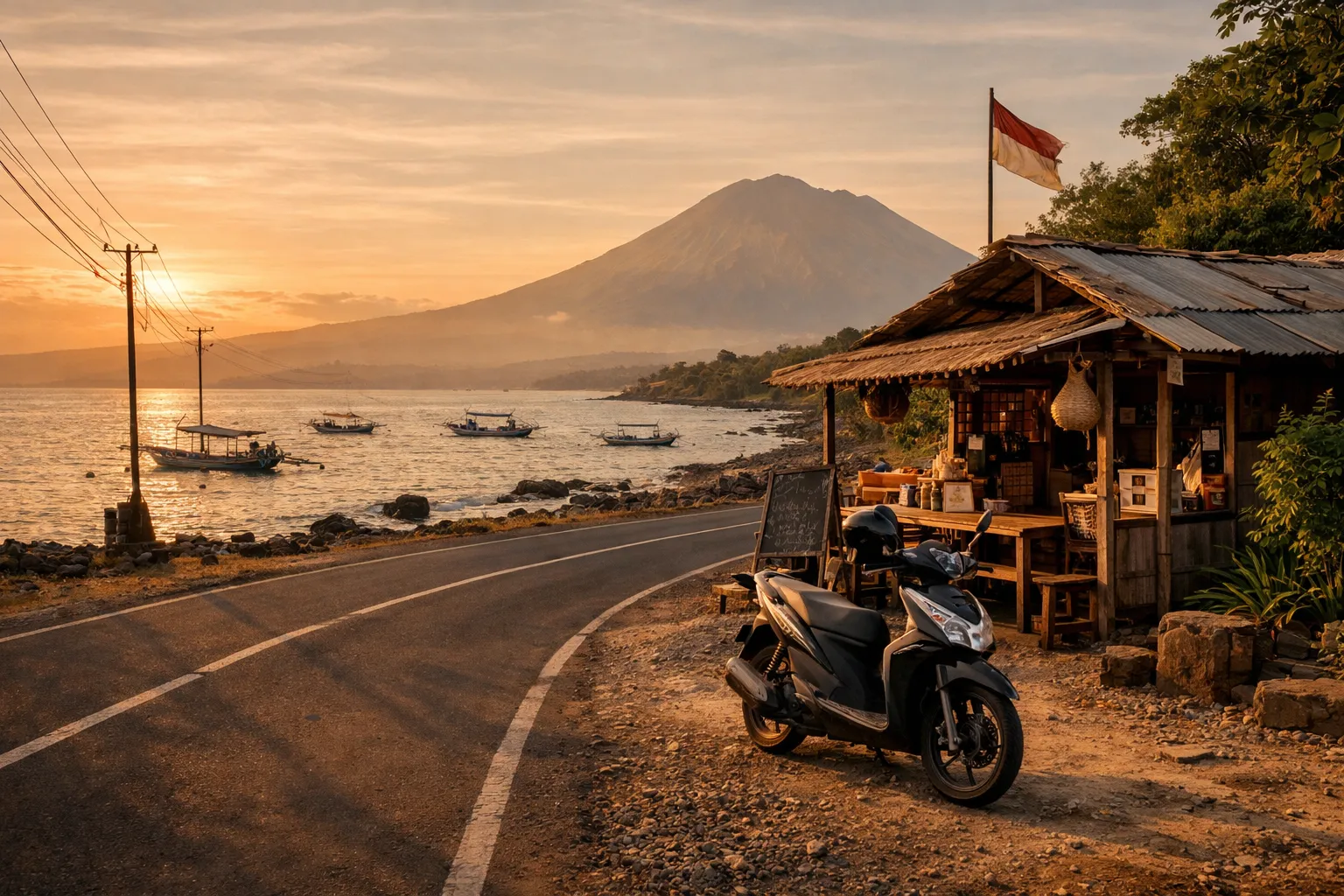
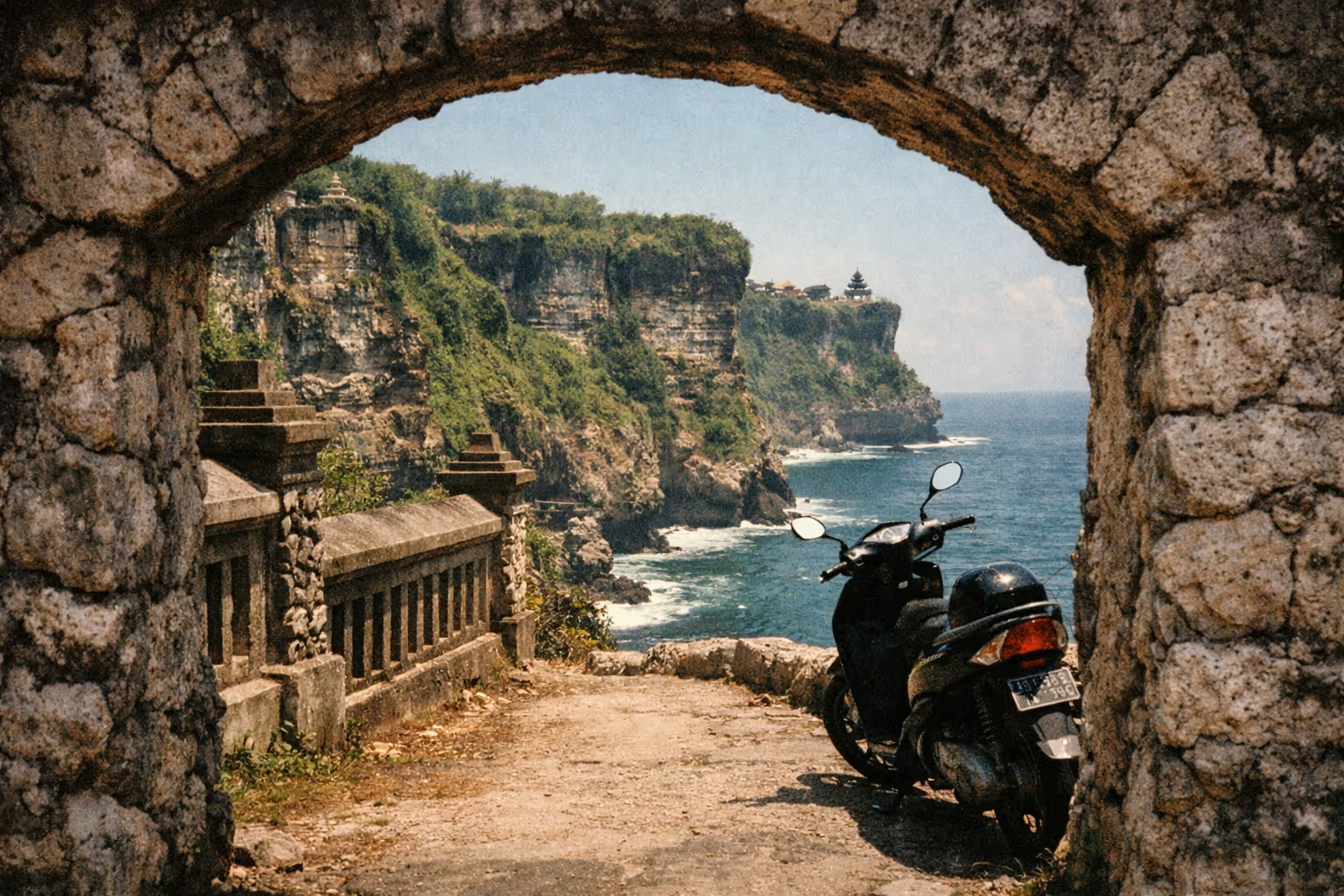
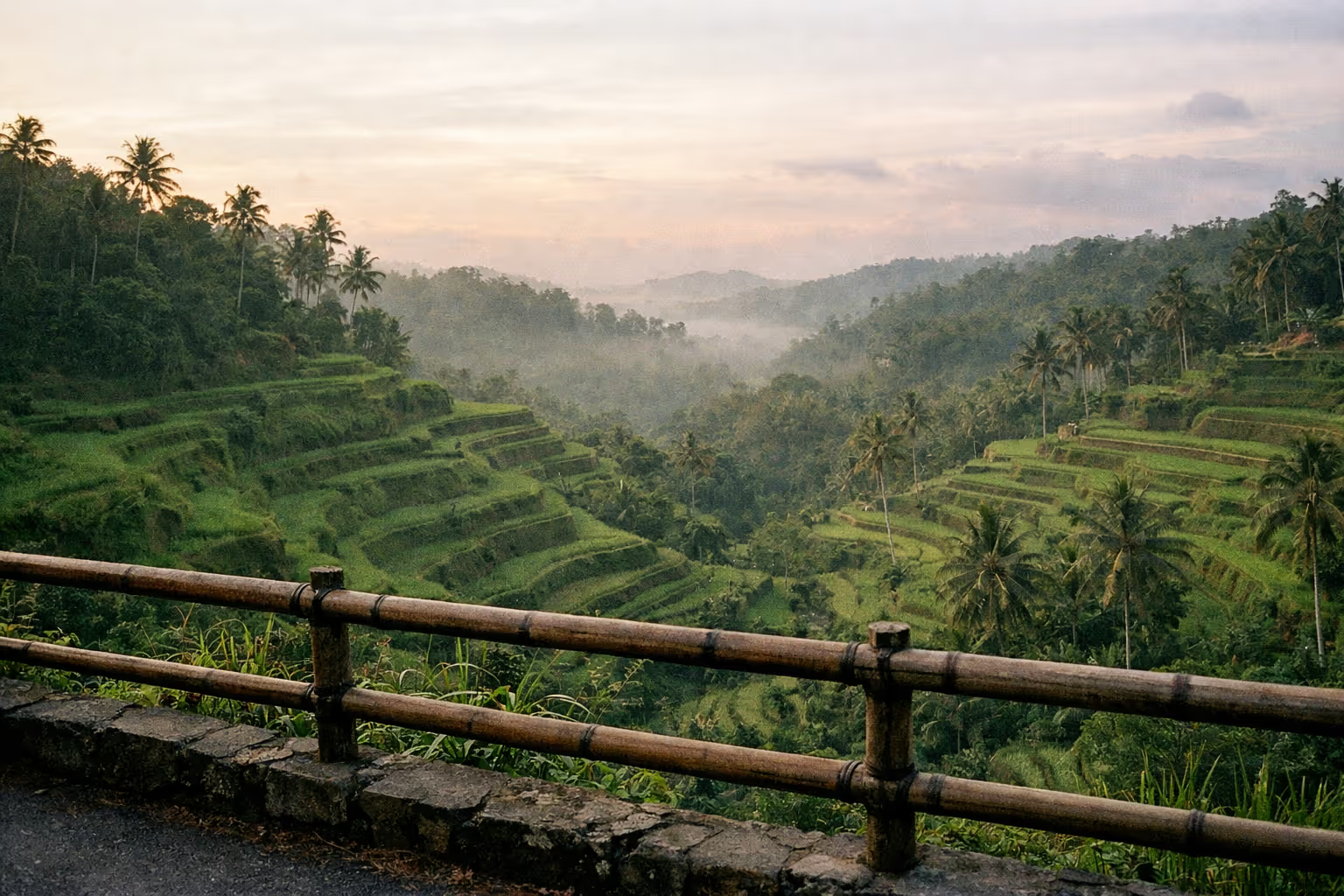
Ride the back roads. A scooter (USD 5-7/day, helmets included, bring your IDP) opens up the inland villages. The road up from Amed toward Bangle climbs through rice terraces and salt-making villages where families still evaporate seawater in palm-wood troughs along the coast. Stop, watch, buy a packet of salt for IDR 20,000 - it’s some of the best finishing salt in Indonesia.
Lempuyang Temple - the “Gates of Heaven” you’ve seen on Instagram. 45 minutes inland. Go at dawn to beat the crowds and the heat. By 9 am the queue for the gate photo is brutal. Sarong required (rental at entrance, included in ticket).
Tirta Gangga - the old royal water palace, 40 minutes south. Stone pools, koi, stepping stones. Worth two hours and an iced coconut at the entrance café.
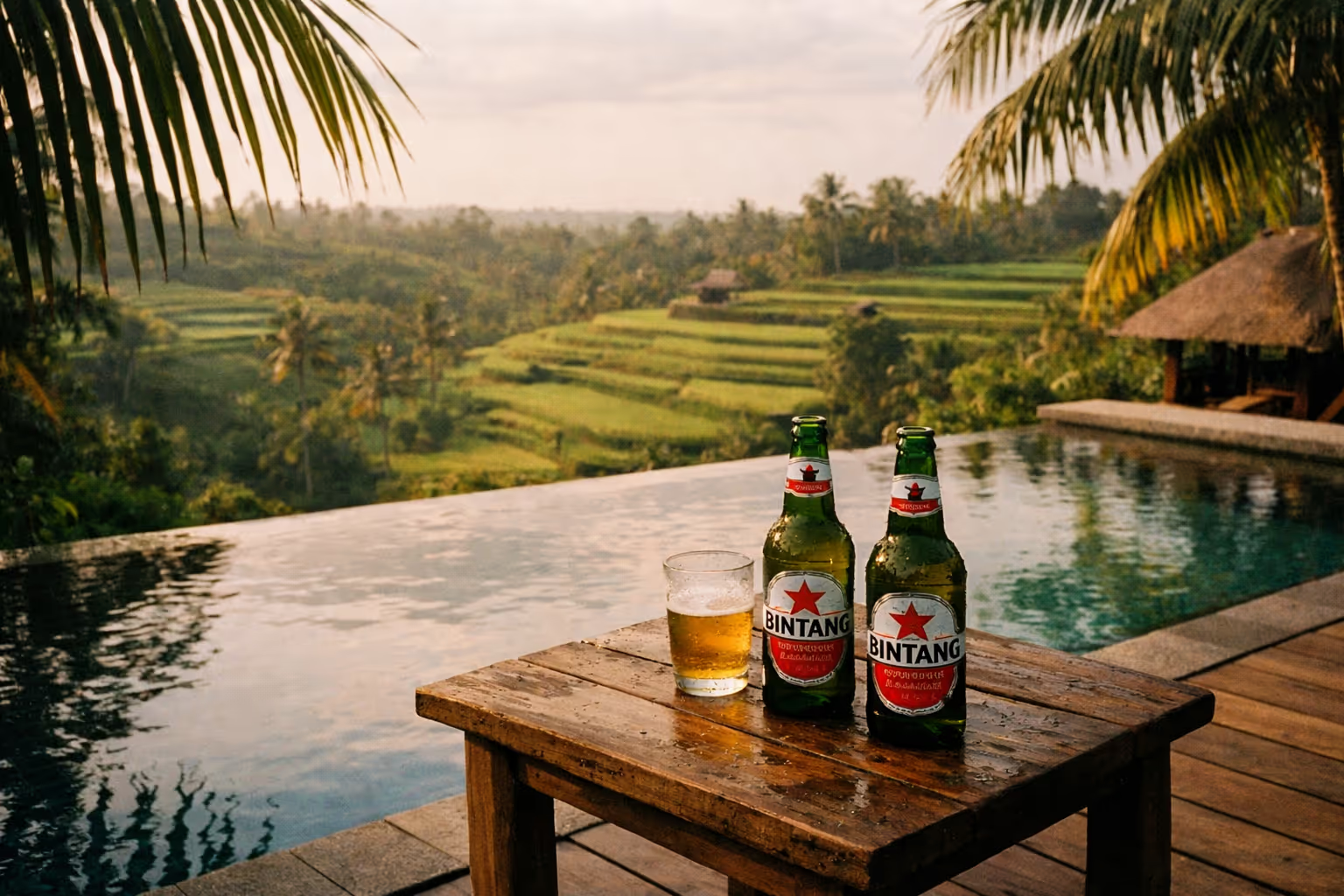
Jemeluk Lookout - sunset over Mount Agung from a roadside warung above the bay. Order a Bintang (Indonesian beer), watch the fishing jukungs (outrigger boats) come back in.
Freediving courses. Several centres run AIDA and Molchanovs programs in Jemeluk Bay’s calm shallows - a natural complement to a scuba trip and a way to spend a day in the water without a tank.
Etiquette note: when visiting temples - Lempuyang, Tirta Gangga, and the small village temples you’ll pass on a scooter - wear a sarong and a sash, cover your shoulders, and don’t enter if a ceremony is in progress unless invited. Women who are menstruating are traditionally asked not to enter temple grounds. This is taken seriously in East Bali, more so than in tourist-heavy south Bali.
Is Amed Bali worth it?
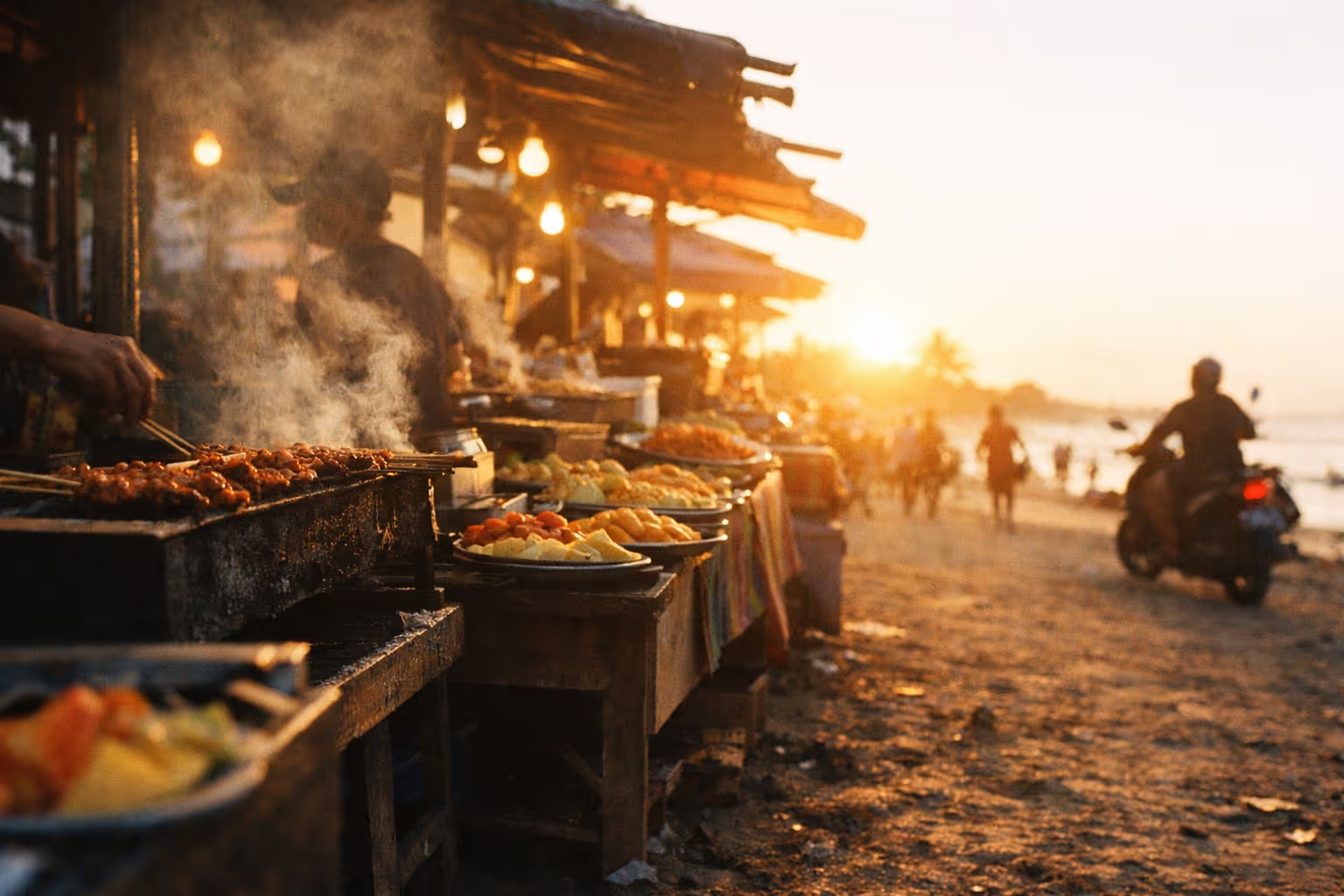
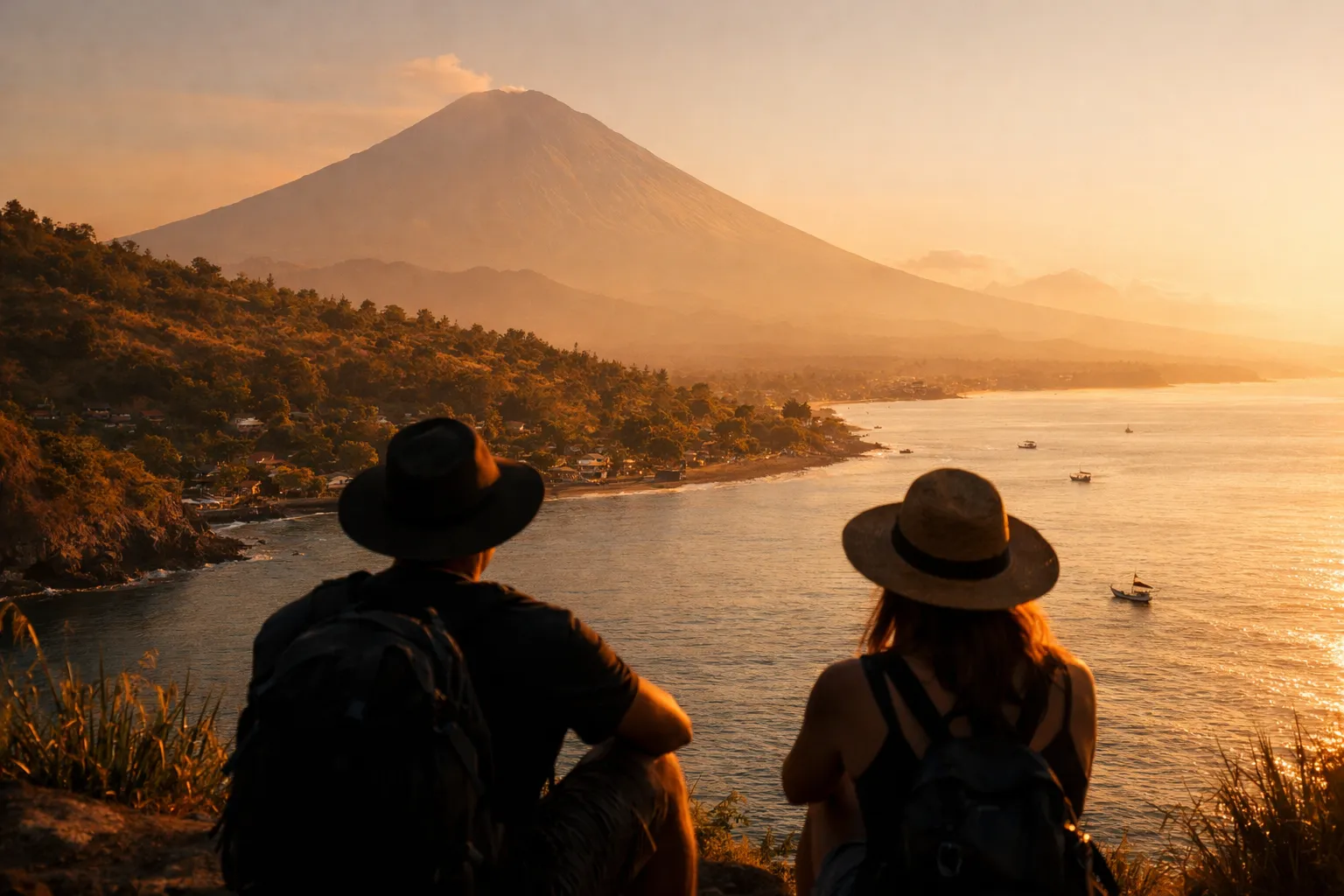
For divers, snorkelers, and anyone who wants a slower East Bali base that isn’t Ubud, yes. The diving alone justifies the drive - calm water, excellent macro, the Liberty within reach - and the surface scene fills in the rest. It’s quieter than Canggu, cheaper than Seminyak, and the only place in Bali where you can do four shore dives in a day, eat grilled fish at a beachside warung for USD 5, and watch the sun set behind Mount Agung from the same chair.
It is not for travellers who want nightlife, surf breaks, or a fully built-out tourist economy. The road has potholes. Wi-Fi is spotty. Some warungs run out of food by 8 pm. If those are dealbreakers, base in Sanur or Ubud and day-trip the dive sites - but you’ll spend more time in the car than the water.
Insider tips for diving in Amed
A few things experienced divers tend to figure out after the first trip:
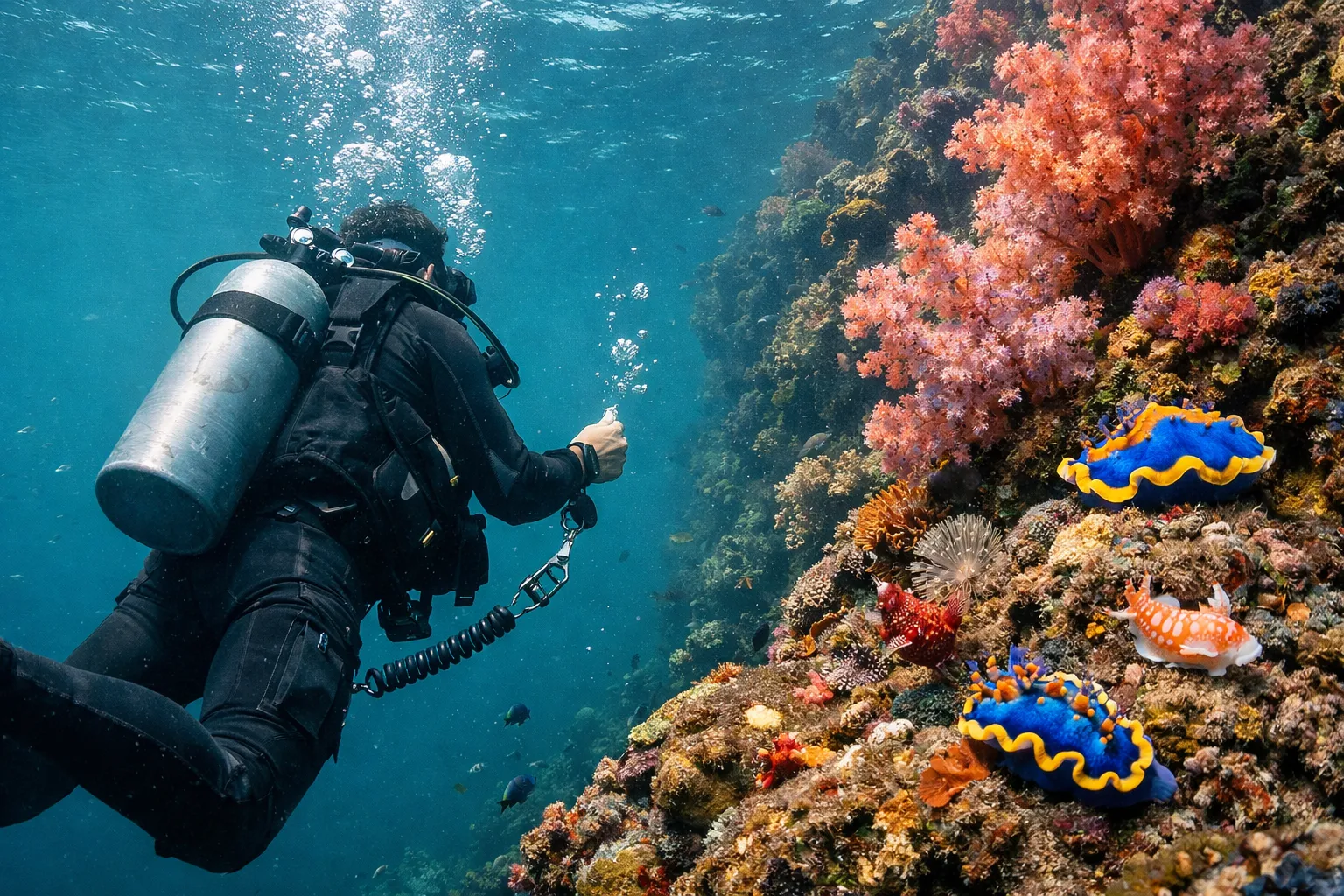
- Dive the Liberty at sunrise. Pickup at 5:30 am, in the water by 6:15, the wreck to yourself before the day-trippers arrive from south Bali at 9. Bumphead parrotfish come in to feed at dawn.
- Book macro days in Tulamben, wide-angle days in Amed. Don’t bring only one setup. Ghost Bay and Seraya Secrets reward patience and a 60mm; the Liberty wants wide.
- Do a check dive in Jemeluk first. Even experienced divers benefit from a relaxed first dive to sort buoyancy after a flight. The underwater temple makes it interesting enough that it doesn’t feel like a formality.
- Schedule the deepest, currentiest dive first thing in the morning. Pyramids and Bunutan are easier on a slack tide; ask your guide for the day’s forecast.
- Save night dives for Ghost Bay. The black sand is excellent for spotting critters, and the navigation is straightforward - no risk of getting tangled in a reef in the dark.
- Skip the “do everything in one day” temptation. Liberty at dawn plus three Amed dives plus a night dive sounds heroic. It ends in skipped safety stops and a tired diver.
- Bring a reef hook for drift sites. Pyramids and Bunutan can move faster than expected. A hook lets you pause and photograph without finning against current.
Frequently Asked Questions
- Can I dive in Amed without prior certification?
- Yes, many dive centres offer Discover Scuba Diving experiences for beginners with no prior certification, making Jemeluk Bay a great place to learn.
- What is the best time of day to dive the USAT Liberty wreck?
- Early morning dives around sunrise offer the clearest water and the chance to see bumphead parrotfish before crowds arrive.
- Are there any safety concerns for snorkelers in Amed?
- Snorkelers should be cautious of slippery pebble entries, currents at exposed sites, and sea urchins. There are no lifeguards, so swimming within ability is essential.
- How do I decide between basing in Amed or Tulamben?
- Choose Tulamben for dedicated Liberty wreck diving and a macro-rich dive scene; choose Amed for a more varied diving experience combined with surface activities and better dining options.
- Is it possible to do multiple dives in a day without getting exhausted?
- Yes, Amed's shore-entry sites and tank transport by pickup truck allow for three to four dives a day without the fatigue of boat rides.
- What local etiquette should I observe when visiting temples near Amed?
- Wear a sarong and sash, cover your shoulders, and avoid entering during ceremonies unless invited. Women who are menstruating are traditionally asked not to enter temple grounds.